


Do you expect me to talk?
No, Mr. Bond, I expect you to die!
The best Bond film
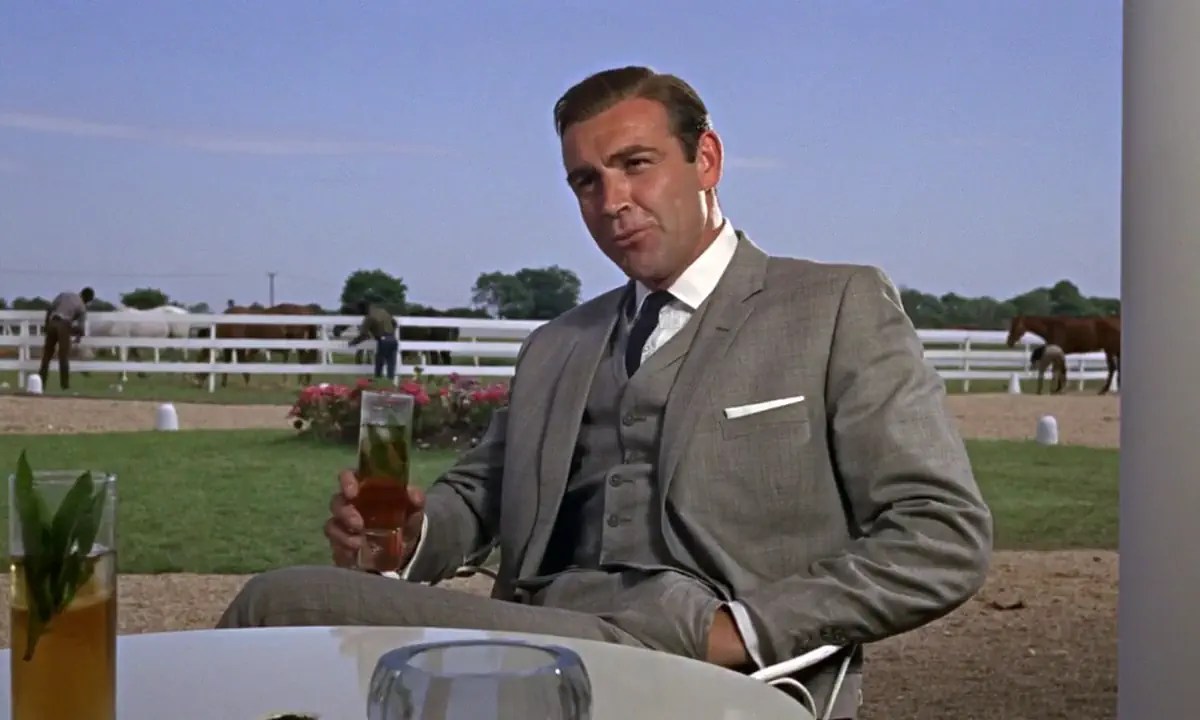
The James Bond film series is a cultural phenomenon that has captivated millions of viewers worldwide for over six decades. From the first portrayal by Sean Connery to Daniel Craig’s modern interpretation, the British secret agent 007 has not only shaped the film industry, but has also left an indelible mark on pop culture. Of all the adventures James Bond has had on screen, one film in particular stands out: 1964’s Goldfinger. This third installment in the series is often regarded by critics and fans alike as the best Bond film of all time. But what makes Goldfinger so extraordinary and timeless? This article offers an in-depth look at the film, its plot, its significance within the series, the reactions upon its release and its enduring reputation.
Plot
James Bond versus the gold magnate!
Goldfinger opens with a spectacular pre-title sequence showing James Bond (Sean Connery) on a covert mission in a Latin American banana republic. He infiltrates an enemy facility, disguised as a diver, and plants explosives to destroy a drug refinery. After the successful explosion, he narrowly escapes, demonstrating not only his physical prowess but also his ingenuity and cold-bloodedness. This opening scene sets the tone for the entire movie: action-packed, sophisticated and with a touch of irony.
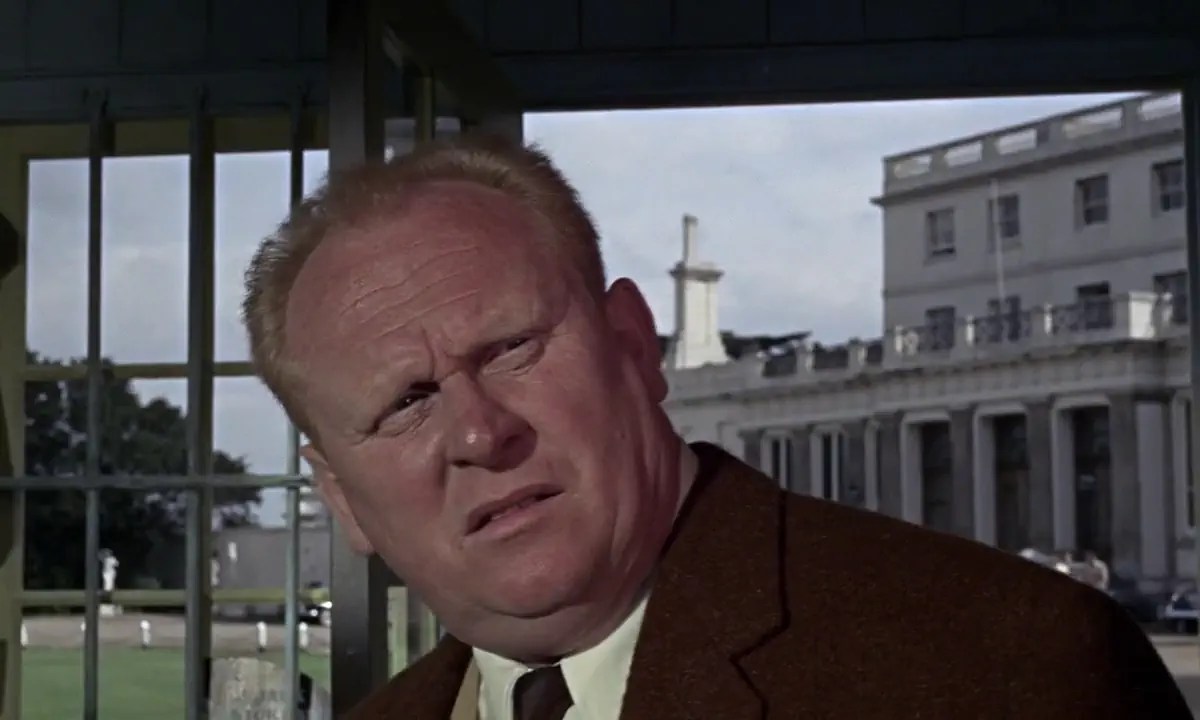
After this dramatic opening, Bond finds himself in Miami Beach, where he is supposed to be enjoying a well-deserved break. But CIA agent Felix Leiter contacts him with a new assignment. Bond is to observe the wealthy but mysterious Auric Goldfinger (Gert Fröbe), who is suspected of smuggling large quantities of gold in violation of international trade laws. Goldfinger initially appears to be a harmless businessman who spends his time playing cards. But Bond soon discovers that Goldfinger is cheating at gin rummy by enlisting the help of the attractive Jill Masterson (Shirley Eaton), who informs him of his opponent’s cards via a radio.
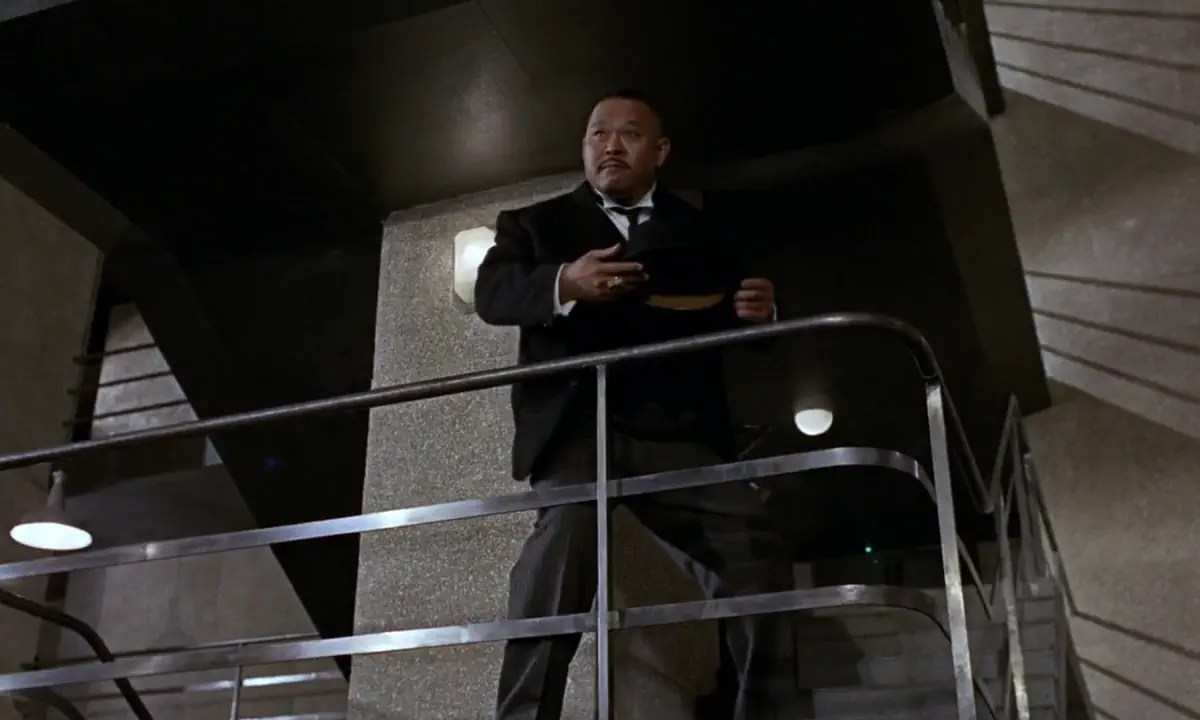
Bond foils the deception by confronting Goldfinger and interrupting his radio connection. He spends a romantic night with Jill, but their happiness is short-lived. Goldfinger’s sinister henchman Oddjob (Harold Sakata) knocks Bond unconscious and Jill is gruesomely murdered. Her body is completely covered in gold paint, which not only creates a shocking image, but also demonstrates Goldfinger’s macabre sense of revenge.
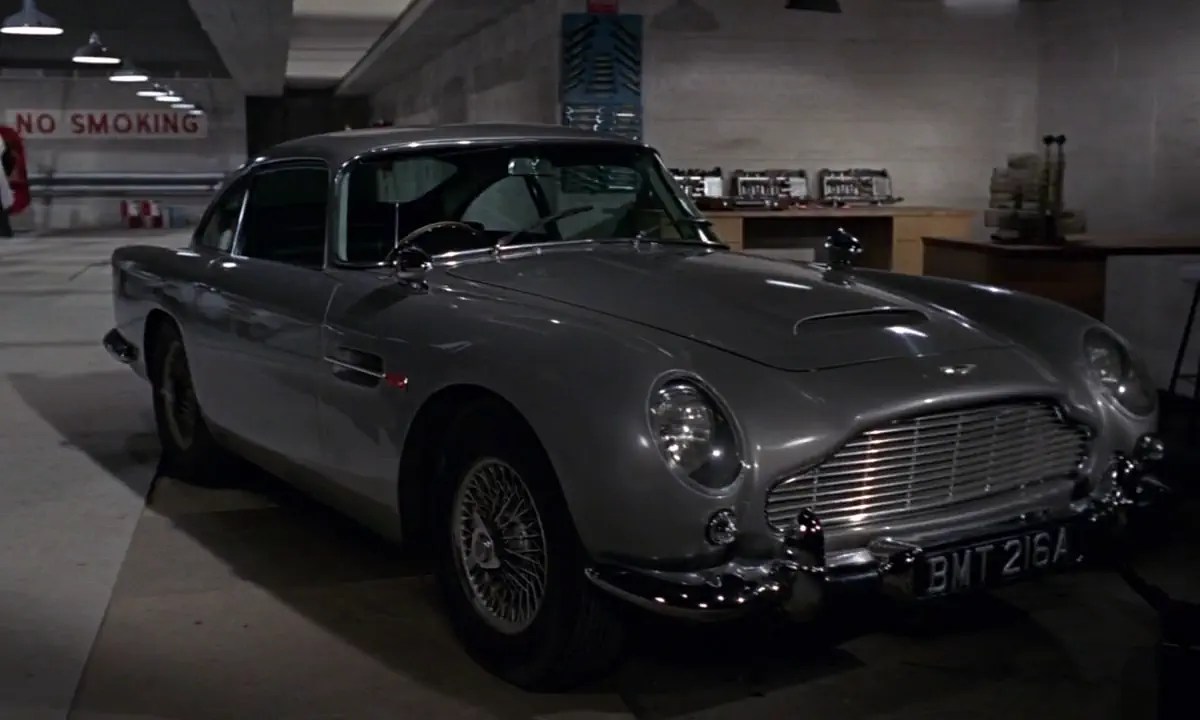
Back in London, Bond is entrusted by M (Bernard Lee) with the task of further investigating Goldfinger’s operations. At MI6 headquarters, he meets Q (Desmond Llewelyn), who presents him with the now legendary Aston Martin DB5. Equipped with an arsenal of gadgets such as machine guns, ejection seat, smoke curtain and oil sprayers, this vehicle becomes an iconic symbol of the series.
Bond follows Goldfinger to Switzerland, where he discovers his secret gold smelter. There he meets Tilly Masterson (Tania Mallet), Jill’s sister, who is out for revenge. Together they try to thwart Goldfinger’s plans, but Tilly is tragically killed by Oddjob. Bond is captured and taken to Goldfinger’s headquarters.
In one of the most famous scenes in movie history, Bond lies tied up on a golden table while a laser beam slowly moves up between his legs. To Bond’s provocative question as to whether Goldfinger expects him to talk, the latter replies coldly: “No, Mr. Bond, I expect you to die.” But Bond’s sharp mind and his ability to keep a cool head even in the most dangerous situations mean that Goldfinger spares him.
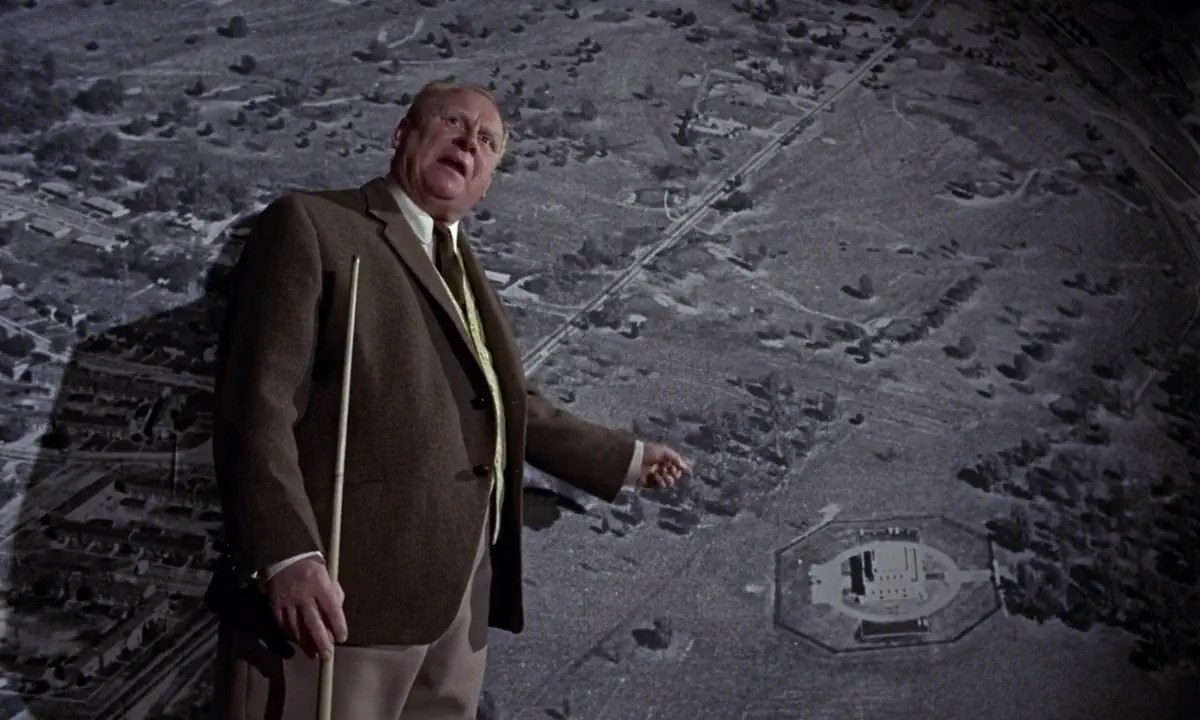
Bond learns of Goldfinger’s diabolical plan called Operation Grand Slam. Instead of robbing Fort Knox – which would be practically impossible – Goldfinger plans to irradiate the United States‘ gold reserves with a dirty nuclear bomb. This would render the gold useless and greatly increase the value of Goldfinger’s own holdings, while destabilizing the Western economy.
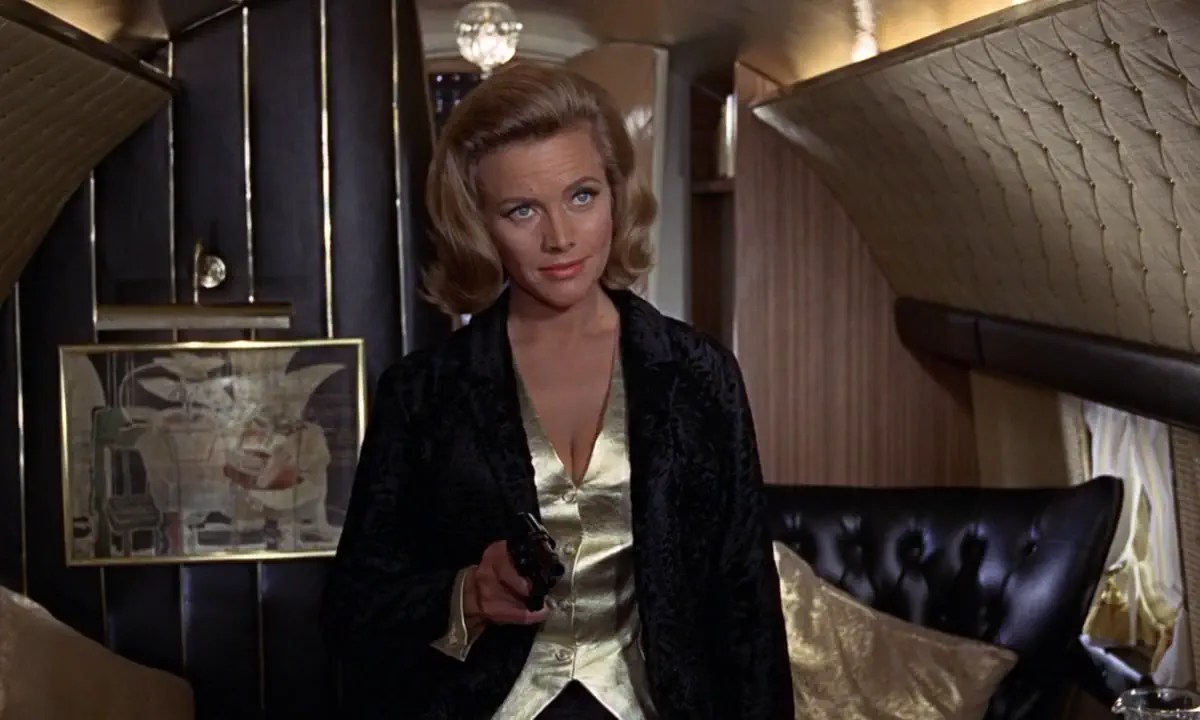
In a desperate attempt to prevent the catastrophe, Bond tries to get Pussy Galore (Honor Blackman), the leader of Goldfinger’s female pilot team, on his side. After initially refusing, he succeeds in persuading her to switch allegiance through his charm and powers of persuasion. Pussy informs the US authorities, and together they manage to thwart Goldfinger’s plan at the last second. In the final showdown, Bond battles Oddjob in the Fort Knox vault. Despite Oddjob’s superhuman strength, Bond is able to outwit and ultimately kill him. Goldfinger himself dies during a fight with Bond on board an airplane when he shatters a window with a shot from his own golden pistol and is sucked out of the plane.



Trivials
Iconic elements and inventions!
Goldfinger is rich in elements that were groundbreaking not only for the series, but for the entire action genre. The introduction of the Aston Martin DB5 set a new standard for cinematic vehicles. This car was not just a means of transportation, but an integral part of Bond’s mission kit. The sophisticated gadgets that Q presents with dry humor expand the technical dimension of the film and provide the audience with innovative and exciting action sequences.
The title song “Goldfinger”, sung by Shirley Bassey, is another milestone. With her powerful voice and striking melody, the song became an instant classic and continues to shape the musical identity of the Bond films to this day. The opening sequence, which features stylized projections of scenes onto gold-painted bodies, is both aesthetically stunning and symbolic of the film’s themes.
The characters are equally iconic. Auric Goldfinger is not your typical one-dimensional villain. His obsession with gold, combined with his intellectual brilliance and ruthless nature, makes him a complex and fascinating antagonist. His sidekick Oddjob, mute but deadly, adds an extra layer of menace to the movie. His distinctive trademark, the deadly hat with the steel brim, has become a staple of pop culture.
The character of Pussy Galore breaks with the then-current stereotypes of female characters in action films. She is self-confident, competent and plays a crucial role in foiling Goldfinger’s plan. Her interactions with Bond are characterized by a mixture of attraction and rivalry, giving her character depth and credibility.
Humor and wordplay are cleverly used to ease the tension and emphasize Bond’s characteristic charm. After Oddjob’s death, Bond remarks dryly, “He had a deadly hat.” Such one-liners contribute to the unique tone of the film and are a tradition in the series.
Position in the series
Goldfinger marks a turning point in the James Bond series and defines many of the elements that would shape future films. While Dr. No and Love Greetings from Moscow established the character and world of Bond, Goldfinger set new standards in terms of production, style and scope. The film increased the budget, relied on more elaborate sets and specialized in exotic locations, giving audiences a sense of glamour and internationalism.
The emphasis on high-tech gadgets, charismatic villains with global agendas and spectacular action sequences became an integral part of the series. The dynamic between Bond and Q was further developed and added a humorous touch that was continued in later films.
The success of Goldfinger not only influenced the direction of the series, but also had an impact on the action genre as a whole. It set new standards for production values and showed that action films could be both commercially successful and artistically ambitious.
Reviews at the time
An overwhelming success!
On its release, Goldfinger received overwhelmingly positive reviews. The Times described the film as “a triumph of suspense, style and ingenuity”. Sean Connery’s performance was praised as his best yet, striking the perfect balance between charm, toughness and wit. Gert Fröbe’s incarnation of Auric Goldfinger was considered masterful, and his ability to portray a villainous character with depth and nuance was particularly highlighted.
Guy Hamilton’s direction received acclaim for its tight direction and ability to seamlessly blend action, suspense and humor. The special effects and innovative gadgets were considered groundbreaking and added to the movie’s allure.
Goldfinger was a phenomenal success at the box office. With a budget of around 3 million dollars, the film grossed over 120 million dollars worldwide. This commercial triumph cemented the position of the James Bond series as one of the leading film series and enabled the producers to pursue even more ambitious paths in future projects.
Reputation today:
A milestone in action cinema!
In the decades since its release, Goldfinger has lost none of its appeal. The film is often listed in best picture lists and is considered one of the most influential action films of all time. Its influence on pop culture is undeniable, with numerous references in other films, television series, music and even video games.
Modern critics praise the film for its timeless quality and its ability to entertain even today. The blend of suspense, humor and style is considered near perfect. Film historians consider Goldfinger a turning point that redefined the action genre and paved the way for future blockbusters.
The iconic elements of the film, such as the Aston Martin DB5, the theme song and the distinctive characters, are firmly embedded in the cultural consciousness. They have inspired generations of filmmakers and continue to contribute to the enduring popularity of the series.
Summary
The best Bond film of all time!
Goldfinger is more than just another installment in the James Bond series; it is a cinematic masterpiece that captures the essence of what makes a great movie. The perfect balance of suspense, style, character development and innovation makes it a timeless classic. Its contributions to the art of film and its influence on pop culture are immeasurable.
Not only did the film set the course for the future of the series, but it also showed that action films can be both intellectually engaging and commercially successful. Through its enduring relevance and undeniable influence, Goldfinger undoubtedly deserves the title of the best Bond film of all time.
For fans and newcomers alike, Goldfinger offers an unparalleled cinematic experience. It embodies everything that has made James Bond iconic and remains a shining example of filmmaking excellence. Anyone who wants to understand why James Bond has lost none of his fascination even after more than 60 years will find the perfect answer in Goldfinger.








 McHenry's Lair
Kommentar verfassen :