

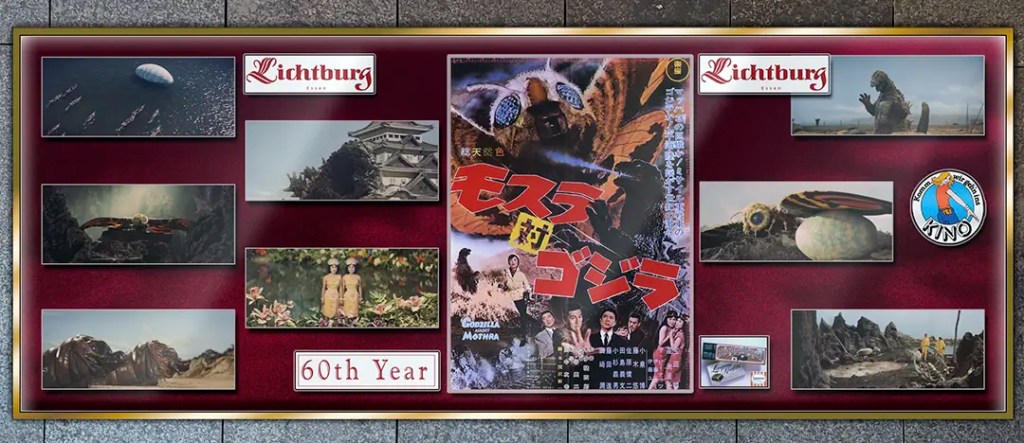
Please return the egg! It belongs to us!
A classic of the kaiju genre
„Mothra vs. Godzilla“, also known in German-speaking countries as „Godzilla und die Urweltraupen“, is a Japanese science fiction film from 1964, directed by Ishirō Honda. Eiji Tsuburaya, a pioneer of special effects, was responsible for the film’s visual effects, which were considered revolutionary for the time. The film represents a significant episode within the Godzilla series and stands out for the spectacular encounter between two legendary monsters of the kaiju genre: Godzilla and Mothra. This confrontation has become deeply engraved in pop culture and remains a cornerstone of the monster film genre. The film was produced by Toho and is the fourth instalment in the original Godzilla series, marking the evolution of the character Godzilla from a pure destroyer to a more complex figure. It impressively combines elements of action, drama and profound ecological messages that are still relevant today.
Plot
The plot of „Mothra vs. Godzilla“ begins with a mysterious incident: a giant egg washes up on the coast of Japan after a violent storm. The egg quickly becomes a sensation and attracts the interest of entrepreneurs, scientists and the local population alike. A greedy businessman named Kumayama, in collaboration with corrupt entrepreneur Jiro Torahata, sees the egg as an opportunity to make a profit and plans to display it as a tourist attraction. While the public debates the commercial value of the egg, two tiny fairies, the Shobijin, appear and demand the return of the egg to its rightful owner, Mothra, the giant moth from Infant Island. However, their request is ignored by the businessmen, who are only interested in their own profits.
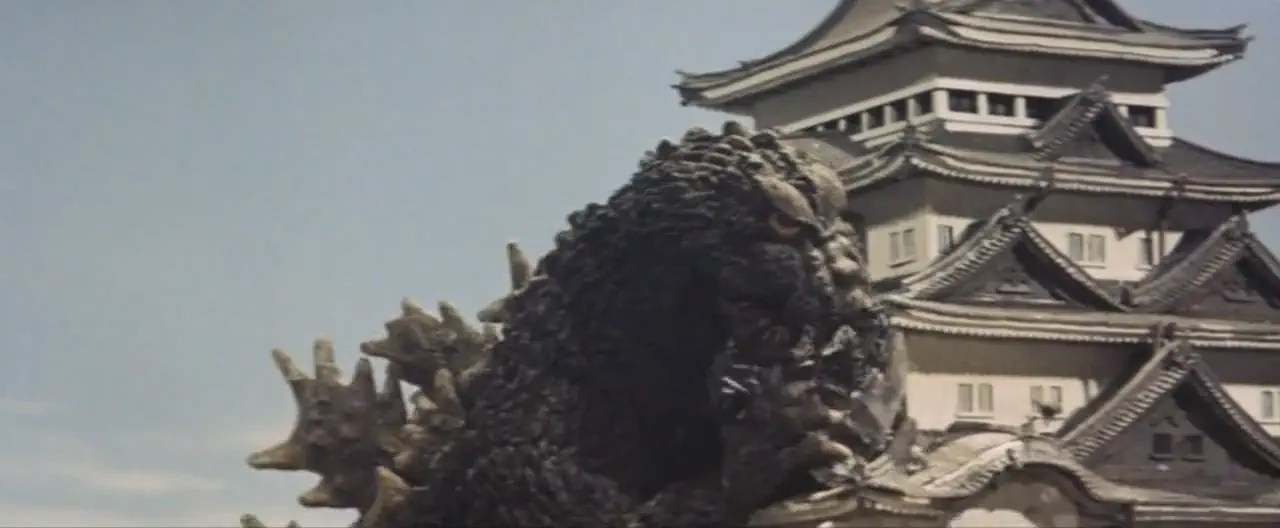
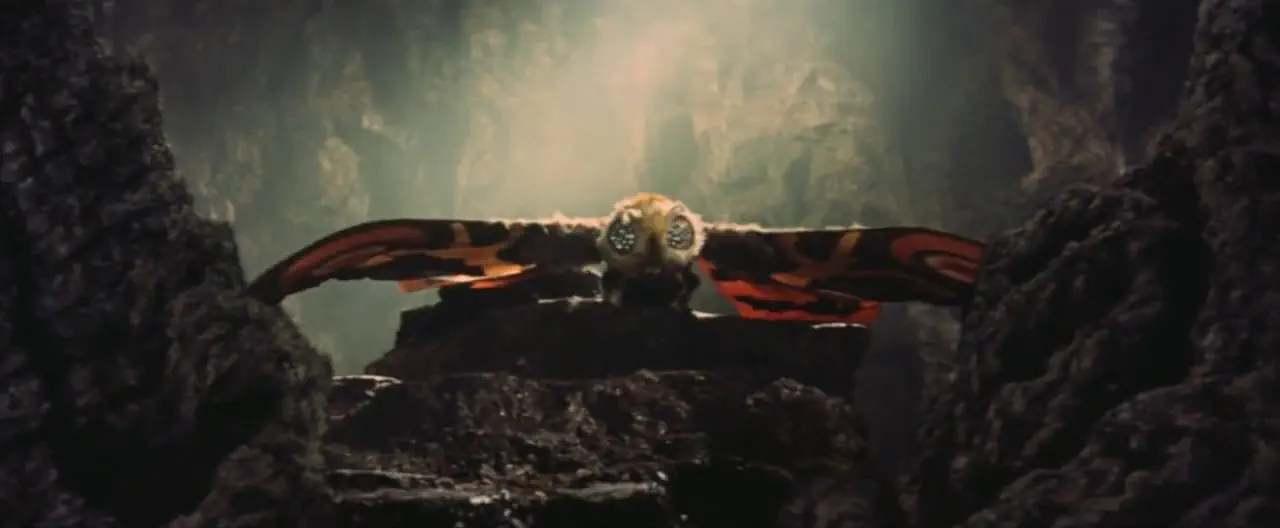
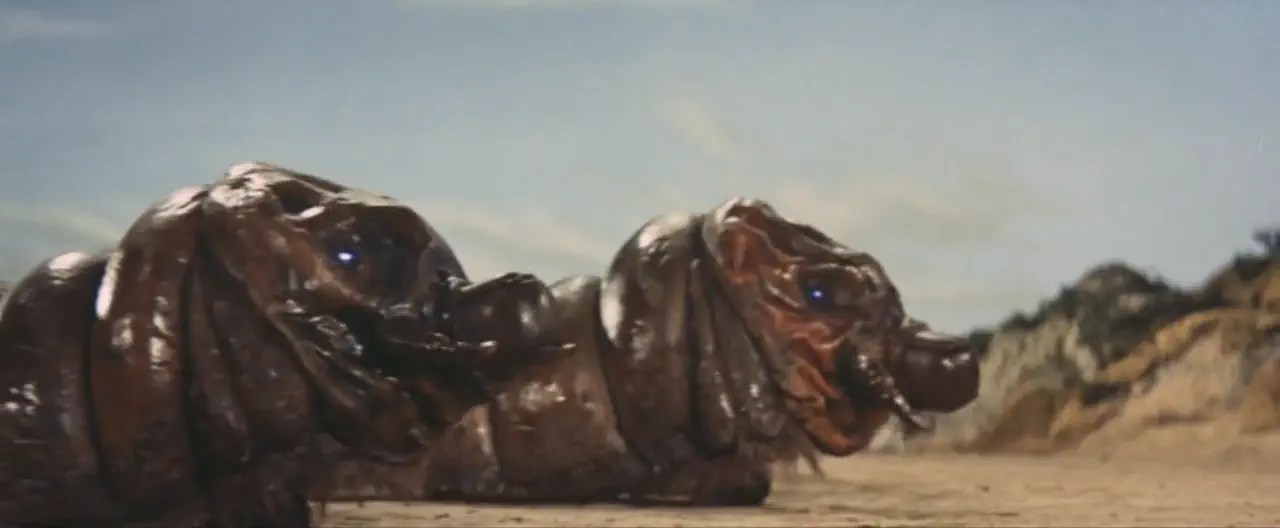
Meanwhile, Godzilla awakens from his slumber, triggered by the chaos surrounding the egg and the construction work nearby. Godzilla begins to cut a swathe of destruction through Japan, presenting the government and scientists with an almost unsolvable problem. Faced with the unstoppable threat of Godzilla, the humans are forced to ask Mothra for help. The Shobijin agree to help and Mothra, although weakened and on the verge of laying her eggs, takes up the fight against Godzilla. The two giants clash in an epic showdown, with Mothra risking everything to protect humanity. The battle is intense and shows the strength and bravery of both creatures. Ultimately, Mothra sacrifices herself, but her larvae hatch and continue the fight, wrapping Godzilla in their silky threads and defeating him.





Trivials
- I personally have a very special connection to this movie: When I was 8 years old, I saw the German trailer (see below) in the cinema. I was so shocked that I wanted to run out of the movie theater. For years I couldn’t even look at movie posters for Godzilla films. Fortunately, today I can smile about it, especially because I have now seen ALL Godzilla films (including the American ones).
- The film is the fourth in the original Godzilla series.
- Mothra was first introduced in the film „Mothra“ (1961), which meant that the character already had a certain popularity when he met Godzilla in this film.
- The Shobijin were played by the twins Emi and Yumi Itō, known as The Peanuts, who were very popular singers in Japan.
- The giant egg seen in the film was made using a precise miniature technique that was typical of Tsuburaya’s work and added to the immersion of the audience.
Critics at the time
On its release in 1964, „Mothra vs. Godzilla“ met with a largely positive response. Critics praised Eiji Tsuburaya’s impressive special effects, which made the fights between the giant monsters look impressive and realistic. Ishirō Honda’s direction was praised for its ability to create tension and drama, while the story was both entertaining and thematically profound. The successful balance between action and narrative depth, which set the film apart from many other monster films of the time, was particularly highlighted. The portrayal of Mothra as a noble and protective force, in contrast to Godzilla’s destructive nature, was also viewed favourably. The film was recognised as a significant step forward in the development of the kaiju genre, raising the bar for future monster films. Critics also emphasised the film’s strong ecological and moral messages, which address the destructive effects of human greed and ruthlessness on nature.
Reputation today
Even decades after its premiere, „Mothra vs. Godzilla“ continues to enjoy high acclaim. Modern critics and film historians appreciate the film for its handmade special effects and creative realisation. The film is often regarded as one of the best entries in the Godzilla series and is considered a timeless classic of the kaiju genre. The portrayal of Mothra as a protective and heroic figure is particularly emphasised, as is the critical examination of human greed and environmental damage, themes that remain relevant to this day. The visual presentation and the carefully designed miniatures and costumes are seen as works of art that lend the film a special authenticity and charm. The musical score by Akira Ifukube also contributes to the atmospheric density and emotionality of the film. Today’s critics also praise the innovative camera work and the skilful use of perspectives, which impressively convey the gigantic dimensions of the monsters. The film is often shown in retrospectives and film festivals and serves as an object of study for the development of special effects cinema.
Status within the series
Within the Godzilla series, „Mothra vs. Godzilla“ occupies a special place. It marks the first of many clashes between Godzilla and Mothra that have become a recurring element of the series over the years. Mothra developed into one of the most popular characters in the Godzilla universe and appeared in numerous other films, both as an ally and an opponent of Godzilla. The film contributed significantly to the mythology and ongoing storyline of the series and influenced many subsequent films in the series. The portrayal of Godzilla changed over the course of the series, with him often taking on a protective role in later films, while Mothra was always respected as a symbol of protection and nature. „Mothra vs. Godzilla“ is often regarded as one of the most influential films in the series and has had a lasting impact on the dynamics and relationships between the monster characters. It was instrumental in portraying Godzilla as a more complex character and laid the foundation for the more complex narratives in later films in the franchise.
Summary
„Mothra vs. Godzilla“ is an outstanding film of the kaiju genre that captivates with its exciting plot, impressive special effects and the iconic encounter between two legendary monsters. Highly regarded both at the time of its release and today, the film remains an essential part of the Godzilla series. Its thematic depth and creative realisation make it a timeless classic that will delight old fans and new viewers alike. The confrontation between Godzilla and Mothra is not only a highlight of the film, but also a significant moment in the history of monster movies as a whole. With its mixture of action, drama and profound themes, „Mothra vs. Godzilla“ sets standards and remains an indispensable contribution to film history. The cinematic portrayal of the two giants and the underlying messages about the protection of nature and the dangers of human greed lend the film a special relevance that goes beyond pure entertainment cinema. „Mothra vs. Godzilla“ remains an impressive example of the creative power of the kaiju genre and the enduring fascination that these monsters exert on viewers.





 McHenry's Lair
Kommentar verfassen :