

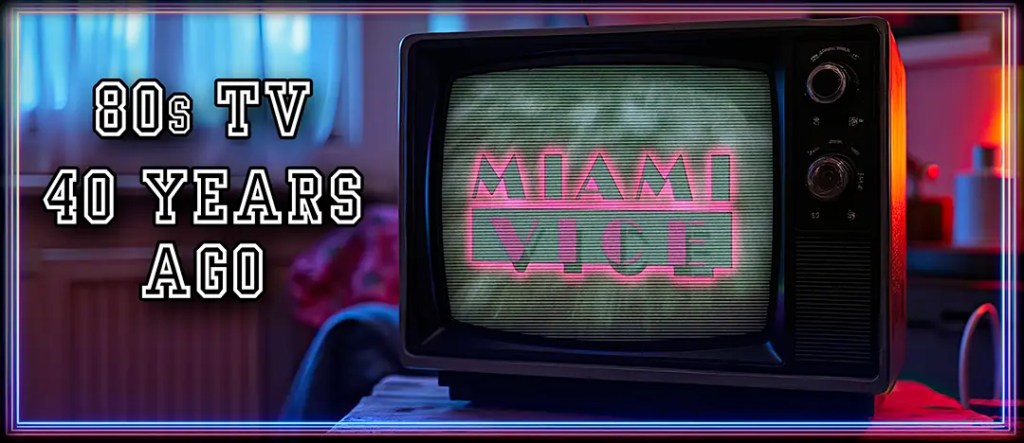
The head of NBC’s Entertainment Division
wrote a brainstorming memo that simply read
„MTV Cops“
MTV Cops


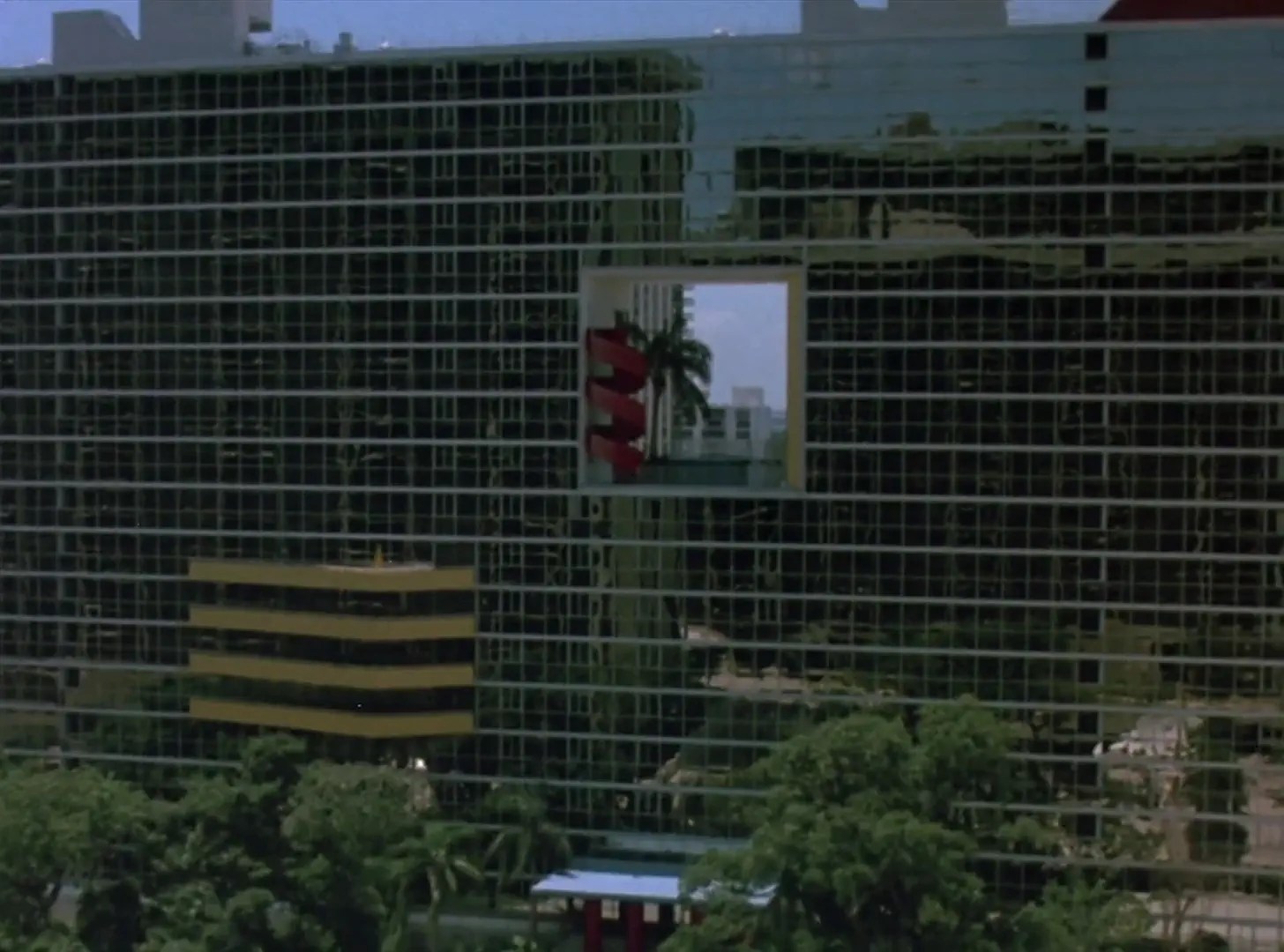
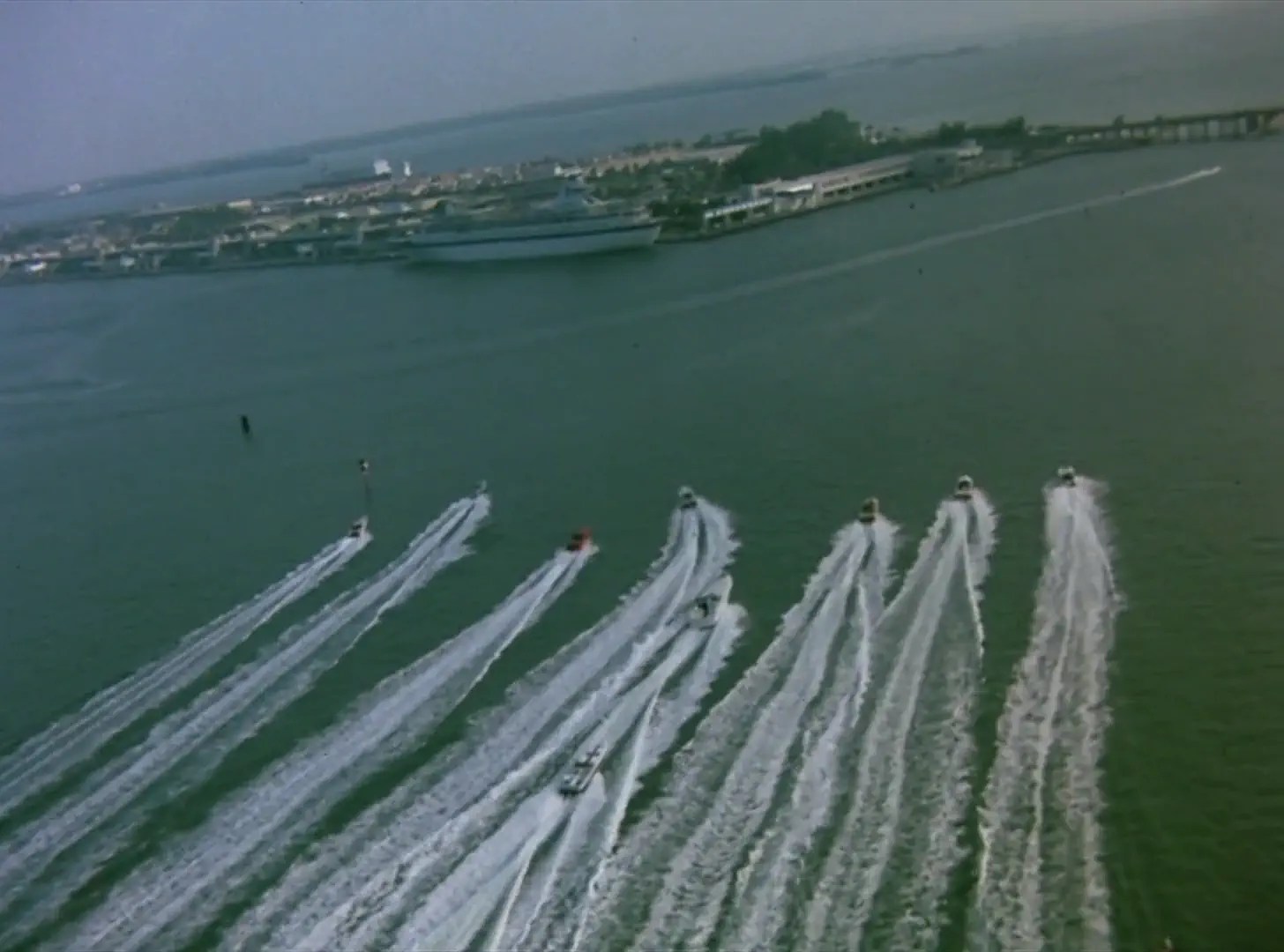

When “Miami Vice” first hit the screens in 1984, it was quickly recognized as one of the most groundbreaking TV series of its time. The series, often referred to as “MTV Cops”, revolutionized the television landscape by translating the visual and musical language of music television into the format of a crime thriller. The story of undercover cops Sonny Crockett and Ricardo Tubbs fighting organized crime in glitzy but dangerous Miami set new standards in terms of style, music and storytelling. “Miami Vice” was not just a series – it was a cultural phenomenon that shaped the aesthetics of the 1980s and still enjoys cult status today. The nickname “MTV Cops” aptly sums up how the series, with its quick cuts, stylized visuals and incessant soundtrack, created a new form of television that went far beyond what audiences had known until then. “Miami Vice” embodied the zeitgeist of the 80s and influenced not only the television landscape, but also the fashion, music and pop culture of the time. However, as with many great works, the series reached its zenith after a brilliant start before gradually falling off. In this article, we look at the development of the series from its revolutionary beginning to its gradual decline.
Plot
- Season 1: The first season of “Miami Vice” serves as an introduction to the world of Sonny Crockett and Ricardo Tubbs, two very different police officers who have to stand up to organized crime in Miami. The season lays the foundation for the series by establishing the unequal yet harmonious partnership between Crockett and Tubbs. Even the pilot, “Brother’s Keeper”, sets the tone for the series: action-packed, stylish and infused with a dark undertone. Tubbs travels from New York to Miami to avenge his brother’s death and is confronted with the realities of Miami’s criminal underworld. The first season is characterized by intense stories that shed light on the dazzling but also dangerous life in Miami and takes viewers deep into the world of drug cartels, corruption and violence.
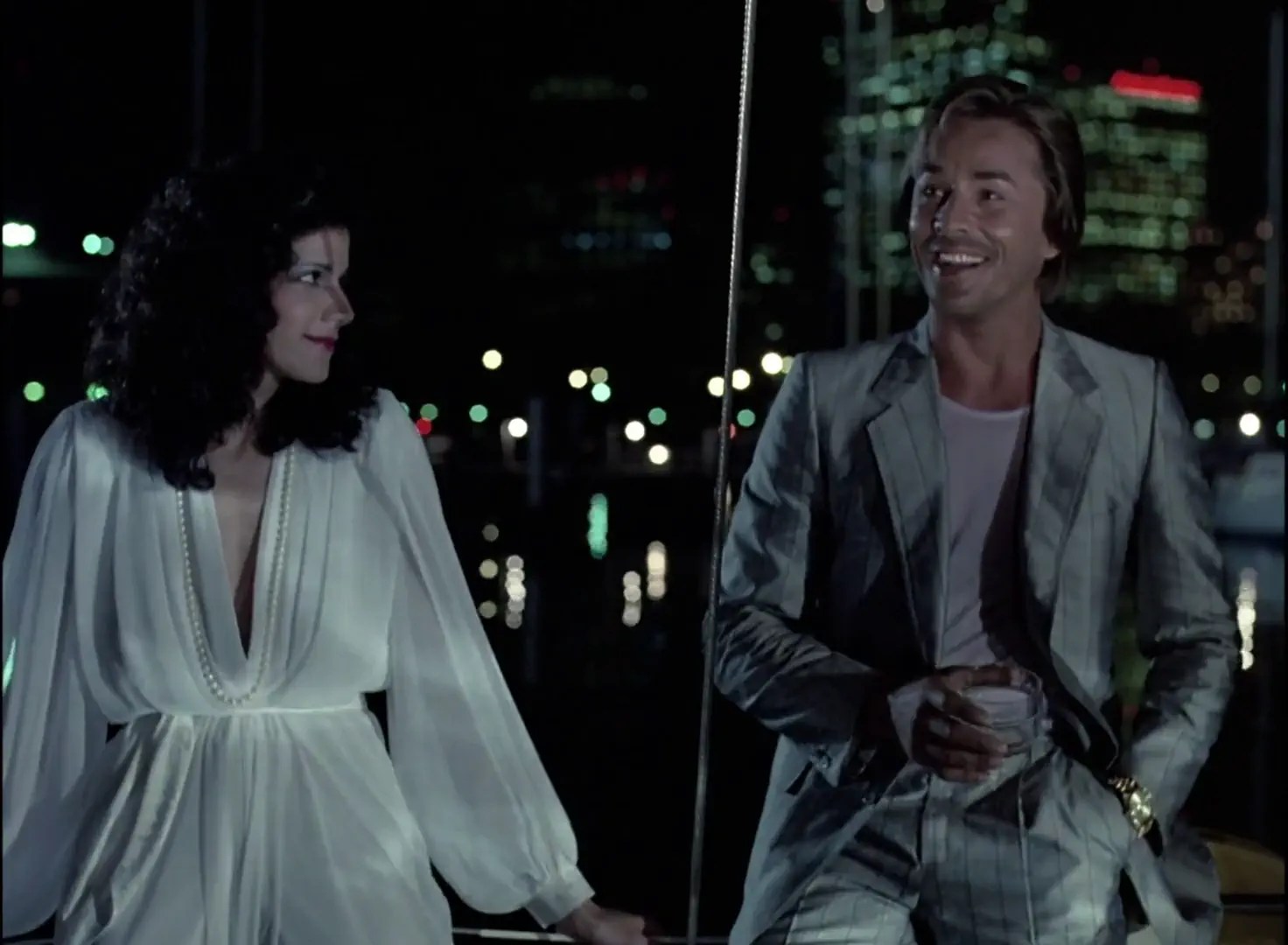


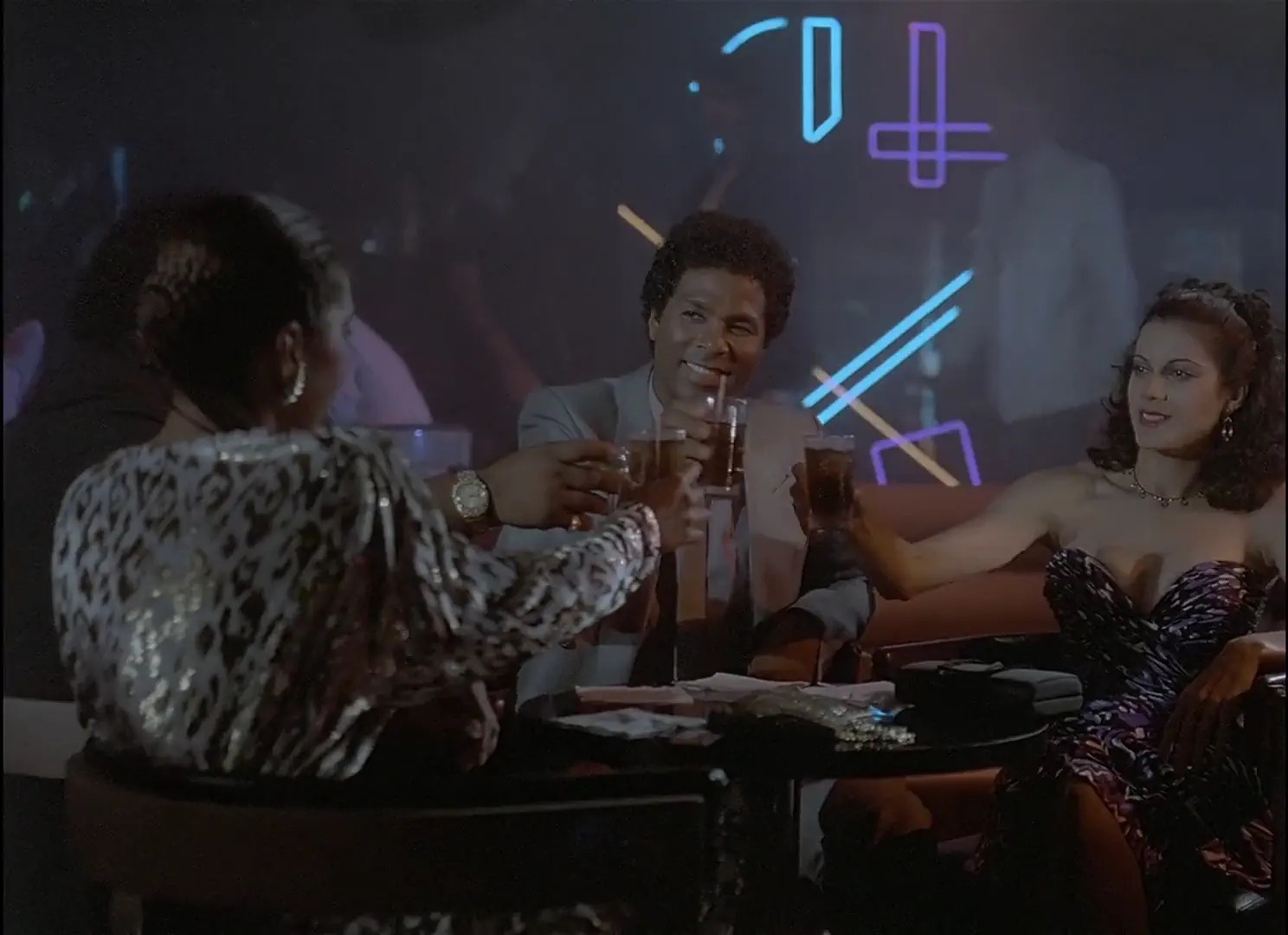
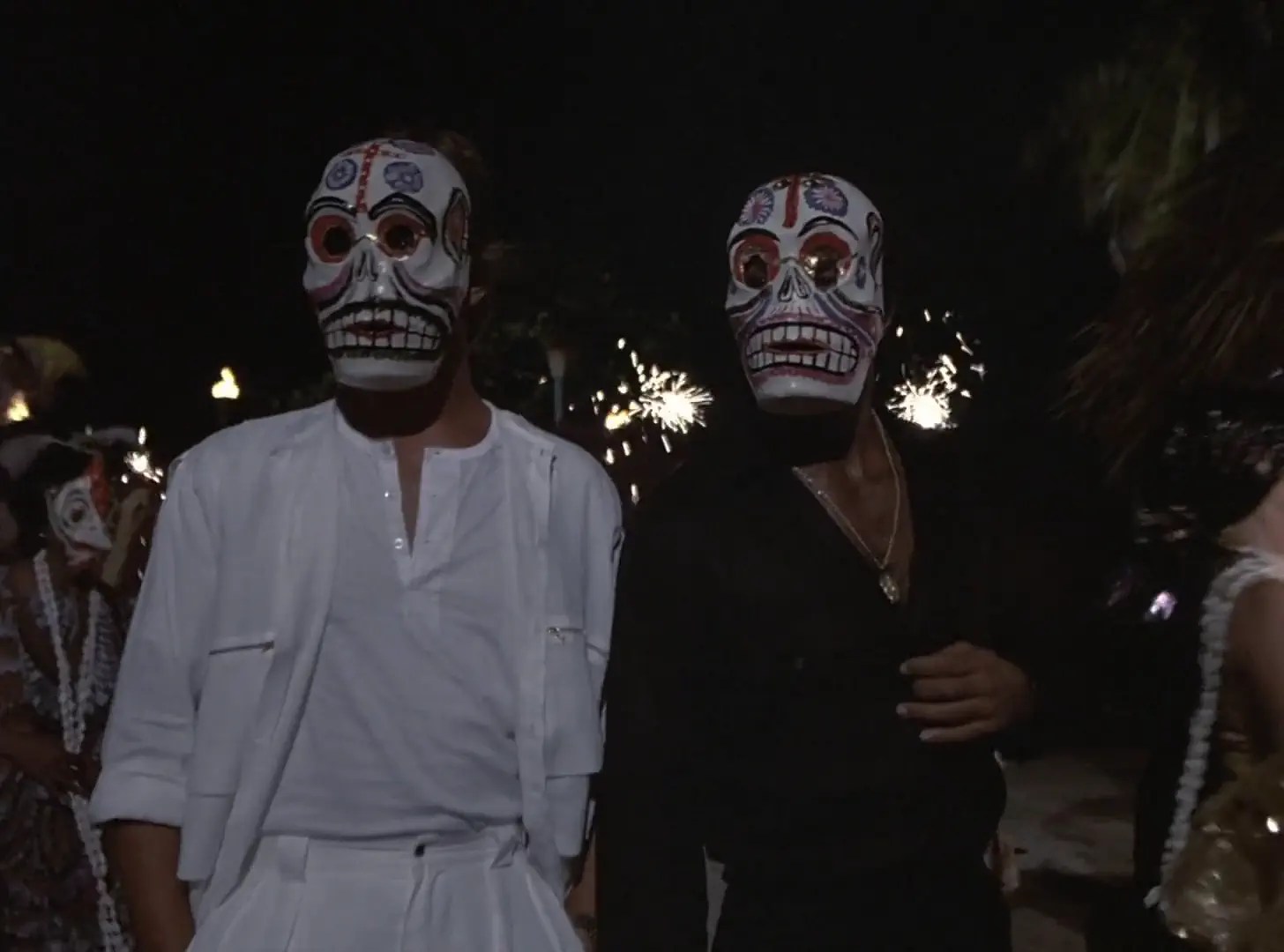


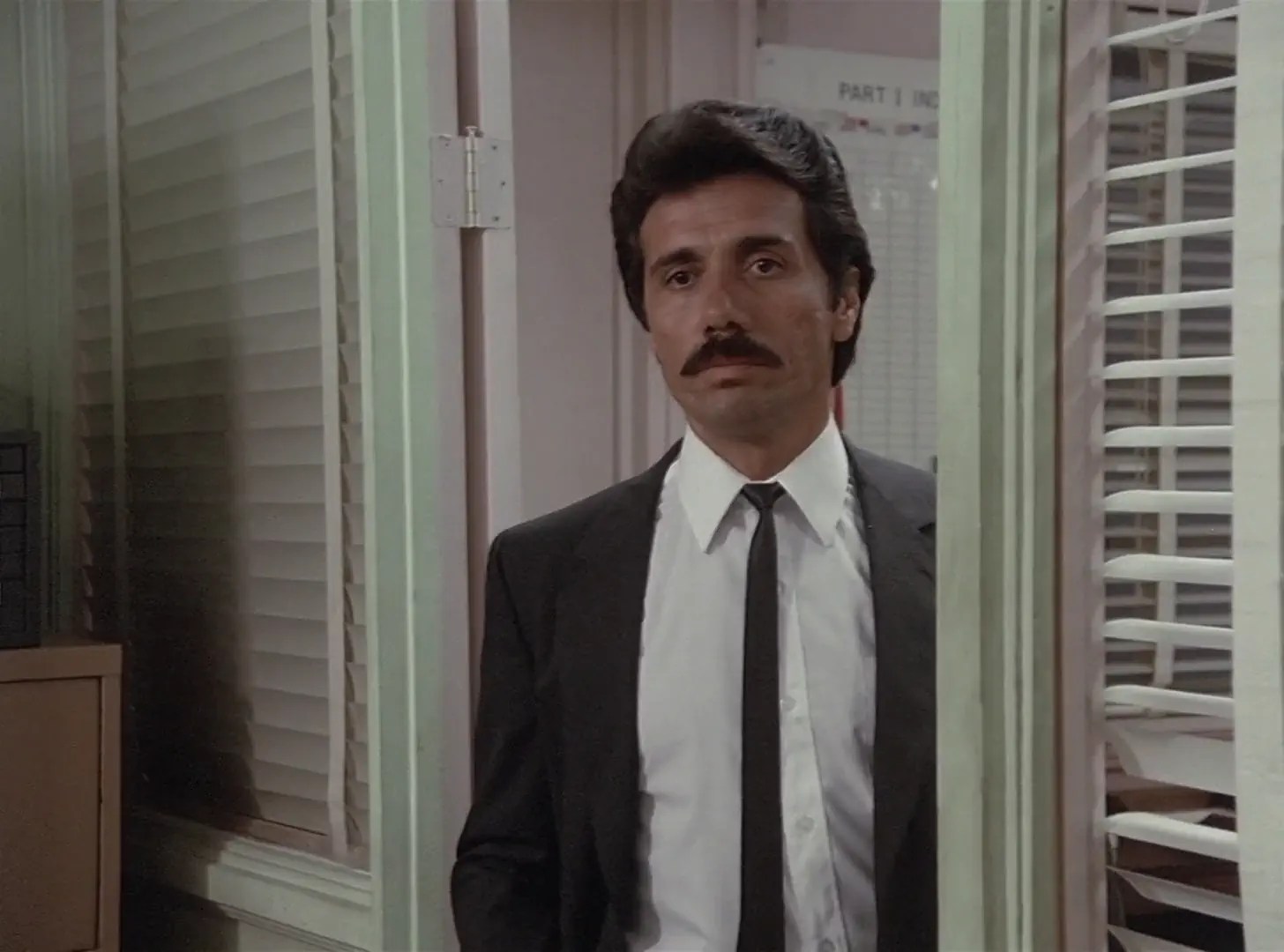
- Season 2: The second season deepens the characters and expands the world of “Miami Vice”. Here, the personal and professional challenges of the two protagonists are explored in greater depth. The episodes are no longer just individual stories, but begin to develop an overarching narrative structure that highlights the psychological complexity of the main characters. Themes such as racism, drug addiction and political corruption are treated with a new seriousness, taking the series to a deeper, more emotional level. One of the most notable episodes this season is “Bushido”, in which Crockett must choose between his loyalty to a friend and his duty as a police officer, which tests his moral integrity. This season shows the darker side of the protagonists, who increasingly suffer from the pressure and violence of their job.


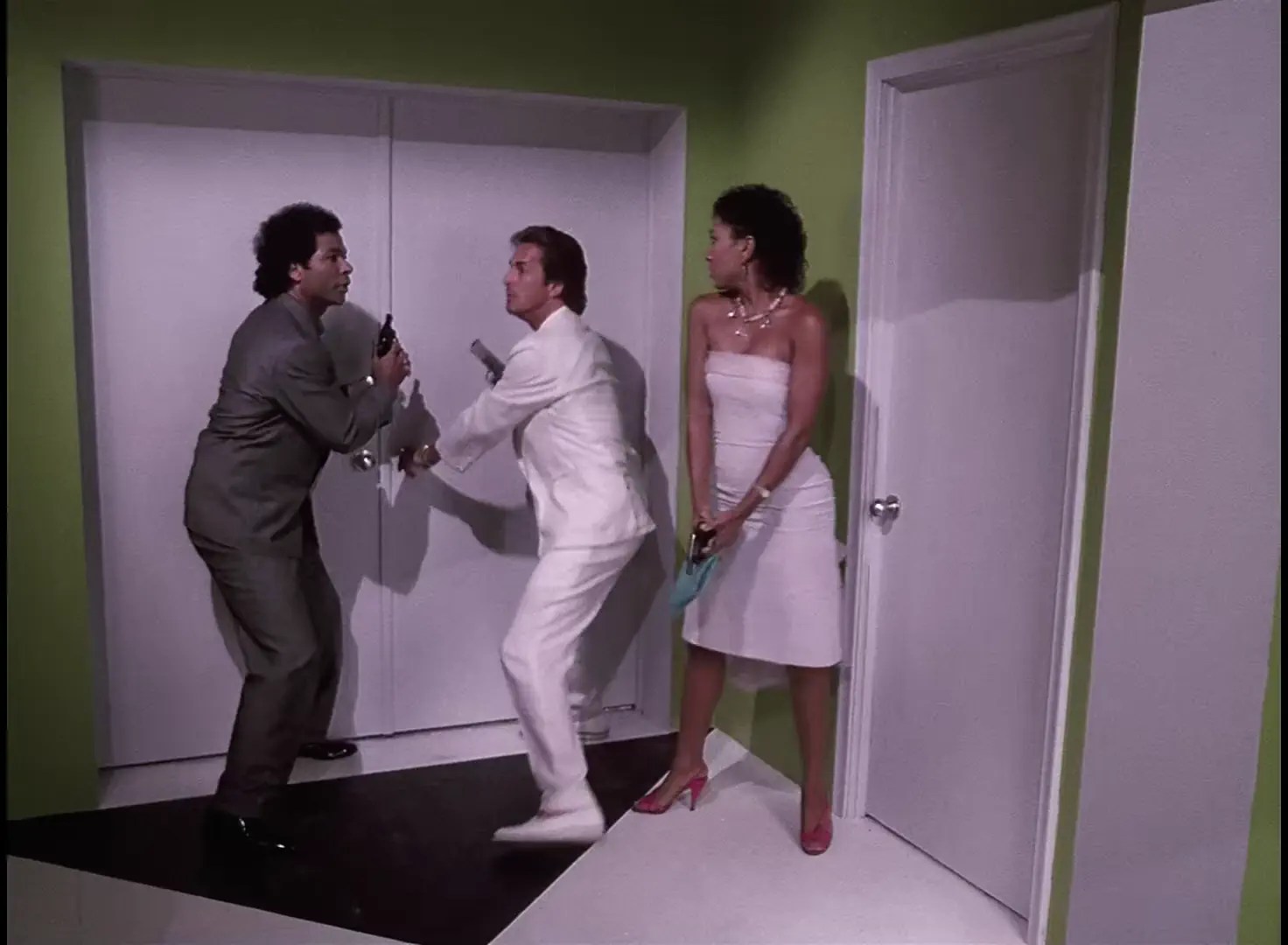
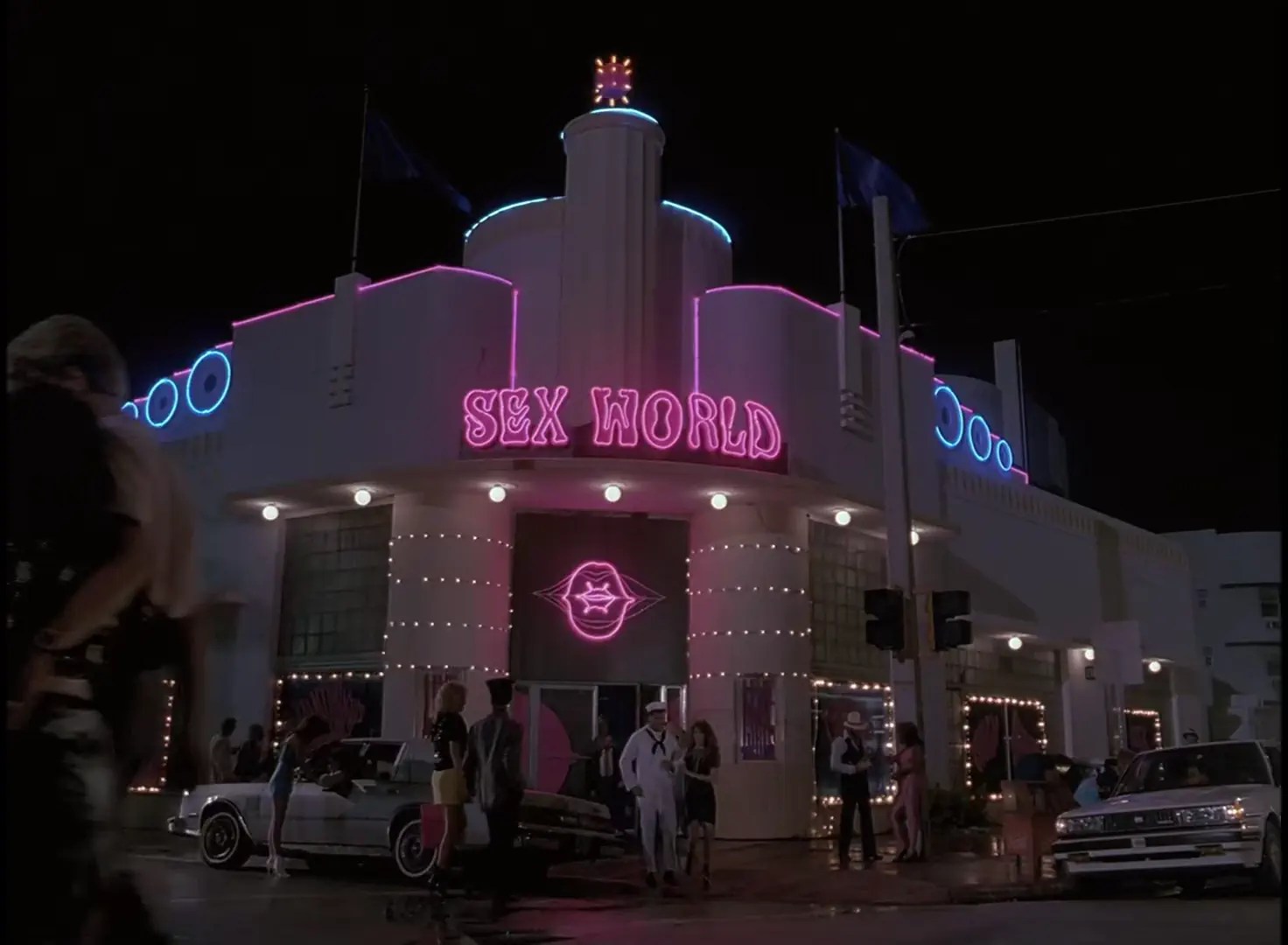

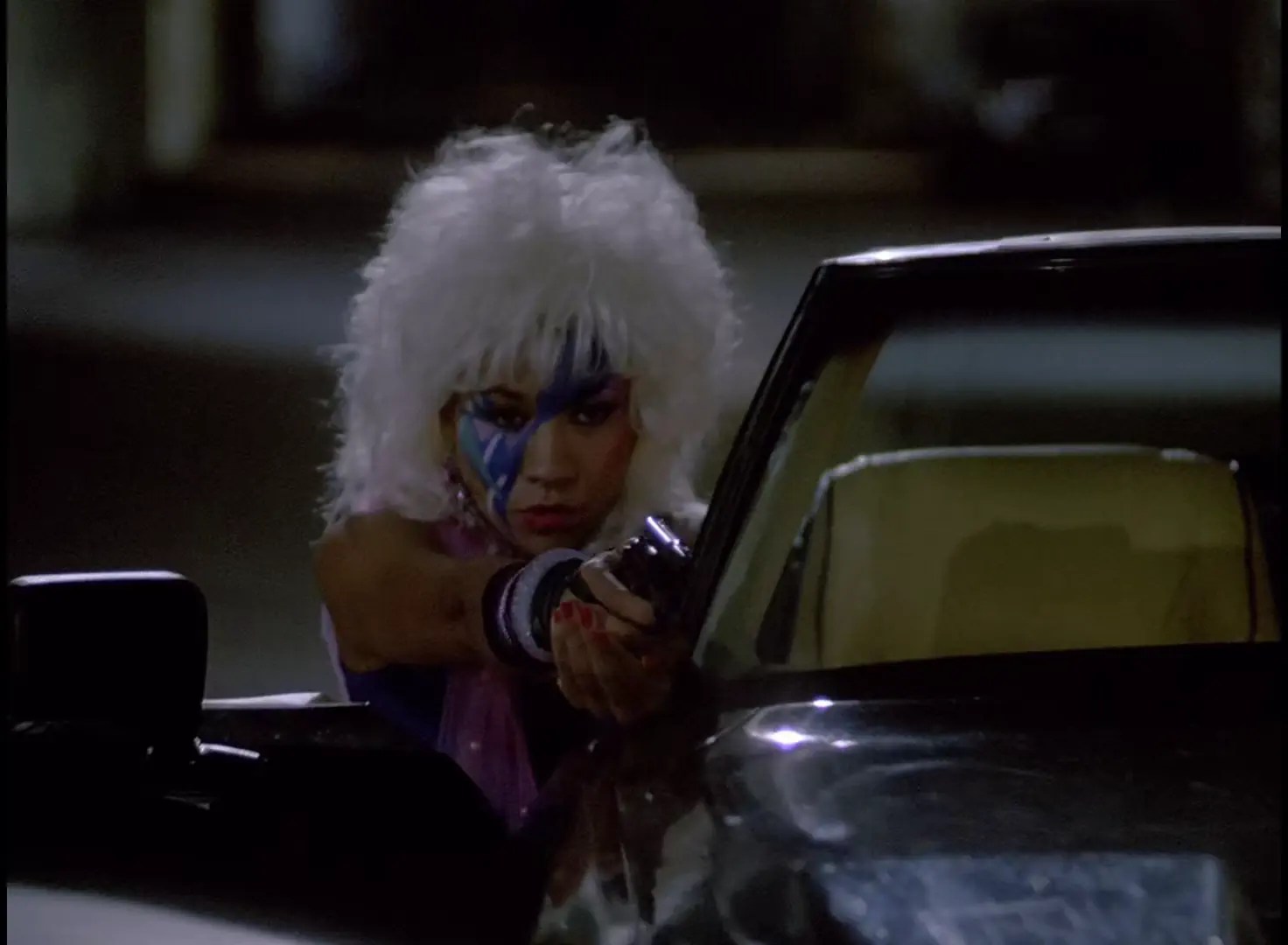

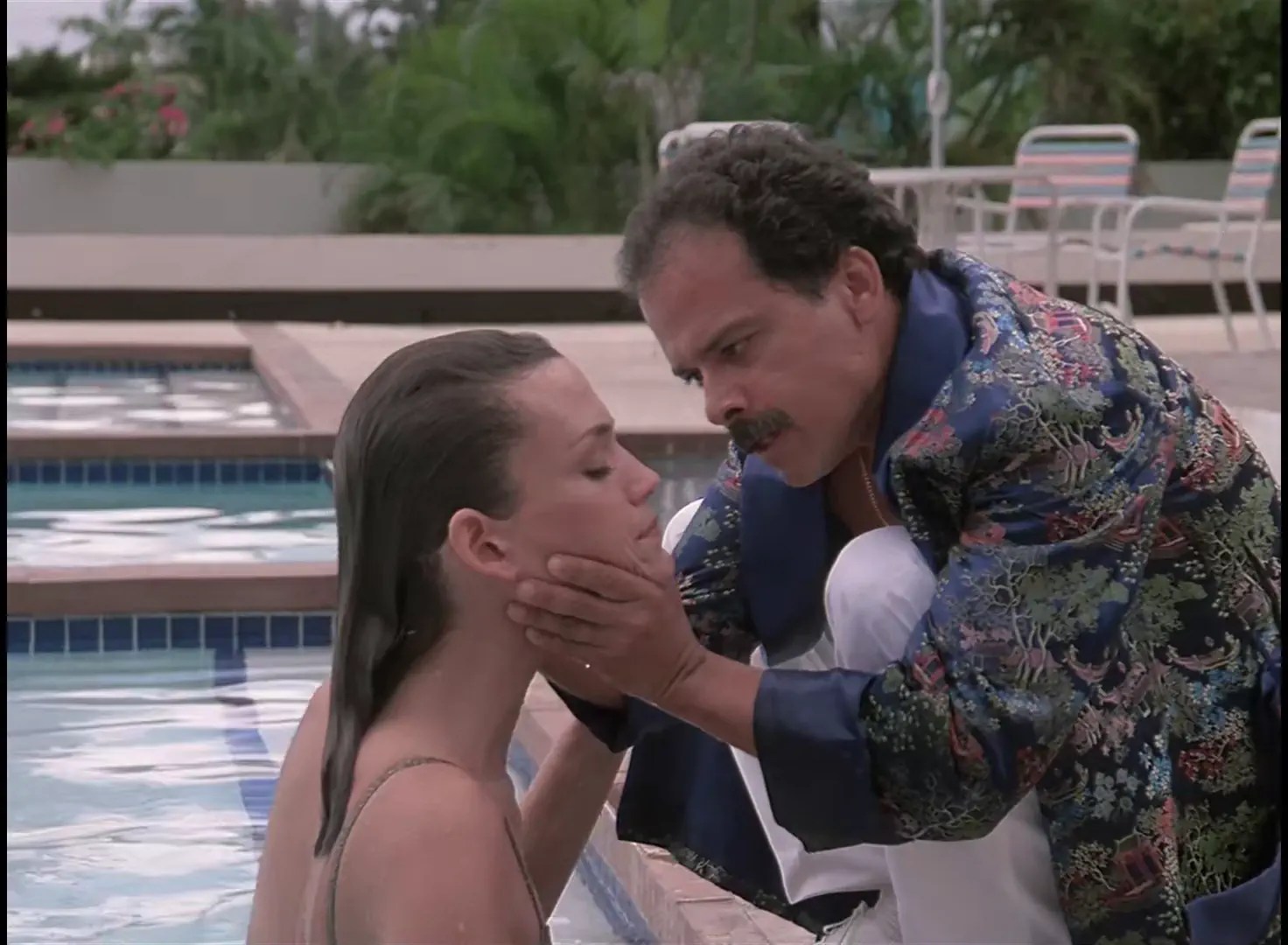

- Season 3: In the third season, “Miami Vice” reaches its creative peak. The series shifts from episodic storytelling to longer story arcs that give viewers a deeper insight into the inner lives of the characters. The confrontations with powerful drug cartels become more intense and the protagonists face personal and professional challenges that push them to their limits. This season is characterized by dark storylines that show the grueling effects of police work on the main characters. In episodes such as “Shadow in the Dark”, Crockett is put under extreme psychological strain, leading to an intense confrontation with his inner demons. The lavish international locations and spectacular guest appearances add to the epic atmosphere of the season, while the series takes an even darker and more emotionally complex direction.
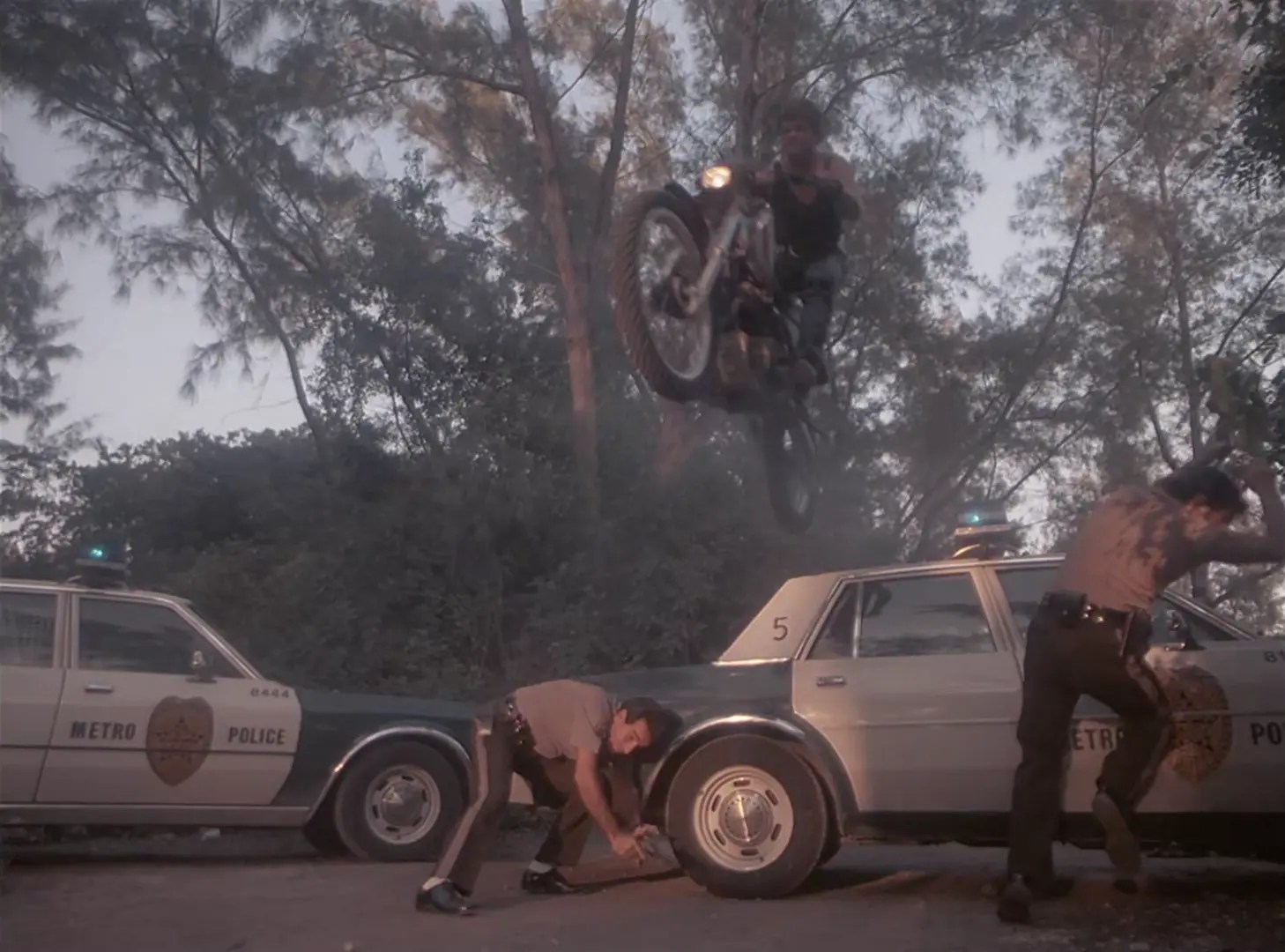



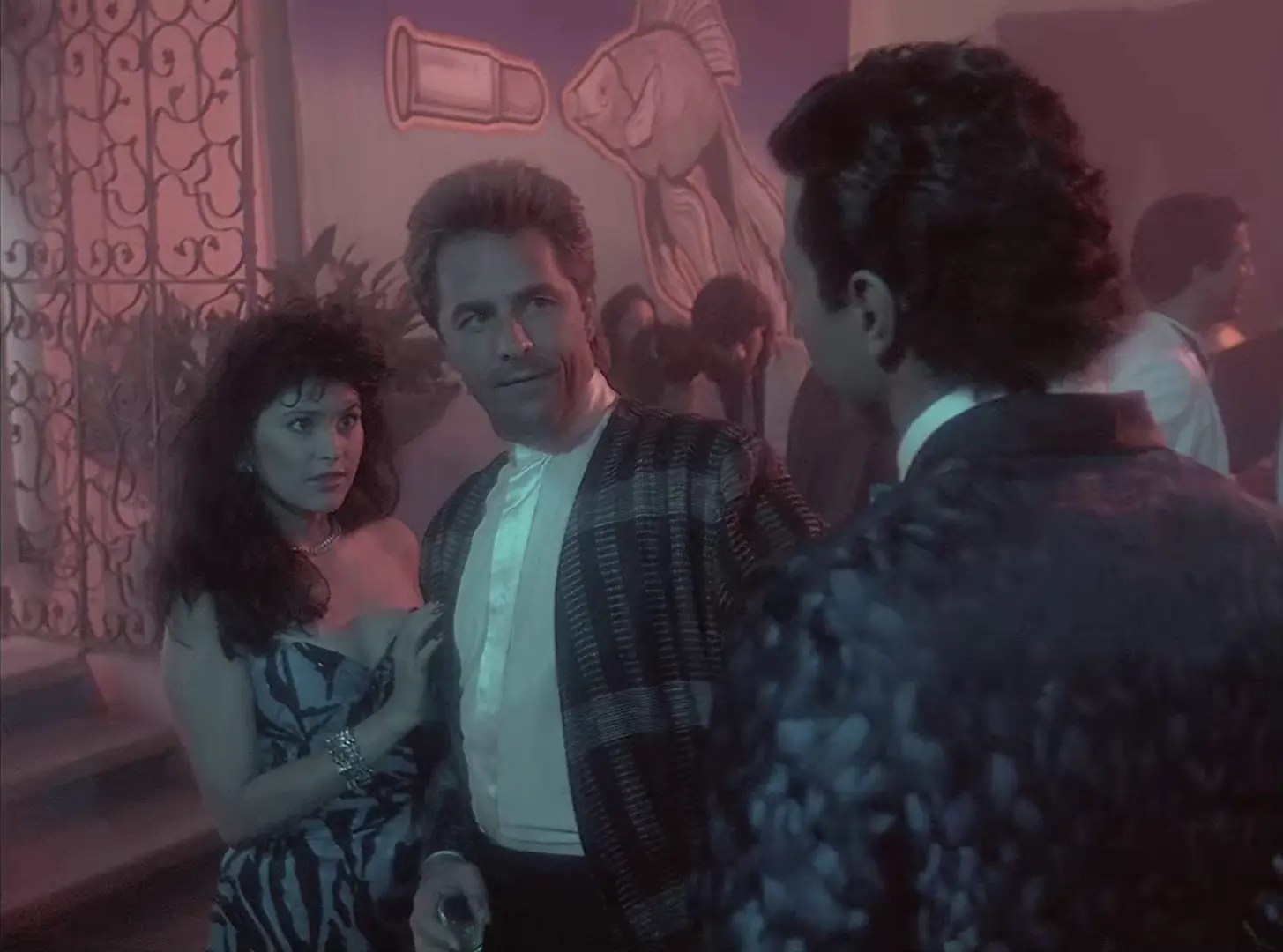
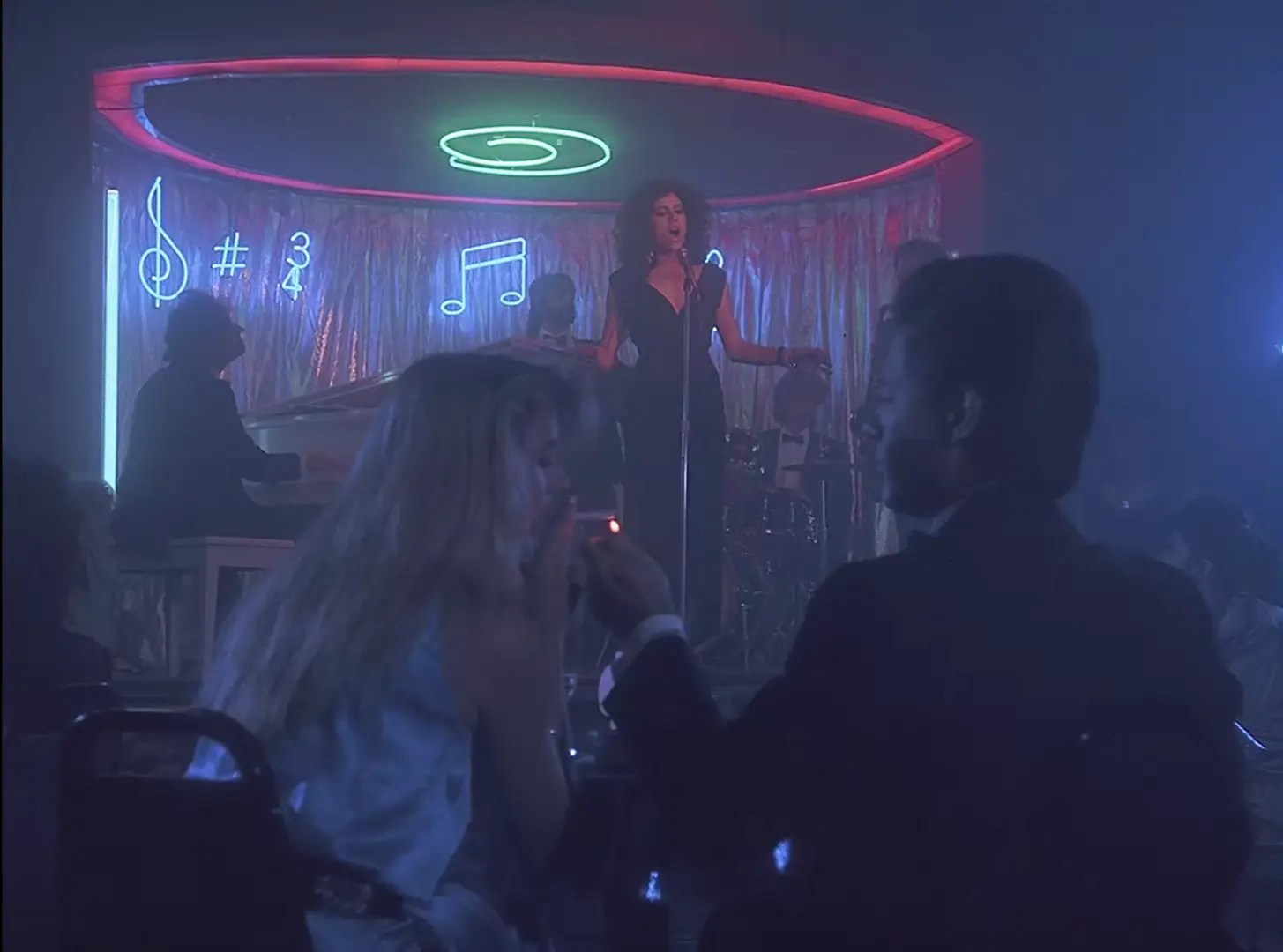
- Season 4: The fourth season of “Miami Vice” marks a turning point in the series. While it continues to tackle the complex, dark themes of the third season, a change in tone and style is clearly noticeable. This season deals more with the psychological and moral consequences of being a police officer, particularly through the storyline in which Sonny Crockett loses his identity and goes into hiding as drug dealer “Sonny Burnett”. This twist offers Don Johnson the opportunity to explore the depths and abysses of his character. Although the series tries to maintain the intensity of the previous seasons, it does begin to lose narrative coherence and emotional punch. Some episodes seem overly contrived and lose touch with the original dynamic of the series.
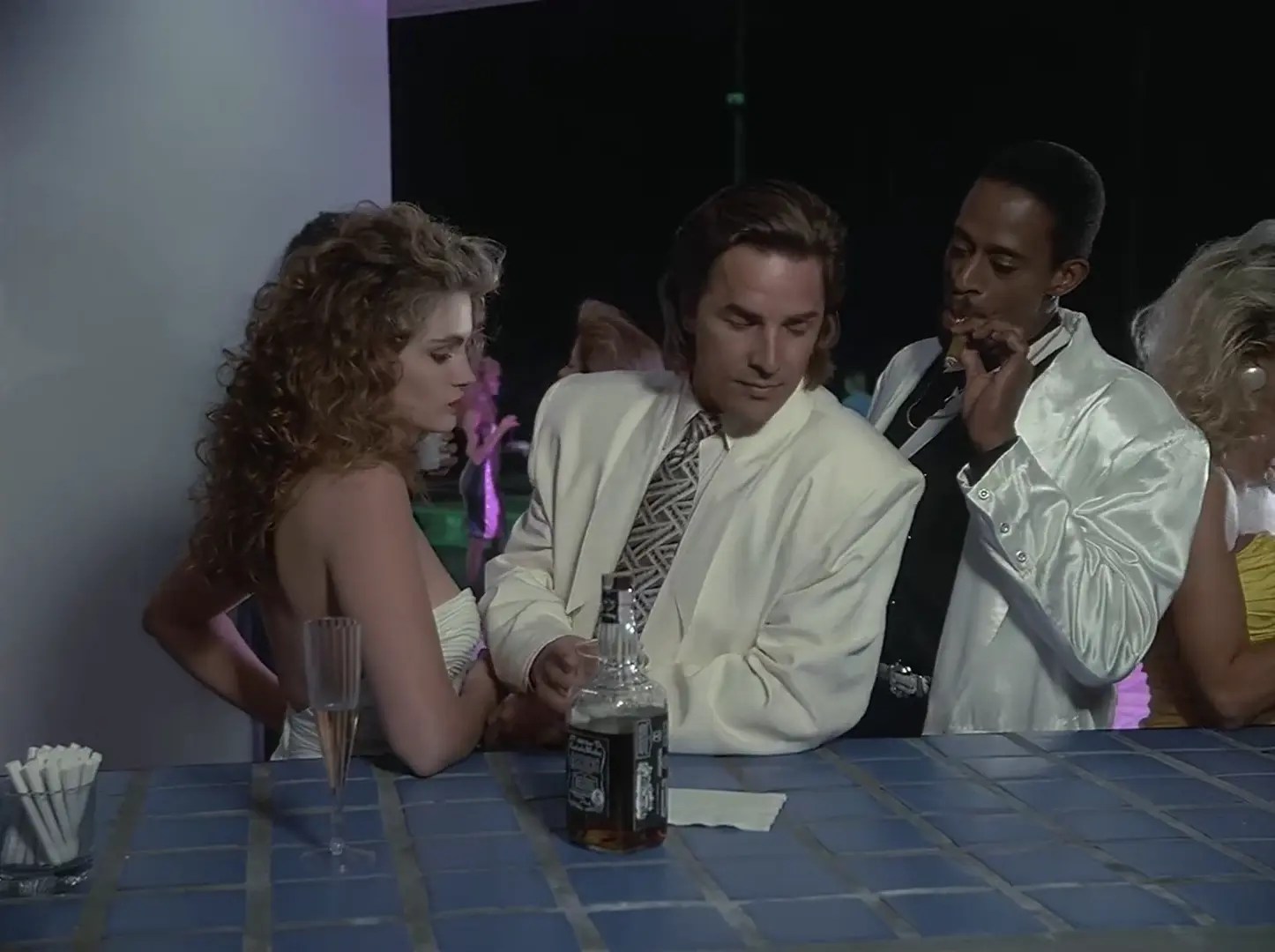
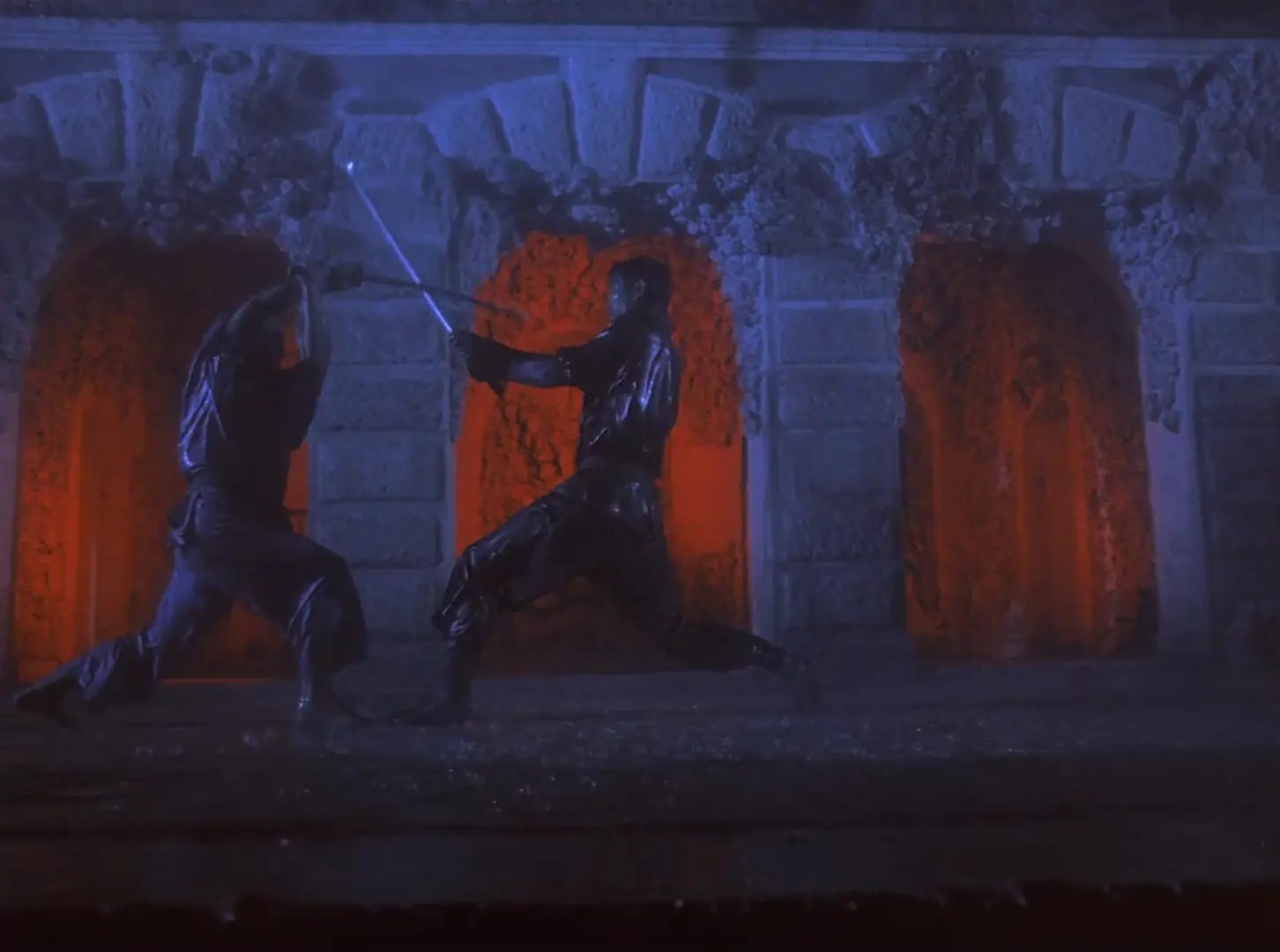

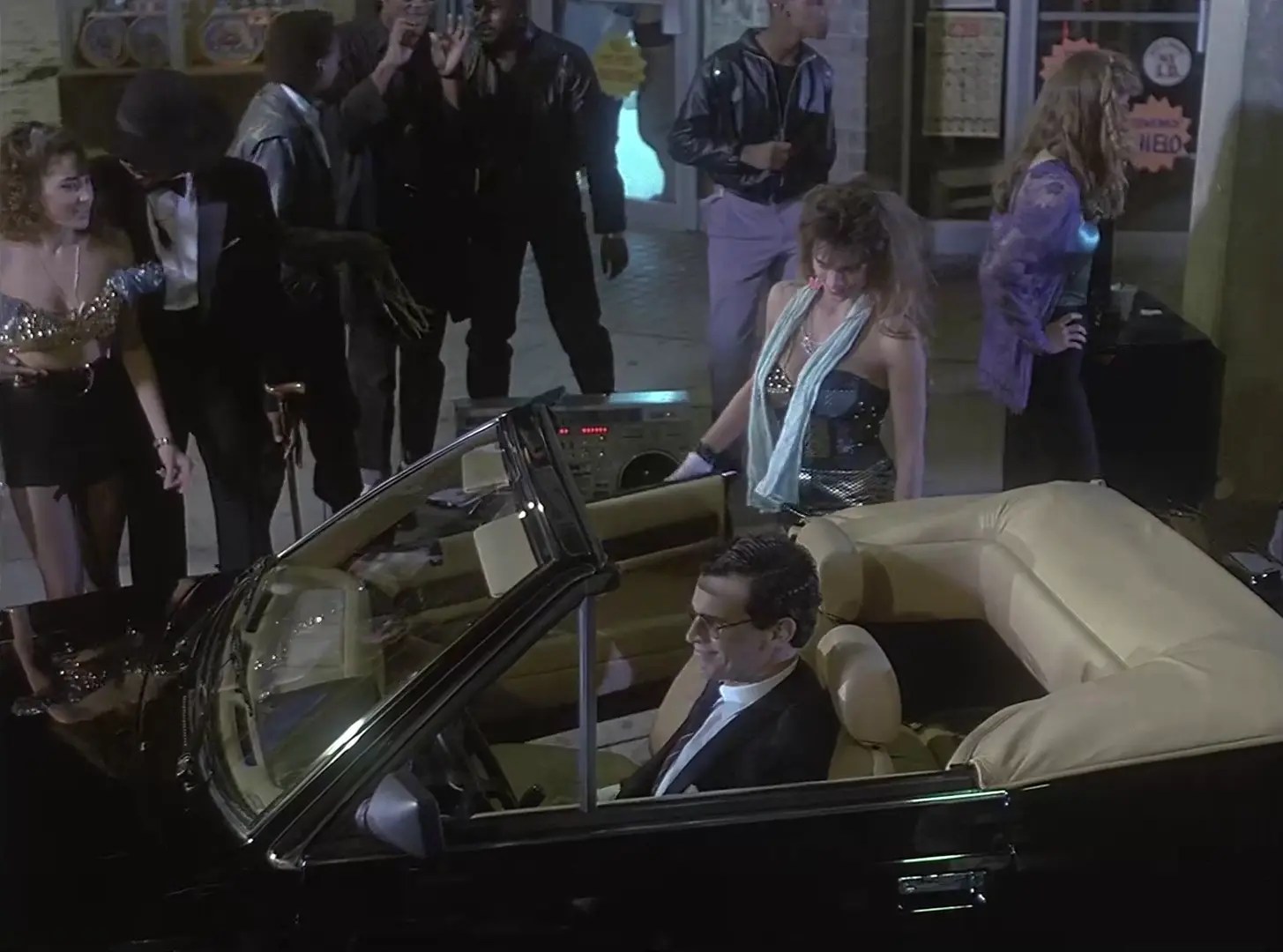
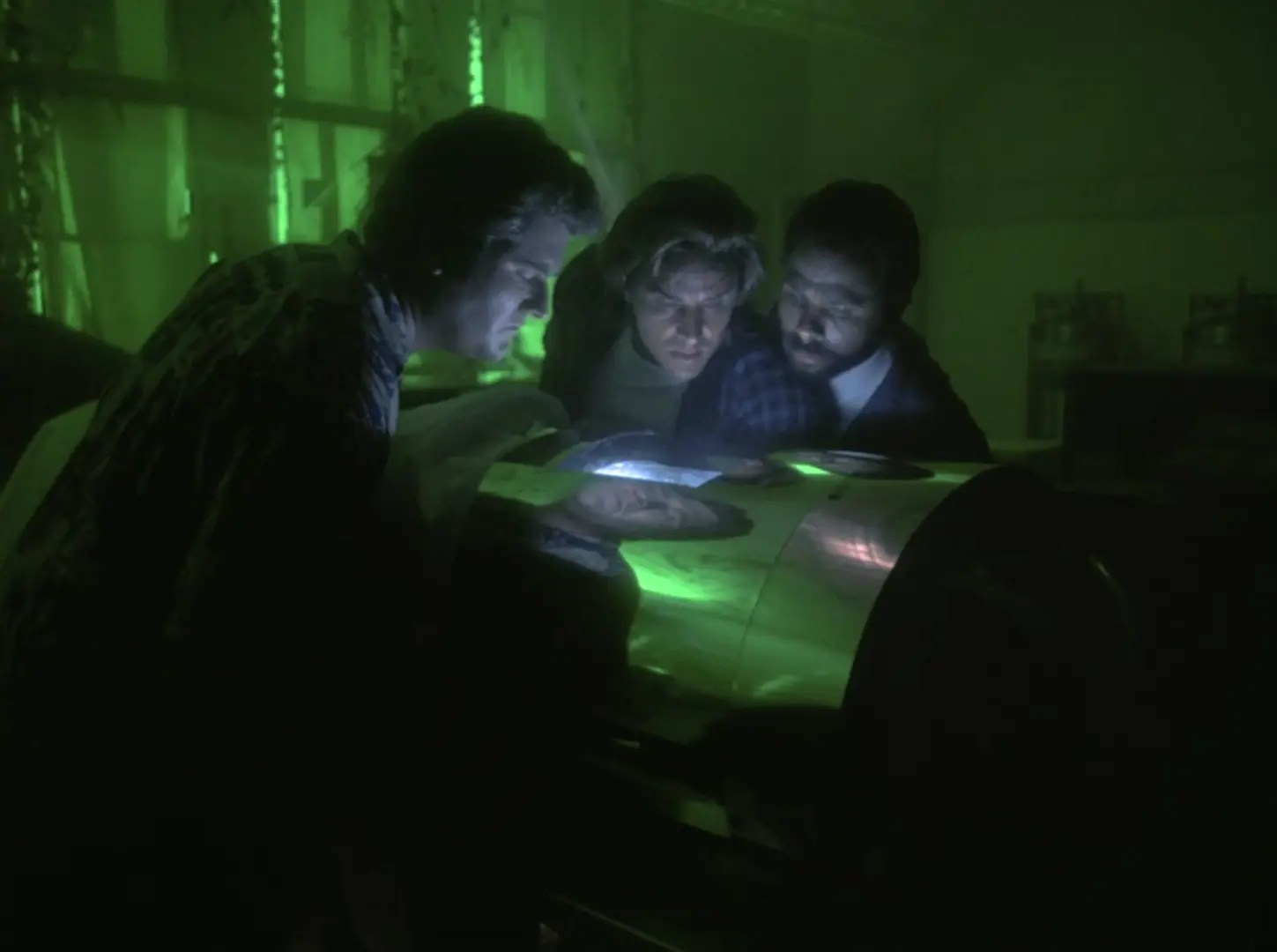
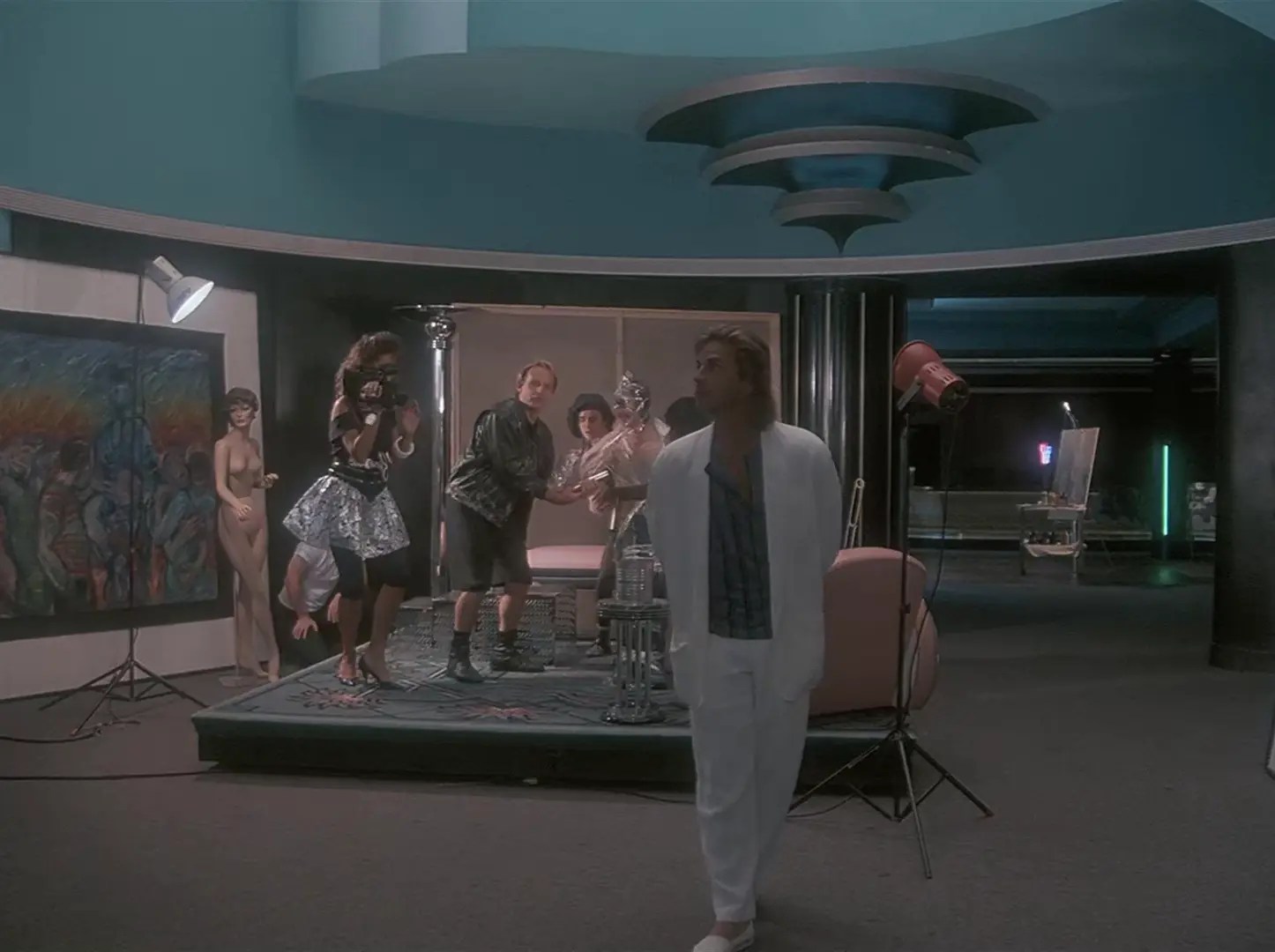
- Season 5: The fifth and final season of “Miami Vice” is a dark reflection on the end of an era. The series is noticeably struggling for relevance and identity as the storylines become increasingly dark and violent. This season shows a world in freefall as the protagonists struggle with their own disillusionment and exhaustion. Despite the overall decline, the series manages to produce some of the strongest and most moving episodes of its entire run. In “Freefall”, Crockett and Tubbs must work together one last time to take down a dangerous drug lord, leading to an intense and emotionally charged finale. The end of the series is characterized by a bittersweet feeling – the heroes have fought the fight against crime, but the price they had to pay was high. The season portrays the characters as broken men who have to come to terms with the scars and loss of their youth and ideals.






Optics
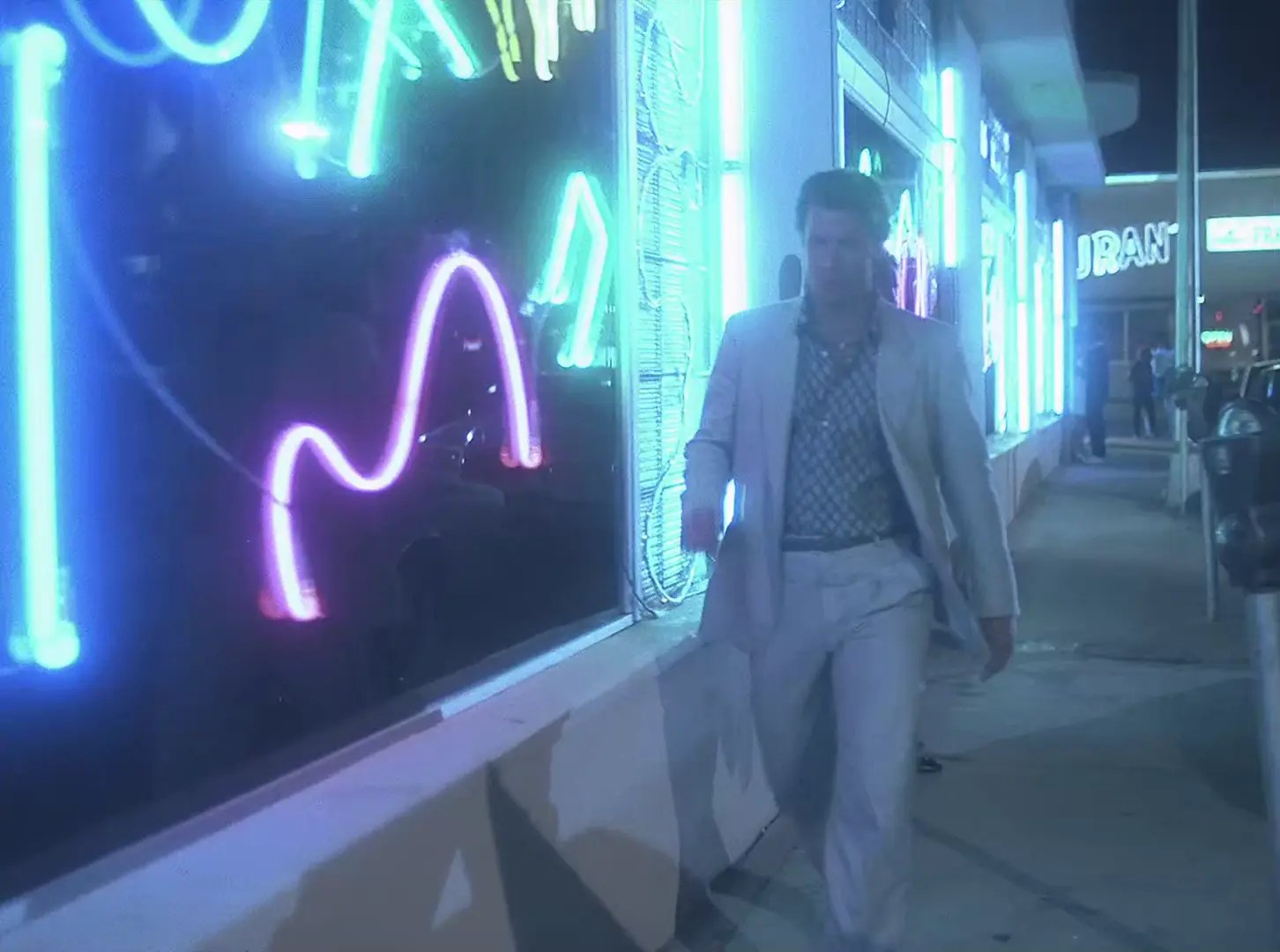
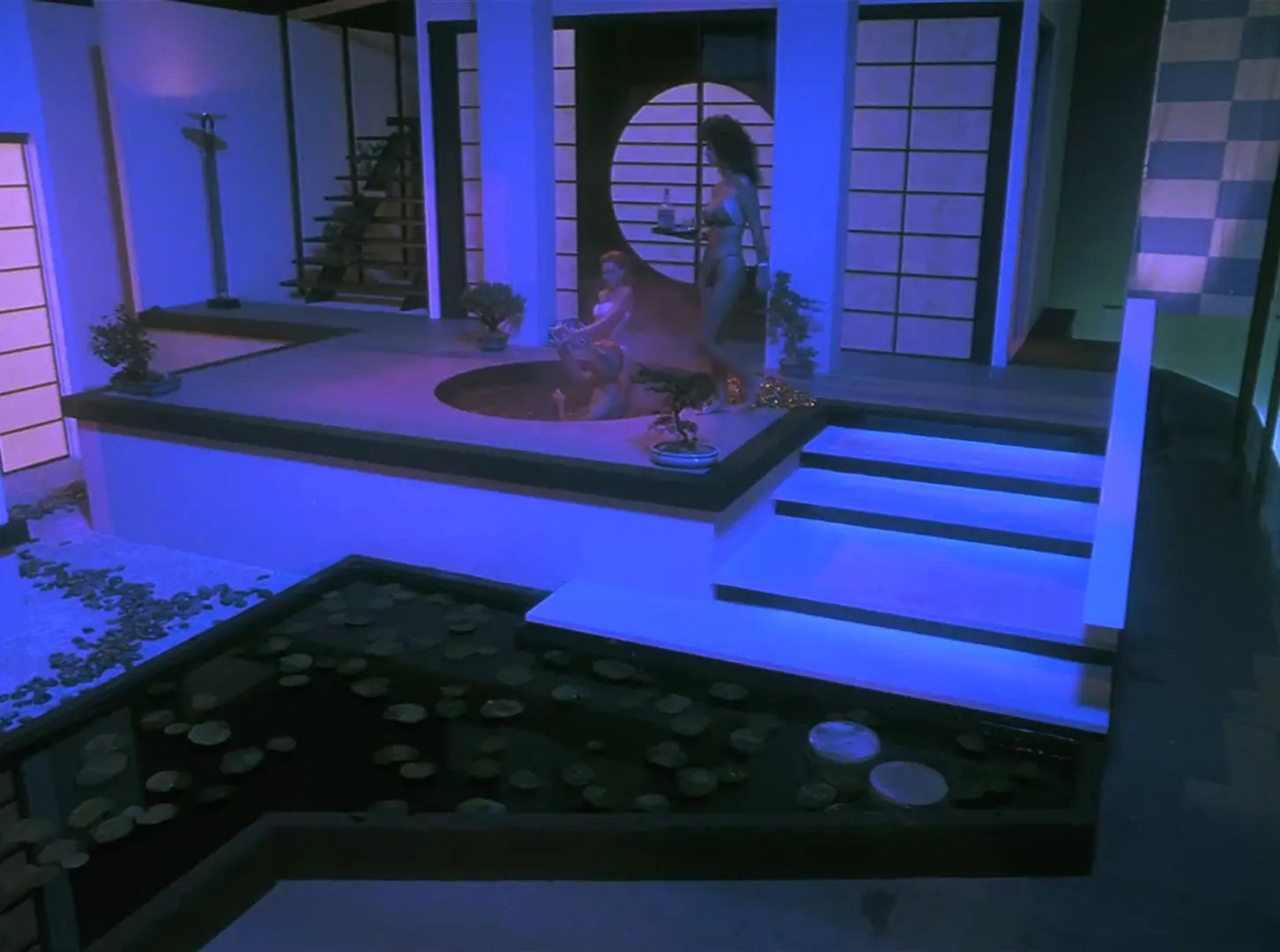
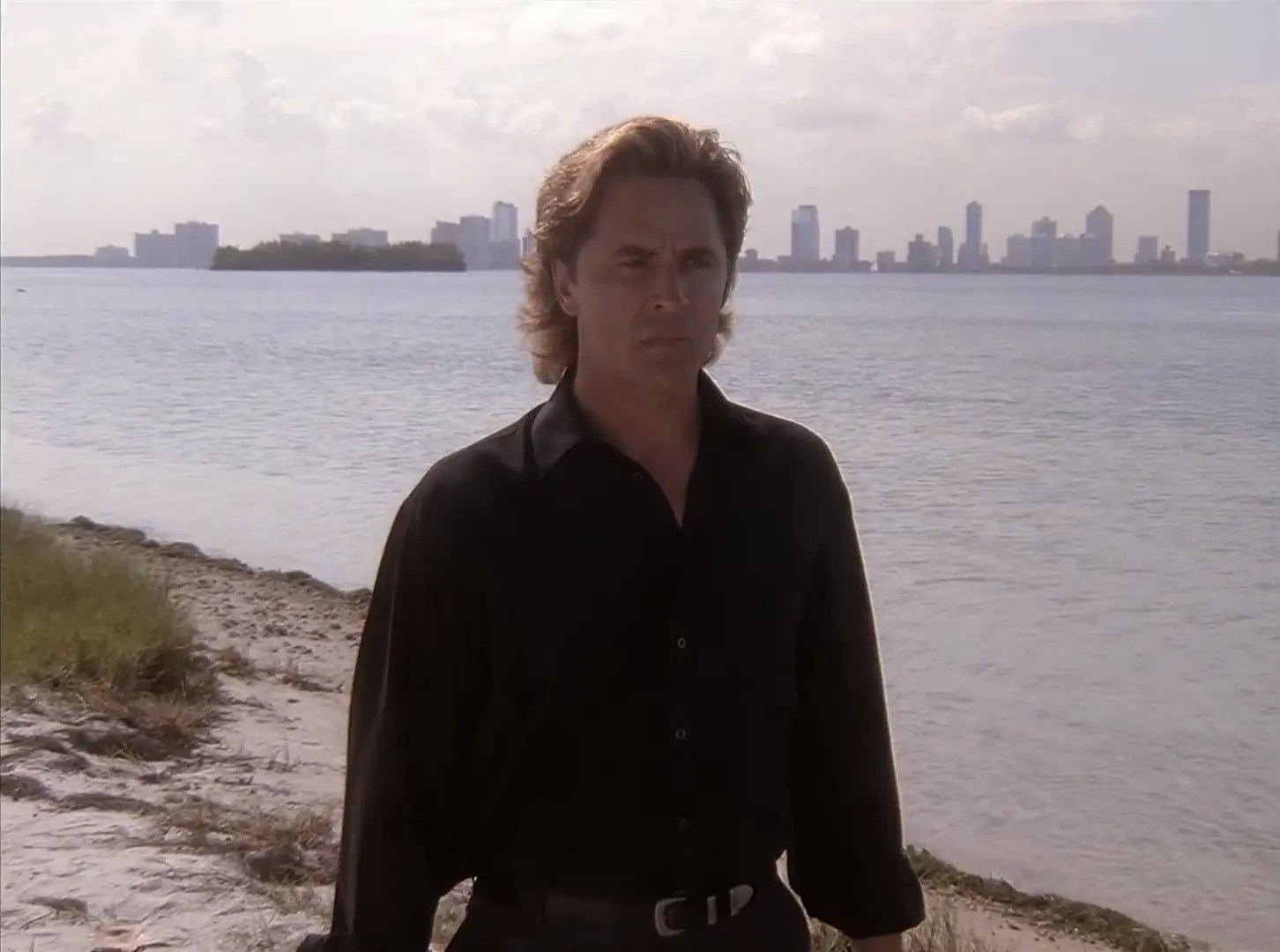
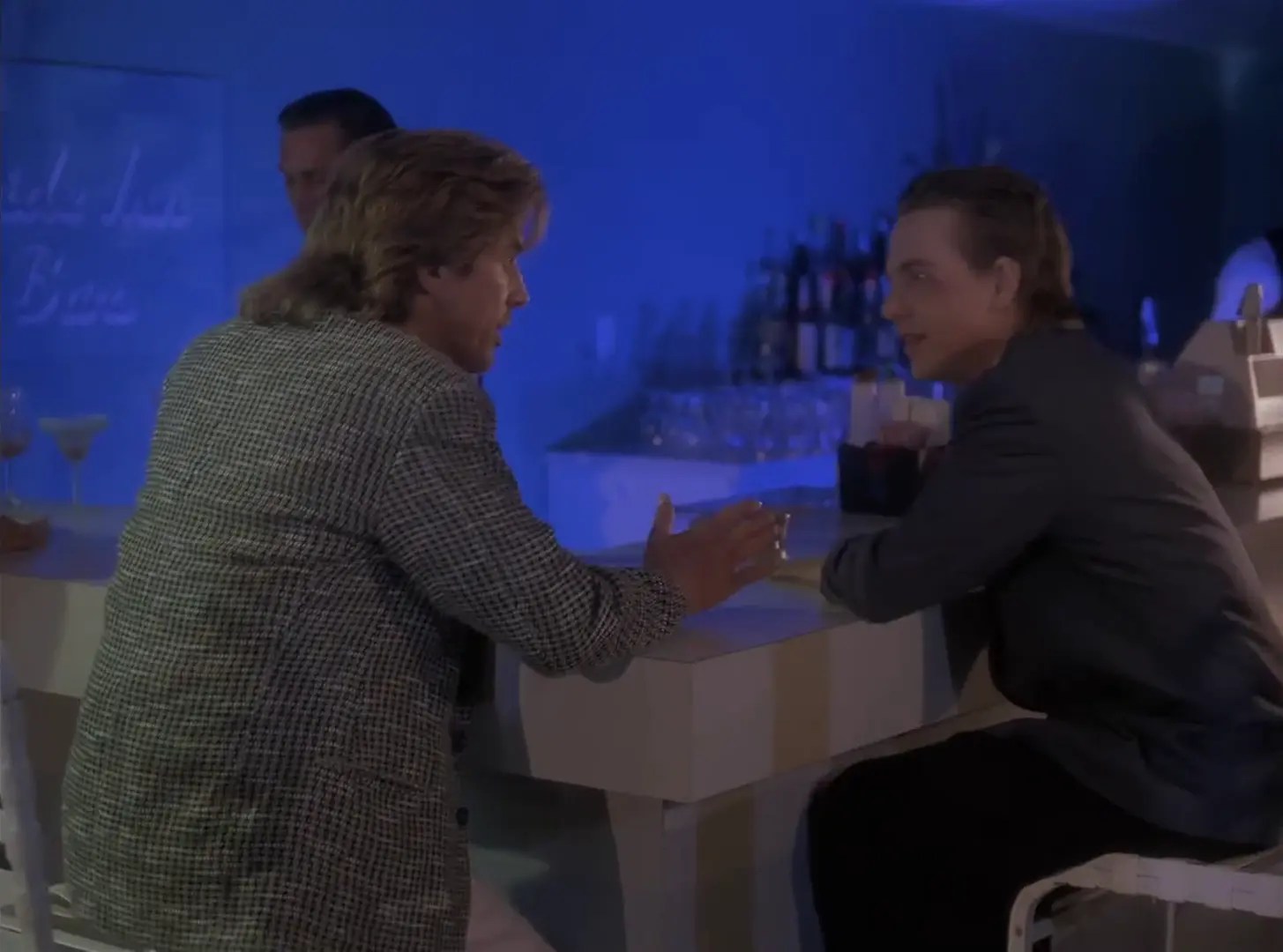
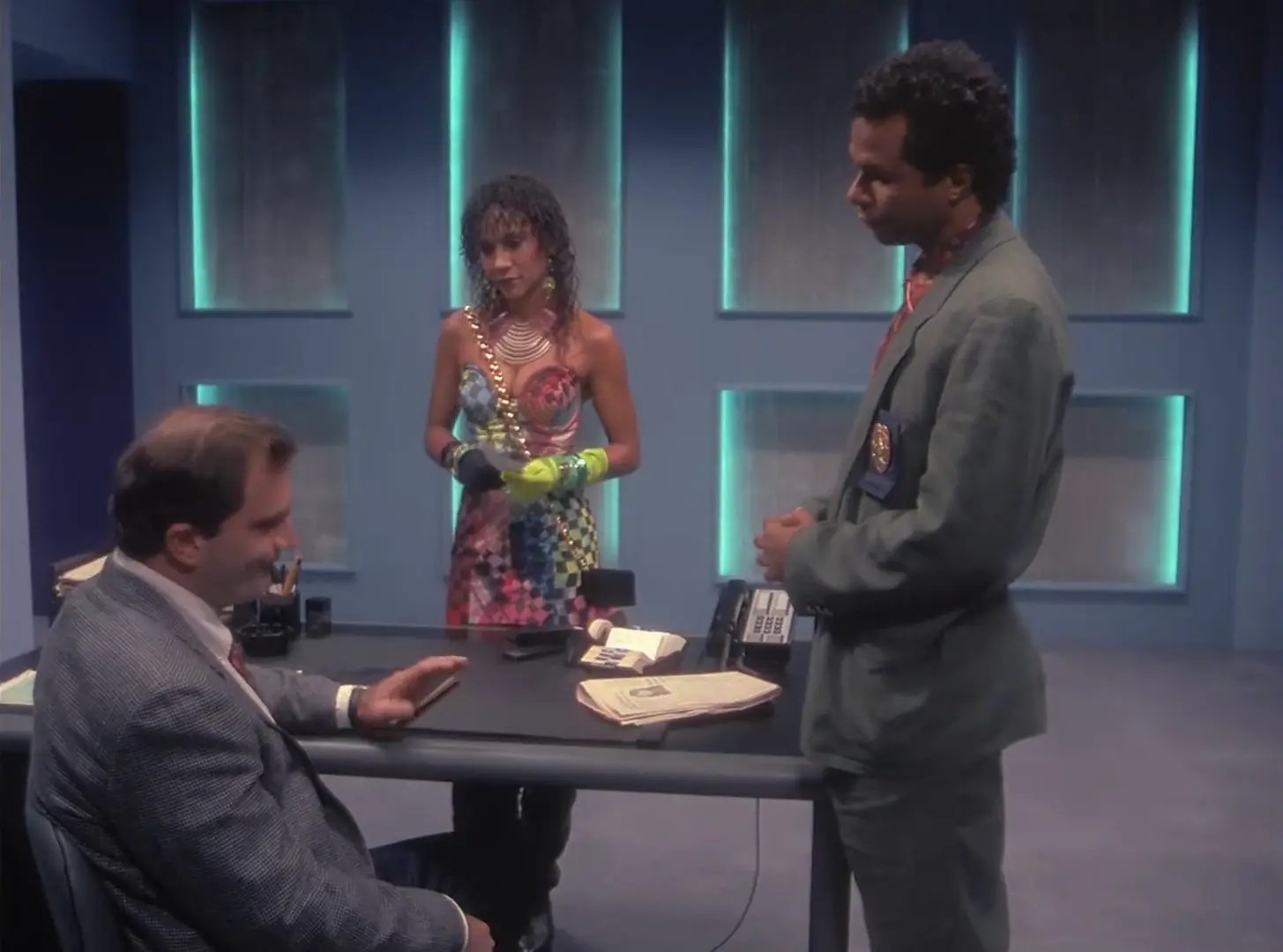
The visual design of „Miami Vice“ set new standards in television and became a trademark of the series. The creators used the natural beauty of Miami to create a contrasting world that was both seductive and menacing. The series was famous for its striking color palette, which used bold pastels and neon-lit scenes to show the dazzling surface and underlying decay. Each episode was staged like a movie, with meticulously planned camera angles that heightened the intensity and emotion of the scenes. The iconic images, such as Crockett driving through the streets of Miami at night in his white linen suit, became symbols of the series and influenced the visual aesthetic of an entire generation. The series was not only visually striking, but used its imagery to support narrative depth and convey the atmosphere of a city that was both paradisiacal and depraved.
Music
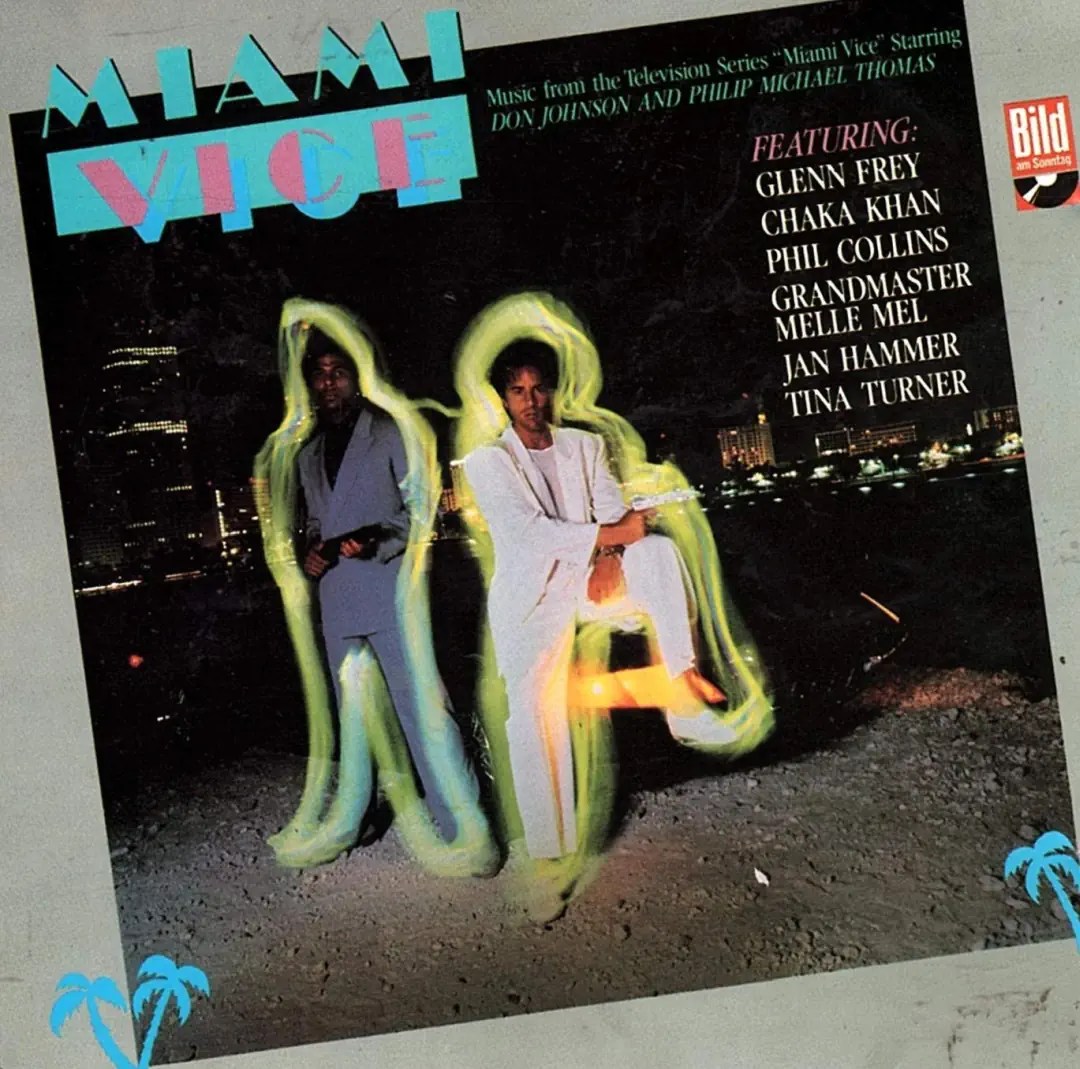
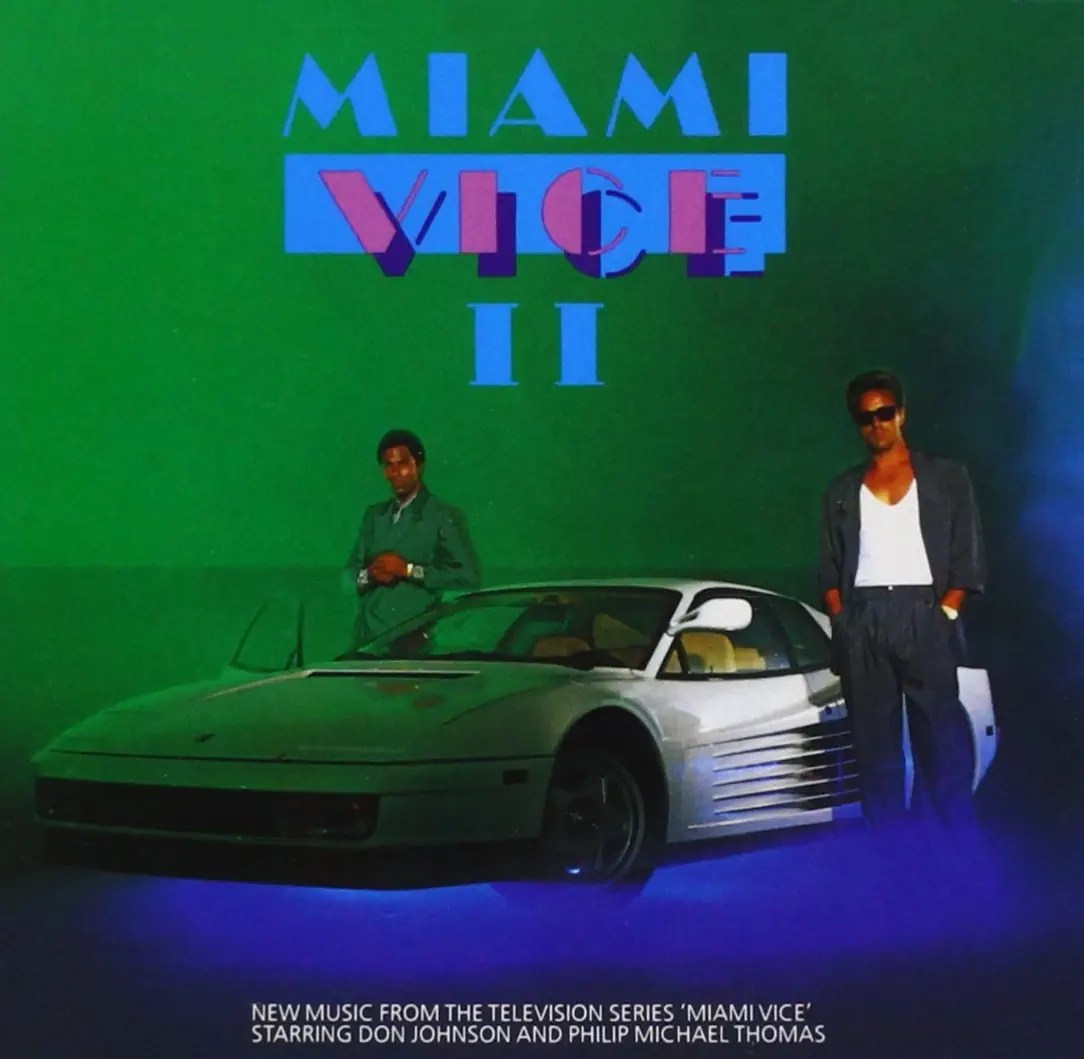
The music of „Miami Vice“ was revolutionary and shaped the way television interacted with music. The series was one of the first to highlight contemporary pop and rock music and make it an integral part of the narrative. Songs like Phil Collins‘ „In the Air Tonight“ became indispensable parts of the show’s visual and emotional experience, perfectly capturing the mood and tone of the scenes. Jan Hammer’s electronic compositions, especially the unmistakable title theme, became an integral part of pop culture and defined the soundtrack of the 1980s. The music was not just background, but acted as a silent narrator, reinforcing the inner emotional world of the characters and the dark atmosphere of the series. By skillfully integrating music into the storyline, „Miami Vice“ created a unique experience in which image and sound worked in perfect harmony to create an immersive and unforgettable effect.
List of Miami Vice soundtracks


Clothing
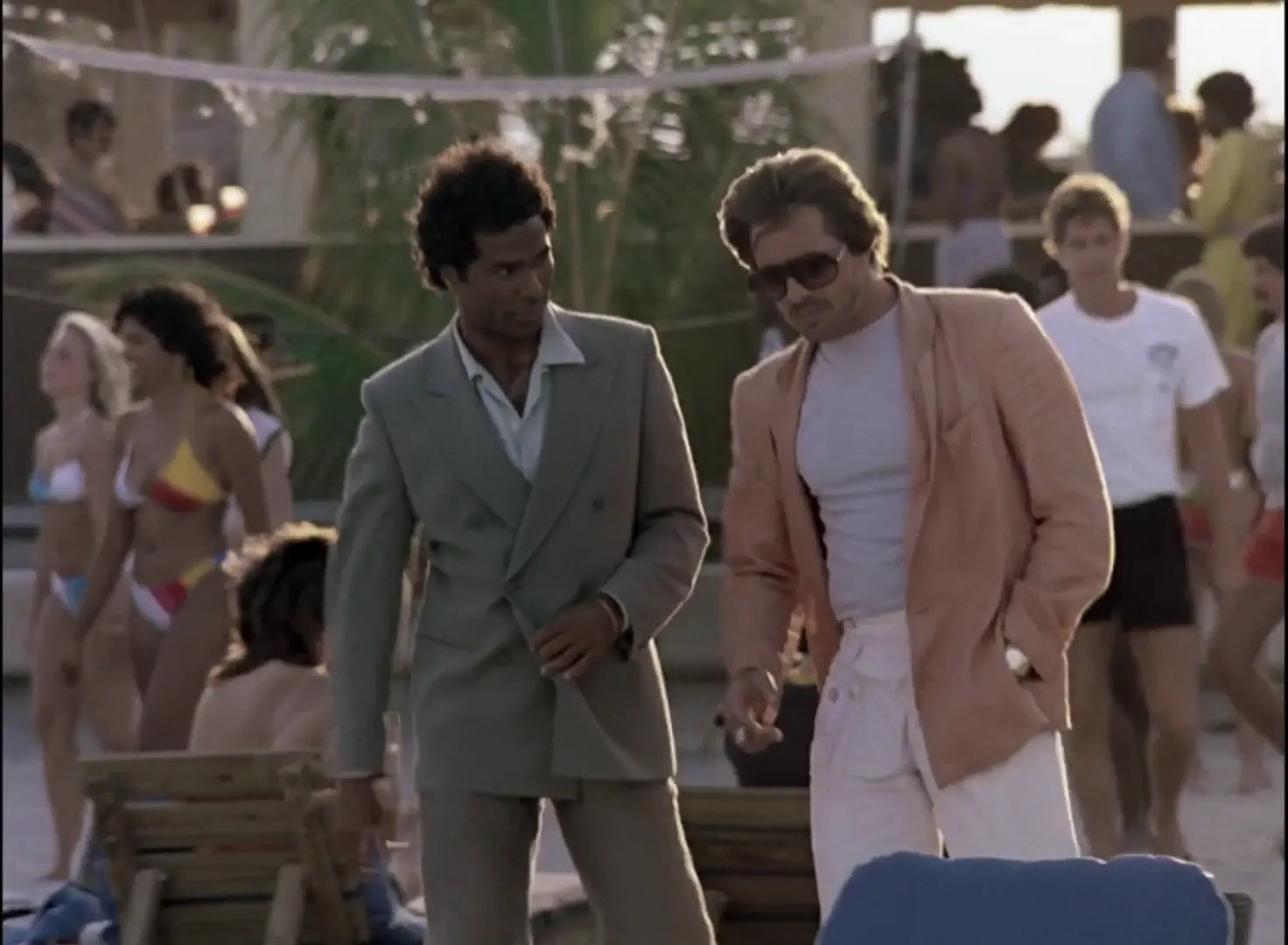
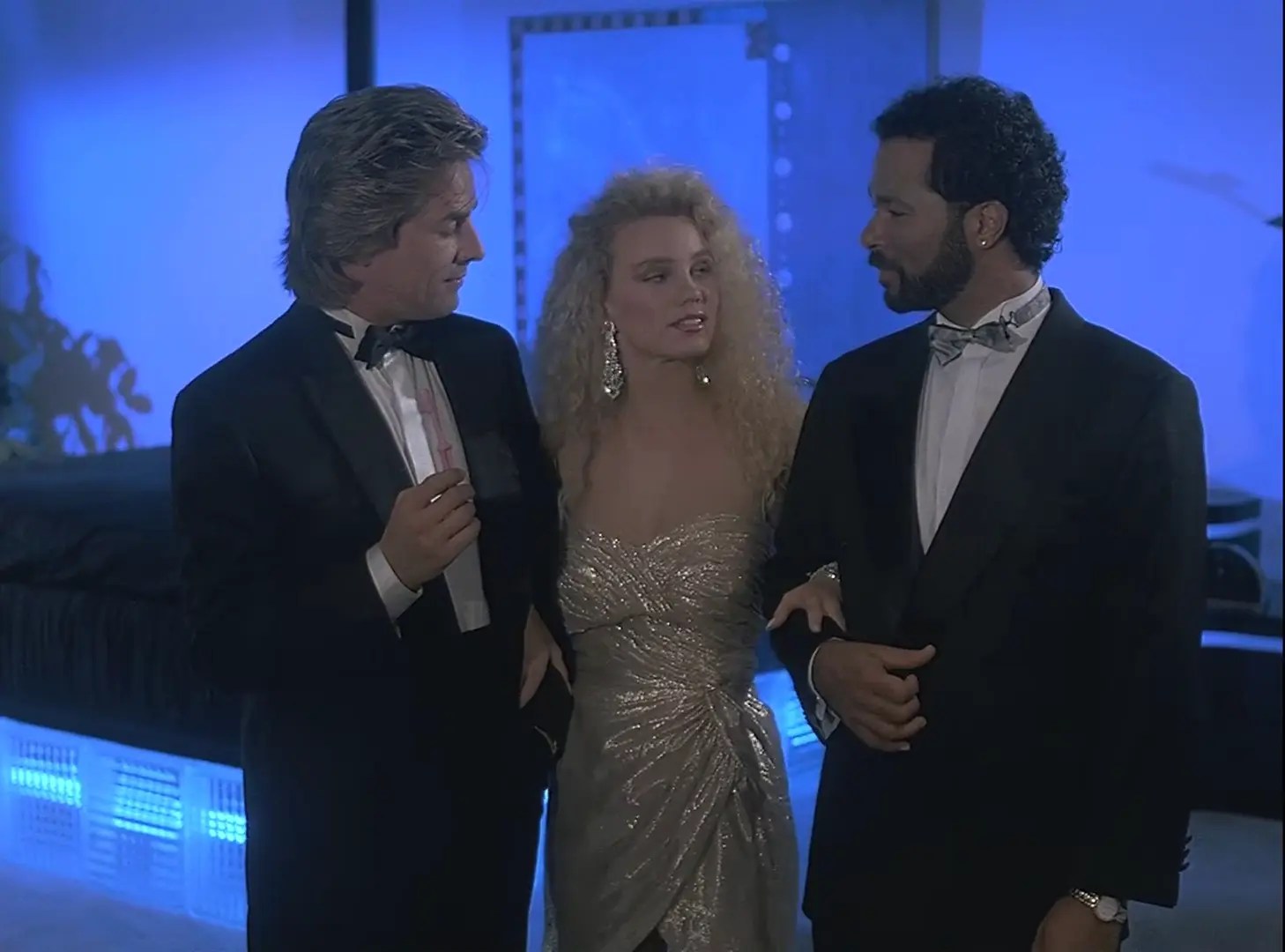
The fashion in „Miami Vice“ was not just one aspect of the series, but one of its strongest trademarks. The outfits of Sonny Crockett and Ricardo Tubbs set new standards in television fashion and reflected the luxurious yet dangerous lifestyle that the series portrayed. Sonny Crockett, with his white linen suits, T-shirts and no tie, embodied a casual elegance that immediately became a symbol of the 1980s. Ricardo Tubbs, always impeccable in tailored suits, portrayed the image of the urban, style-conscious policeman. The series worked closely with renowned designers such as Gianni Versace, which meant that „Miami Vice“ not only influenced TV fashion, but also global fashion trends. The clothing in the series was more than just a costume; it was an expression of the characters‘ personalities and helped to define the glamorous but dangerous world of „Miami Vice“. Each episode became a catwalk of fashion, transporting viewers into a world of style and elegance that nevertheless could not hide its dark depths.
Cars
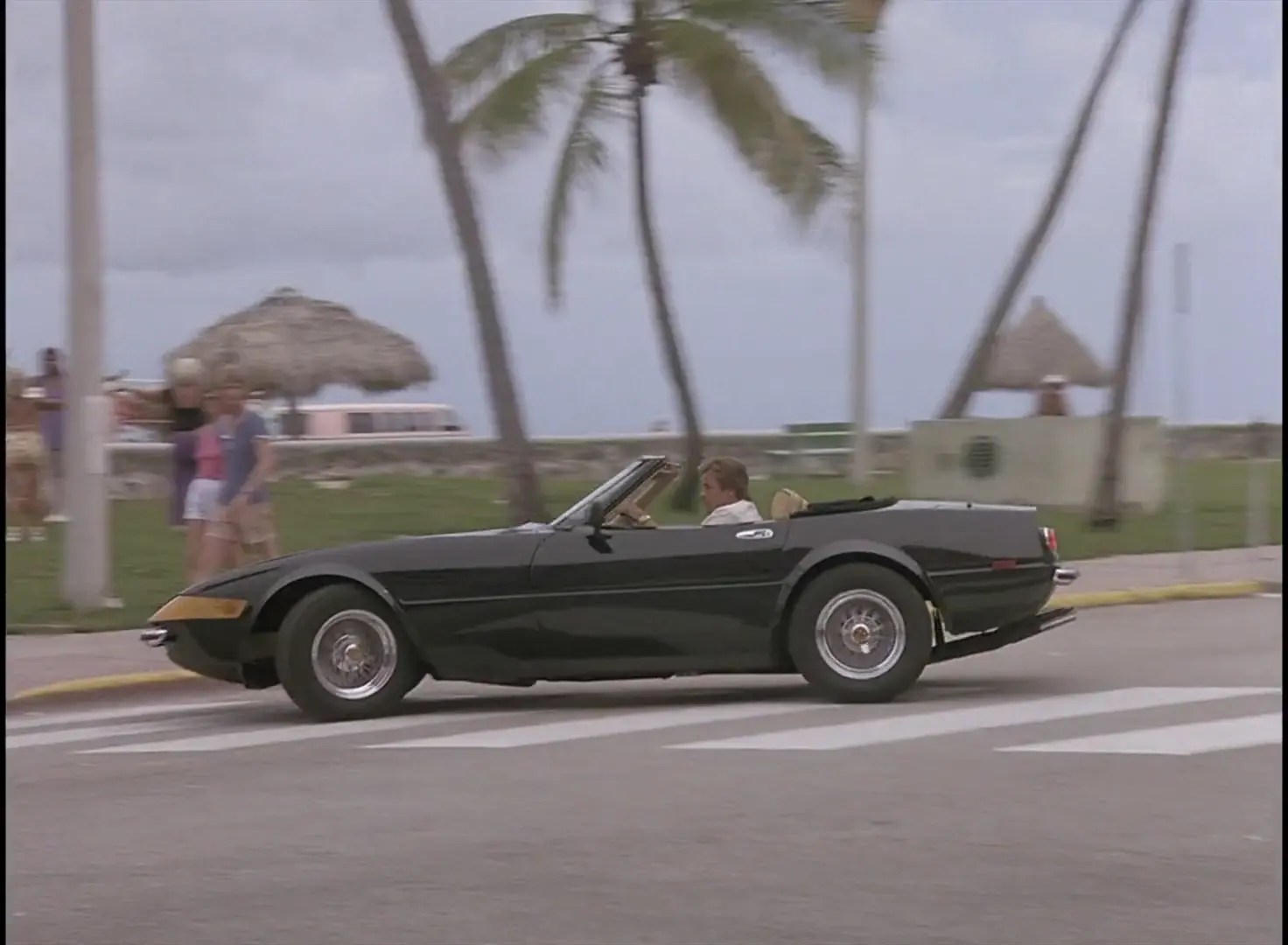
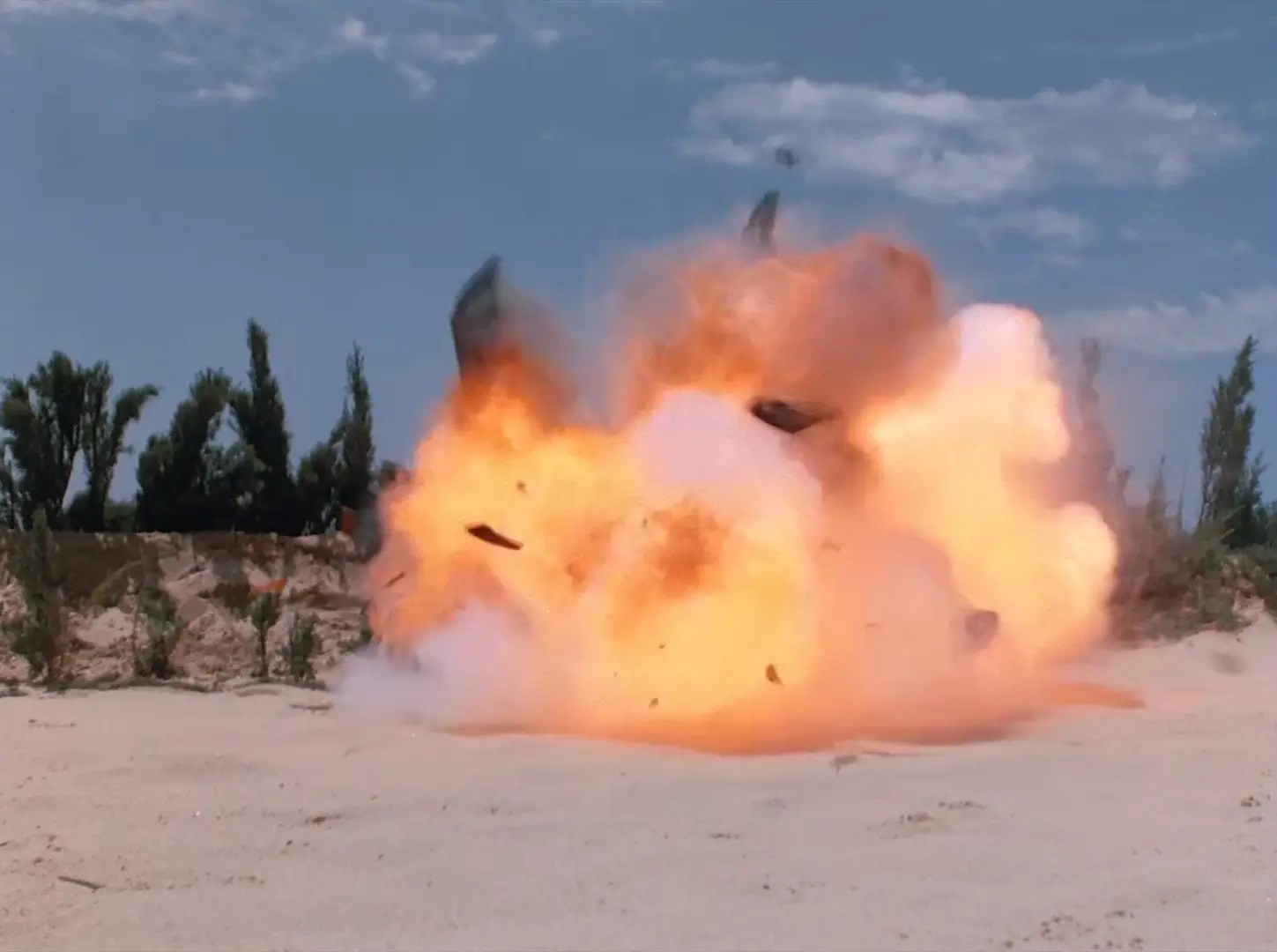
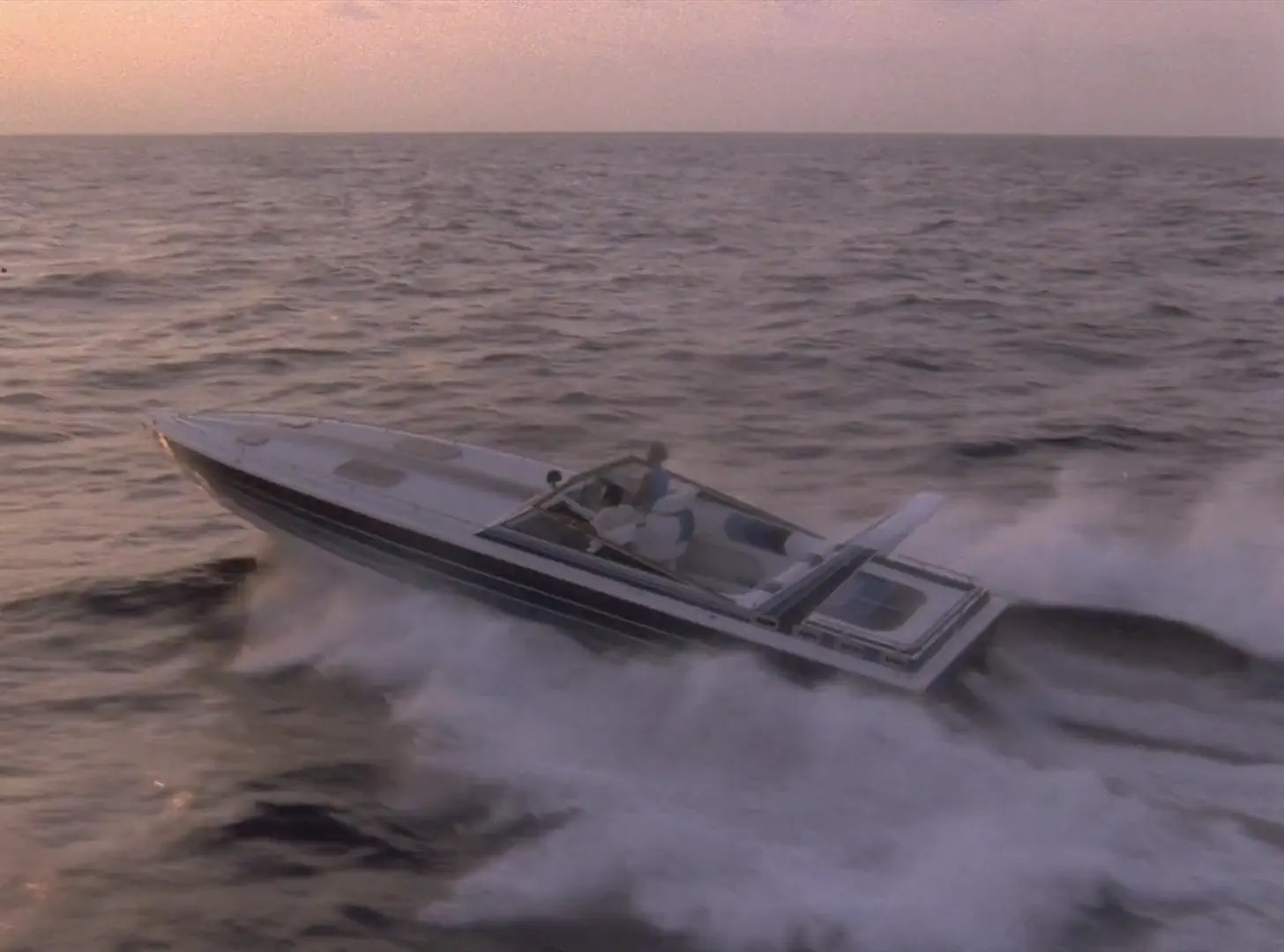
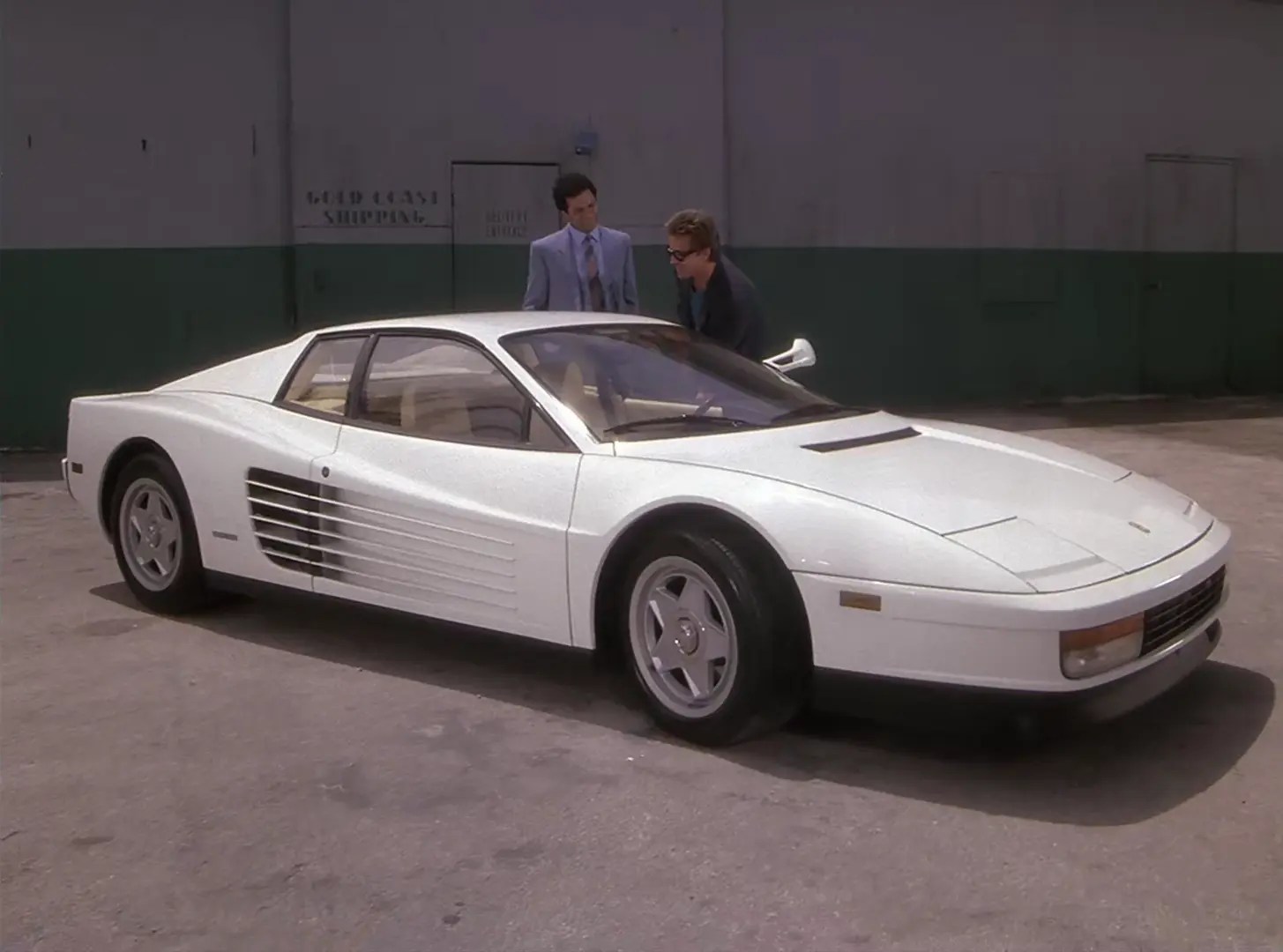
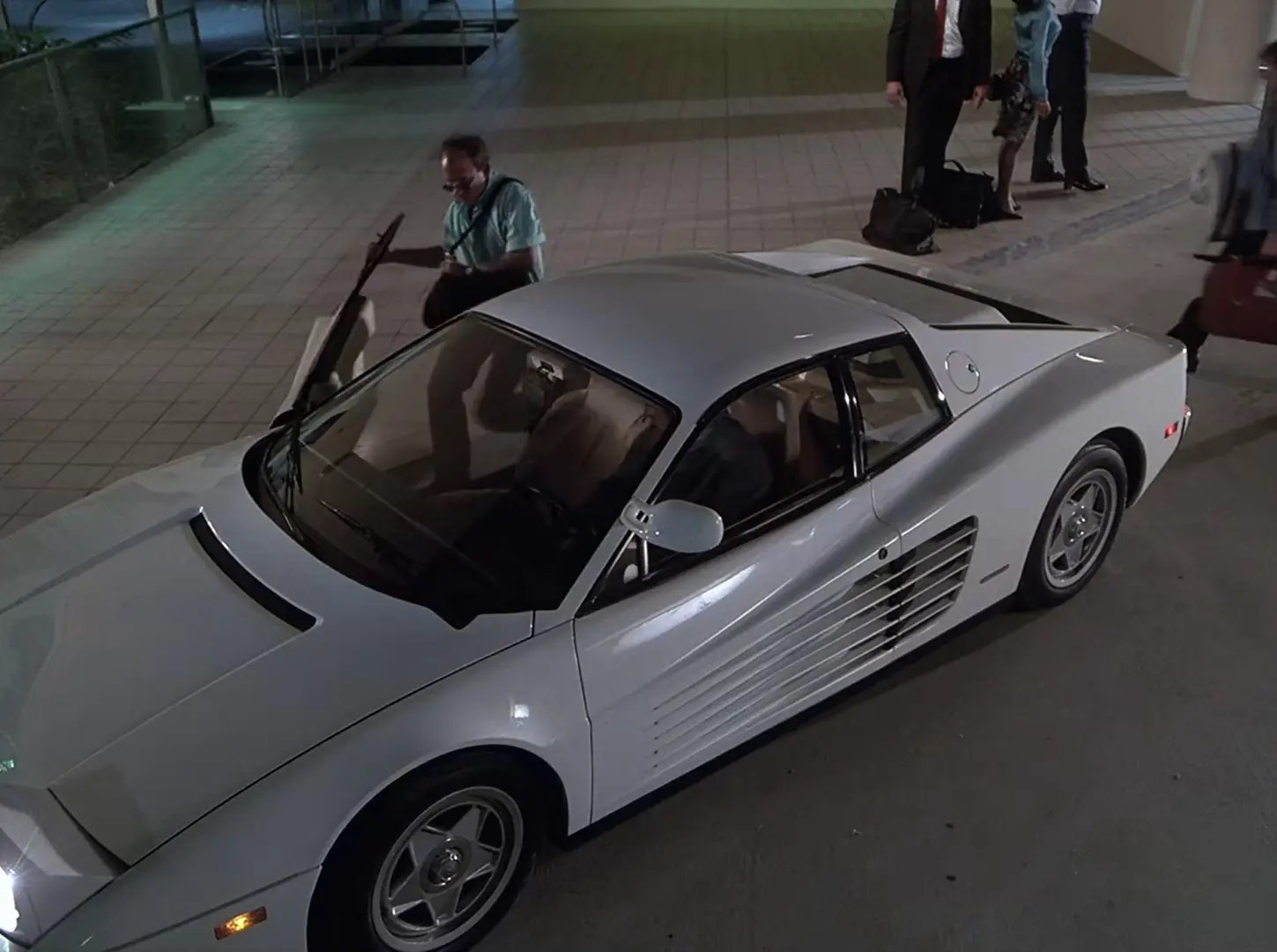
Another iconic element of „Miami Vice“ were the cars, which served not only as a means of transportation, but as an expression of status, power and style. Sonny Crockett’s white Ferrari Testarossa is probably the most famous car of the series and became a symbol of the glamor and excesses of the 1980s. But other cars, such as the original black Ferrari Daytona Spyder (which was in fact a replica), also played a central role and contributed to the visual identity of the series. The cars were carefully chosen to emphasize the characters‘ personalities – the Testarossa, with its elegance and power, represented Crockett’s dangerous but luxurious life as an undercover cop. At the same time, the spectacular vehicles served as a visual highlight and enhanced the coolness factor of the series. The car chases in these luxury vehicles set new standards for action sequences on television and made the cars an integral part of the „Miami Vice“ legend.





Cameos
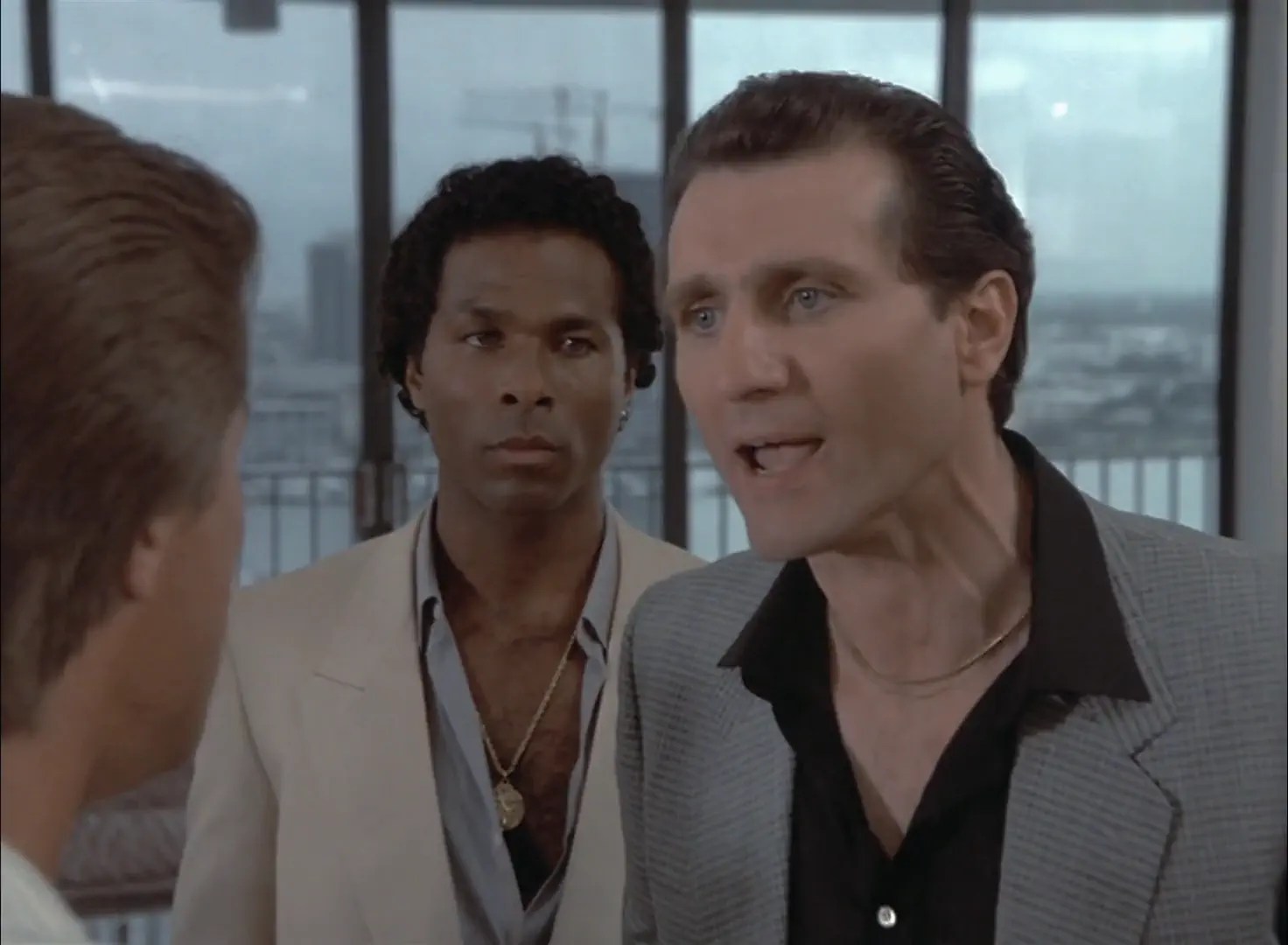
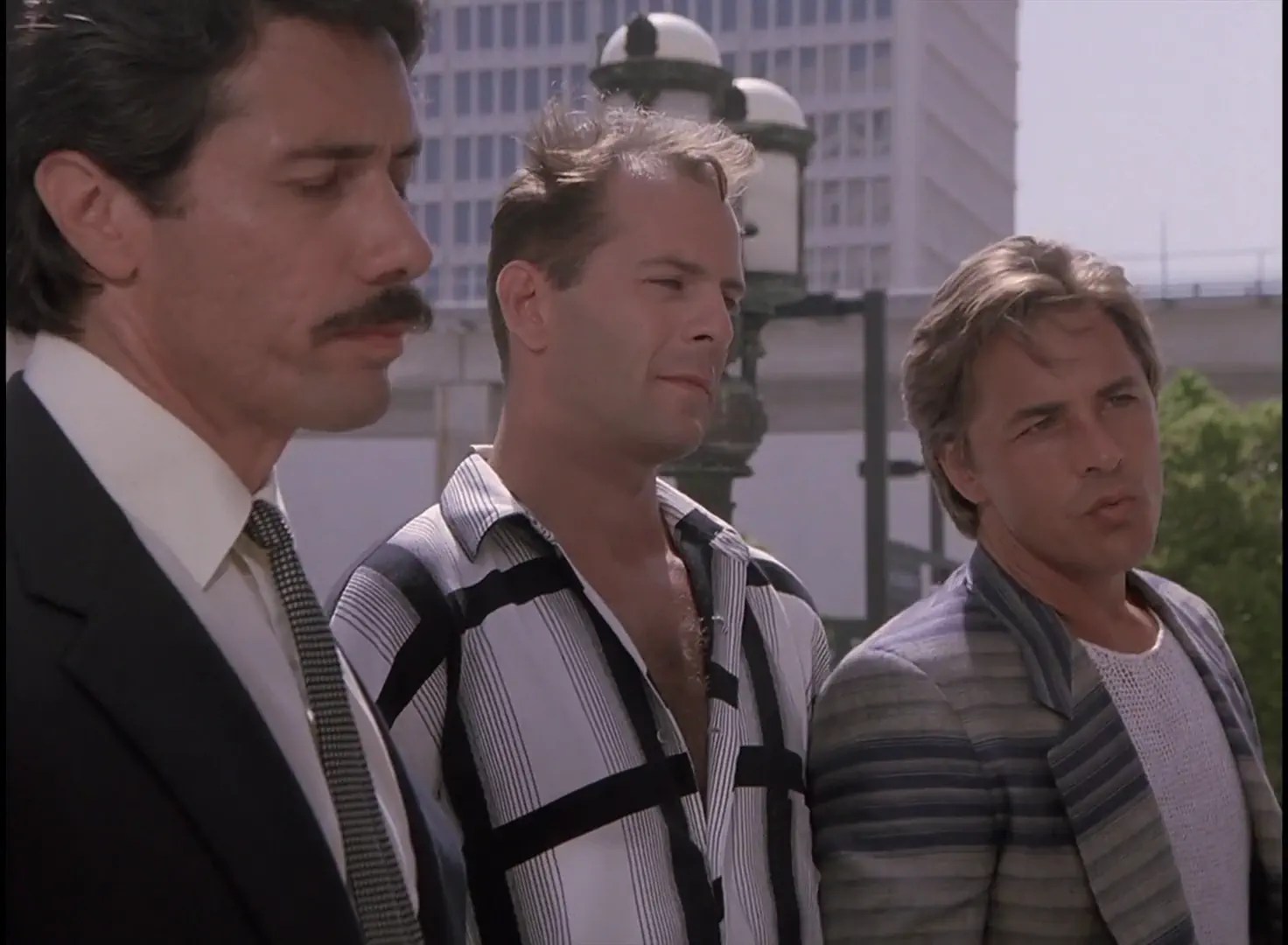
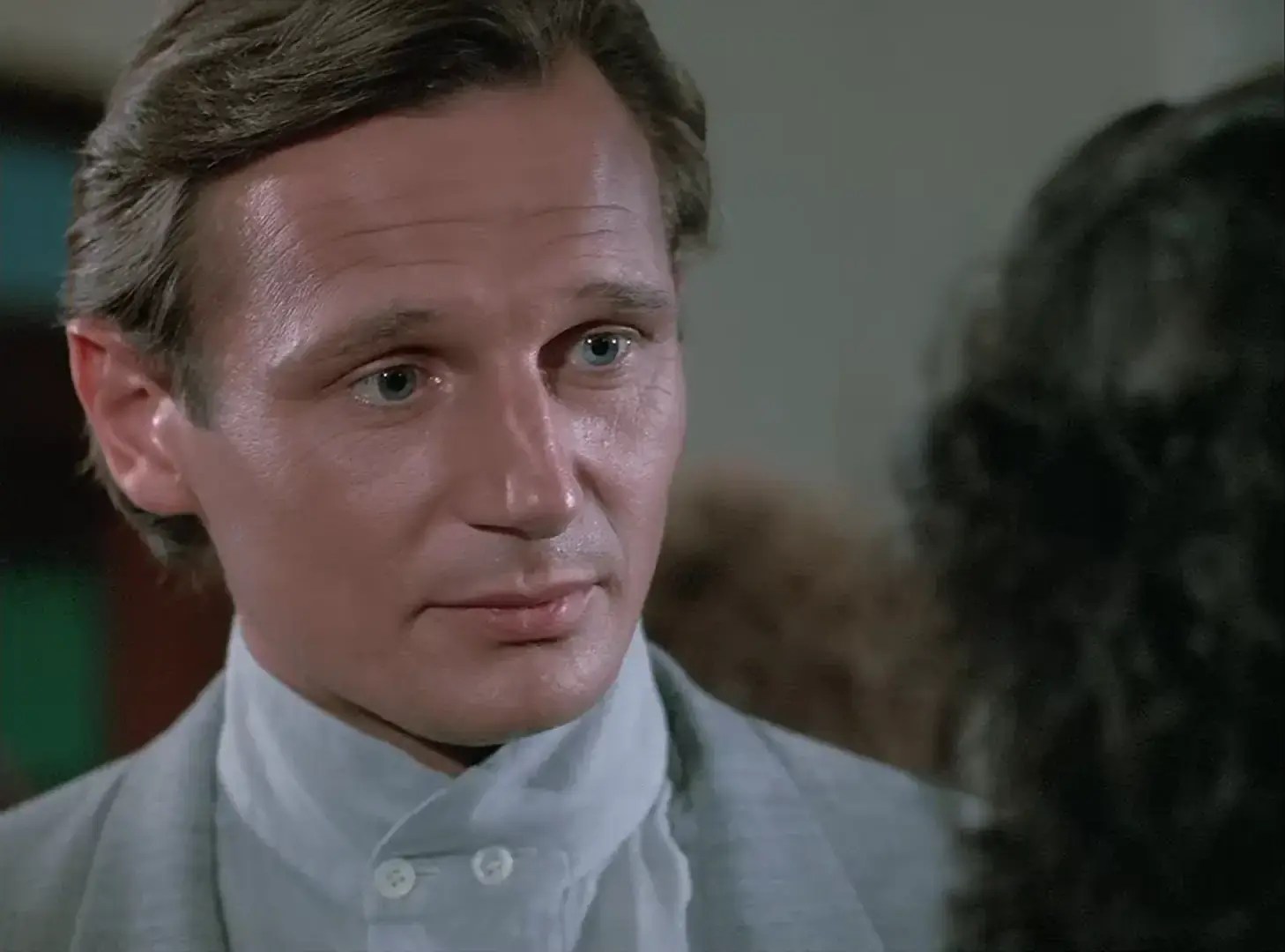
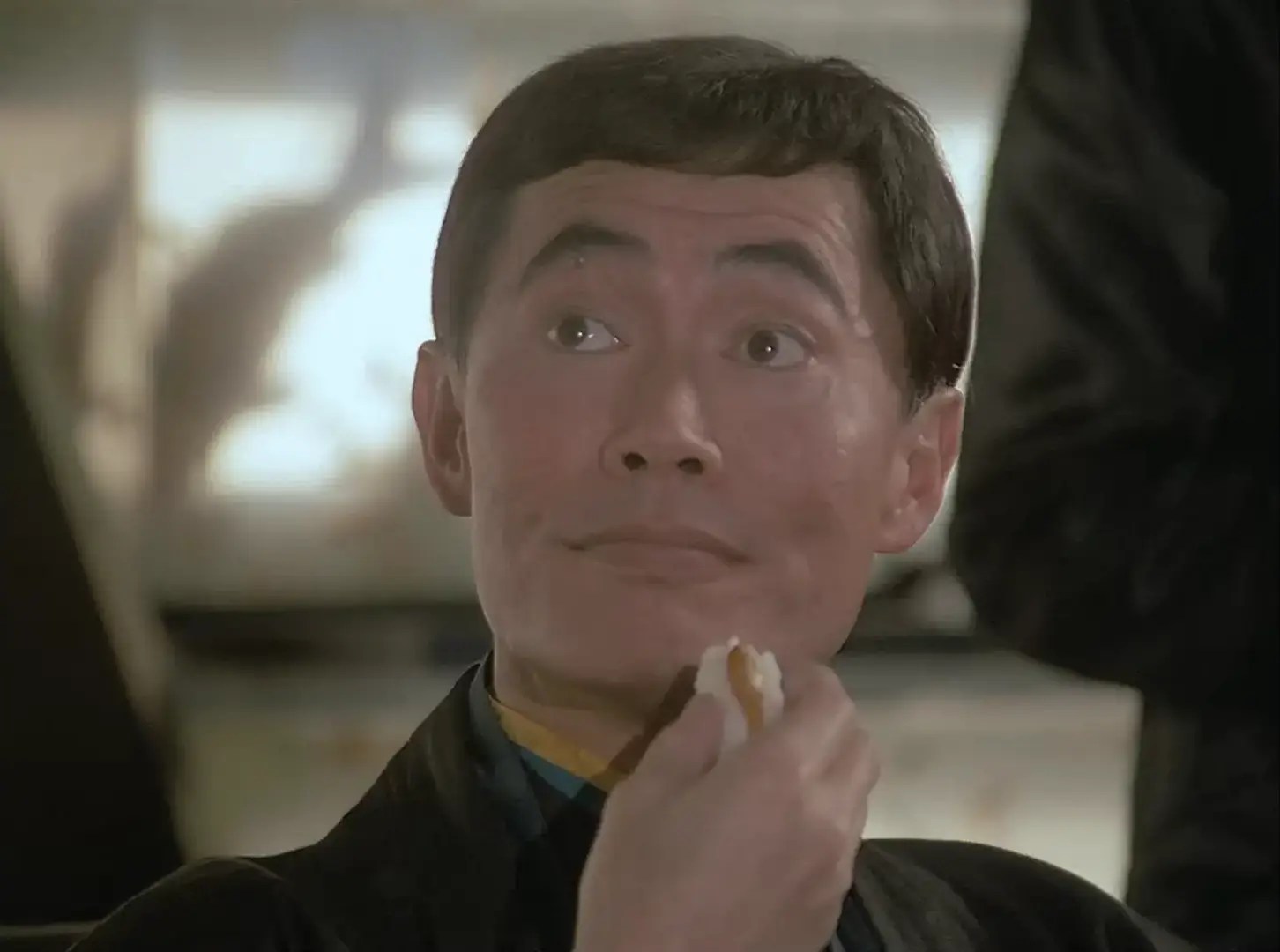
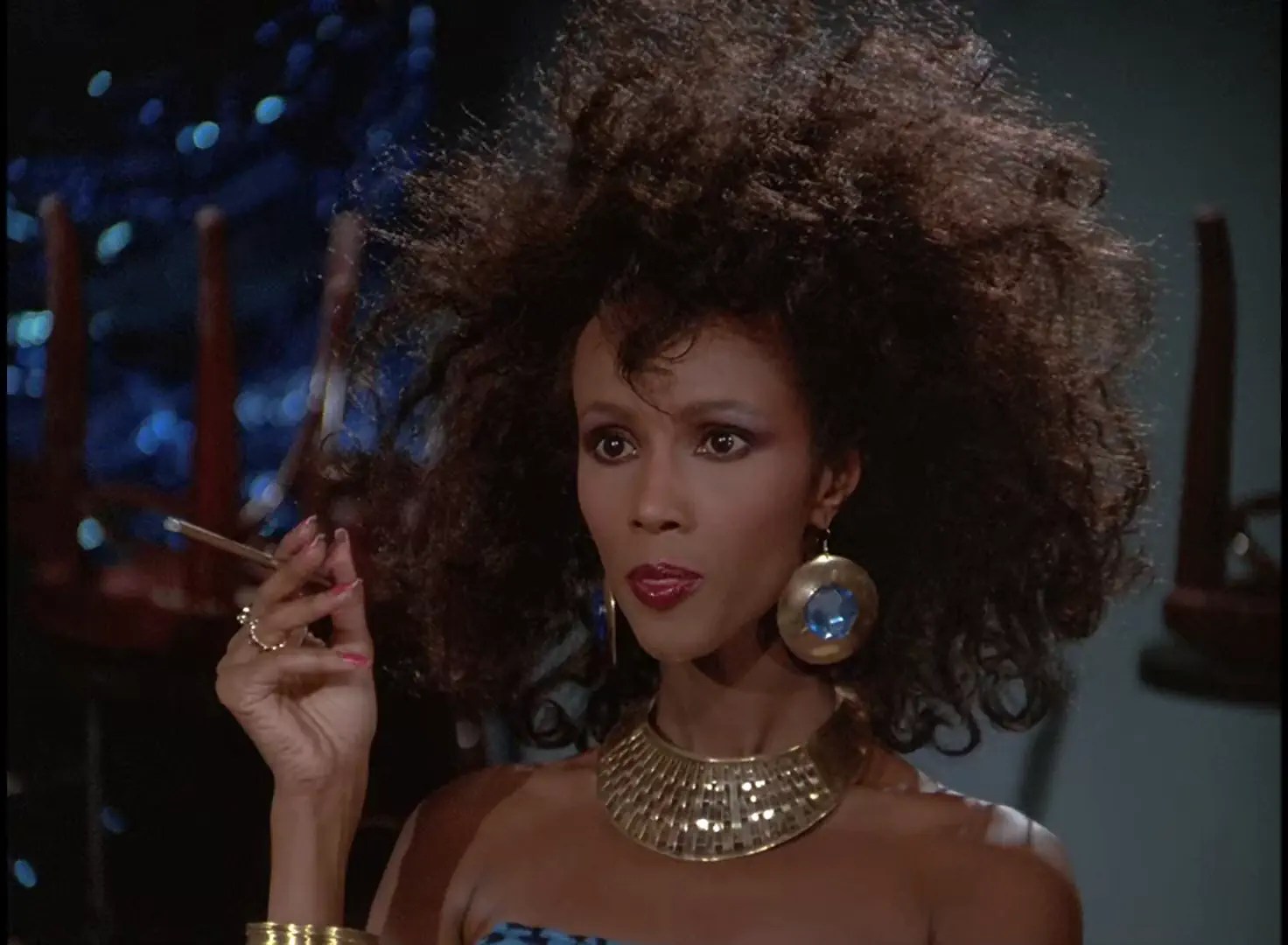
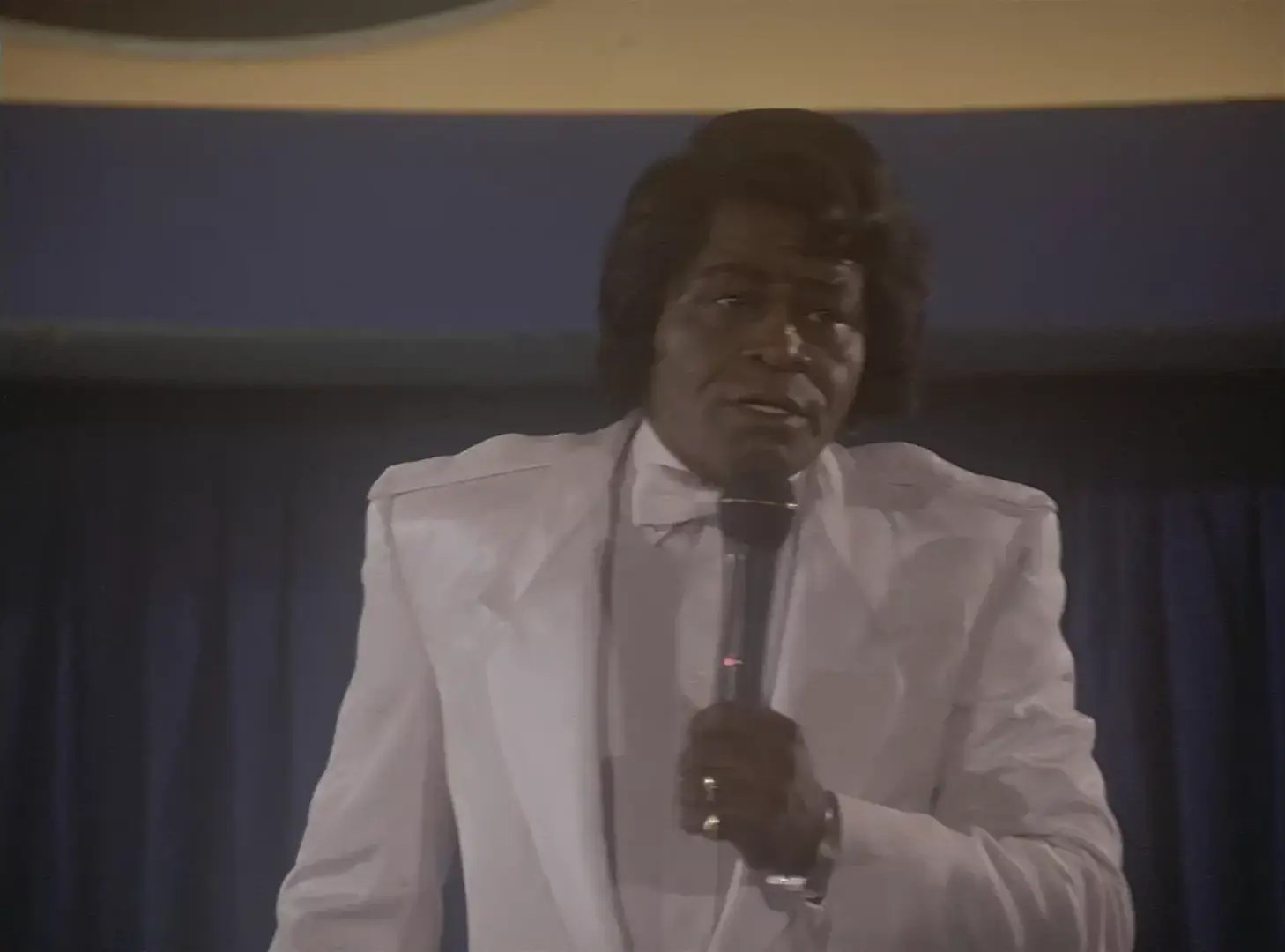
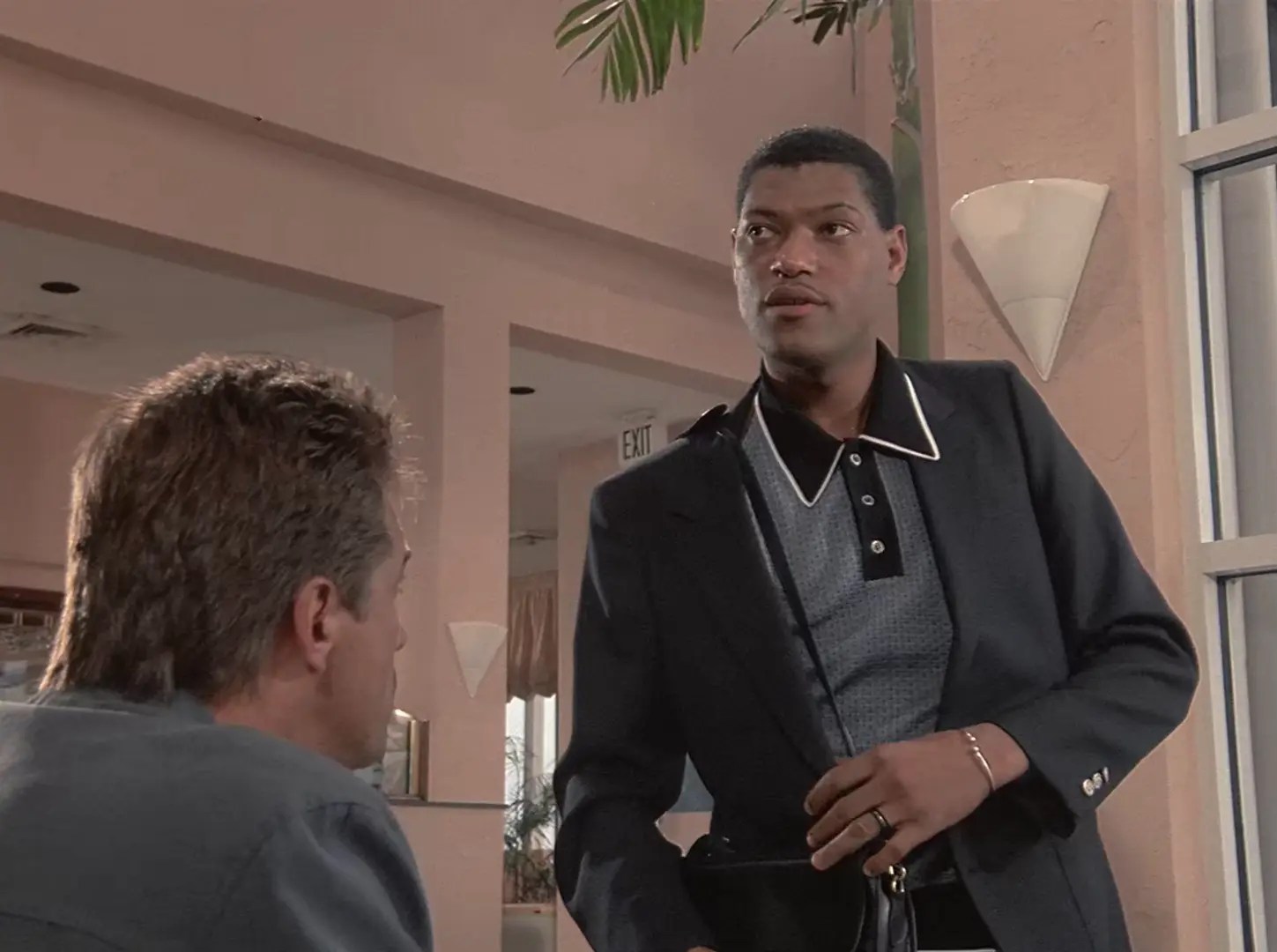
„Miami Vice“ was known for its impressive list of guest appearances, which added to the series‘ glamor. Numerous actors and musicians who went on to become global stars made their first major appearances in the series. Bruce Willis, Julia Roberts and Liam Neeson are just some of the names that appeared in early episodes. These cameos helped to make the series unpredictable and exciting, as they constantly presented viewers with new and interesting faces. Particularly noteworthy was the integration of musicians such as Phil Collins and Miles Davis, who not only provided their music but also appeared as actors, emphasizing the close connection between „Miami Vice“ and the music world. These guest appearances turned „Miami Vice“ into a cultural hub that brought together stars from different fields and thus rooted the series even more deeply in pop culture.
List of Miami Vice guest appearances







Critics at the time
When „Miami Vice“ premiered in 1984, the series provoked mixed reactions. Some critics praised the series for its stylistic brilliance and innovative use of music, while others criticized it as superficial and overly concerned with aesthetics. The visual opulence and focus on fashion and music were seen by some as a distraction from the plot, while others saw these very elements as revolutionary. Despite the initial skepticism, „Miami Vice“ quickly became a hit and a cultural sensation. Critics who had initially dismissed the series began to recognize and appreciate its innovative approach. The series was recognized as pioneering a new era of television that broke away from traditional narrative structures and presented a new, more modern form of storytelling. The series‘ ability to tackle profound themes in a stylish and accessible format was soon recognized as groundbreaking and influenced numerous subsequent TV productions.
Reputation today
Today, „Miami Vice“ is celebrated as a milestone in television history. The series has proven to be groundbreaking and visionary, and its initially controversial stylistic choices are now seen as harbingers of modern TV aesthetics. Critics today praise the series for its ability to combine music and image into a harmonious whole that went far beyond the usual television norms of the time. „Miami Vice“ is considered a forerunner of modern drama series, characterized by visual sophistication and in-depth character development. The series paved the way for a new generation of television productions that placed as much emphasis on style as substance. Today’s critics also recognize the depth of the characters and the complexity of the stories told, which may have been overlooked at the time. „Miami Vice“ is now recognized as a pioneering work that elevated television to a new level by creating a previously unattainable marriage of style and narrative that influenced many later productions.
Summary
The first three seasons of „Miami Vice“ stand for television at the highest level. They embody a perfect symbiosis of stylistic innovation, gripping stories and profound characters. The series managed to bring the glittering yet dangerous Miami of the 1980s into viewers‘ living rooms and show them a world that was fascinating and frightening in equal measure. The third season in particular is considered the creative masterpiece of the series, which brought „Miami Vice“ to the peak of its artistic power. In these early seasons, the series succeeded in establishing a unique visual and musical style that is still considered an unmistakable trademark today. The combination of innovative aesthetics, musical brilliance and captivating storytelling made „Miami Vice“ a cultural phenomenon that had a lasting impact on the television landscape and a lasting influence on pop culture.Despite the immense success and artistic highlights of the first three seasons, „Miami Vice“ began to show signs of fatigue towards the end of the third season. The series, which once stood out for its freshness and stylistic innovation, began to lose momentum in the following seasons. The stories became increasingly formulaic and the series lost some of the creative energy that characterized it at the beginning. The characters seemed increasingly exhausted, and it seemed as if the show was struggling to find new ways to captivate its viewers. Even attempts to revitalize the series with darker and more complex storylines could not stop the downward trend. Despite some strong episodes in the later seasons, „Miami Vice“ was unable to match the radiant brilliance and creative power of the early years. Nevertheless, the series remains a milestone in television history, and its first three seasons are still celebrated as outstanding examples of the best the 1980s had to offer.
More
Magazine Scans
Bravo 1986/50
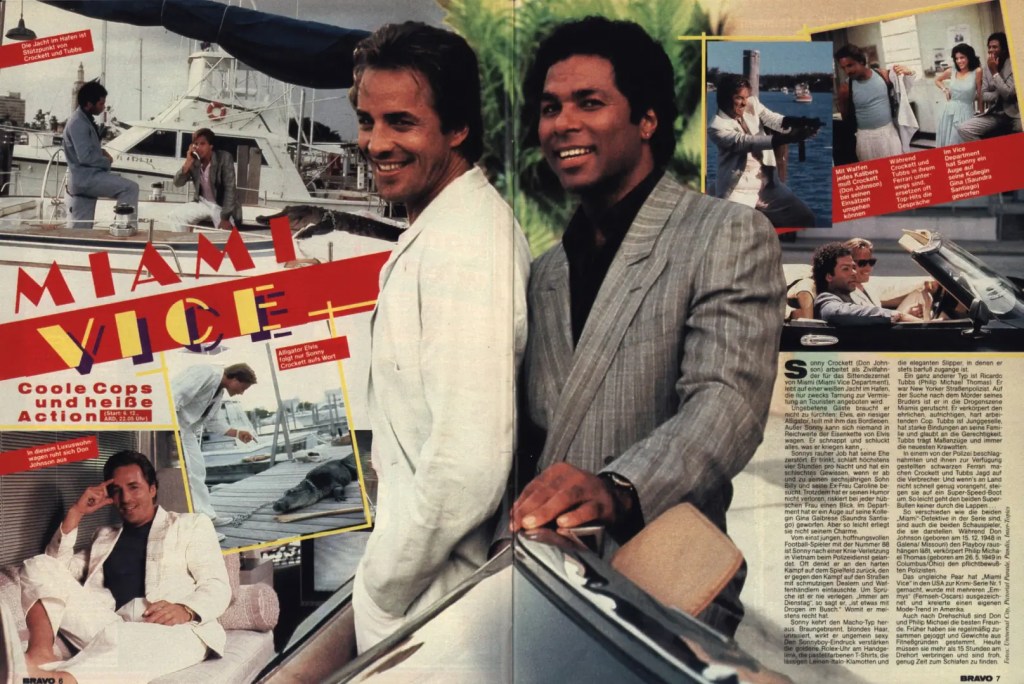
Bravo 1987/06

Videos
Intros
Miami Vice: Phil Collins – In the Air Tonight





 McHenry's Lair
Kommentar verfassen :