

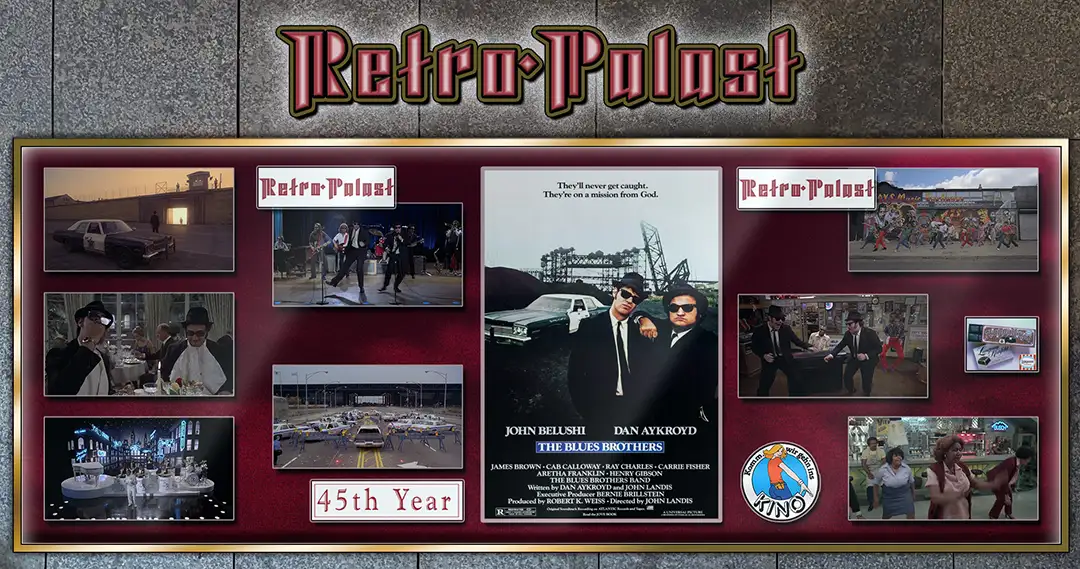
We’re on a mission from God.
It’s 106 miles to Chicago, we got a full tank of gas,
half a pack of cigarettes, it’s dark… and we’re wearing sunglasses.
Cult film between music and chaos
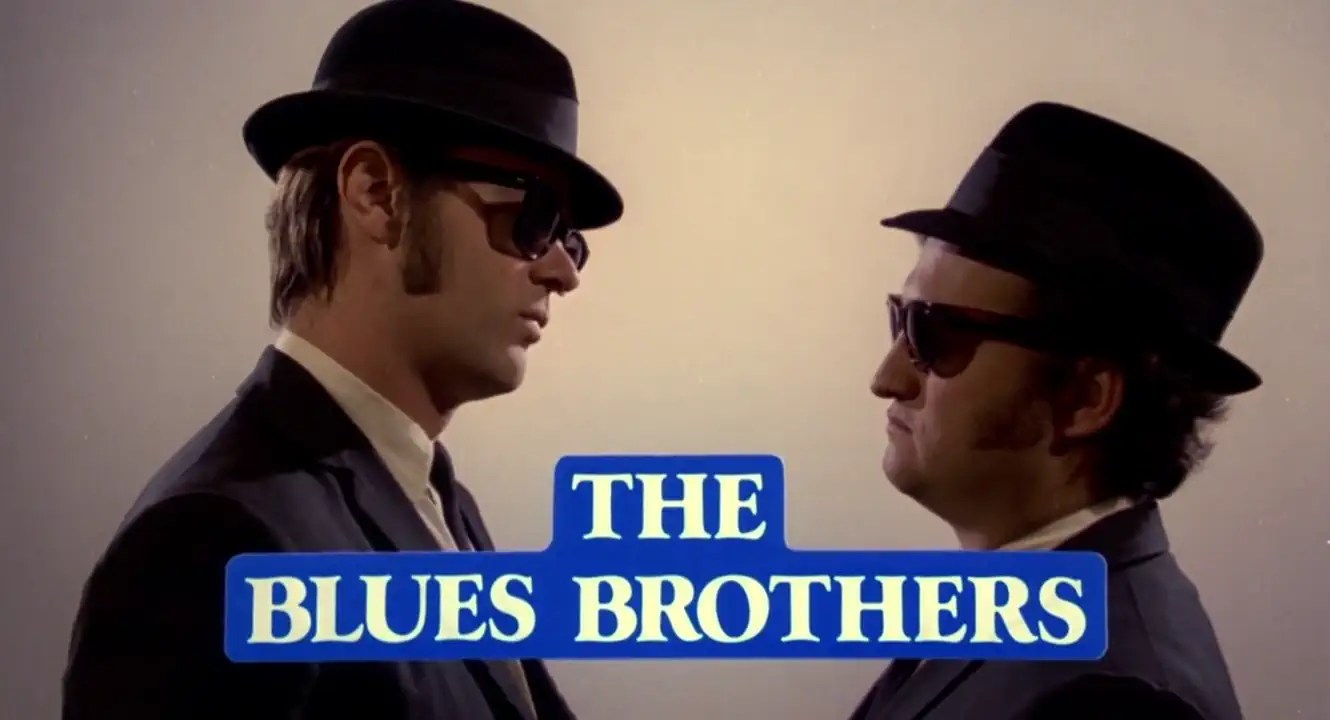
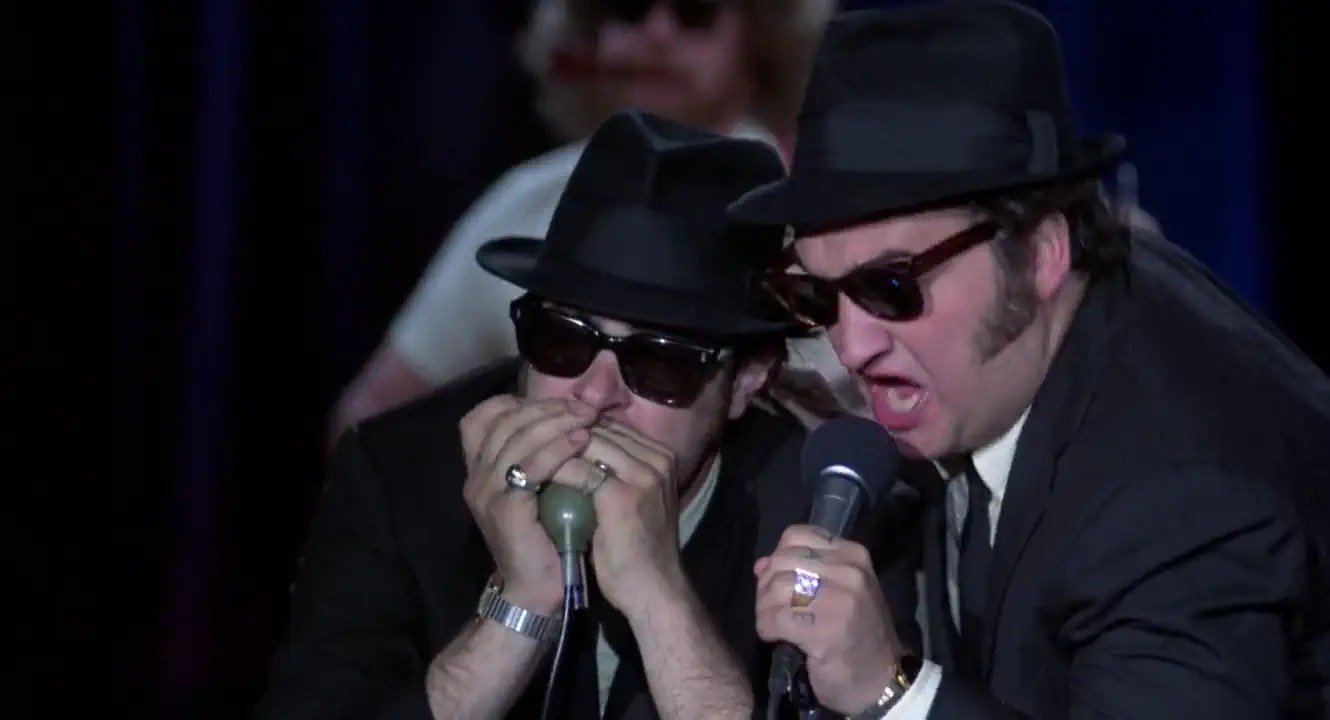
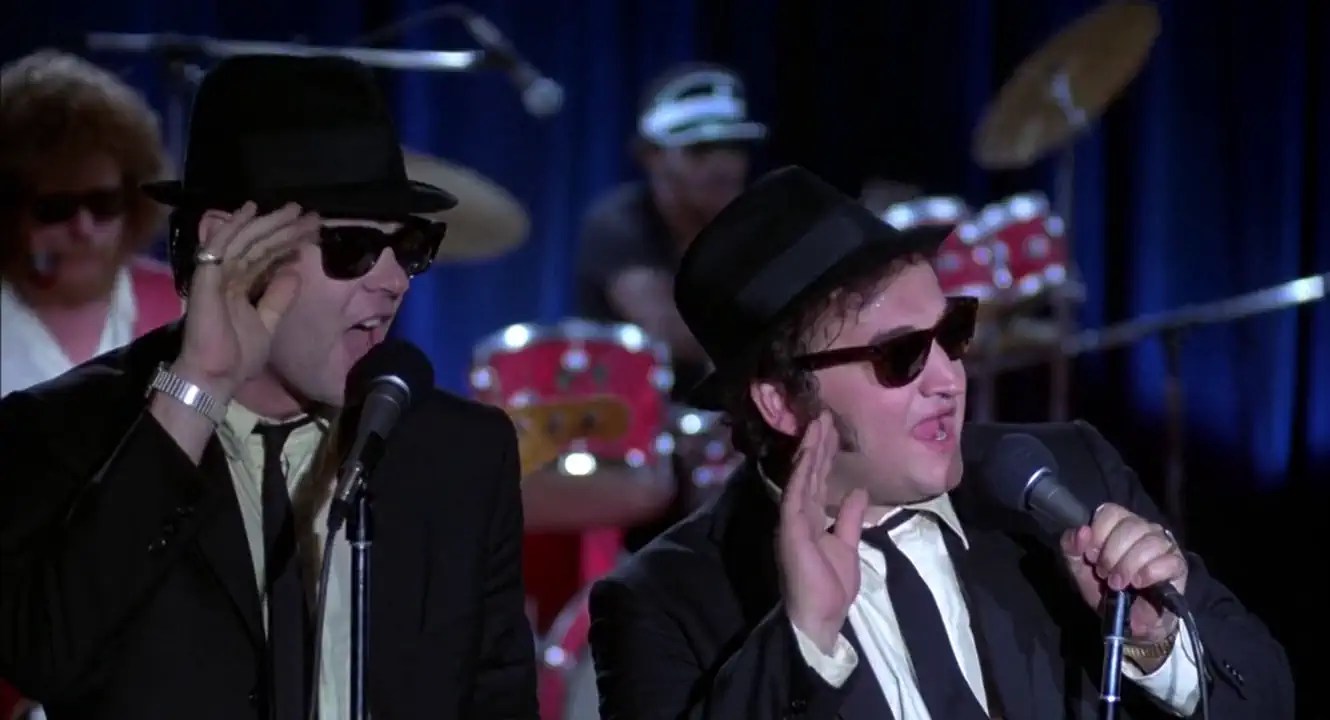
The Blues Brothers is a cult American film from 1980, directed by John Landis. The leading roles are played by John Belushi and Dan Aykroyd, who had previously appeared as a blues duo on the popular TV show Saturday Night Live, where they thrilled millions of viewers with their musical parodies. The film combines elements of music, comedy, and action in a unique and fast-paced way. The story, which begins as a simple road movie comedy, quickly develops into a spectacle of over-the-top car chases, grotesque encounters, and captivating musical performance
With its mix of anarchic humor, bizarre characters, social commentary, and spectacular musical numbers, The Blues Brothers has earned a permanent place in pop culture since its release. Particularly noteworthy is the seamless transition between film plot and live performance, which distinguishes the work from classic comedies. The work is now considered a prime example of successful cross-genre crossover and is often used in film schools as an example of innovative storytelling. In addition, the film symbolizes the creative potential that can arise from the interplay of television formats, musical traditions, and cinematic art.
Plot
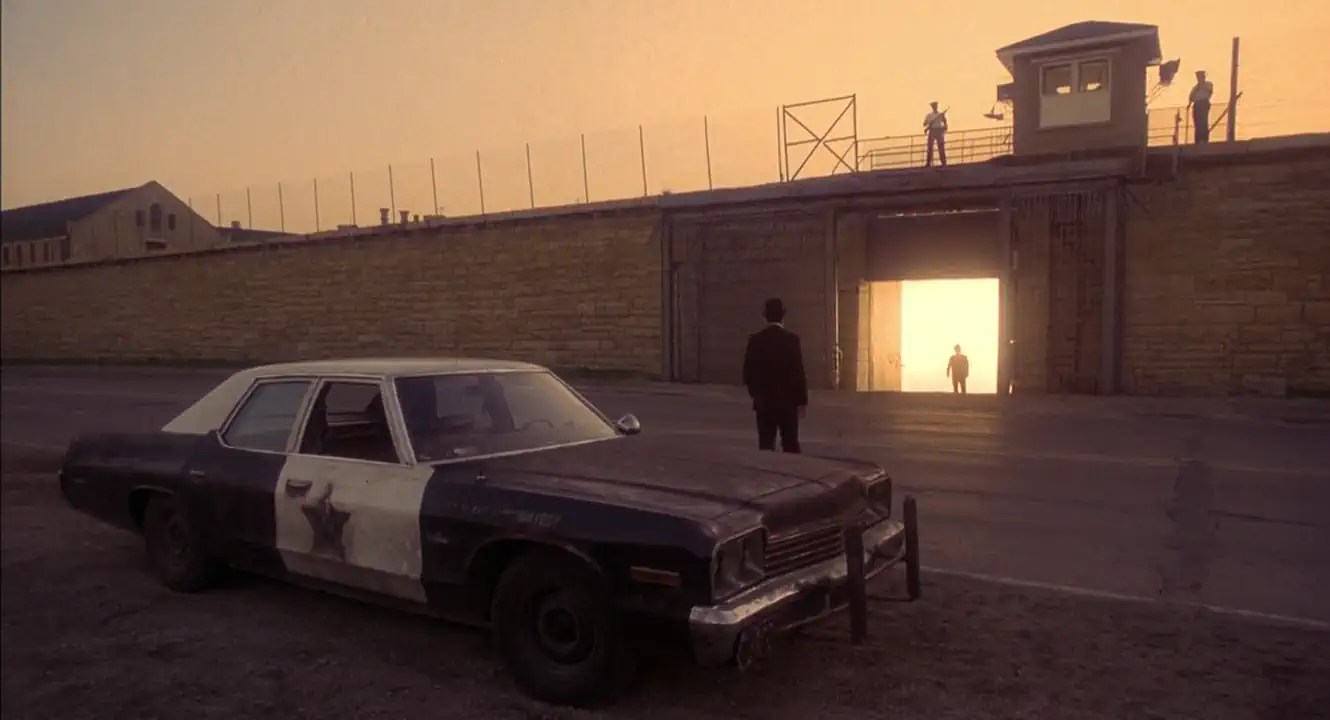
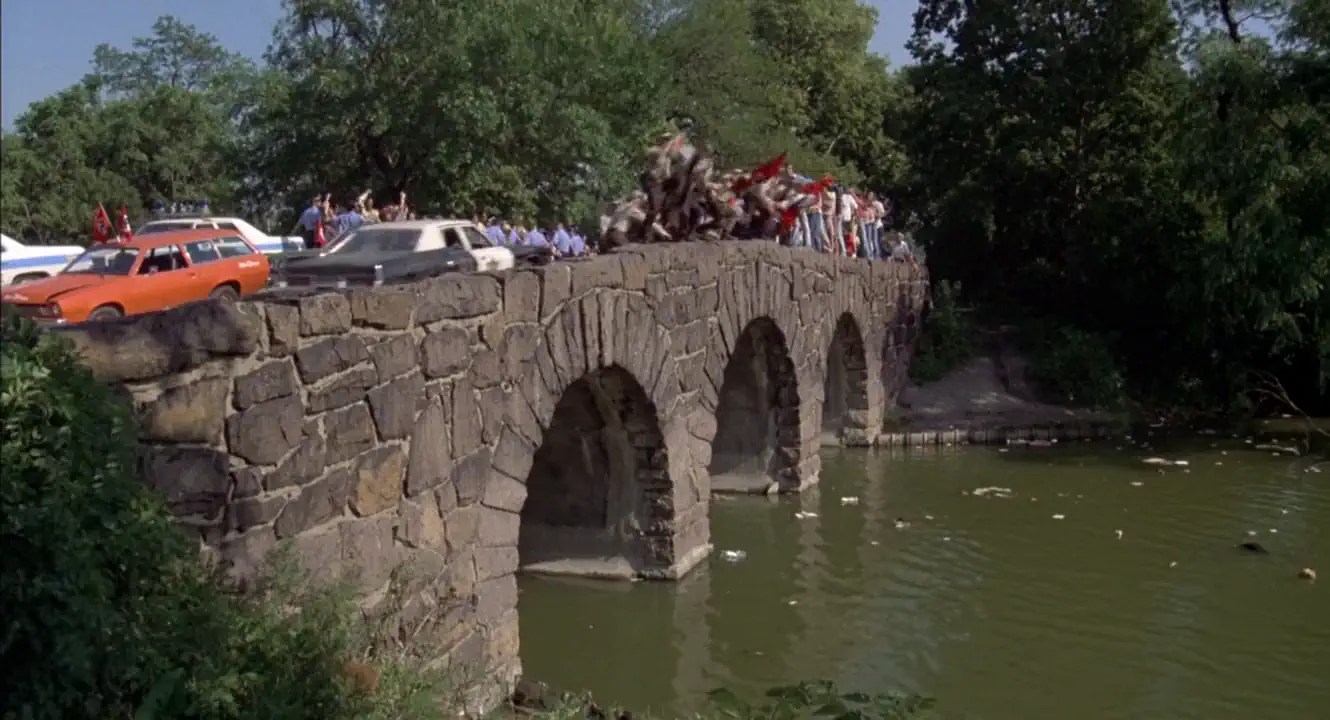
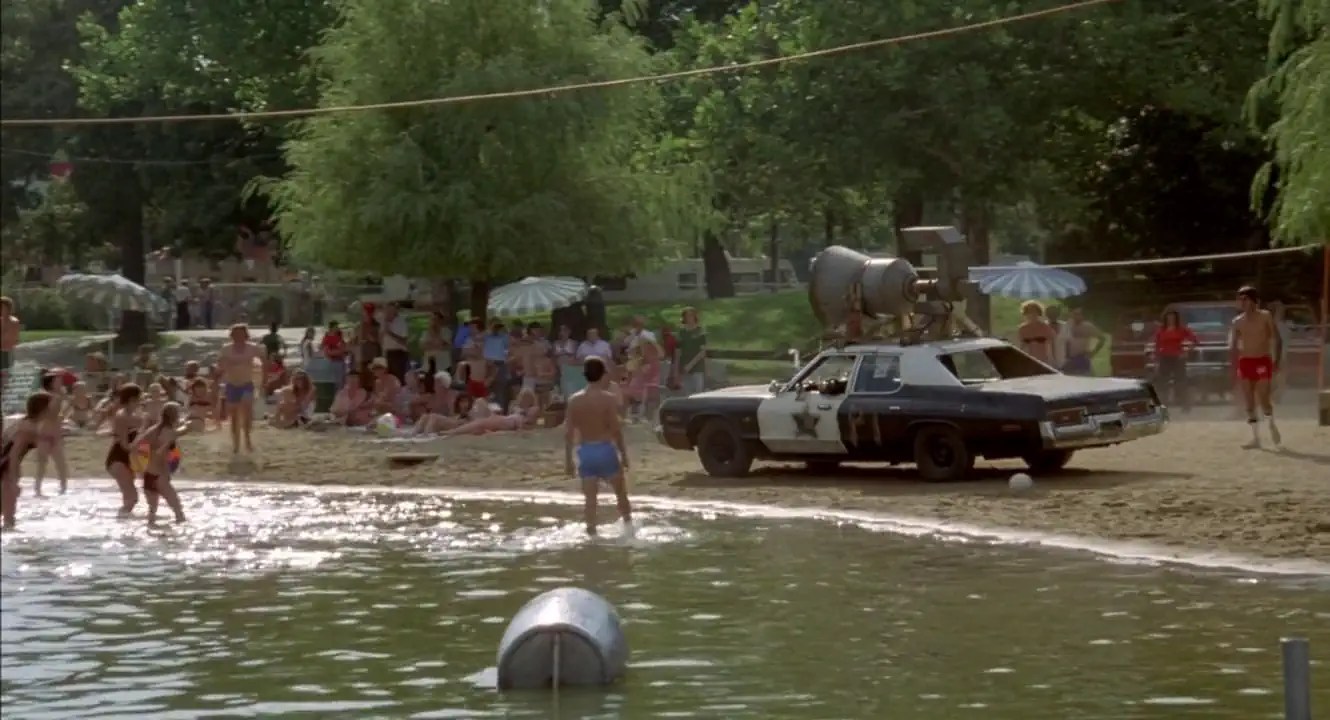
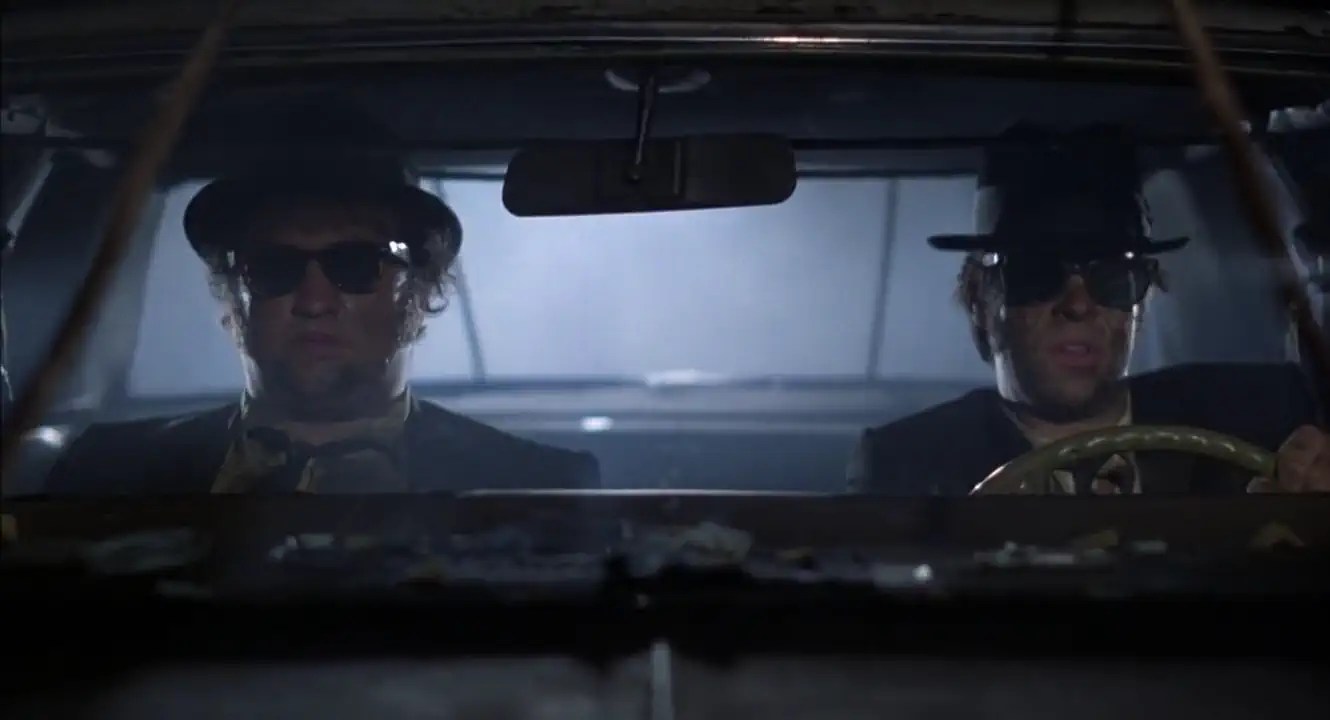
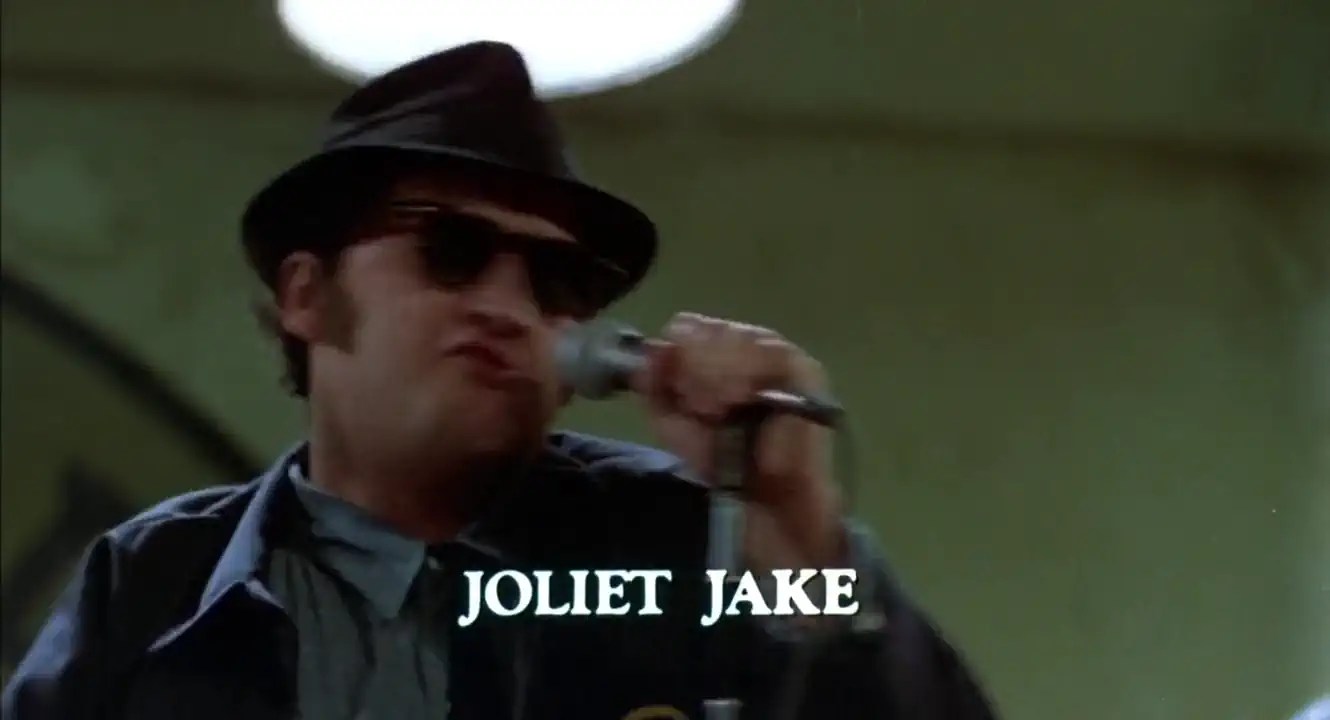
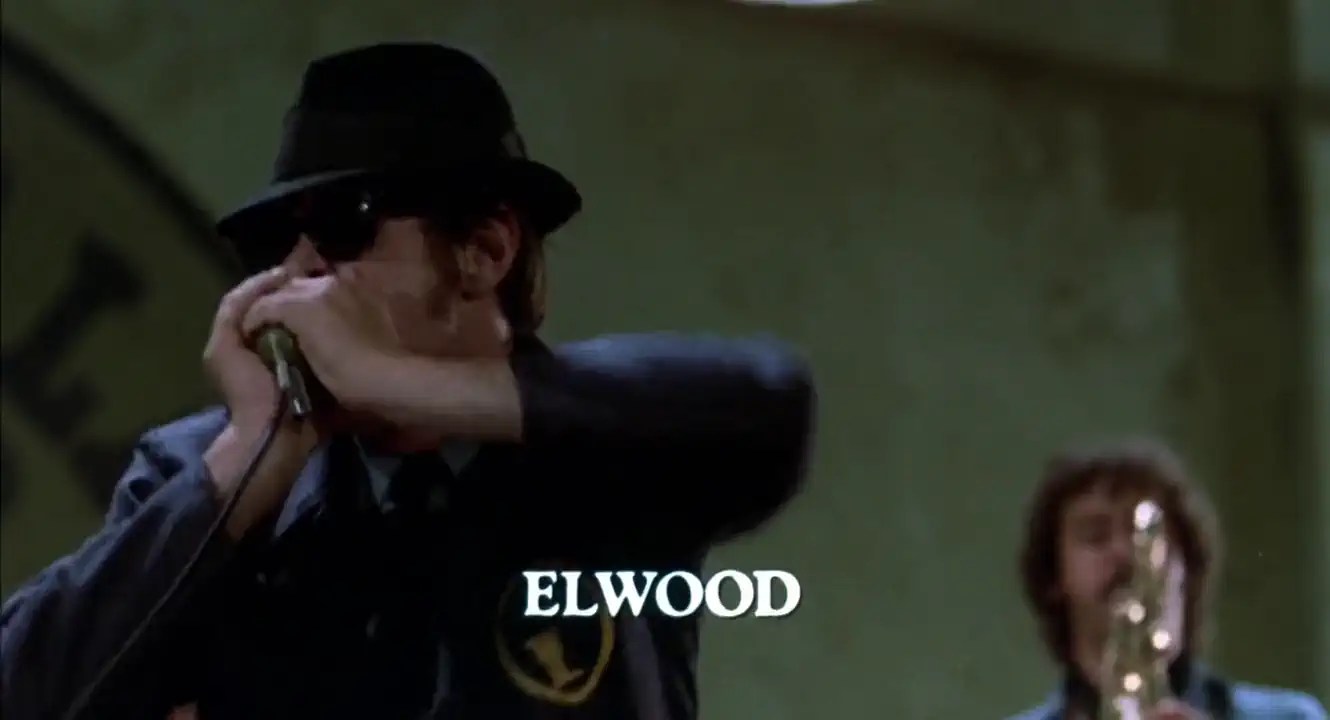
After his release from Joliet prison, Jake Blues is picked up by his taciturn brother Elwood in a dilapidated police car, which henceforth serves as their means of transportation. The drive back to town is already unusual: Elwood drives recklessly, is pursued by the police, and reveals to Jake that he recently lost his driver’s license. At this point, it is already clear that the Blues brothers‘ lives are characterized by chaos, improvisation, and lawbreaking.
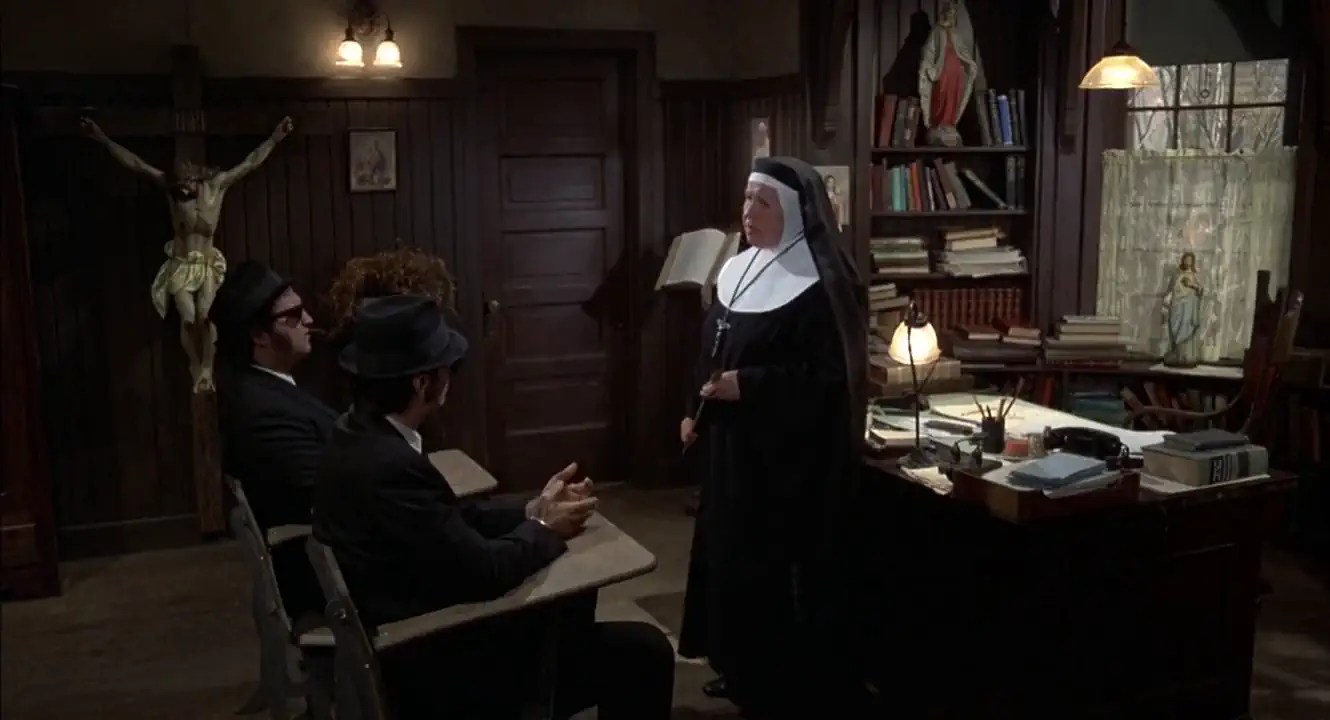
They visit the Catholic orphanage where they grew up and learn that the facility is facing closure due to unpaid taxes amounting to $5,000. The strict mother superior categorically refuses to accept donations from dubious or criminal sources. This moral imperative inspires Jake to see their rescue mission as a sacred duty. “We’re on a mission from God,” he explains to Elwood with sudden zeal. From that moment on, their journey turns into an almost spiritual mission.
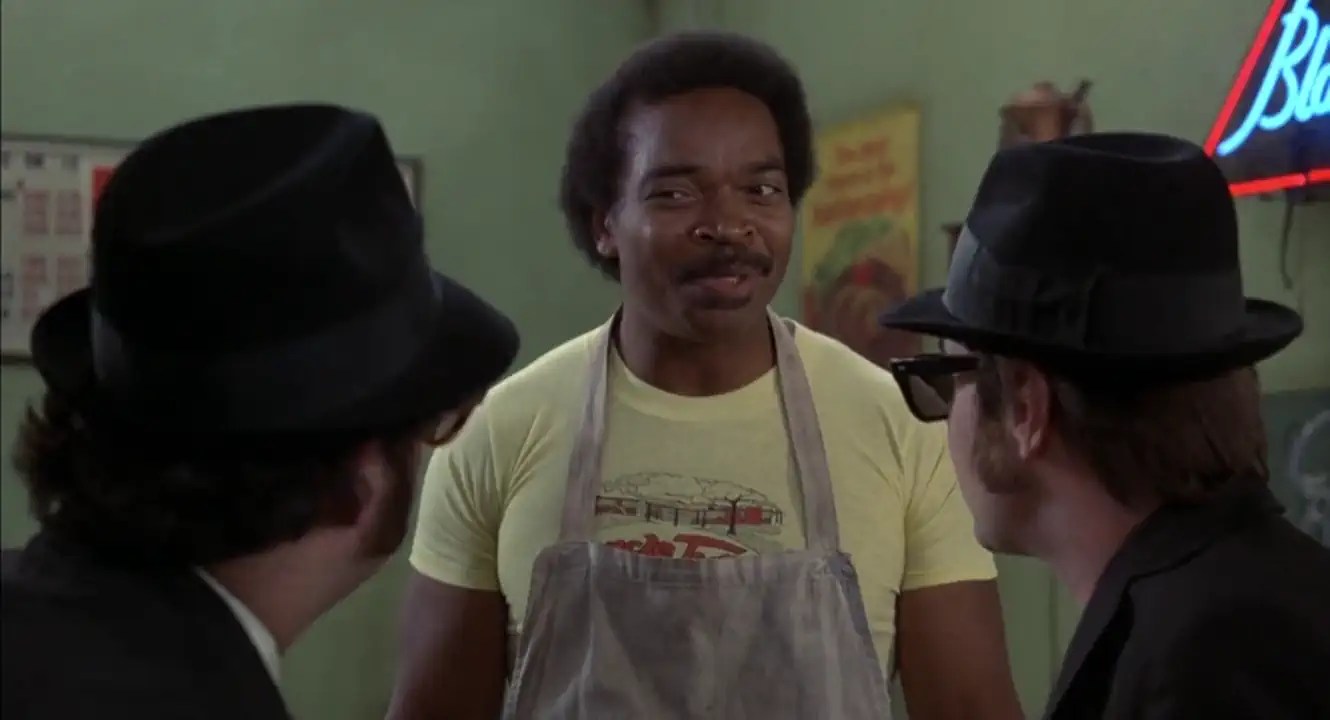
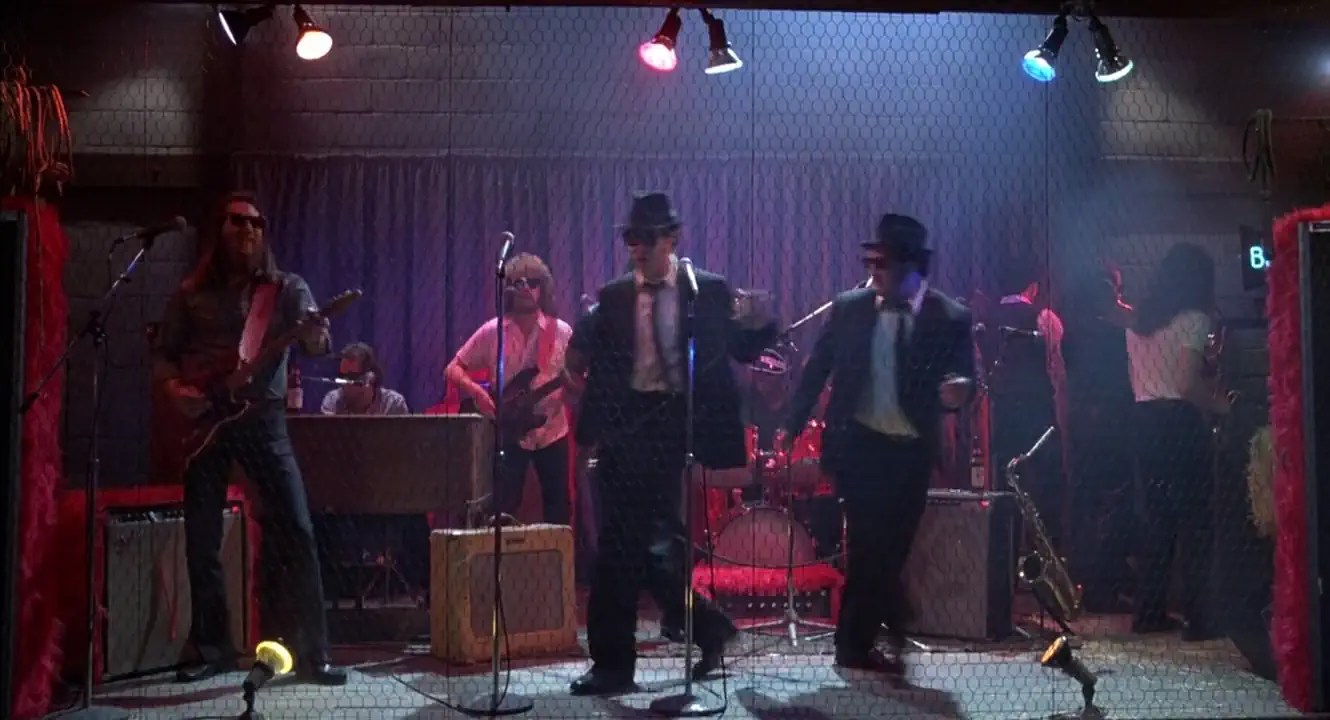
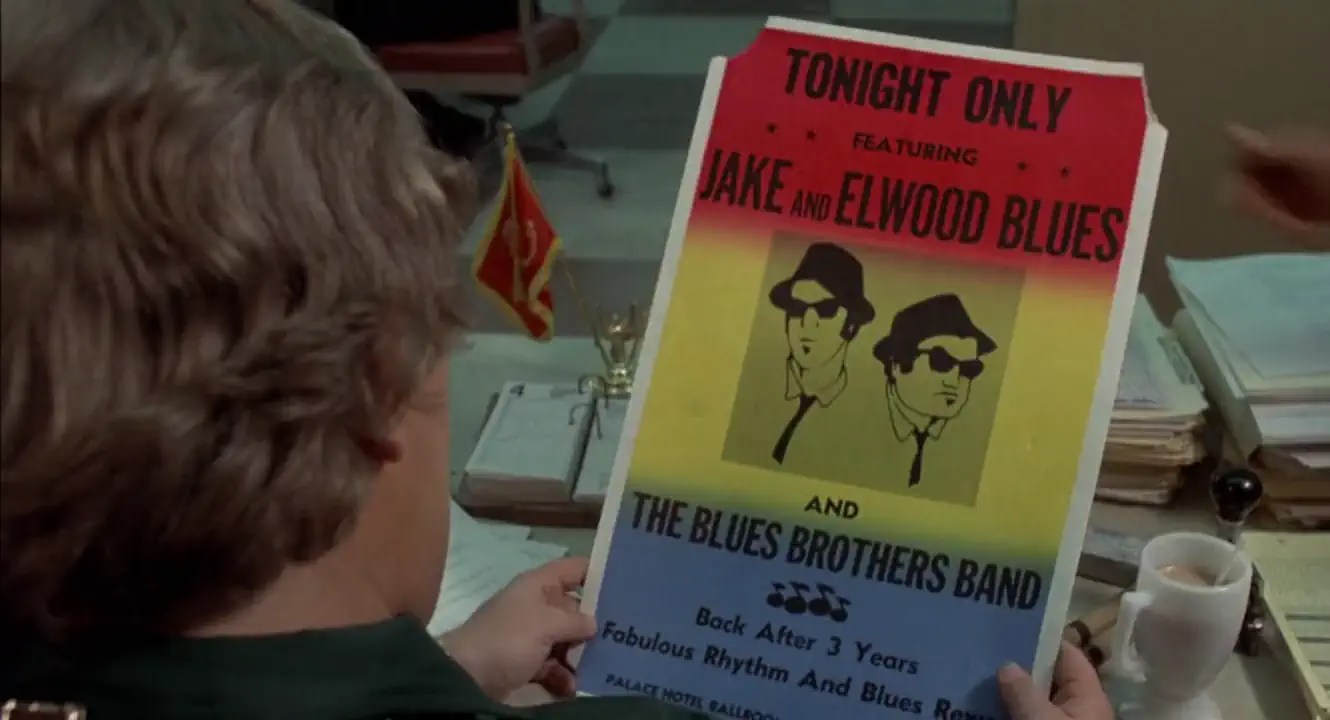
Realizing that they cannot earn money honestly, the brothers decide to reunite their former band and organize a big benefit concert. But the search for the former band members proves to be as adventurous as it is entertaining: some of them have settled down to middle-class lives, others are doing dubious jobs or are reluctant to get involved with the crazy Blues Brothers again. With perseverance, persuasiveness, and more than a little chaos in tow, Jake and Elwood finally manage to reunite the band.
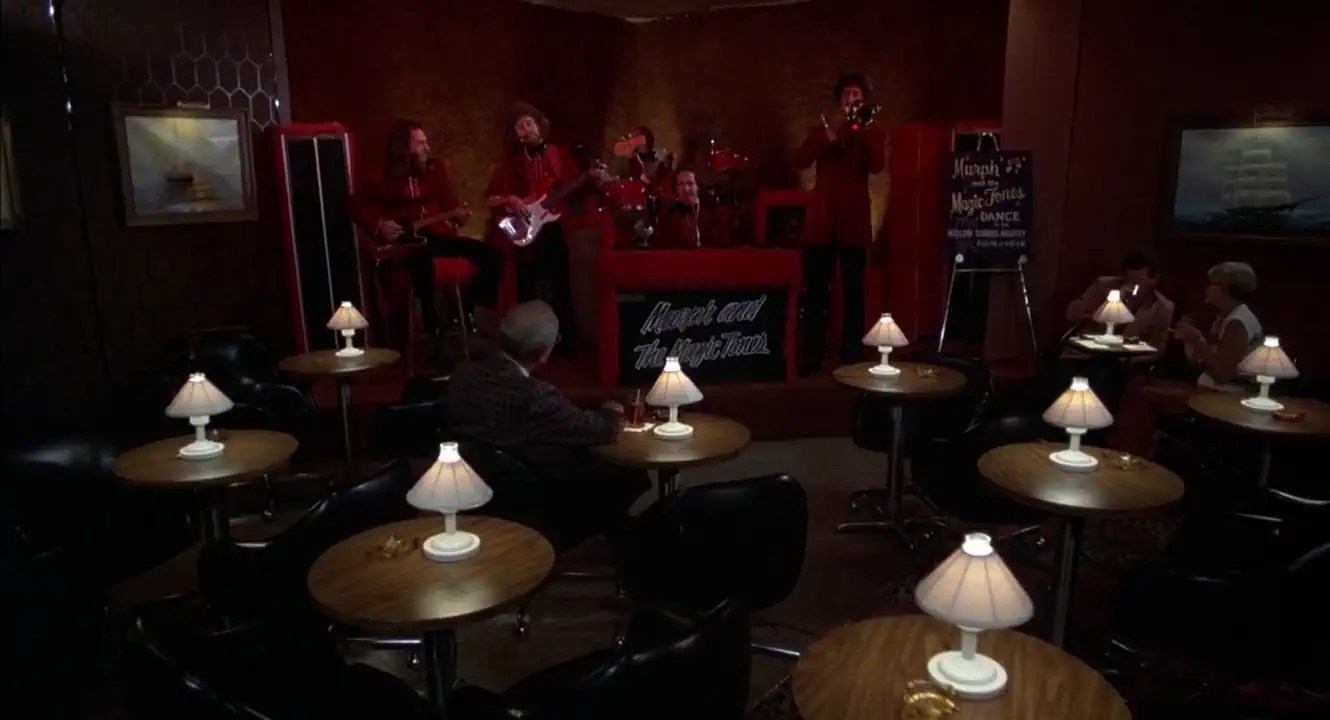
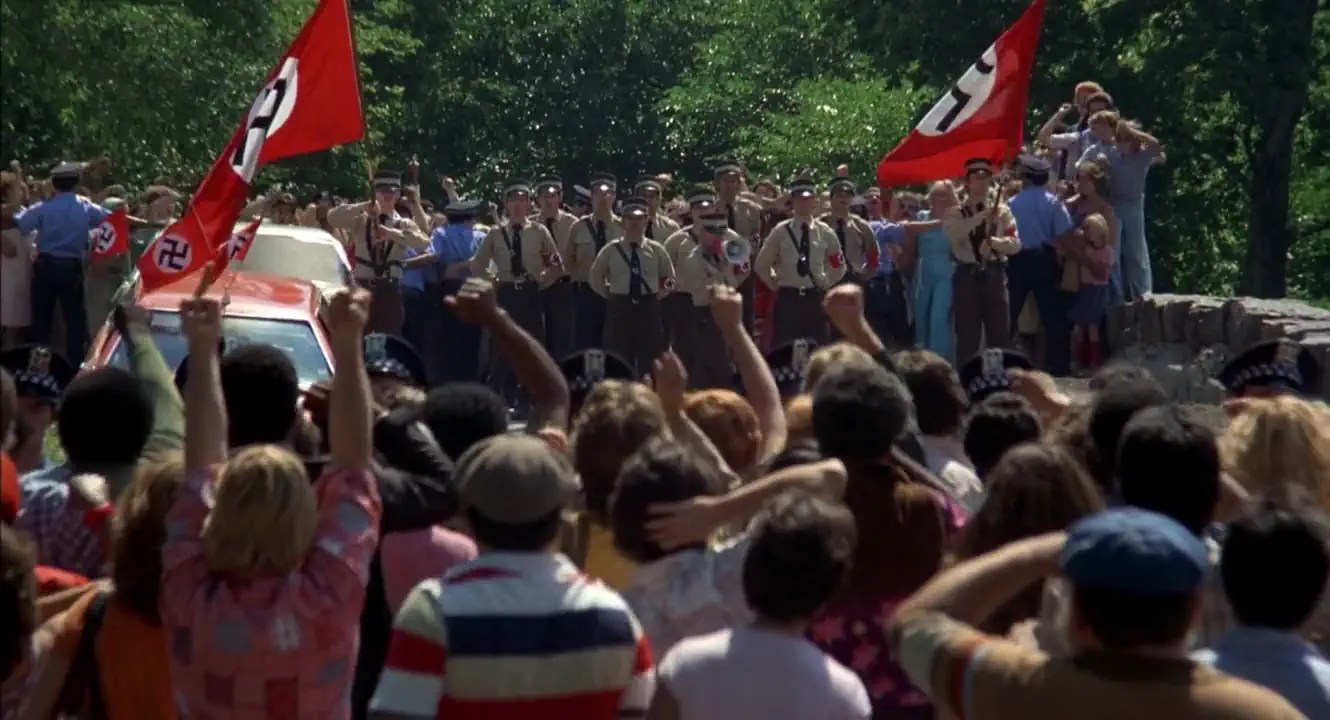
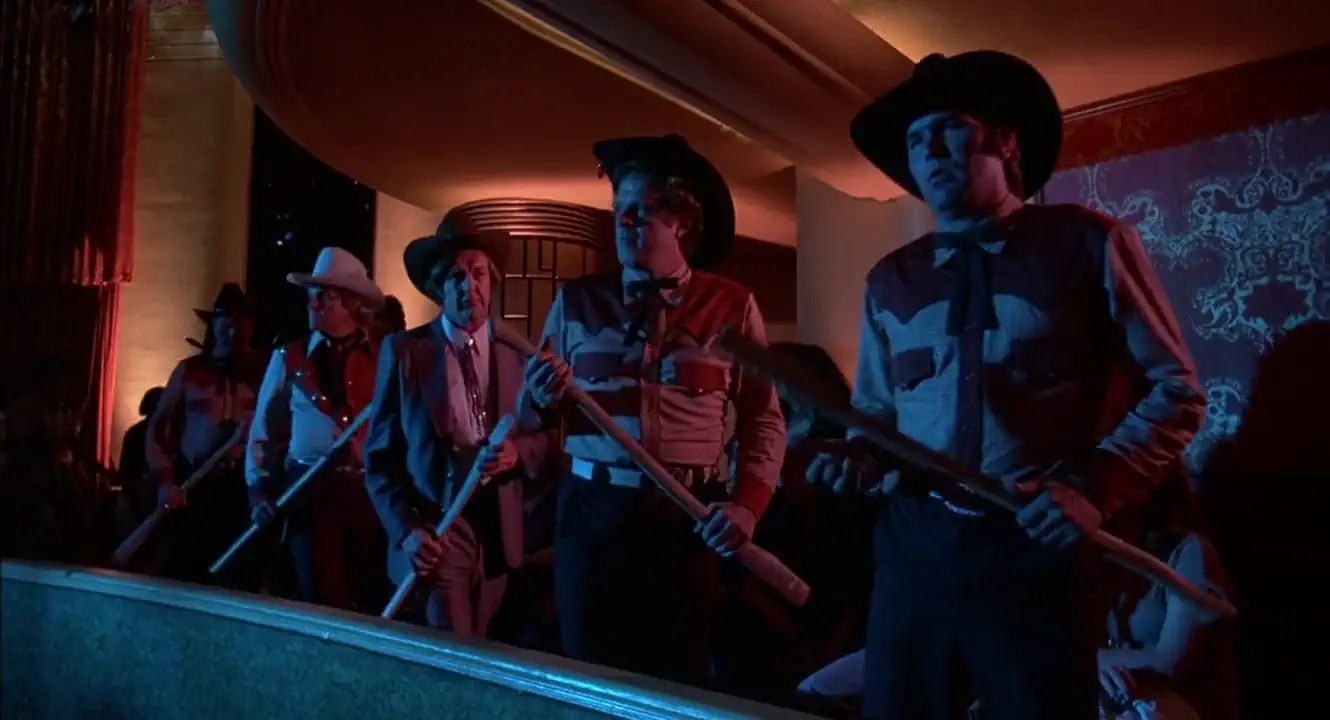
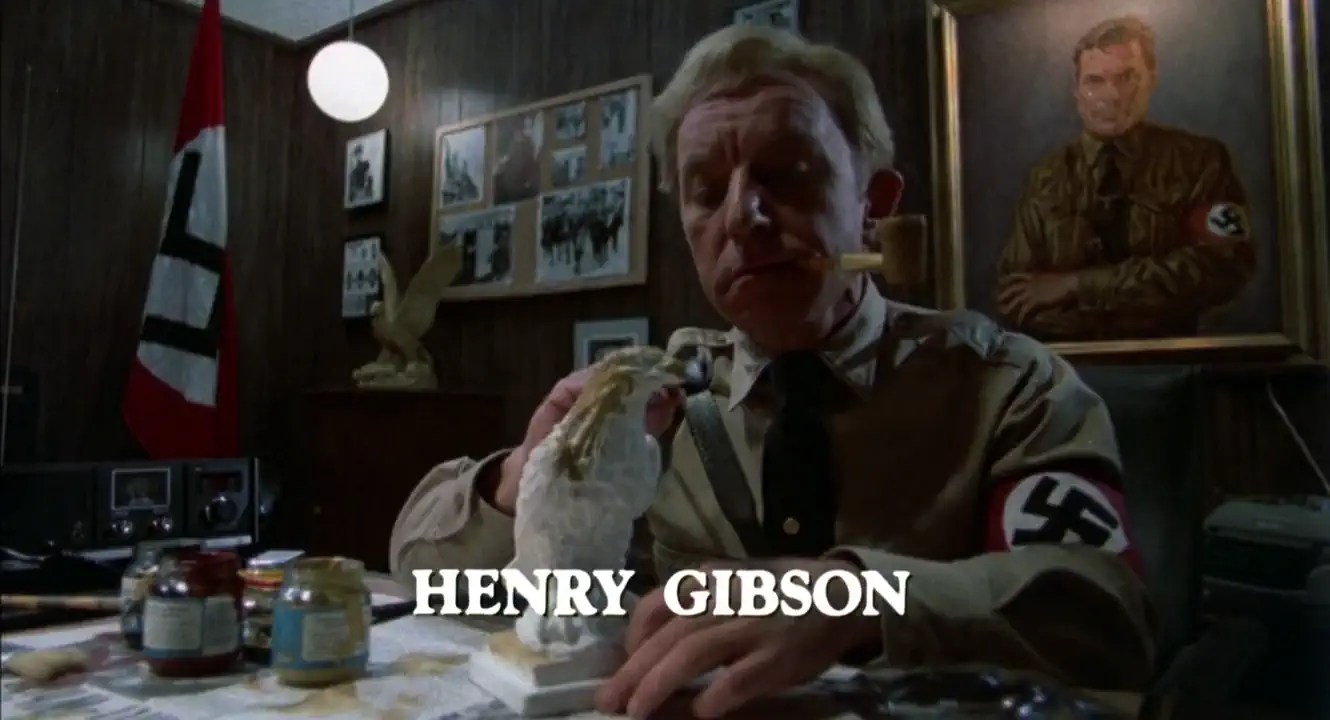
On their crazy mission across Illinois, they not only have to reconcile with former band members, but also have to deal with a steadily growing number of pursuers: the police, who are after them for various traffic and property offenses; a vengeful country musician and his band, whom they duped by performing at the wrong club; a right-wing group of neo-Nazis who were exposed by the brothers‘ actions; and even Jake’s mysterious ex-girlfriend, who is after them with heavy weapons and wants to take revenge on Jake for breaking a marriage promise.
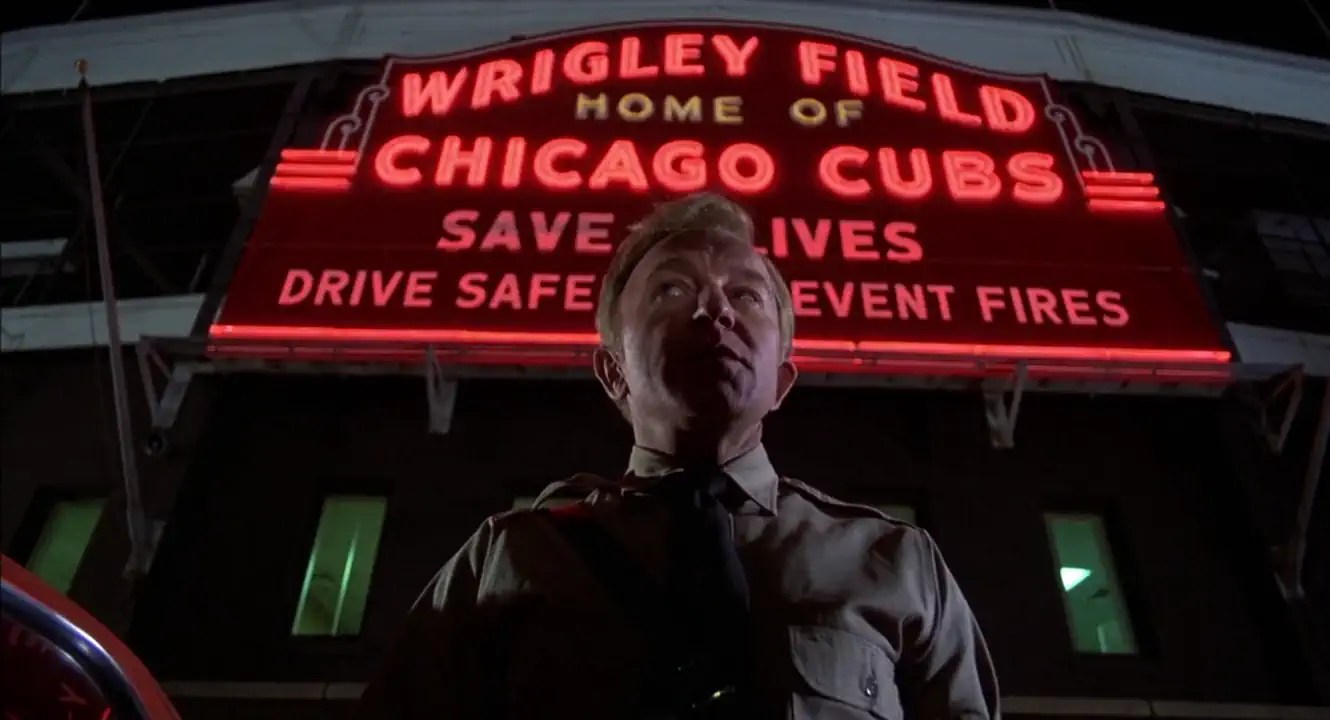
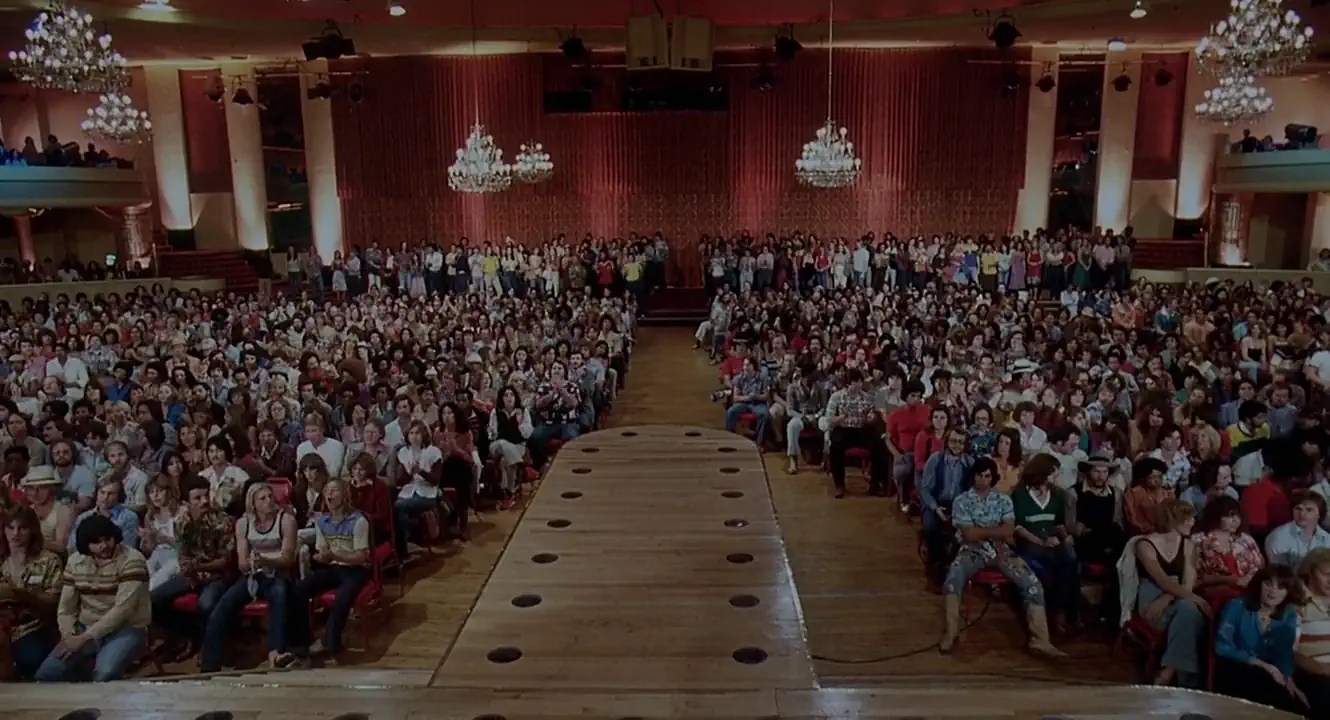
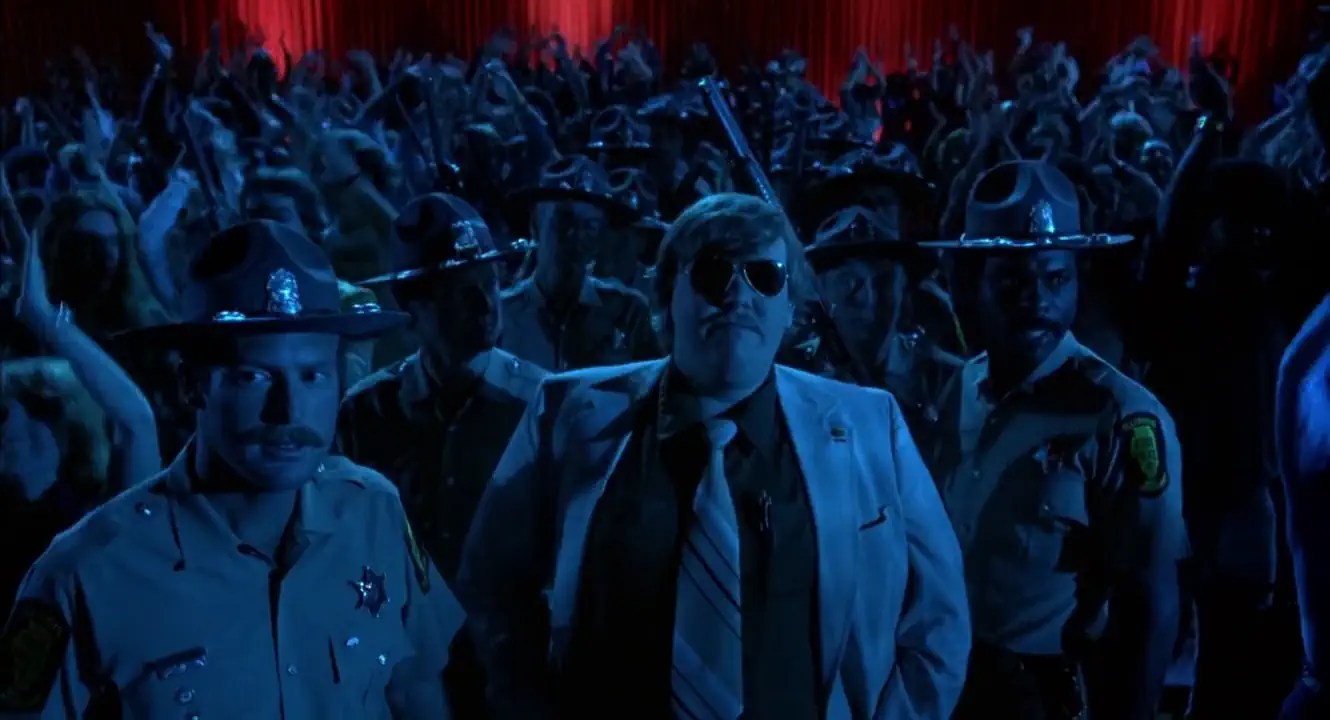
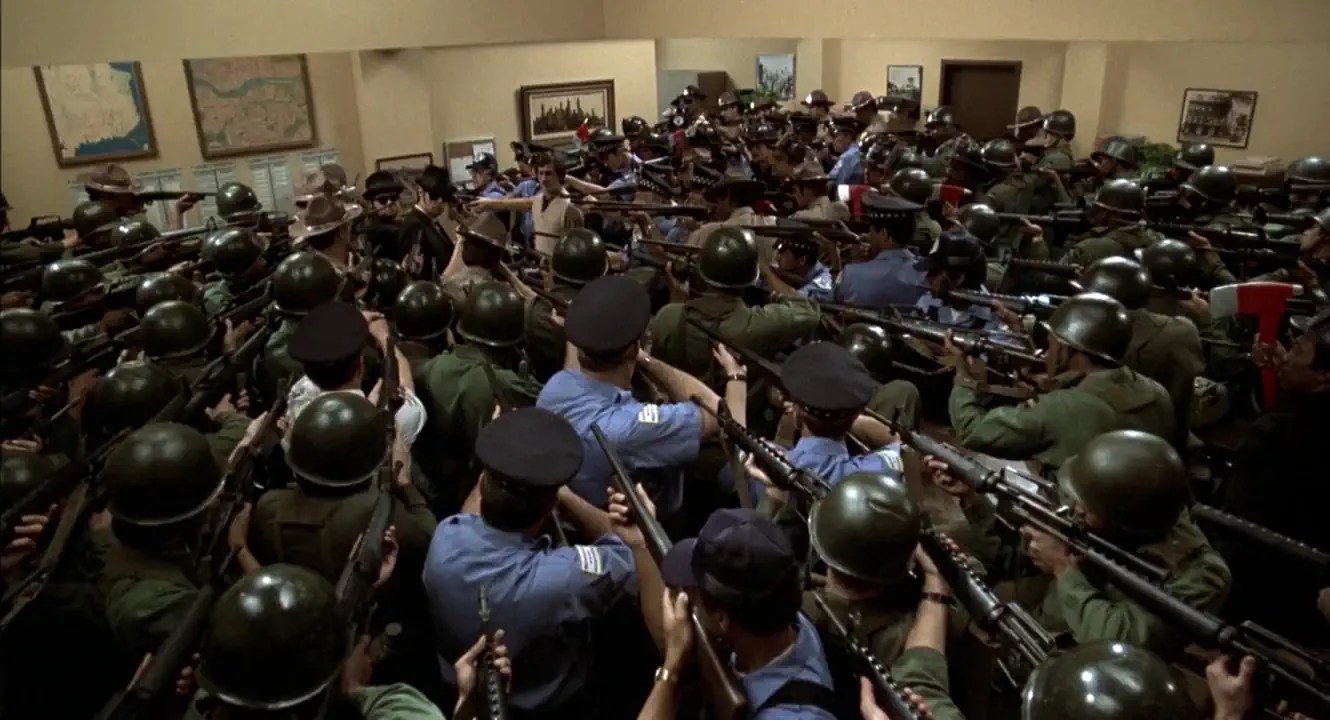
The journey to the concert thus becomes a chaotic trip from hell, featuring numerous spectacular scenes, absurd coincidences, and classic slapstick elements. The final sequence in Chicago is one of the most impressive in film history: a chase through the city center that ends on the roof of an office building, a crowded concert that starts at the last second, and a showdown in which the entire state apparatus mobilizes against two men in black suits. The film ends as fast-paced and uncompromising as it began – a fitting conclusion to a cinematic adventure of a special kind.

















Trivia
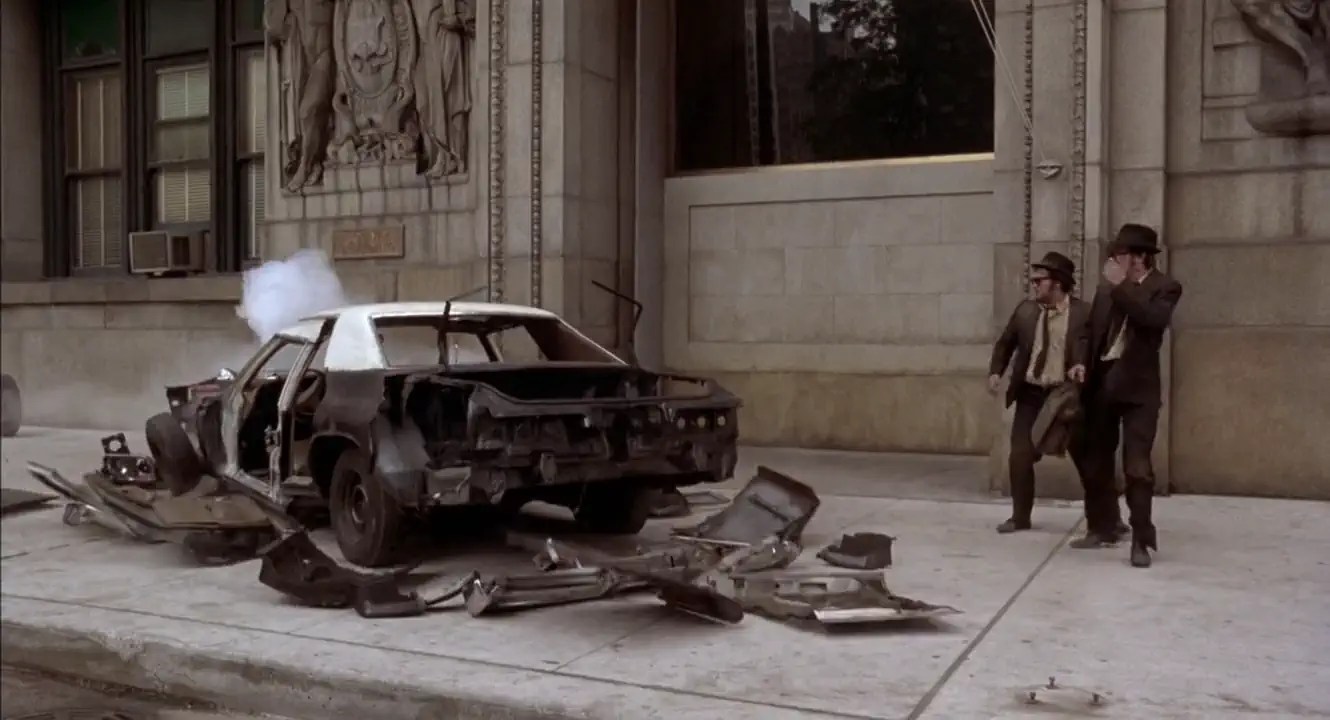
The filming of “The Blues Brothers” has become legendary in its own right. With a budget of around $30 million, the film was one of the most expensive productions of its time. Much of the budget went into elaborate stunts, special effects, and an impressive number of destroyed vehicles. In total, more than 100 cars were completely demolished, securing the film’s place in movie history. Particularly famous is the chase through a busy shopping mall, in which Jake and Elwood race at full speed through stores, kiosks, shop windows, and escalators, leaving a trail of destruction in their wake. This scene was shot in a real shopping mall in Harvey, Illinois, which was about to close, and took several days to produce.
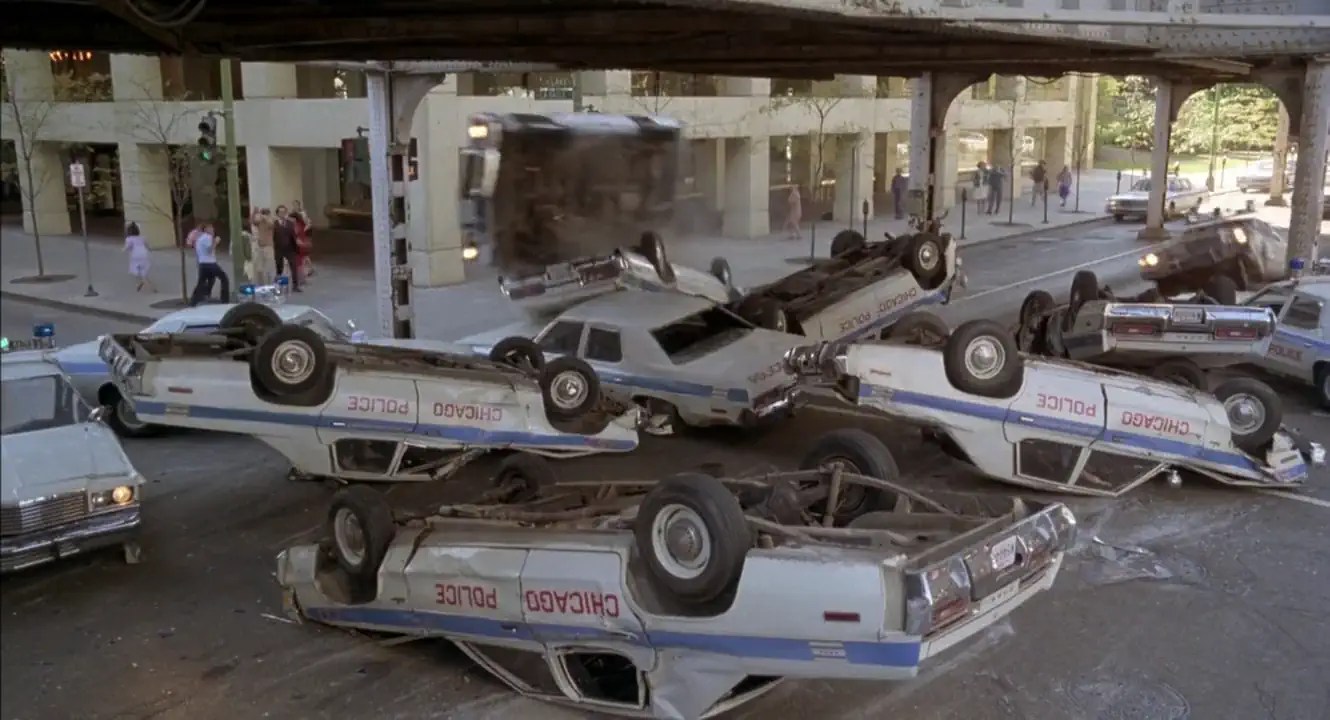

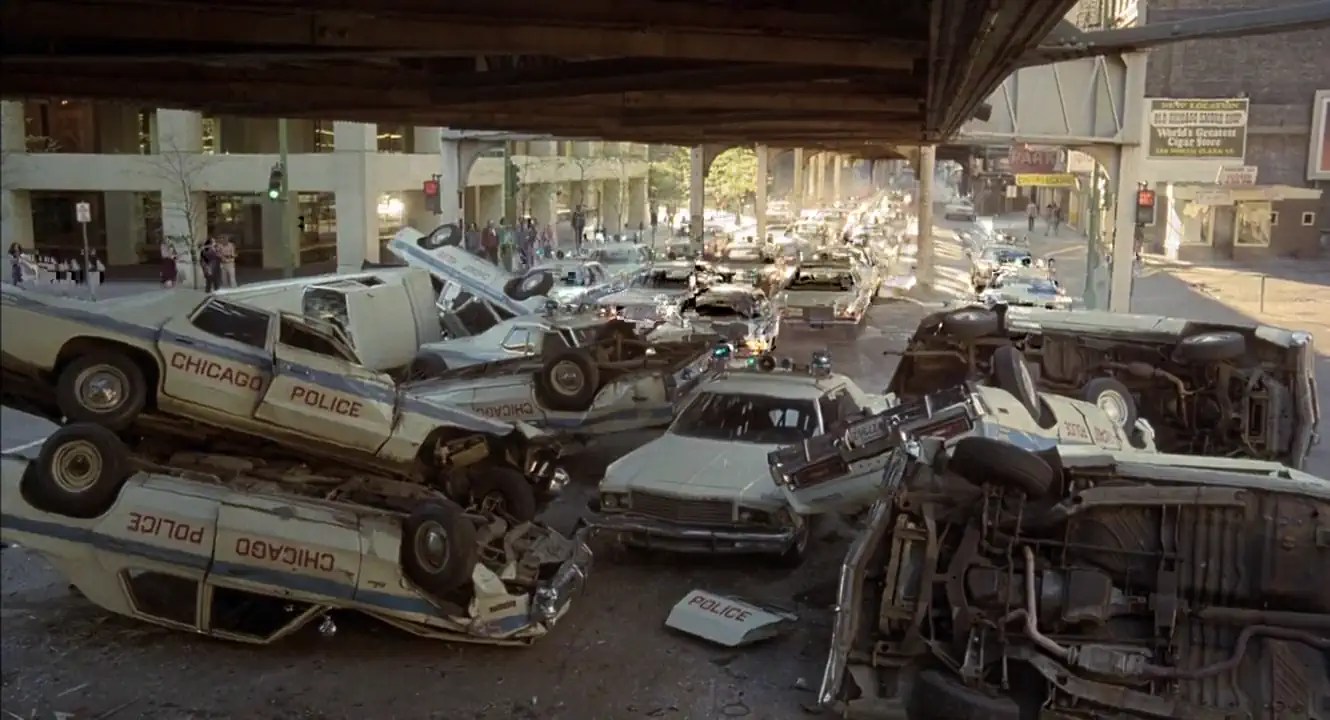


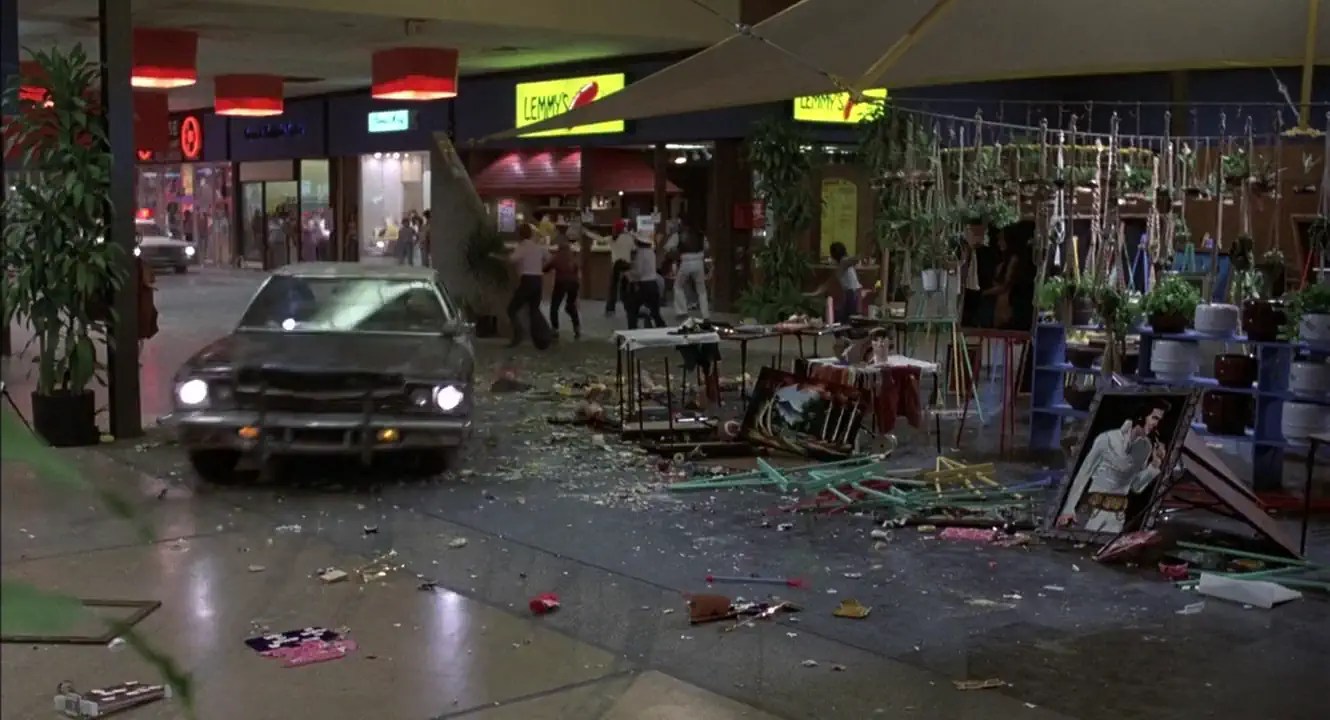
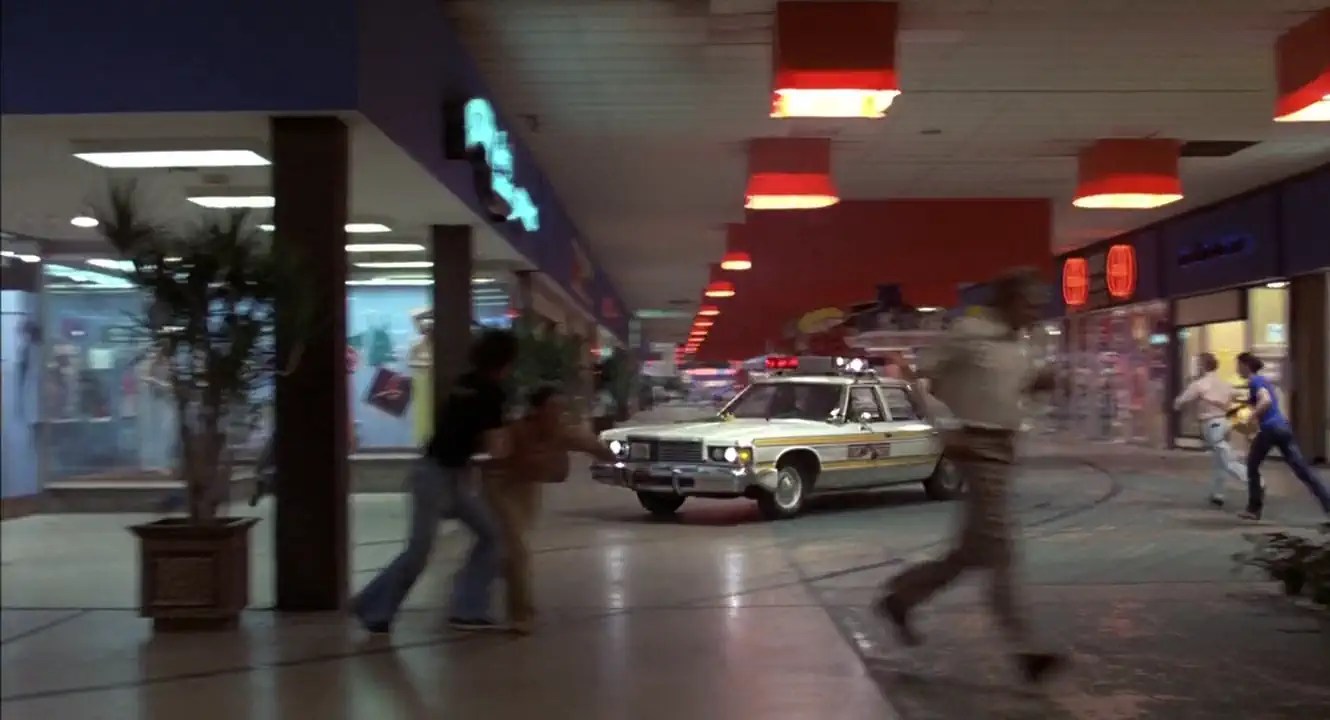
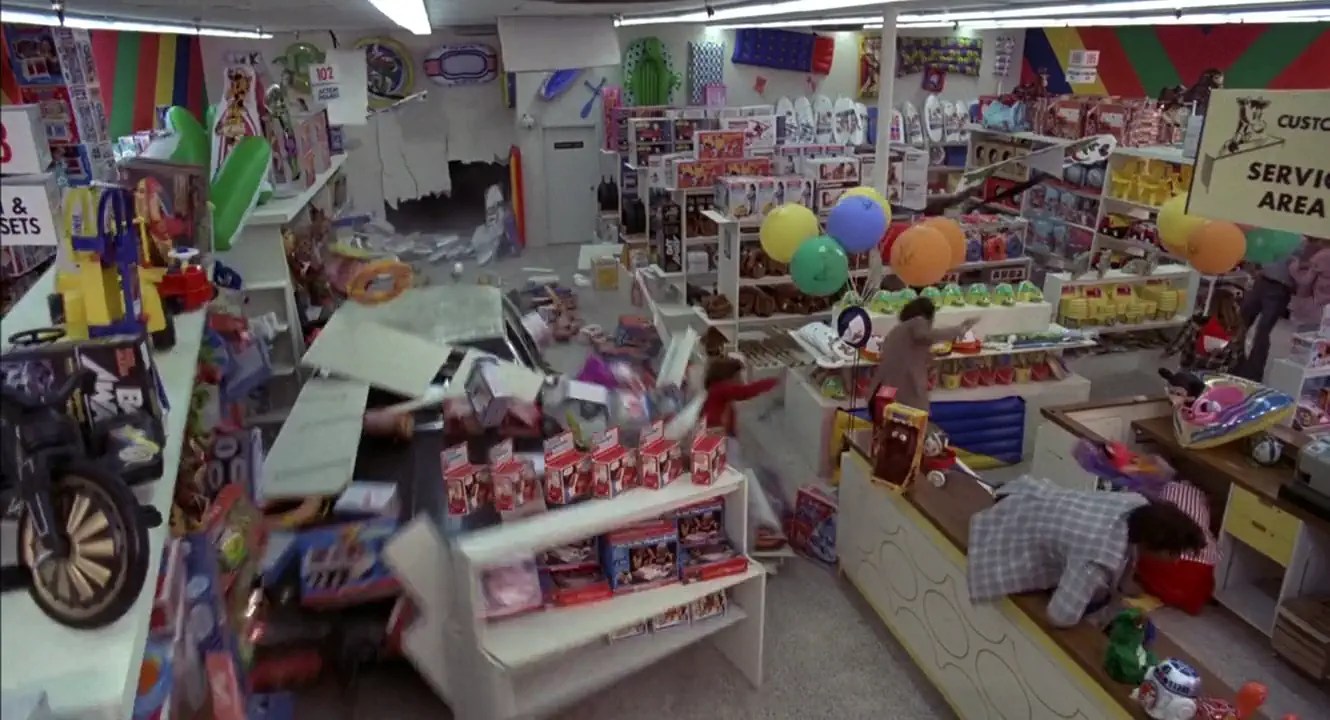
The exterior shots in Chicago also required complex logistical preparations. Parts of the city center had to be cordoned off, and permits were obtained for stunts that would hardly be allowed in this form today. The spectacular stunt scenes, including the famous “car stacking” in the final chase, were mostly realized without computer effects, underscoring the technical achievement of the production.
John Belushi, known for his excessive lifestyle and unpredictable energy, disappeared from the set several times during filming. He was reportedly discovered by fans in houses where he had spontaneously decided to sleep. The crew even hired a “Belushi scout” to find him in the city and bring him back. Despite all the problems, Belushi’s performance on set was described as exceptionally charismatic by colleagues and crew members alike.
Dan Aykroyd was also deeply involved in the creative process: he co-wrote the screenplay and presented the director with a first draft of over 300 pages, which initially had to be drastically shortened. Aykroyd’s involvement extended to technical details: he was instrumental in selecting the car – the legendary Bluesmobile – and had a decisive influence on the musical concept. Filming was chaotic, unconventional, and often improvised – fitting for a film that elevates chaos to a stylistic device.
Actors & Cameos
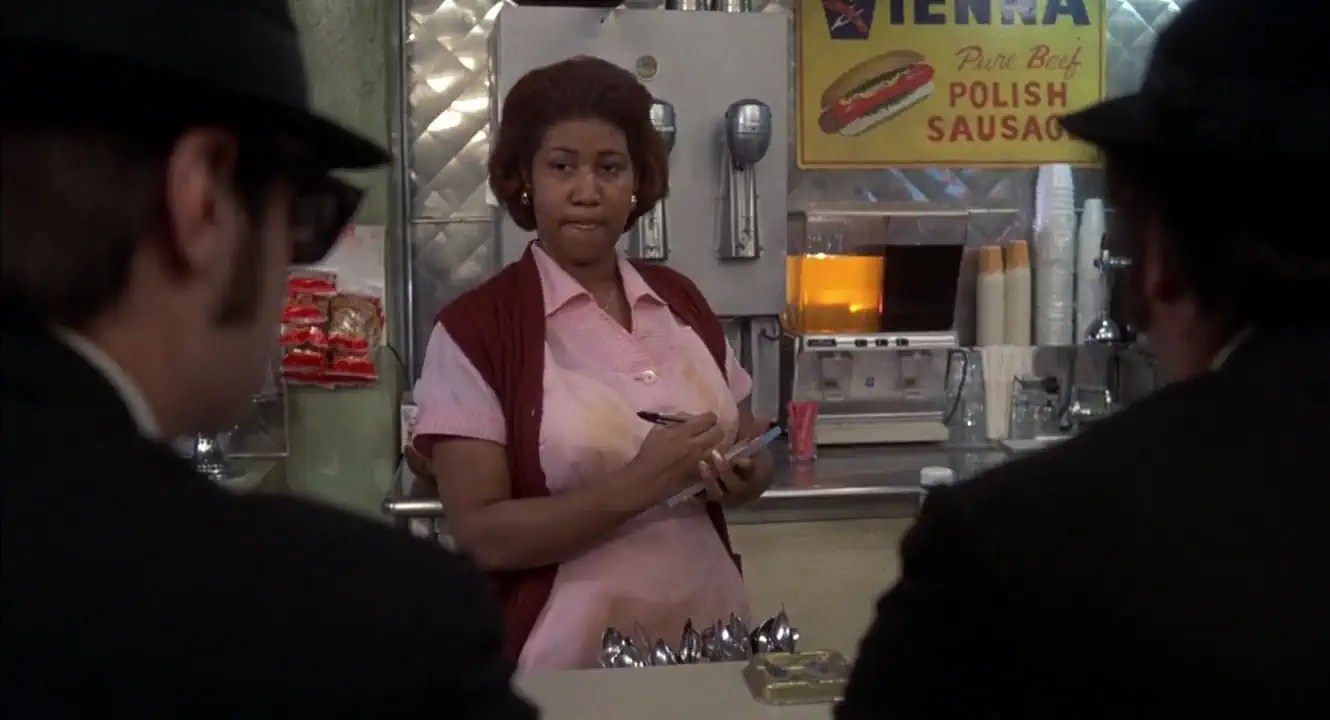
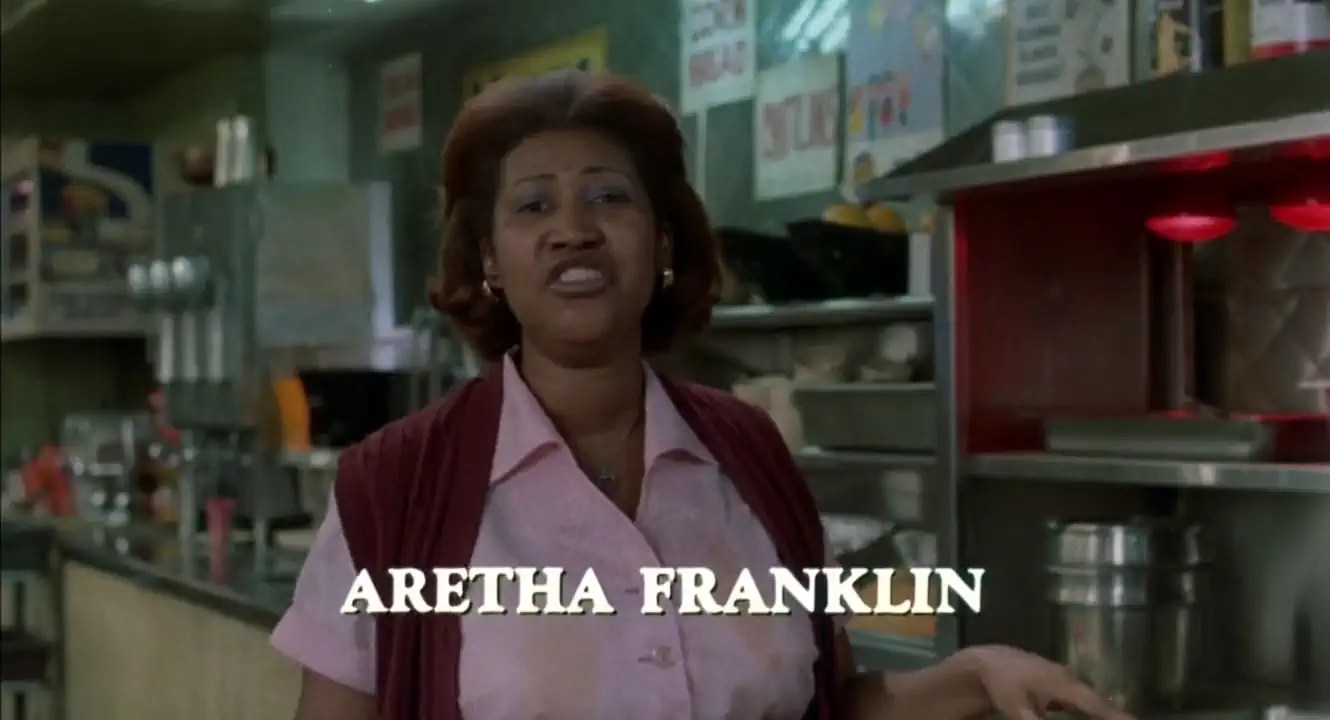
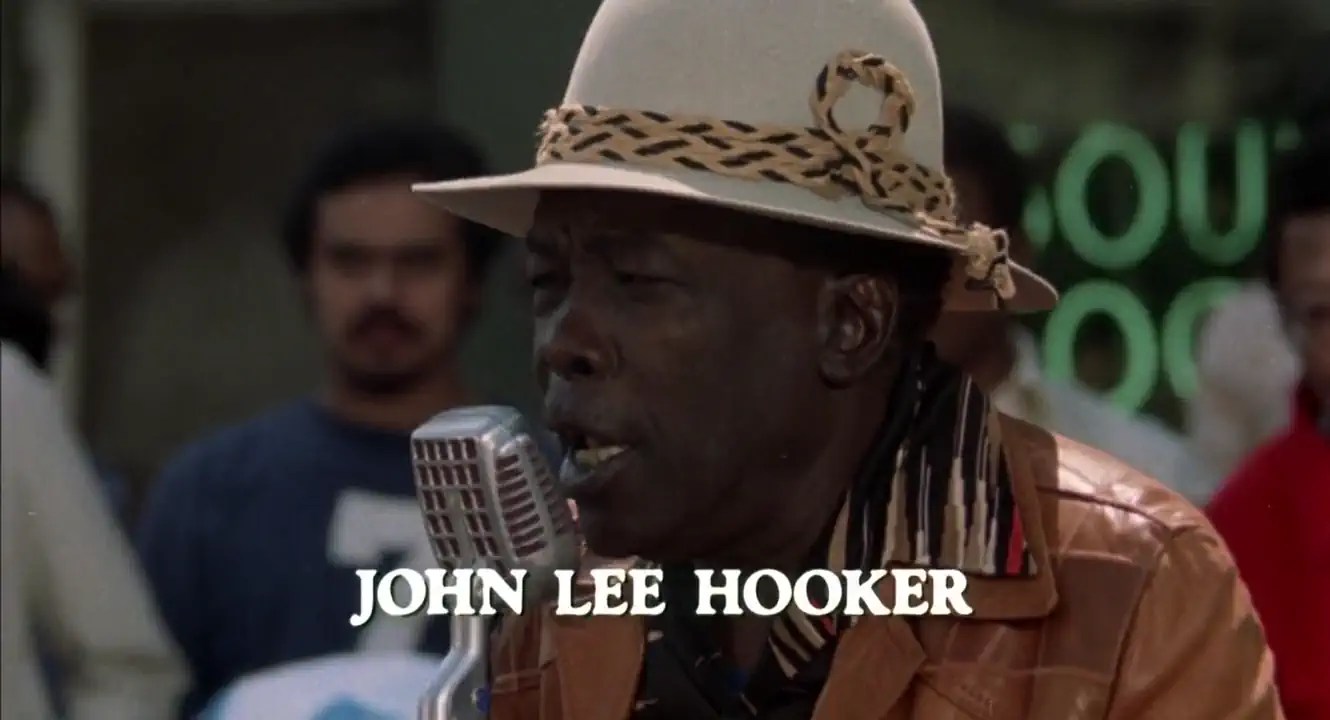
In addition to the two main actors, “The Blues Brothers” is peppered with high-profile guest appearances. Numerous legends of the black music scene appear in musical roles in the film: Aretha Franklin as a resolute diner owner with an energetic performance of “Think,” James Brown as an ecstatic preacher who sends an entire church congregation into raptures with gospel-like fervor, Ray Charles as a quirky music store owner who reacts to a shoplifter in a hilarious moment, John Lee Hooker as a street musician with an authentic blues feel, and Cab Calloway as the father figure of the Blues Brothers, performing “Minnie the Moocher” in homage to the swing era. These performances lend the film authenticity, depth, and a documentary charm that sets it apart from other music films of its time.
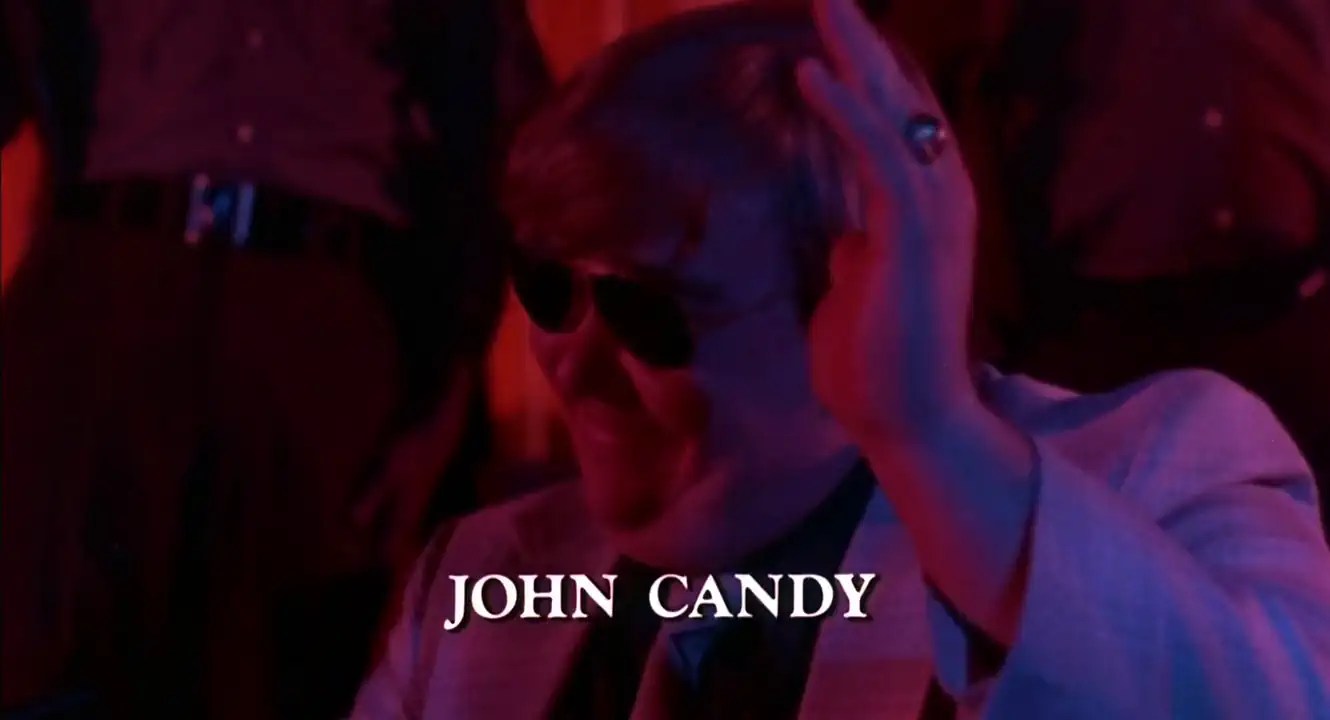
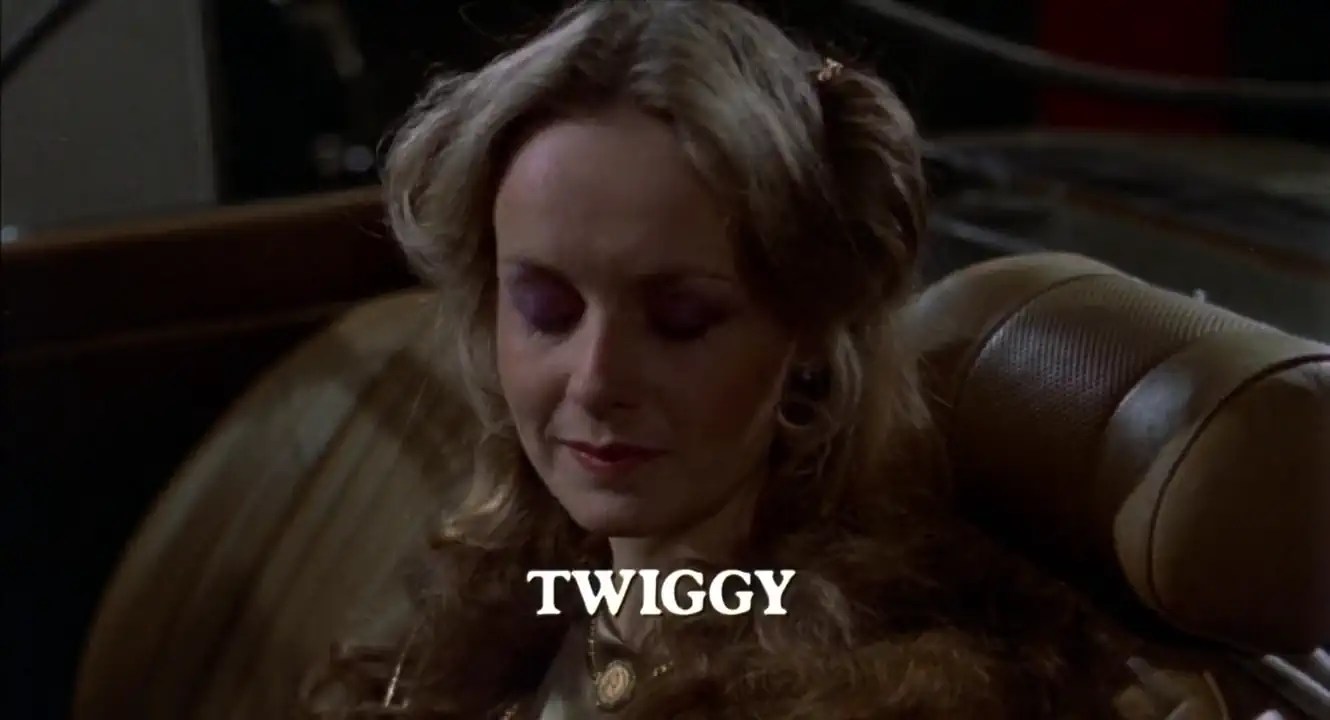
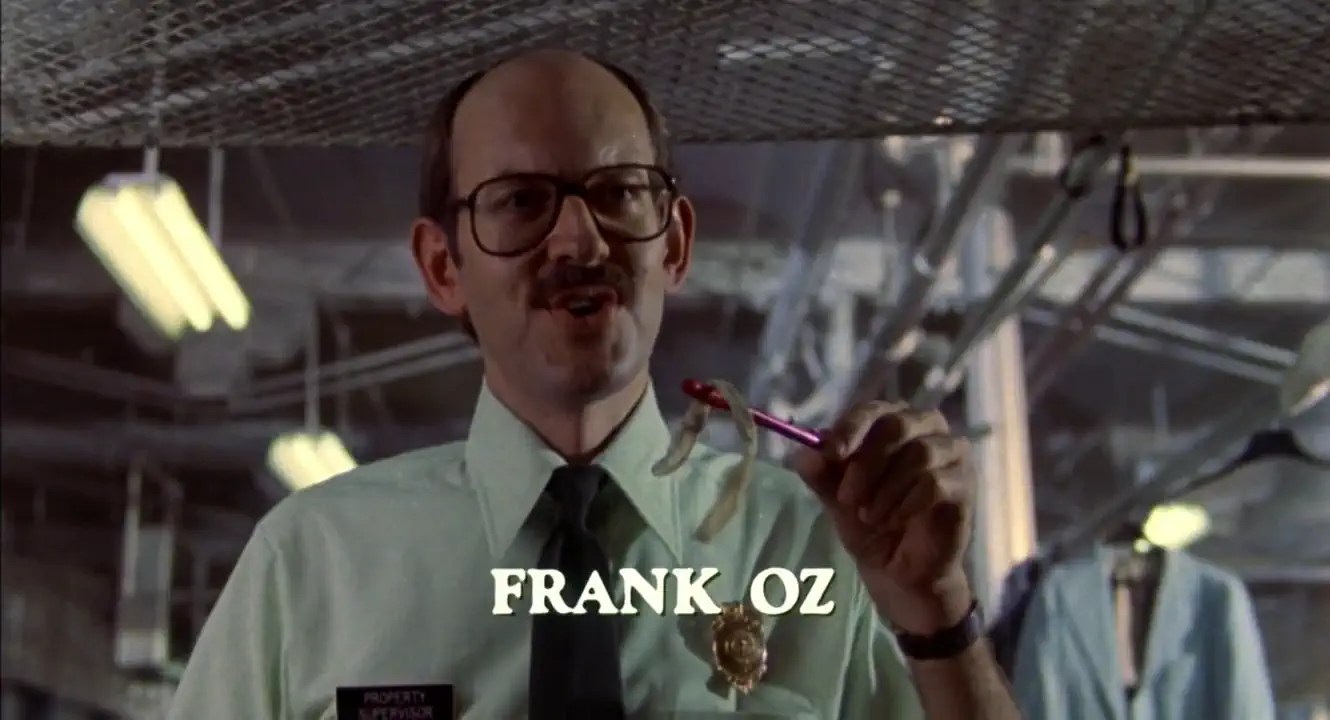
In addition to the musical guest stars, other prominent cameos provide surprises: Steven Spielberg makes a brief appearance as a bored civil servant at the end of the film who casually decides the fate of the brothers. Familiar faces from the “Saturday Night Live” ensemble also appear in small roles, further emphasizing the cinematic origins of the Blues Brothers.
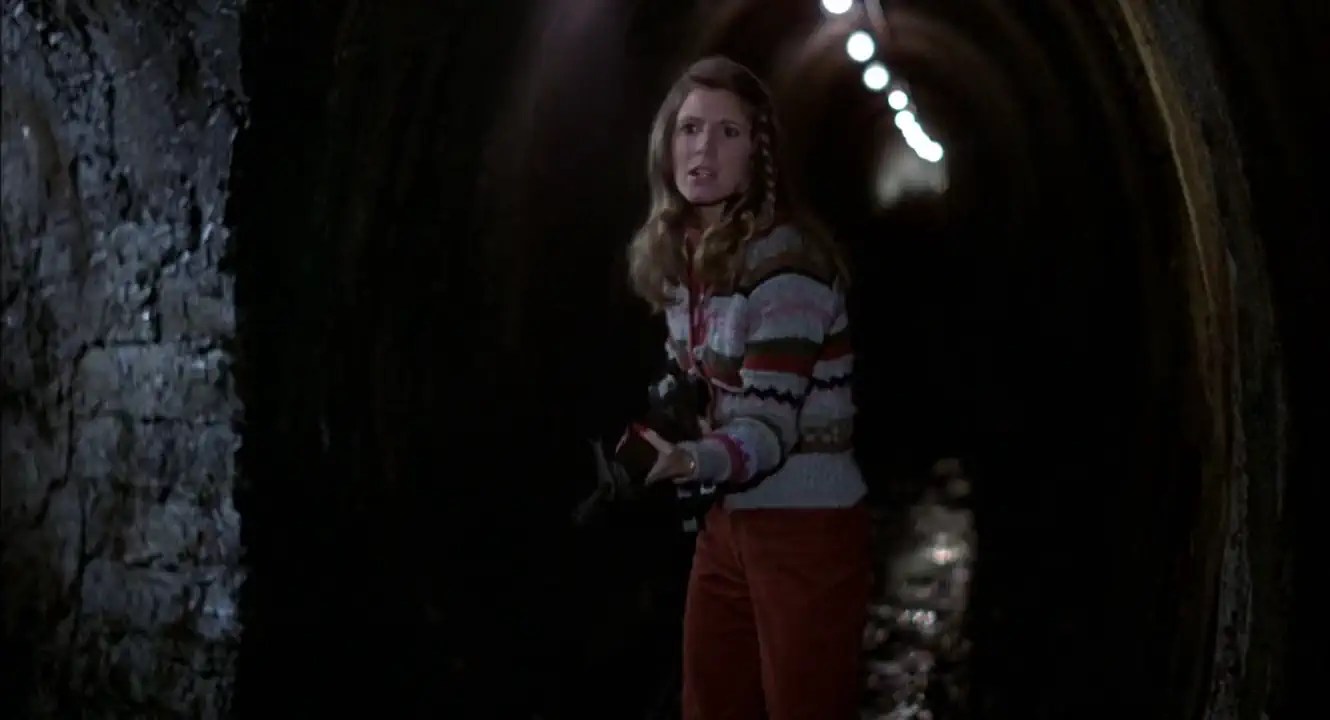
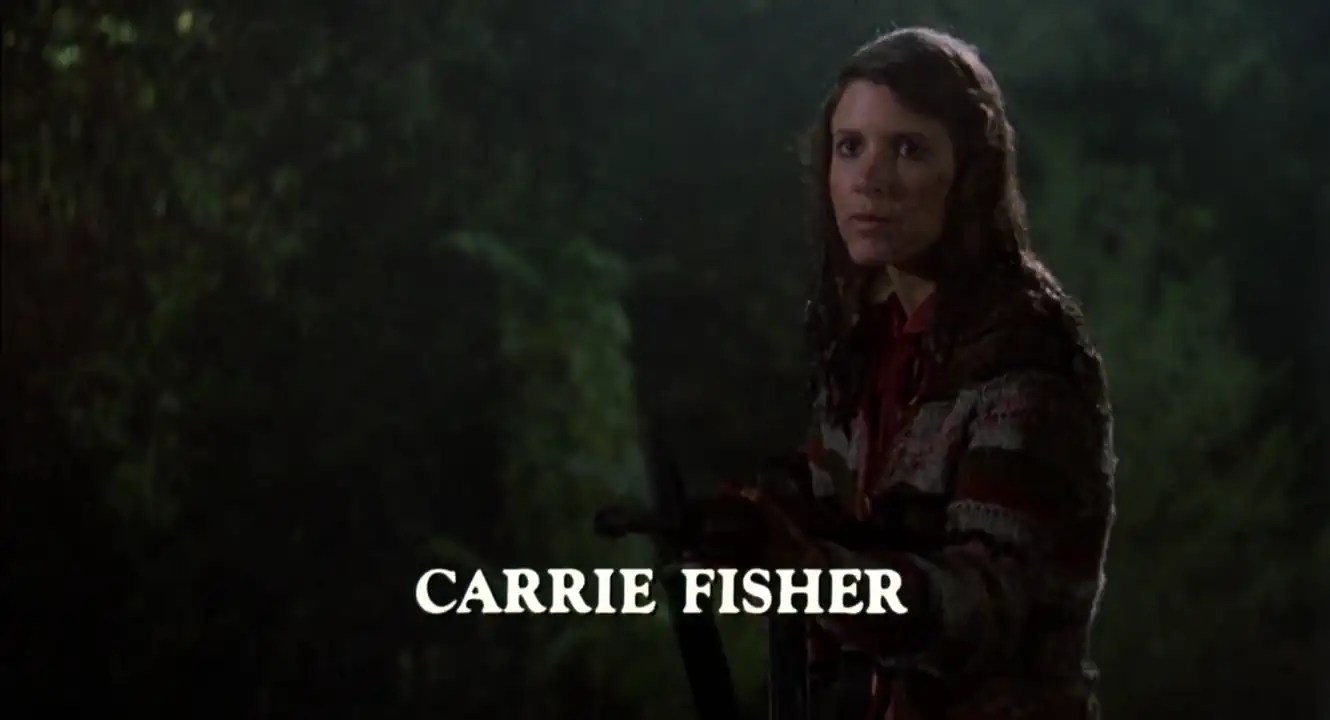
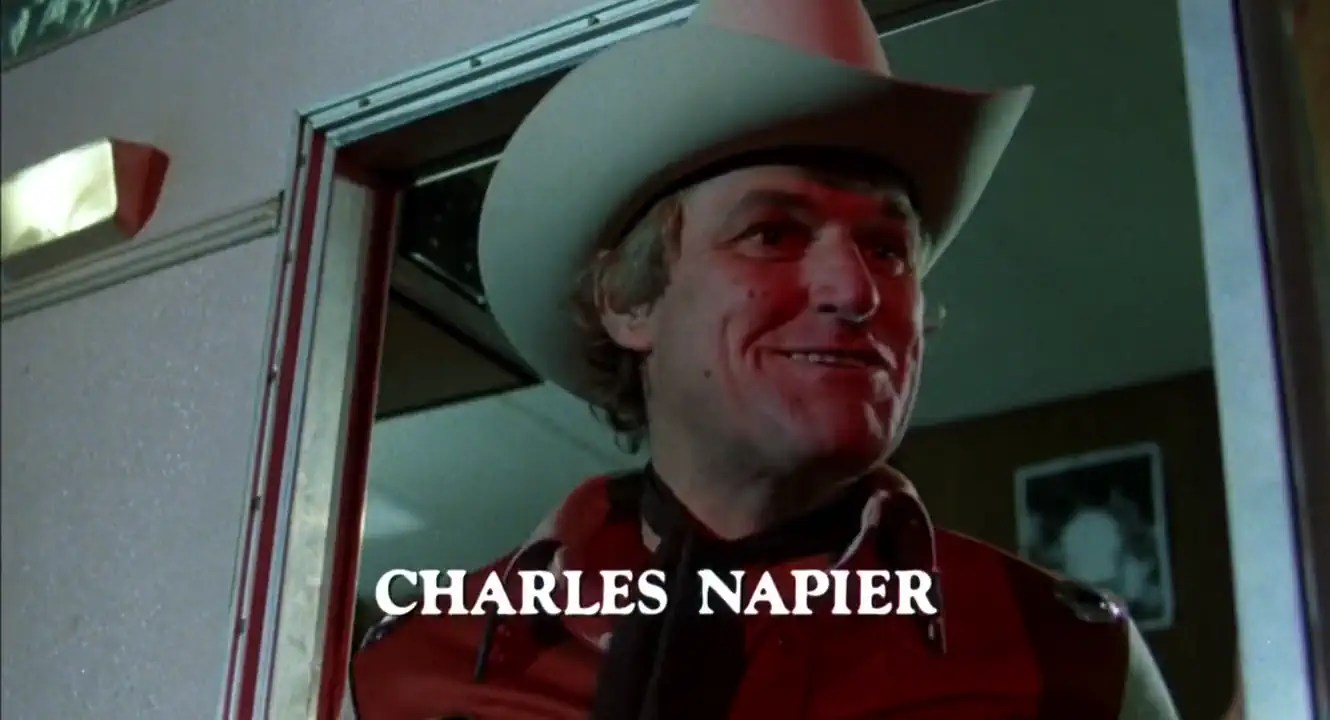
Carrie Fisher, known from “Star Wars,” has a recurring supporting role as a mysterious ex-girlfriend who pursues Jake with a flamethrower, explosives, and machine guns. Her exaggerated performance provides running gags and brings its own absurd dynamic to the plot, as her character seems almost comically exaggerated.
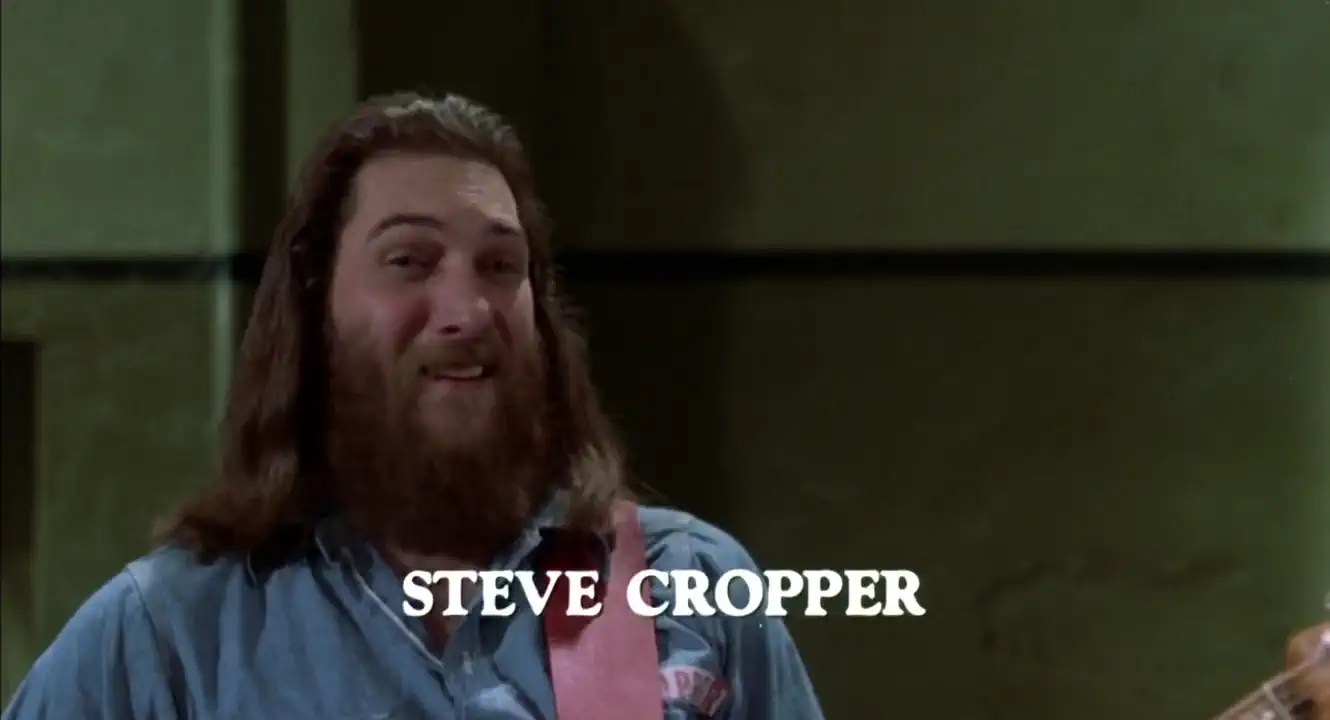
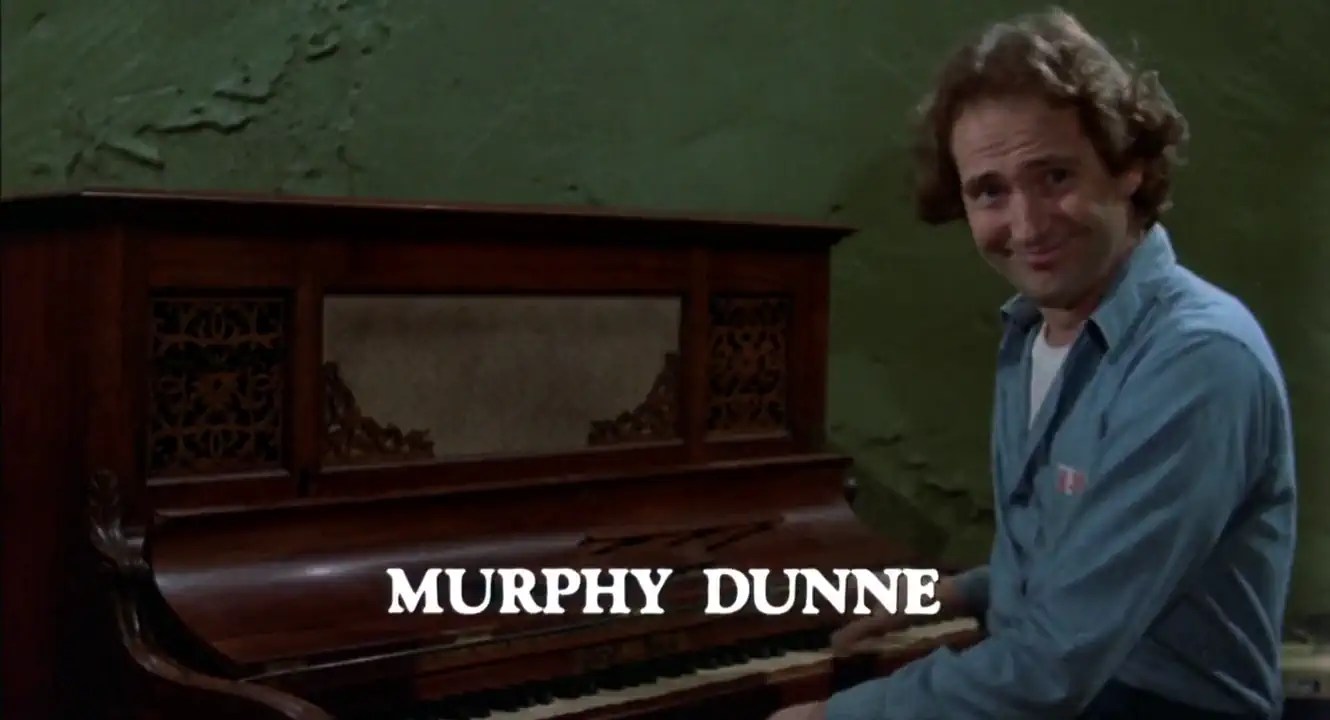
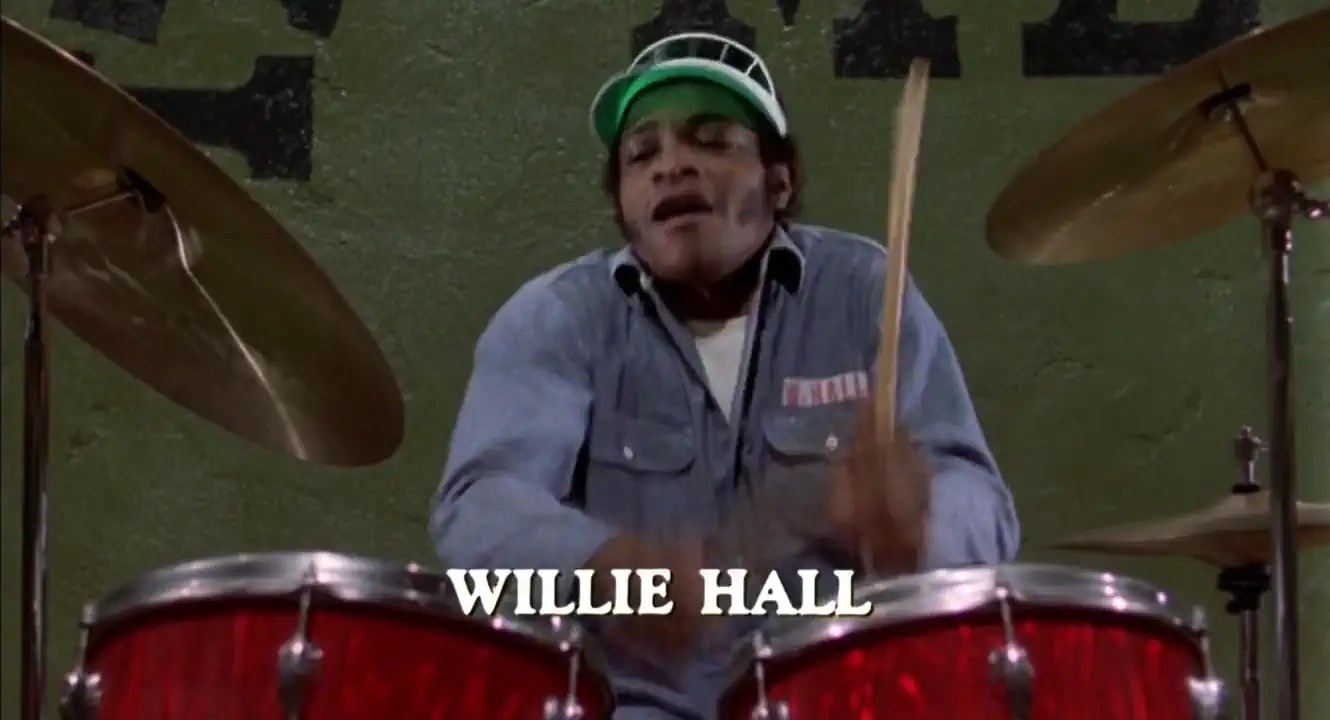
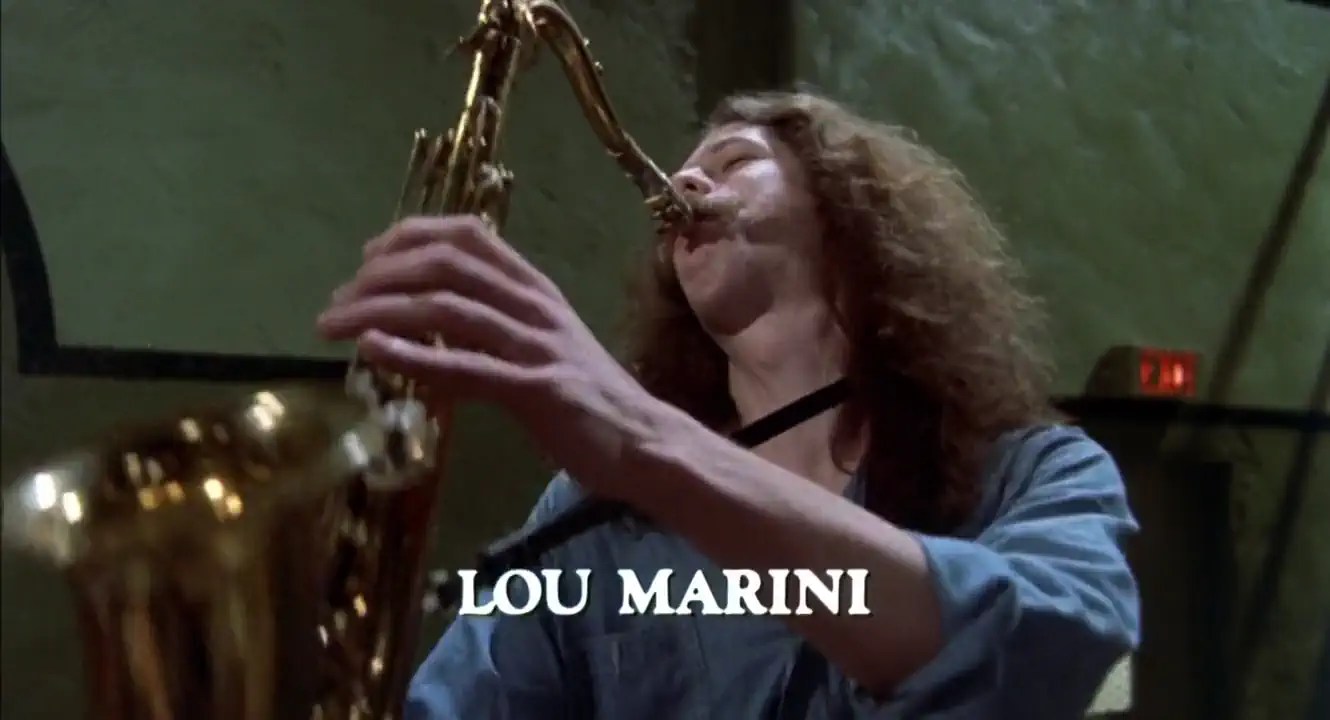
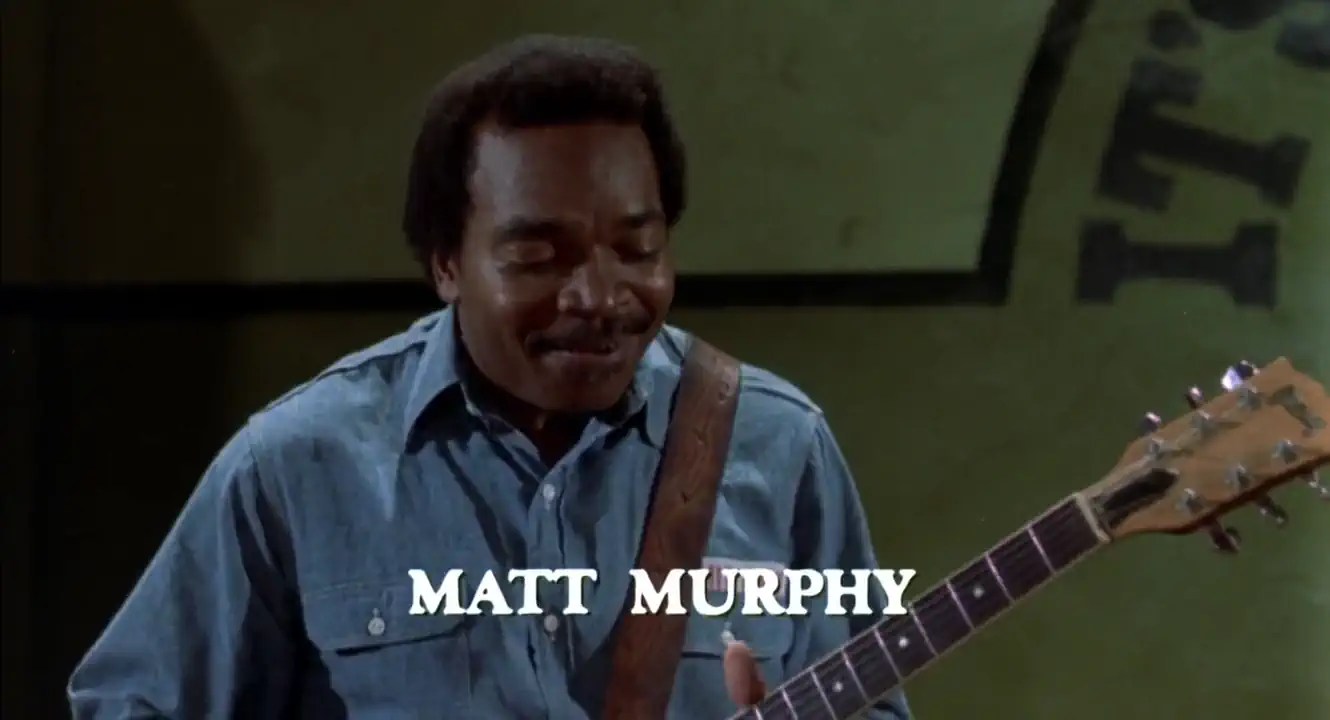
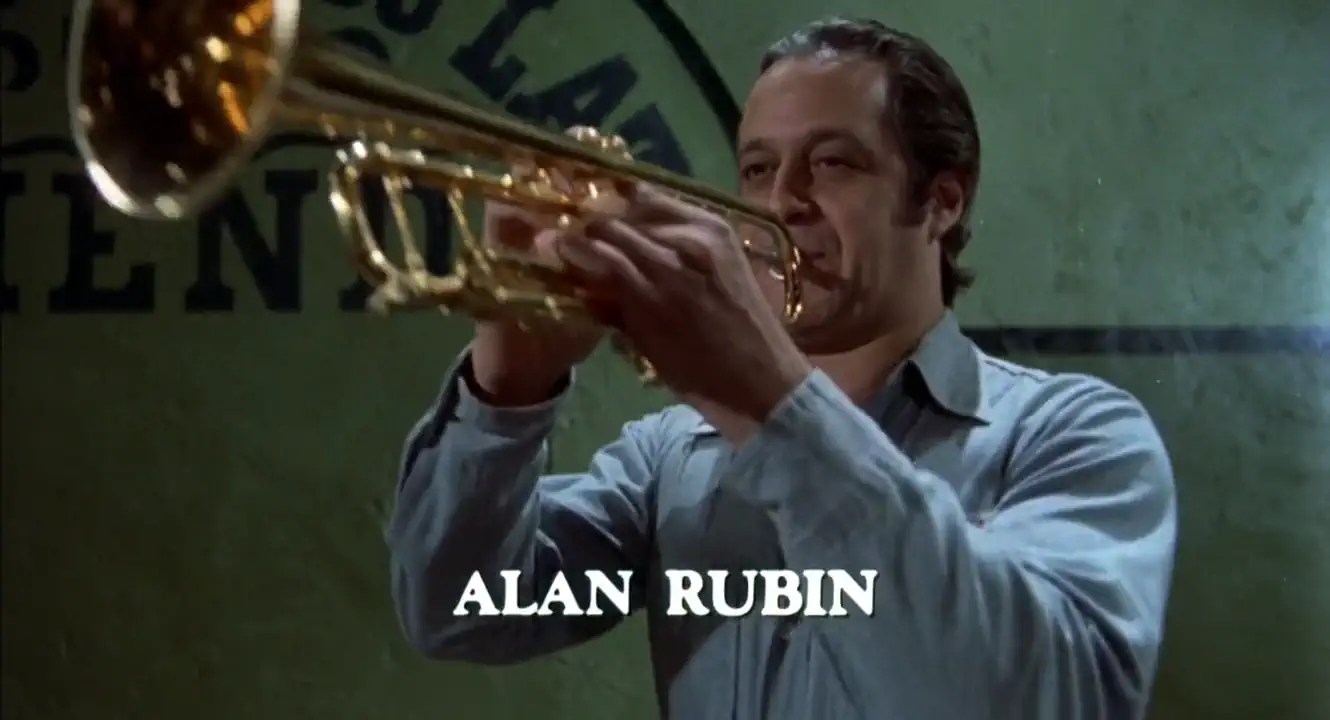
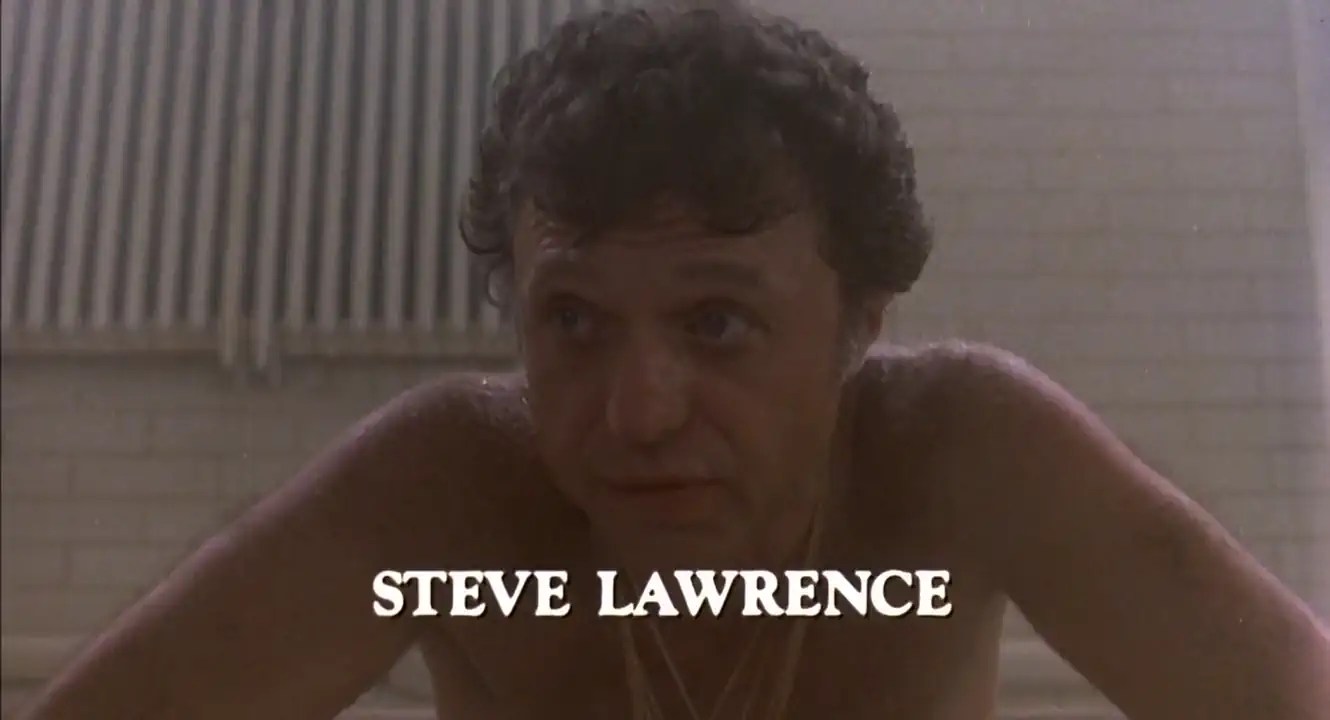
In addition, the Blues Brothers Band consists of real musicians, such as guitarist Steve Cropper and bassist Donald “Duck” Dunn, who had previously worked with soul greats such as Otis Redding, Wilson Pickett, and Booker T. & the M.G.’s. Drummer Willie Hall, saxophonist Tom Scott, and trumpeter Alan Rubin also bring musical renown to the film. This mixture of acting and genuine musicality gives the film a density of sound and acting and makes it an extraordinary musical ensemble film. Their interplay is not only acoustically impressive, but also contributes significantly to the credibility of the characters and the energy of the film.









Music
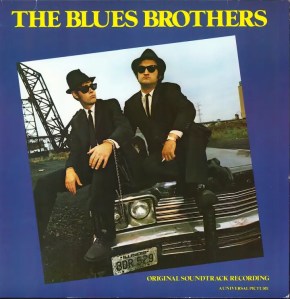
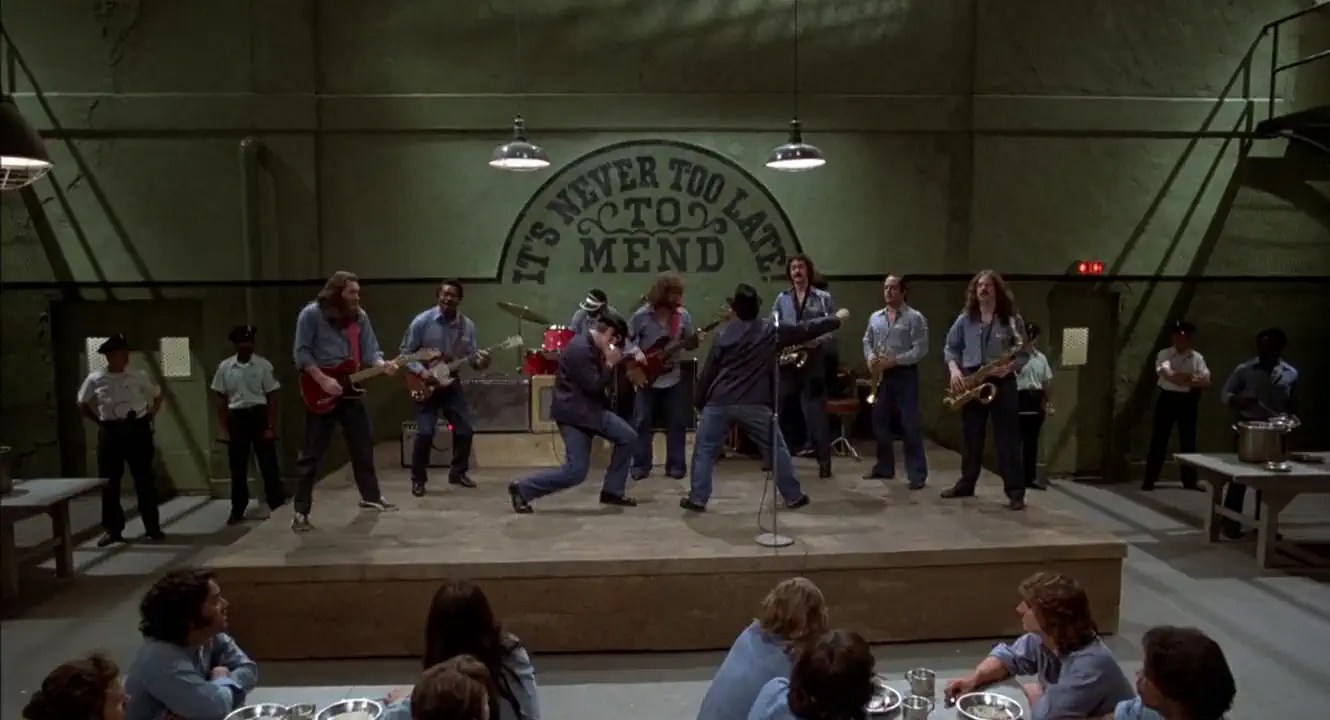
The soundtrack of “The Blues Brothers” is a musical journey through the history of soul, blues, and rhythm and blues. The selected songs are not just incidental, but are dramaturgically integrated and contribute significantly to the atmosphere and development of the plot. Songs such as “Think” by Aretha Franklin and “The Old Landmark” with James Brown were staged and choreographed in a rousing manner and produced with great technical effort. Each of these scenes feels like a self-contained music video, embedded in the film’s plot but strong enough to stand on its own.
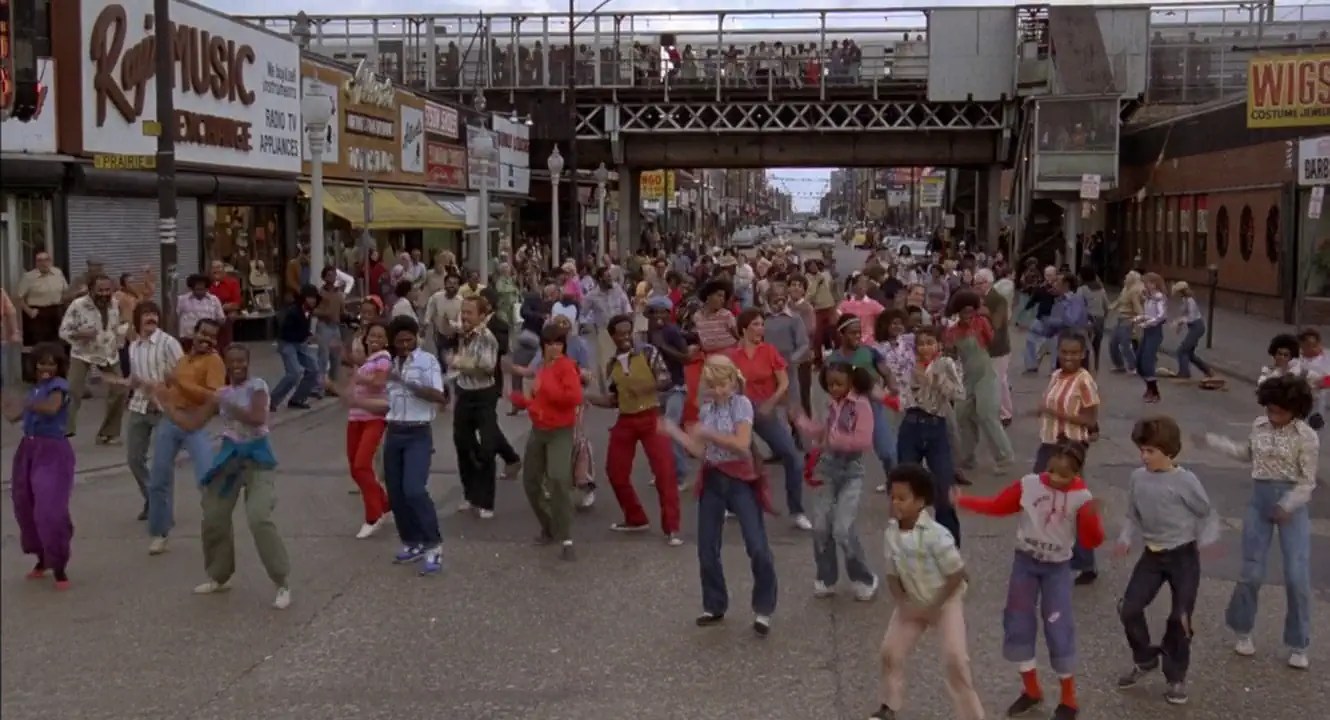
The integration of music into unexpected contexts is also particularly outstanding. For example, Ray Charles‘ “Shake a Tail Feather” is not performed on a classic stage, but in a musical instrument store, allowing the musical energy to be directly transferred to passers-by and viewers. These interactions with the environment make the musical numbers not only lively, but also visually spectacular.
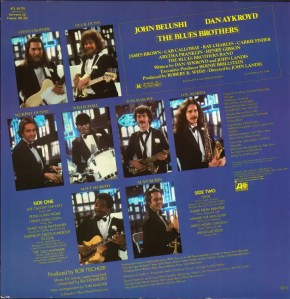
In addition to well-known cover versions such as “Everybody Needs Somebody to Love” and “Sweet Home Chicago,” the soundtrack also impresses with the energetic performance of the band itself. The musicians bring not only technical virtuosity but also a visible passion that drives every scene. The music conveys not only emotion, but also social and cultural contexts – a tribute to African-American musical traditions and their influence on American pop culture.
In addition, the soundtrack conveys an awareness of the roots of these musical genres by combining stylistic elements of gospel, funk, and rock ’n‘ roll. Even in the quieter moments, the music serves as an emotional bridge between the characters and the audience. Overall, the musical design becomes the cornerstone of the film – not just as background music, but as the driving force behind the entire narrative.
Critical reception at the time
When it premiered, “The Blues Brothers” was a film that divided opinion. While some critics praised the original combination of music film and comedy, others criticized its excessive length, episodic structure, and the apparent lack of planning in some scenes. The exaggeration in the action—such as the mass car crashes—was considered unnecessary by some, while others saw this as part of the film’s appeal. But despite mixed reviews, the film quickly became a commercial success. Fans of the music stars and followers of the “Saturday Night Live” sketches in particular ensured full cinemas, especially in the US, where the film quickly achieved cult status among younger moviegoers.
The combination of handmade music with absurd slapstick and satirical social commentary was unfamiliar to many viewers, but fascinating. Critics praised the musical performances, some of which were considered musical highlights of the year. The decision to feature African American music icons not just as extras, but as integral characters in the plot was also considered culturally significant by some media outlets. In addition, the film was soon perceived by experts as a daring experiment that opened up new possibilities in genre mixing. In retrospect, the film is now considered by many to be an underrated masterpiece of its time, which was initially misunderstood due to its stylistic diversity.
Reputation today
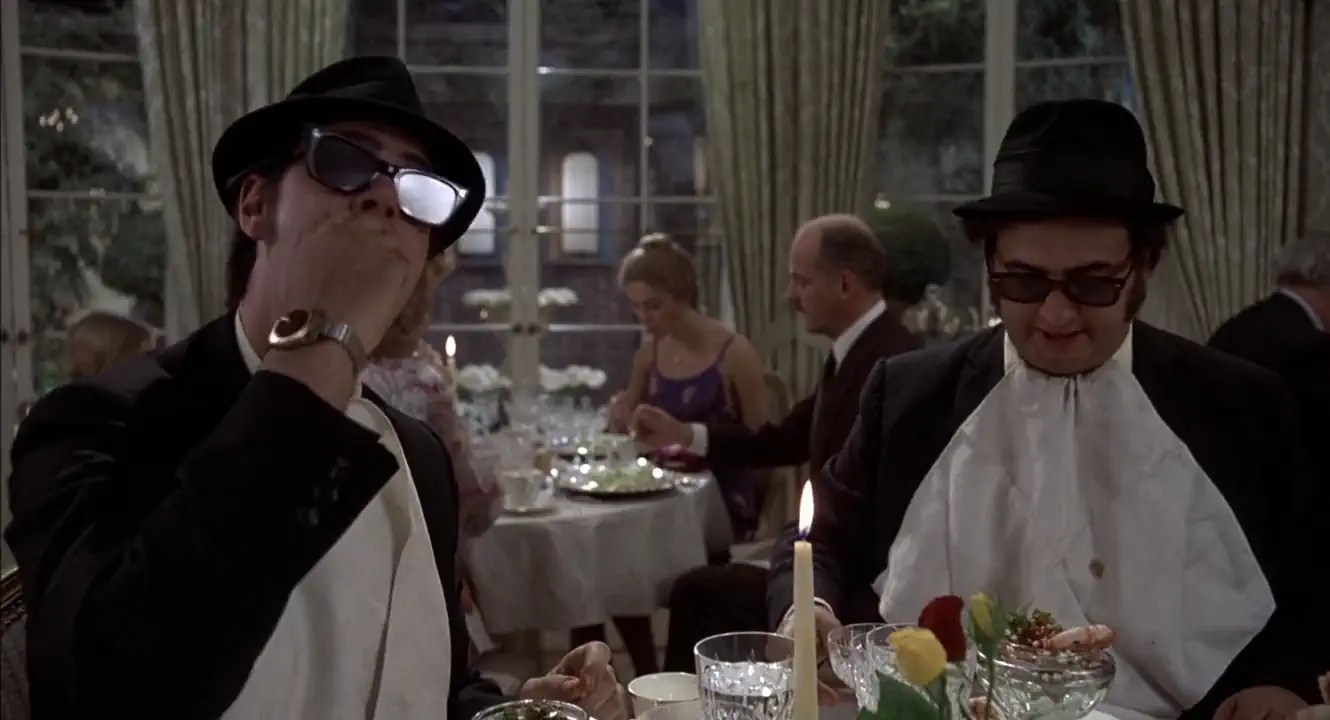
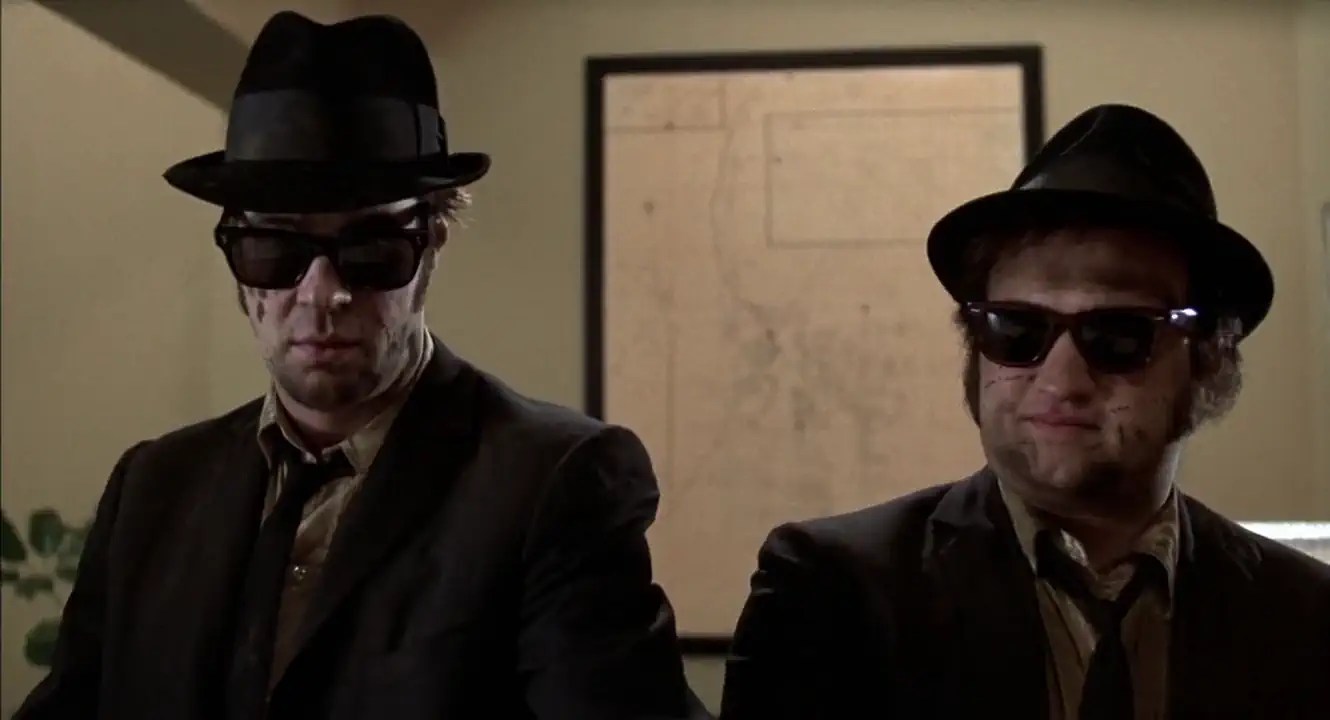
Today, “The Blues Brothers” enjoys cult status. The film is considered a classic of musical cinema and regularly appears in best-of lists. The characters Jake and Elwood have become pop culture icons, their black suits, hats, and sunglasses recognized worldwide. The spirit of the film lives on in numerous parodies, tributes, and fan events. The brothers‘ iconic appearance has become deeply ingrained in cultural memory and regularly appears at carnival events, Halloween parties, and music festivals.
Film festivals continue to show “The Blues Brothers” to sold-out audiences, often with costumed fans in the audience singing or reciting scenes – proof of the vibrant fan culture that has endured for decades. The soundtrack is regularly reissued on CD, vinyl, and digital platforms and is referenced in music programs and as inspiration in films and series. The film is also analyzed in film studies, for example with regard to the representation of African-American music, the interplay of music and narration, or as an example of postmodern narrative forms.
Despite its age, the film has lost none of its energy, humor, or musical power. It is particularly noteworthy that “The Blues Brothers” appeals to a cross-generational audience: while older viewers look back nostalgically on the time of its release, younger generations are discovering the film via streaming services, music collections, or recommendations from parents and teachers. This makes “The Blues Brothers” a living cultural heritage—humorous, musically brilliant, and with a message that still seems relevant today.
Summery
“The Blues Brothers” is much more than just a comedy or a music film – it is a cinematic monument to the African-American musical tradition, a prime example of a successful genre mix, and a declaration of love for the power of music. With its unmistakable style, perfectly balanced mix of humor, action, and musical passion, and charismatic main characters, the film remains a timeless classic. It manages to honor a musical era with equal parts wit and respect, without ever coming across as preachy or nostalgic.
The film is also remarkable in its form: the successful combination of live performances, dramatic film sequences, and whimsical interludes clearly sets “The Blues Brothers” apart from conventional music films. In addition, the film exudes a casual joy in improvisation – both in the actors‘ performances and in the staging. This makes the film seem carefully composed and pleasantly raw at the same time, which is what gives it its unique charm.
Anyone who has seen it once understands why Jake and Elwood were on a “mission from God” – and why their mission still captivates audiences today. The film not only appeals to music lovers and comedy fans, but also offers film history buffs a veritable treasure trove of references, stylistic influences, and genre breaks. “The Blues Brothers” is a film that is self-aware without ever coming across as pretentious – a true masterpiece with cult status.
More
Magazine Scans
Cinema 1980/11

Trailer
External links
Keywords: 45th anniversary Blues Brothers, The Blues Brothers 1980 film anniversary, June 20 1980 Blues Brothers release, John Belushi Dan Aykroyd Blues Brothers facts, Chicago Blues Brothers premiere, Blues Brothers cultural impact, Blues Brothers car chase trivia, Blues Brothers soundtrack legacy, Studio 54 Blues Brothers movie, 1974 Dodge Monaco Bluesmobile history
Hashtags: #BluesBrothers45 #BluesBrothersFilm #JakeAndElwood #MissionFromGod #Bluesmobile #DanAykroyd #JohnBelushi #ChicagoCinema #ClassicComedy #CarChaseLegends #nerd #geek #genx #the80s








Kommentar verfassen