

When you kill someone, make sure they’re dead.
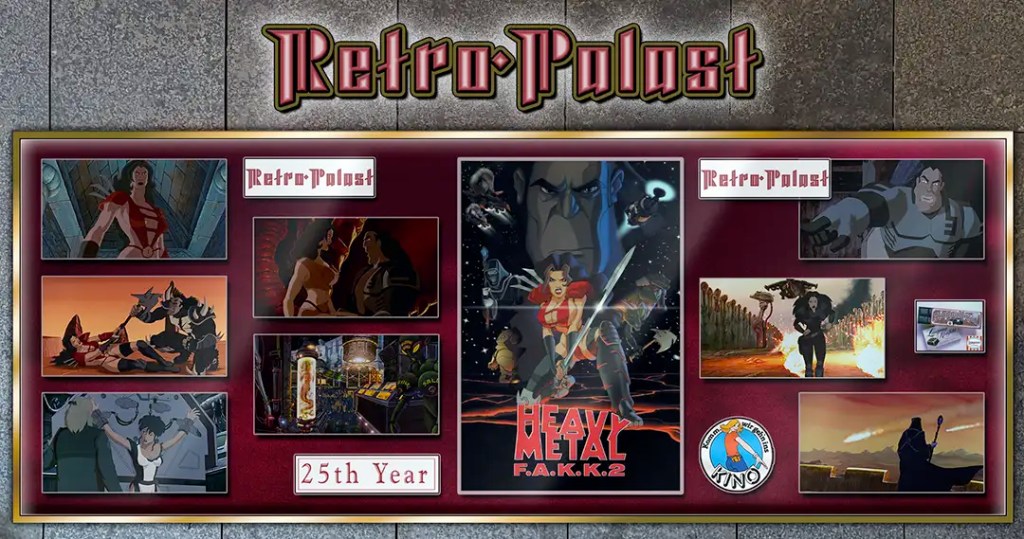
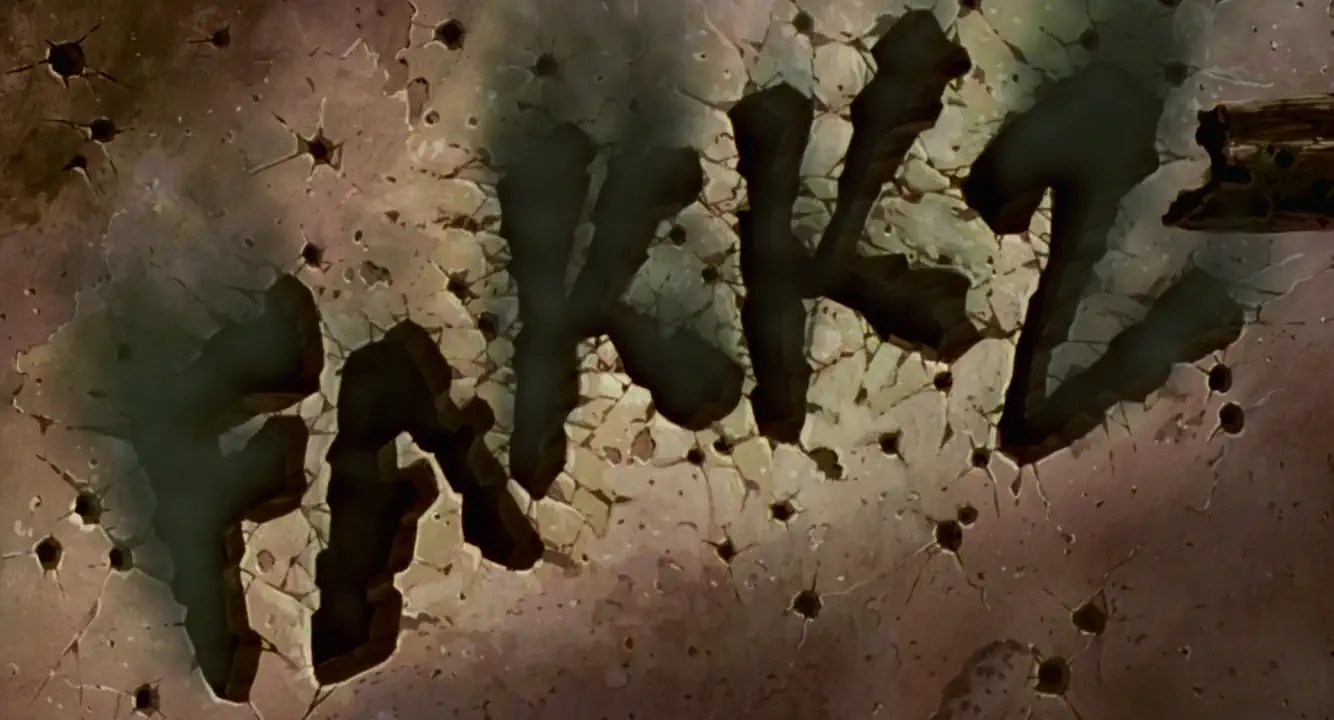
Heavy Metal 2000 / F.A.K.K.²
„Heavy Metal: F.A.K.K.²“ aka “Heavy Metal 2000” is an animated science fiction and fantasy film from the year 2000, which sees itself as a successor to the influential cult film “Heavy Metal” (1981). The film is based on the graphic novel “The Melting Pot” by Kevin Eastman, Simon Bisley and Eric Talbot, three creative minds who are highly regarded in the comic field. The story combines central themes such as violence, sexuality, retribution and abuse of power with classic motifs of heroism and self-determination, embedded in a dystopian, technologically advanced future scenario.
The film ties in with the aesthetics and content of its predecessor, but expands on them with a more focused narrative structure and a female protagonist. The visual design remains true to the style of traditional Western comics, but is explicitly tailored to an adult audience. With a soundtrack of heavy metal songs that are thematically and emotionally interwoven with the film’s action, the film offers a stylized, audiovisual experience. It follows a clear genre-typical line by combining action, science fiction and fantasy elements into a hyperbolic, atmospherically dense narrative. Thus, “Heavy Metal 2000” sees itself not only as a sequel, but also as an independent contribution to the multimedia genre landscape of the early 2000s.
Plot
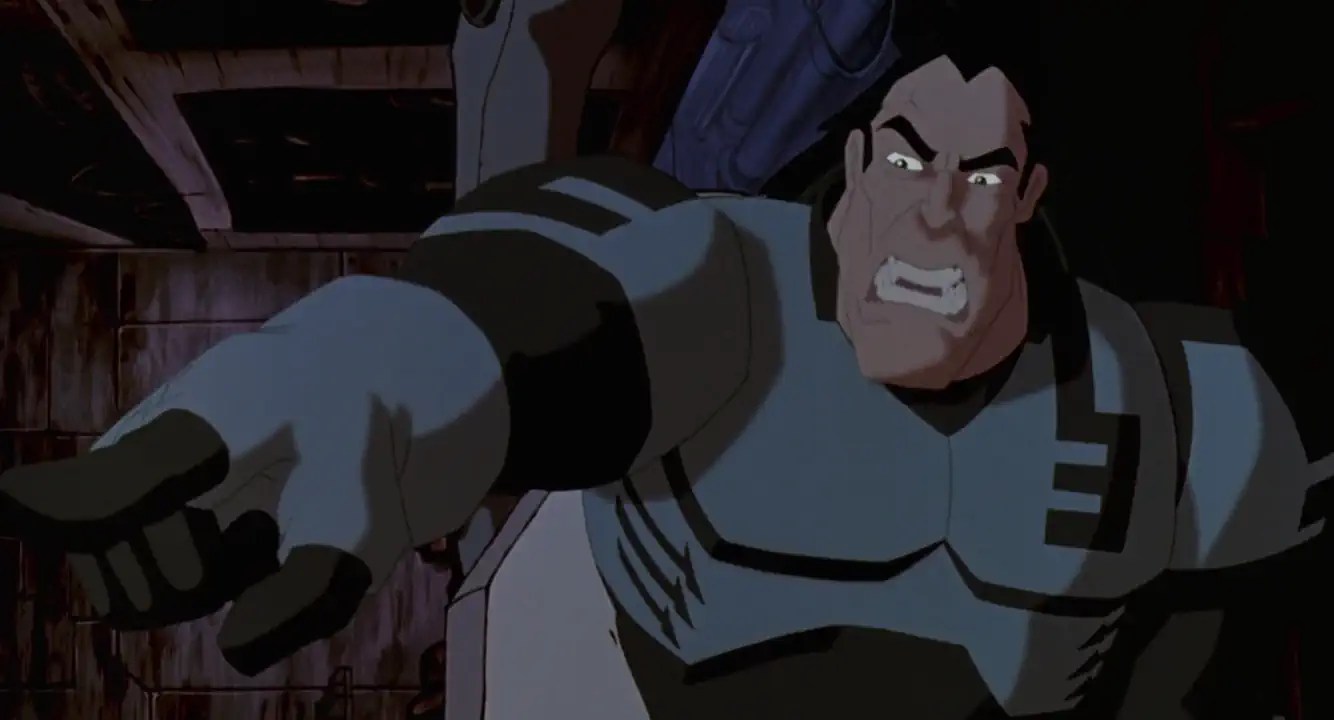
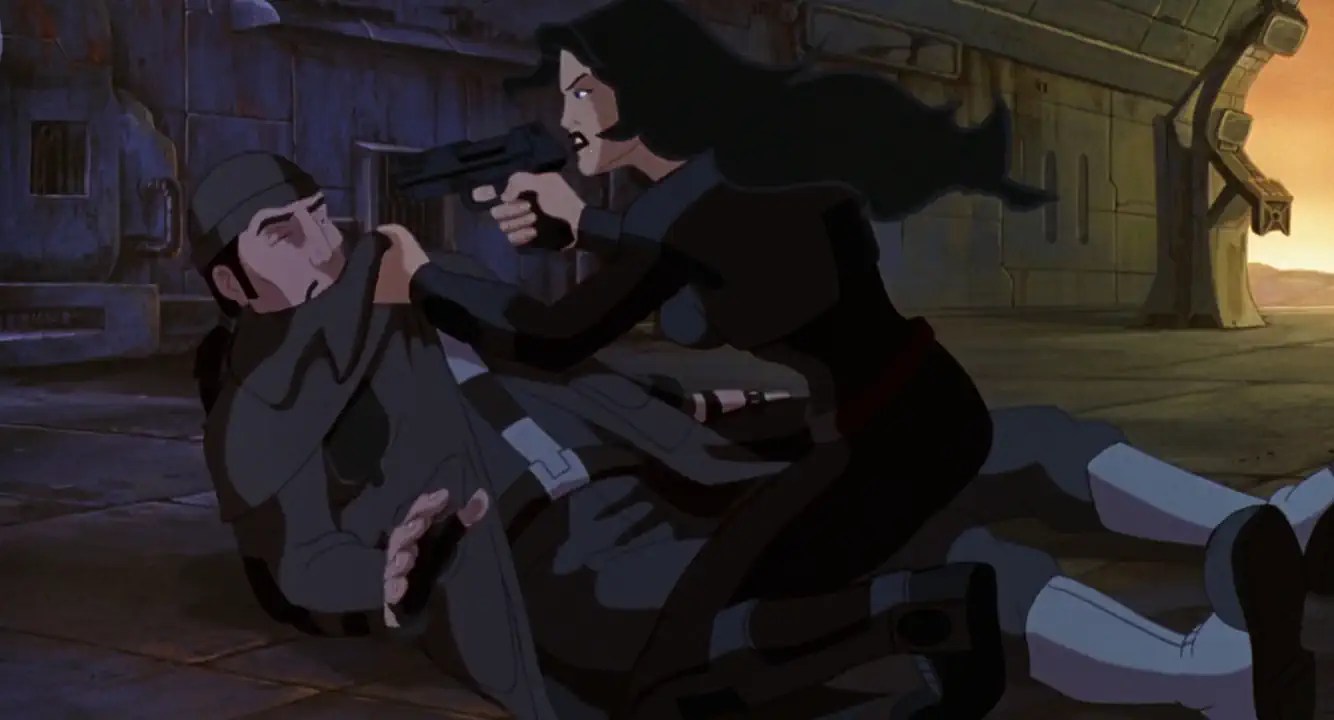
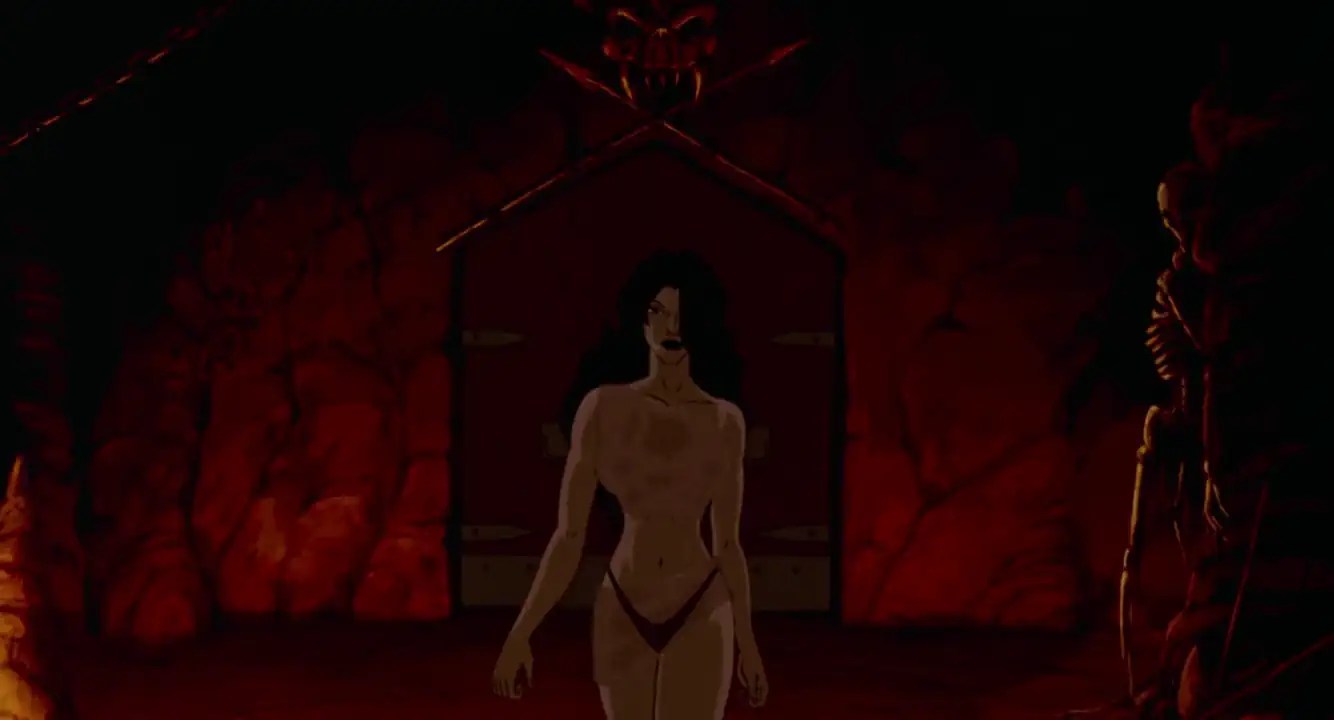
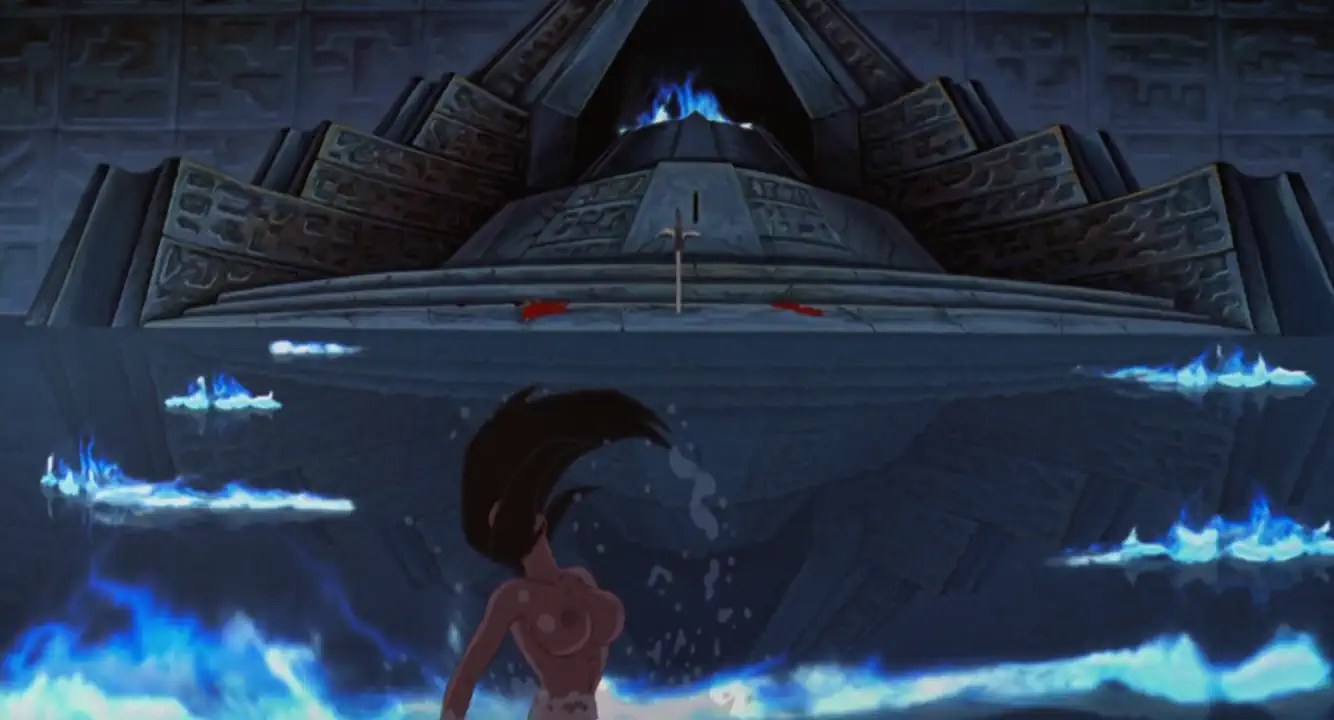
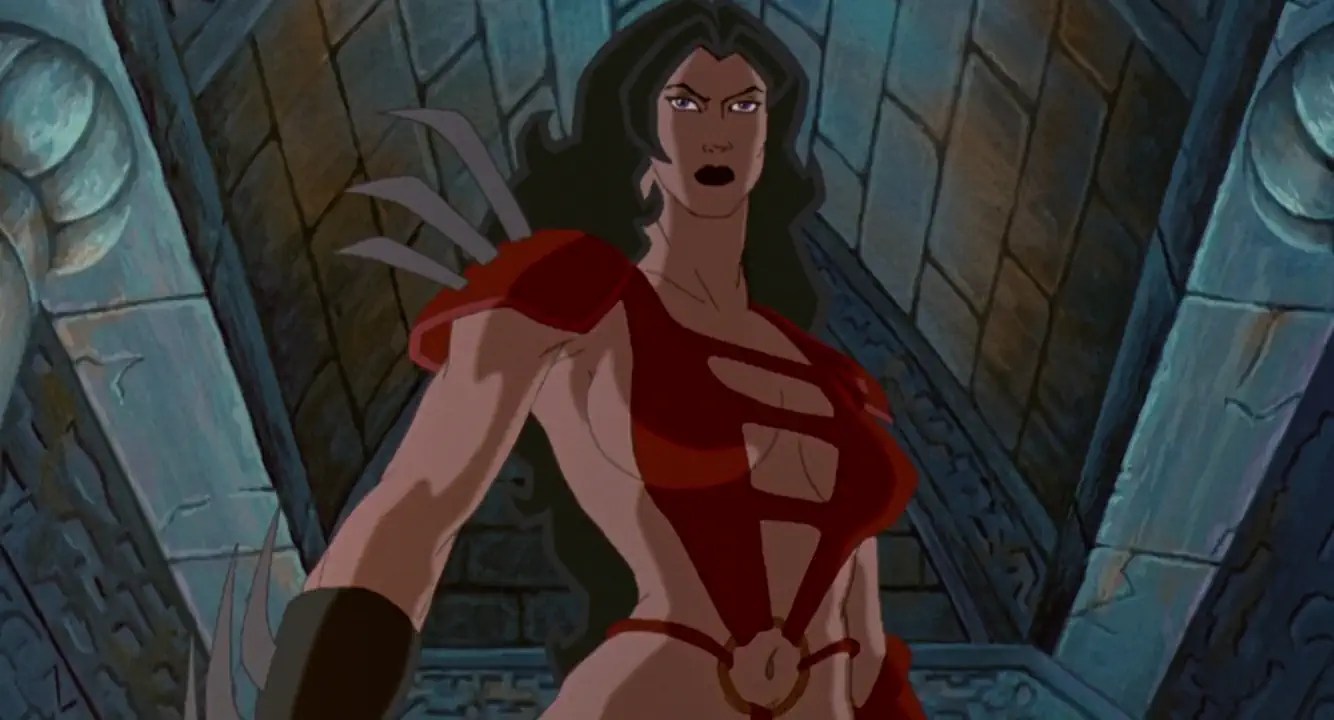
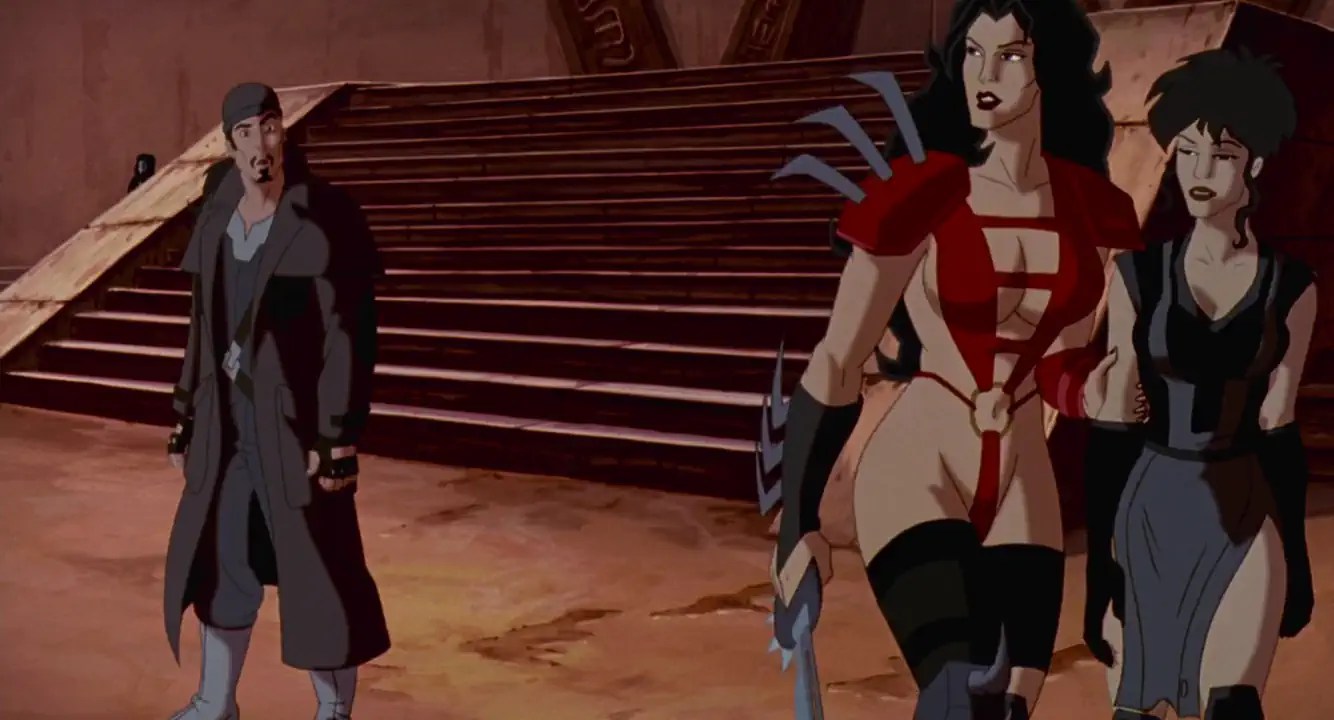
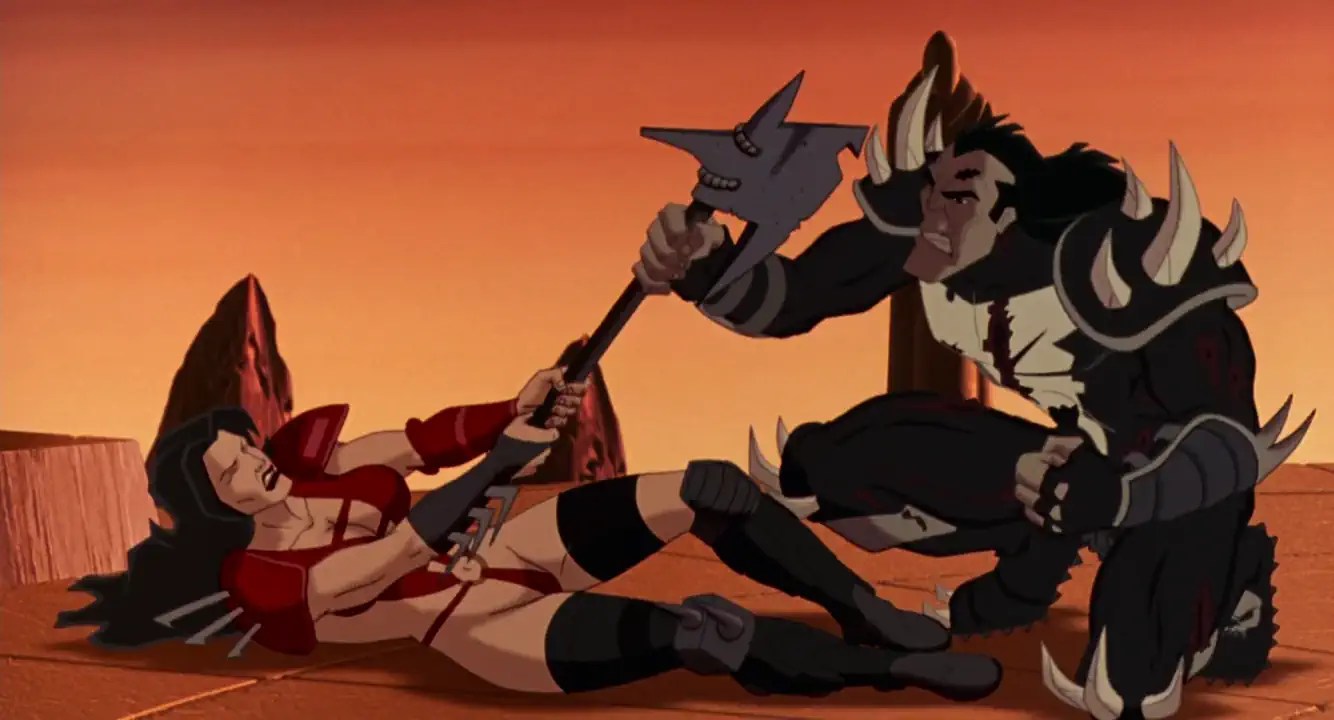
The story follows Julie, a young woman from the planet Eden, whose peaceful and natural life is destroyed by Tyler, a power-hungry and ruthless marauder. After finding a mysterious serum that grants immortality, Tyler is drawn into an increasingly megalomaniacal quest for power. Consuming the serum, he loses all moral inhibitions and turns into a threat to the entire known universe. When he raids Julie’s homeland, brutally murders her family and kidnaps her sister, Julie’s life is turned upside down. In an act of desperation and rage, she swears to hunt down Tyler and save her sister.
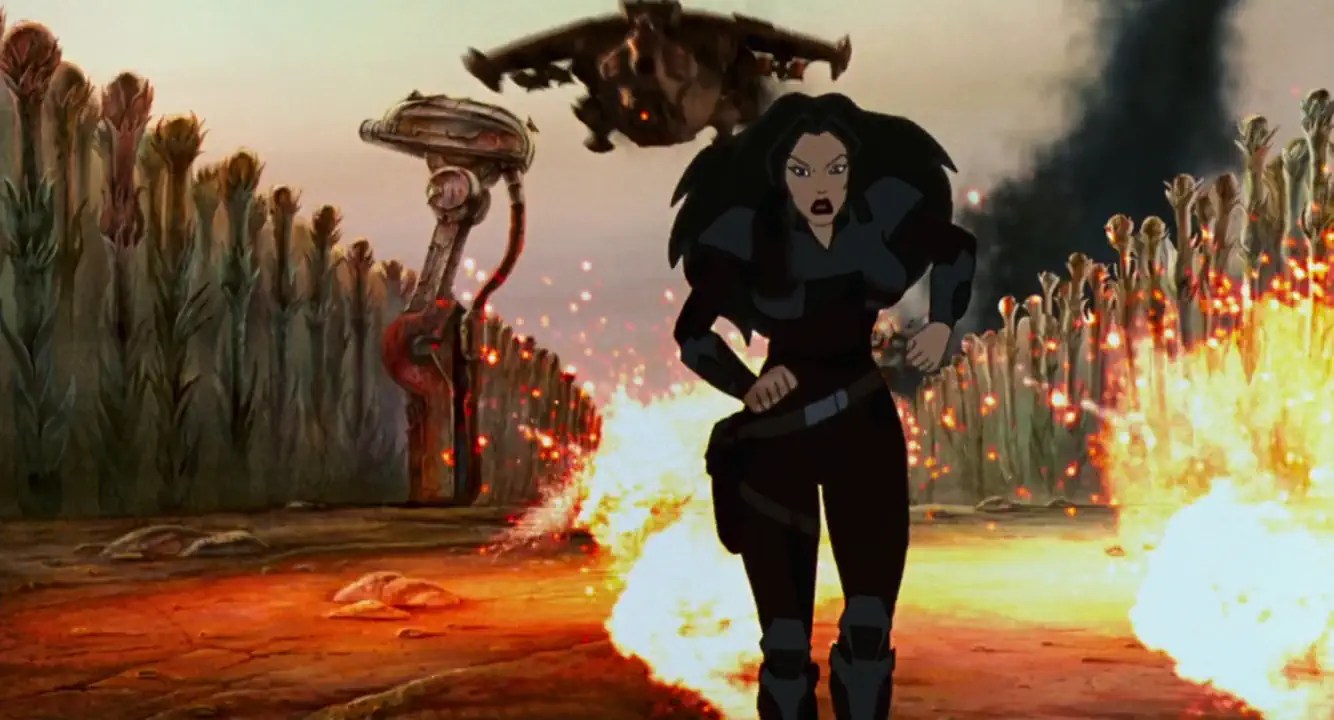
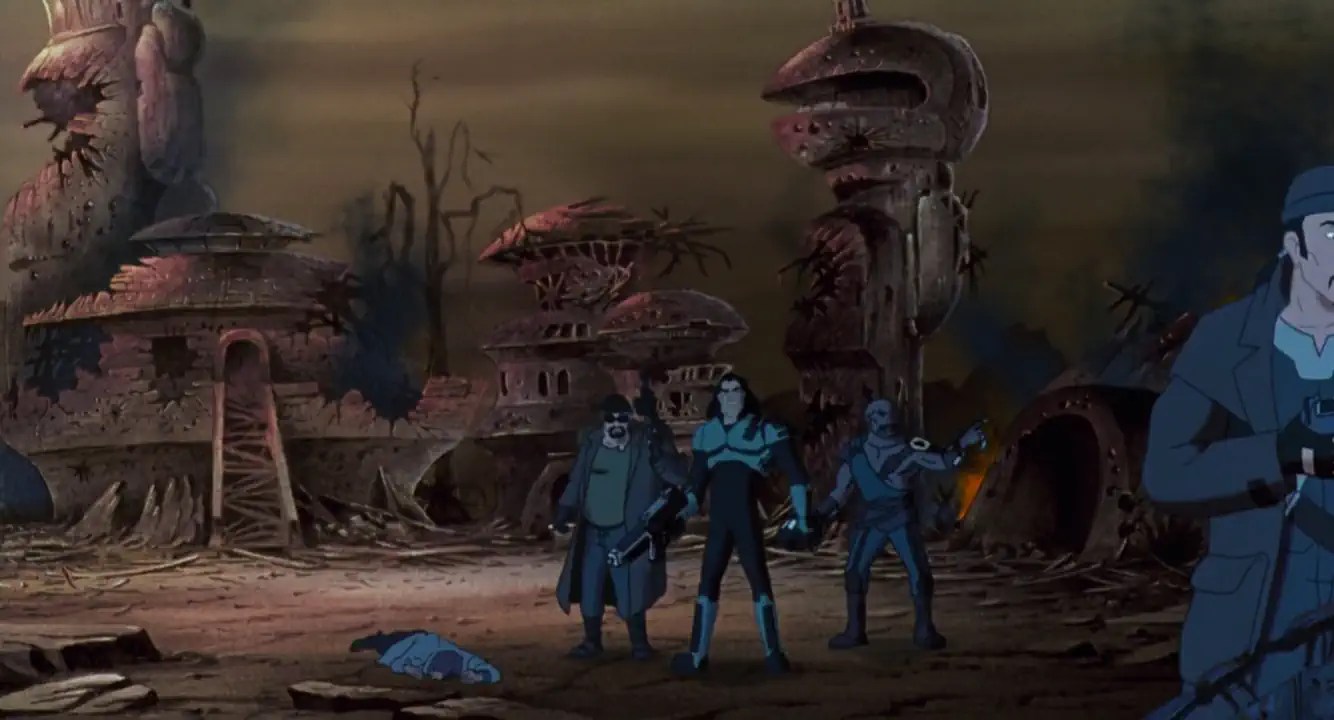
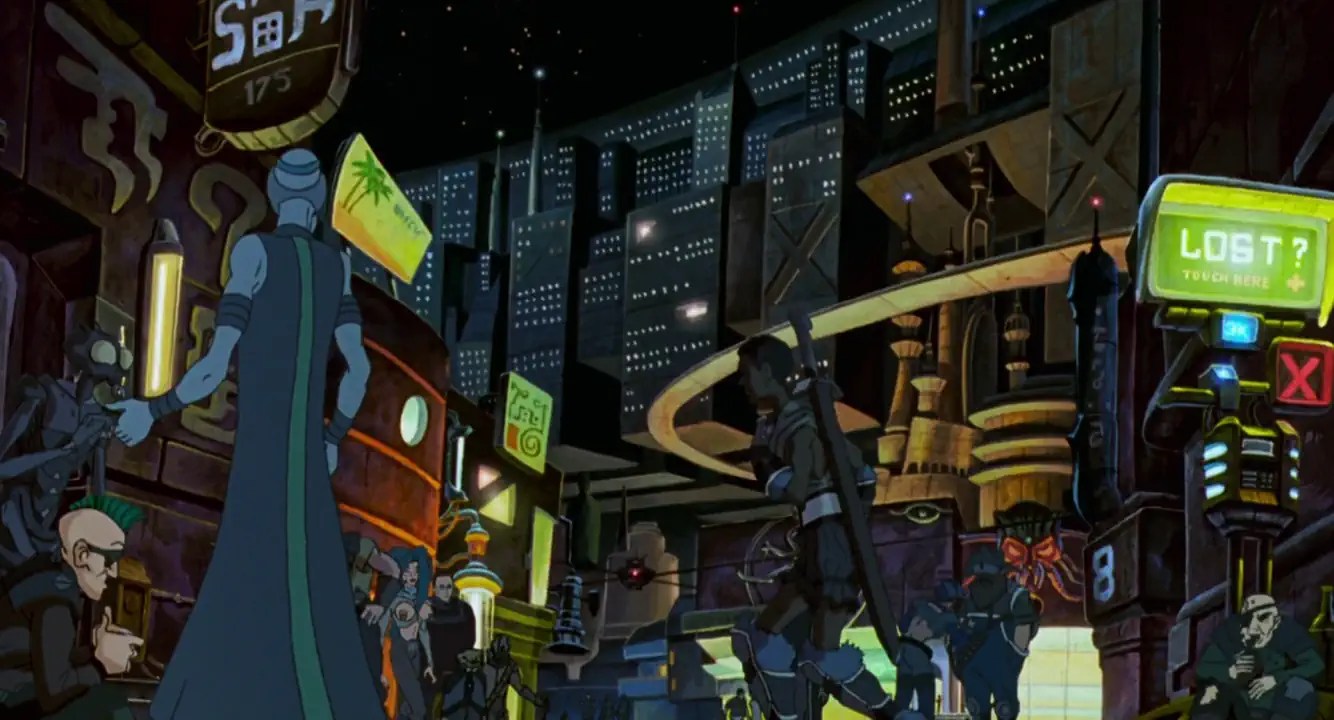
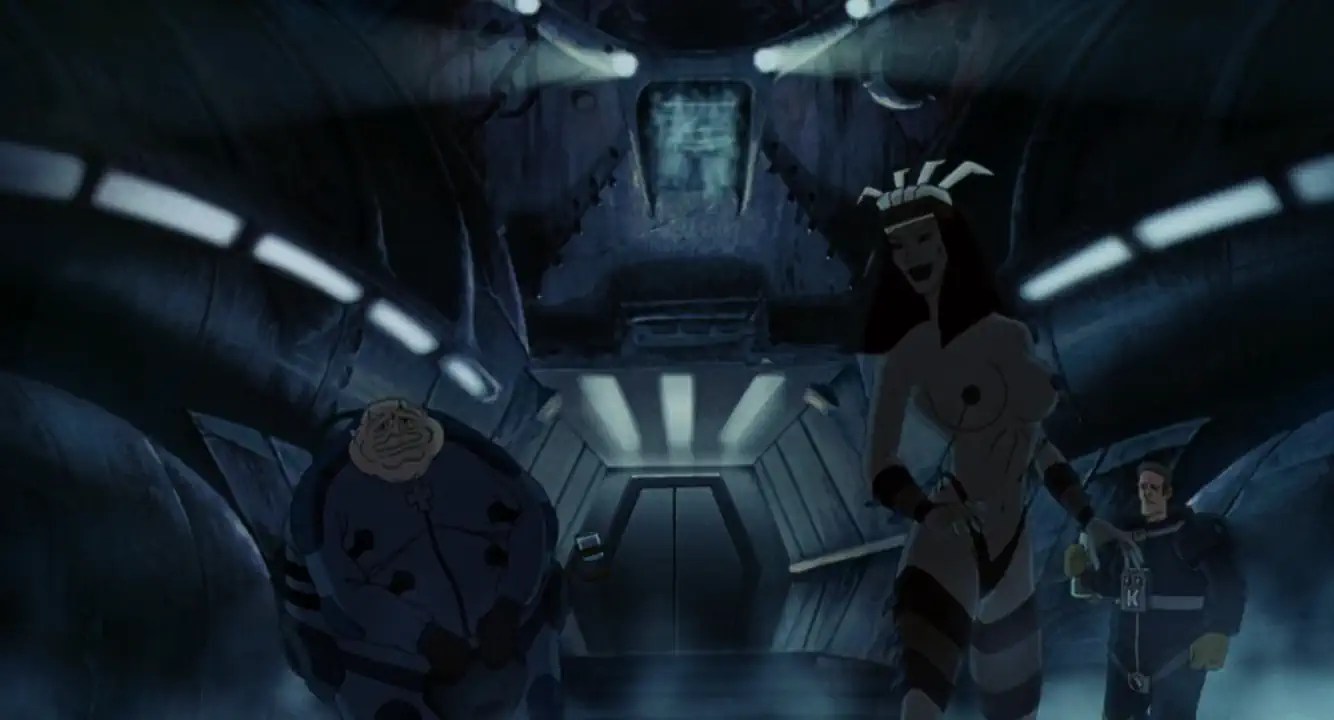
What follows is a classic hero’s journey in which Julie proves to be a protagonist of extraordinary strength and determination. On her odyssey through different worlds and planets, she encounters a variety of allies and opponents – including alien species, cyborg-like beings and mercenaries with their own interests. Each of these characters serves not only as a narrative station, but also as a reflection of Julie’s own development. The encounters challenge her physically and emotionally, forcing her to look beyond mere revenge and recognize her own role in a larger cosmic conflict.
At the same time, the film uses Julie’s journey as a vehicle to explore recurring themes in science fiction and fantasy: alienation, the abuse of power, the boundary between human and machine, and the search for personal identity in an increasingly technological world. The film deals with classic topics such as the loss of innocence, revenge as a driving force, and female self-empowerment, with Julie being cast as an archetypal yet modernized heroine who subverts and reinterprets traditional gender roles.





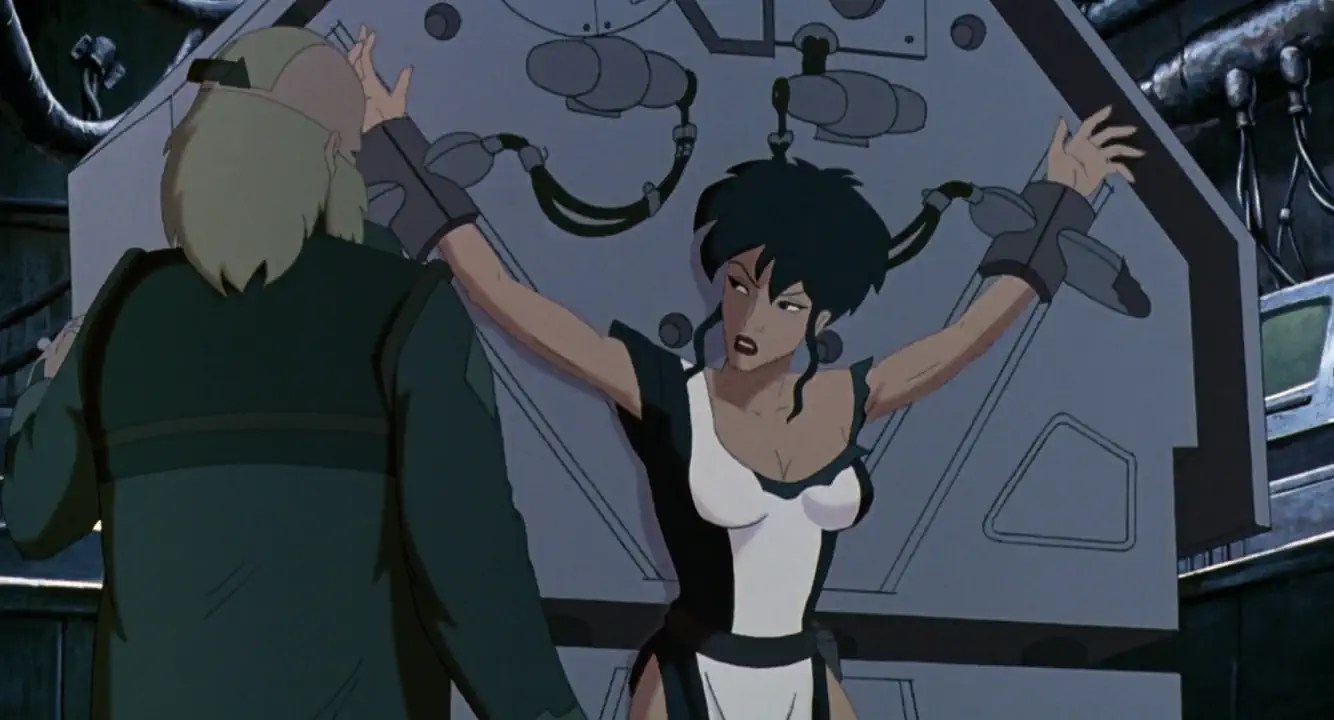
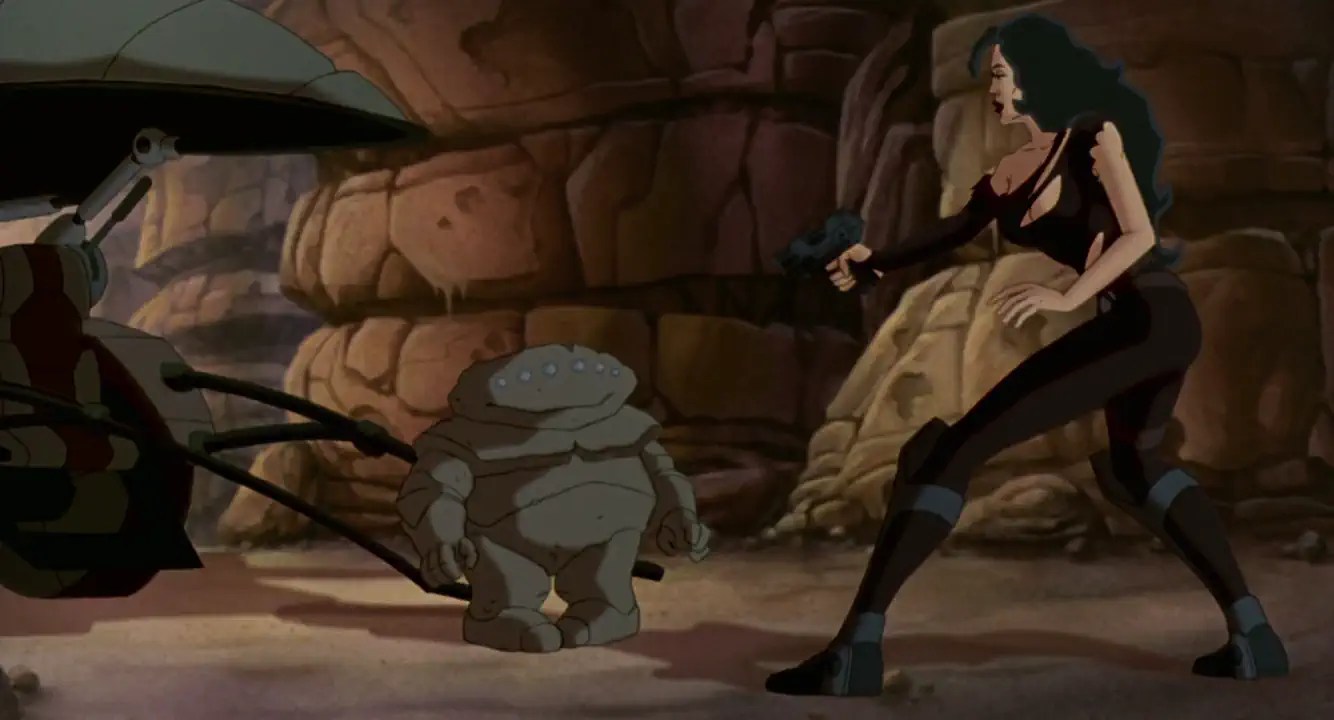
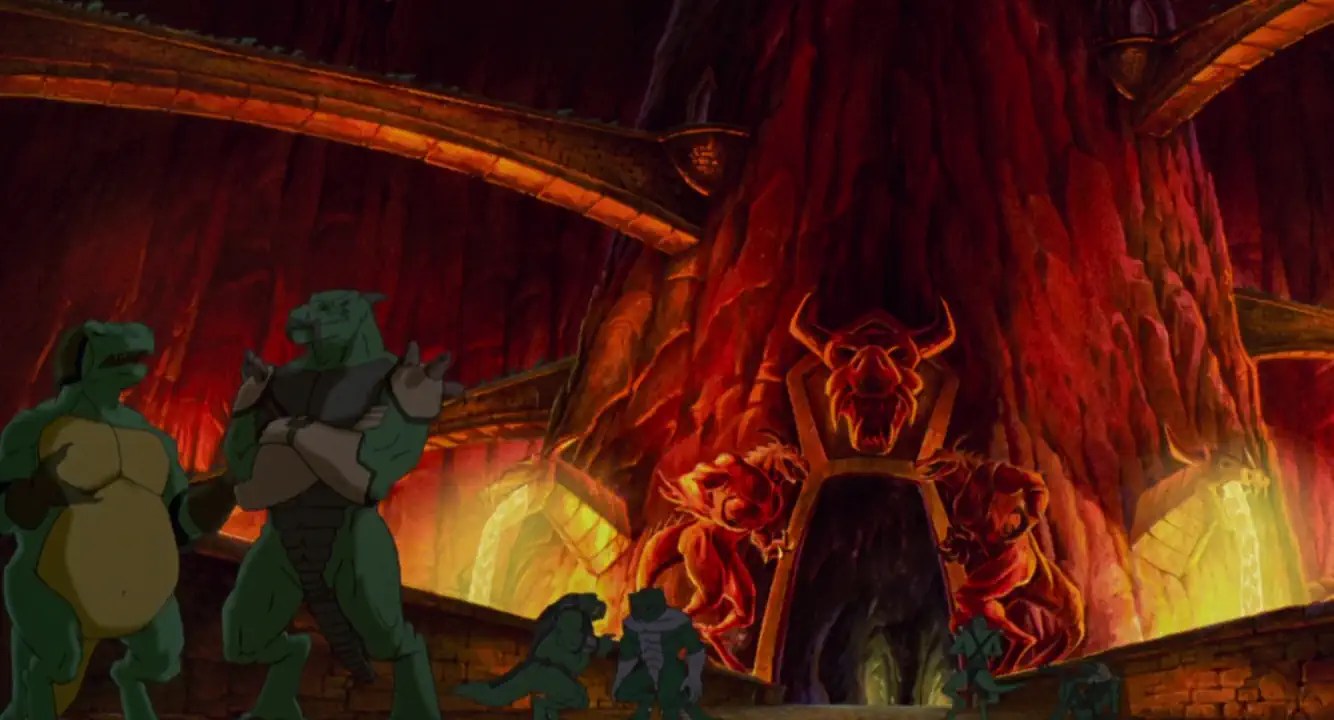
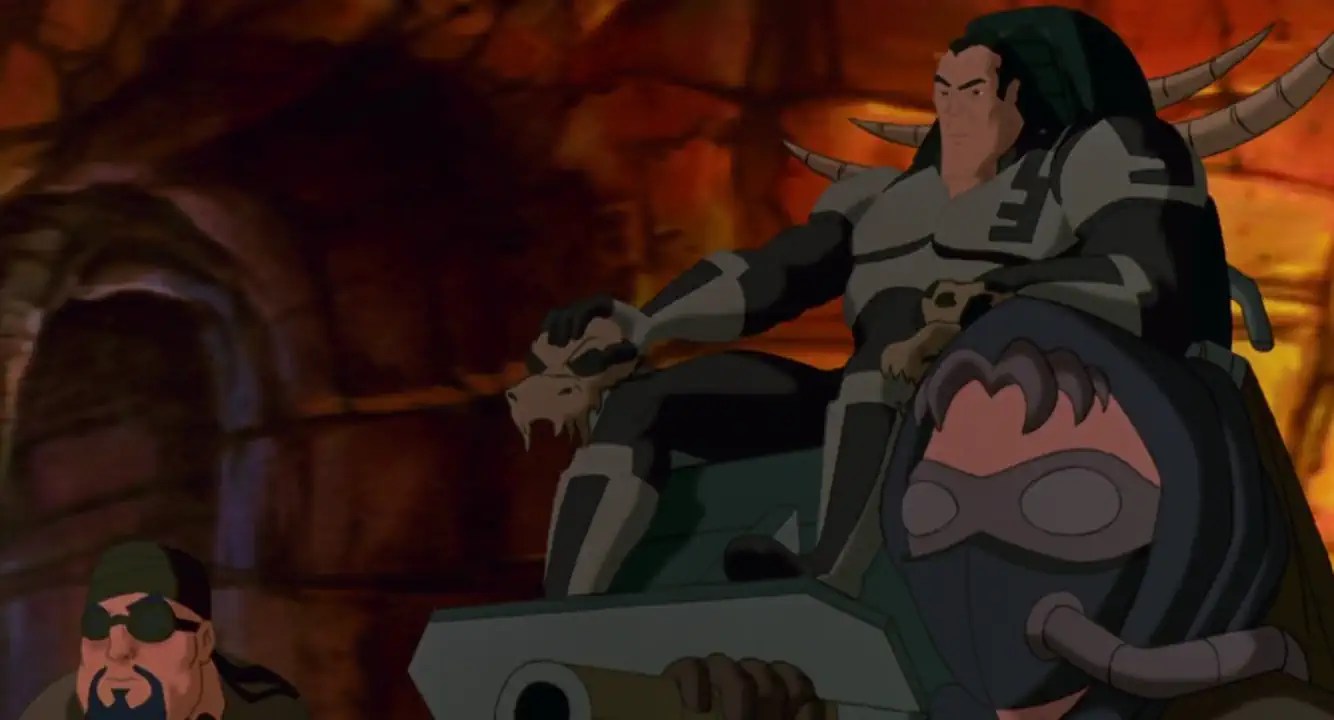


Trivia
- The protagonist Julie was visually and vocally embodied by Julie Strain, a well-known model and actress of the 1990s. Her marriage to Kevin Eastman, co-founder of “Teenage Mutant Ninja Turtles” and co-author of the underlying graphic novel “The Melting Pot”, not only influenced the creative design of the character, but also the decision to establish Julie as the central heroine of the film. Her physical appearance, voice and presence served as a direct template for the animated character design, giving the film a high degree of identification potential between real and fictional person.
- The film is also known as “Heavy Metal: F.A.K.K.²”. F.A.K.K. is an acronym for “Federation-Assigned Ketogenic Killzone”, a martial-sounding name for Julie’s home planet. This term was later used in video games and expanded media universes, including the computer game of the same name, which was released in 2000 as a cross-media extension. The acronym is part of the dystopian world order in the film and refers to the stigmatization of places that are considered dangerous.
- The soundtrack consists of contributions from well-known metal and rock bands such as System of a Down, Pantera, Monster Magnet, Queens of the Stone Age and many more. The music is closely linked to the mood and aesthetics of the film and functions as a narrative device that enhances emotional highlights and underscores the brutal, apocalyptic atmosphere. The soundtrack was also marketed independently of the film and received a positive response, particularly among fans of alternative music genres. In addition, the musical style served as a unifying element for the target group, as it musically reflects the rebellious, raw tone of the narrative.
The music
A central stylistic feature of “Heavy Metal 2000” is its aggressive and powerful soundtrack, which is closely interwoven with the visual and narrative design. The selection of music not only reflects the title of the film, but also gives it its unmistakable atmosphere. With contributions from renowned artists and bands from the heavy metal and alternative rock genres – including System of a Down, Pantera, Queens of the Stone Age, Monster Magnet, and MDFMK – a soundscape is created that acoustically underscores the dark, post-apocalyptic mood of the film world. Many of the tracks were specifically selected to support the energetic and visually overloaded action of the film, with dynamic guitar riffs and aggressive vocals complementing the visual eccentricity of the film.
The songs are not merely acoustic accompaniment, but also serve as narrative enhancers: in action scenes, they drive the tempo, while in quieter moments they lend emotional depth to the visual imagery. In doing so, the soundtrack succeeds in forming a stylistic framework that connects disparate cinematic elements and provides emotional orientation for the audience. The soundtrack was released at the same time as the film and achieved cult status within the metal scene, giving the film additional visibility in music culture. In addition, the soundtrack was not only released on CD, but also promoted in the form of music videos and live performances at film and music events. Especially for an audience socialized with the heavy metal aesthetic, the film functions as an audiovisual extension of the musical attitude of the late 1990s and early 2000s. The combination of image and sound creates an immersive experience that extends beyond the film into other cultural areas, including fashion, gaming, and subculture. Thus, the music is not only mood-setting, but also identity-forming for the film as a whole.
Comparison with “Heavy Metal”
In contrast to the original film, which captivated audiences with its episodic structure and experimental diversity, “Heavy Metal 2000” adopts a linear narrative style. The original anthology form has given way to a more conventional narrative, which gives the film a clear direction but also less narrative freedom. While “Heavy Metal” (1981) was appreciated for its surreal imagery, anarchic humor and narrative openness, the sequel presents itself as a straightforward action film with a compelling revenge story.
The first film consisted of several independent segments that illuminated various aspects of violence, power, sexuality and morality – a structure that allowed a wide range of topics and visual styles to be explored. This diversity allowed the original to unfold in different aesthetic and narrative directions, which was not only stylistically appealing but also had a certain subversive quality. By contrast, “Heavy Metal 2000” is limited to a coherent plot that is heavily influenced by genre clichés, resulting in a loss of narrative and artistic diversity.
There are also differences in terms of tone and target audience: the first film came across as more experimental, provocative and playful, while the second part is more oriented towards conventional action and sci-fi patterns and is aimed more at a mainstream audience. Visually, “Heavy Metal 2000” is based on the aesthetics of its predecessor – with emphatically stylized character designs, dark landscapes and a gloomy color palette – but largely dispenses with its narrative and stylistic innovations. Overall, “Heavy Metal 2000” is more accessible in terms of content, but artistically less ambitious than its predecessor.
Reviews at the time
Contemporary reviews were mostly negative. In particular, the one-dimensional character drawing, the predictable script and the limited creative development compared to the original were frequently criticized. Many reviewers were disappointed by the lack of narrative depth and the lack of innovative narrative or stylistic elements that had distinguished the first film. The attempt to tell a continuous story was perceived as courageous but not successful, as the implementation was perceived as too formulaic.
In addition, the portrayal of the female lead was criticized in some cases, as she was often reduced to external characteristics and stereotypical roles despite her strong presence. Critics also complained that the film relied too heavily on eye-catching action and superficial violence instead of seriously addressing the underlying issues. Nevertheless, the technical realization – in particular the fluid animation and visual style – received recognition from parts of the genre fan base. The soundtrack, with contributions from well-known metal bands, was also positively highlighted by many and described as one of the film’s strongest aspects. Some voices also emphasized that “Heavy Metal 2000”, despite its weaknesses, had a certain cult potential and, as an audiovisual experience, definitely reached its target audience.
Reputation Today
From a present-day perspective, “Heavy Metal 2000” remains a controversial work. While some emphasize its stylistic consistency and nostalgic value, the film as a whole is perceived as an unsatisfactory attempt to emulate the subversive power of the original. Many critics argue that the film lacks the experimental narrative style and visual audacity that made the first part a cult classic. Instead, “Heavy Metal 2000” largely operates within conventional genre boundaries and thus loses some of its subversive potential. The psychological depth of the characters also remains underdeveloped, which reduces the narrative appeal.
In academic discussions of animated film and genre cinema, the film is seen more as an example of the failure of sequels to adequately continue the legacy of a cult film. Nevertheless, it offers interesting insights into the media-historical development of animated cinema around the turn of the millennium, particularly with regard to commercial continuation policies and the aesthetic self-positioning of animated films in the adult sector. In this respect, the film can certainly be used as a case study for topics such as cultural memory, nostalgia and the aesthetics of failure. Even if “Heavy Metal 2000” does not achieve its goal of doing justice to the original, it still makes a not insignificant contribution to the discussion of the limits and possibilities of genre sequels.
Summery
“Heavy Metal 2000” is a visually ambitious but limited contribution to the genre of animated film. The animated imagery and energetic soundtrack create an impressive atmosphere, but the narrative depth remains largely superficial. Despite its attractive audiovisual design and the attempt to tell a hero’s journey with feminine connotations, it remains conventional in narrative terms and one-dimensional in terms of subject matter. Although the main character Julie meets the requirements of a strong female protagonist, her character lacks the complexity to elevate her beyond an archetypal vengeful heroine. For students of film studies, the film offers interesting starting points for discussions about sequels, genre conventions and the representation of gender in animated films. Particularly relevant here are questions about the changing role of female characters in the science fiction genre and the influence of production conditions on narrative decisions. In addition, aspects such as the influence of music on genre aesthetics, visual style in the context of the turn of the millennium and the reception of sequels in popular culture can be examined. Nevertheless, “Heavy Metal 2000” does not succeed in matching the iconographic significance of its predecessor, which makes it more of a study object for genre boundaries and media reception than an independent milestone of animated cinema.





 McHenry's Lair
Kommentar verfassen :