

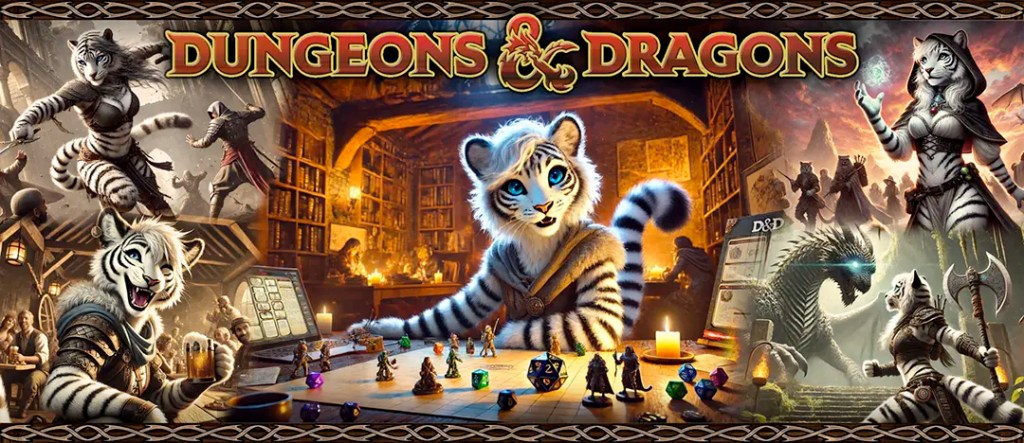
1974 saw the release of the first ever roleplaying game
– Dungeons & Dragons –
Three little brown booklets in a box. And so started a gaming revolution.
Roll For Initiative

Since its introduction in 1974, Dungeons & Dragons (D&D) has revolutionized the world of role-playing games. Created by Gary Gygax and Dave Arneson, the game has inspired generations of gamers, told countless adventures and laid the foundations for the modern role-playing industry.
On its 50th anniversary, it is worth looking back at the rich history, the different versions and the far-reaching influence of D&D. Over five decades, D&D has not only changed the way people play, but has also inspired the imagination and creativity of millions.
The game has managed to continually innovate while maintaining its roots in classic role-playing mechanics. It remains a milestone in the evolution of games and a testament to the power of collaborative storytelling to bring people together worldwide and push the boundaries of imagination.
History / creation

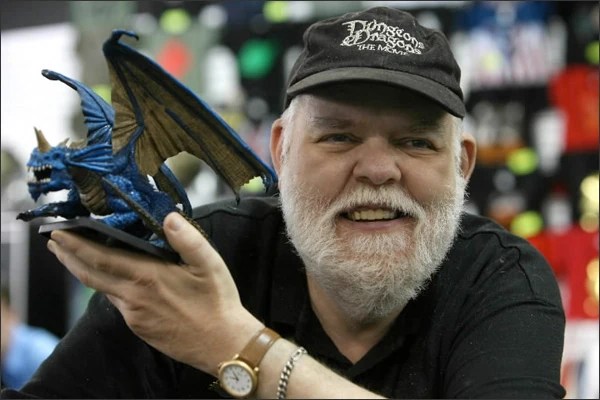
Dungeons & Dragons was developed by Gary Gygax and Dave Arneson and published by Tactical Studies Rules, Inc. (TSR) in 1974.
The idea came from their experience with war games, which they expanded to include fantasy elements and role-playing games. The first edition was a simple set of rules, but it ushered in a new era of games in which players could take on the roles of characters and adventure in imaginary worlds. In the early days, the game was mainly popular in small, enthusiastic communities, but it wasn’t long before it became a global phenomenon.
The acquisition of TSR by Wizards of the Coast in 1997 marked another important milestone, bringing the game into the modern era and ushering in a new age with the third edition. This acquisition led to a professionalization of the game and greater accessibility for new players.
Story/World
Dungeons & Dragons is set in a variety of fantastical worlds, ranging from classic dungeons and dragons to complex cities and exotic landscapes.
The most famous world is that of „Forgotten Realms“, a detailed and rich world with its own stories, cultures and characters. This and other worlds such as „Greyhawk“, „Dragonlance“ and „Eberron“ offer players different thematic and stylistic experiences. Each campaign allows players to undertake epic quests, discover secrets and immerse themselves in a living story led by their Dungeon Master (DM).
These worlds are often crafted to allow for deeper immersion, with complex political structures, mystical locations and a variety of creatures. Players have the freedom to create their own stories and immerse themselves in countless adventures supported by the rich background world. These settings not only offer exciting adventures, but also the opportunity to delve deeply into the history and culture of each world. By creating and maintaining these worlds, D&D has created an unparalleled platform for creative and cooperative storytelling.
Gameplay

The gameplay of D&D is based on a mixture of narrative storytelling and strategic dice rolls. Players create their own characters, choose from a variety of races and classes, and guide them through adventures determined by player decisions and the luck of the dice. Character sheets and rulebooks help to determine the abilities and characteristics of the characters.
While the role-playing game allows players to immerse themselves deeply in their characters and stories, the dice mechanics ensure unpredictability and excitement. Teamwork is essential, and the Dungeon Master acts as narrator and referee, describing the world, reacting to the players‘ actions and guiding the gameplay. In addition, there are a variety of supplemental rules and expansions that allow players to customize the game to their preferences and discover new dimensions of gameplay.
The variety of possible adventures and stories is almost unlimited, making D&D an ever-changing experience. This dynamic and flexible gameplay has allowed D&D to remain fresh and exciting even after 50 years.
Versions
Dungeons & Dragons has gone through several editions over the years, each with improvements and changes that have evolved the game:
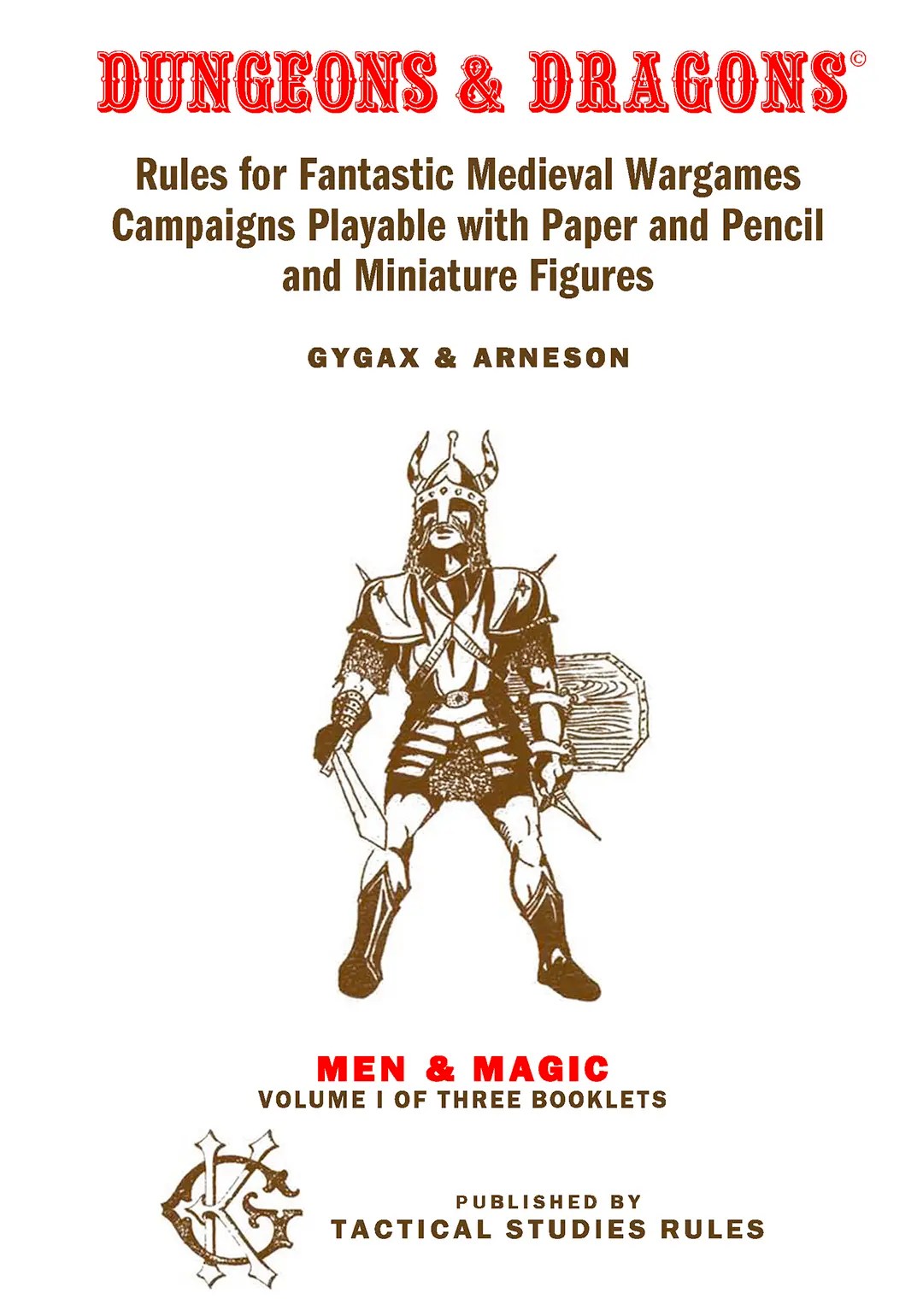
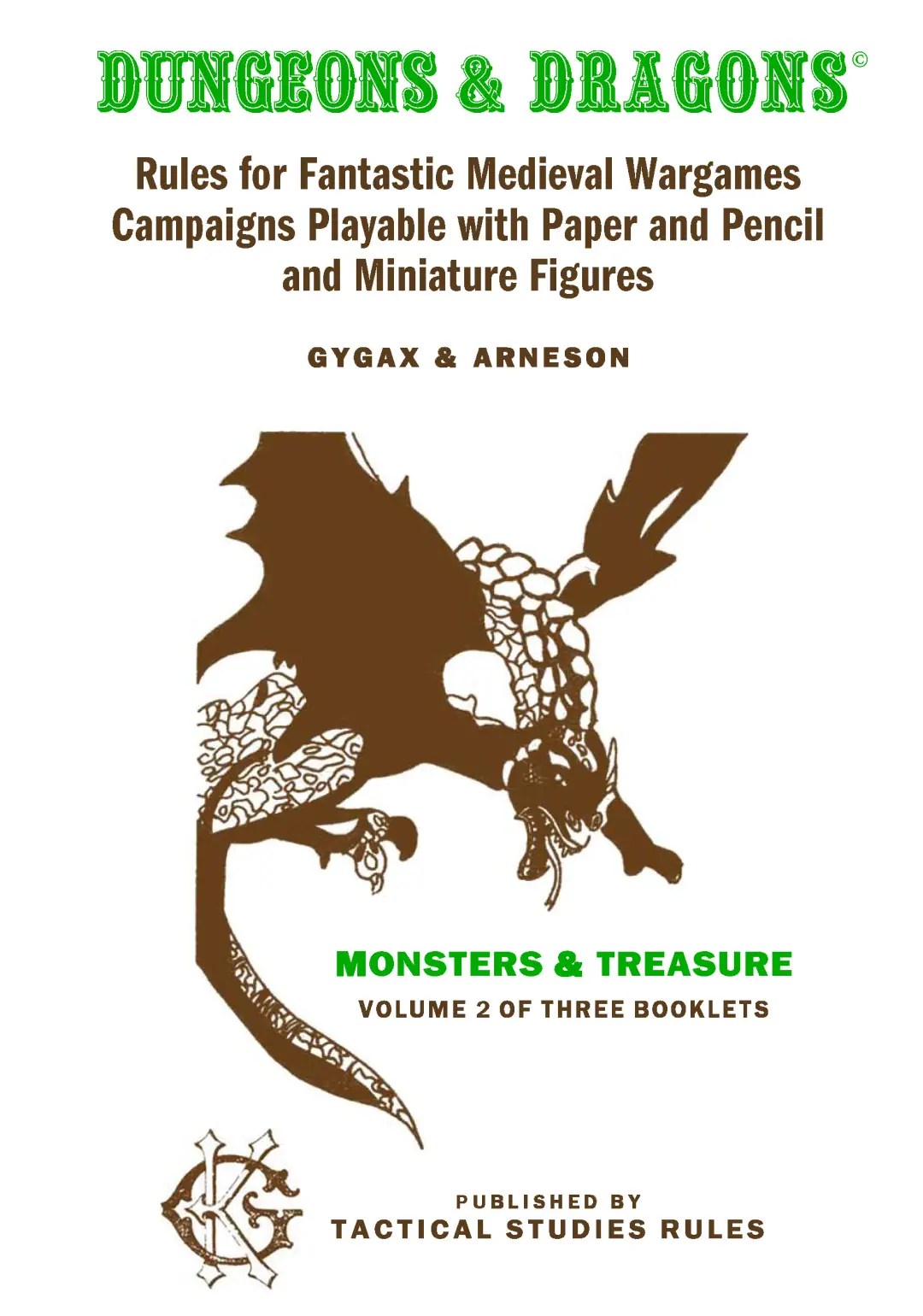
- Original D&D (1974)
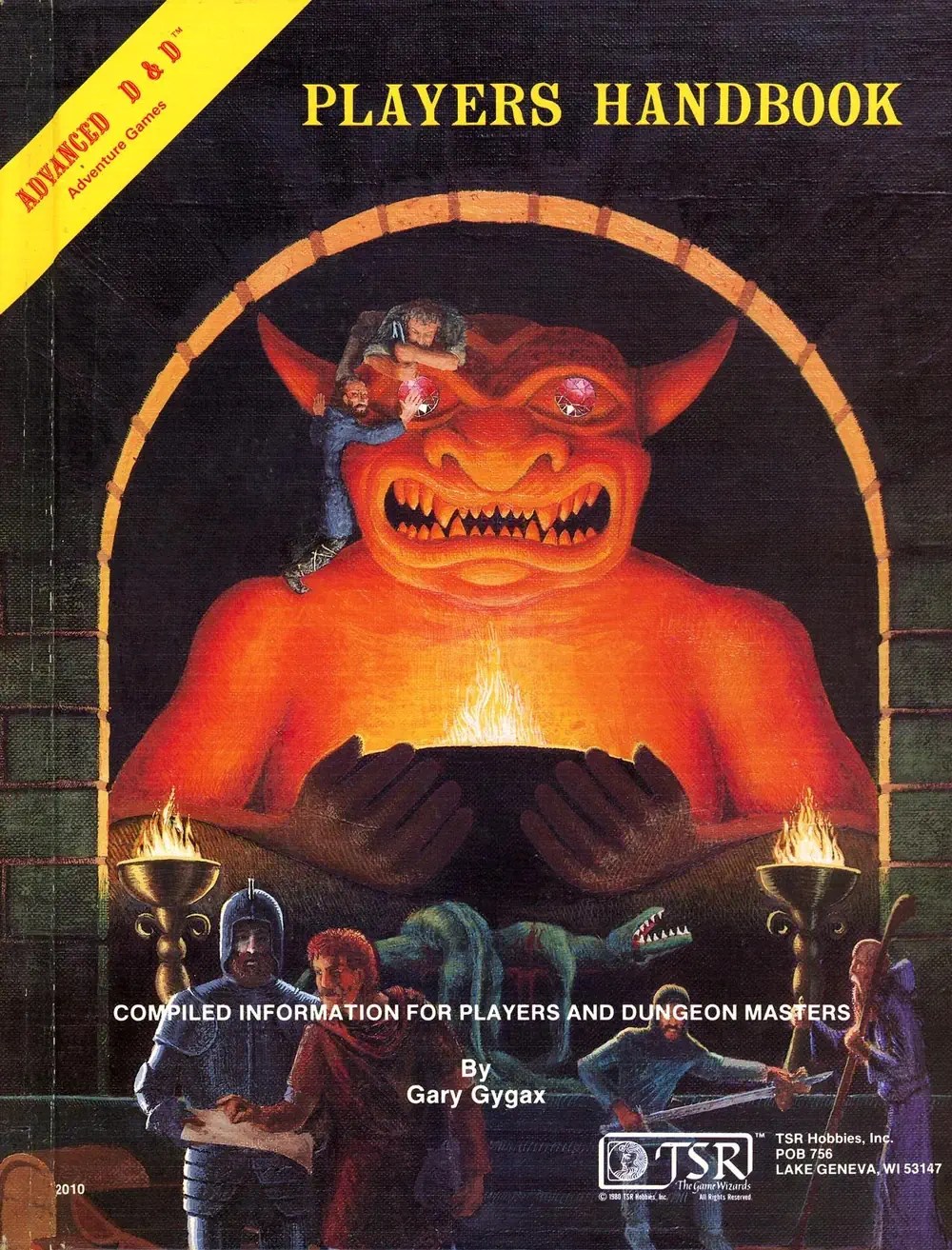
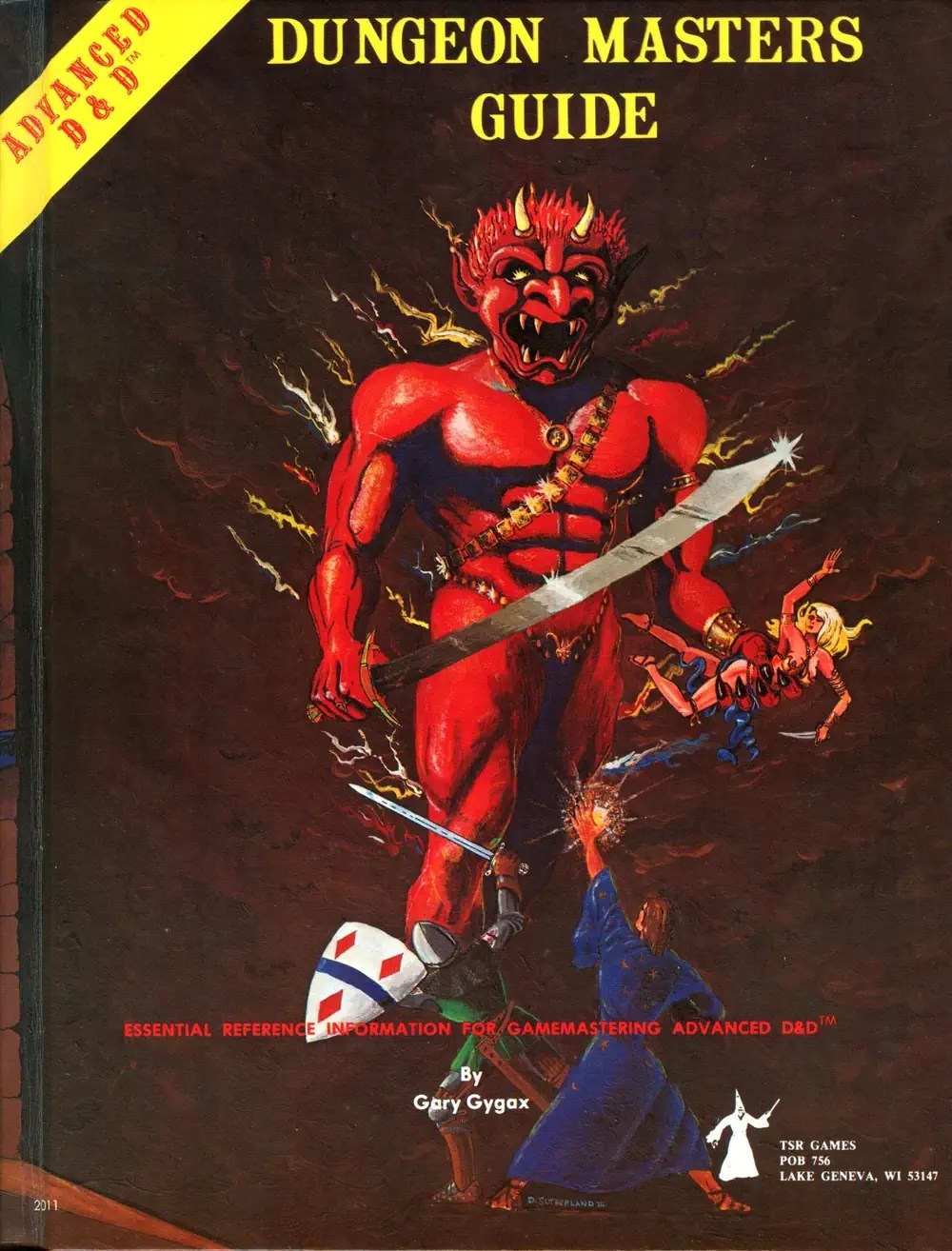
The first set of rules that laid the foundations of the game and introduced a new kind of entertainment. It was simple and provided a framework for endless creativity by allowing players to create their own worlds and adventures. - Advanced Dungeons & Dragons (1977-1985)
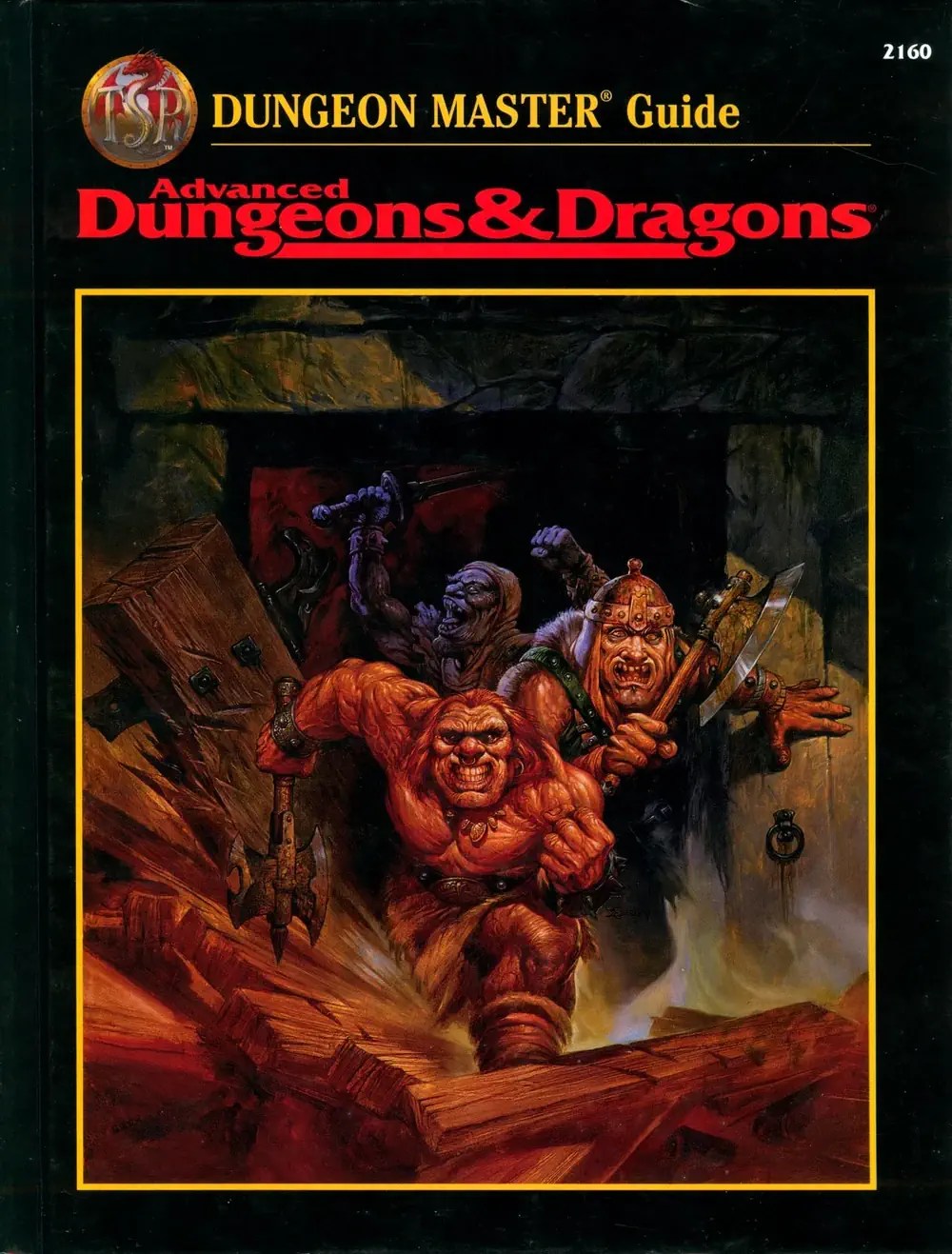
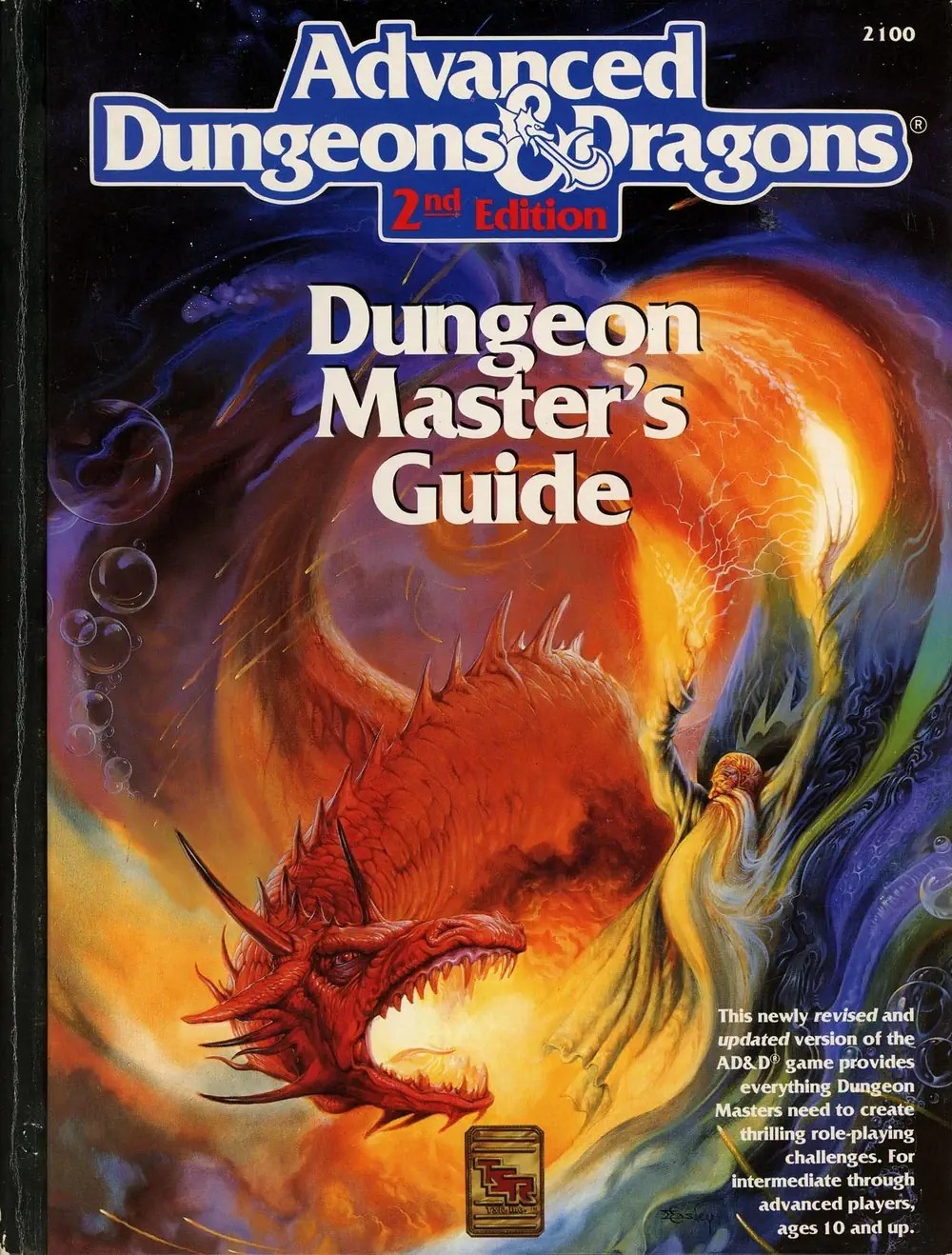
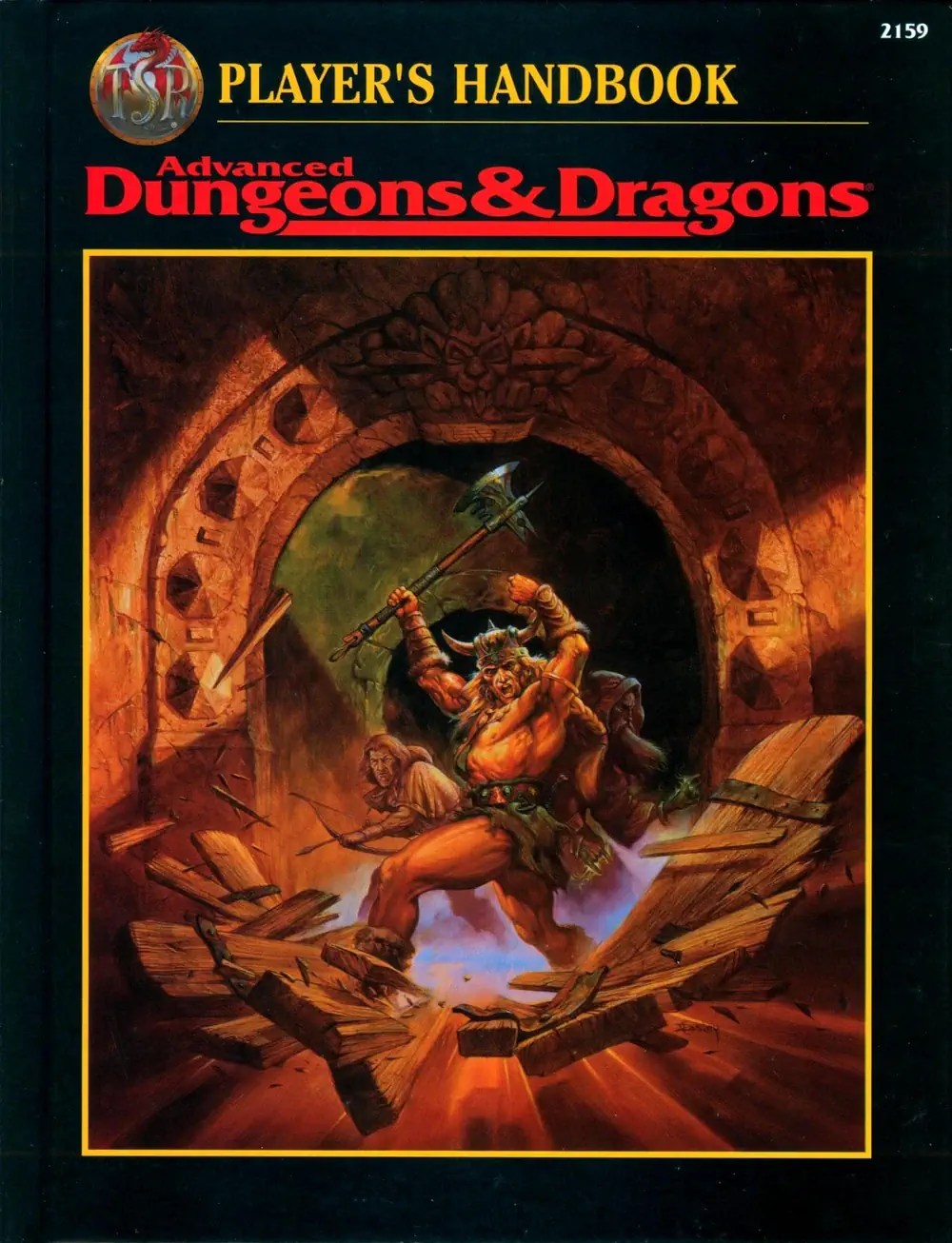
A more complex and detailed version that introduced more extensive rules and more options for characters. AD&D refined the game and offered deeper possibilities for storytelling. This edition laid the foundation for many of the classic campaigns and characters that are still loved today. - D&D 2nd Edition (1989)
Further expanded the game world and character development options and laid the foundation for numerous iconic campaigns. This edition deepened the lore and introduced many players to the classic settings. It also offered more flexibility and options for roleplaying, making it a favorite of many fans. - D&D 3rd Edition (2000)
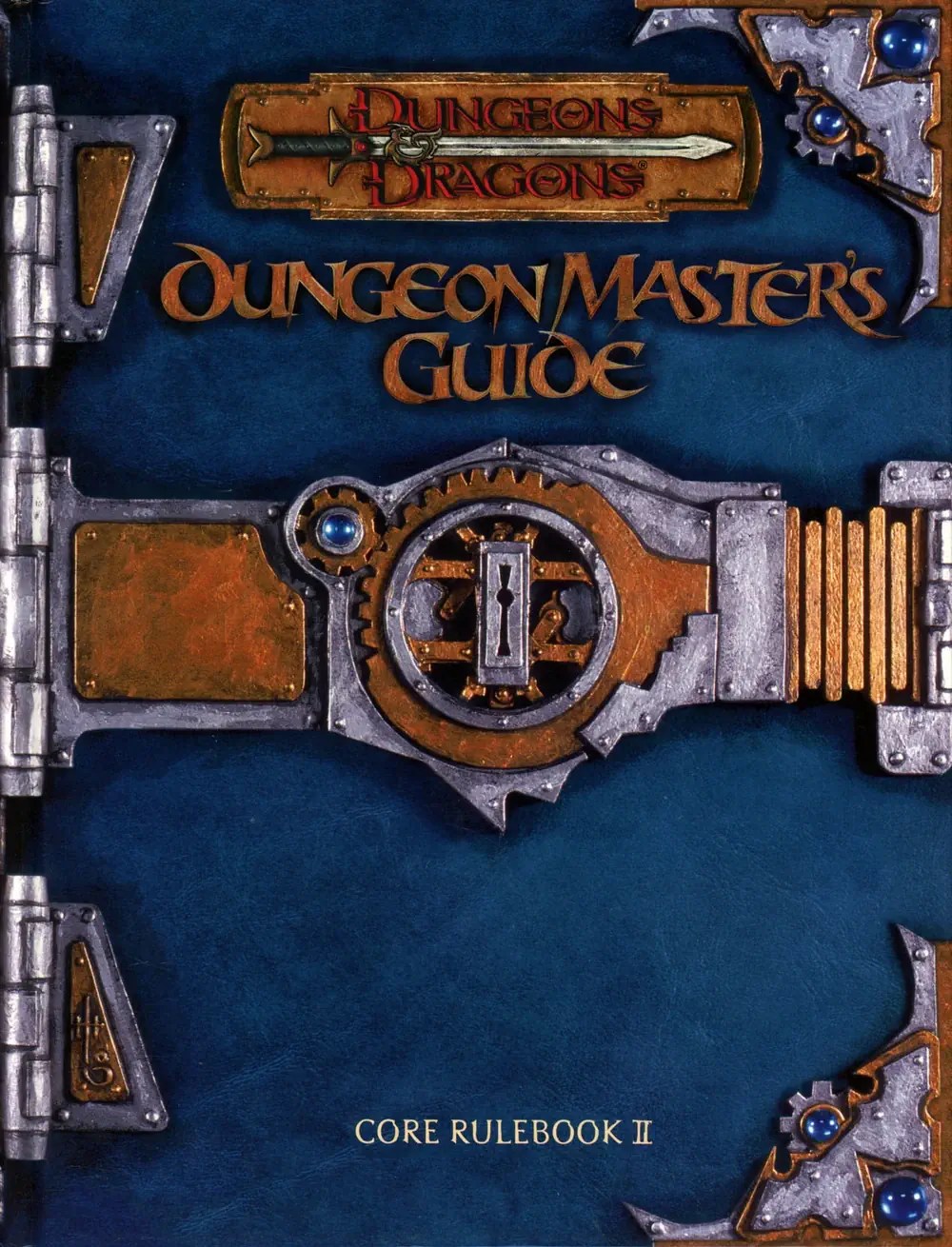
Introduced a revised rulebook and the Open Game License (OGL), which allowed third parties to develop their own content. This opened the door for a multitude of expansions and new ideas from independent developers, further enriching and diversifying the game system. - D&D 3.5 Edition (2003)
Fine-tuning and improvements to the third edition based on player feedback, further improving the system. This edition is known for its balance and detailed rules and remains popular with many players. - D&D 4th Edition (2008)
Emphasis on tactical combat and a structured play style that focused on balance and pace of play. This edition introduced a more videogame-like feel to the game, which drew both praise and criticism. It sought to make the game more accessible to a new generation of players. - D&D 5th Edition (2014)
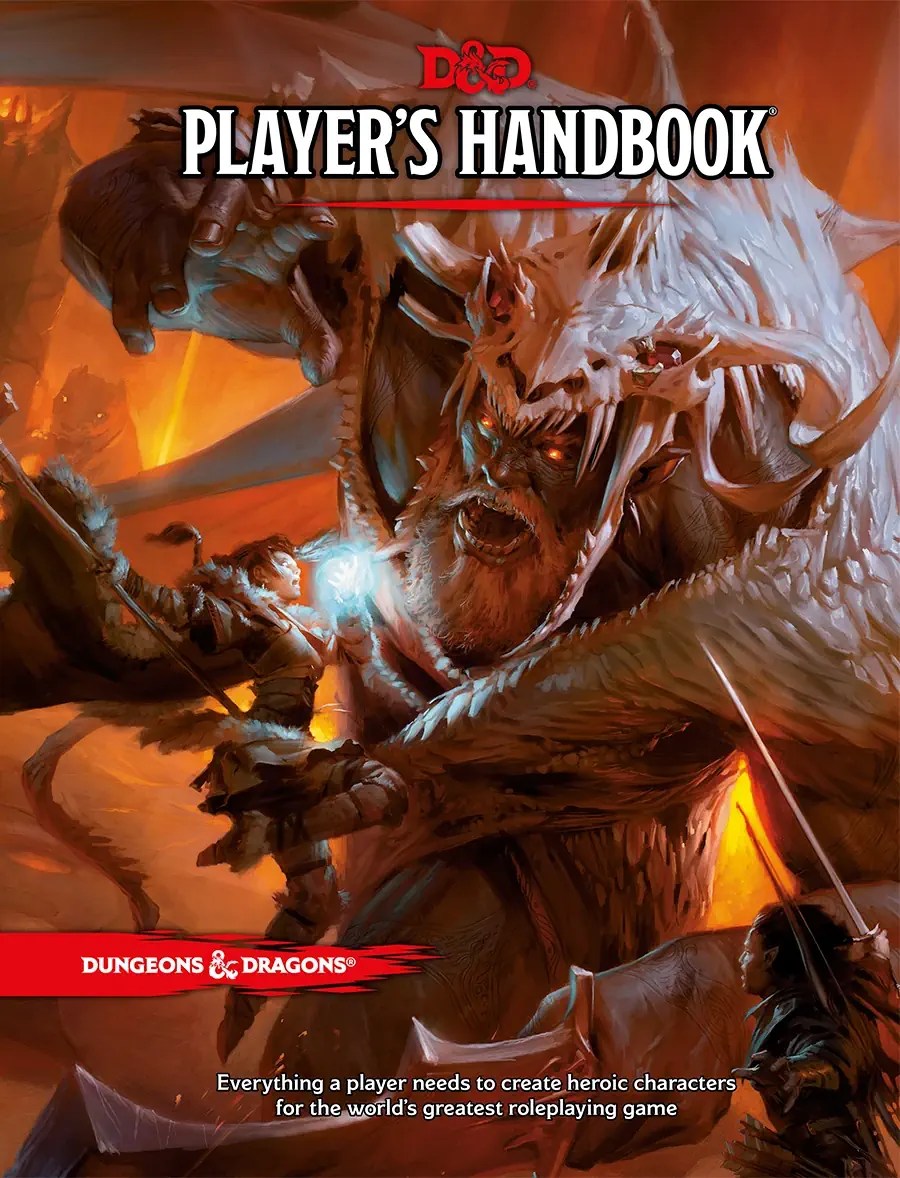
A simplified and more accessible version that focuses on narrative play and provides an immersive experience for both new and experienced players. This edition has appealed to a new generation of players for its balance and flexibility and is often praised for its successful combination of simplicity and depth.





Spinoffs
Dungeons & Dragons has spawned numerous spinoffs that expand the universe.
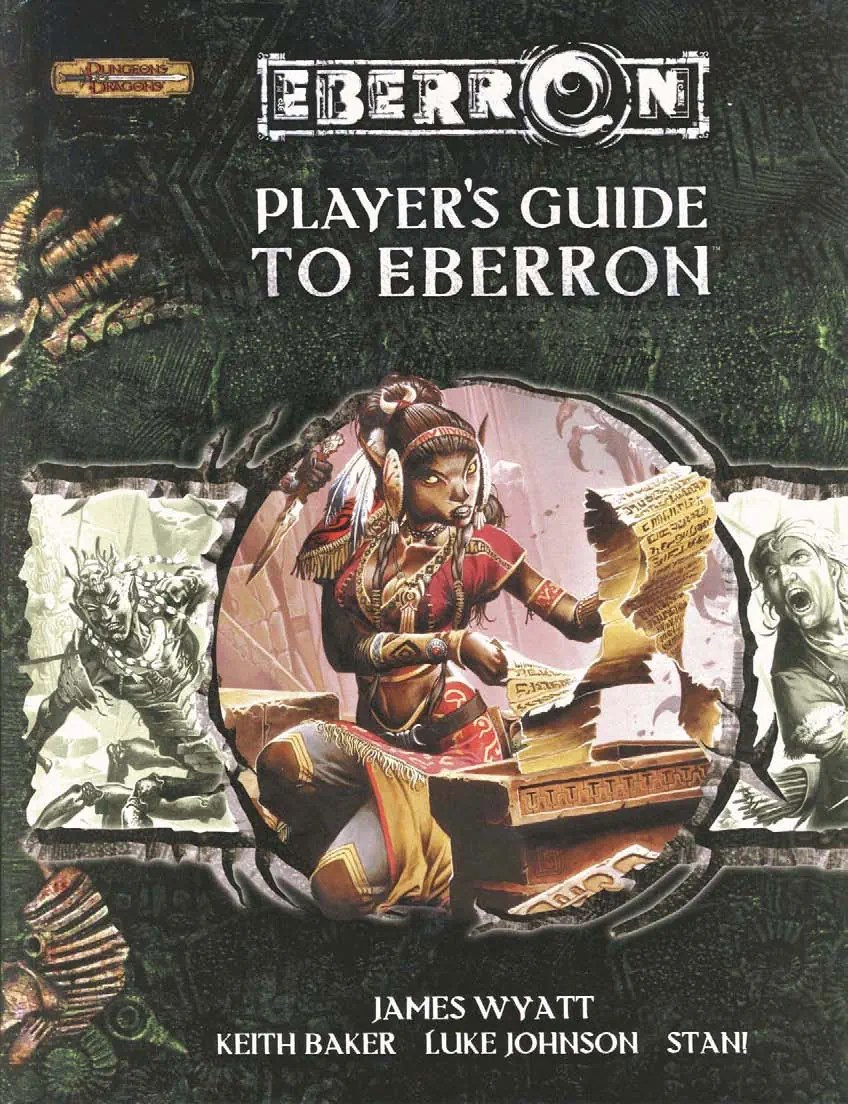
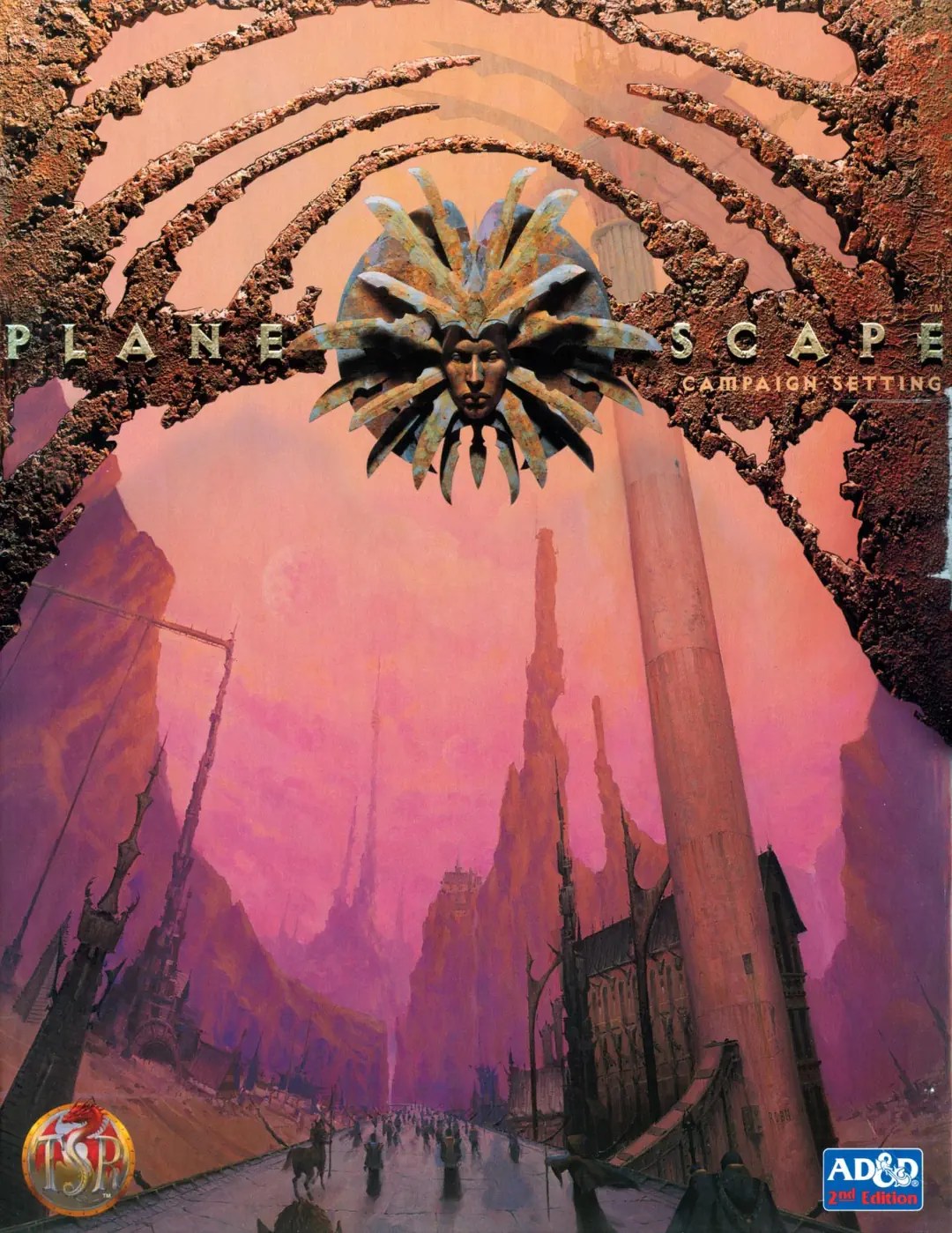
These include settings such as „Dark Sun“, a dark and brutal world where magic destroys the environment and survival conditions are harsh, and „Planescape“, which focuses on the different planes of existence and their connections. „Ravenloft“ takes players into a gothic horror setting, while „Eberron“ presents a world of technological wonder and magic that is very different from classic fantasy settings.
These spin-offs offer unique gameplay possibilities and their special themes and rules set them apart from the classic worlds by creating new challenges and atmospheres. They have developed their own cultures and fans, making the D&D experience even more diverse and exciting. The variety of spinoffs allows players to constantly discover new facets of the D&D worlds and embark on completely different adventures. These spinoffs enrich the D&D universe and offer the right setting for every type of player.


Other media
Video games

Dungeons & Dragons has inspired numerous video games, from classics like „Baldur’s Gate“ and „Neverwinter Nights“ to modern titles like „Divinity: Original Sin“. These games adapt the deep lore and complex mechanics of D&D for digital platforms.
They offer both single-player and multiplayer experiences that reflect the cooperative and narrative element of D&D. The video games expand the narrative possibilities and allow players to experience the worlds of D&D in new and interactive ways. These digital adaptations have made it possible to bring the magic of D&D to an even wider audience and explore new ways of playing and storytelling.
Books
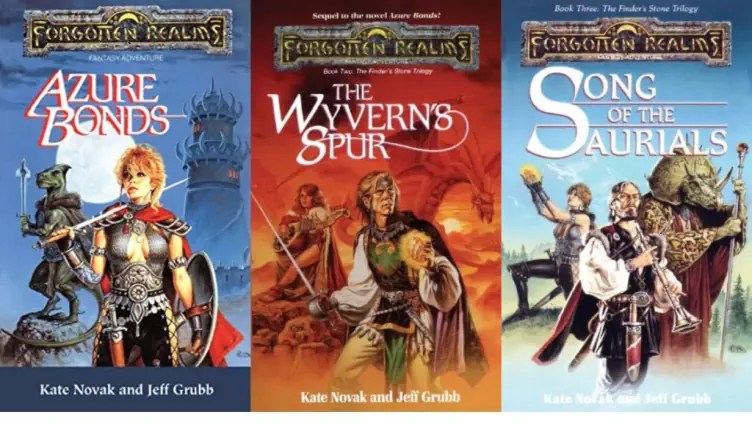
D&D novels, particularly the Dragonlance and Forgotten Realms series, have expanded and deepened the game’s stories and characters.
Authors like R.A. Salvatore and Margaret Weis have created memorable characters and epics that have delighted fans worldwide. These books have often developed their own fan bases and expanded the rich worlds of D&D even further. They offer readers the opportunity to delve deeper into the stories and get to know the characters in a way that transcends the game. These novels have enriched the mythology of D&D and popularized many of the iconic characters and stories.

Movies and series

While previous movie adaptations have not been the success that was hoped for, the new D&D movie adaptation is highly anticipated and has the potential to bring the magic and adventure of the game to the big screen. There are also animated series and documentaries that offer a deeper insight into the world of D&D and how it came to be.
These media help to make the D&D universe accessible to a wider audience and attract new fans. The planned film and television projects promise to transform the epic stories and rich lore of D&D into visually stunning and engaging narratives.
Controversy

Dungeons & Dragons has not always been without controversy. In the 1980s, the game came under fire in the USA, where it was accused of promoting occult and satanic content.
These accusations led to a moral panic that caused huge waves among the general public and the media. However, these accusations have largely been refuted.
Influence
The influence of D&D on pop culture and the gaming industry is enormous. Many modern role-playing games and video games are based on the mechanics and concepts developed in D&D.
Games such as „World of Warcraft“, „The Elder Scrolls“ and „Dragon Age“ show clear influences from D&D in their world design and game mechanics. In addition, the game has contributed to the popularization of fantasy literature and films and created a community that encourages creativity and collaboration.
Well-known authors and filmmakers have often cited D&D as an inspiration for their works, underscoring the game’s far-reaching cultural significance. D&D has managed to push the boundaries of role-playing and open up new avenues for creative storytelling and collaborative experiences.
The principles and mechanics of D&D have influenced the structure of many modern games and stories, leaving a lasting impression on the world of entertainment. D&D has inspired generations of gamers and fundamentally changed the way stories are told and experienced.


Future
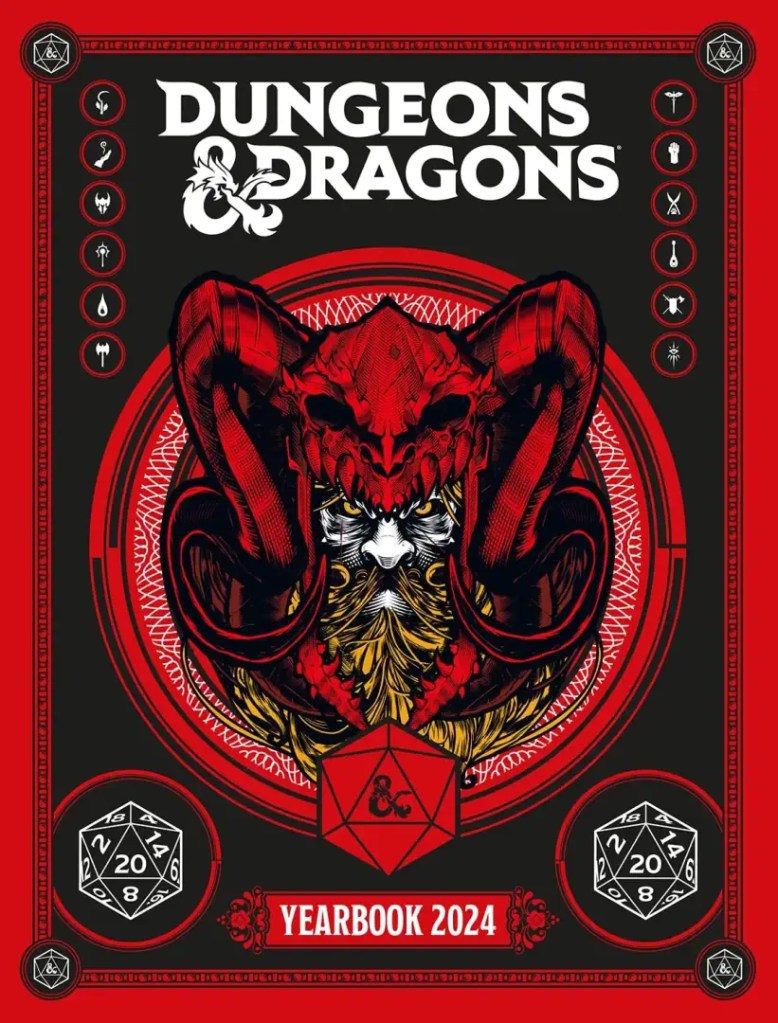
The future of Dungeons & Dragons looks promising. With the growing popularity of tabletop role-playing games and the continued support of publisher Wizards of the Coast, D&D will continue to inspire new players and offer innovative ways to play.
Planned releases and adaptations for digital platforms show that D&D is ready to evolve and shape the next 50 years. Inclusive and diverse content is also increasingly being promoted to expand and diversify the gaming community. The integration of new technologies such as virtual reality and augmented reality could further revolutionize the gaming experience and open up new dimensions of role-playing.
The community remains active and influential, and future developments will certainly be shaped by the creative impulses and feedback from players.
The ongoing innovation and commitment of the game developers and the community suggest that D&D will continue to play a central role in role-playing games in the future. D&D will continue to capture the imagination of millions of people and serve as one of the most important platforms for creative and cooperative play.
Summary
Dungeons & Dragons celebrates half a century of adventure, creativity and community. From its humble beginnings to a cultural phenomenon, D&D has inspired millions and revolutionized the world of role-playing games.
With a firm eye on the future, Dungeons & Dragons remains a beacon of imagination and shared storytelling. As the game evolves and adapts, its core – the joy of storytelling and experience – remains unchanged.
The continued evolution and lasting influence of D&D will ensure that the game continues to capture the hearts and minds of players around the world. By balancing tradition and innovation, D&D will continue to capture the imagination of new generations and create unforgettable experiences.
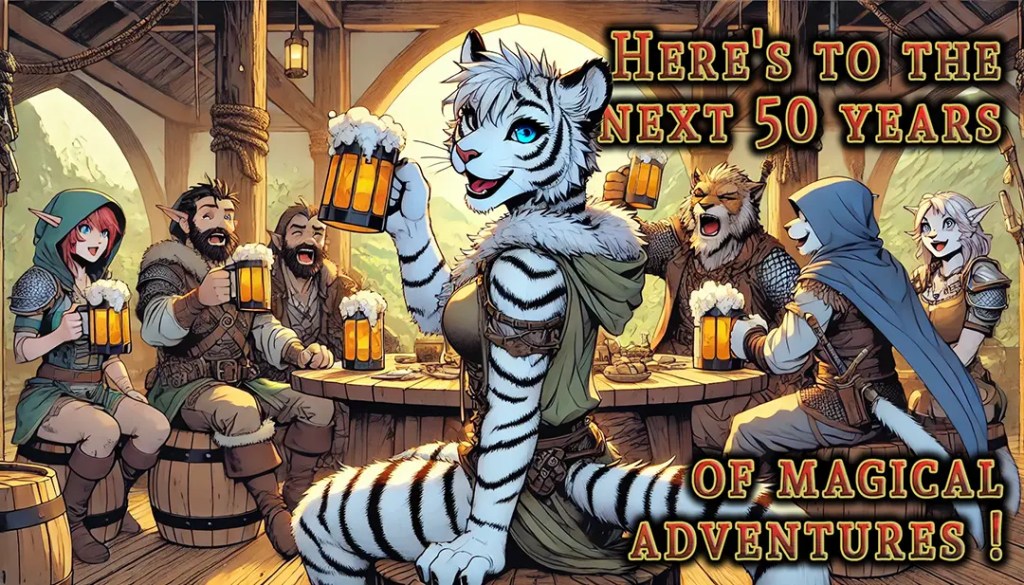
Here’s to the next 50 years of magical adventures!






 McHenry's Lair
Kommentar verfassen :