

You all are certainly the most distinguished group of highway scofflaws and degenerates ever gathered in one place, and we gonna have a lot of fun. Of course, you know certain skeptics note that perhaps 10,000 of the nation’s most elite highway patrolmen are out waiting for us after we start, but let’s think positively. Think of the fact that there is not one state in the 50 that has the death penalty for speeding, although I’m not so sure about Ohio.
Full Throttle at the Movies
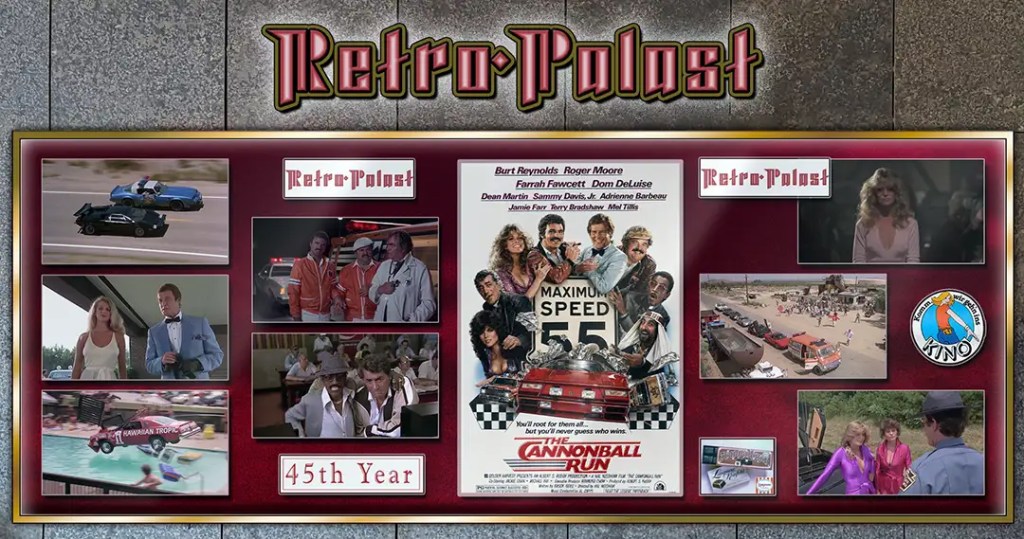
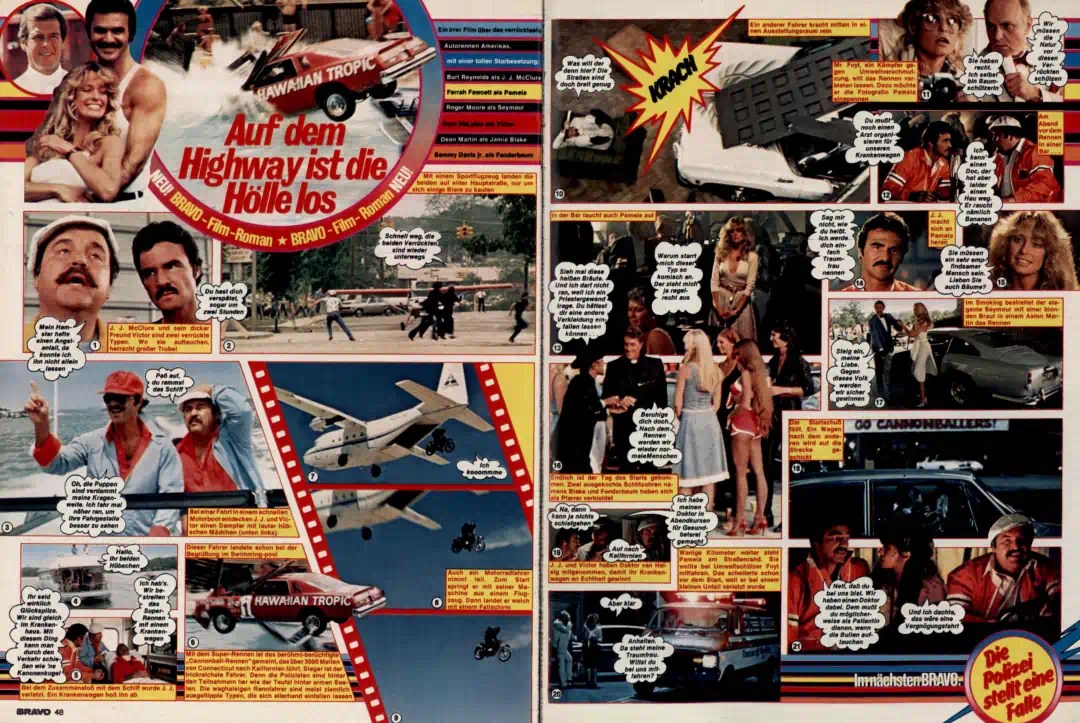
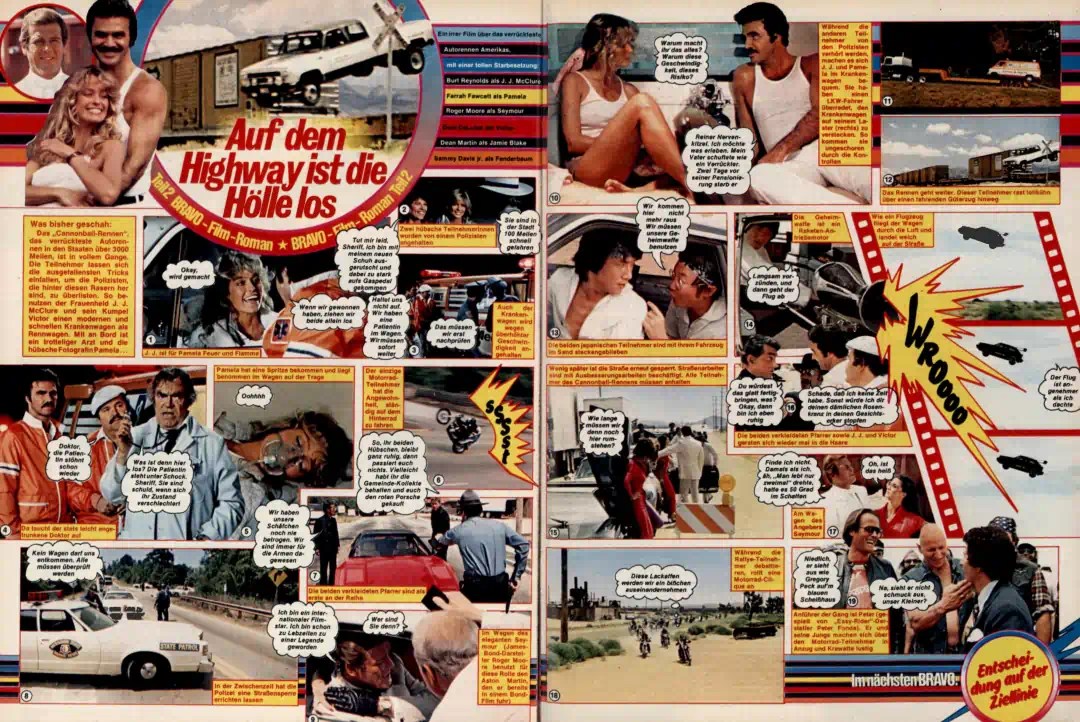
When The Cannonball Run hit theaters in 1981, the film was less a classically structured feature film than a big, raucous invitation to a celebrity gathering on four wheels. Director Hal Needham, a former stuntman himself and already known for his collaboration with Burt Reynolds, relied on a mix of car stunts, slapstick, puns, easygoing star chemistry, and an almost anarchic pace. The film felt like a party where cameras just happened to be rolling: a bit of a racing movie, a bit of a road movie, a bit of a variety show, and a whole lot of 1980s Hollywood.
At the center of the story is an illegal race across the United States, inspired by the real-life Cannonball Baker Sea-to-Shining-Sea Memorial Trophy Dash. This real, unauthorized long-distance race was less a sporting event than a legend: whoever got from the East Coast to the West Coast the fastest won, no matter what route, tricks, or cover were used. The film captures precisely this spirit in a comedy that cares little for logic but a great deal for speed, egos, the roar of engines, and grotesque characters.
The fact that The Cannonball Run is still remembered today isn’t due to cinematic elegance or deep character development. The film is more of a time capsule: it shows what kind of entertainment could resonate with a mass audience in the early 1980s. A superstar like Burt Reynolds, an early Hollywood appearance by Jackie Chan, a James Bond actor parodying himself, Dean Martin and Sammy Davis Jr. as fake clergymen, plus Lamborghinis, ambulances, motorcycles, and police cars: The whole thing is less a plot than a spectacle of familiarity.
Racing Without Rules
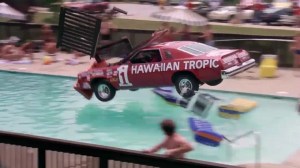
The plot is quickly explained, which already reveals a lot about the film. Various teams compete in an illegal car race across America. The goal is to be the first to reach the West Coast. There are hardly any rules; on the contrary, the characters thrive on breaking rules, outwitting police officers, and sabotaging their competitors. The Cannonball participants aren’t professional race car drivers in the traditional sense, but rather eccentrics, show-offs, con artists, daredevils, and comedians in disguise.
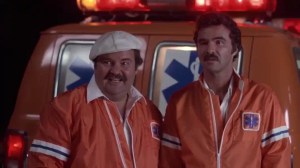
Burt Reynolds plays J. J. McClure, a charming adventurer who competes alongside Victor Prinzim, played by Dom DeLuise. Their vehicle is an ambulance, since an emergency vehicle seems less suspicious on the highways and can get through police checkpoints more easily. Their cover also includes a strange doctor, played by Jack Elam, as well as Pamela Glover, portrayed by Farrah Fawcett, who gets swept up in the chaos and serves as a supposed patient.
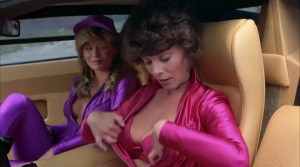
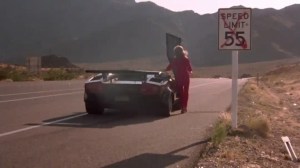
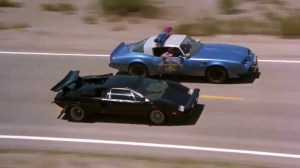
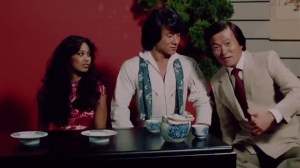
At the same time, the film follows numerous other teams. Roger Moore plays Seymour Goldfarb Jr., a man who thinks he’s Roger Moore, thus offering an ironic take on his own James Bond persona. Dean Martin and Sammy Davis Jr. pose as priests, although their characters seem anything but holy. Adrienne Barbeau and Tara Buckman drive a Lamborghini Countach and deliberately use their appearance to confuse police officers. Jackie Chan and Michael Hui compete in a technologically souped-up Subaru, which at the time seemed like a futuristic gimmick.
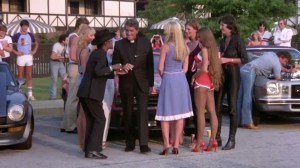
The plot unfolds in an episodic manner. Instead of a continuous arc of suspense, there are skits, car chases, brawls, breakdowns, disguises, and verbal sparring. Time and again, the film jumps from one team to another. The race serves as the framework, but not necessarily the actual content. It acts as a pretext to put as many stars as possible into the most absurd situations. This creates a laid-back, sometimes chaotic rhythm that is more reminiscent of a variety show than a strictly structured feature film.
Stars Behind the Wheel
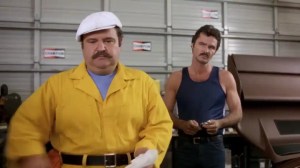
The film’s greatest asset is its ensemble cast. Burt Reynolds was one of the most popular American movie stars at the time. His trademark was a mix of macho demeanor, self-deprecating humor, and a broad grin. In The Cannonball Run, he plays less a character than a variation on his public persona: the cool, slightly cocky, but likable daredevil who always seems to know that none of this is to be taken too seriously.
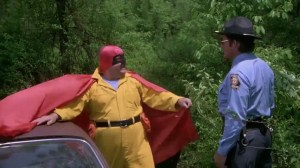
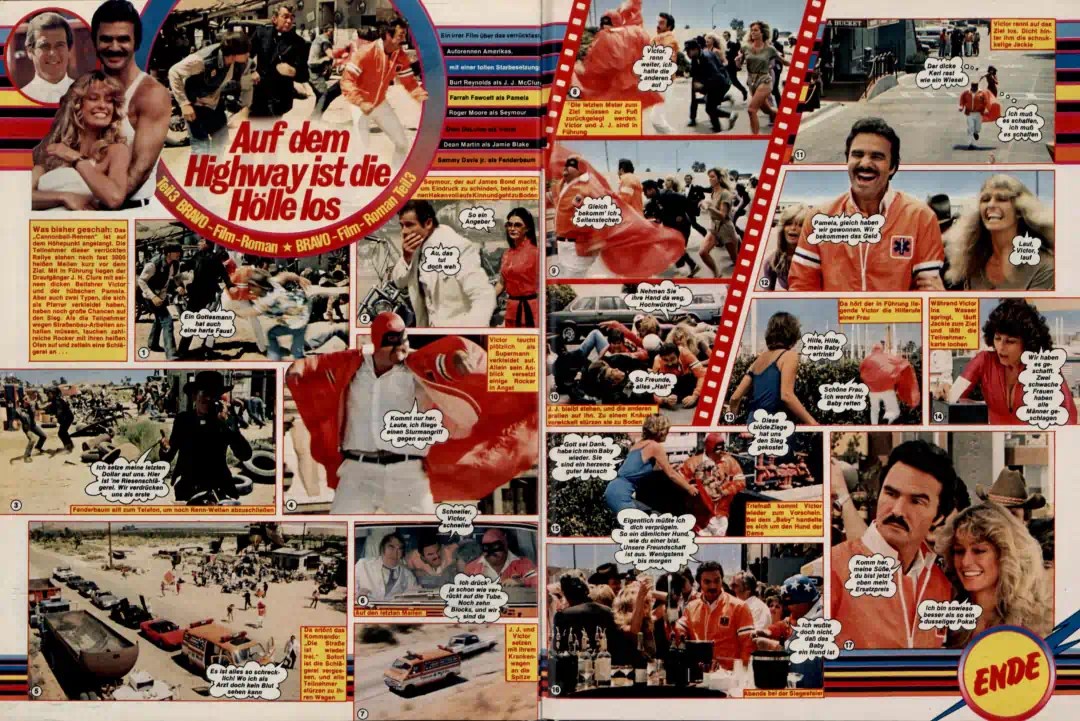
Dom DeLuise provides the comedic counterpoint. His character, Victor Prinzim, is nervous, hyperactive, and transforms into his alter ego, Captain Chaos. These scenes are among the film’s slapstick moments and demonstrate how heavily The Cannonball Run relies on physical comedy and spontaneous energy. Reynolds and DeLuise work so well together primarily because of their timing and shared enthusiasm for the performance.
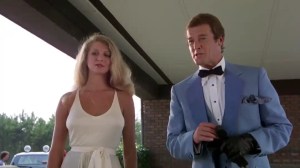
Roger Moore is one of the most interesting casting choices because he parodies his own Bond persona. His character, Seymour Goldfarb Jr., drives an Aston Martin, flaunts a Bond-like demeanor, and speaks as if he’s landed in a spy movie, even though a silly racing comedy is unfolding all around him. In this way, the film plays early on with a form of star self-irony that later became much more common in Hollywood.
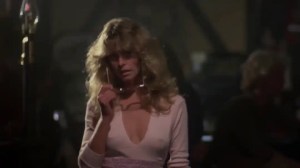
Farrah Fawcett brings glamour to the film, but remains trapped in a role that seems far more problematic today. Pamela is less of an independent character than a romantic and comedic object within the film’s male fantasy. Adrienne Barbeau and Tara Buckman, too, are heavily staged based on their appearance. This reflects the tone of many mainstream comedies at the time, but from today’s perspective, it is one of the ways in which the film has visibly aged.
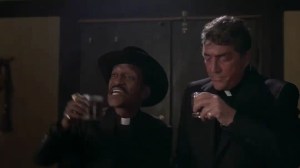
Dean Martin and Sammy Davis Jr., on the other hand, bring Rat Pack flair to the film. Their performances rely on the audience already being familiar with the stars. Jackie Chan may not be as central a figure as Reynolds or Moore, but in retrospect, he is particularly noteworthy. His performance blends the American car comedy genre with Hong Kong cinema and martial arts energy. In a fight scene, he already displays the physical control and acrobatic precision that would later become his trademark worldwide.
Interesting Background Facts and Details
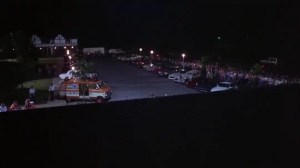
One of the most exciting aspects of The Cannonball Run is how closely it follows the real-life event. Screenwriter Brock Yates was not only an observer but also a co-founder and participant in the real Cannonball Races. Several of the film’s ideas are based on actual experiences. The ambulance stunt, in particular, isn’t purely a figment of the screenplay but has a real-life basis. This blend of car culture, legend, and Hollywood exaggeration gives the film its special charm.
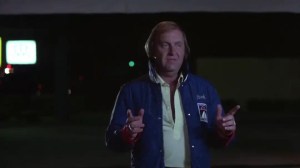
Hal Needham’s background as a stuntman also shapes every minute of the film. The camera is often more interested in vehicles, collisions, speed, and physical gags than in dramatic dialogue. Needham was not a director of subtle nuances, but a craftsman of spectacle. His films often feel like extensions of a stunt show: what matters is that something crashes, skids, jumps, is chased, or spirals out of control.
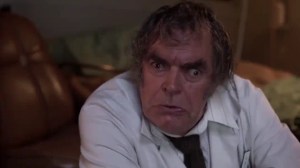
The outtakes during the credits are also famous. At the end, you see flubbed lines, fits of laughter, and botched takes. This sequence reinforces the impression that the film was one big, camaraderie-filled production party. For many viewers, these bloopers are even among the funniest moments in the film. They show the stars not as perfect screen characters, but as people who stumble over their lines, laugh, and let their roles slip away.
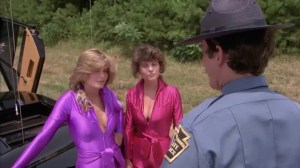
The film is also full of cameos and small appearances. Peter Fonda appears as a biker leader, which is a nod to his role in Easy Rider. Racing driver A. J. Foyt also makes an appearance. Such moments were easier for audiences at the time to appreciate than they are for today’s viewers. The Cannonball Run relies heavily on celebrity: the more familiar you are with the faces, careers, and images of those involved, the more the jokes land.
Reviews at the Premiere
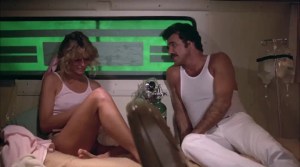
Reviews upon release were overwhelmingly negative. Many reviewers did not see the film as a real feature film, but rather as a loose string of celebrity cameos and silly situations. Particular criticism was directed at the thin plot, the one-dimensional characters, and the impression that the cast had more fun filming than the audience in the theater. Roger Ebert was particularly harsh in his assessment, noting a lack of suspense, a lack of plot, and comedy that rarely landed.
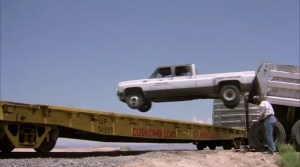
Other reviews were also skeptical. Some saw The Cannonball Run as an example of Hollywood prioritizing star power over script quality. The cast was massive, the premise easy to market, the stunts eye-catching, but the cinematic substance was minimal. For critics looking for structure, timing, and original comedy, the film had little to offer. It was loud, broad, self-satisfied, and often very sloppily told.
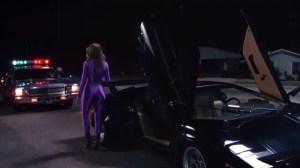
At the same time, there were also more lenient voices. Some reviewers acknowledged that, within its own limited framework, the film was certainly entertaining. Those who liked car comedies, slapstick, and star-studded casts got exactly that. The film promised neither elegance nor depth. It promised pace, famous faces, chaos, and a few laughs. In this respect, it was more honest than many other commercial productions.
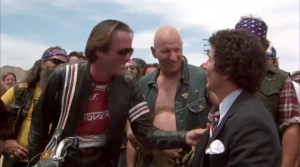
The contrast between critics and audiences is crucial. Despite poor reviews, The Cannonball Run became a huge box-office hit. This shows that the film struck a chord. In 1981, many viewers apparently didn’t want a perfect comedy, but rather an uncomplicated spectacle featuring well-known stars. From a critical perspective, the film was weak; as a crowd-pleaser, it worked brilliantly. It was precisely this tension that later gave rise to its cult status.
Traces of Pop Culture
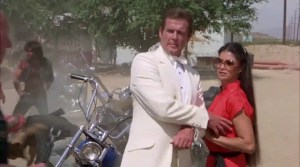
The cultural influence of The Cannonball Run is greater than its cinematic quality would suggest. First, it cemented the image of illegal, crazy, no-holds-barred street racing as a pop myth. Although there had been films about similar races before—such as The Gumball Rally—The Cannonball Run made the idea particularly appealing to the masses. The race was not portrayed here as realistic motorsports, but as a fantasy of freedom, trickery, and childlike frenzy.
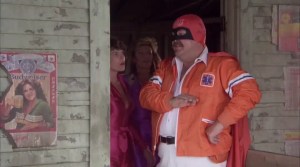
The film is also part of a series of car comedies that were popular in the late 1970s and early 1980s. Along with films like Smokey and the Bandit, it represents a phase in which mainstream American cinema celebrated the smell of gasoline, country roads, CB radio, police chases, and anti-authoritarian humor. The heroes of these films were rarely moral paragons, but they embodied a desire to break free from the rules.
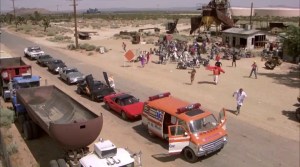
Particularly interesting is its influence on video games. Sega’s Out Run from 1986 took up the dream of fast, stylish driving and transformed it into an arcade experience. It wasn’t about realistic racing, but about a feeling: open road, a beautiful car, music, scenery, and speed. In this respect, something of the spirit of The Cannonball Run lives on in later racing game culture.
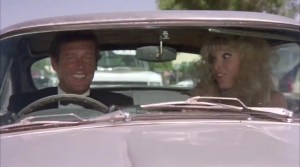
The outtakes in the end credits also left their mark. Jackie Chan later made such blooper and stunt-go-wrong sequences a trademark of many of his films. In Chan’s films, these outtakes often served a dual purpose: they were funny, but they also highlighted the danger and effort behind his stunts. The Cannonball Run wasn’t solely responsible for this tradition, but the film played a key role in popularizing it.
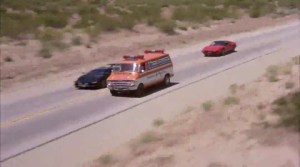
Today, The Cannonball Run is often viewed with nostalgia. Many fans remember less the individual lines of dialogue than the overall vibe: Sunday afternoons on TV, VHS tapes, absurd characters, the Lamborghini at the beginning, Captain Chaos, and the laughing end credits. At the same time, it’s more noticeable today just how much the film is shaped by outdated gender stereotypes, ethnic clichés, and a carefree attitude toward risky driving. Its cult status is therefore not without ambivalence.
Conclusion with Tire Smoke
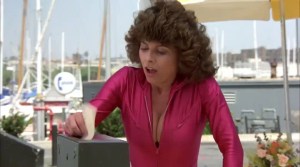
The Cannonball Run is not a great film in the classical sense. It’s messy, episodic, often flat, and dramaturgically weak. Many of the jokes have aged poorly, some character portrayals seem uncomfortable today, and anyone expecting a tightly told racing comedy will likely be disappointed. The film thrives not on precision, but on exuberance.
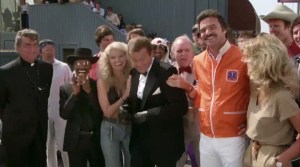
That’s precisely why it remains interesting. It showcases a Hollywood that was still heavily driven by star power, stunt work, and the energy of loose improvisation. Burt Reynolds, Dom DeLuise, Roger Moore, Farrah Fawcett, Dean Martin, Sammy Davis Jr., and Jackie Chan don’t appear in a finely balanced screenplay, but rather in a cinematic carnival. You can criticize that, but you can also understand why it worked in 1981.
Its appeal lies in the mix of real racing legend and unbridled exaggeration. The Cannonball concept taps into a simple dream: get in, drive off, forget the rules, and be faster than everyone else. The film transforms this dream into a raucous comedy that barely takes itself seriously. This doesn’t make it elegant in terms of film history, but it is revealing from a cultural-historical perspective.
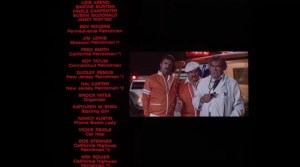
In the end, The Cannonball Run is a cult film despite its weaknesses—perhaps even because of them. It’s chaotic, vain, silly, and sometimes surprisingly sluggish, but it possesses an energy that’s hard to fake. Like an old, much-too-loud car, it doesn’t always start smoothly, but when it’s running, you understand why some viewers still love to hop in decades later.
More
Trailer
External links
Notice Regarding Image Rights and Copyrighted Material
All images, film stills, posters, logos, trailer excerpts and other copyrighted materials used in this article are used solely for editorial reporting, film criticism, review and illustrative purposes related to the respective content.
Unless otherwise stated, all copyrights, trademark rights and other intellectual property rights in the materials used remain with their respective rights holders, including film studios, distributors, production companies, photographers, artists or other licensors.
The materials are used in good faith and with regard to applicable legal limitations, licence terms and source attributions. If, despite careful review, any rights have been infringed or any attribution is incomplete, please contact me. Upon review, the relevant content will be removed or corrected promptly.








 McHenry's Lair
Kommentar verfassen :