


The issue’s not whether you’re paranoid,
Lenny, I mean look at this shit,
the issue is whether you’re paranoid enough.
A film of its time and yet ahead of its time
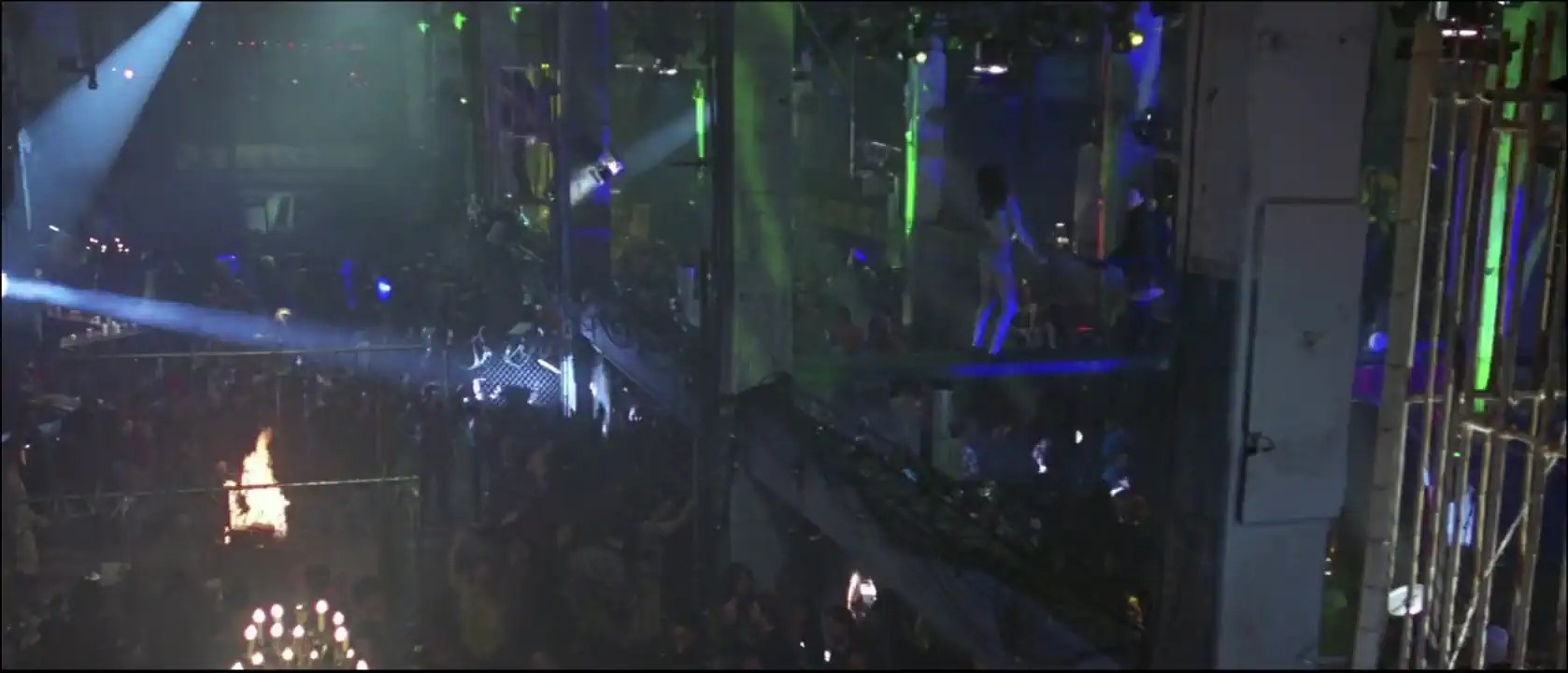
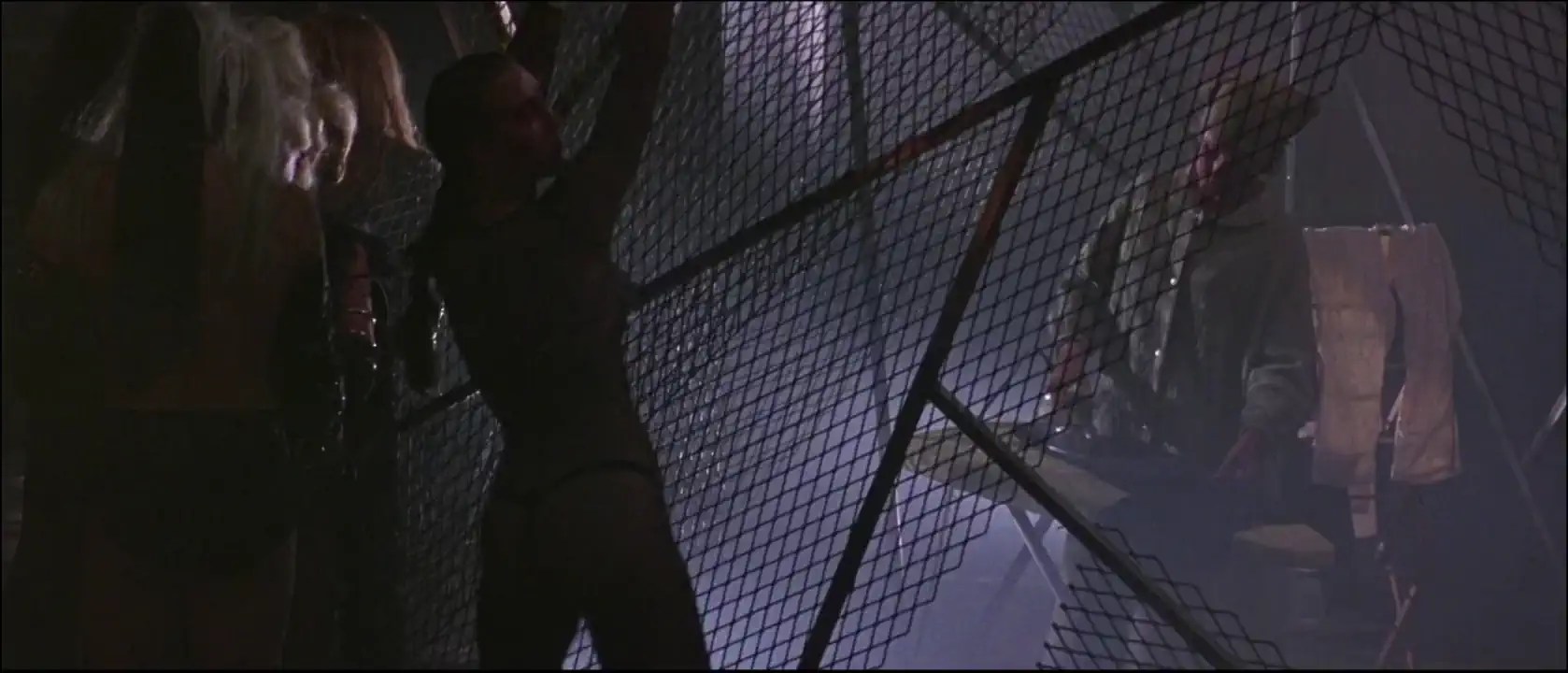
Strange Days is a dystopian science fiction thriller from 1995, directed by Kathryn Bigelow and produced and co-written by James Cameron. The film combines elements of cyberpunk, crime thriller, and neo-noir to create a bleak, fear- and technology-fueled Los Angeles on the eve of the new millennium, where social tensions and distrust of the police and politicians are constantly on the rise. From the very first minutes, the film creates an oppressive atmosphere marked by urban violence, isolation, and creeping moral decay.
Although the film flopped at the box office, it later became a cult classic because it raised questions about technology, voyeurism, racism, and social decay that seem more relevant today than ever. Bigelow shows a Los Angeles that is fictionalized and exaggerated, but at the same time reflects our real fears of surveillance, data misuse, and escape into artificial worlds. Particularly impressive is how the film critically reflects on the human longing for experience and loss of control, while presenting a morally ambivalent main character.
Visually, “Strange Days” also broke new ground, venturing into experimental camera angles that were groundbreaking at the time. The elaborate “first-person” shots, which catapult the viewer directly into the minds of the characters, created a feeling of immediate involvement and made the film a kind of pioneer for immersive media experiences. With its blend of technical innovation, dark social commentary, and emotional depth, Strange Days became a work that went far beyond a conventional thriller and has proven to be remarkably visionary in retrospect.
Plot
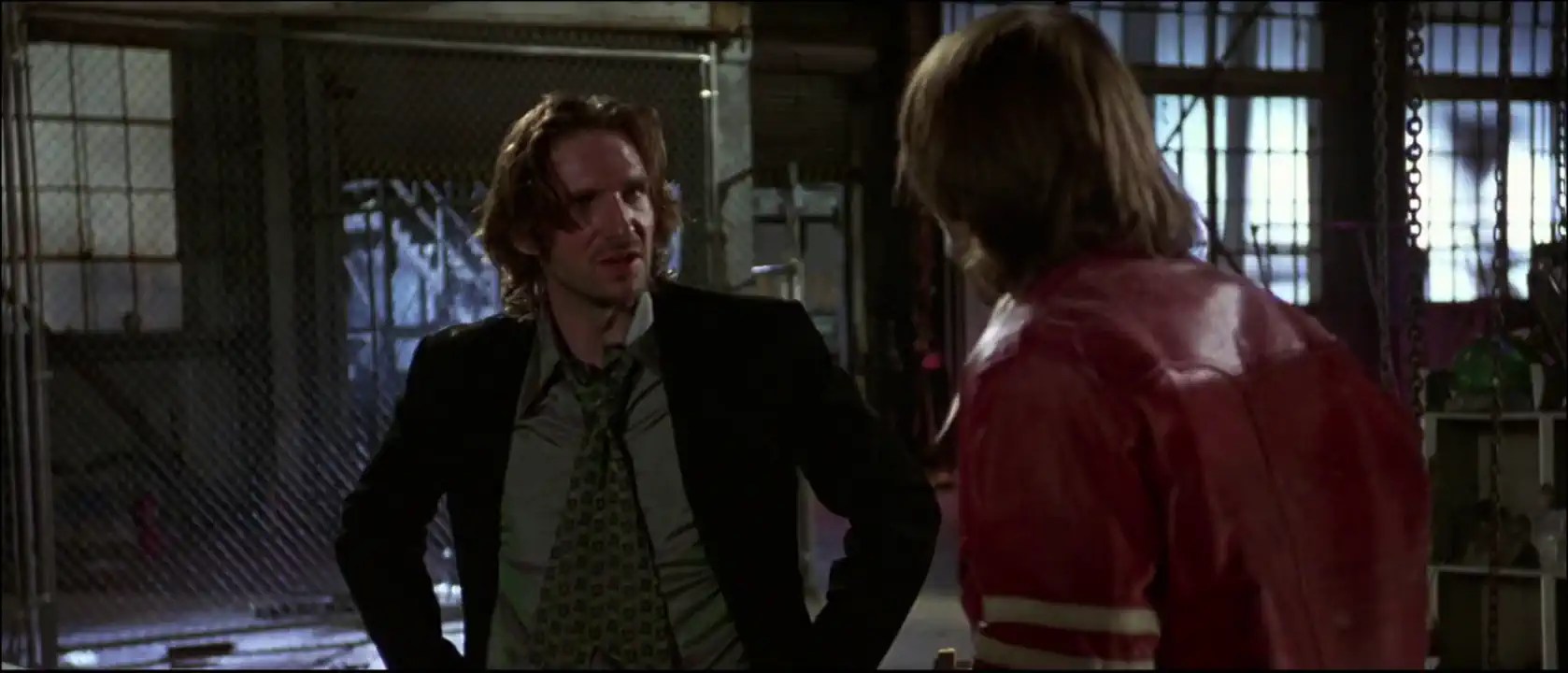
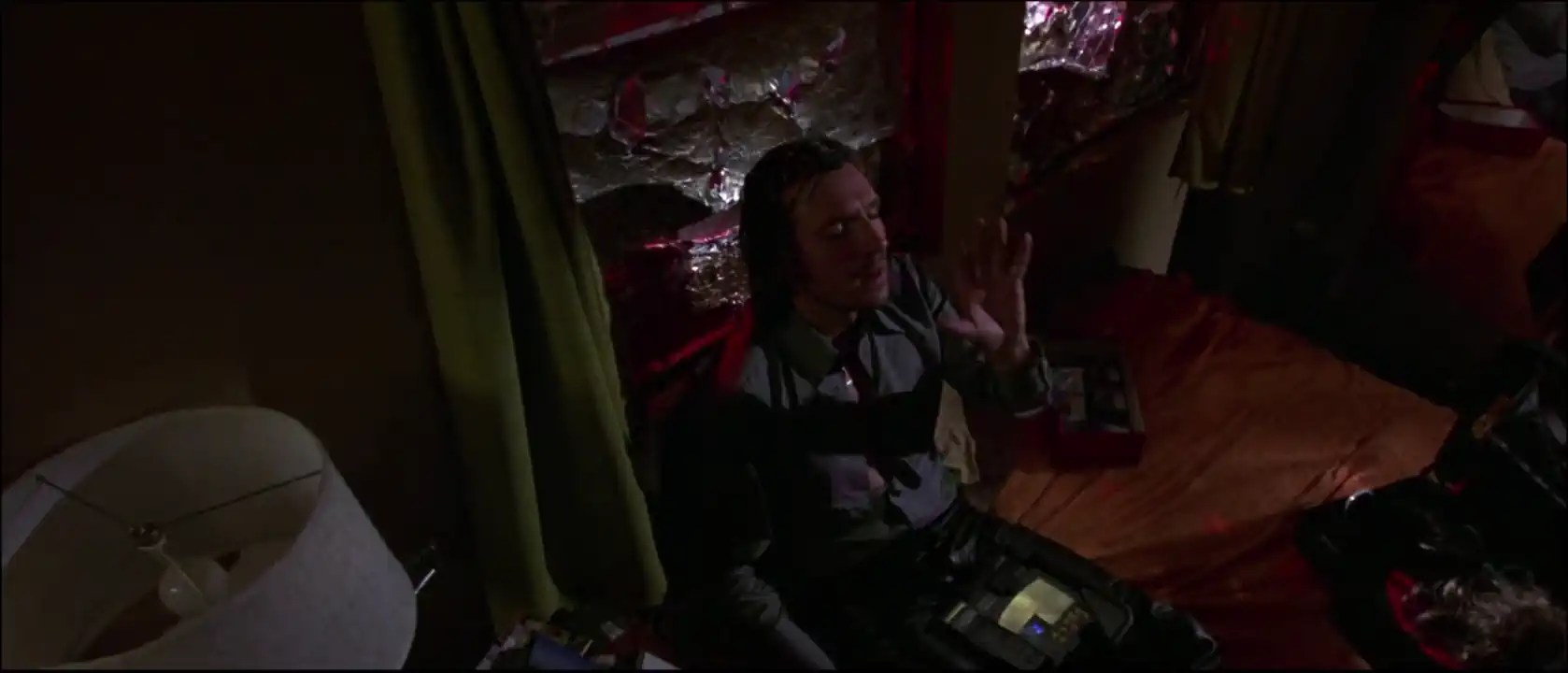
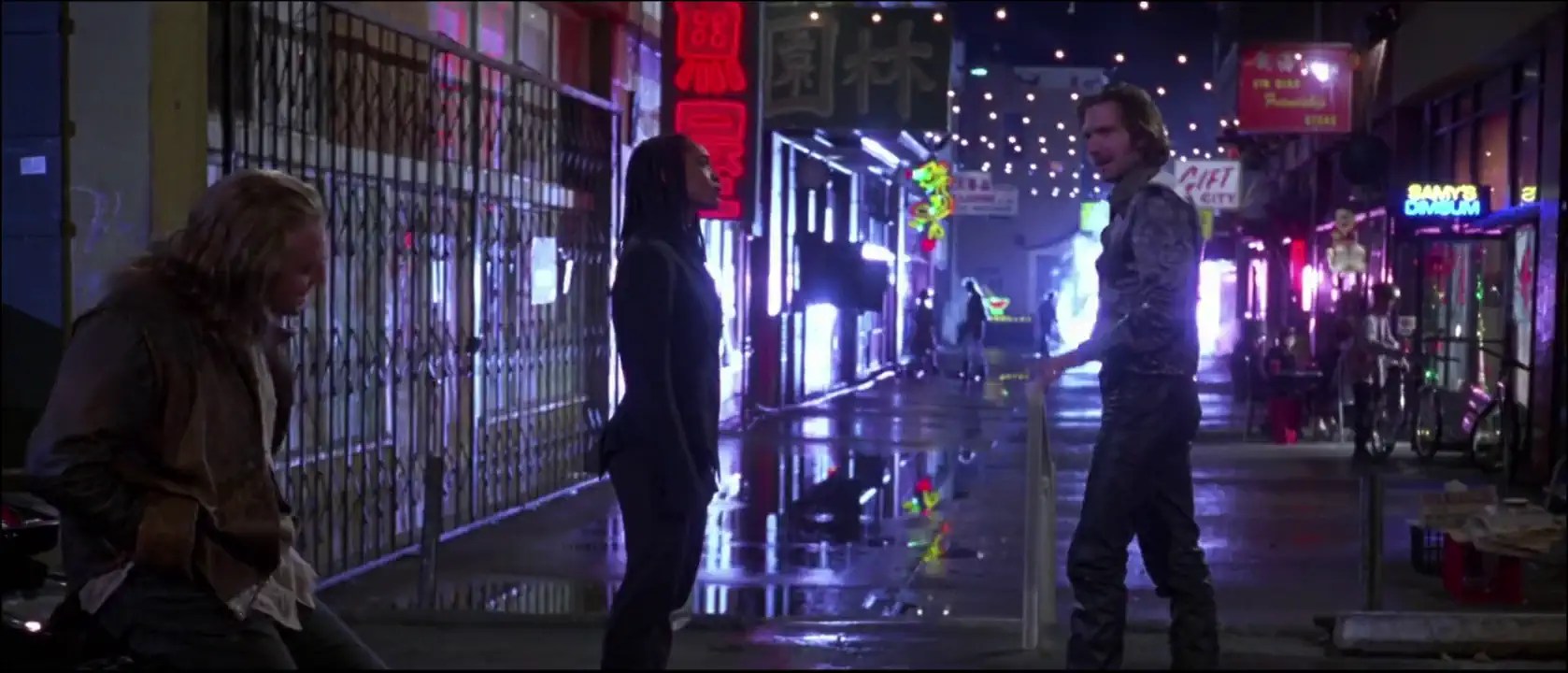
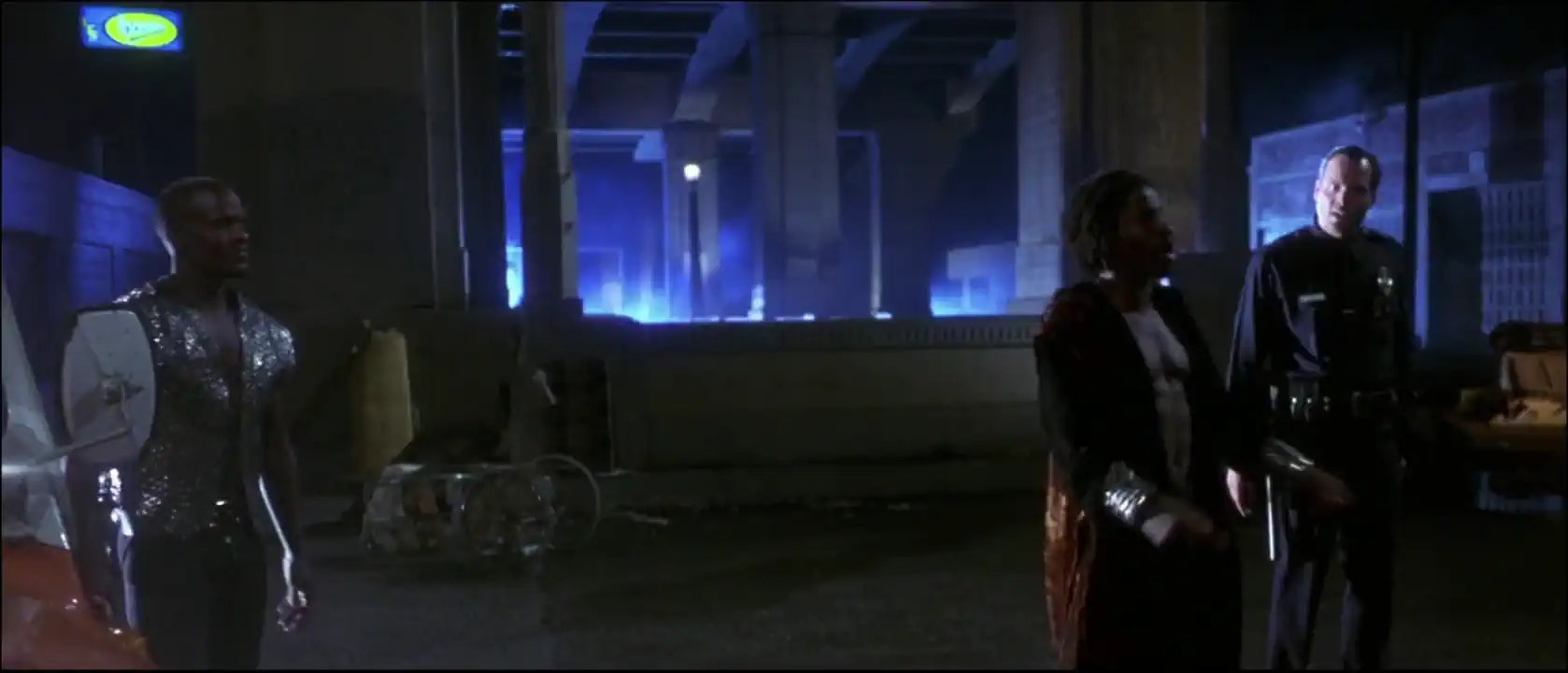
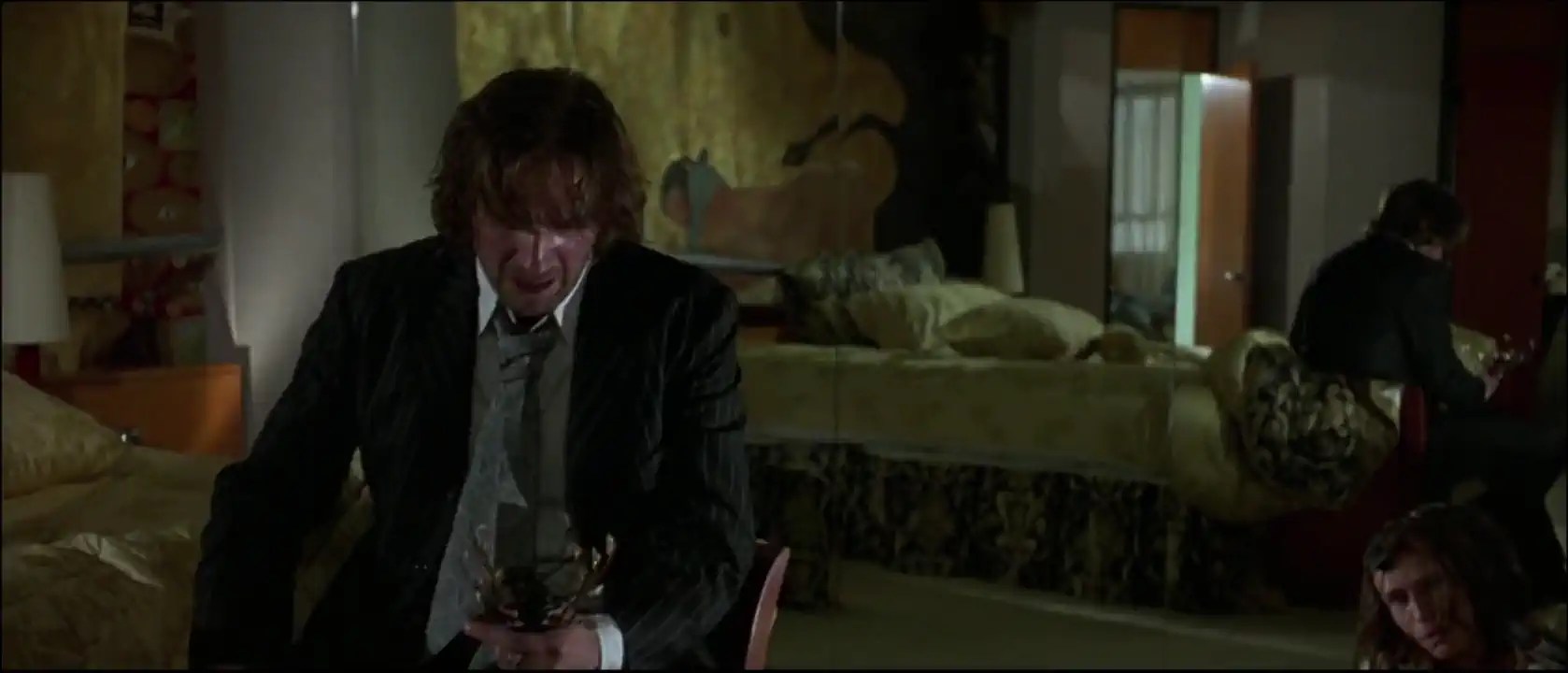
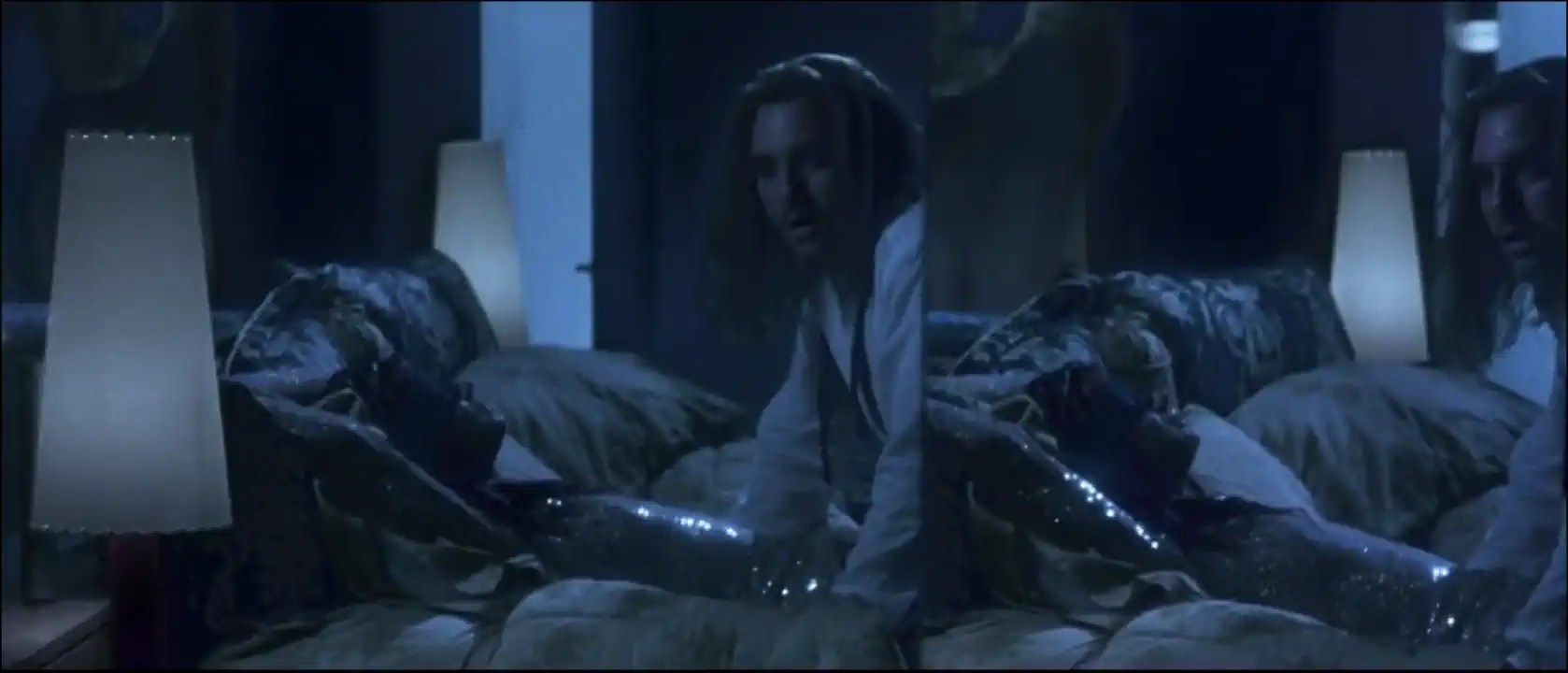
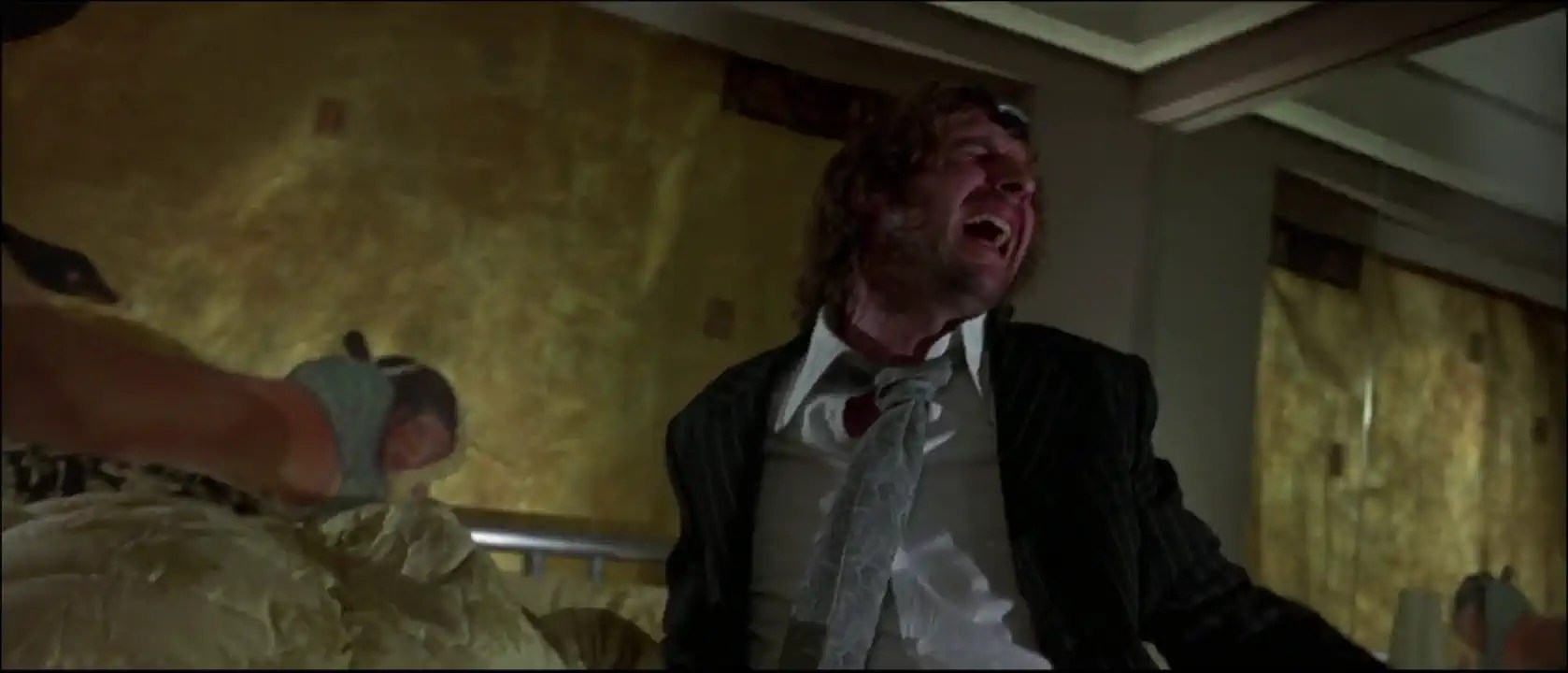
The story is set in Los Angeles in 1999, shortly before the millennium, at a time when the city is marked by corruption, increasing violence, and a general sense of disorientation. Political tensions, social injustice, and fear of the approaching turn of the millennium create an electrifying, almost apocalyptic atmosphere. At the center of it all is Lenny Nero (Ralph Fiennes), a former police officer who has fallen by the wayside after being dismissed from the force and now works as an underground dealer of so-called SQUID recordings. These illegal devices allow users to experience other people’s sensory impressions, feelings, and memories as if they were their own—the ultimate thrill for adrenaline junkies, voyeurs, and anyone who wants to escape the bleak reality. The recordings are raw material of human experiences: pain, pleasure, fear, love—everything can be consumed without putting oneself in danger.
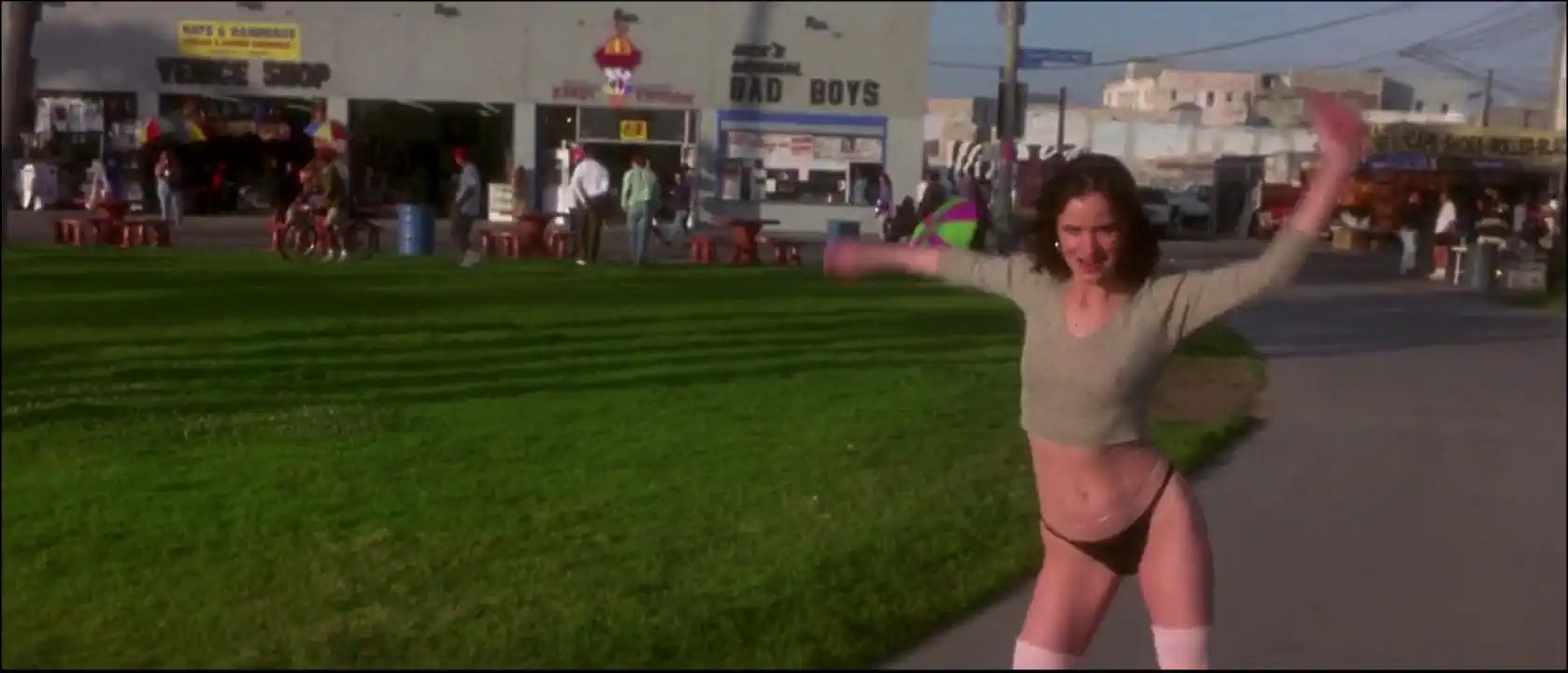
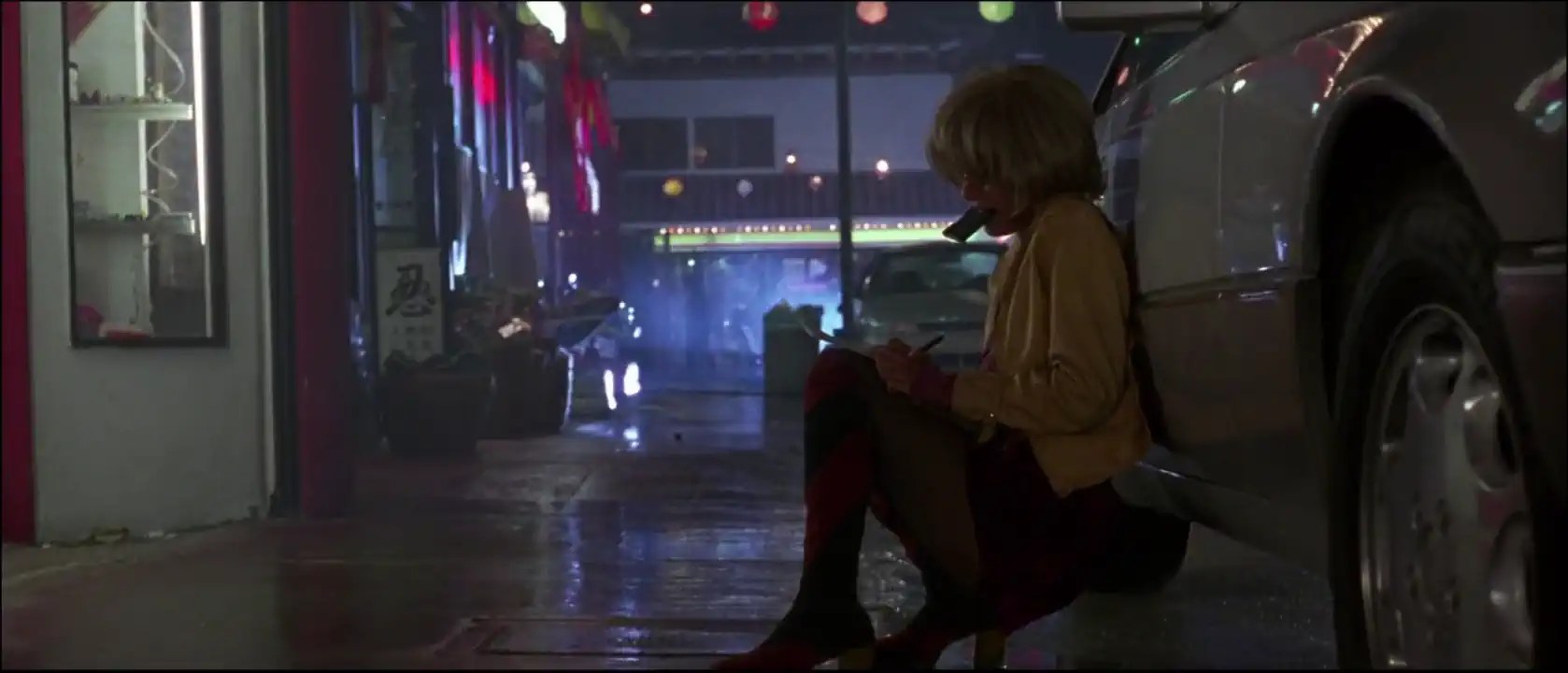
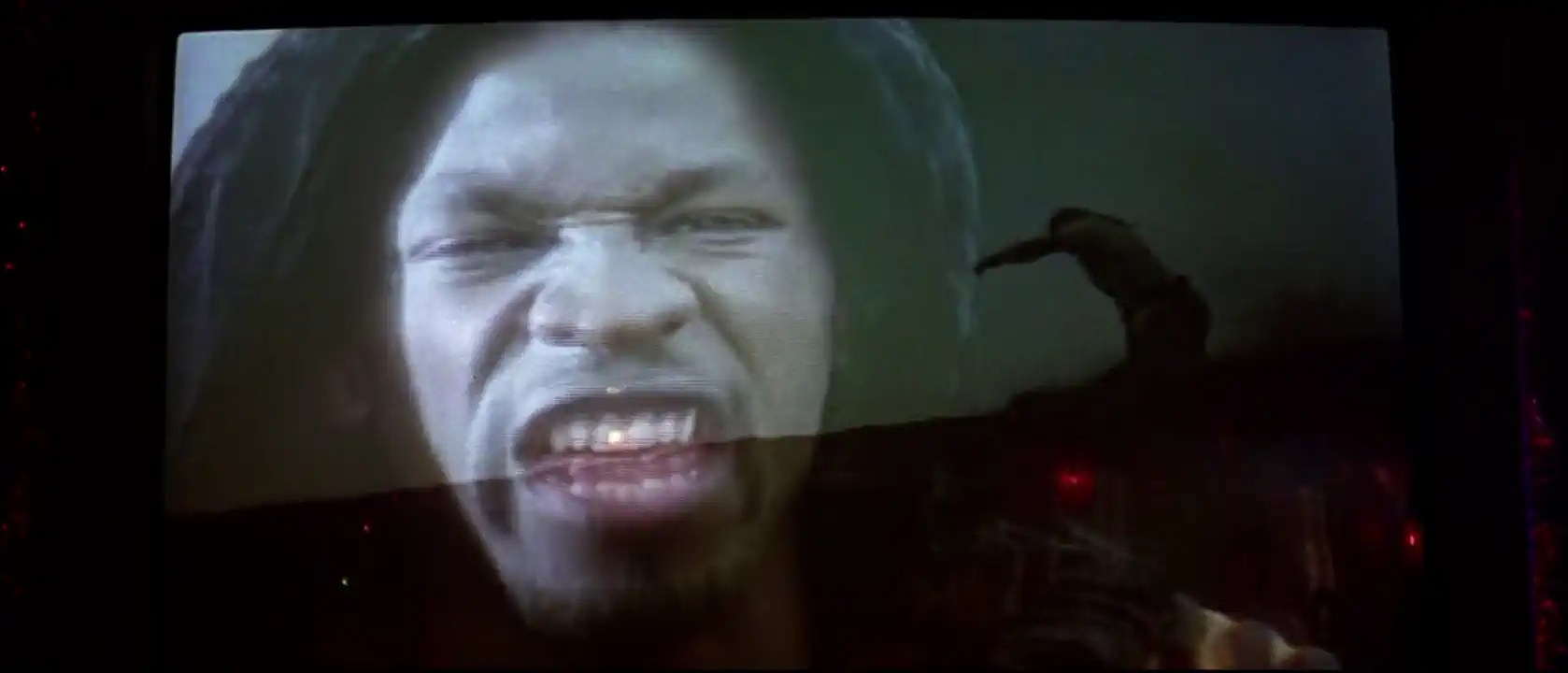
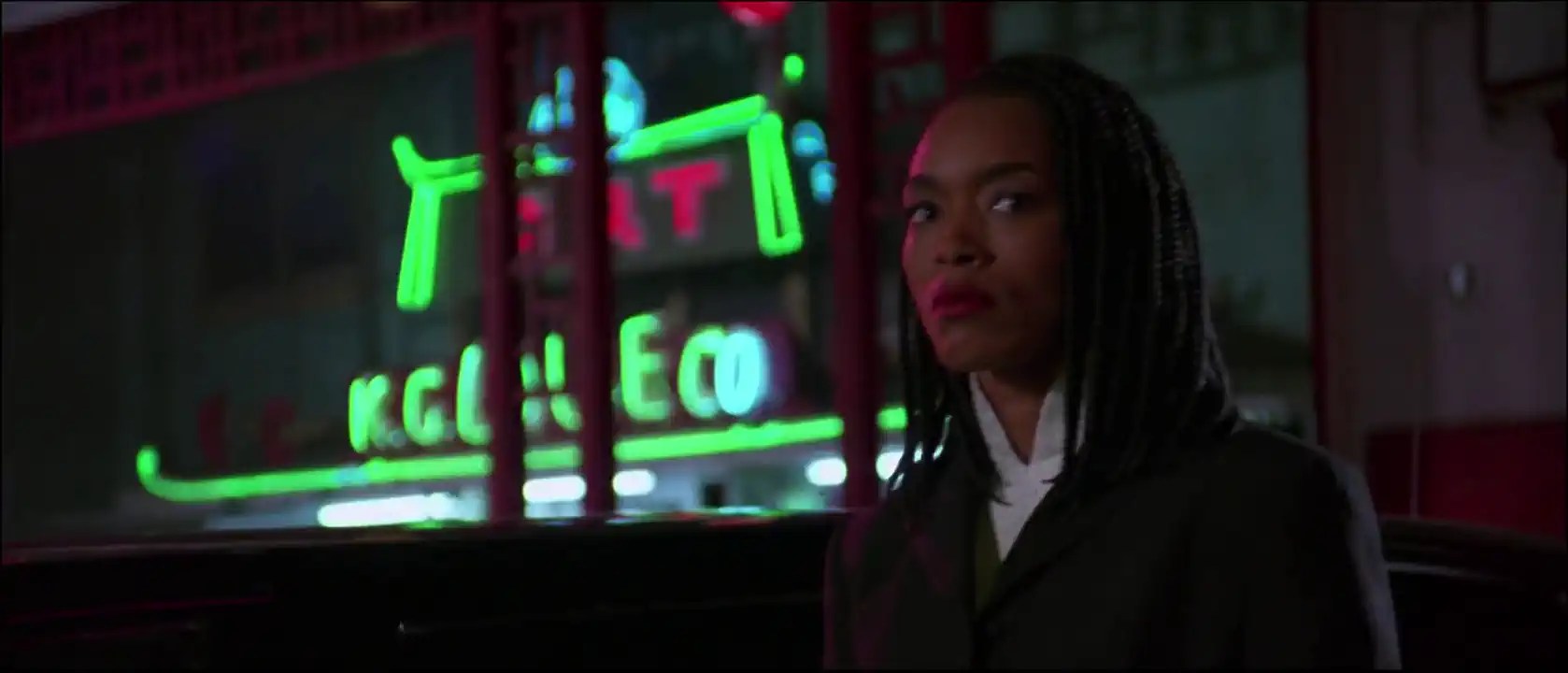
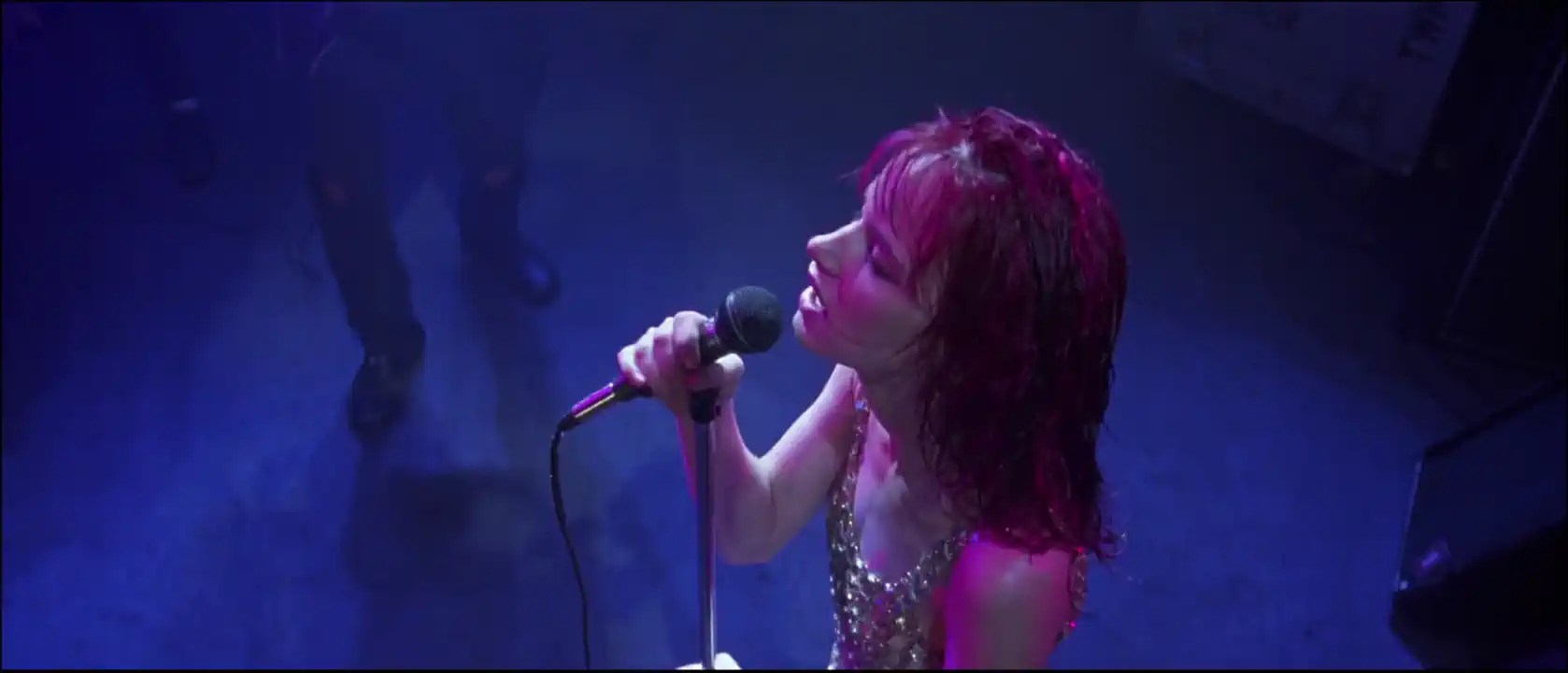
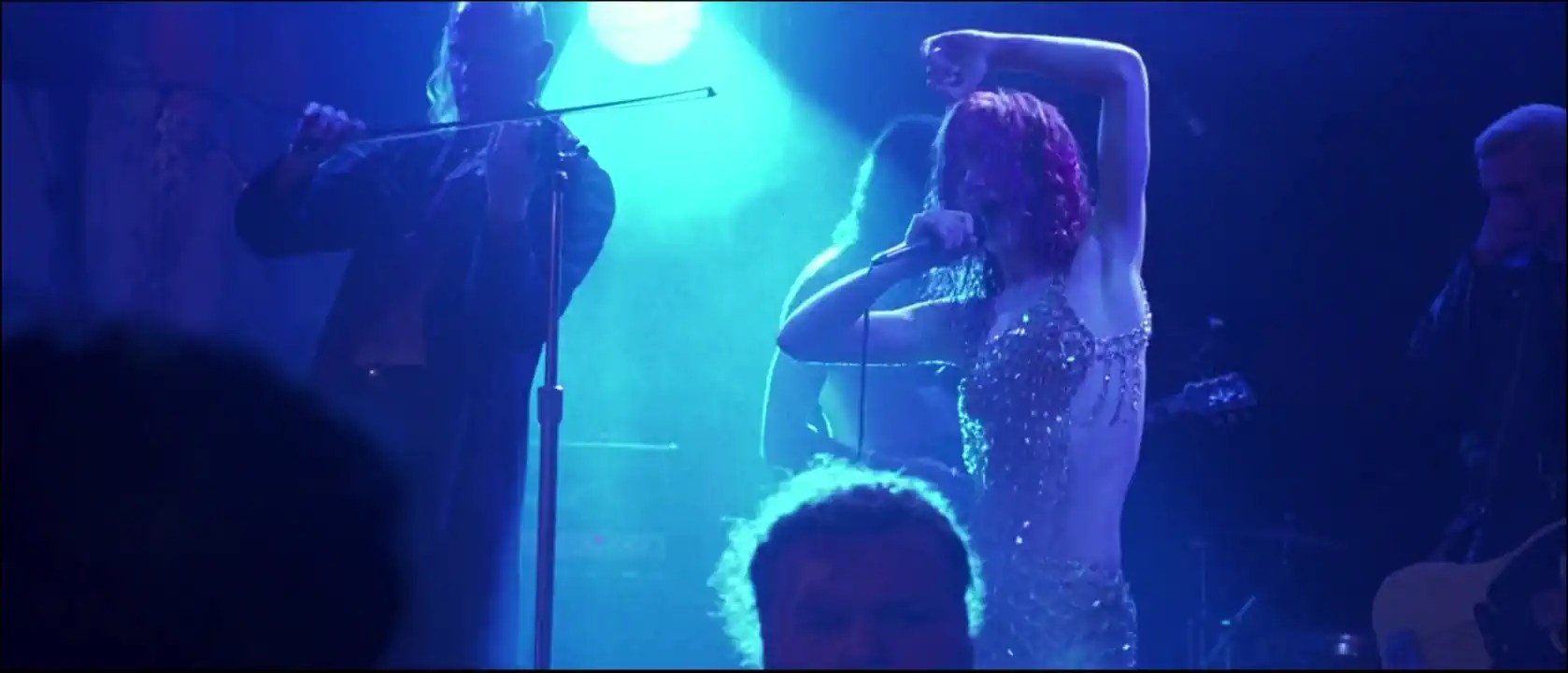
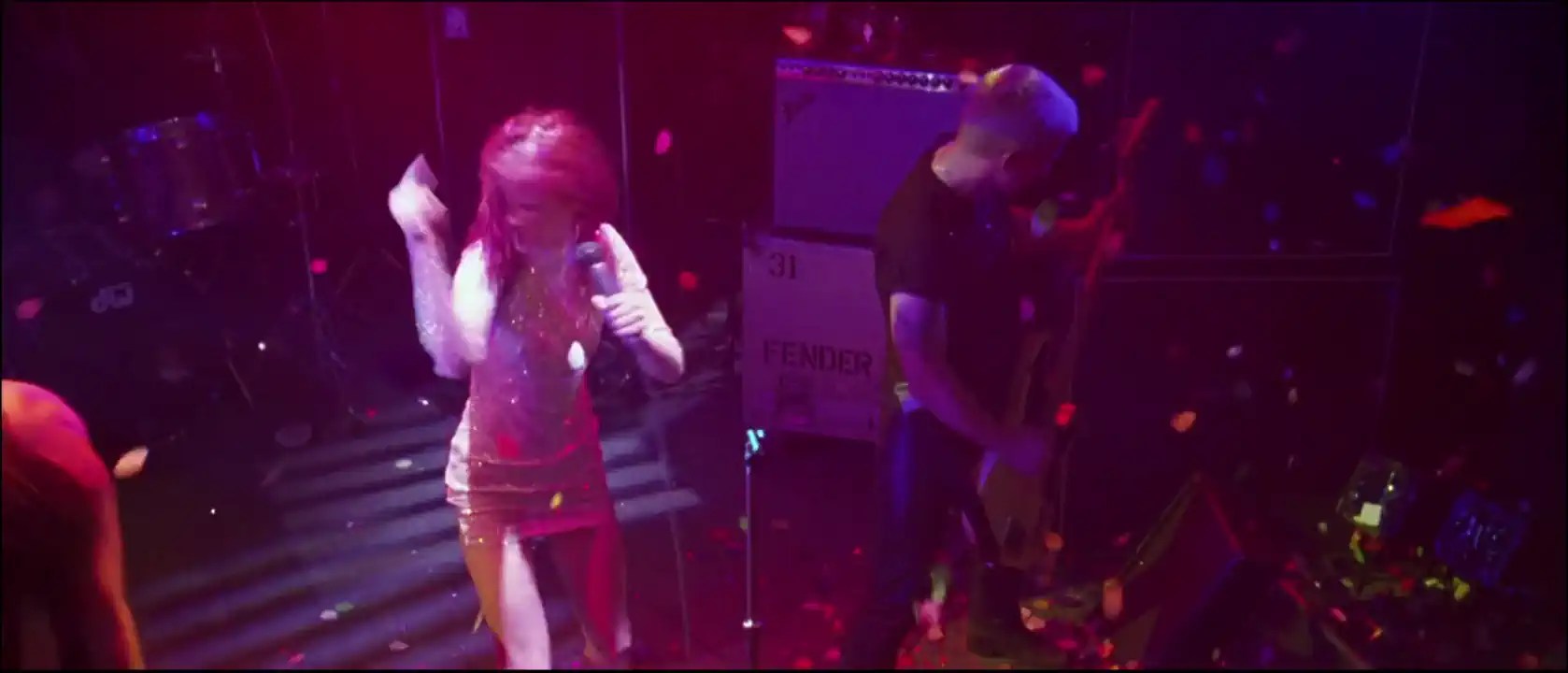
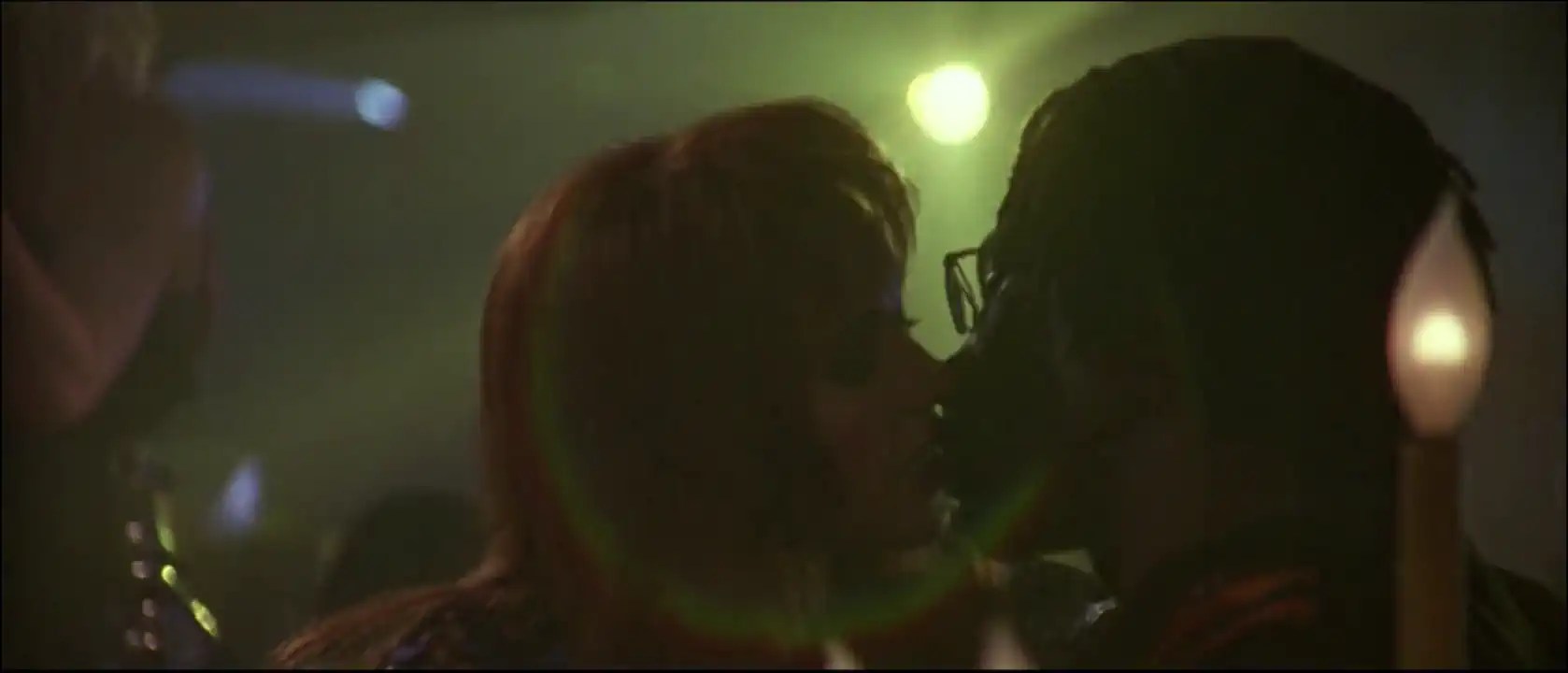
Lenny lives in a self-created bubble of nostalgia and longing. He desperately clings to memories of his lost love Faith (Juliette Lewis) and loses himself in his escape from reality. However, his life spirals out of control when he comes across an explosive SQUID recording documenting the murder of rapper and political activist Jeriko One – an artist considered the voice of the oppressed. This evidence exposes a deep conspiracy between the police and politicians, which threatens to escalate just before the turn of the year and could destroy the fragile balance of the city once and for all. Together with his girlfriend and bodyguard Mace (Angela Bassett), a strong, courageous limousine driver and single mother who possesses both physical strength and moral clarity, he attempts to bring the truth to light, save Faith, and at the same time survive the burgeoning wave of violence and riots.
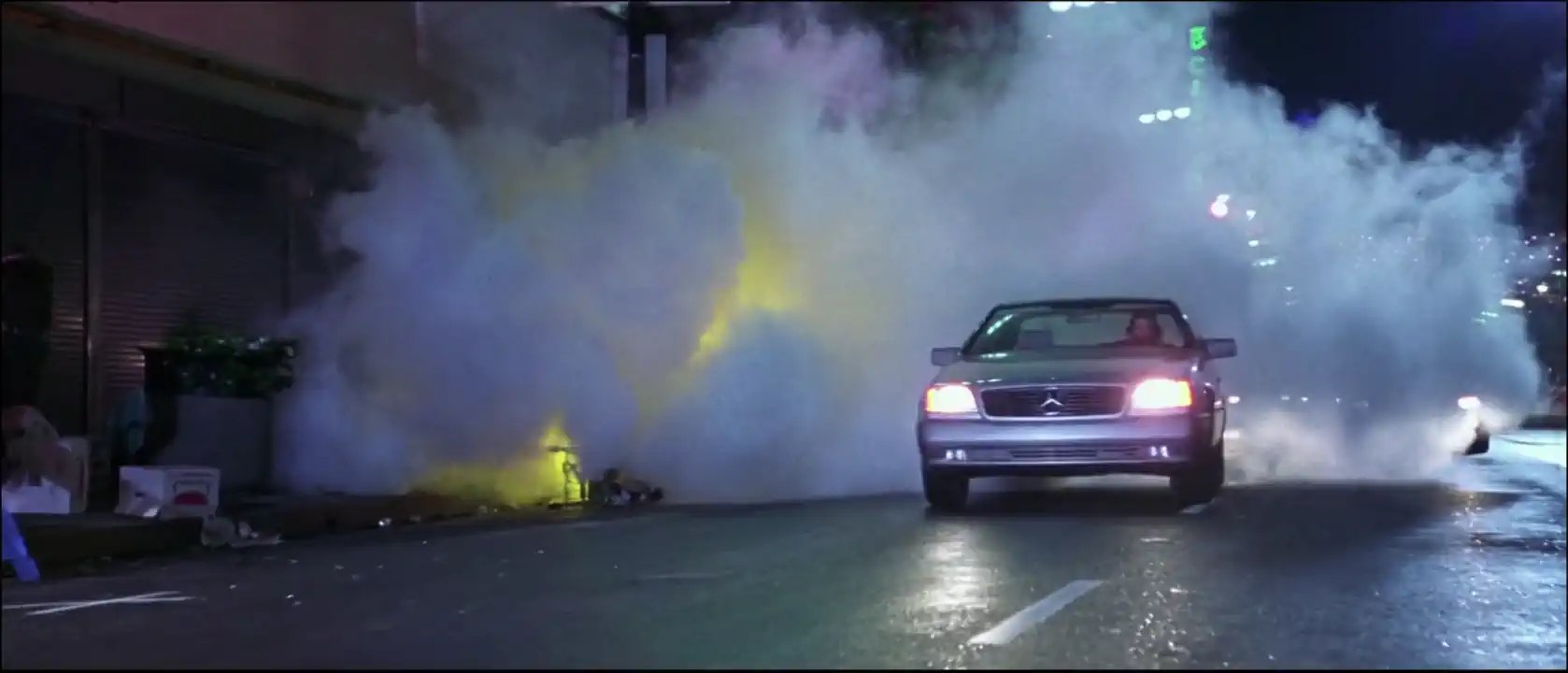
Bigelow weaves thriller elements with intense action, social criticism, and a dark love story. The hunt for the dangerous recordings develops into a risky game of cat and mouse through the urban labyrinth of Los Angeles—with nighttime car chases, conspiratorial meetings, and an atmosphere that repeatedly raises the moral question: How far can you go to see the truth, and are you prepared to live with the consequences once you know it? The film shows how personal obsession and political power struggles intertwine and how dangerous the desire for absolute truth can be.



Trivia & Fun Facts
- James Cameron wrote the script in the early 1990s, inspired by virtual reality ideas, the emergence of cyberpunk, the growing fear of an uncontrollable digital future, and the millennium fears that preoccupied many people at the time. He wanted to use the story to hold up a mirror to a society that is fascinated by technology but does not understand its consequences.
- The title “Strange Days” comes from the song of the same name by The Doors and perfectly reflects the mood of the film, as it conveys a mixture of restlessness, a search for meaning, and a bleak vision of the future.
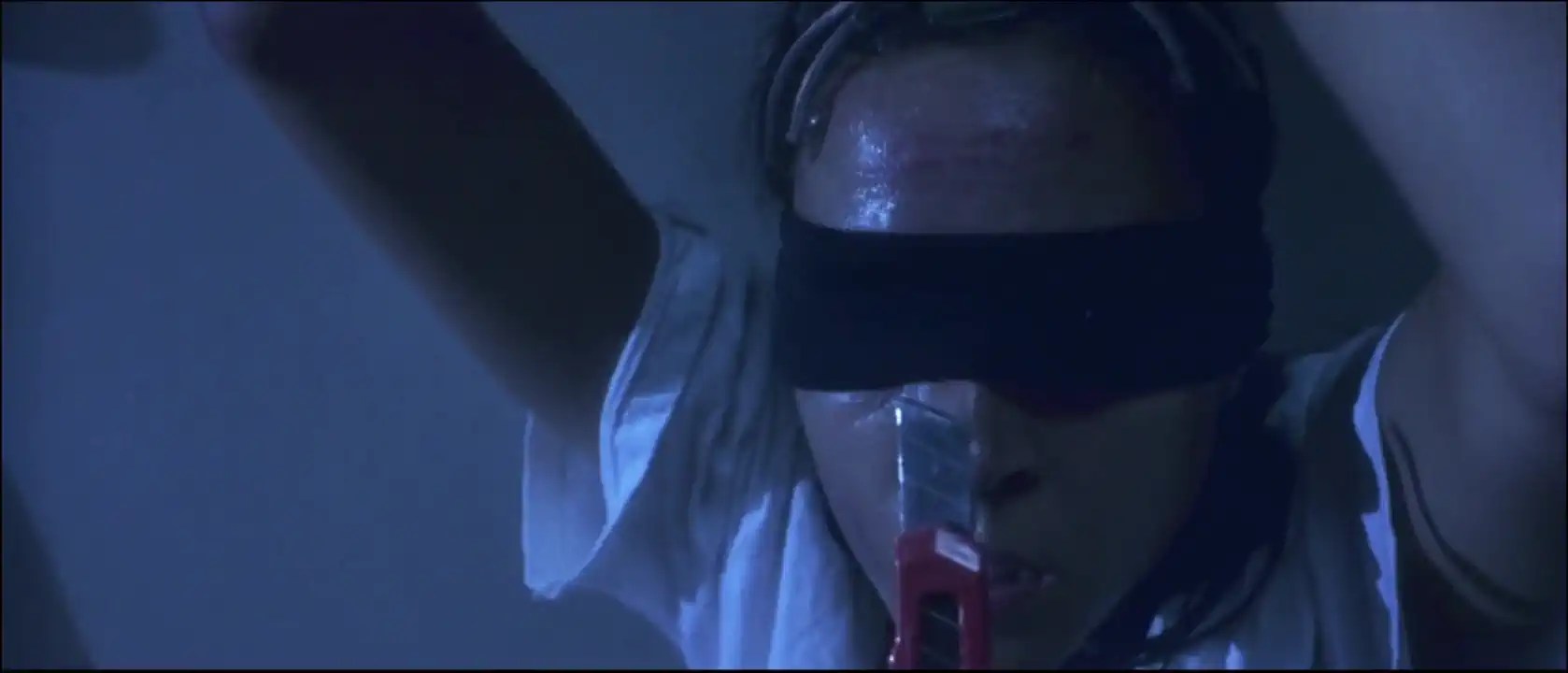
- Kathryn Bigelow used innovative camera techniques for the SQUID sequences to create a “first-person” look. These scenes were often shot in complicated, long takes with helmet cameras to convey the impression of an immediate experience. At the time, these experiments were among the most technically ambitious moments in cinema and were often cited later.
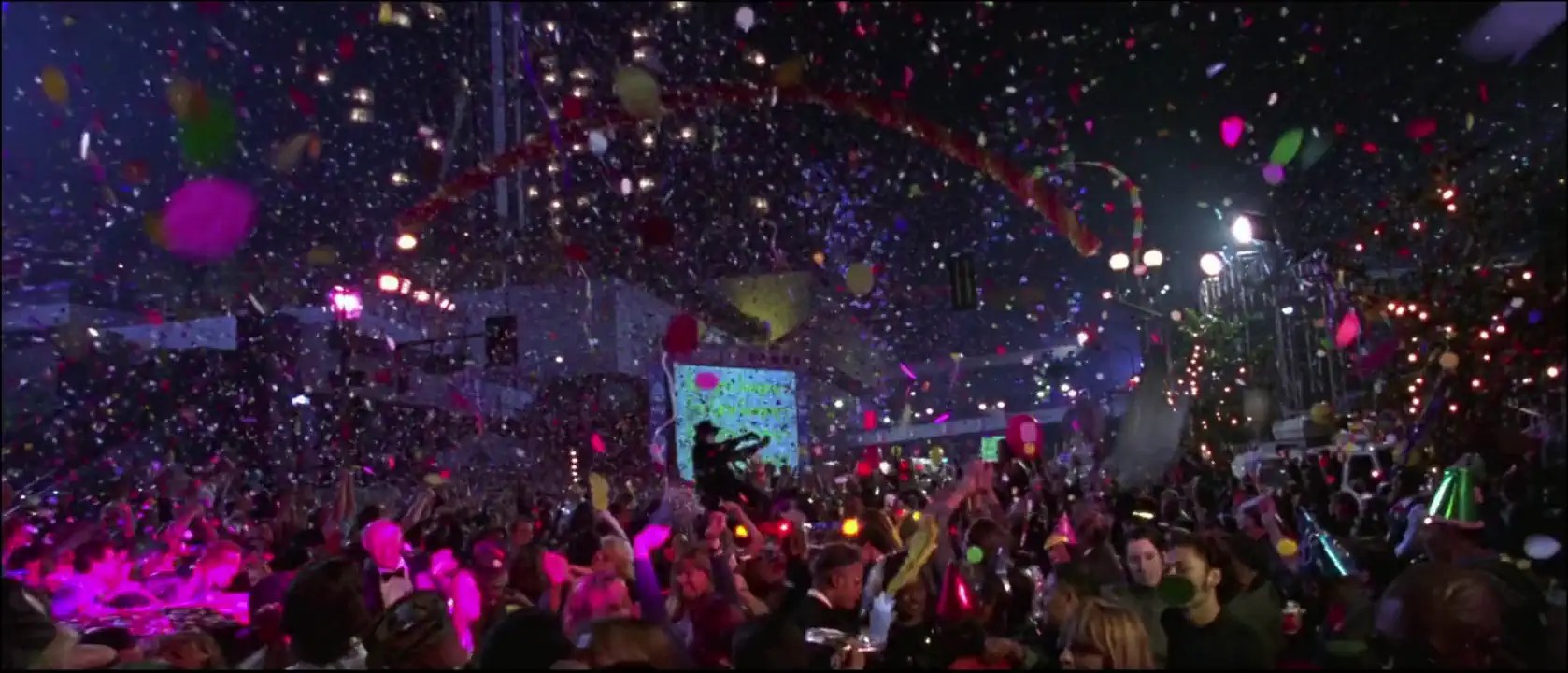
- The film is set on New Year’s Eve 1999/2000 – it was released four years before the actual turn of the millennium and captured the zeitgeist of fear of the Y2K bug, social uncertainty, and the question of how technology could change our lives.
- Angela Bassett insisted on a strong, self-determined female lead character and did not want to be portrayed as a stereotypical “sidekick” character. She advocated for a character who has agency and is not just a decorative accessory, which still gives the film its special dynamic today.
- The film’s soundtrack mixes industrial, techno, and rock, reflecting the dark, urban atmosphere of the film. In addition, experimental electronic sounds are used in some scenes to evoke the feeling of an accelerating digital future and intensify the oppressive mood.
Actors & Roles
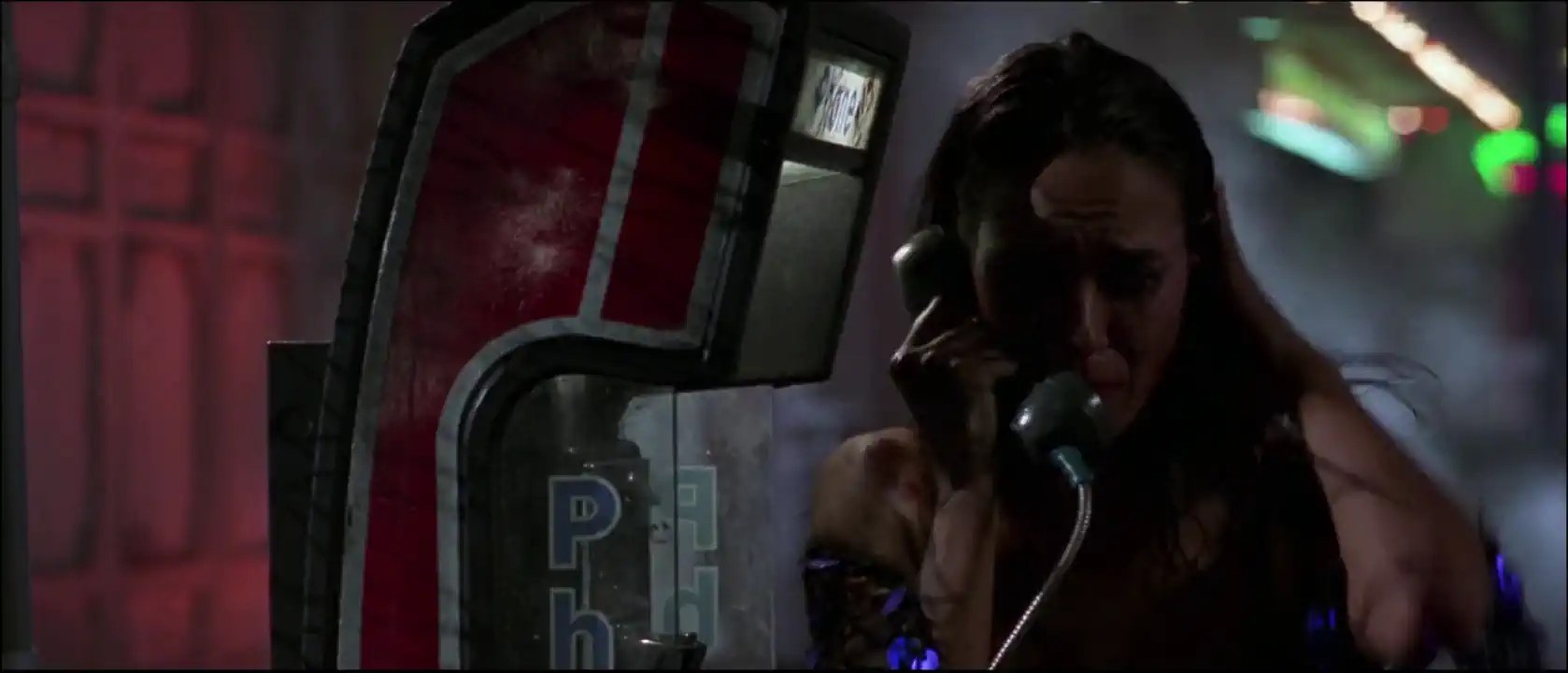
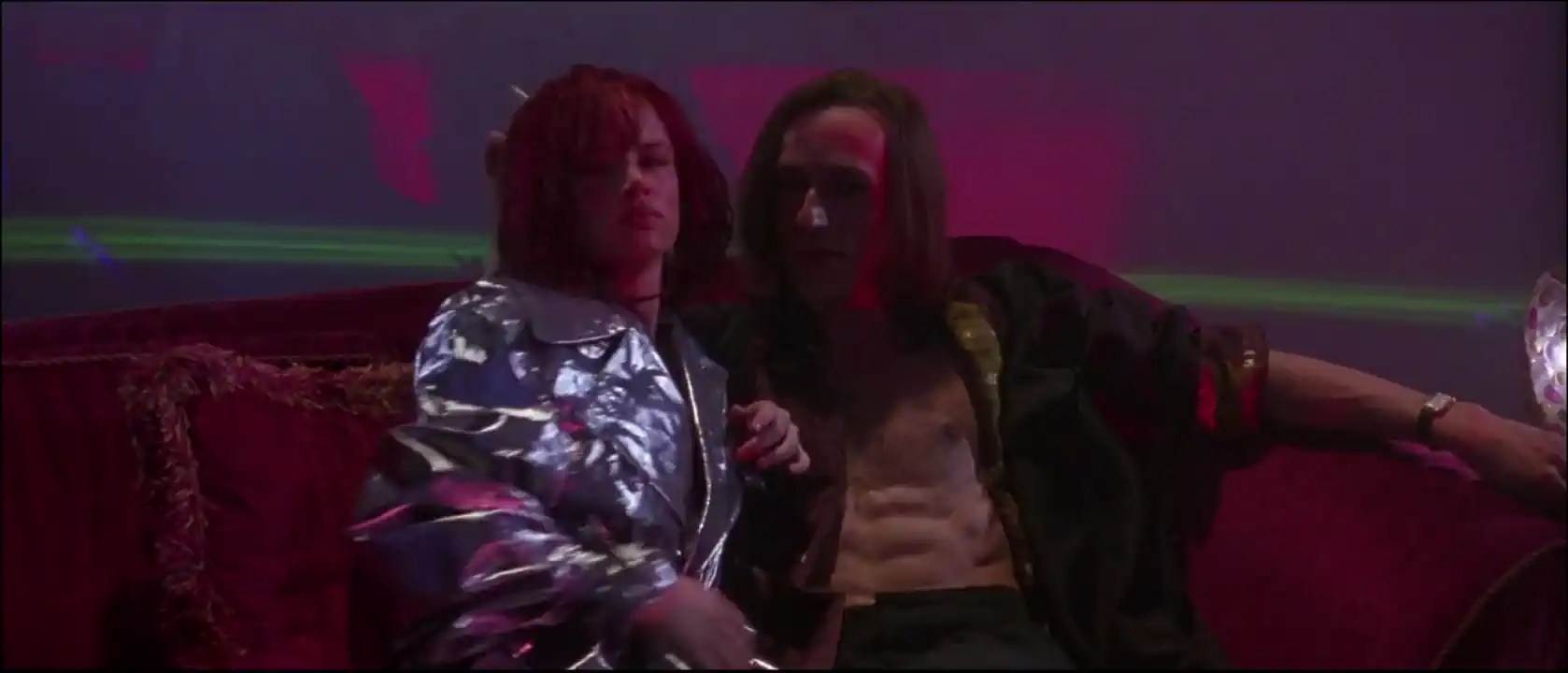
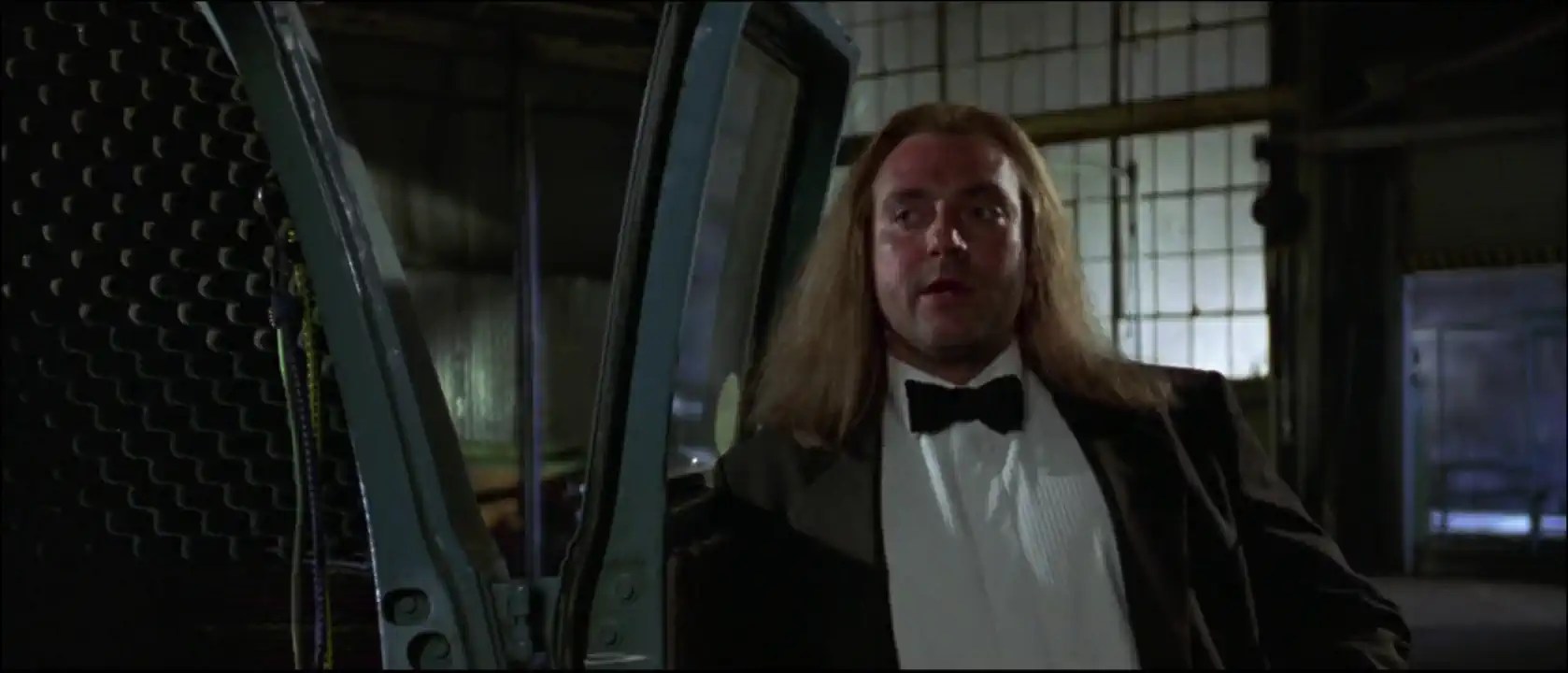
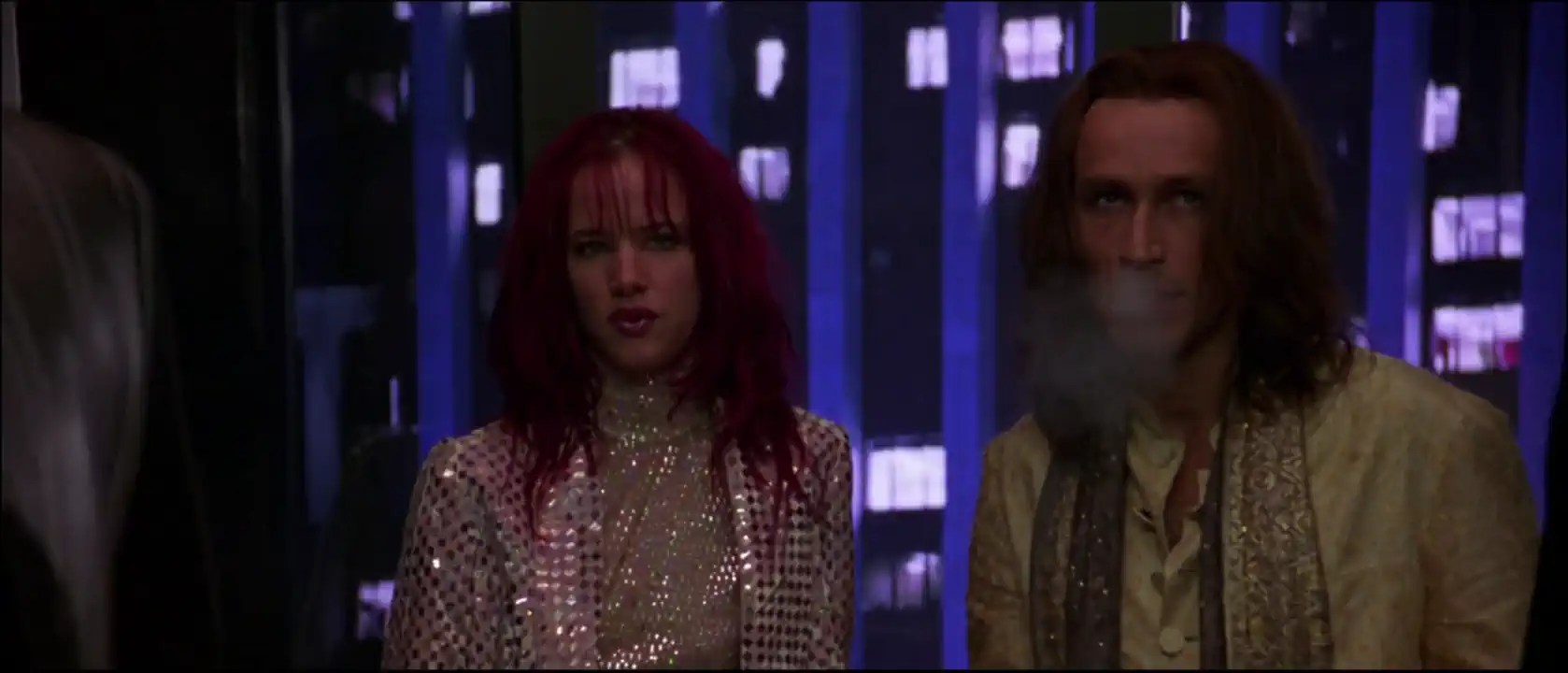
The film’s main roles are played by an impressive cast. Ralph Fiennes plays Lenny Nero, a charming but failed antihero with a penchant for self-destruction, haunted by his past and trying to preserve a last spark of humanity in a world of violence and deception. Fiennes‘ performance not only shows Lenny’s conflict between cynicism and vulnerable longing, but also his ability to make moral decisions in the midst of chaos – an inner struggle that makes his character particularly complex. Angela Bassett plays Lornette “Mace” Mason, a tough limousine driver and single mother who serves as the moral anchor of the film and is also one of the few characters who combines strength, empathy, and the will to survive. Her character is at once a protector, a fighter, and a symbol of resilience in a brutal world. Juliette Lewis slips into the role of Faith Justin, Lenny’s ex-girlfriend, a vulnerable but manipulative singer who vacillates between victimhood and self-determination, thus becoming the tragic key figure of the plot. Lewis plays Faith as a femme fatale with a fragile facade: seductive but deeply insecure, caught between the desire for freedom and dependence on powerful men. Tom Sizemore is convincing as Max Peltier, a shady friend with opaque motives whose true loyalties only come to light late in the film, enriching the story with an unexpected twist. Finally, Michael Wincott plays Philo Gant, a manipulative music producer who wants to secure power and influence at any cost and thus poses a central threat. Gant symbolizes a corrupt entertainment industry that exploits emotions and experiences.
Angela Bassett delivers a powerhouse performance that goes far beyond classic action heroines: she gives Mace emotional depth and credible strength, making her one of the most memorable characters in cyberpunk cinema. Her interaction with Fiennes provides an emotional grounding that makes the film human despite its technological and dystopian themes. Fiennes plays Lenny as a tragic romantic and failed cop whose longing for a past love nearly destroys him, but ultimately leads him to show courage and integrity. Juliette Lewis plays a seductive, fragile, and dangerous character who perfectly embodies the abysses of power, dependence, and self-deception, enriching the film with a mixture of vulnerability and unpredictability.
Critical reception at the time
Upon its release, “Strange Days” was a commercial failure and divided critics. While some praised the innovative camera work and visionary depiction of virtual reality, others particularly appreciated Angela Bassett’s intense performance and the dark realism of the urban dystopia portrayed. Critical voices, on the other hand, criticized the sometimes confusing script, the unusually long running time of almost 150 minutes for mainstream cinema, and the high degree of explicit violence. In addition, some viewers found the themes addressed—from police violence and racism to misogyny and excessive media consumption—too raw, uncomfortable, and challenging for an audience in the mid-1990s.
Financially, the film fell far short of expectations: with a budget of around $42 million, it only grossed about $8 million. This disappointment hit Kathryn Bigelow and James Cameron hard, especially since the film had deliberately taken risks with its technical ambition and social relevance. It was only years later that “Strange Days” experienced a quiet renaissance: through home cinema releases, discussions among film fans, and a re-evaluation by critics, the work was gradually rediscovered as a visionary cyberpunk drama and an important commentary on media and power. Today, it is considered an example of how films can be ahead of their time and yet only receive the recognition they deserve in retrospect.
Cultural influence
Although Strange Days received little attention when it was released, the film is now considered visionary and influential. It anticipated themes and technologies that only entered the social discourse years later and developed a visual language that influenced numerous works. Particularly striking is the depiction of virtual realities and sensory “memory sharing,” which can be read as an early anticipation of modern VR experiences and immersive media. Equally remarkable is that the film addresses police violence, racism, and the manipulative influence of the media—long before these discussions became mainstream and movements such as Black Lives Matter gained prominence. The dark, neon-soaked aesthetic and noir character influenced films such as “The Matrix” (1999), “Minority Report” (2002), and ‘Inception’ (2010), and also shaped video games such as “Deus Ex” and “Cyberpunk 2077.” Kathryn Bigelow broke with gender stereotypes in the action and science fiction genres, opening new doors for female directors in major blockbuster productions. Today, Strange Days is often shown in retrospectives and celebrated as a cult film because it functions both as a document of the 1990s and as a thoughtful commentary on power, technology, and social upheaval.
Conclusion
“Strange Days” was far ahead of its time – both in terms of technology and themes. Its dark vision of media excess, digital voyeurism, abuse of power, and social injustice seems almost prophetic today and has gained even more weight due to the rapid technological developments of recent decades. The film addresses questions about the moral responsibility of technology developers, the dangers of uncontrolled information overload, and manipulation by the media—topics that now shape our everyday lives and have taken on new dimensions in social networks, surveillance technologies, and artificial intelligence.
Although the film was a box office failure at the time, its influence on science fiction, cyberpunk aesthetics, and socially critical thrillers is undeniable. Many later works have benefited from the uncompromising vision that Bigelow and Cameron created here: gloomy cities full of digital temptations, heroes torn between personal pain and social responsibility, and a view of technology that both fascinates and warns. Those who love dark visions of the future, strong characters, and stylistically ambitious cinema will find here an underrated masterpiece that combines 90s noir with contemporary questions about technology, power, and social responsibility, while also touching the viewer emotionally.
The film is particularly worthwhile for today’s viewers because it shows how cinema foresaw the dark side of digital reality 30 years ago—and because it remains an exciting, atmospherically dense thriller with strong characters, impressive imagery, and a social relevance that remains provocative to this day.








 McHenry's Lair
Kommentar verfassen :