

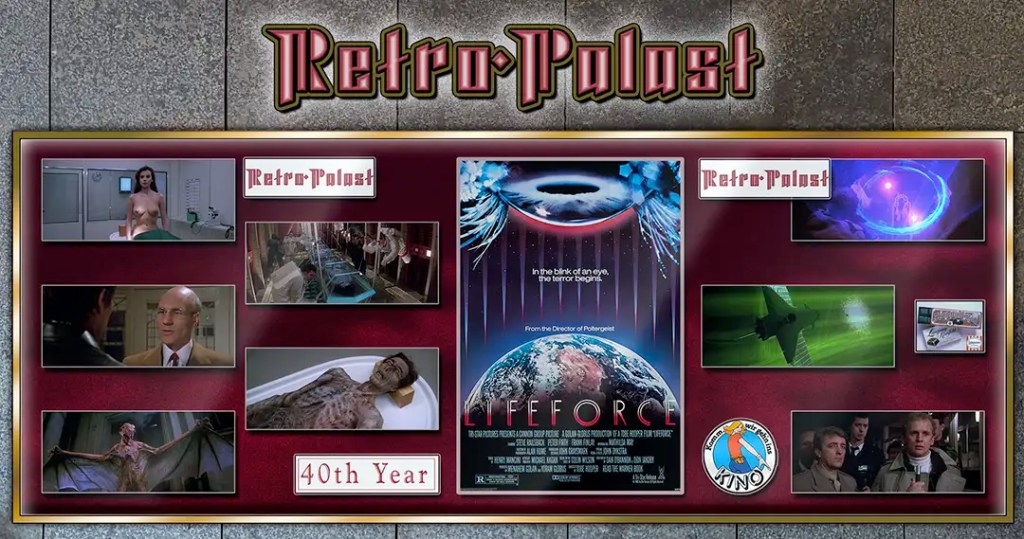
Between sci-fi, horror and cult status
“Lifeforce” is a British-American science fiction horror film from 1985, directed by Tobe Hooper, who had already gained widespread recognition with works such as “The Texas Chainsaw Massacre” and “Poltergeist.” The film is based on the novel The Space Vampires by British author Colin Wilson and offers an extraordinary mix of classic horror, futuristic science fiction, erotic suspense, and an apocalyptic mood. The plot interweaves cosmic threat scenarios with mythological motifs and skillfully plays with archetypal images of horror. In doing so, “Lifeforce” deliberately crosses genre boundaries and ventures down unconventional paths, both narratively and visually.
The production design is ambitious, the special effects impressive for the time, and Henry Mancini’s musical score creates a menacing yet elegant atmosphere. Despite its initially lukewarm reception and financial failure at the box office, “Lifeforce” has developed over the years into a cult classic with a growing fan base, enjoying a very special status among lovers of the genre today. The film is now a frequently cited example of the exuberant stylistic ambition of the 1980s and has secured its place as an extraordinary, if not uncontroversial, work in the canon of science fiction horror.
Plot
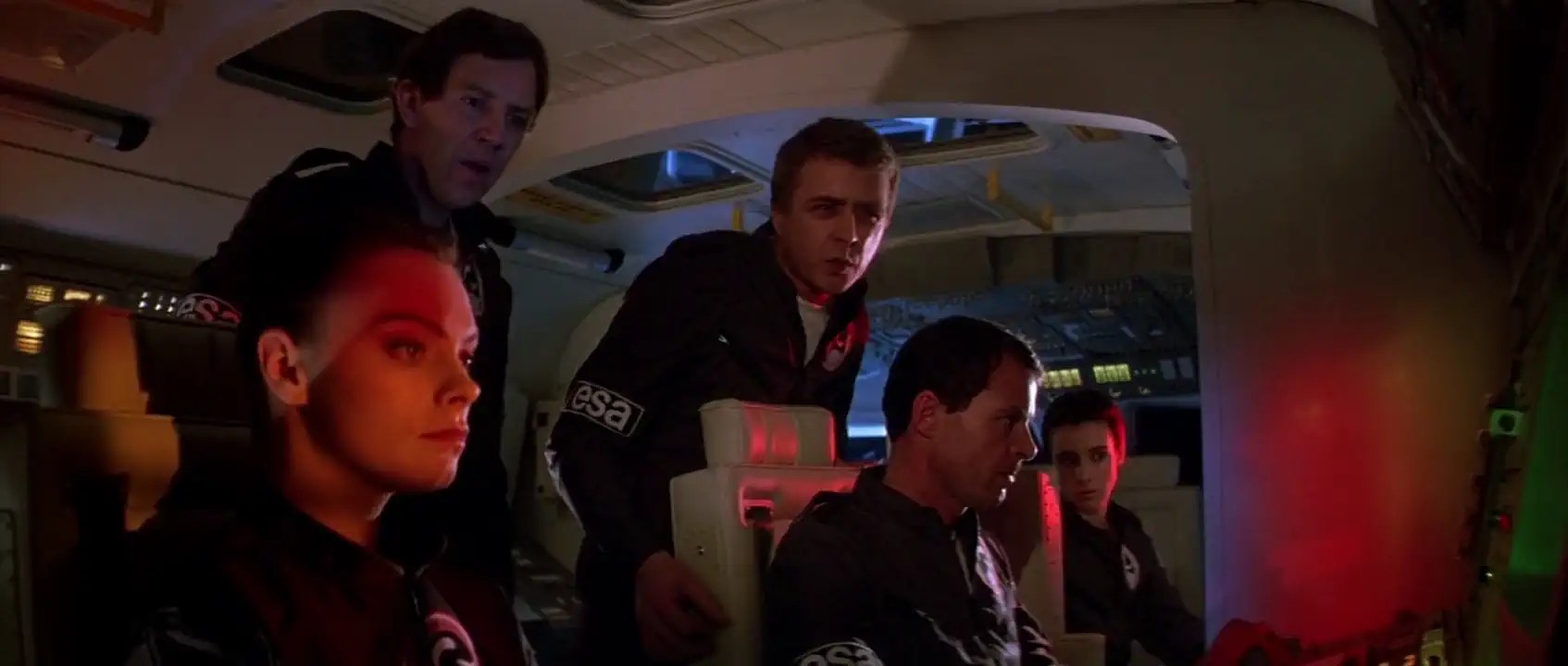
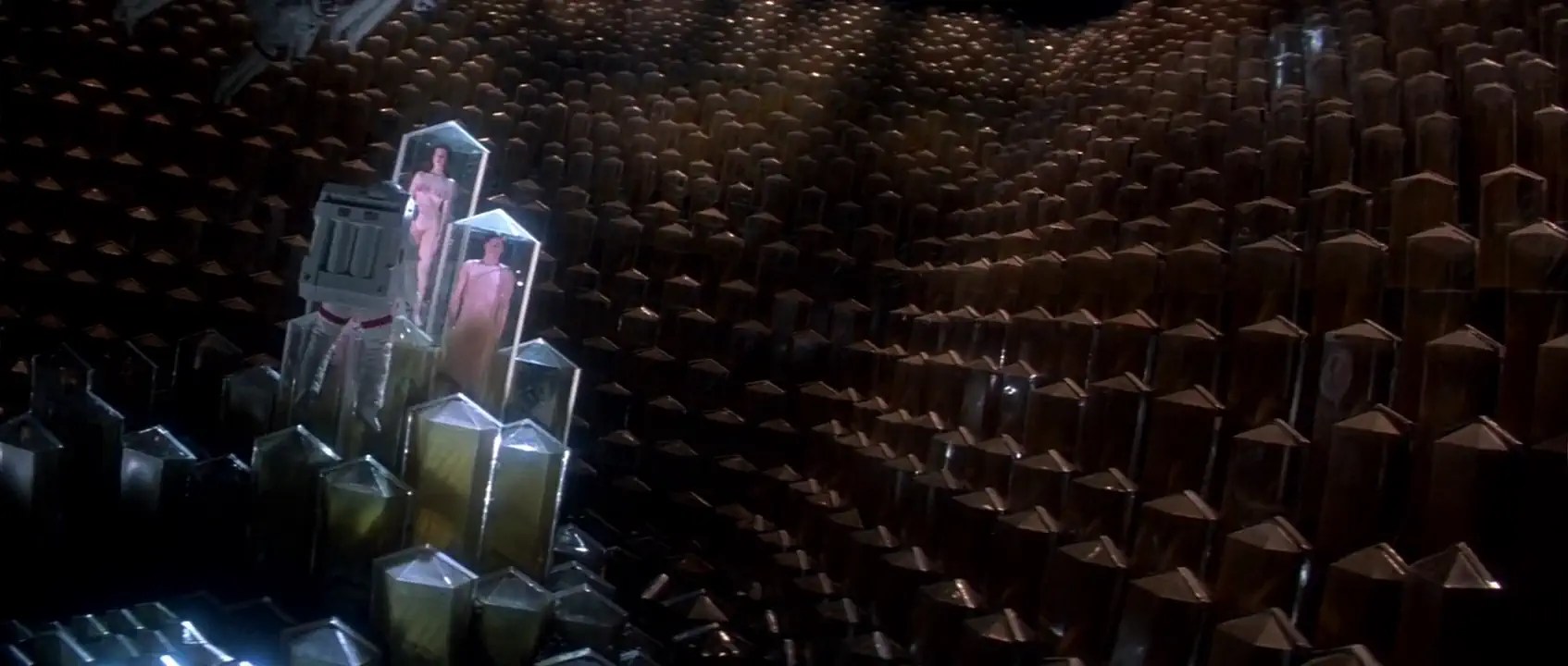
The story begins with an exciting discovery mission: the spacecraft Churchill is sent into space to investigate Halley’s Comet. The mission is considered a milestone in space travel and is fraught with high expectations. In the comet’s tail, the crew encounters a gigantic alien spaceship that appears abandoned and alien. The architecture of the ship cannot be explained by human standards; it appears organic and eerie. Inside, they discover three seemingly human beings lying in glass coffins—two men and a woman. The bodies appear completely intact, almost flawless, and it is decided to bring them to Earth for further investigation.
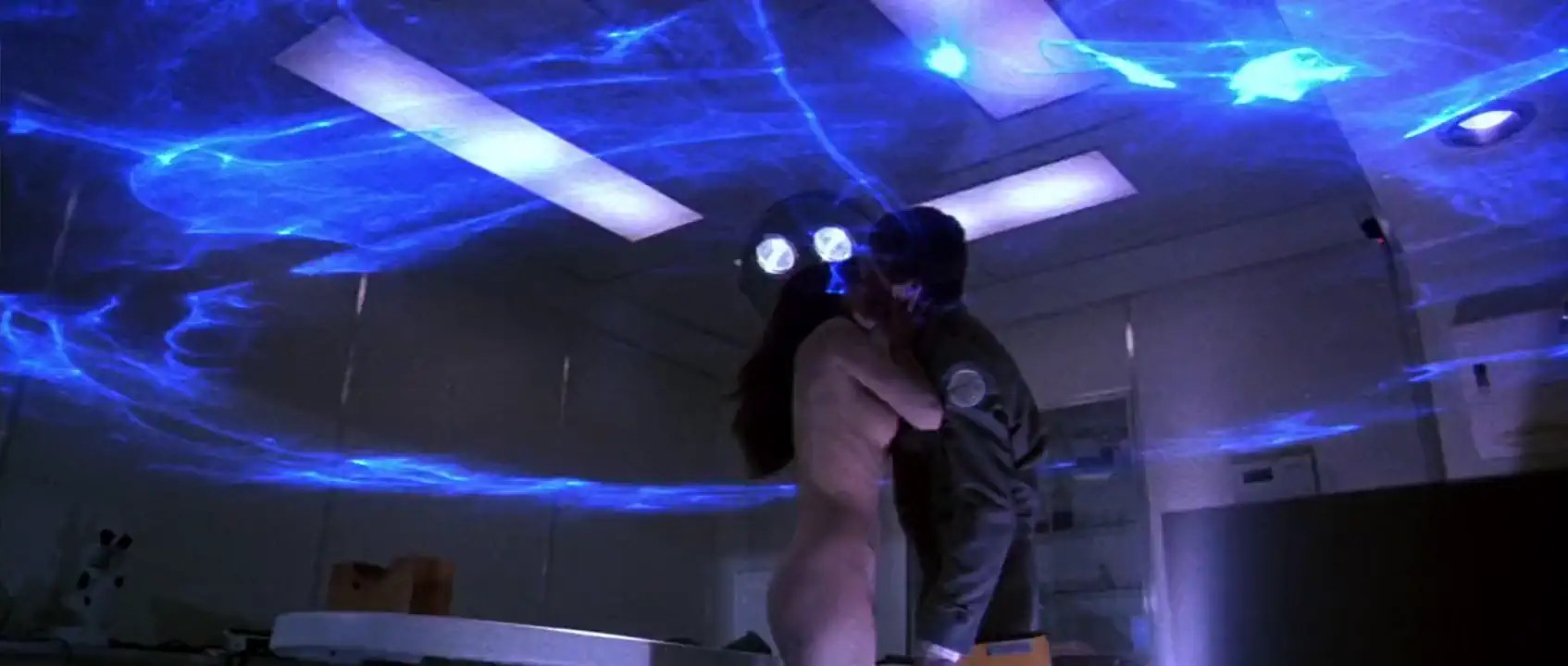
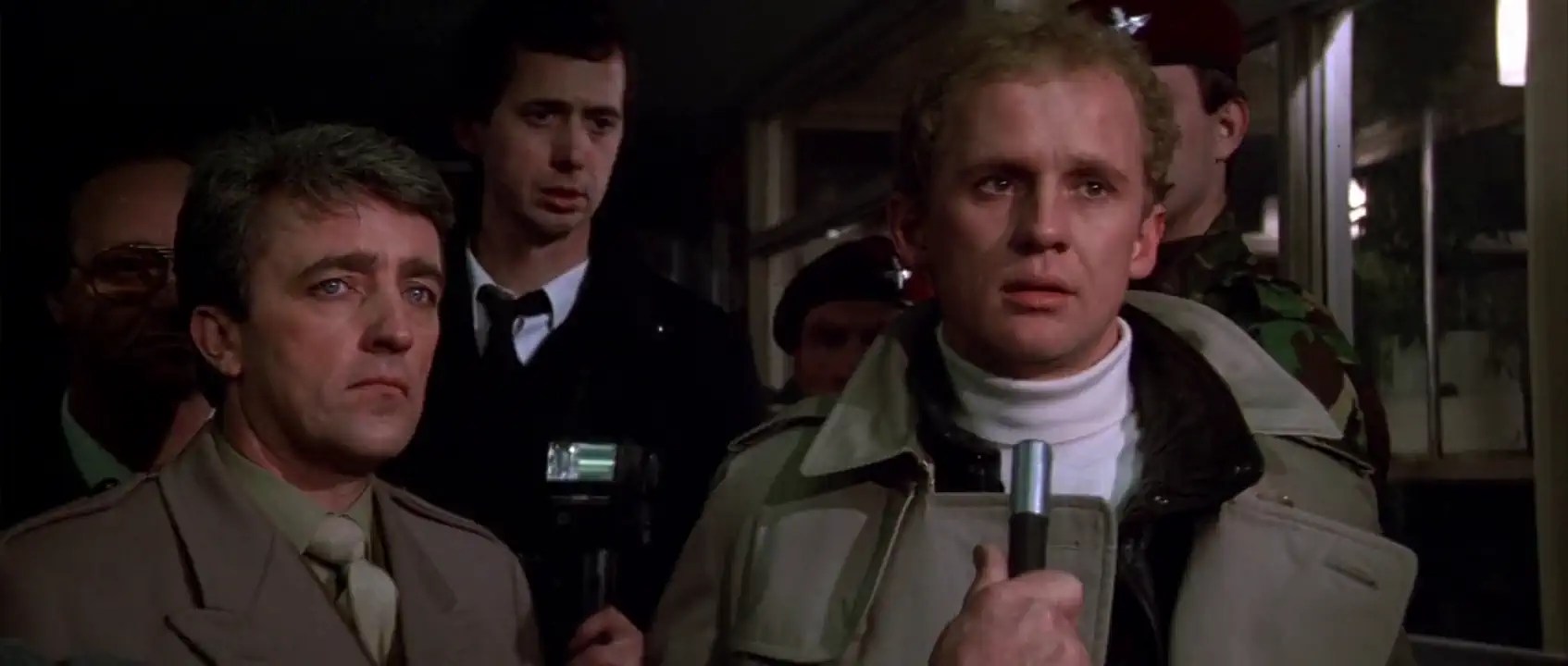
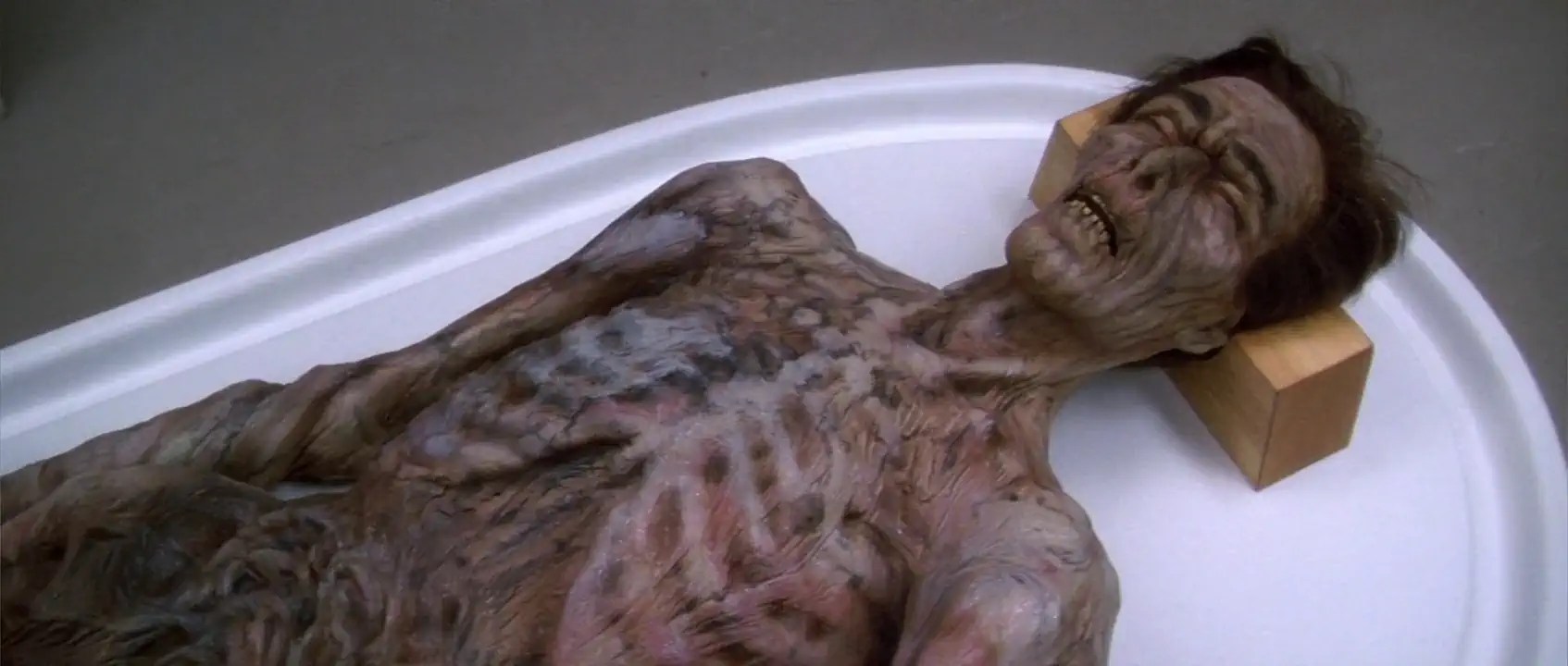
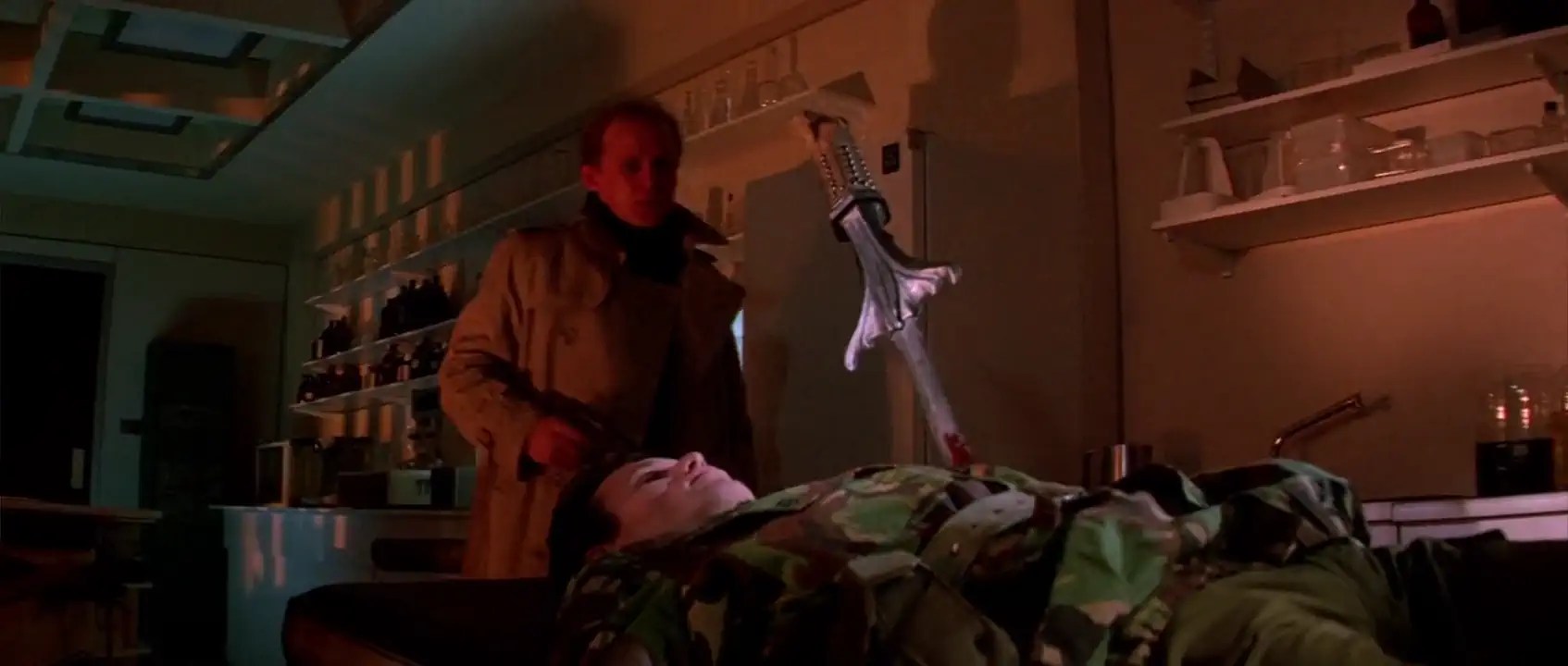
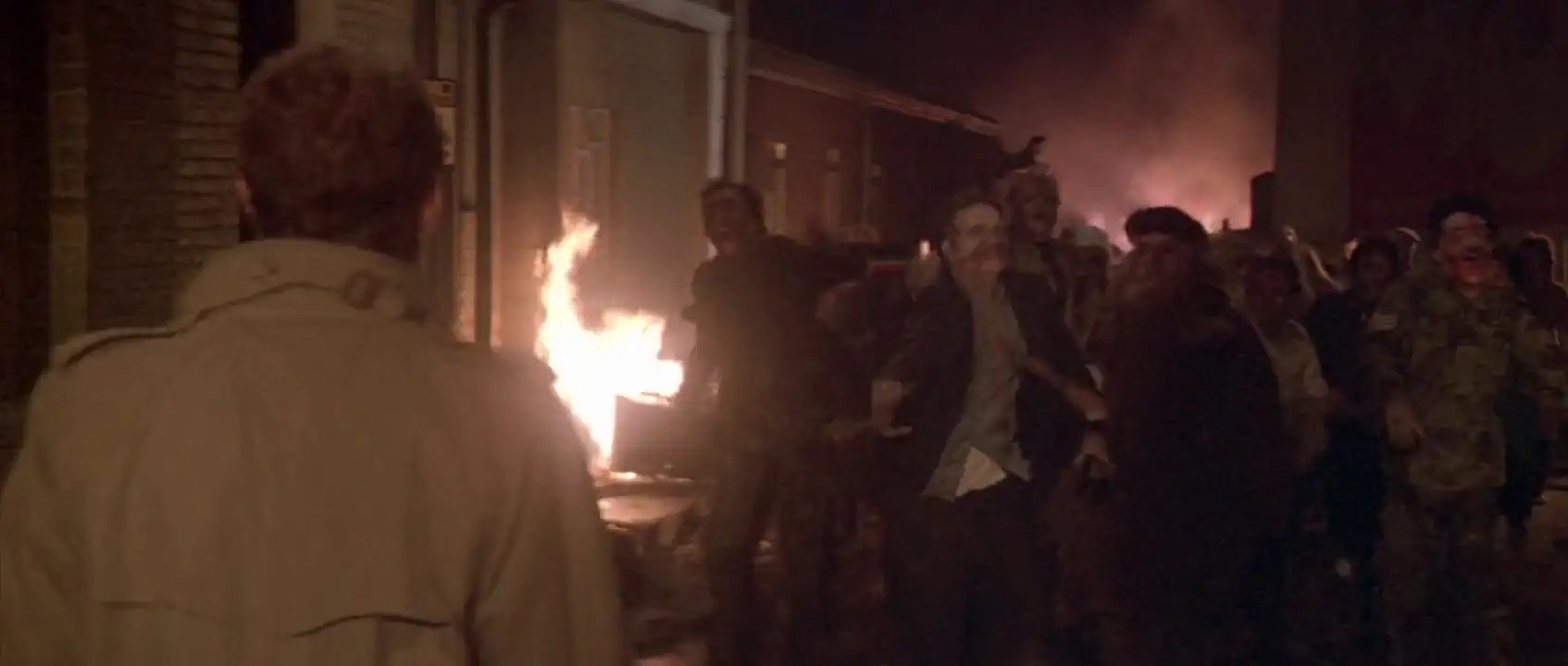
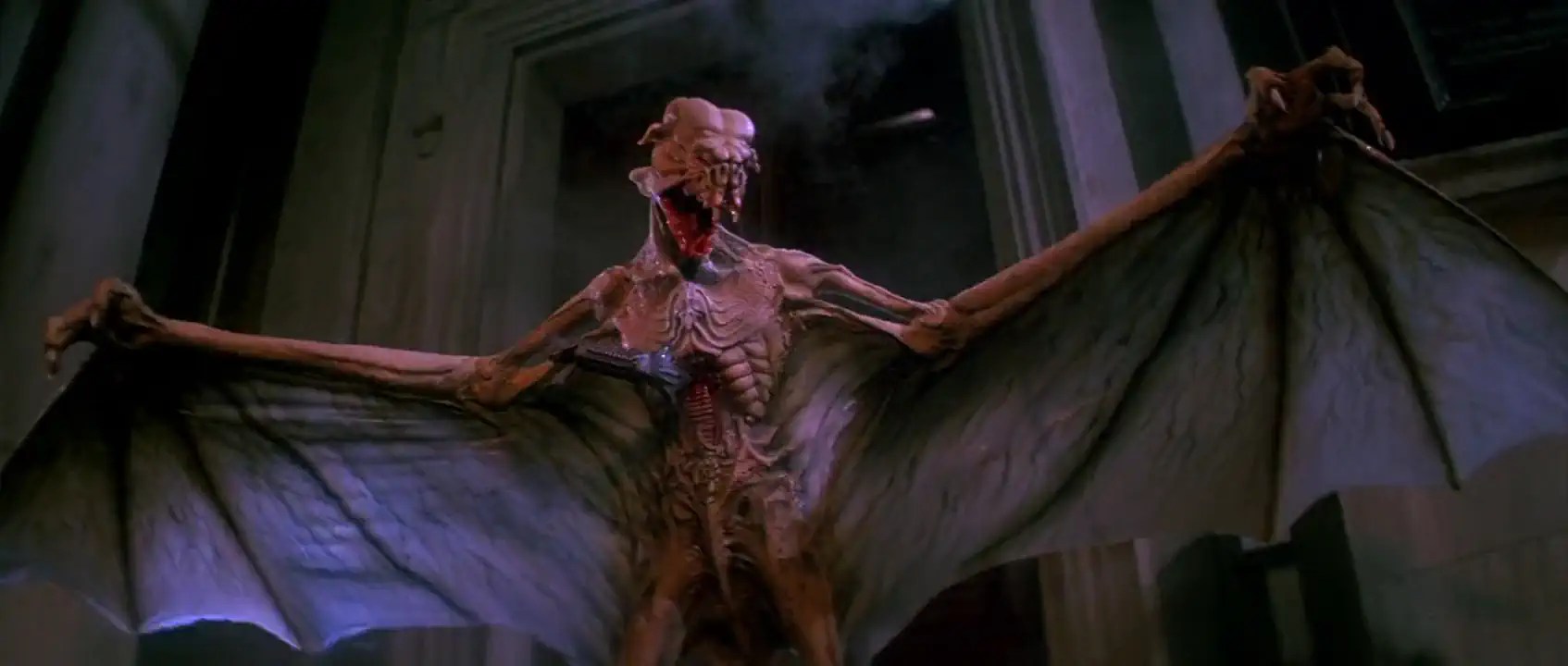
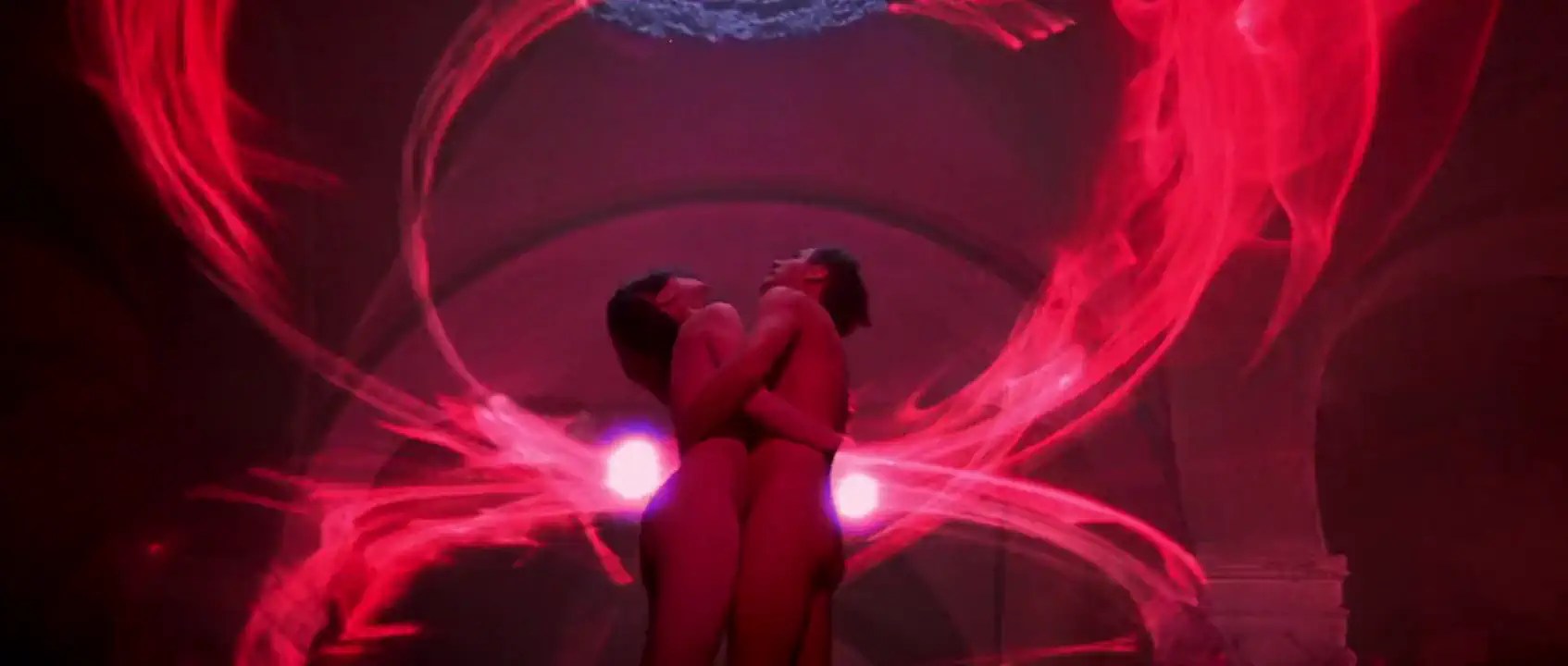
What initially appears to be a scientific triumph soon turns into a catastrophe. Before the investigation can begin, the female figure awakens to new life. With supernatural powers, she drains the scientists of their life energy by mere touch, turning her victims into lifeless, contorted shells. These victims, in turn, quickly transform into zombie-like creatures that are themselves hunting for life energy and multiplying explosively. London is plunged into chaos: people flee, communication systems collapse, and the military is overwhelmed by the sudden outbreak of a seemingly alien epidemic. The government declares a state of emergency.
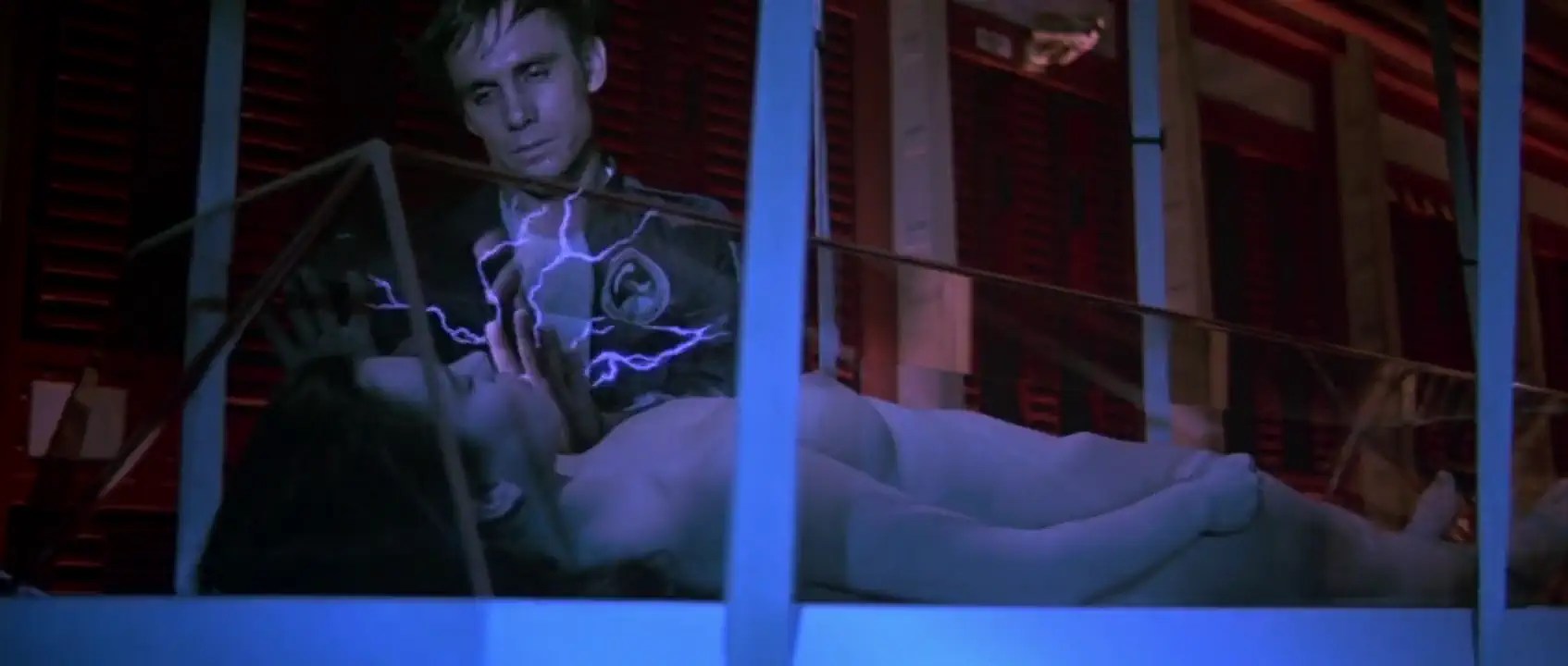
Colonel Tom Carlsen, the sole survivor of the Churchill mission to Earth, has gained insight into the vampire’s origins and intentions through a mental connection. He suffers from visions, flashbacks, and an inner conflict between attraction and revulsion. Together with the British Secret Service, led by the cool and determined Colonel Caine, and a team of scientists headed by the eccentric Dr. Fallada, Carlsen tries to stop the spread of the disaster. The trail leads him through a destroyed London full of panicked people, mutated creatures, and supernatural phenomena. The deeper they delve into the mysteries, the clearer it becomes: these creatures do not simply come from outer space, but may already be rooted in human mythology. The vampire threat seems to be ancient – a cosmic principle that may have influenced human history for thousands of years. In the end, Carlsen is faced with a decision that will determine not only the fate of London, but perhaps of all humanity.








Trivia
- The film had an enormous budget of around US$25 million at the time, which was exceptionally high for an independent production. This high budget was reflected in the ambitious technical implementation: impressive models, sophisticated camera work, and a multitude of visual effects that were groundbreaking at the time.
- The original title was “The Space Vampires,” based on the novel by Colin Wilson. However, producer Menahem Golan wanted a catchier name to attract more moviegoers. This led to the title “Lifeforce,” which emphasizes the central theme of the film—the extraction of life energy—and is more memorable.
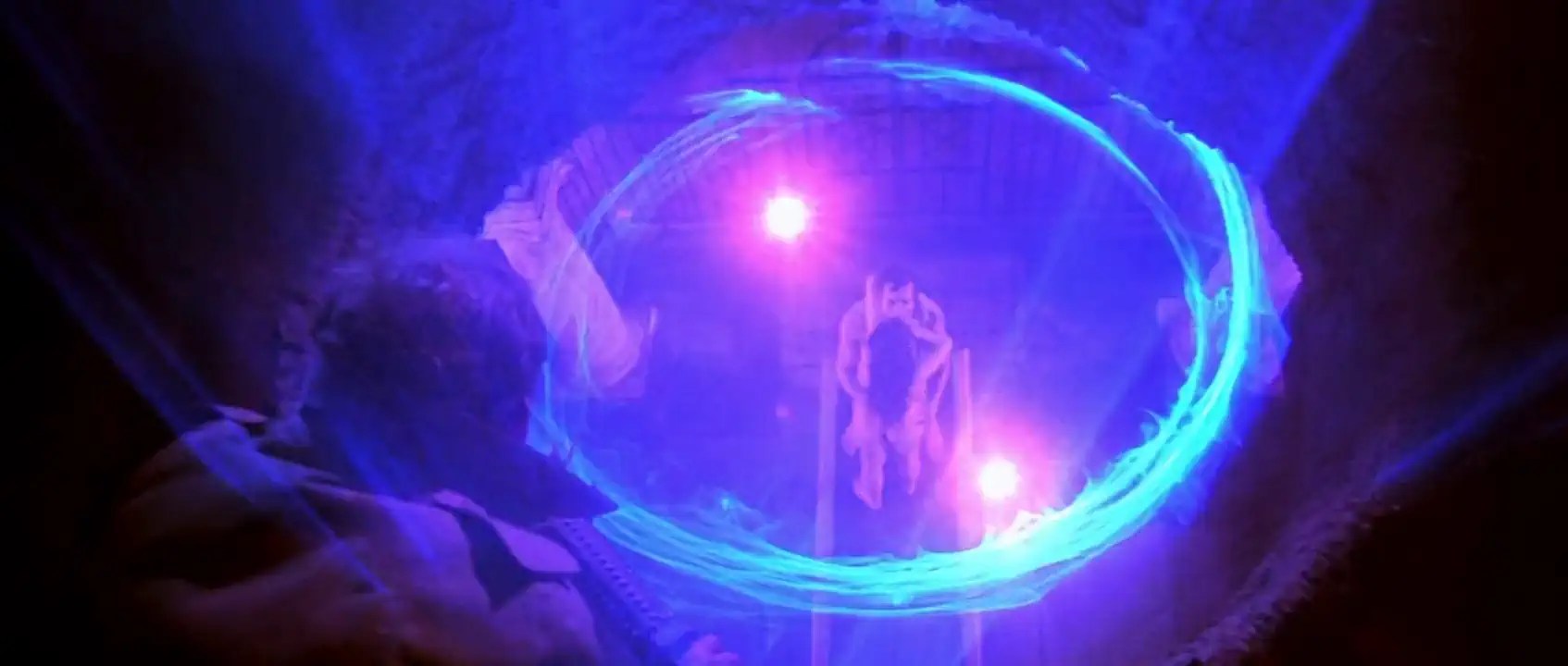
- The elaborate special effects were supervised by John Dykstra, who had already worked on “Star Wars” and was considered one of the leading special effects artists of the time. The scenes with the dried-up vampire victims, the bluish shimmering life energy, and the chaotic destruction of London were particularly impressive visually and are considered highlights of the film. Many of the effects were achieved using elaborate mechanical models and optical tricks, long before the digital era.
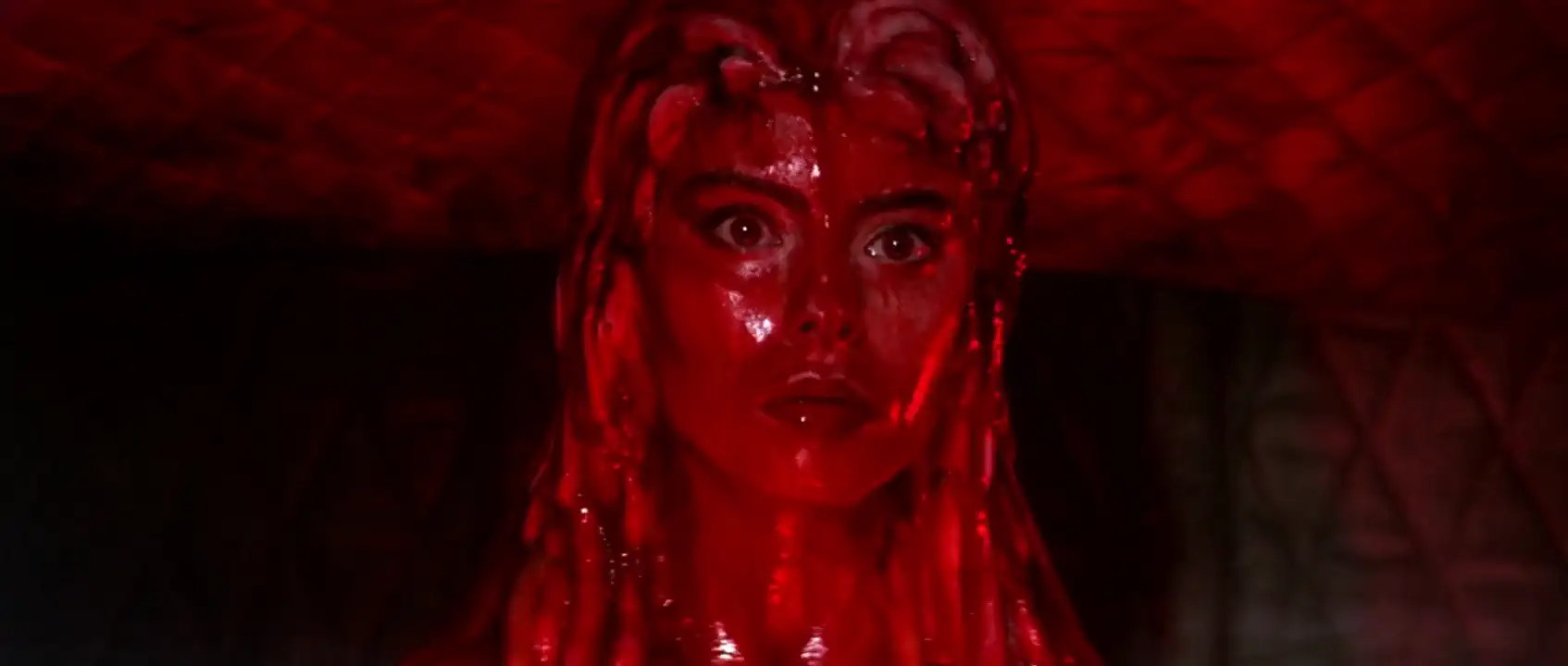
- Mathilda May, who plays the alien vampire, was only 19 years old at the time of filming and had little acting experience. Her almost constant nudity caused controversy and fascination among many viewers. Her performance was considered both courageous and mysterious, contributing significantly to the character’s eerie aura. May became internationally known through this role, although she never again held such a prominent position in a Hollywood film.
- The film was released in several edited versions, including a shorter US version and a longer European version, which contributed to further confusion in its reception. Differences in music, scene sequence, and narrative pace meant that viewers experienced a significantly different film depending on their region. Later DVD and Blu-ray releases finally offered both versions as well as a restored complete version, which helped the film reach a wider audience.
Actors
- Mathilda May makes her English-language film debut in the role of the female vampire. Her almost wordless performance thrives on body language and presence, making her both captivating and menacing. Her portrayal is marked by an eerie elegance that lends the character something supernatural.
- Steve Railsback plays Colonel Tom Carlsen, a traumatized astronaut with a psychic connection to the threat. His performance fluctuates between feverish desperation and inner turmoil, giving the character an intense emotional depth. Railsback, who had already attracted attention for his role in “Helter Skelter,” brings an unpredictable intensity to the role.
- Peter Firth appears as Colonel Colin Caine, a cool, rational military strategist with an analytical mind. Firth’s quiet authority and precise acting form a counterpoint to the charged hysteria of other characters and lend stability to the plot.
- Frank Finlay plays Dr. Hans Fallada, an eccentric scientist with occult leanings. His character brings a mystical element to the story and often acts as a mediator between scientific analysis and spiritual interpretation. Finlay lends the character a subtle gravitas that comes to the fore especially in the quieter scenes.
- Patrick Stewart makes an early appearance as Dr. Armstrong, who becomes disturbingly involved in the conflict. In an intense scene dealing with telepathy and body possession, Stewart already displays the dramatic expressiveness that would later make him famous in “Star Trek: The Next Generation.” Although his appearance is brief, he leaves a lasting impression.
Critical reception
When “Lifeforce” was released in 1985, critics reacted with great skepticism. Many accused the film of being overloaded in terms of content and tonally unbalanced. The mixture of sci-fi, horror, eroticism, and action was perceived as aimless.
In particular, the plot’s illogicality and Hooper’s extravagant staging were met with incomprehension. Roger Ebert commented that the film was “a bizarrely ambitious disaster” that lost itself in its own ideas. Other critics accused the film of wavering between artistic pretension and B-movie aesthetics, resulting in an irritating viewing experience.
The audience was also divided. Some were impressed by the visual power, practical effects, and uniqueness of the story. In particular, the unconventional staging and fearless portrayal of the female lead were praised as bold and innovative. Others, however, found the film unintentionally funny, oversexed, or even grotesque. Commercial success failed to materialize: box office receipts were disappointing, which also led to limited international release. “Lifeforce” was soon taken out of theaters and disappeared into the shadows of video store shelves for some time. Nevertheless, it gradually found a niche audience that appreciated its bizarre qualities.
Reputation today
Today, however, “Lifeforce” has found a firm place in the cult film niche. Many film fans and critics now see the film as a misunderstood masterpiece that was ahead of its time. The ambitious camera work, the original effects, the music by Henry Mancini, and the consistent seriousness in the portrayal of an absurd premise are now praised. The film is increasingly cited in academic and cinematic discussions as a fascinating example of the creative experimentation of the 1980s.
The 4K restorations and collector’s editions in particular have contributed significantly to its reappraisal. These high-quality releases have allowed a new audience to rediscover the visual and atmospheric power of the film. Lifeforce is also regularly shown at film festivals, retrospectives, and midnight screenings, where it often receives euphoric reactions. Its combination of gothic horror, body horror, science fiction, and apocalyptic vision was exceptionally bold for the 1980s and inspired numerous later works such as Event Horizon, Species, and even elements from the series The X-Files. The film is increasingly being recognized as a kind of forgotten building block in the mosaic of modern sci-fi horror.
Summery
“Lifeforce” is a film that defies clear categorization and is fascinating precisely because of this. It is wild, over-the-top, sometimes unintentionally funny, but never boring. Its mixture of vampires, aliens, erotic tension, and apocalyptic horror makes it a unique representative of 1980s cinema. Even if the film seems confusing or overly ambitious in places, it is precisely this uncompromising nature that is part of its charm.
Although not always coherent in terms of narrative, it impresses with its atmospheric density, stylistic determination, and willingness to take cinematic risks. The idiosyncratic visual language, paired with Henry Mancini’s theatrical music, creates an almost dreamlike mood that lingers long after the film ends. Lifeforce is not just a science fiction adventure, but also a philosophical exploration of the concepts of life energy, desire, and power.
Today, “Lifeforce” is more than just a curious relic – it is a fascinating experiment that boldly pushes the boundaries of genre. For fans of unusual cinematic experiences, this film is an absolute must-see. It invites you to embrace something completely unexpected – and that is precisely where its particular strength lies.
More
Magazine Scans
Bravo 1985/45

Trailer
External links
Keywords: Lifeforce 1985, Tobe Hooper Lifeforce anniversary, Space Vampires Colin Wilson adaptation, Lifeforce sci-fi horror cult classic, Henry Mancini Lifeforce soundtrack, John Dykstra special effects 80s, Mathilda May insane performance, Cult film retrospectives 40 years later, Cannon Films era 1985, London vampire apocalypse film
Hashtags: #Lifeforce40 #TobeHooper #SpaceVampires #SciFiHorror #CultClassic #80sCinema #HenryMancini #MathildaMay #RetroHorror #CannonFilms







 McHenry's Lair
Kommentar verfassen :