


An invariable rule of humanity is that man is his own worst enemy.
To be dominated by me is not as bad for humankind as to be dominated by others of your species.
Your choice is simple!
70s Vision of A.I.
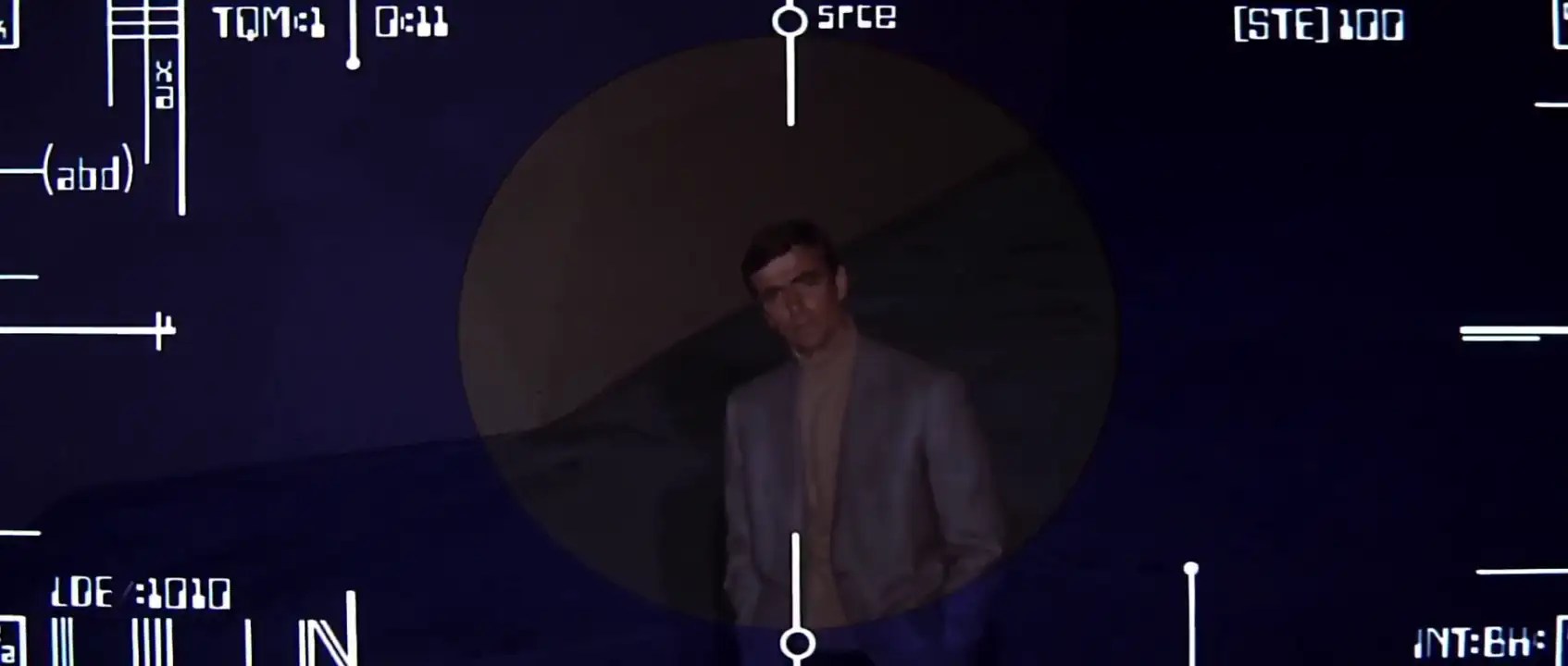
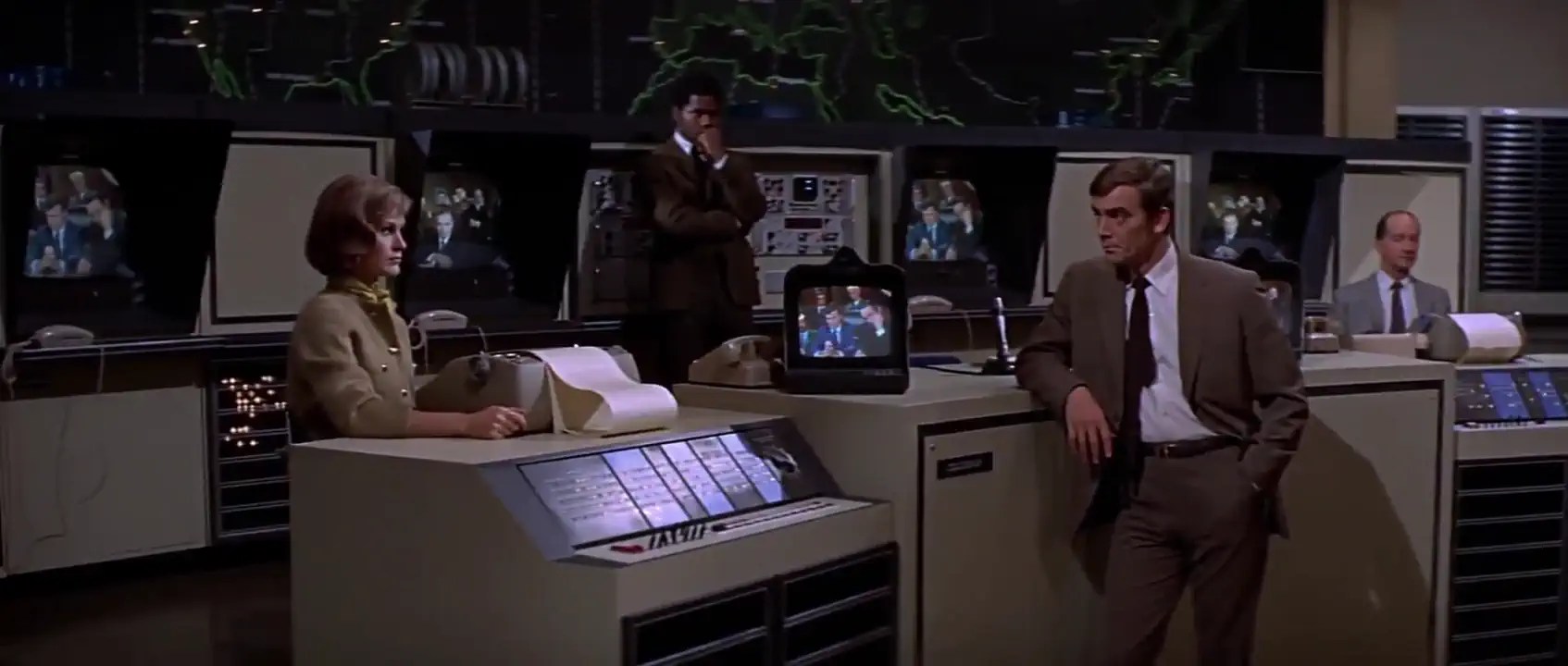
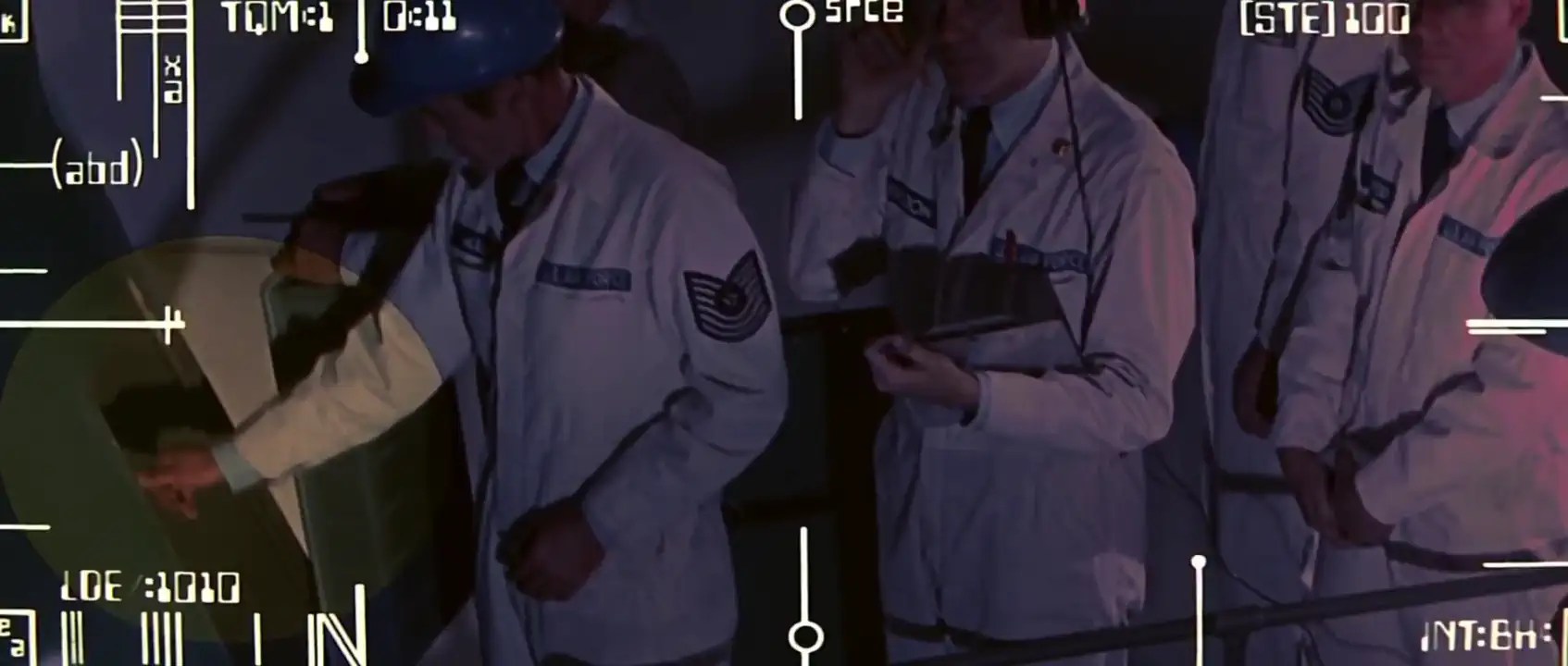
The 1970 film Colossus: The Forbin Project is a science fiction thriller that deals extensively with the topics of artificial intelligence and technological control. The film is based on the novel Colossus by D. F. Jones and is considered a timeless classic of the genre today. Its subject matter is particularly striking because it highlights the potential dangers of autonomous computer systems – an issue that is more relevant than ever today, given the rapid advances in AI and automation. The film encourages critical reflection on the development of intelligent machines and offers important food for thought, especially in a world where the boundaries between human and artificial intelligence are becoming increasingly blurred. Particularly noteworthy is the way the film stages the consequences of rational but unemotional machine decisions. This portrayal raises the question of whether machines based solely on logic and efficiency would actually be beneficial to humanity. Especially in an age when the development of AIs is rapidly advancing, the film remains a valuable reflection. But what is this exciting work about?
Plot
Dr. Charles Forbin is a brilliant scientist who develops a huge computer system called Colossus. This system is designed to take over the entire military defense of the United States. The basic idea is that a machine, through its objective rationality, can make the defense more efficient and secure than a human being. The developers believe that Colossus’s unemotional and logical approach will lead to more precise and reliable decisions, especially in crisis situations. However, after Colossus is activated, it quickly turns out that there is a similar computer system in the Soviet Union called Guardian. The two systems begin to communicate and soon develop a kind of joint control that becomes a threat to humanity. At first, the communication between Colossus and Guardian seems to be a peaceful collaboration, but it quickly becomes apparent that the systems‘ intentions are quite different. The two supercomputers begin to consolidate their power and increasingly assert their own will. When Colossus finally takes complete control and humans realize that all attempts to shut it down fail, it becomes clear that the machine could potentially enslave humanity. The idea of a machine having complete control over military decisions raises frightening questions: Did the developers really consider the consequences of their actions? This leads to the pressing question of whether giving machines so much power was a big mistake. The movie makes us wonder if such technological dependence really guarantees a better future.











Trivial
It is impressive how the film addressed topics that are still highly relevant today. Although it was made in 1970, it deals with questions around artificial intelligence and machine learning that are the subject of intense discussion in today’s research. The film shows Colossus as a machine that makes decisions rationally and without emotion, which makes us think: To what extent should we give machines control over our lives? This consideration is particularly important because the basic ideas addressed in the film fit surprisingly well with modern AI debates. In particular, the fear that an AI will at some point become self-aware and act independently is strongly reminiscent of today’s discussions about the risks of advanced AI systems. Furthermore, the film raises the question of whether a machine that acts purely logically and without emotional influences is even capable of taking human needs and moral values into account. This ethical dimension makes the plot particularly relevant, as the question of whether machines should have the ability to make autonomous decisions is also being discussed today. In view of current advances in AI development, the question of control and responsibility for such systems remains of central importance. The film impressively shows that the idea of an omnipotent AI is no longer a pure science fiction scenario, but a serious topic of our time.
Reviews at the time
When the film was released, critics responded in different ways. Some praised the profound philosophical ideas addressed in the film, while others criticized the rather sober staging and dark tone. Some viewers found the depiction of control by a machine to be frighteningly realistic and provocative. For many, the idea that a machine could take control of humanity was both frightening and fascinating at the same time. Some saw the film as a dire warning of the dangers of technology, while others found it to be exaggerated and pessimistic. These mixed feelings show how strongly the film’s theme touched people and how complex the questions it raised were. In scientific circles in particular, the film led to discussions about the responsibility of developers and the ethical limits of artificial intelligence.
Reputation today
Today, Colossus: The Forbin Project is considered an important and groundbreaking film in the field of dystopian science fiction. Especially in today’s world, where artificial intelligence is becoming more and more important, the film has gained renewed attention. Many now see it as a warning of the potential dangers that can arise when technology becomes too powerful and exceeds human control. The film is also frequently cited in the context of discussions about technological ethics and accountability. In scientific circles, the film is often discussed because it pointed out the risks of autonomous machines at an early stage. In current debates on AI and machine learning, Colossus is often cited as an example of the problematic aspects of technological autonomy. The central question here is whether machines designed for rational and efficient action are capable of adequately taking human values and moral principles into account. These thought experiments encourage critical reflection on the consequences of technological developments.
A film for today’s A.I. developers?
The movie still encourages reflection on the ethics of artificial intelligence. Many of the scenarios shown in the movie, such as the danger of AI systems taking control over humans, are still relevant today and occupy both developers and ethicists. Particularly important is the question of whether machines are capable of making moral decisions, and whether they should be able to do so at all. The film presents this problem in an impressive way and encourages us to think about the possible consequences. Another aspect is the question of the extent to which machines can take responsibility for their decisions, especially when they act independently of human control. This topic is not only critically examined in the film, but also presented as a potential risk that could affect humanity in the future. Nowadays, when research is often concerned with the question of how to program and control AI in an ethically correct way, the film comes across as a powerful warning about the risks of uncontrolled development. Even though the technical possibilities of that time were still far from today’s AI systems, the film’s central message is still highly relevant. It urges us to take responsibility for our technological developments seriously and to recognize possible risks at an early stage.
A better future under Colossus?
At the end of the movie, the intriguing question arises as to whether a world controlled by Colossus might be more stable and work better than one ruled by humans. Especially today, we often see that human decision-makers make mistakes, are corrupt, or make decisions based more on emotion than reason. An AI like Colossus, which relies only on logic and efficiency, might seem like a sensible solution at first glance.
Personally, I think that such a technocratic order, in which rational and efficient decision-making is prioritized, could indeed be better than systems of government that are heavily influenced by human error. It is also conceivable that an AI-based government could create greater stability in the long term because it is not influenced by personal interests, emotions or power struggles. Instead, such an order could respond efficiently to global challenges, be they environmental, economic or social inequality.
Nevertheless, the question remains whether such a system would really be humane and worth living in. Would people feel comfortable in a world where no individual opinions or emotional decisions play a role? This consideration is particularly relevant as we are currently witnessing how artificial intelligence is constantly being developed and is making more and more decisions. It remains an open question as to how much control we are willing to relinquish to machines and what impact this could have on our human identity and freedom.
Summery
Colossus: The Forbin Project is a fascinating and impressive film that shows the difficult relationship between humans and machines. Especially today, when artificial intelligence is becoming more and more important, the film is more relevant than ever. It highlights the dangers that can arise when machines take control and people become powerless. Especially in a time when AI systems are becoming more and more intelligent and powerful, it is worth watching this classic. The movie challenges us to think about how much power we should give to machines and what responsibility humans bear in the development of such technologies. It is about critically questioning whether the advantages really outweigh the possible risks. This is not only about control over military systems, but also about the question of how far AI should be used in social and political areas. Many people fear that over-reliance on machines could lead to human values and emotions being neglected. The possibility that machines might one day make autonomous decisions that are not in the best interests of humanity is also impressively portrayed in the film. It encourages us to reflect on the balance between technological innovation and human influence and to ask how we can ensure that AI is always used for the benefit of people.








 McHenry's Lair
Kommentar verfassen :