


The classic disaster movie
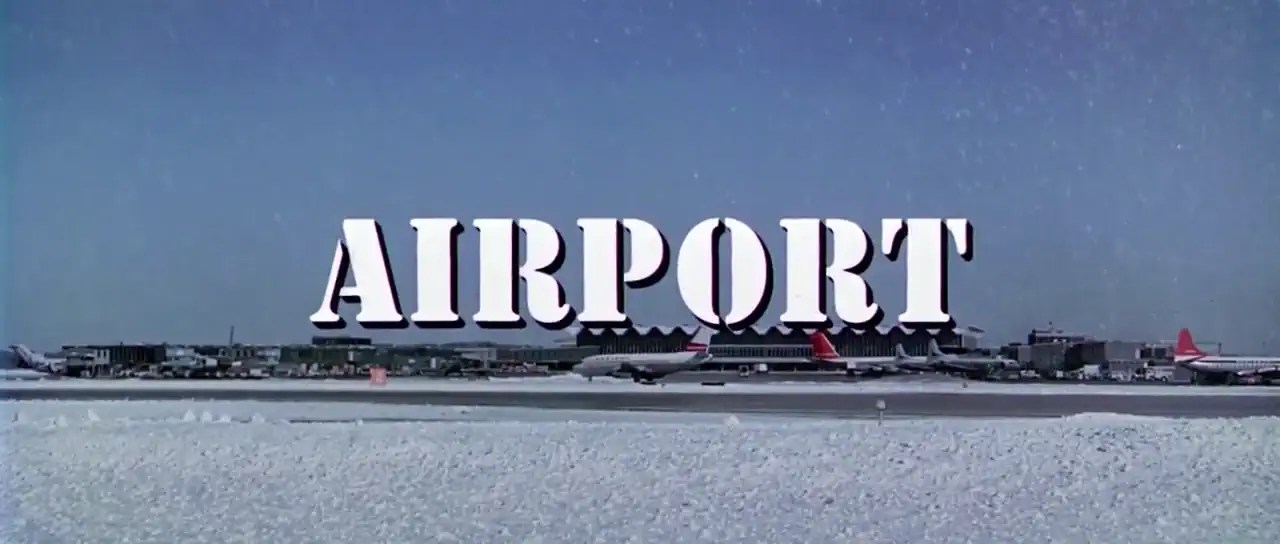
The 1970 film Airport is one of the most famous examples of the disaster movie genre and marked the beginning of a whole wave of films of this type in the 1970s. Based on the novel of the same name by Arthur Hailey, director George Seaton created a suspenseful drama about a snowstorm, a bomb threat and the internal conflicts of an international airport. With a star-studded cast, including Burt Lancaster, Dean Martin and Jacqueline Bisset, the film was a huge commercial success and had a lasting impact on the genre.
Plot
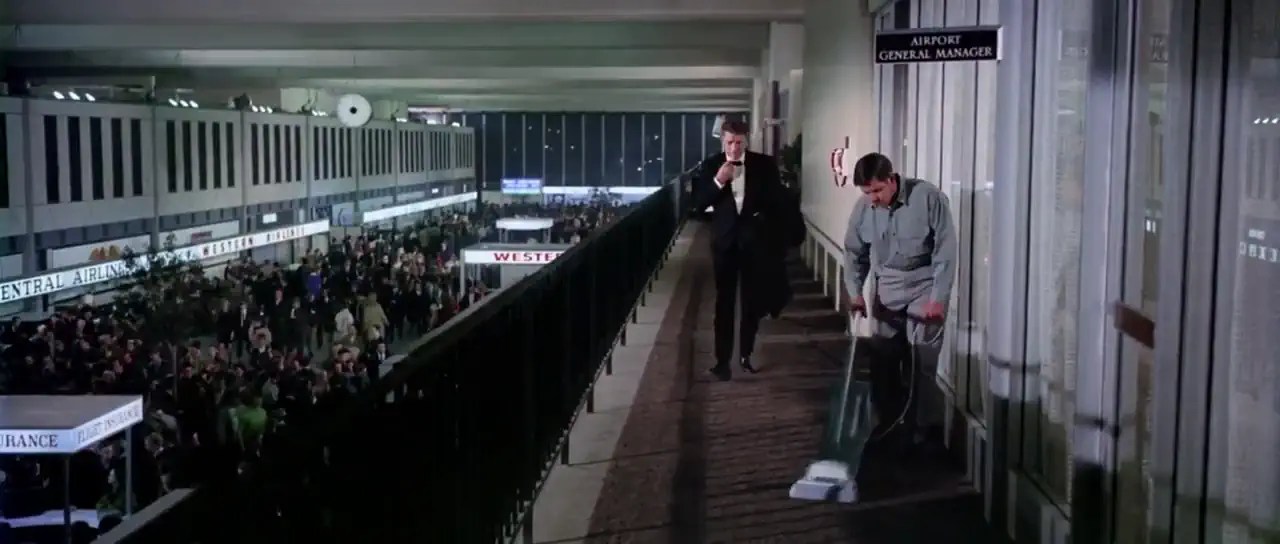
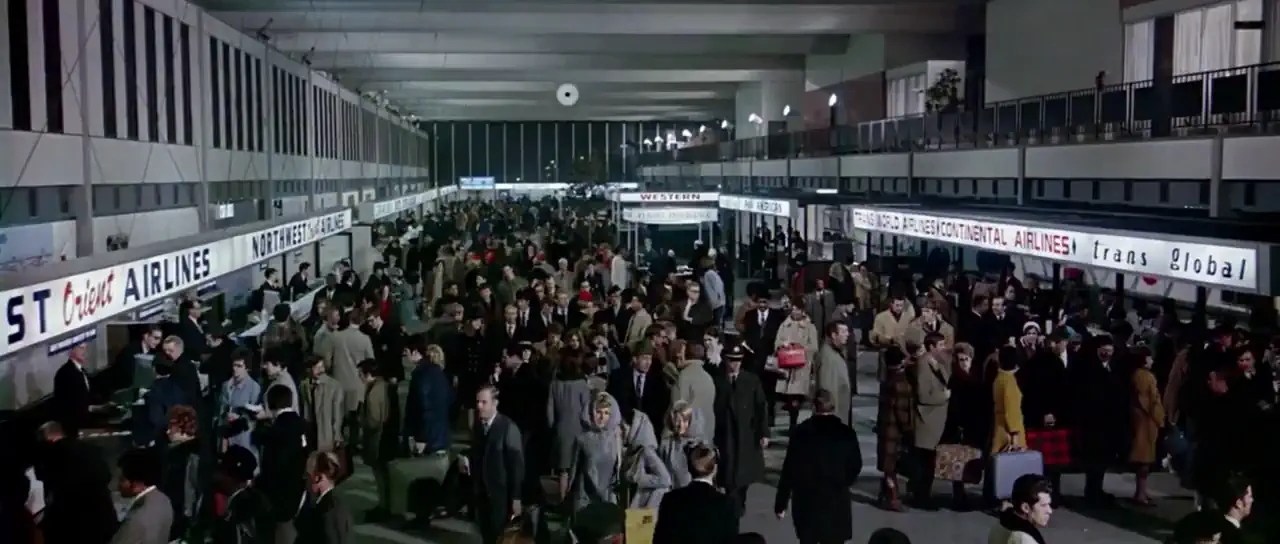
The plot of Airport revolves around the fictitious Lincoln International Airport, which is struggling with a severe snowstorm and is simultaneously rocked by a deadly threat from within. While the weather outside is paralyzing operations, a desperate passenger smuggles a bomb on board a Trans Global Airlines flight to Rome. As the drama intensifies, the parallel crises that push both the airport and the people in the air to their limits intensify. The airport is on the brink of chaos: runways are blocked, flights have to be diverted, and staff are working at the limits of their endurance. Airport manager Mel Bakersfeld (Burt Lancaster) faces the challenge of keeping the airport running while also dealing with personal problems, including a difficult marriage and political conflicts with the airport board.
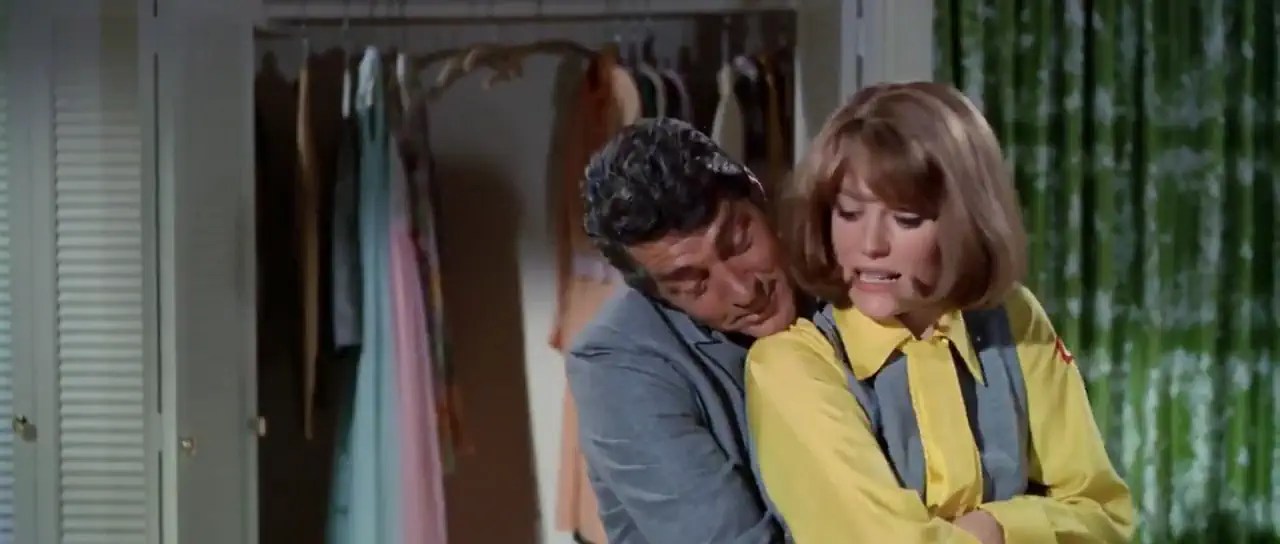
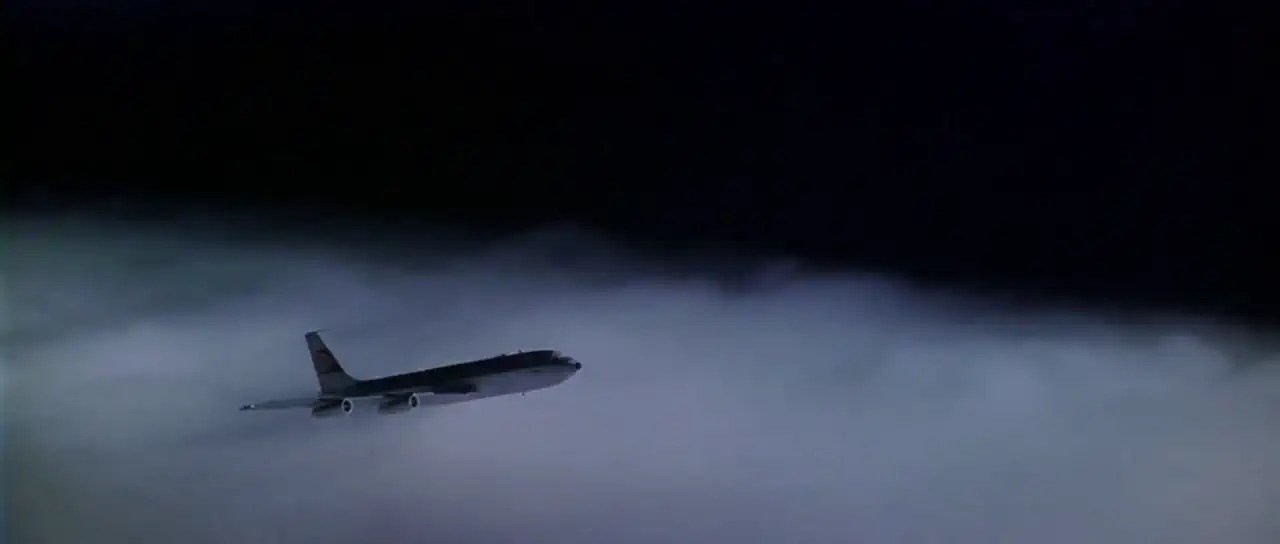
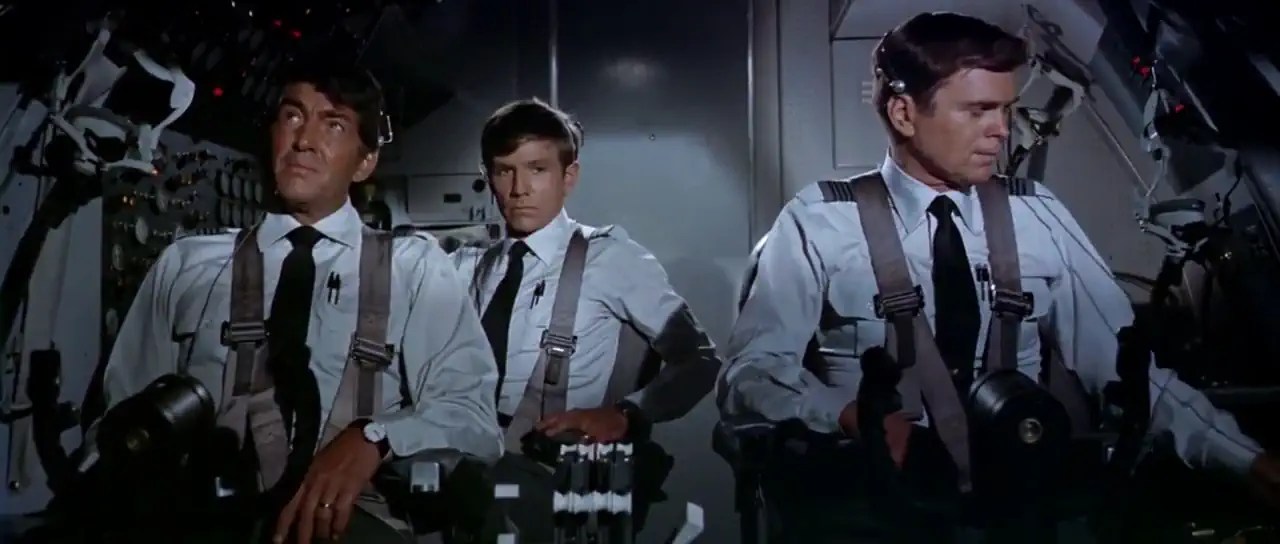
At the same time, pilot Vernon Demerest (Dean Martin) is in the cockpit of a Trans Global Airlines flight to Rome. During the flight, it is revealed that there is a desperate man among the passengers who is carrying a bomb to leave a life insurance sum to his family. Tension mounts as the crew and passengers try to defuse the threat while the storm outside continues to intensify.
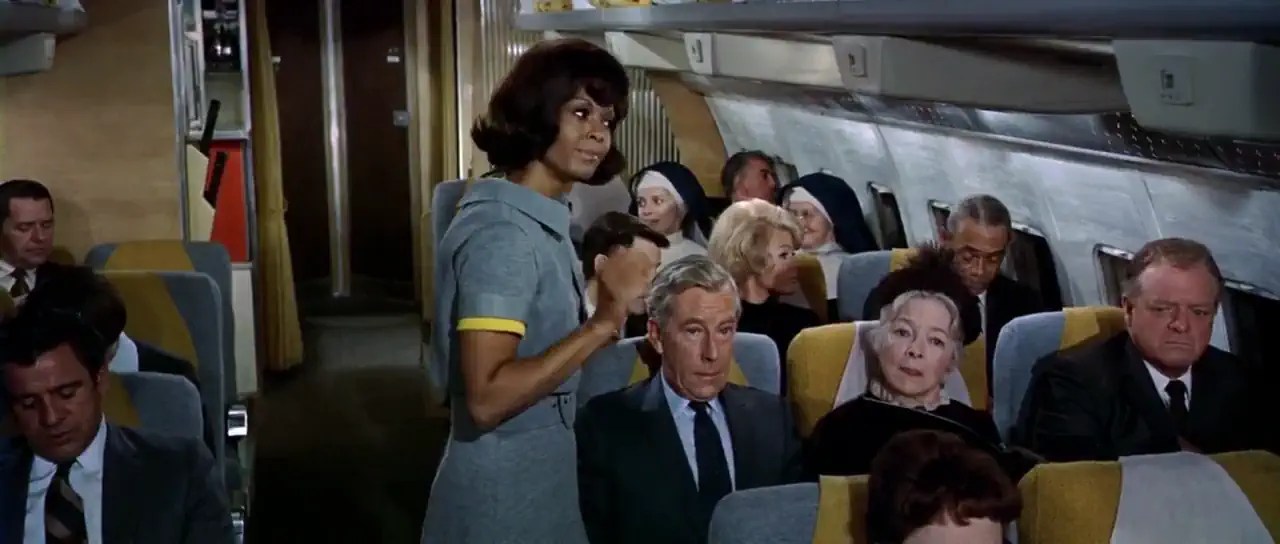
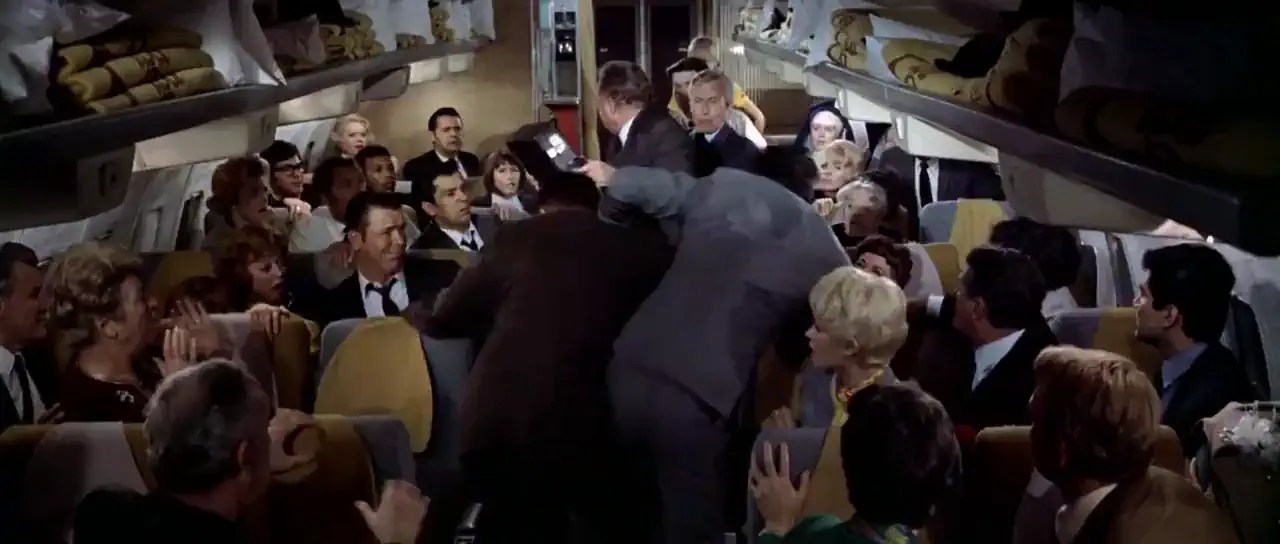
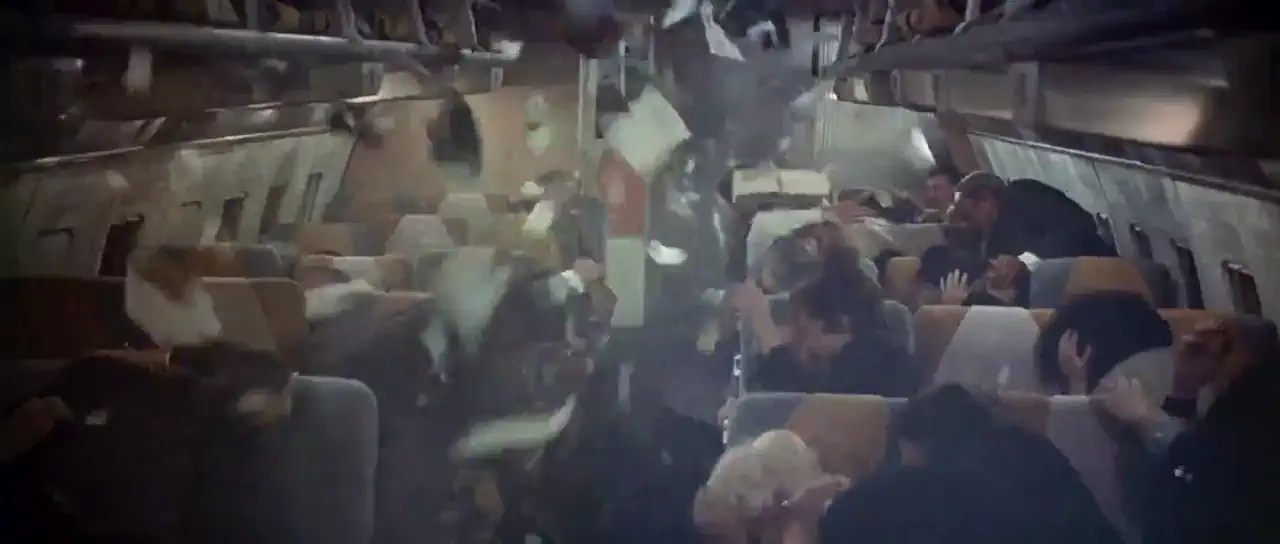
As the situation escalates, the crew and ground team must work together to avert disaster. In addition to the bomb threat, there are other dramatic developments: an aircraft is stuck on an icy runway, and another flight is in danger of crashing due to the extreme weather conditions. These intersecting storylines create a tense atmosphere that keeps the viewer on the edge of their seat until the end.



Book vs. film
While the film closely follows the plot of the novel, some adjustments were made. In particular, some subplots were shortened or changed to increase the focus on the dramatic element of the film. The novel describes the operation of the airport in greater detail, with particular emphasis on the internal political and economic challenges of the airport. The film, on the other hand, focuses more on the tension and dramatic twists, making the story as a whole more compact and cinematic.
In addition, some characters were adapted for the film version. This is particularly noticeable in the case of Mel Bakersfeld, who is portrayed in the novel as an overworked, pragmatic manager, while in the film he is given a deeper emotional dimension. His family conflicts and the strain of his job are more in the foreground in the film version, which makes his character more human and accessible. Likewise, the role of Vernon Demerest was slightly modified: in the book, he is a much less likeable character with a pronounced ego, while in the film he appears as a charming, yet responsible pilot. These changes made the characters more appealing to the cinema audience and created a stronger emotional connection.
Furthermore, some subplots were removed or simplified. For example, the book covers some technical and logistical aspects of flight planning in more detail, while these were reduced in the film in favor of a faster narrative pace. These adjustments helped to make the story more exciting and accessible to a wider audience without losing the essence of the original plot.
Criticism at the time
At the time of its release, Airport received mixed reviews. While many critics praised the suspense and star-studded cast, some found the film to be melodramatic or clichéd. However, particular mention was made of Helen Hayes‘ portrayal of the shrewd stowaway Ada Quonsett, who was considered one of the film’s best performances. Her charming and humorous performance gave the film a certain lightness and provided some of the most memorable moments.
In addition to Helen Hayes, the performances of Burt Lancaster and Dean Martin, who both played central roles in the film, were also praised. Critics emphasized that Lancaster filled the role of the airport manager with a strong presence and emotional depth, while Dean Martin was convincing as the charming but responsible pilot. Martin was able to demonstrate his acting talent particularly in the dramatic moments towards the end of the film.
Despite some critical voices regarding the clichéd subplots and the somewhat predictable developments, the film was a box office success. Airport grossed over $100 million worldwide – an enormous sum for the time and a clear sign of the public’s interest in high-tension disaster films. The film’s financial success contributed to the disaster film genre experiencing a real boom in the 1970s and established Airport as one of the most important films of its time.
Reputation today
Today, Airport is considered a classic of the disaster film genre and a blueprint for numerous successors. Although some of the dramatic elements may seem outdated, the film remains a thrilling contemporary document with outstanding actors and a gripping production. In particular, the detailed portrayal of airport operations and the realistic implementation of crisis situations give the film an additional authenticity that is still appreciated today.
In addition, Airport served as a model for numerous parodies and homages, including the cult comedy The Incredibles Trip in a Crazy Plane, which humorously exaggerated many elements of the film. This lasting cultural relevance shows that the film plays an important role in film history far beyond the time of its creation. Even though viewing habits have changed, Airport remains a work that was innovative for its time and had a lasting impact on the genre.
Sequel films
The success of Airport led to three official sequels: Giganten am Himmel – Airport ’75 (1974), Airport ’77 – Verschollen im Bermuda-Dreieck (1977) and Airport ’80 – Die Concorde (1979). While all the films worked according to the same basic principle – a major air disaster with a prominent cast – they were unable to match the commercial success of the original. Nevertheless, Airport ’75 in particular was a financial success and further established the subgenre.
Airport ’75 relied on an even larger star-studded cast and more spectacular scenes. In particular, the storyline involving a badly damaged Boeing 747 that has to be piloted by a flight attendant was perceived as exciting by many. Although the film was less profound than its predecessor, it offered dramatic action sequences that thrilled audiences.
Airport ’77 tried to score with a new setting: a luxury cruise ship with an airplane theme crashes into the ocean and becomes a deadly trap for its passengers. Despite impressive effects and a renowned cast, the film failed to match the qualities of the first installment and was considered by critics to be too formulaic and overloaded. Nevertheless, it attracted a considerable number of viewers to the cinemas.
The last film in the series, Airport ’80 – Die Concorde, was an absolute low point. The plot revolved around a conspiracy surrounding the Concorde, which was being sabotaged by an arms company. The exaggerated staging, implausible plot twists and sometimes unintentionally funny dialogue made the film a flop. It was panned by critics and marked the end of the Airport series.
Despite the decline in quality of the sequels, the series remains a milestone in the disaster film genre. While Airport is considered a classic, Airport ’75 and Airport ’77 in particular are still appreciated by fans of the genre today.
Summery
Airport remains one of the most influential disaster films of all time. With its blend of drama, suspense, and a top-notch ensemble cast, it set the standard for the genre and paved the way for numerous imitators. The film influenced not only the disaster film genre, but also the way in which large ensemble casts can be used to create suspense and drama. The staging, the carefully crafted tension curve and the timeless theme of human conflict under pressure help to ensure that the film remains relevant to this day.
Even though the film is sometimes perceived as old-fashioned today, it still offers a fascinating contemporary document of the 1970s and reflects the fears and technical possibilities of aviation at that time. It also features a strong character study and a realistic depiction of airport operations that can still impress decades later.
Last but not least, Airport is a milestone in film history because it laid the foundation for later disaster films, which often tried to imitate its formula. While some of these imitations came across as over-the-top in their theatricality, the original remains a perfectly balanced work that offers both emotional depth and gripping entertainment. For film historians, fans of classic dramas and lovers of the genre, Airport is still a highly recommended film that has earned its place in film history.
More
Trailer
External links
- Airport at IMDb
- Airport at Rotten Tomatoes
- Airport at Wikipedia (en)
- Airport at Wikipedia (de)








 McHenry's Lair
Kommentar verfassen :