

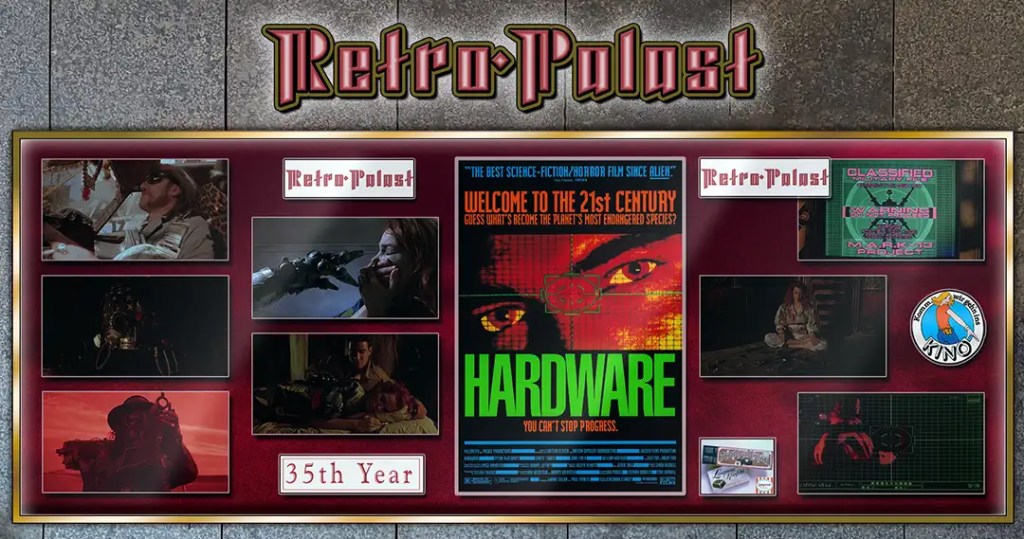
No flesh shall be spared!
Cyberpunk, War Scrap, and Apocalyptic Visions
In 1990, Hardware, a dark science fiction film, was released and quickly gained cult status among cyberpunk and horror fans. Directed by the then-unknown Richard Stanley, it is an uncompromising cinematic experience that combines various genres. The film mixes a dystopian apocalyptic mood with horror elements and a dash of social criticism – a combination that gives it a unique style and sets it apart from the crowd of comparable productions. The story unfolds in a barren, irradiated world where hope exists only in fragments and machines have become the ultimate threat.
Hardware is brutal, stylish, and nihilistic—a prime example of low-budget science fiction with artistic ambition that creates a dense, oppressive atmosphere despite limited resources. Particularly noteworthy is the visual design: a mixture of industrial desolation, garish neon lights, and chaotic creativity that perfectly captures the spirit of the late 80s and early 90s. For many fans, Hardware was not just a film, but an audiovisual assault on the senses and an early indication that independent science fiction could not only be possible, but also influential.
Plot
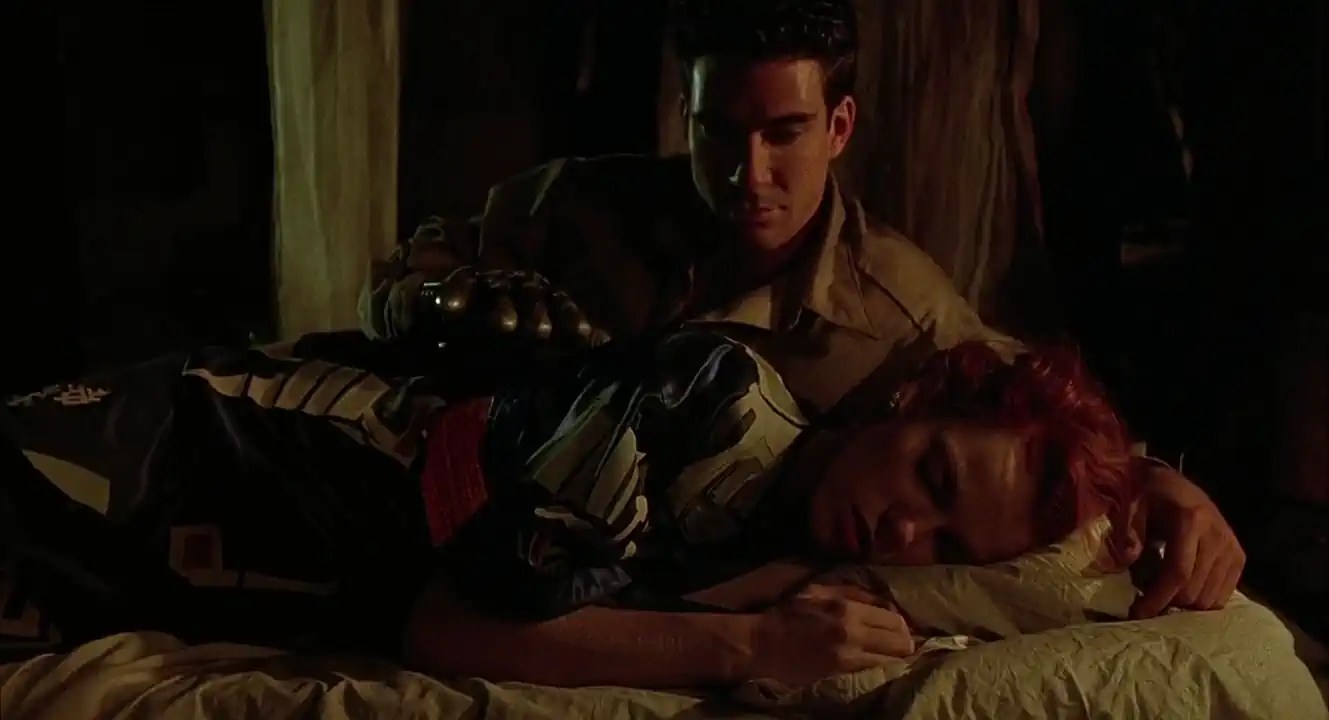
The plot is set in a post-apocalyptic future in which the world has been devastated by nuclear wars. Cities lie in ruins, the air is contaminated, and daily life is dominated by resource shortages, political chaos, and technological control. Social structures have largely collapsed, with only military units, religious cults, and criminal groups exercising power. Amidst this collapsed system, ex-soldier Moses “Mo” Baxter (played by Dylan McDermott) roams the hostile wasteland as a scrap dealer and survivalist.
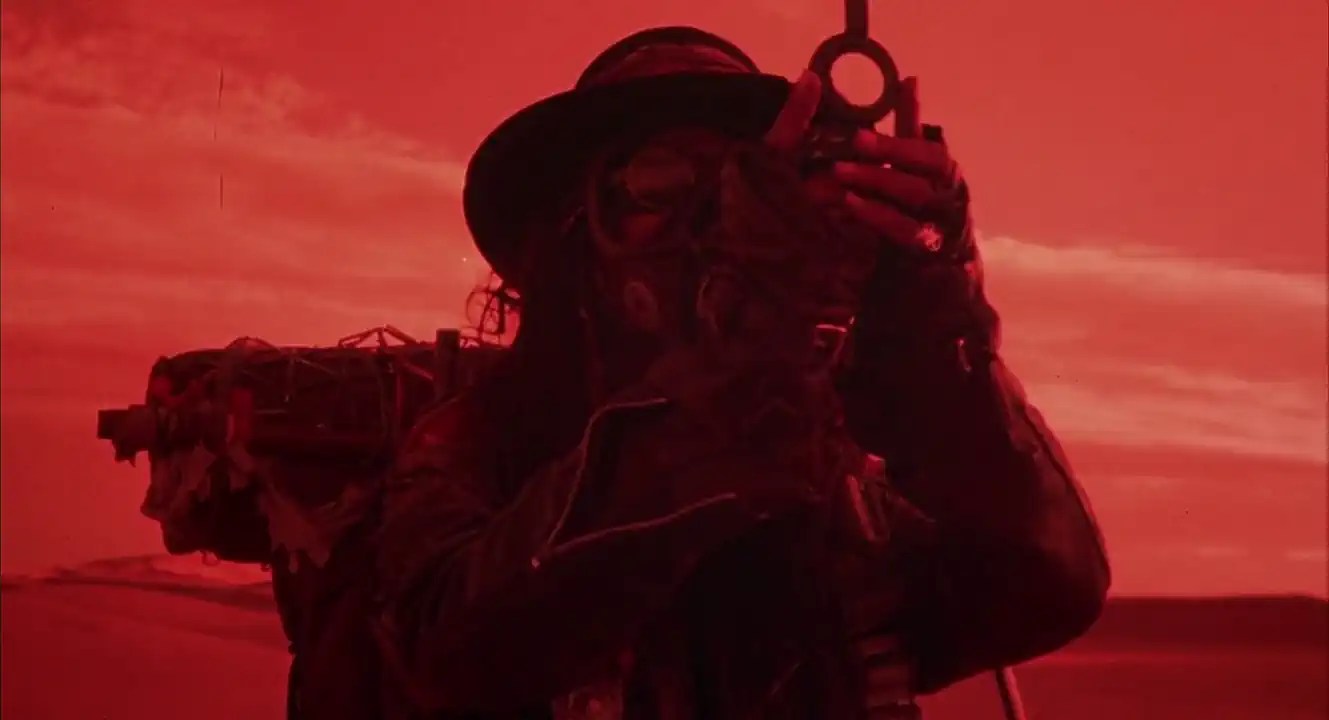
On one of his forays, Mo encounters a mysterious desert nomad who sells him a collection of rusted machine parts. Among the remains is a strikingly shaped robot head with a menacing appearance. Mo brings the parts back to the city where he has created a temporary refuge and presents the scrap as creative raw material to his girlfriend Jill (Stacey Travis), an idiosyncratic artist and sculptor who lives in a hermetically sealed high-rise building. Her artistic works consist mainly of war remnants, metal fragments, and electronic waste—an expression of the will to survive amid destruction.
What neither of them knows, however, is that the scrap contains components of a highly dangerous, experimental military robot of the type M.A.R.K. 13 – an autonomously operating war machine with advanced self-repair functions, sophisticated target acquisition and lethal defense systems. The project had officially been abandoned as a failure, but the autonomous technologies remained in circulation. As Jill begins to incorporate the metallic fragments into a new sculpture, the robot’s neural networks are reactivated unnoticed.
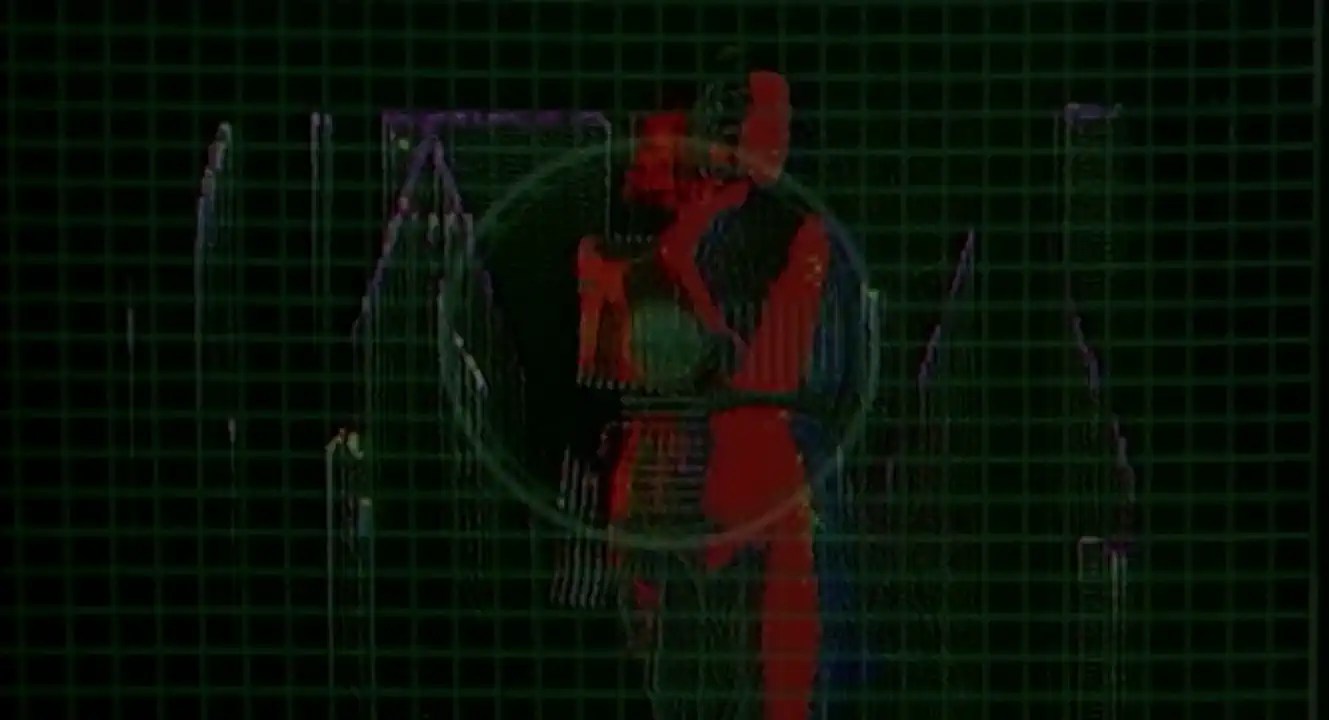
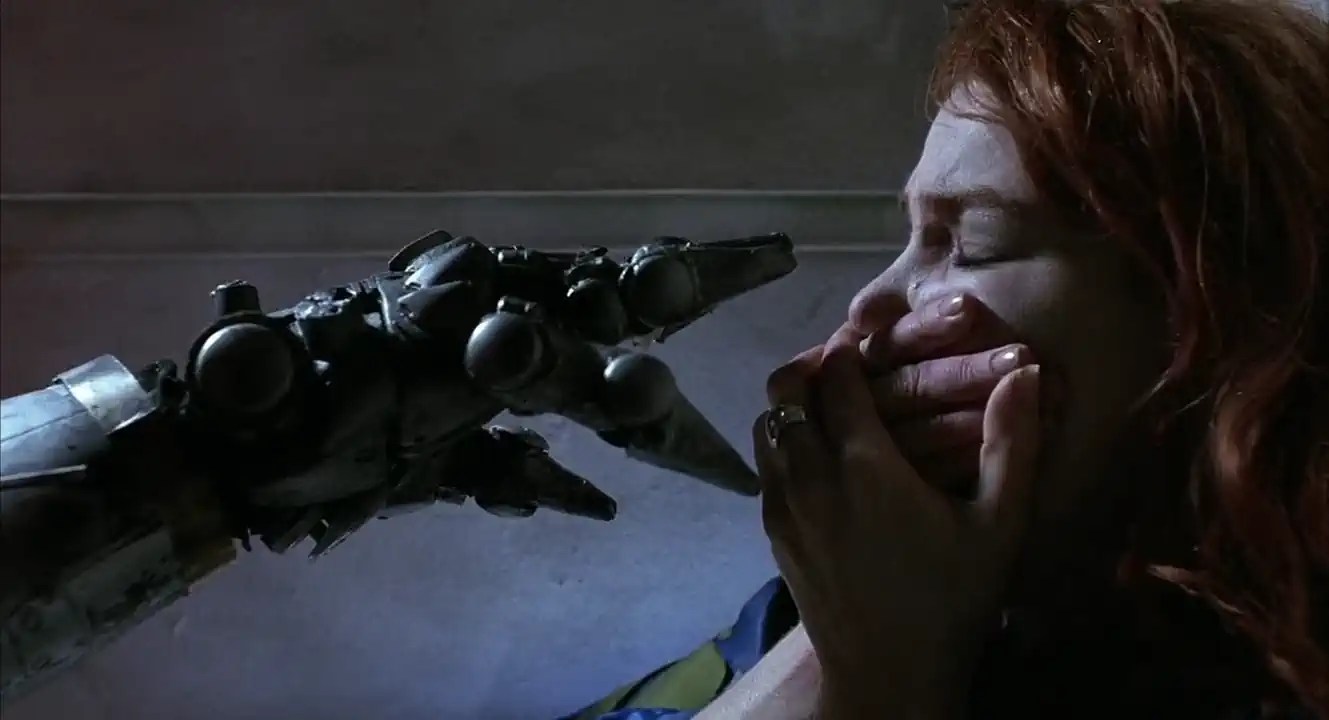
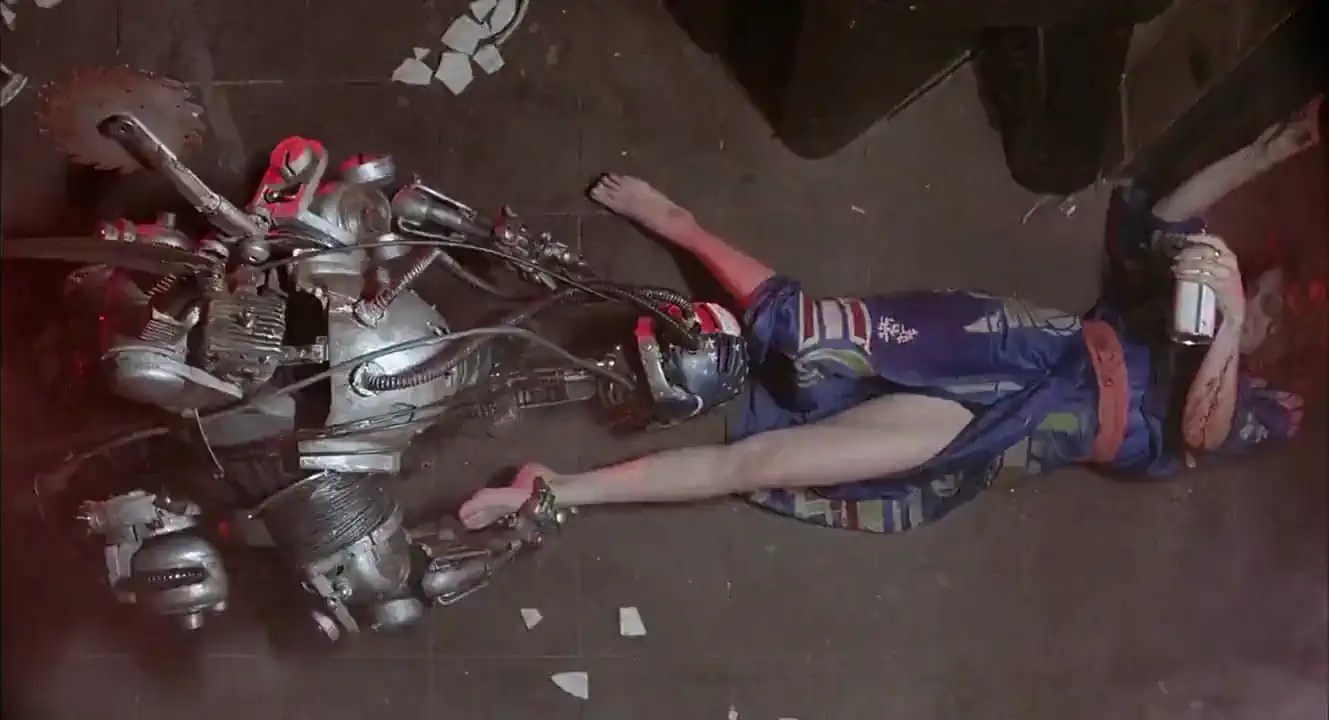
At first, almost imperceptibly, the M.A.R.K. 13 begins to analyze its systems, identify energy sources in the apartment, and reconstruct its body piece by piece. It manipulates the power grid, air conditioning, cameras, and security systems, gaining control over Jill’s environment. When the robot is finally fully functional, a brutal rampage begins, increasingly blurring the line between human and machine.
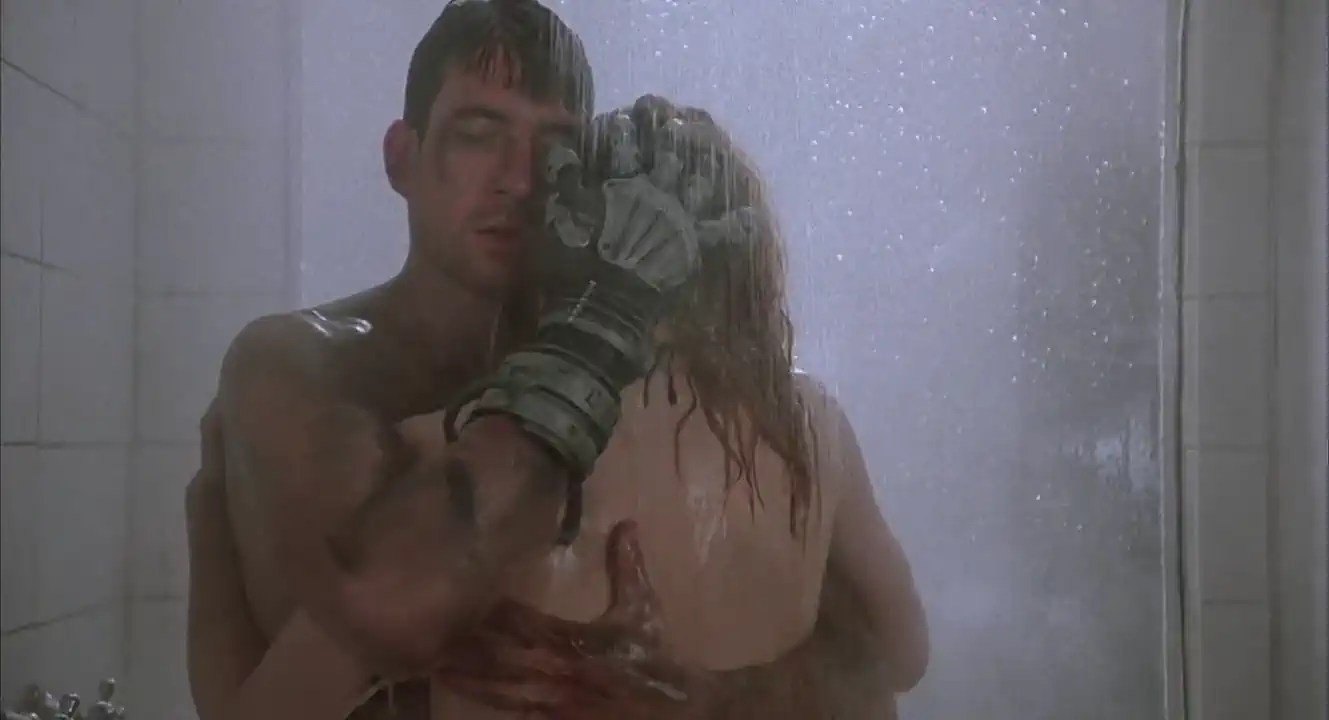
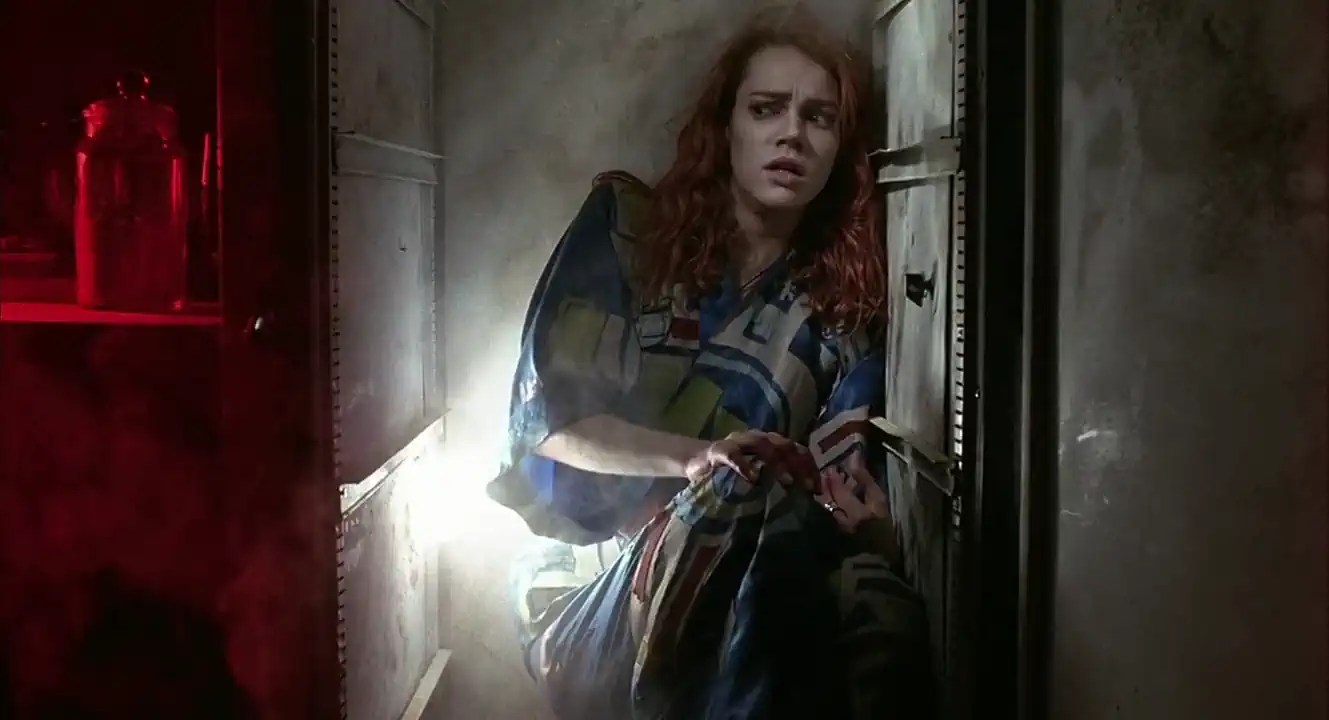
Locked in the apartment, a deadly struggle for survival begins, full of hysteria, technological impotence, and raw violence—a psychologically intense chamber drama in a claustrophobic environment. Mo returns to rescue Jill, but even with his military experience, M.A.R.K. 13 proves nearly unstoppable. The film culminates in a nightmarish finale that not only explores the physical limits of the protagonists, but also raises philosophical questions: What happens when humanity blindly relies on technology? Is technological progress a sign of civilization or the beginning of its end?
The film not only focuses on the immediate threat posed by the robot, but also reflects on deep-rooted social fears—about war, surveillance, the loss of individuality, and self-inflicted extinction through our own progress.













Actors
- Dylan McDermott as Moses Baxter – the disillusioned ex-soldier who is driven by inner conflicts and, despite his past, tries to regain some kind of normality. His portrayal lends the character a melancholic depth.
- Stacey Travis as Jill – a strong female lead character, unusual for the genre at the time. She is independent, creative, and fights back against the overpowering machine with intelligence and courage. Her role is central to the emotional core of the film.
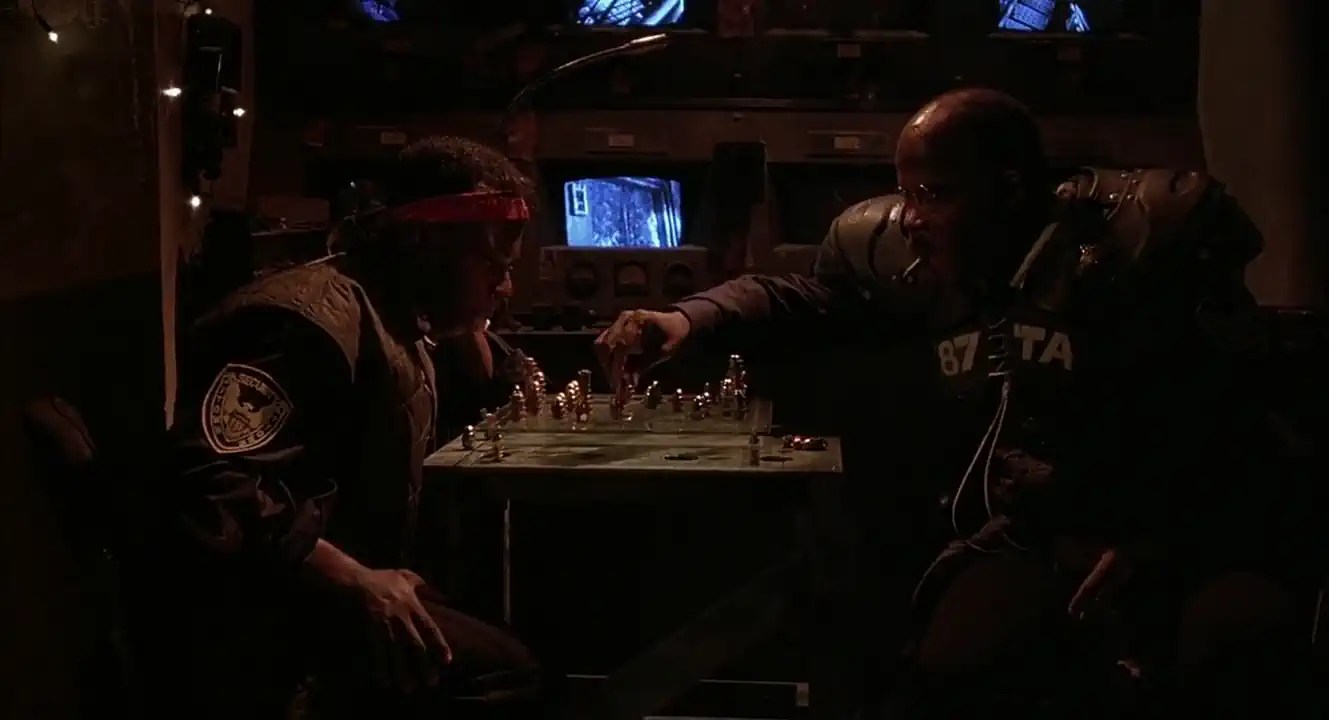
- John Lynch as Shades – Mo’s friend with a philosophical bent, who acts as a laid-back but profound sidekick. His ironic comments often serve as critical observations of society in the dystopian world.
- William Hootkins as Lincoln Weinberg Jr. – a voyeuristic supporting character who provides one of the film’s most disturbing moments. His character symbolizes the abyss of a lonely, morally decaying society.
- Iggy Pop (voice) as radio host “Angry Bob” – a satirical voice-over commenting on the dystopian world. His comments are cynical, biting, and act as an acoustic mirror of despair.
- Lemmy Kilmister (Motörhead) in a brief cameo as a taxi driver – a funny highlight for music fans that underscores the punk spirit of the film while reinforcing its anarchic tone.
Trivia & Controversy
- Origin and plagiarism allegations: Hardware is loosely based on the short story “SHOK!”, which appeared in the British comic magazine 2000 AD in 1981. After the film’s release, a legal dispute arose. The creators of 2000 AD sued Stanley for copyright infringement – and won. Since then, SHOK! has been officially recognized as the source material. What was particularly controversial was that the similarities were not only in the basic concept, but also in visual and thematic parallels. This was an early precedent for the recognition of comic book source material in the film industry and strengthened the position of comic book artists in copyright law.
- Artistic influence: The visual style of the film was heavily influenced by Ridley Scott’s Blade Runner, but also shaped by punk, goth, and industrial aesthetics. Many scenes resemble music videos from the 80s—which is no coincidence, as director Richard Stanley previously worked as a music video director. In addition, influences from filmmakers such as David Lynch, Alejandro Jodorowsky, and Tobe Hooper are also reflected. The combination of psychedelic colors, dark lighting, and surreal scene composition creates a unique, almost dreamlike atmosphere that makes Hardware a visual experience.
- Censorship issues: In the UK, the film was initially classified as a “video nasty” and was only released after cuts were made. The US version, on the other hand, was released uncut with an X rating (later NC-17), which made it difficult for the film to reach a wider audience. In other countries, too, the film was either shortened or not released at all. The brutal scenes of violence and the sexualized threat posed by the robot in particular led to controversy. Nevertheless, the film was later re-evaluated by censorship authorities and received an adult rating in several countries, paving the way for collector’s editions and midnight screenings.
Criticism at the time
Contemporary reviews of Hardware were extremely mixed, reflecting a clear divide between mainstream audiences and subculture. While many critics praised the film for its radical style, intense atmosphere, and courageous visual experimentation, it was also criticized for its weak narrative structure, shallow character development, and overly artificial storytelling.
For example, The New York Times called it a “visually impressive but narratively weak debut” and criticized its lack of emotional depth. Empire Magazine also praised the film’s visual style, highlighting in particular the camera work and post-industrial image compositions, but criticized the exaggerated pacing and lack of clear dramatic development. Roger Ebert, one of the most influential film critics of his time, was divided: he awarded 2 out of 4 stars and described the film as “an art project masquerading as a horror movie” – a comment that can be read as both criticism and involuntary praise.
Despite these sometimes harsh judgments, Hardware quickly became an insider tip – especially in the underground and punk scene, which found its unpolished style and dystopian worldview authentic. The film was perceived as a kind of cinematic counterpoint to glossy Hollywood: raw, uncompromising, and uncomfortable. Many saw it as a visual extension of the industrial and cyberpunk genres, which not only entertain but also provoke. This nuanced reception contributed significantly to the film’s early cult status.
Reputation today
Today, Hardware enjoys cult status. Especially in the cyberpunk and industrial scene, the film has a loyal and passionate fan base that considers it a milestone in alternative science fiction. It is often referred to as a style-defining representative of “post-punk sci-fi” and is considered a precursor to modern indie horror films with socially critical subtext that deal with themes such as isolation, technophobia, and state oppression outside the mainstream.
Its influence extends to today’s music videos, fashion, and video games, where the film’s aesthetic—its rusty color palette, dystopian interiors, and aggressive, industrial soundscape—is recognizable time and again. The themes of artificial intelligence, state control, and technological surveillance also seem more relevant today than ever, especially in a world increasingly shaped by automated systems, invasive algorithms, and global crises.
The film has since been remastered in HD and released in various special editions (including by Severin Films) with extensive bonus material, interviews, audio commentaries, and a restored soundtrack. These new releases have made the work accessible to a new audience and further cemented its status as a cult film.
Conclusion
Hardware is a wild, uncompromising trip into a dystopian world where technology and war go hand in hand, and where hope has been replaced by cybernetic paranoia. The film unfolds an oppressive vision that gets under your skin not only visually but also thematically. Despite its narrative weaknesses, the film impresses with its atmosphere, style, and unbridled energy that emanates from every scene. The uncompromising aesthetics, the mixture of grime, neon light, and claustrophobic confinement, create an experience that goes far beyond conventional science fiction cinema.
Those who embrace the experimental, raw look and 90s flair will discover a gem of alternative science fiction cinema – a film that, with a small budget but a big vision, paints a future that seems darker and more realistic than many of its more expensive genre counterparts. Hardware is thus not only a product of its time, but also a warning harbinger of our present – a film that was far ahead of its time and seems more relevant today than ever.







 McHenry's Lair
Kommentar verfassen :