


Let’s see if this angel bleeds!
Come on my soldier. My brave, brave soldier. I’ll have you.
An uncompromising medieval epic
Flesh and Blood is a historical adventure film by Dutch director Paul Verhoeven, released in 1985, which marked his English-language debut. The film represents a significant turning point in Verhoeven’s career, as it was his first time working with an international cast and a larger budget. In stark contrast to romanticized depictions of the Middle Ages, the film shows a raw, chaotic world full of violence, betrayal, and a naked will to survive, in which human morality is often replaced by sheer necessity.
Instead of idealized heroes, Verhoeven presents characters driven by self-interest, fear, and raw instinct. This unvarnished perspective makes Flesh and Blood an unusual but fascinating contribution to the historical film genre. With Rutger Hauer in the lead role, embodying both charisma and brutality, the film offers a radical view of a bygone era – and not least because of this, it sparked ongoing discussion and controversy among film critics and audiences alike.
Plot
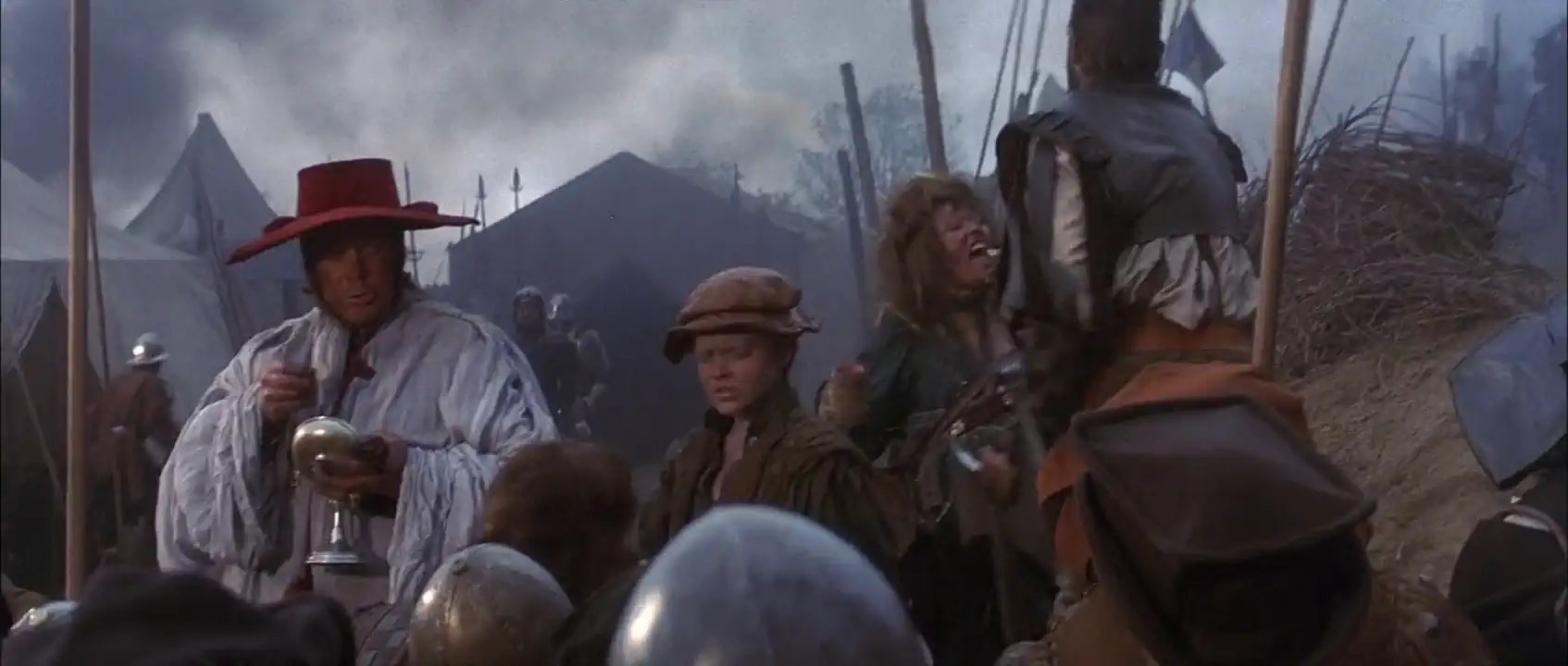
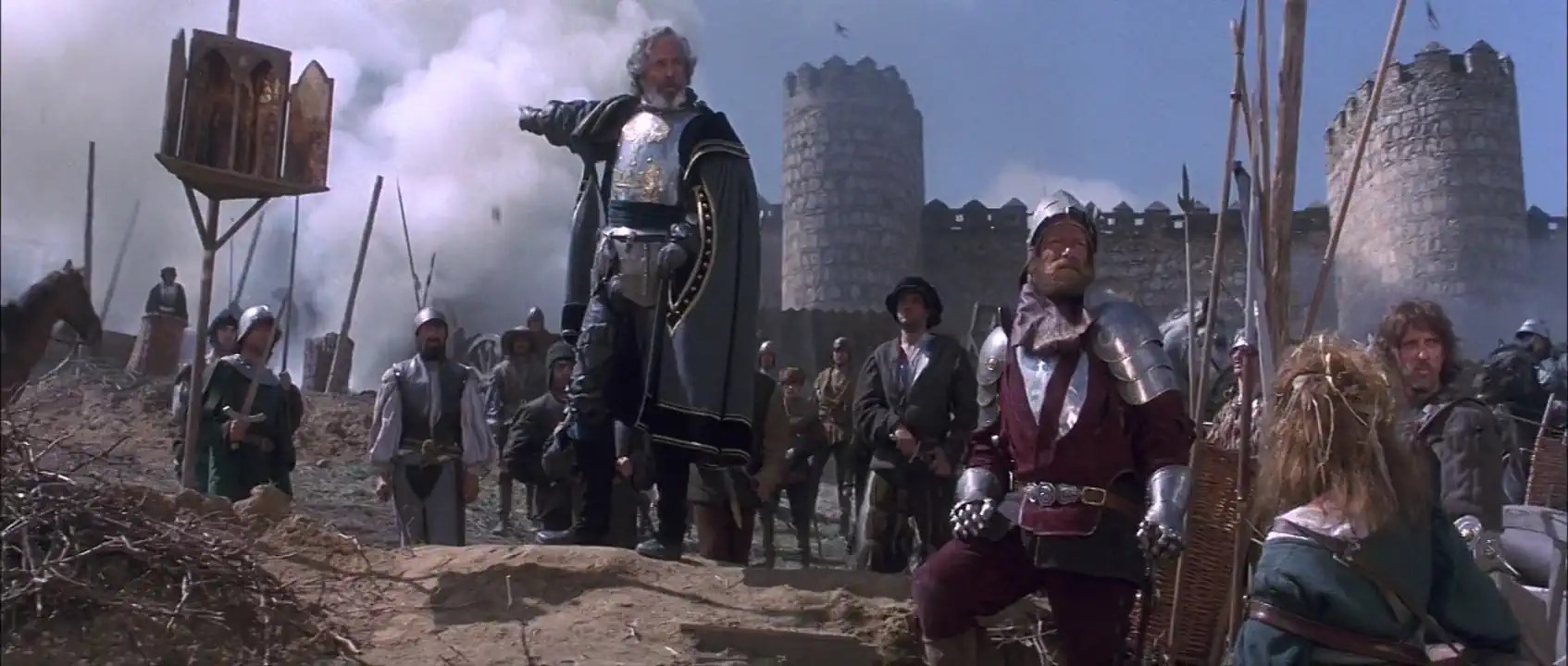
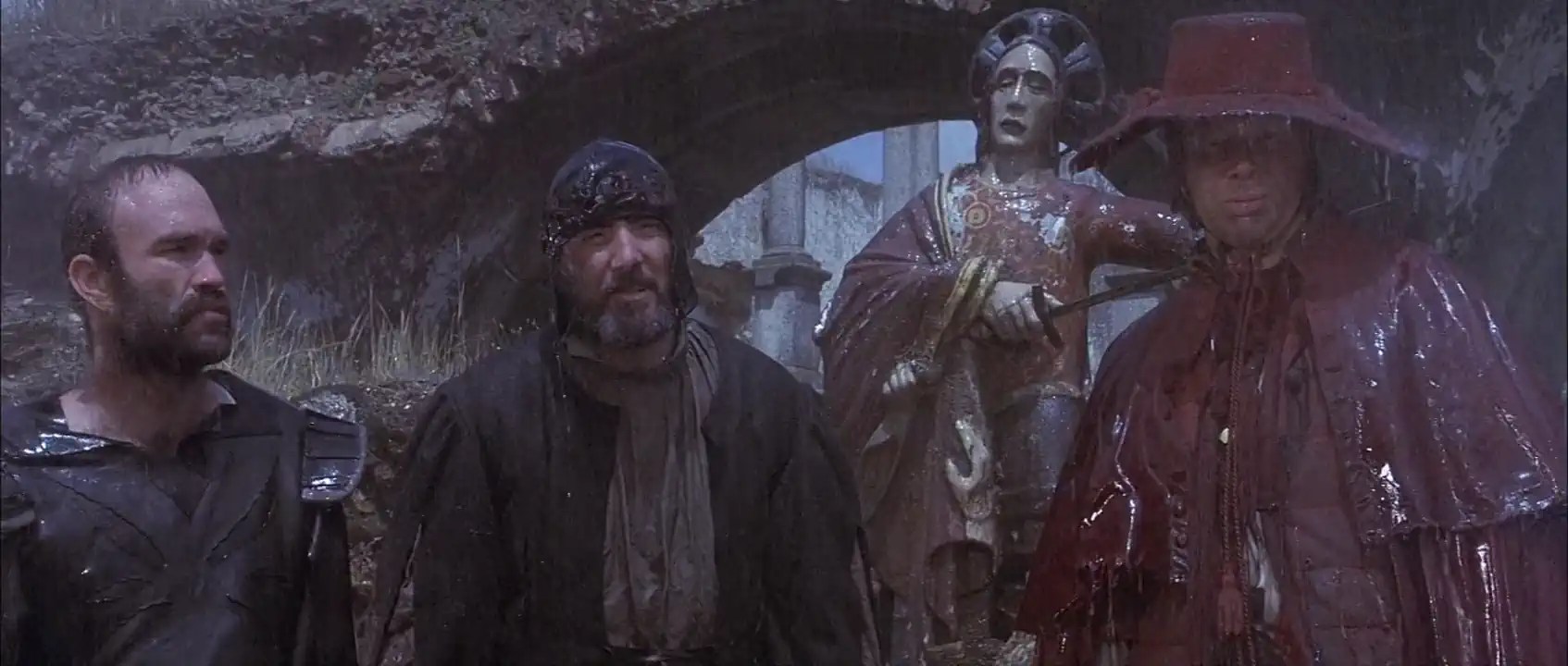
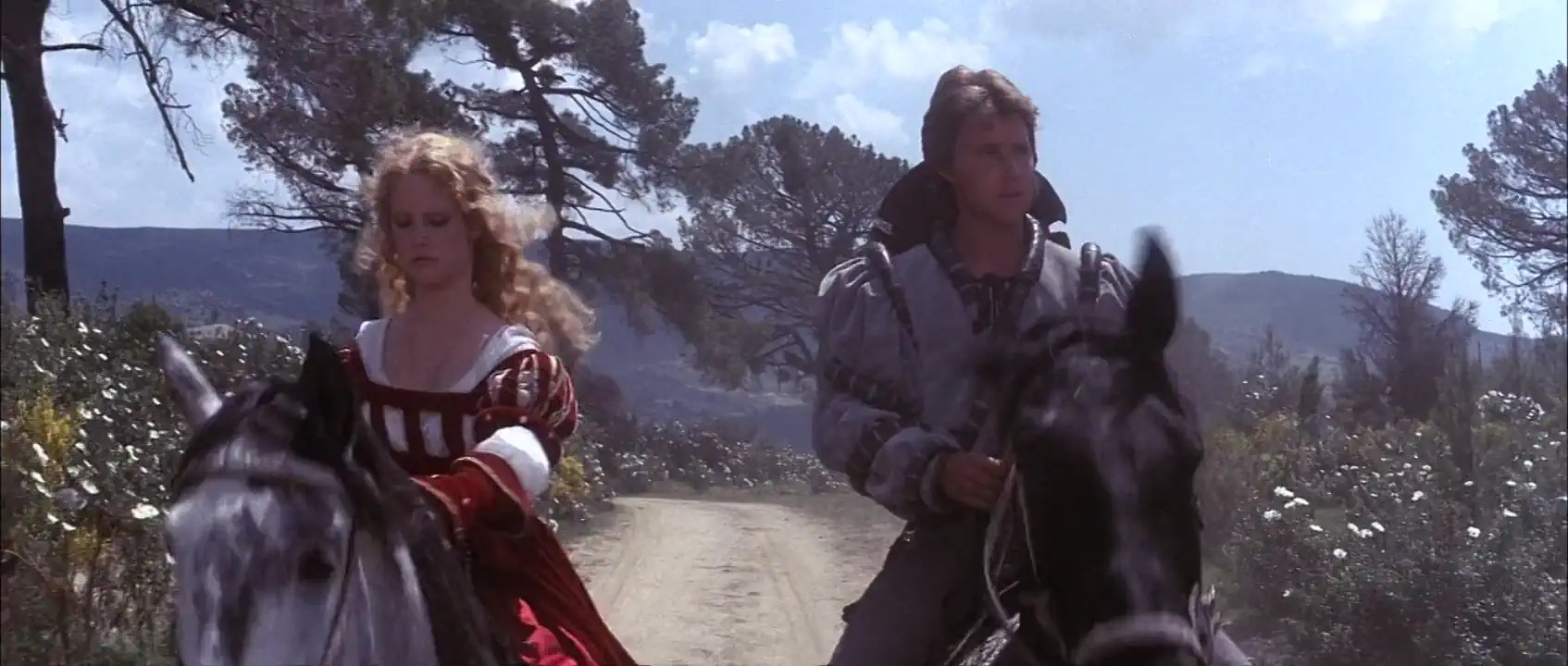
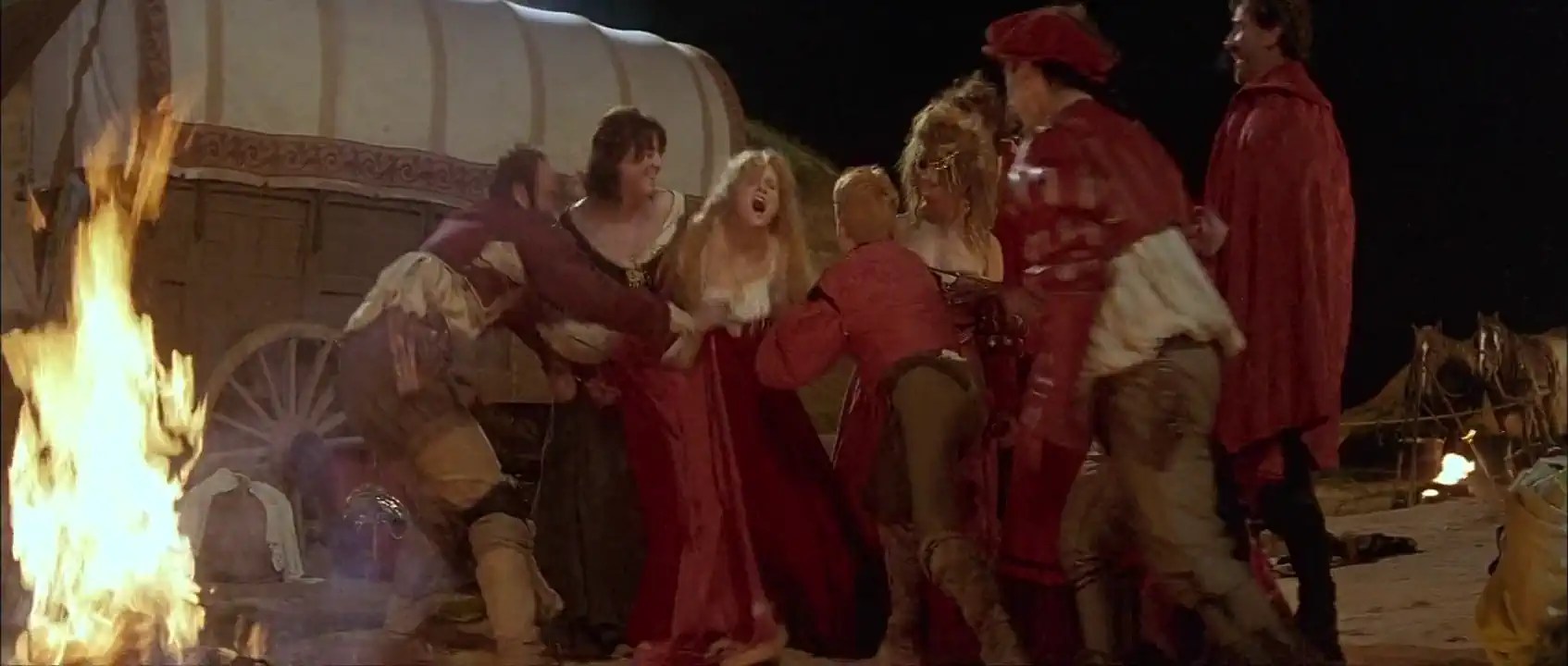
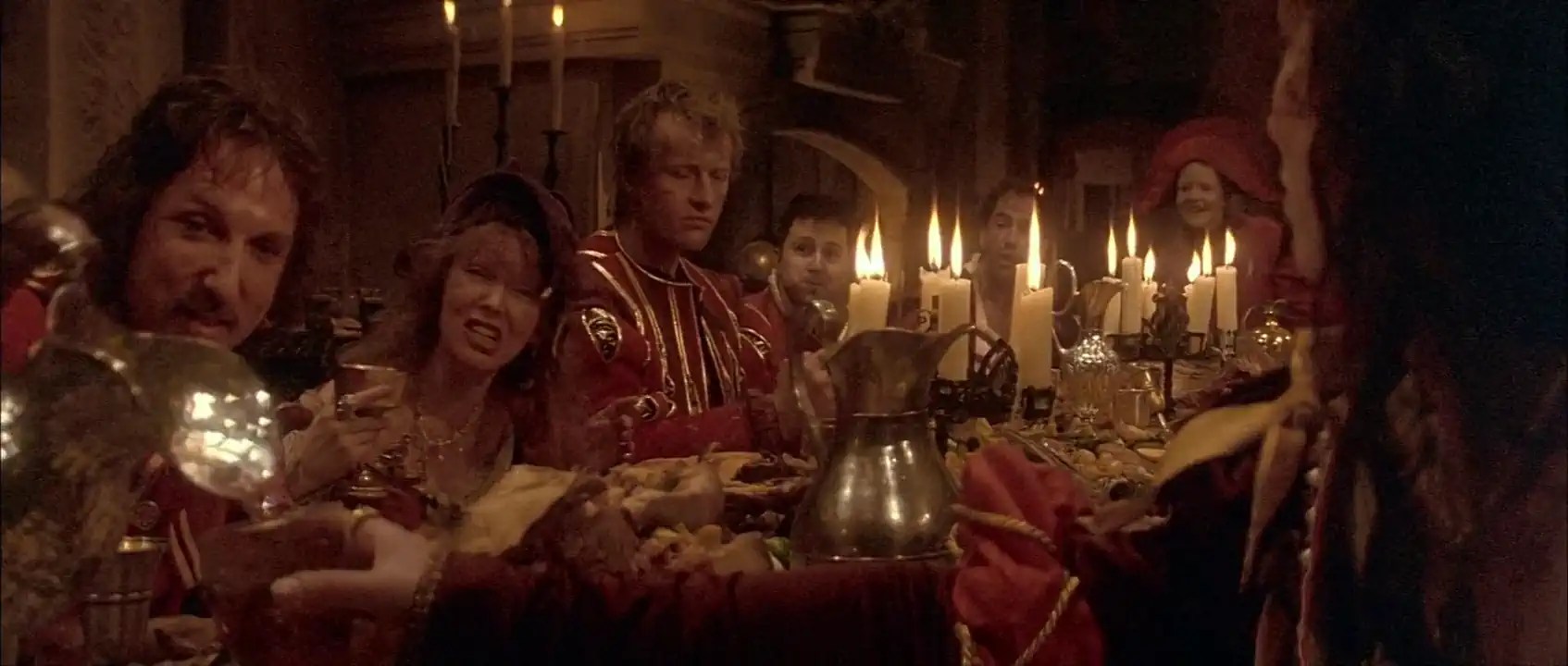
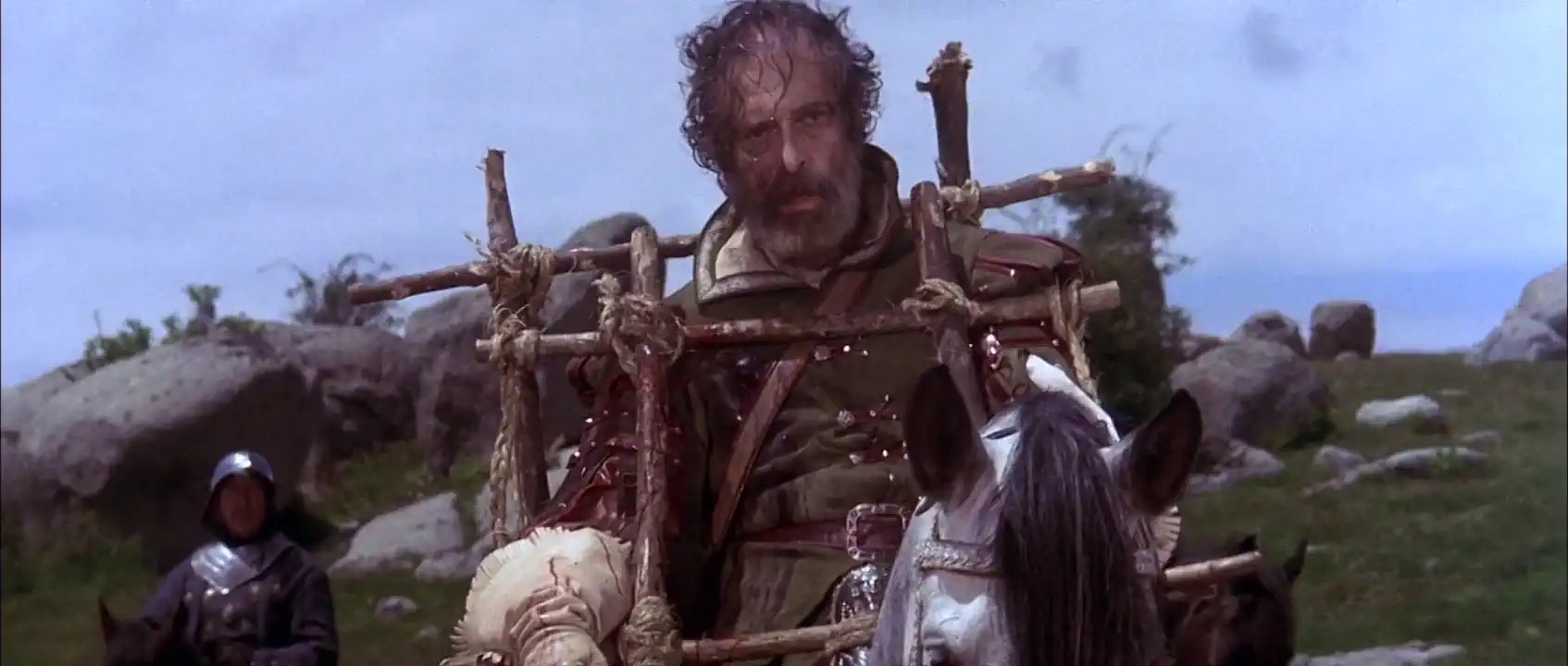
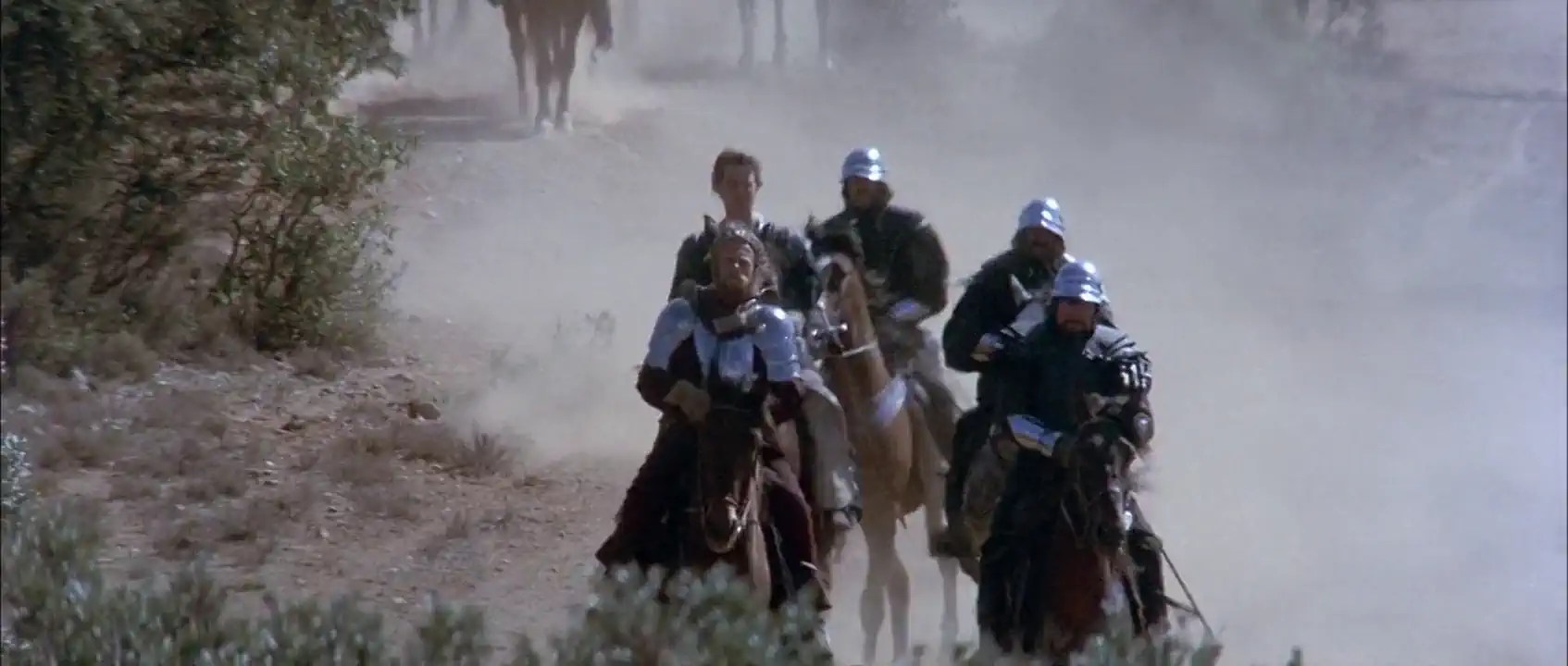
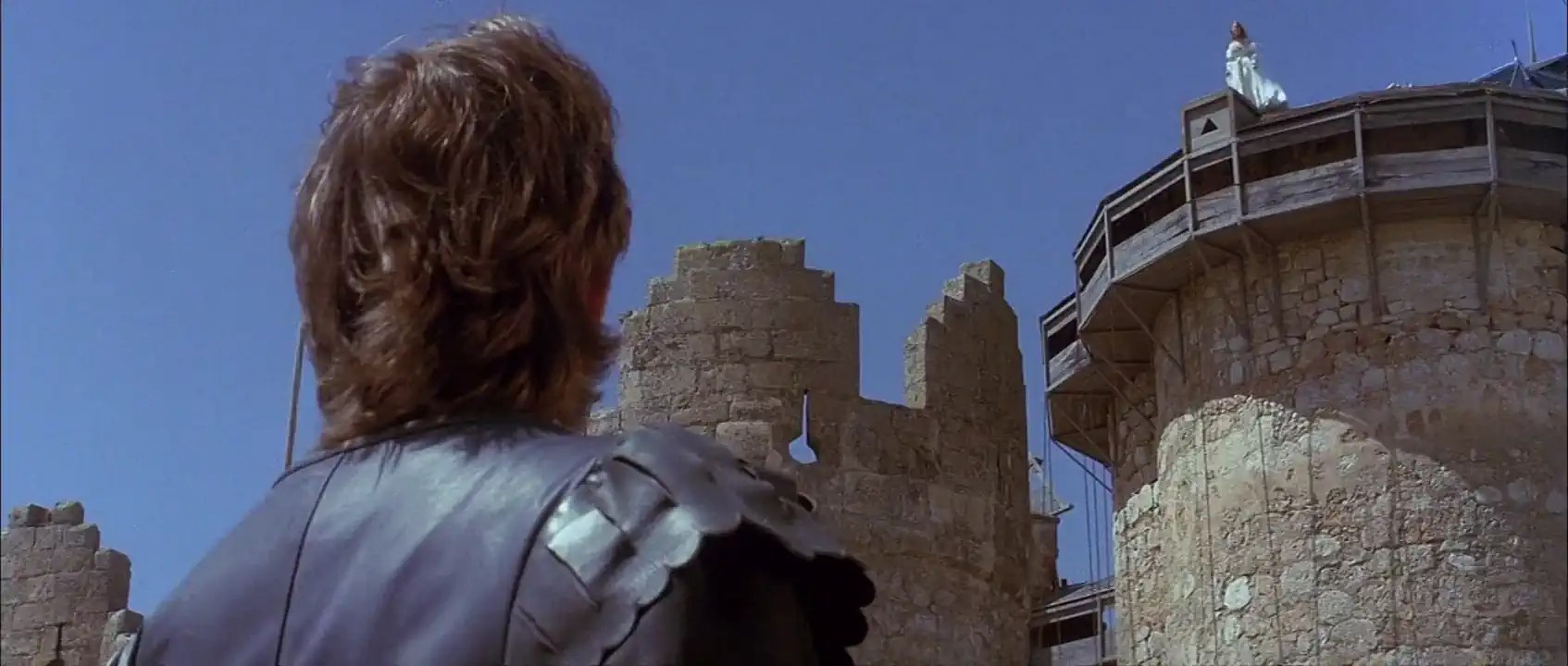
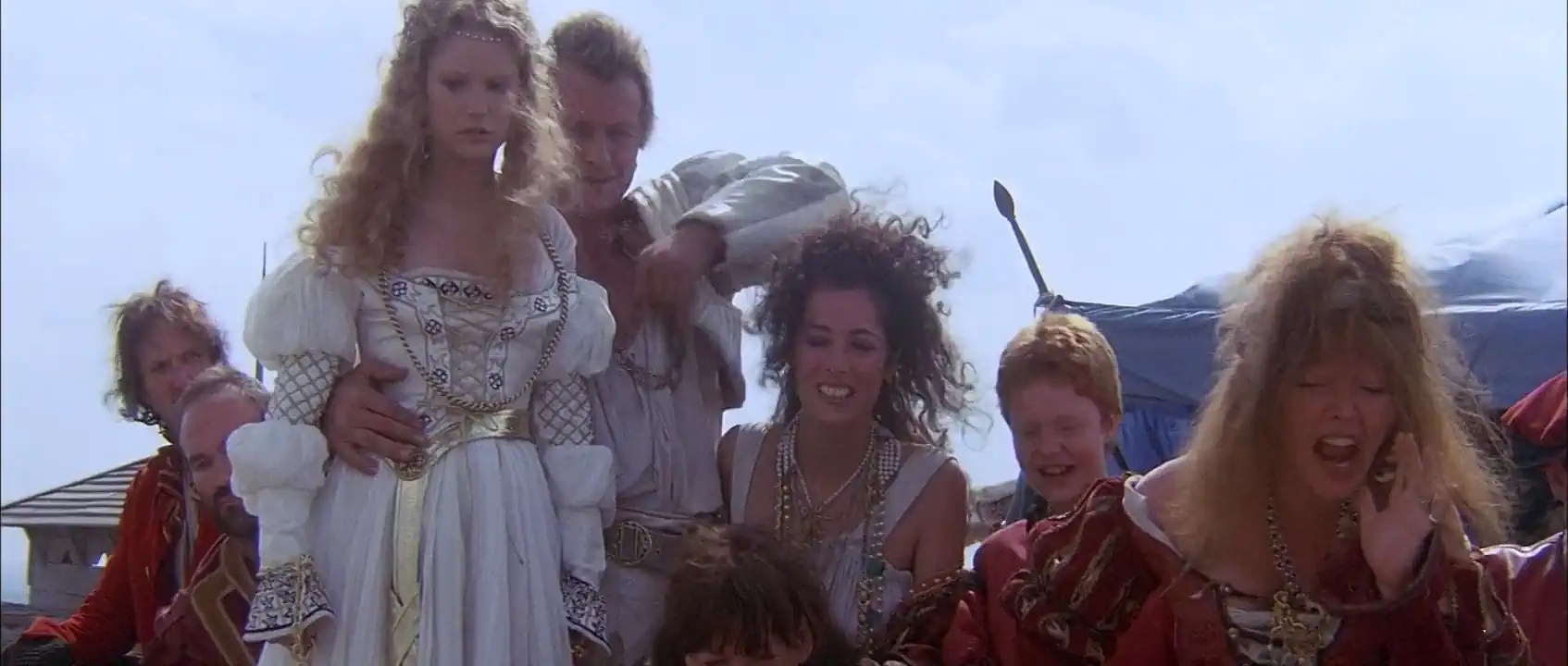
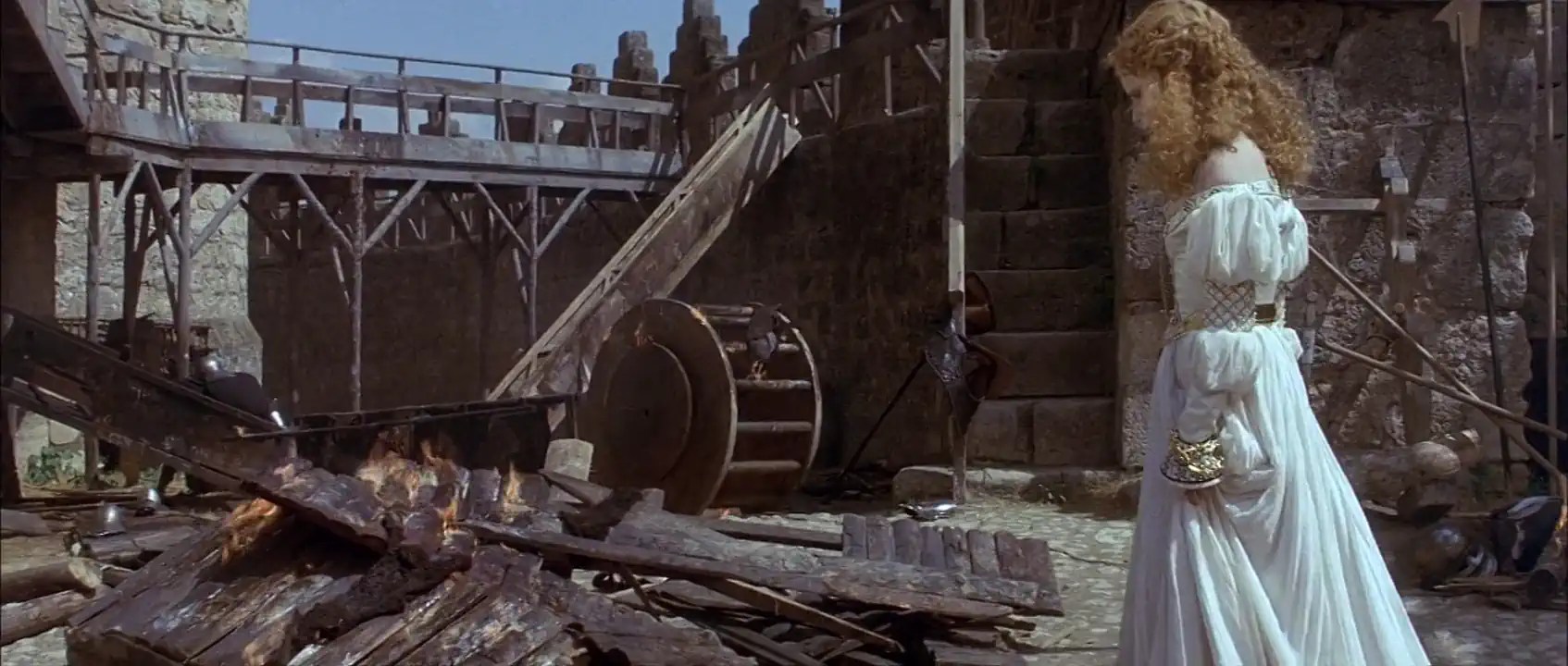
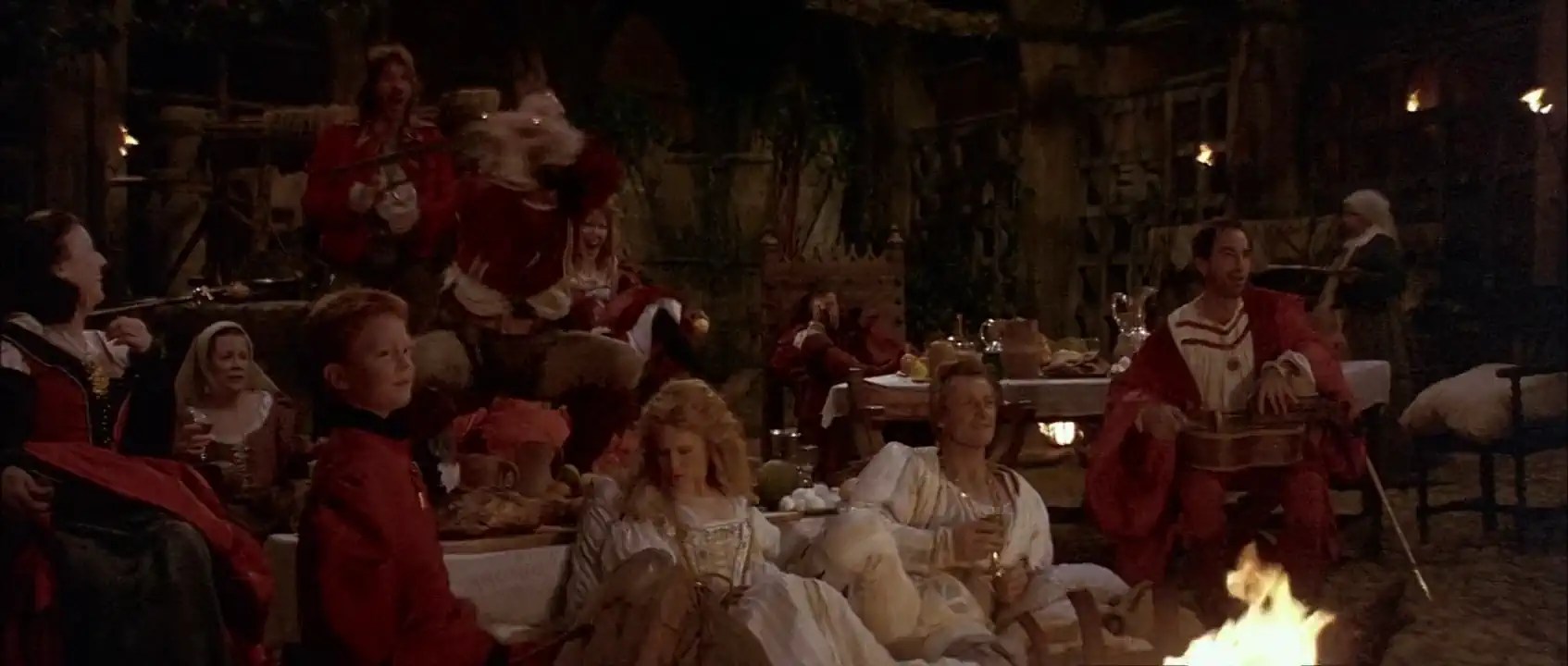
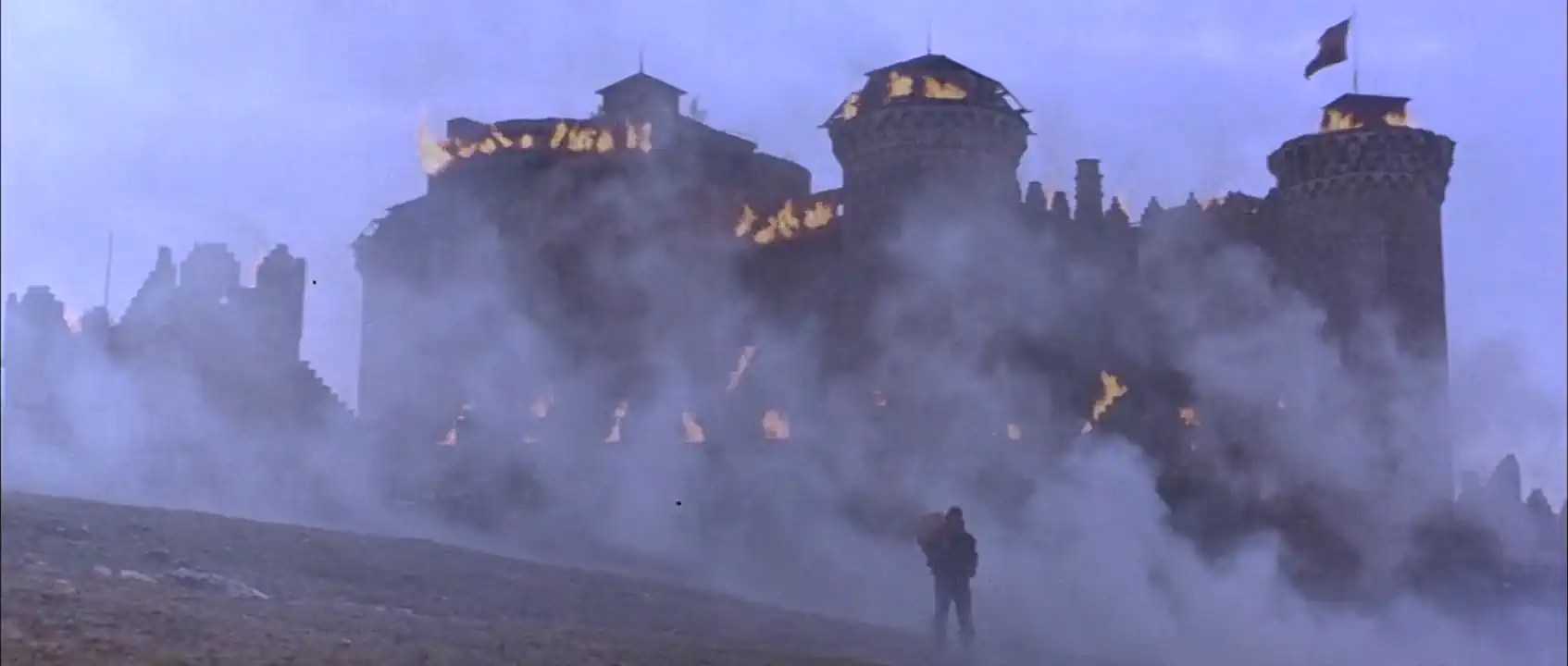
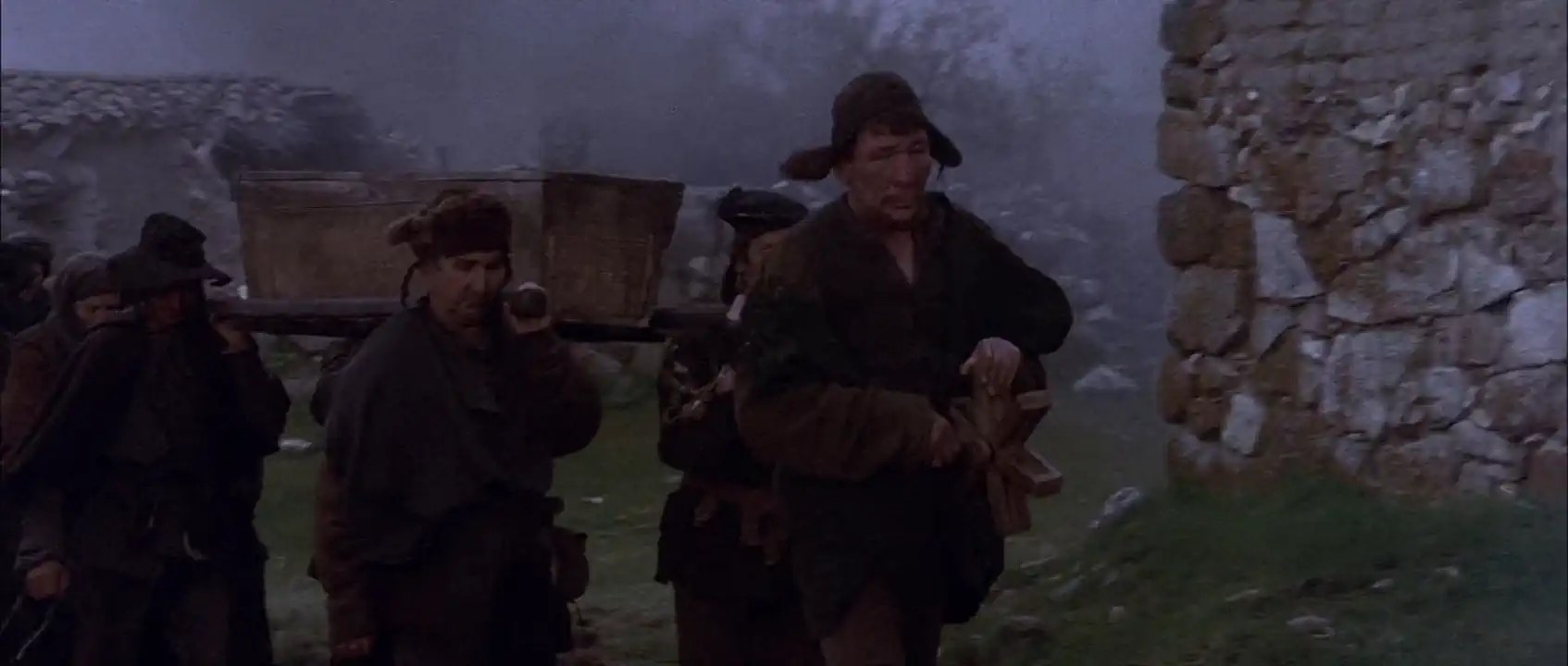
The story is set in 1501 in a ruthless Europe marked by war, disease, hunger, and lawlessness. Society is fragmented, nobles fight for power, while ordinary people suffer from plague, misery, and arbitrary rule. The law of the strongest prevails, and life is marked by a daily struggle for survival, both on the battlefield and in the narrow streets of starving cities. In this bleak, almost apocalyptic setting, a mercenary troop led by Martin (Rutger Hauer) is shamelessly betrayed and dismissed without pay by their client Arnolfini after a successful campaign. The men, disillusioned, starving, and embittered by the broken oath of loyalty, swear bloody revenge. Without further ado, they kidnap Arnolfini’s future daughter-in-law Agnes (played by Jennifer Jason Leigh) – a young noblewoman who is actually promised to the client’s son – and abduct her as they flee. Finally, they barricade themselves with her in an abandoned castle, which they turn into their improvised fortress and new home, while they have to defend themselves against their numerous enemies.
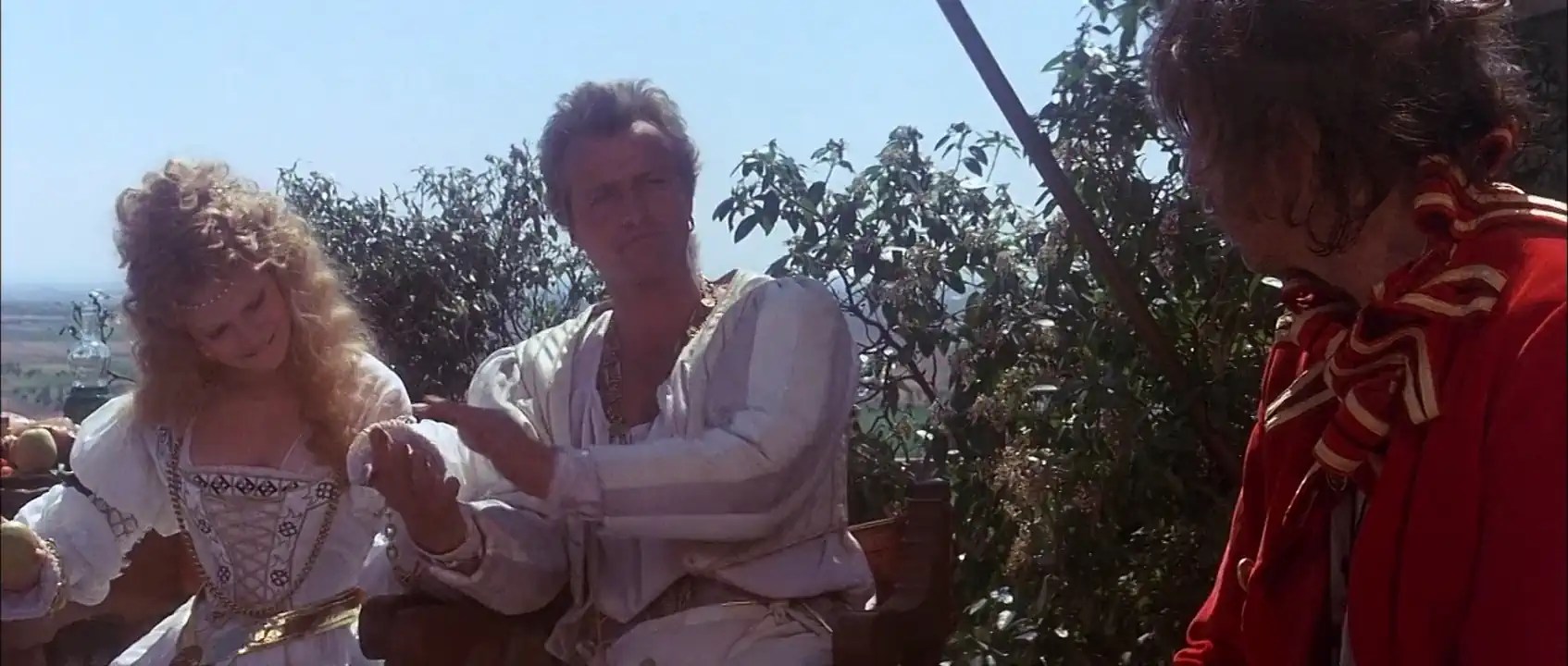
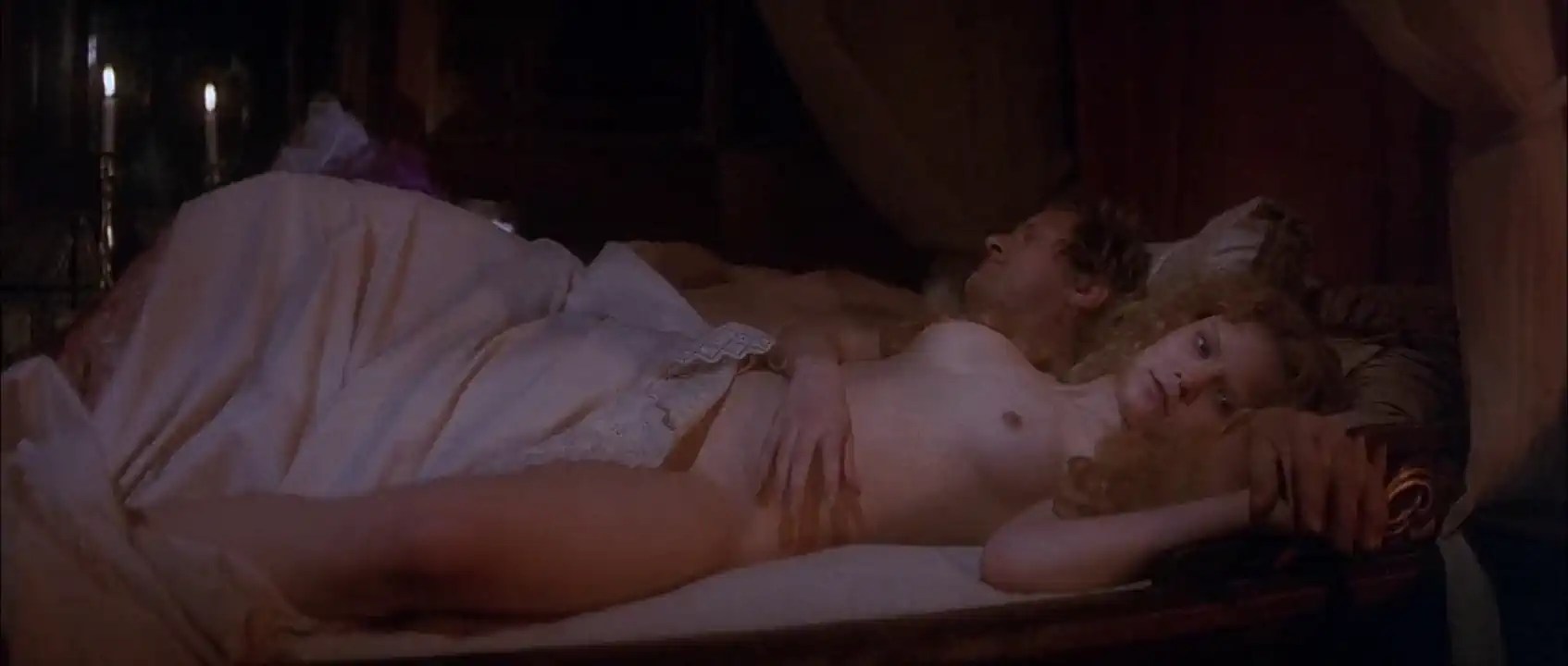
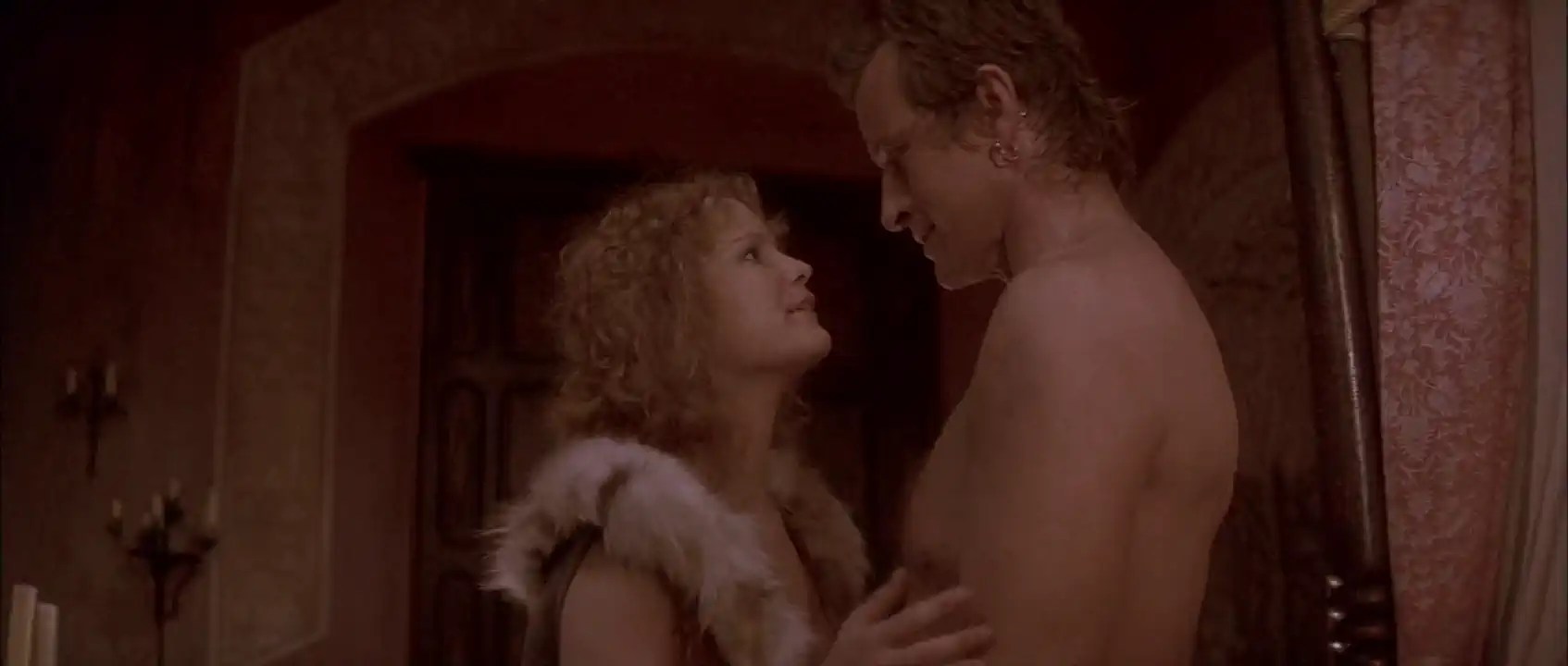
An extremely complex and disturbing relationship develops between Martin and Agnes, oscillating between coercion, submission, survival strategy, and genuine affection. Agnes uses her intelligence, adaptability, and a certain emotional coldness to survive in this brutal, male-dominated environment. It is unclear whether she is a victim or rather a master of manipulation. Meanwhile, Arnolfini’s son Steven (Tom Burlinson), a young idealist with an academic background and a penchant for rationality, tries to save his fiancée and restore his family’s honor. In his quest, he himself must become increasingly harsh and make moral compromises. The plot is increasingly dominated by brutal fights, religious fanaticism, betrayal, superstition, and surprising twists. Intrigue, shifts in loyalty, epidemics, famines, and bloody power games shape the events, which inexorably lead to a final, violent confrontation between the opposing camps—a showdown in which there are no clear heroes and no simple truths.















Actors
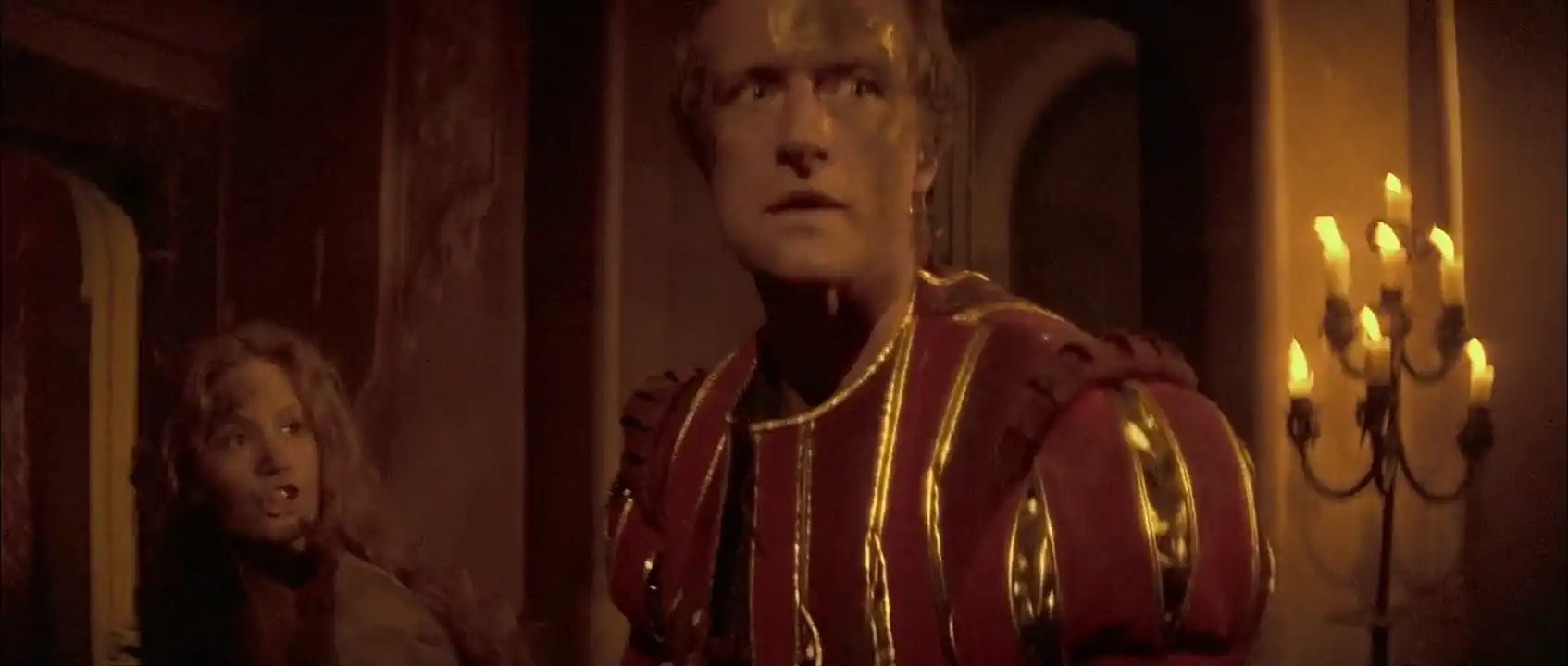
- Rutger Hauer as Martin: The charismatic but brutal leader with an ambivalent sense of morality. Hauer lends the character a captivating presence that is both intimidating and fascinating. His portrayal fluctuates between chivalrous leadership and raw violence, which makes Martin’s moral conflict believable and turns him into a multi-layered character. He displays an enormous range, from moments of compassion to cruel outbursts.
- Jennifer Jason Leigh as Agnes: A woman who adapts to her circumstances – and comes across as both manipulative and vulnerable. Leigh embodies Agnes with an intensity that never reduces her character to a mere passive figure. She plays both the victim and the survivor, whose motives are never completely transparent. Amidst violence and power games, she remains a character who defies simple classification and captivates with her inner strength and emotional complexity.
- Tom Burlinson as Steven: The idealistic scholar who must face the brutal Middle Ages. Burlinson clearly expresses the contrast between education and barbarism. His Steven begins as a naive thinker, but under the pressure of events develops into a more determined, albeit disillusioned, young man. Burlinson plays this transformation credibly and with a keen sense of inner conflict.
- Jack Thompson as Arnolfini: A typical representative of the power-hungry elite of the time. Thompson imbues the character with a mixture of arrogance and pragmatism that makes him a symbolic figure for the unscrupulous elites. Arnolfini appears less as a villainous antagonist and more as a man who secures his power through cynicism and strategic thinking. His role illustrates the political coldness of that era.
The cast delivers impressive performances overall—Hauer and Leigh in particular give nuanced and physically intense performances.
Trivia and background
- Flesh and Blood was originally intended as a spiritual sequel to Verhoeven’s Soldaat van Oranje, but under the influence of screenwriter Gerard Soeteman and studio interventions, it developed into an uncompromising, far darker medieval film. The initial idea was to tell an idealistic adventure story, but Verhoeven deliberately opted for a de-romanticized portrayal of the era.
- The film was shot in Spain, where the imposing landscapes, authentic villages, and historic castles impressively reinforce the medieval setting and lend the production additional credibility. The often dusty, barren backdrops underscore the bleakness of the world depicted.
- It was the last film Paul Verhoeven and Rutger Hauer made together, as the two increasingly fell out over creative differences during production. Hauer wanted a more heroic character, while Verhoeven preferred a morally ambivalent protagonist. These differences ultimately led to the end of their long-standing collaboration.
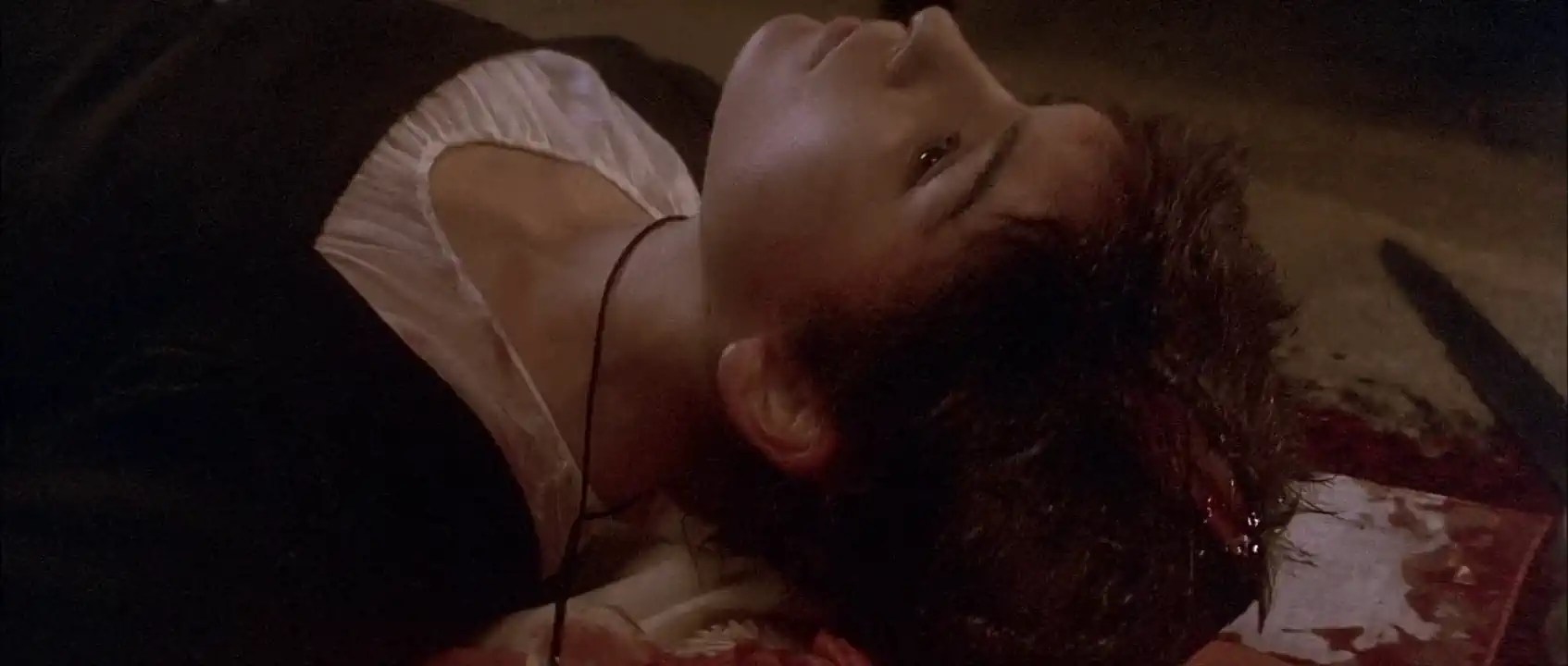
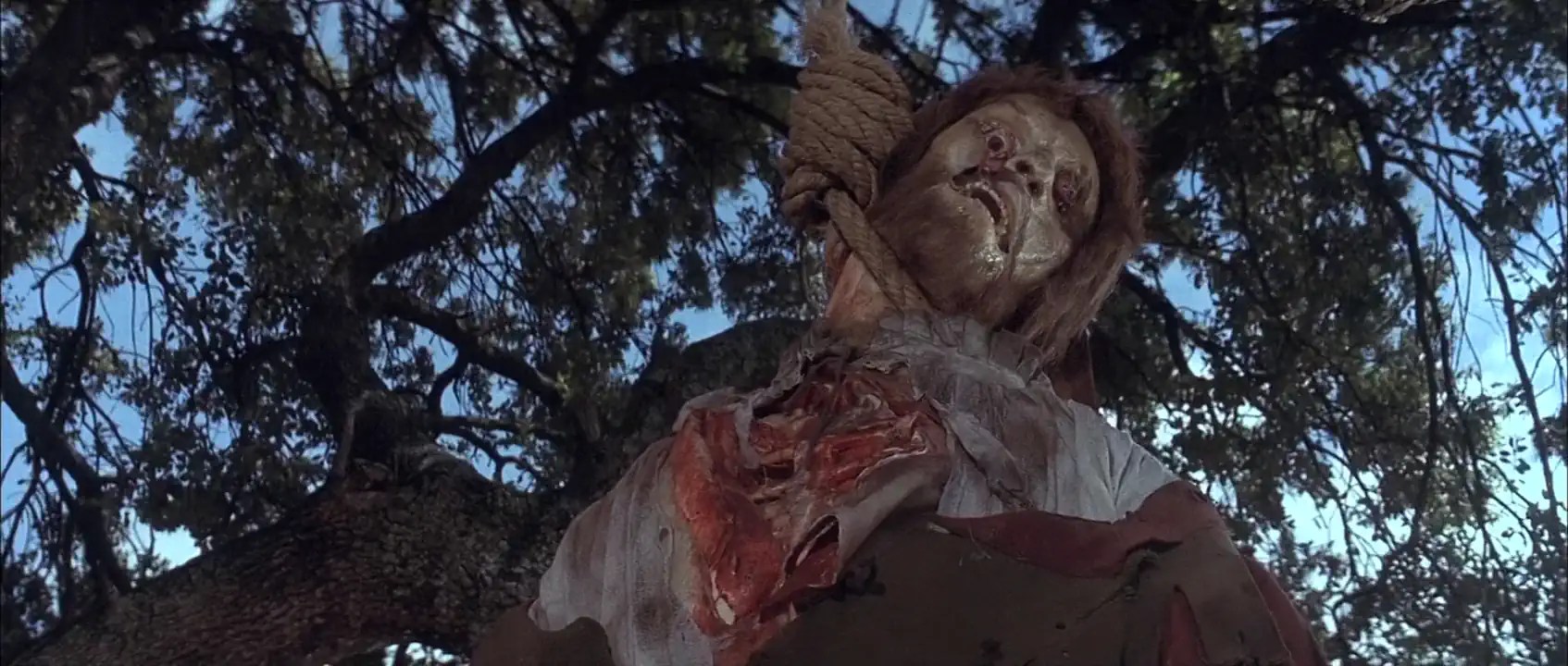
- The film is characterized by an extremely high degree of realism—including plague corpses, public torture, rape, and even hints of cannibalism. This unsparing portrayal of medieval cruelty was unusual at the time and disturbed many viewers.
- The screenplay was written by Gerard Soeteman, among others, with whom Verhoeven had already collaborated several times. Soeteman’s style of integrating complex moral conflicts into historical material had a significant influence on the narrative style. Together with Verhoeven, he developed a story that has neither heroes nor clear villains.
Controversy
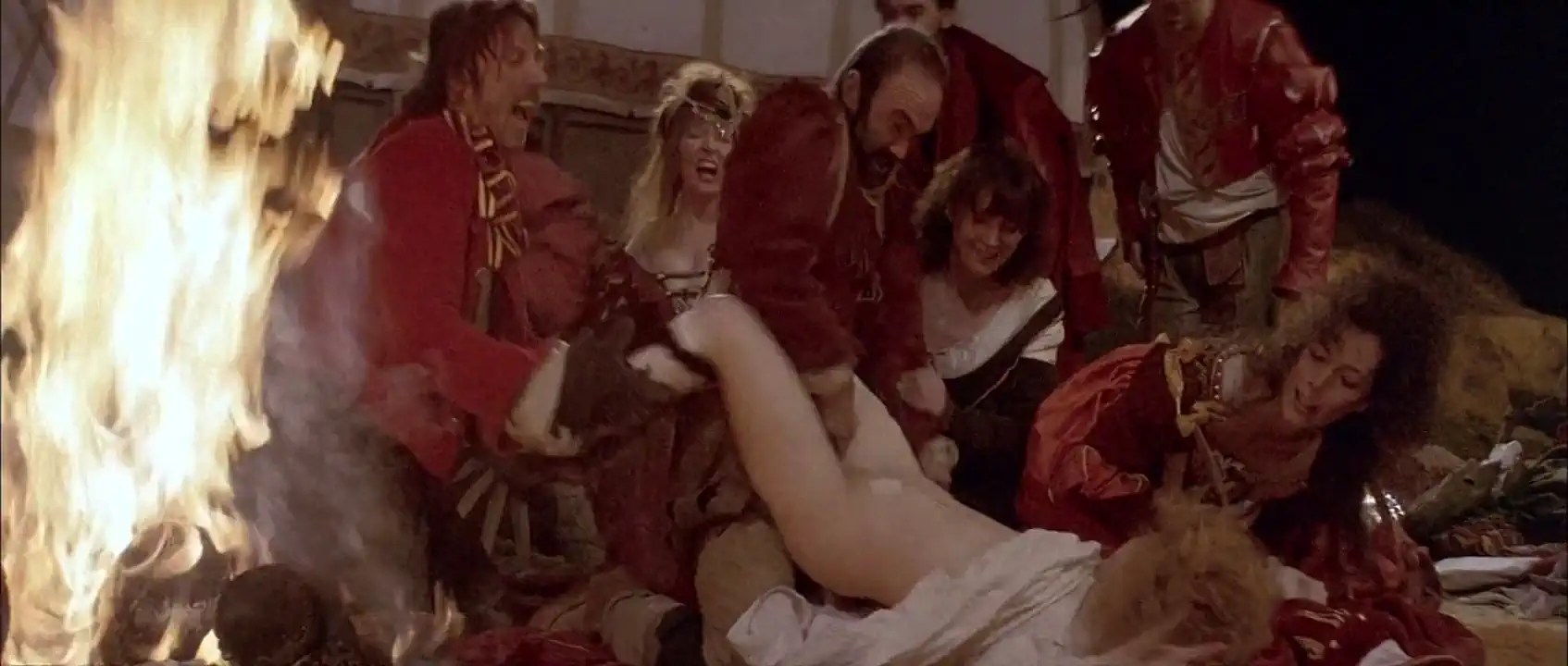
Even before and during its release, Flesh and Blood came under fire from critics—not only because of its explicit content, but also because of ethical, cinematic, and socio-political decisions. The depiction of sexual violence was particularly criticized, with some finding it unnecessarily provocative or even exploitative. Feminist groups expressed negative views about the ambivalent relationship between Agnes and Martin, which oscillates between kidnapping, rape, emotional dependence, and apparent emancipation. The moral ambiguity of this relationship was considered artistically daring by some, but problematic and potentially trivializing by others.
In addition, Verhoeven’s uncompromising staging—including nudity, excrement, torture practices, and dehumanizing situations—challenged not only audiences but also censorship authorities in several countries. Some theatrical versions were cut, others even banned. The Catholic Church also sharply criticized the portrayal of religious fanaticism, which is contrasted in several scenes with pagan or superstitious practices. The realistic depiction of plague, torture, public executions, and religious inquisition left a bitter taste in the mouths of many viewers.
The raw, unfiltered imagery lent the film a certain authenticity, but was often perceived as too extreme, uncomfortably voyeuristic, or simply disturbing—especially in an era when the Middle Ages were often romanticized in cinema. All in all, these provocative elements ensured that Flesh and Blood was one of the most controversial films of the year when it was released.






Criticism at the time
Upon its release, Flesh and Blood was received very controversially and provoked strong reactions from both the press and cinema audiences. Many critics accused the film of exaggerating violence and sexual brutality, with the drastic images and often unsparing portrayal of medieval life coming in for particular criticism. Particularly hotly debated was the complex, morally ambiguous relationship between Agnes and Martin, which oscillates between sexual violence, emotional dependence, and an inexplicable bond—a portrayal that was considered particularly provocative in the 1980s and caused lasting irritation.
On the other hand, some reviewers praised Verhoeven’s consistent rejection of medieval romanticism, which was common in many Hollywood productions of the time. Instead of heroism and noble knights, the film offers a picture of destruction, greed, and human weakness. Its uncompromising staging was recognized by some critics as a courageous artistic step that deliberately opposed mainstream cinema. Nevertheless, the film fell far short of expectations at the box office, which was partly attributed to its difficult marketability, age rating, and public outrage over its content.
Reputation today
Today, Flesh and Blood is considered a cult film and is often regarded as an “authentic” counterpoint to Hollywood’s heroic medieval epics. At a time when cinema often resorted to idealized narratives, Verhoeven’s work offered a radical departure from conventional representations. Many fans and film scholars appreciate the honest, gritty aesthetic that manifests itself in every frame—from the muddy battlefields to the barren, bleak interiors of the castle.
Verhoeven’s critical view of power relations, sexuality, and religious fanaticism has proven surprisingly timeless over the years. Particularly noteworthy is how the film questions social structures while exploring universal themes such as loyalty, betrayal, and human greed. Flesh and Blood is also gaining increasing attention in academic circles, for example in studies on the portrayal of history in film or gender representations in historical narratives.
In retrospectives, the film is often cited as a precursor to works such as Game of Thrones, which also offer a de-romanticized portrayal of the Middle Ages and deliberately focus on moral ambivalence, political intrigue, and the cruelty of the era. The parallels in tone, theme, and aesthetics are no coincidence—rather, Verhoeven’s work is now considered to have set the style for an entire subgenre of historical film.
Conclusion
Flesh and Blood is not a film for the faint of heart—but it is an extraordinary work in a genre that often tends toward romanticization. Paul Verhoeven shows a Middle Ages that is raw, unjust, and chaotic—but all the more realistic for it. He deliberately breaks with the expectations of an audience accustomed to a more idealized world from conventional historical films, instead confronting viewers with a relentless, almost nihilistic perspective on power, morality, and humanity.
The staging is brutal, but never senseless, and forces viewers to confront uncomfortable truths – such as the fragility of human values under extreme conditions. Those who are prepared to engage with this dark vision will be rewarded with an intense, unsparing film that has lost none of its power to this day and whose impact lingers long after the credits have rolled. Especially at a time when many historical subjects are once again being idealized, Flesh and Blood remains a radical, courageous, and necessary counterpoint.
More
Trailer
External links
References
- Letterboxd – Flesh and Blood Reviews and Ratings
User reviews, thematic analysis, and fan commentary. - British Film Institute (BFI) – Paul Verhoeven Retrospective
Articles and essays on Verhoeven’s directorial approach, including Flesh and Blood. - The Guardian – Interview with Paul Verhoeven
Background on Verhoeven’s work and his experience transitioning to Hollywood. - Screen Slate – Historical Violence in Flesh and Blood
In-depth analysis of the film’s representation of medieval realism and brutality. - Senses of Cinema – Critical Essay on Verhoeven’s Themes
Scholarly discussion on Verhoeven’s use of violence, sexuality, and moral ambiguity.








 McHenry's Lair
Kommentar verfassen :