


It’s strange how pulling a trigger is easier than playing the guitar.
Easier to destroy, than to create.
Guitars, bullets, and plenty of coolness
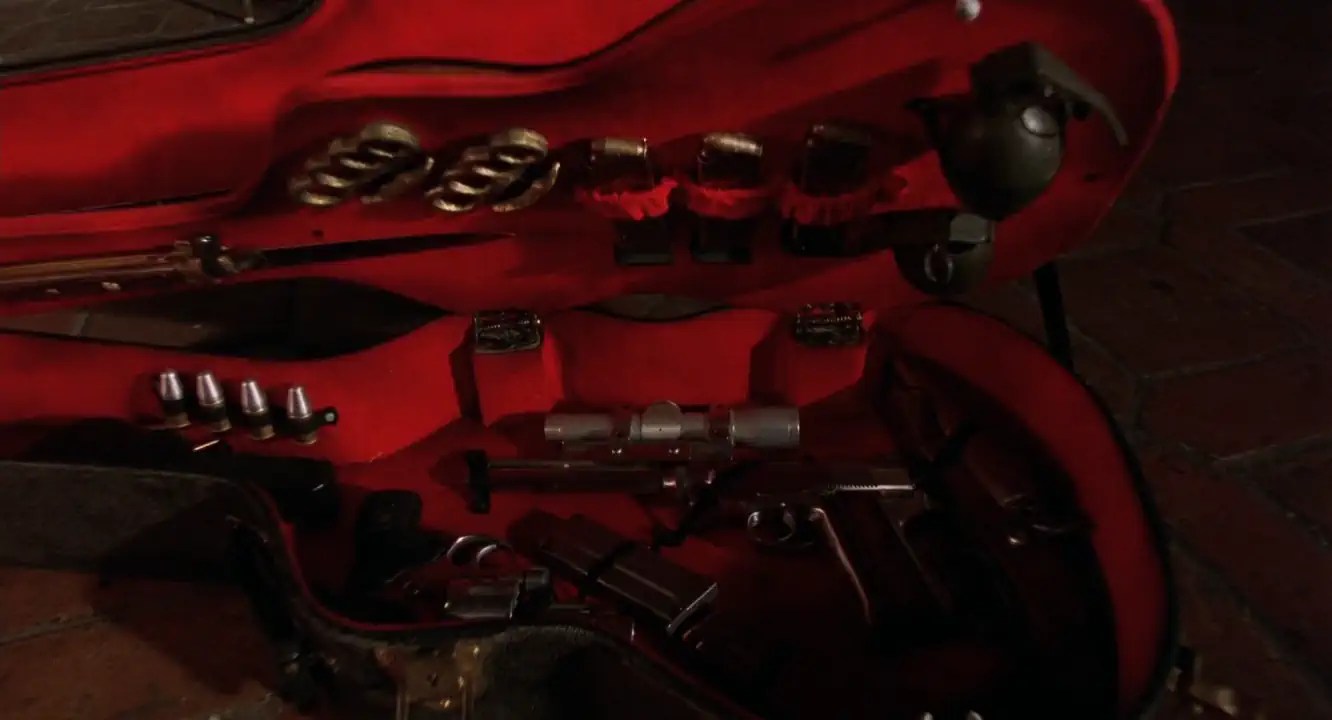
When a guitar suddenly becomes a machine gun case, you know you’ve entered the cinematic universe of Robert Rodriguez! Desperado isn’t just an action film – it’s a wild mix of western, B-movie and rock ‘n’ roll fantasy that deliberately crosses genre boundaries and amazes audiences with a wink. The film flirts with clichés, exaggerates them to the point of absurdity and transforms them into spectacular cinematic moments. With Antonio Banderas as the mysterious mariachi who seems to have more charisma than bullets in his guitar case, and Salma Hayek in her first major Hollywood role, which immediately made her an icon, the film catapulted the Mexican director and his stars into the limelight in the mid-1990s. It established Rodriguez as a kind of rock ‘n’ roll rebel of action cinema who knew how to shake up Hollywood with a small budget but inexhaustible creativity.
Plot
The story is simple but effective: a nameless guitarist (Banderas), driven by pain and revenge, travels through Mexico to take out drug lord Bucho. His guitar is no longer just for music—it serves as a cover for a deadly arsenal of weapons. The opening scenes make it clear that this is no ordinary revenge thriller: instead of realism, we get exaggerated scenes in which bullets fly through the air like fireworks and every bar becomes the stage for an operatic shootout. Along the way, he meets Carolina (Salma Hayek), a smart and courageous bookseller who captures not only his heart but also his mission. Their chemistry brings a romantic touch to the film, lending a human dimension to the hard-hitting action moments. At the same time, she expands the universe of “Desperado” with a strong, self-confident female character who is more than just the classic “love interest” role. What follows is a veritable fireworks display of bullet hails, explosions, and coolly staged shootouts that have achieved cult status to this day. Particularly legendary are the shootouts in bars and backyards, which are so exaggeratedly choreographed that they are more reminiscent of a wild dance than classic action. Add to that intense car chases, surprising twists, and a steadily escalating violence that leaves the viewer hardly any time to catch their breath. This mixture of adrenaline, humor, and visual extravagance makes the plot surprisingly captivating and iconic despite its simplicity, because it is more than just a series of shootouts—it is a stylized journey full of myths, emotions, and exuberant energy.
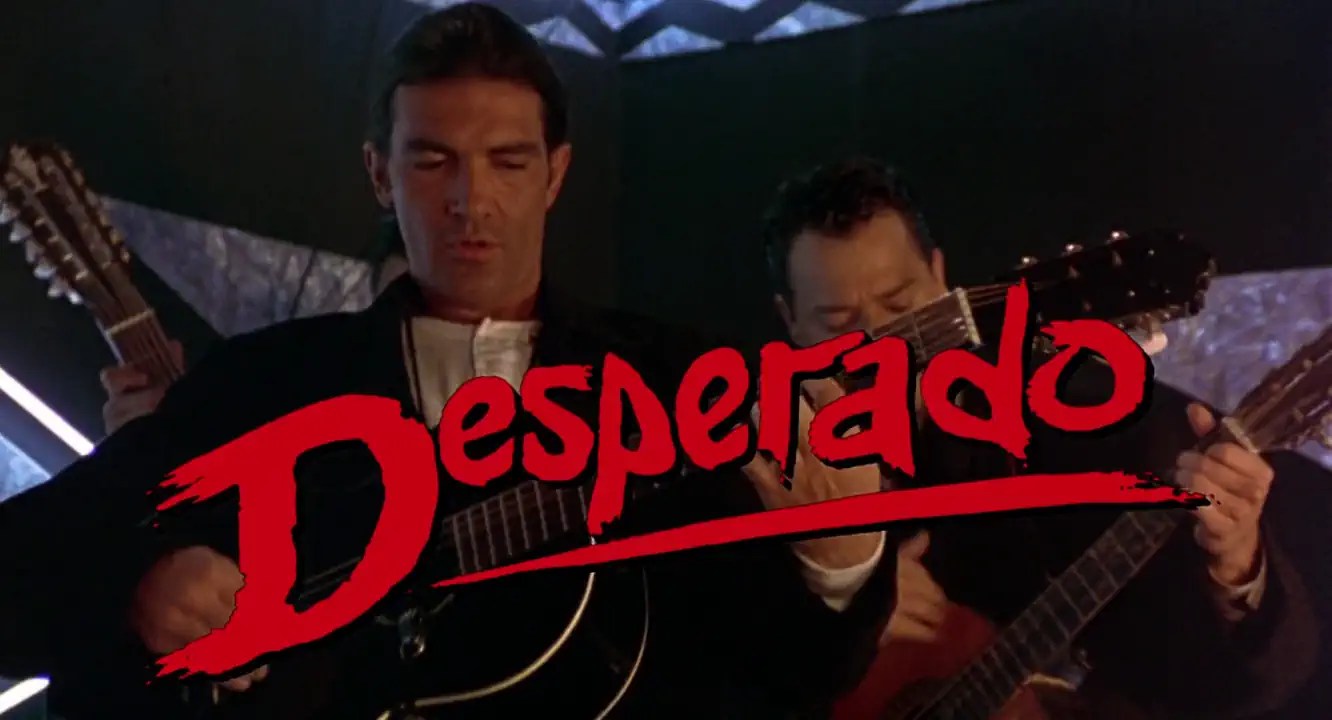
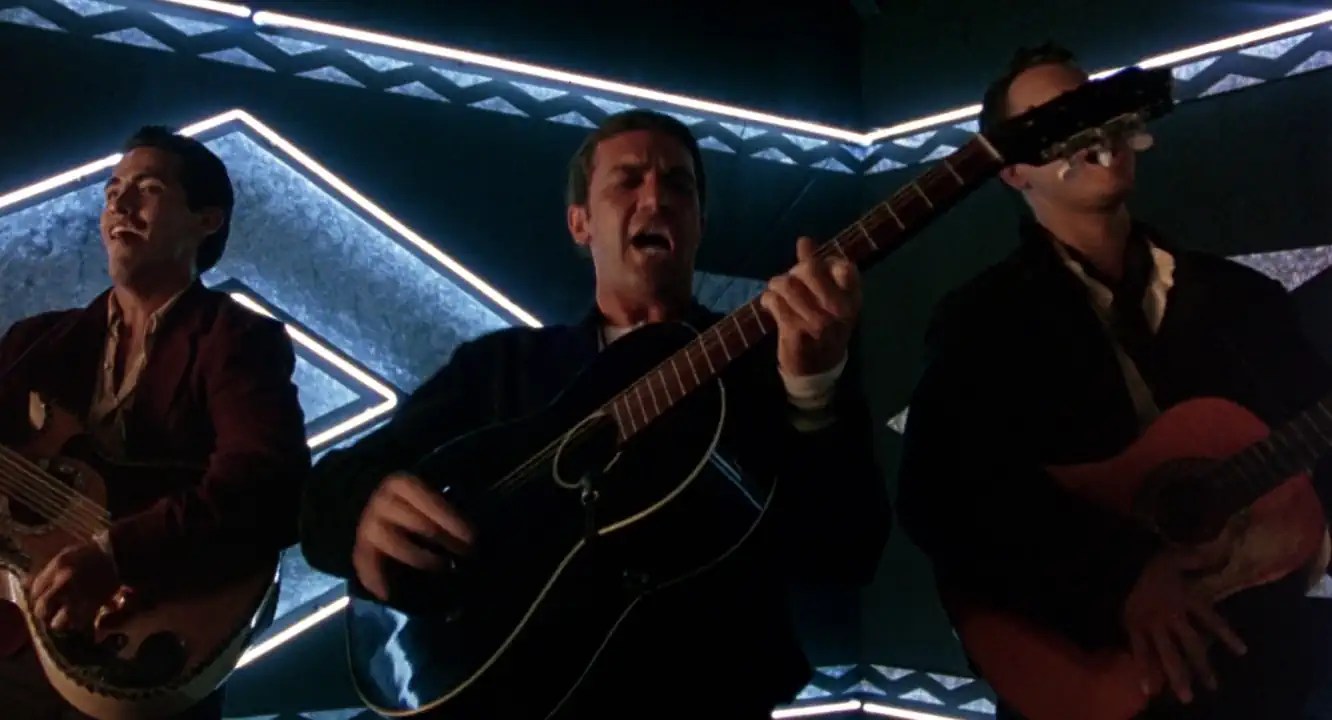

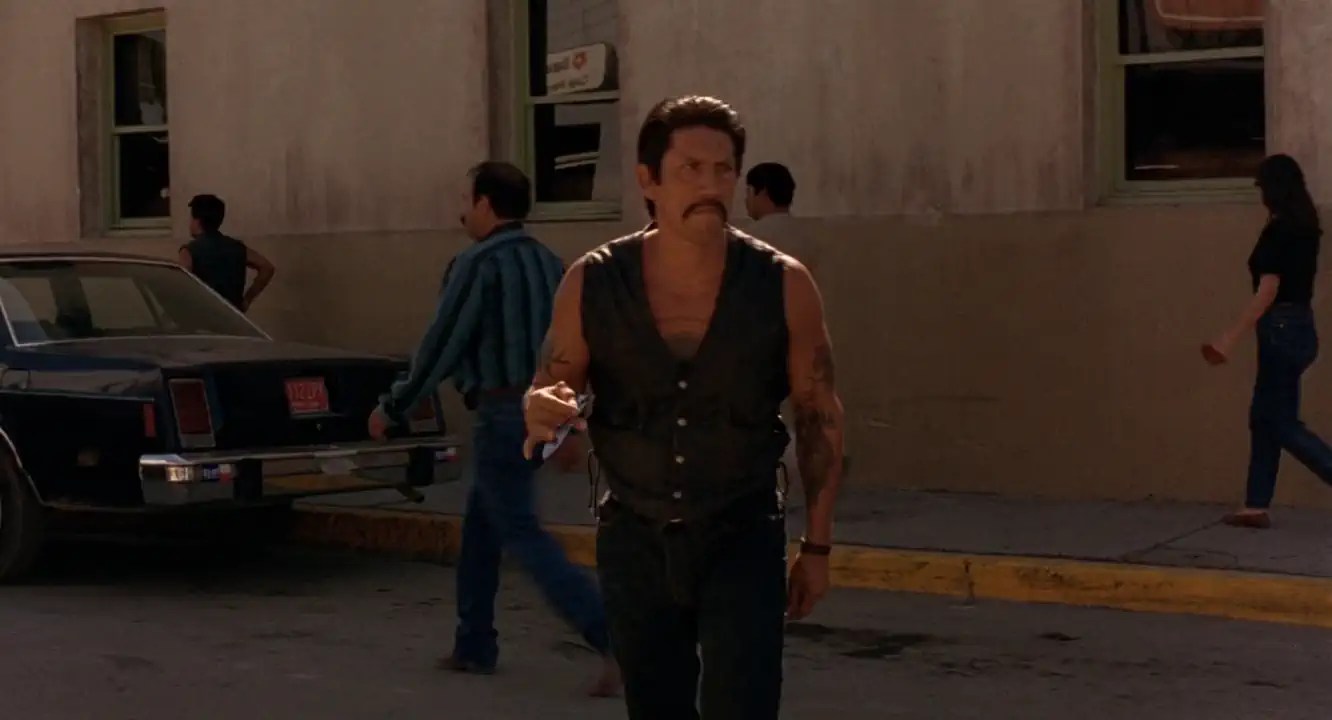

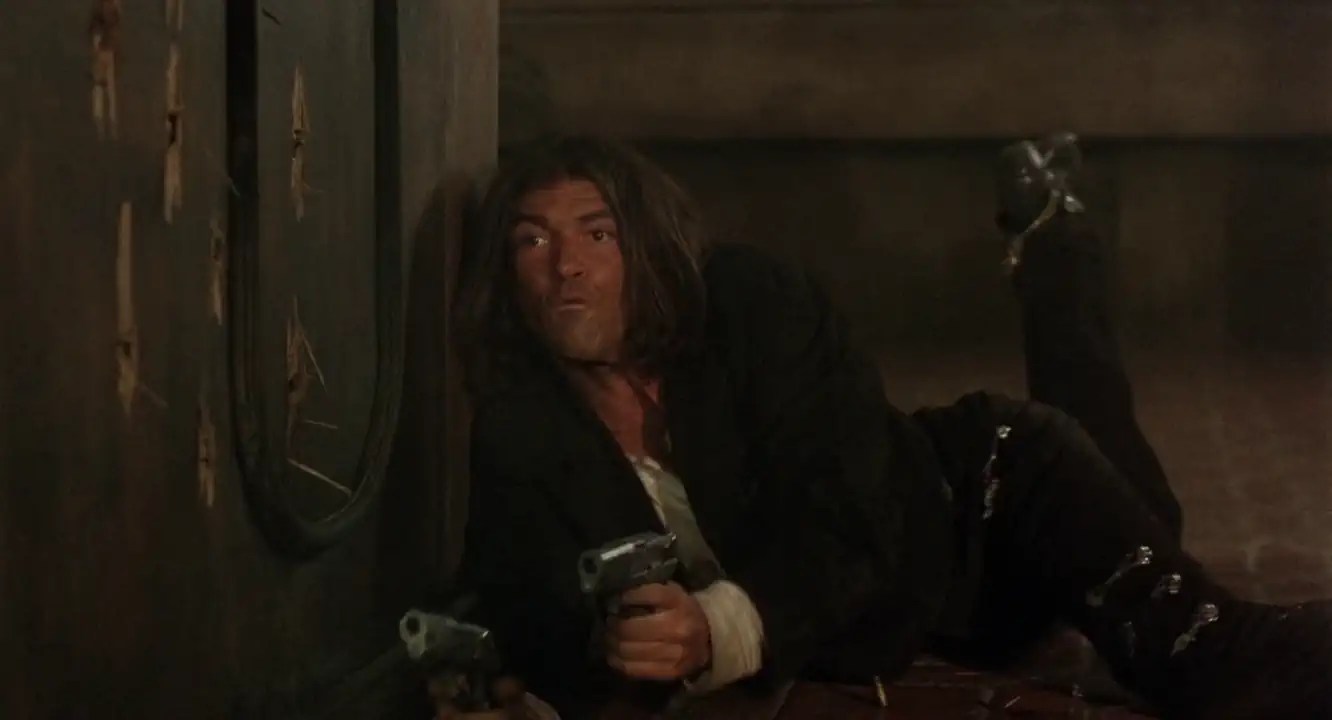
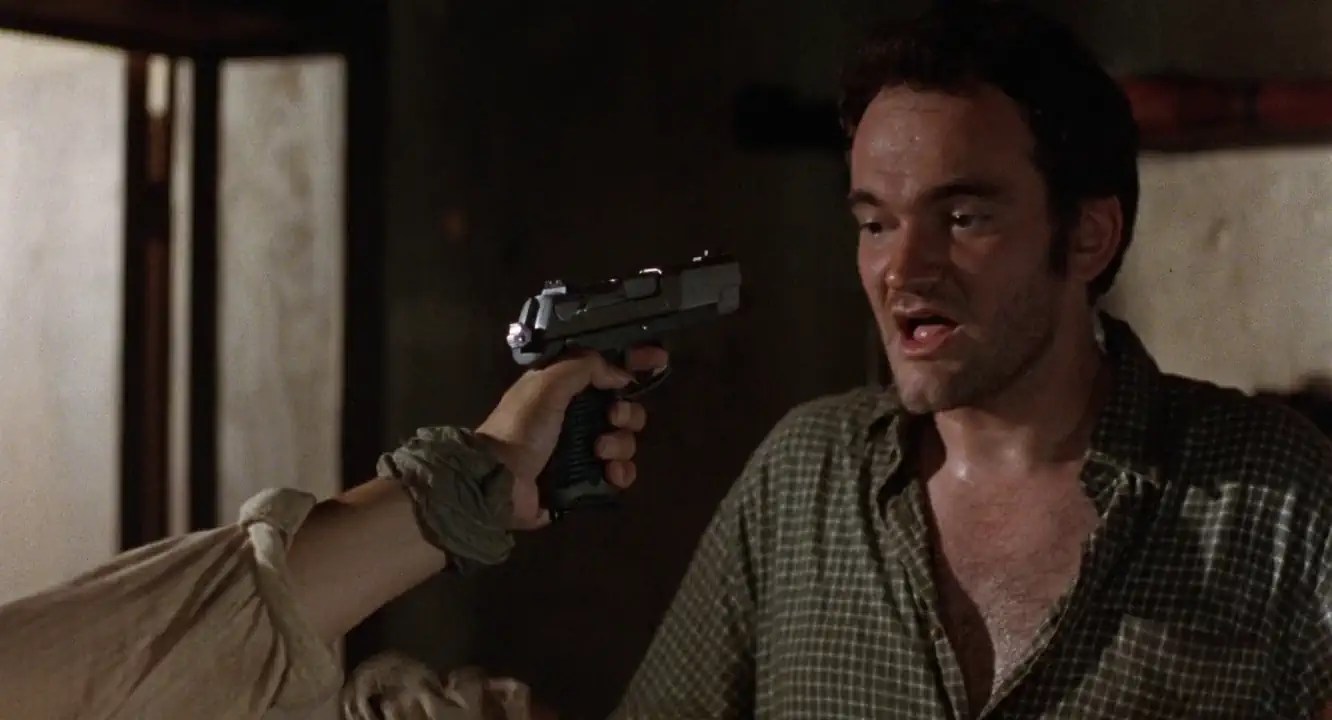

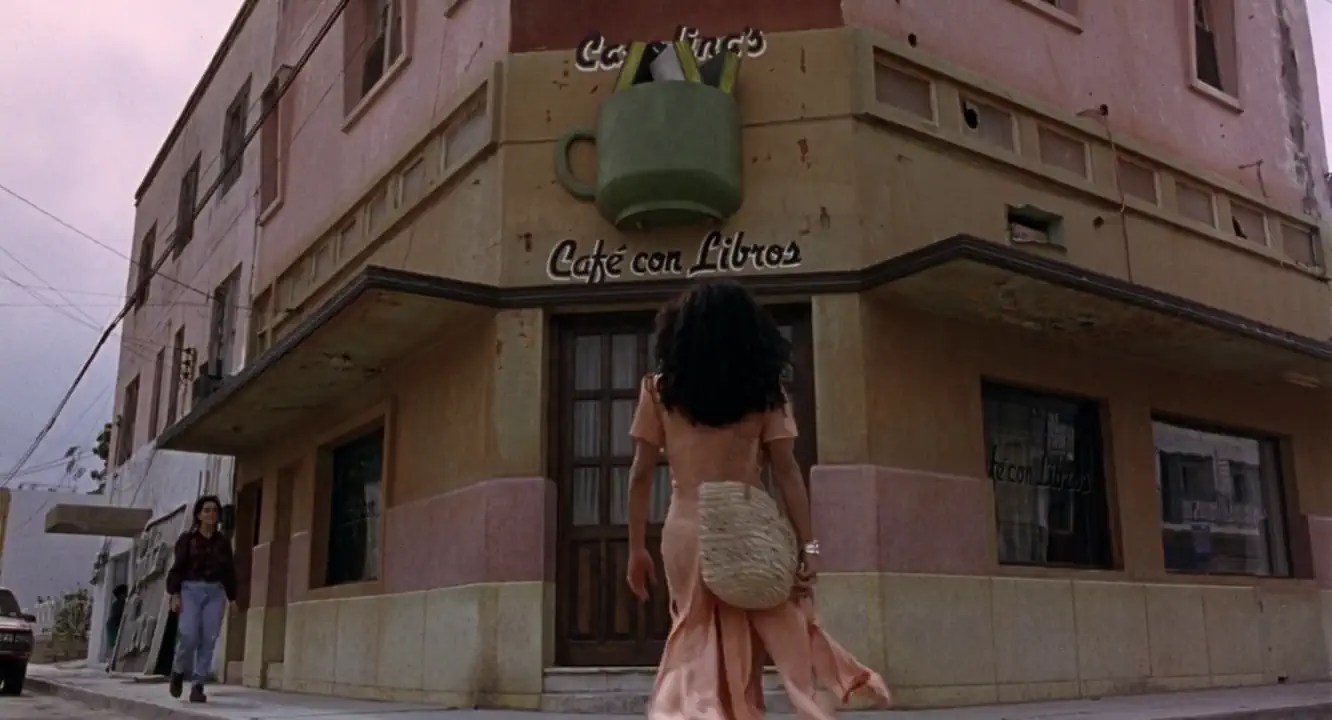

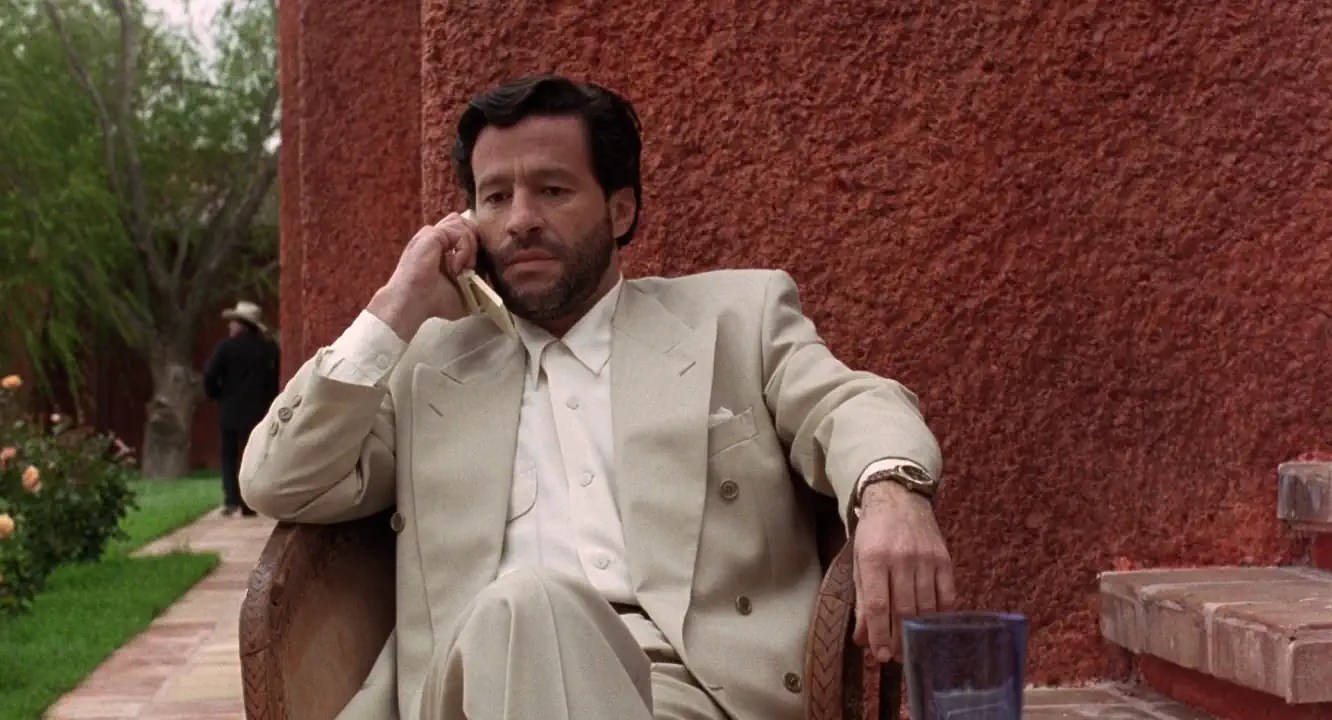






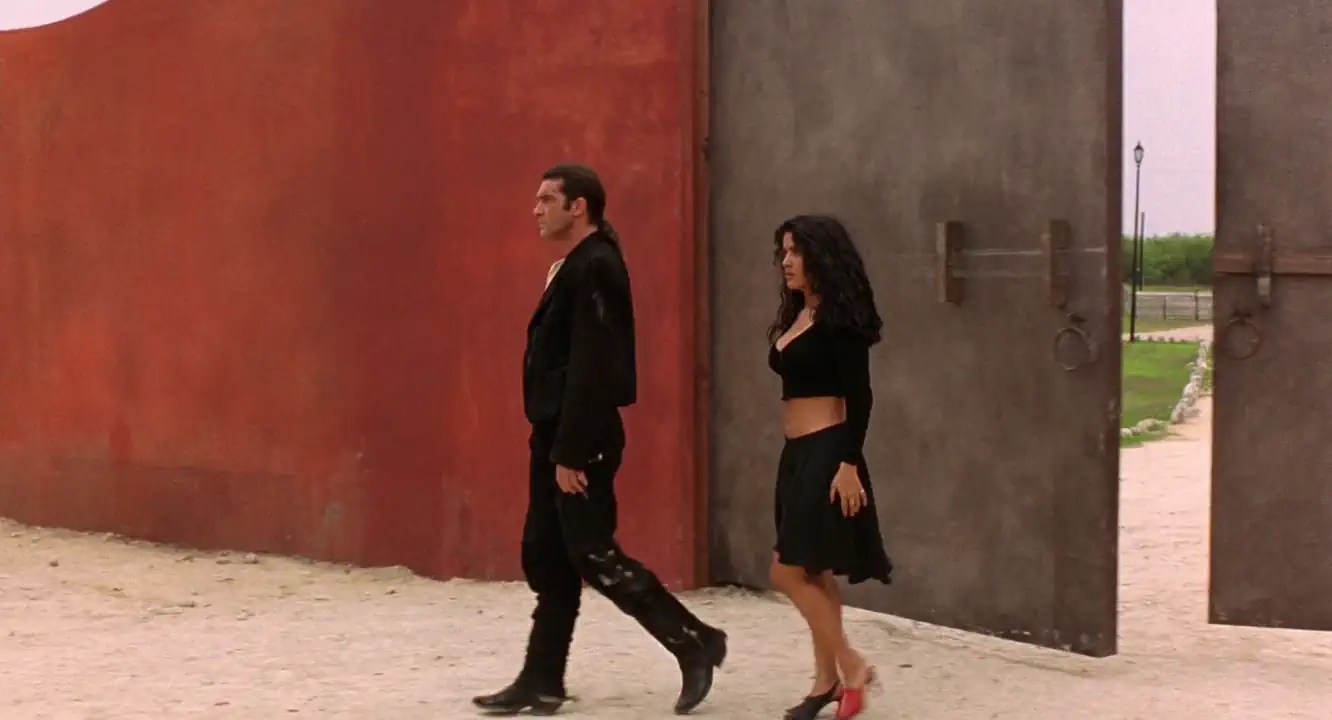
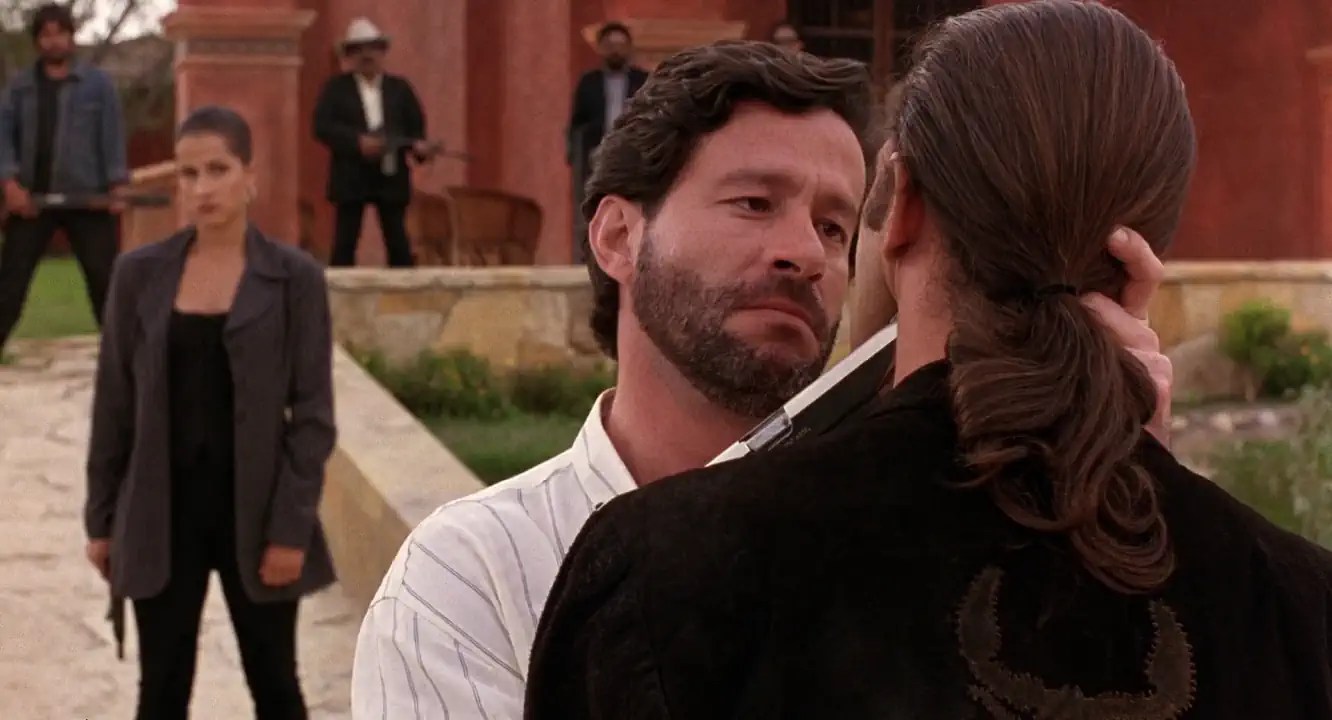
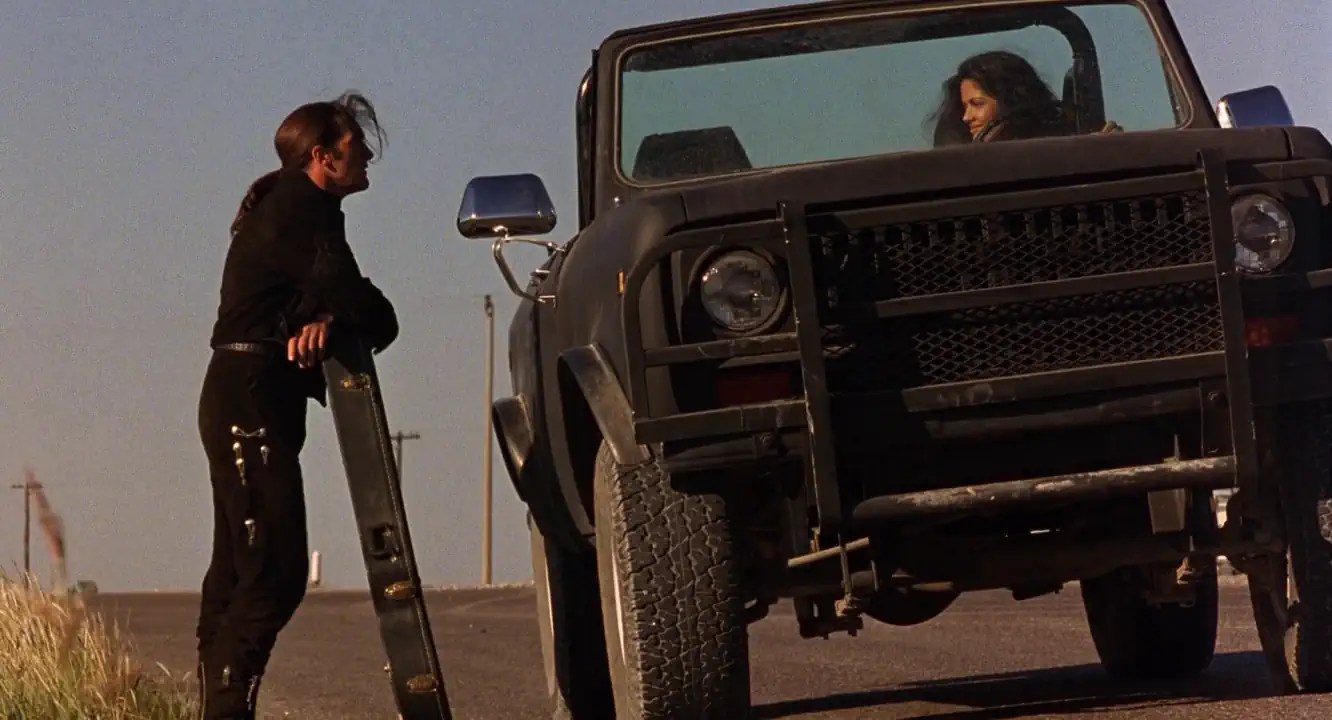
Memorial screens
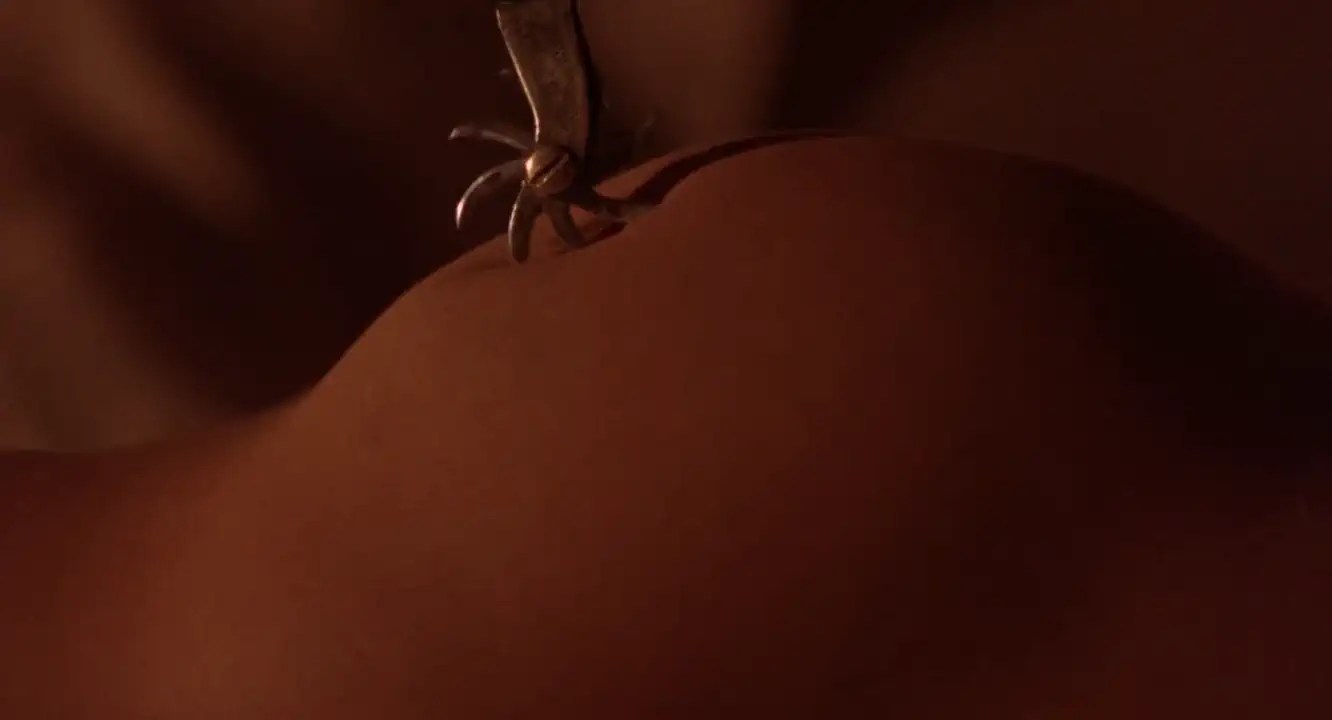
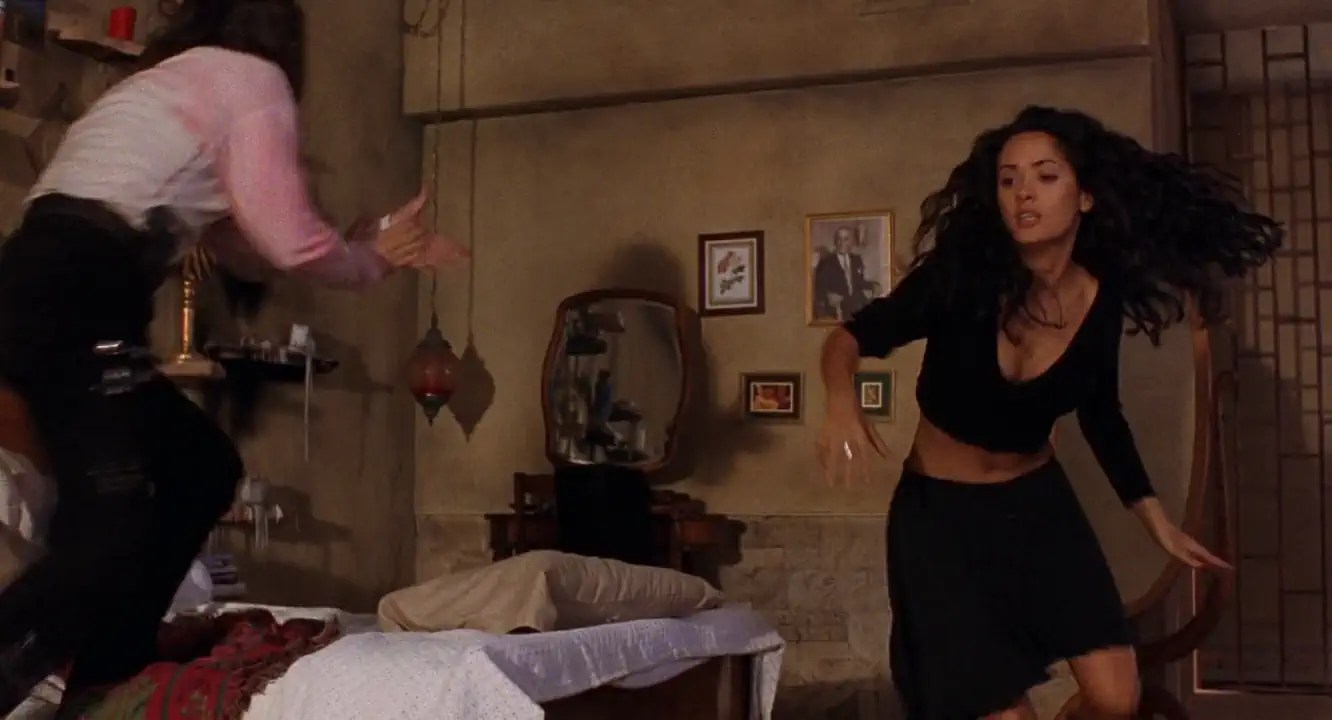
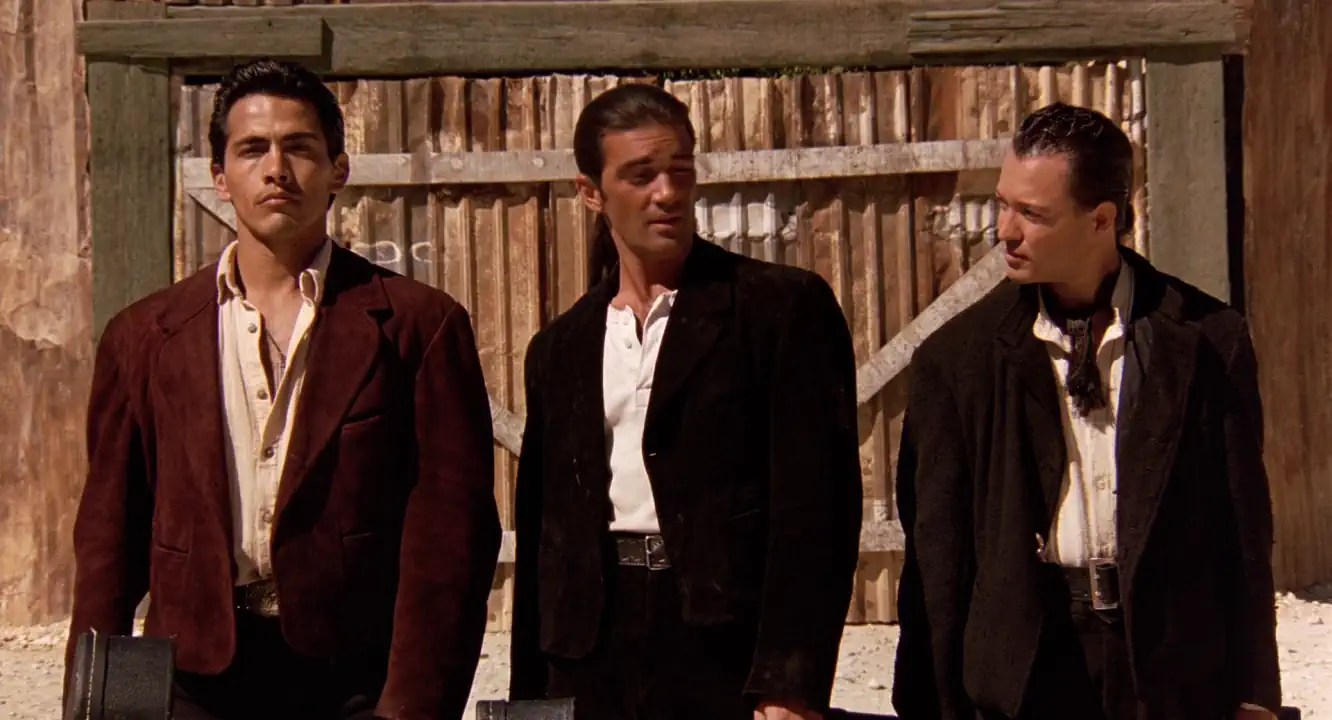
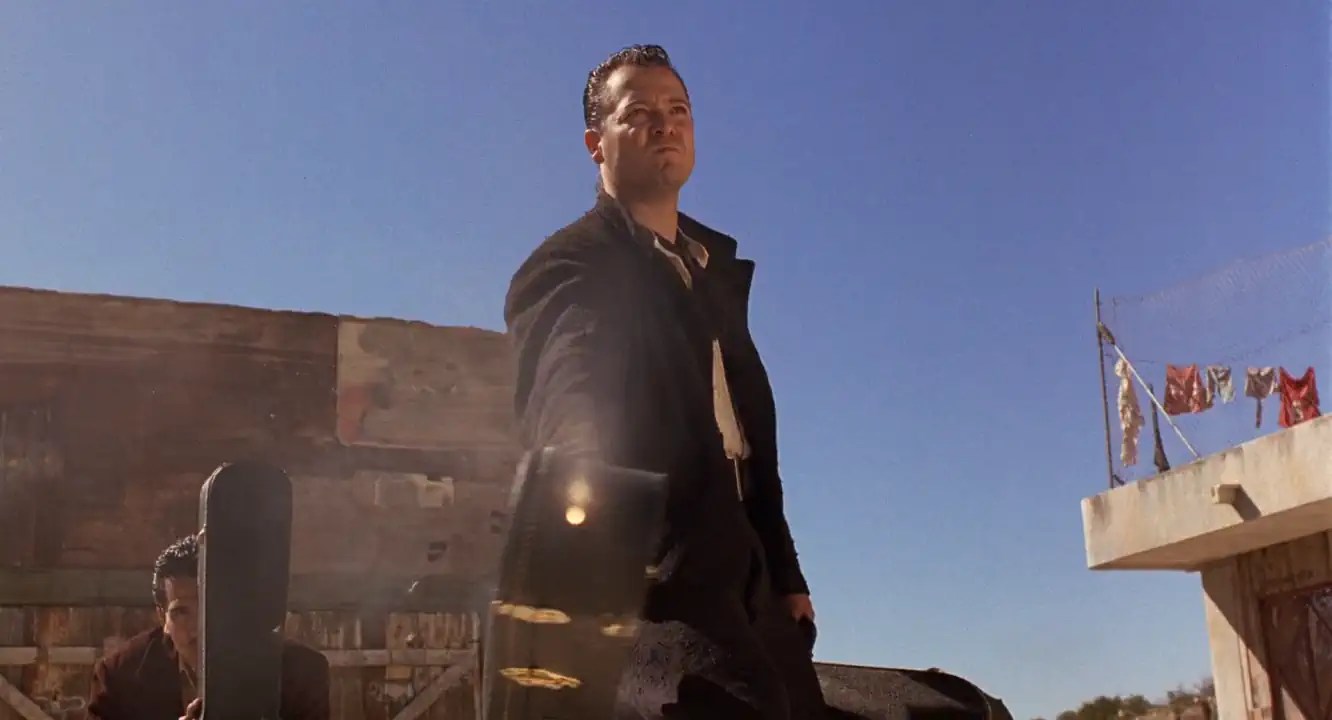
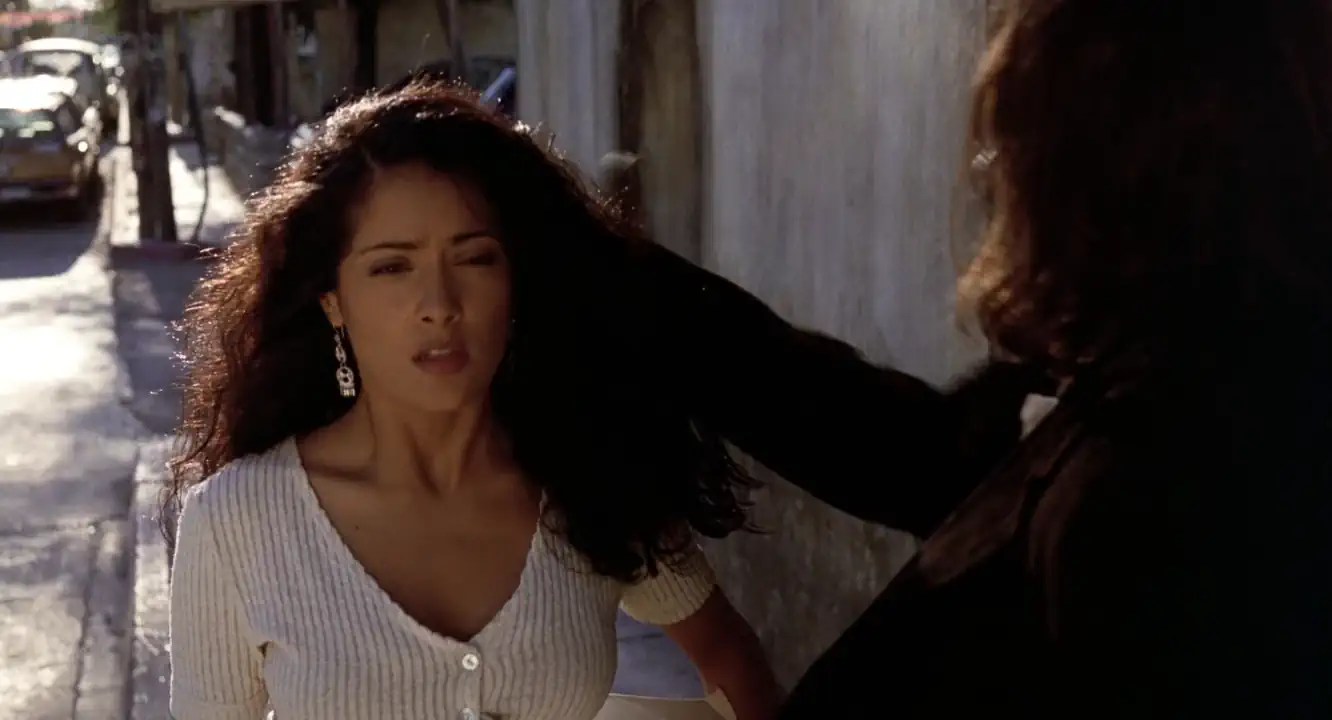
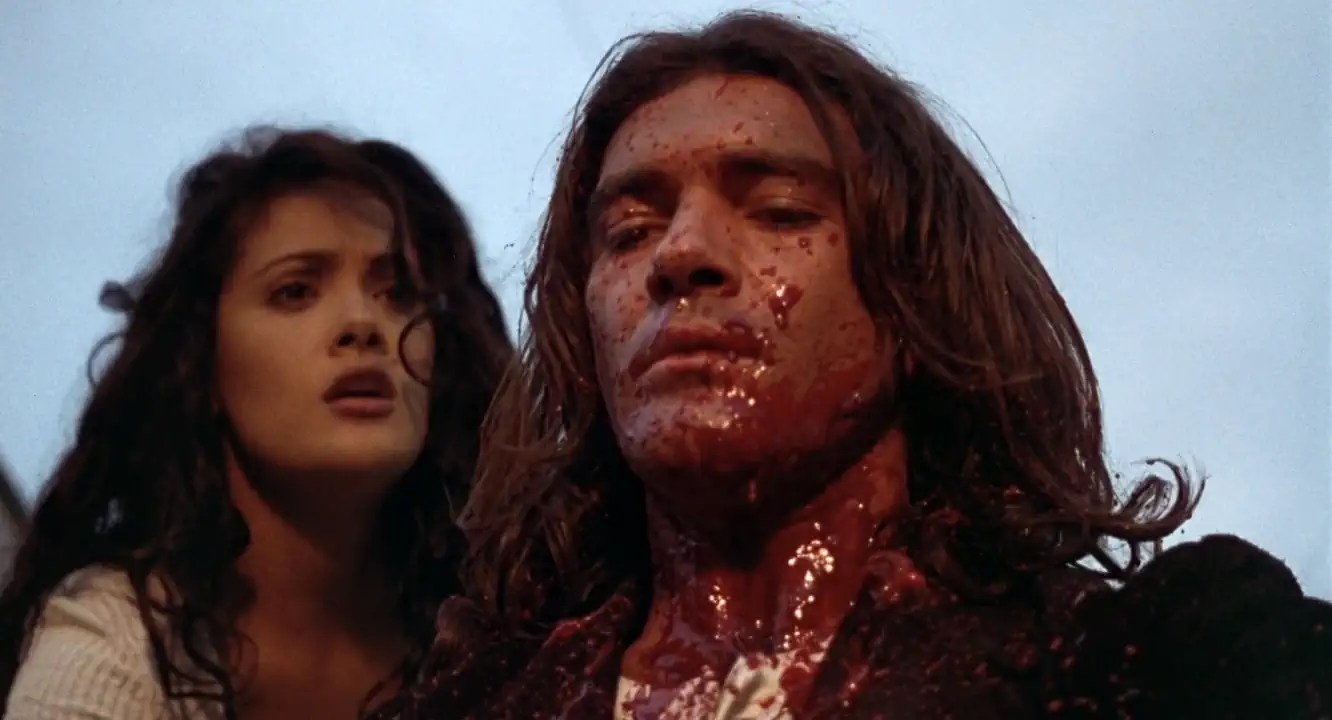
The legendary bar shootout remains unforgettable and is arguably one of the most spectacular and iconic moments in the film. Here, Rodriguez shows how he can turn a simple bar scene into a visual extravaganza: bullets fly in slow motion, furniture is shattered, and the El Mariachi transforms the bar into a chaotic battlefield.
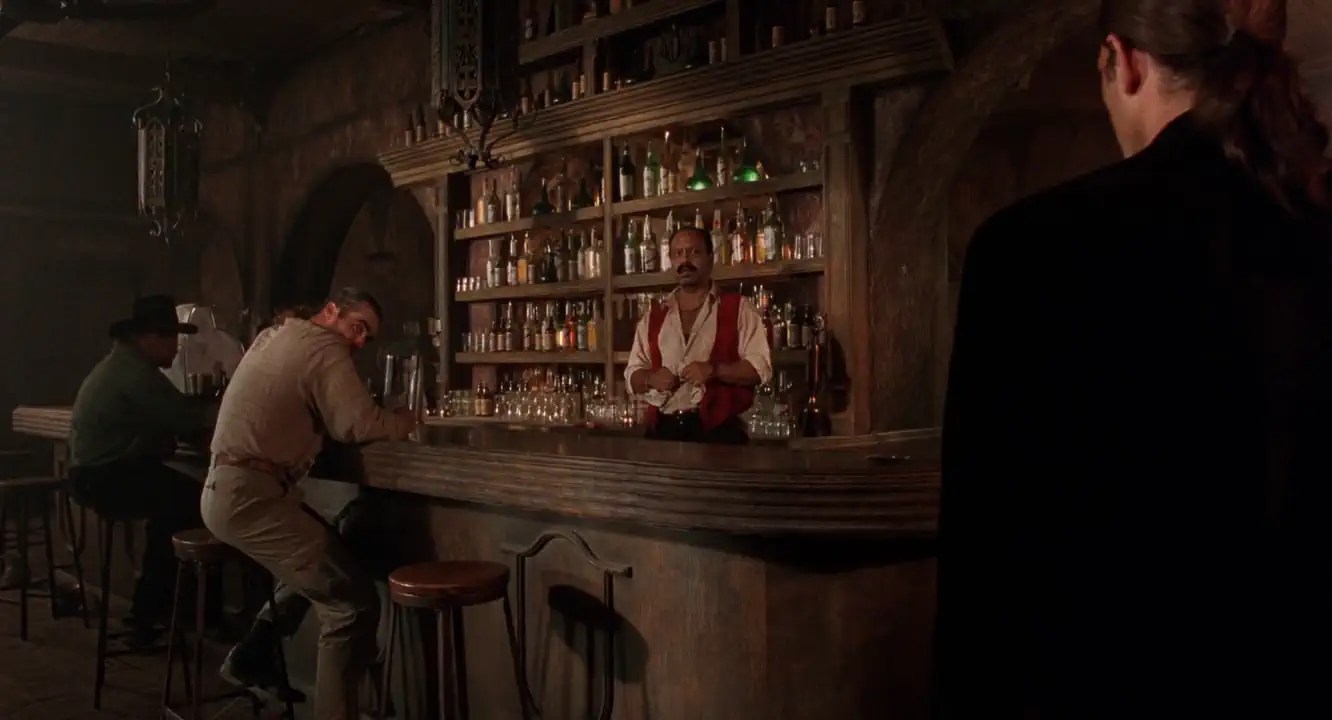
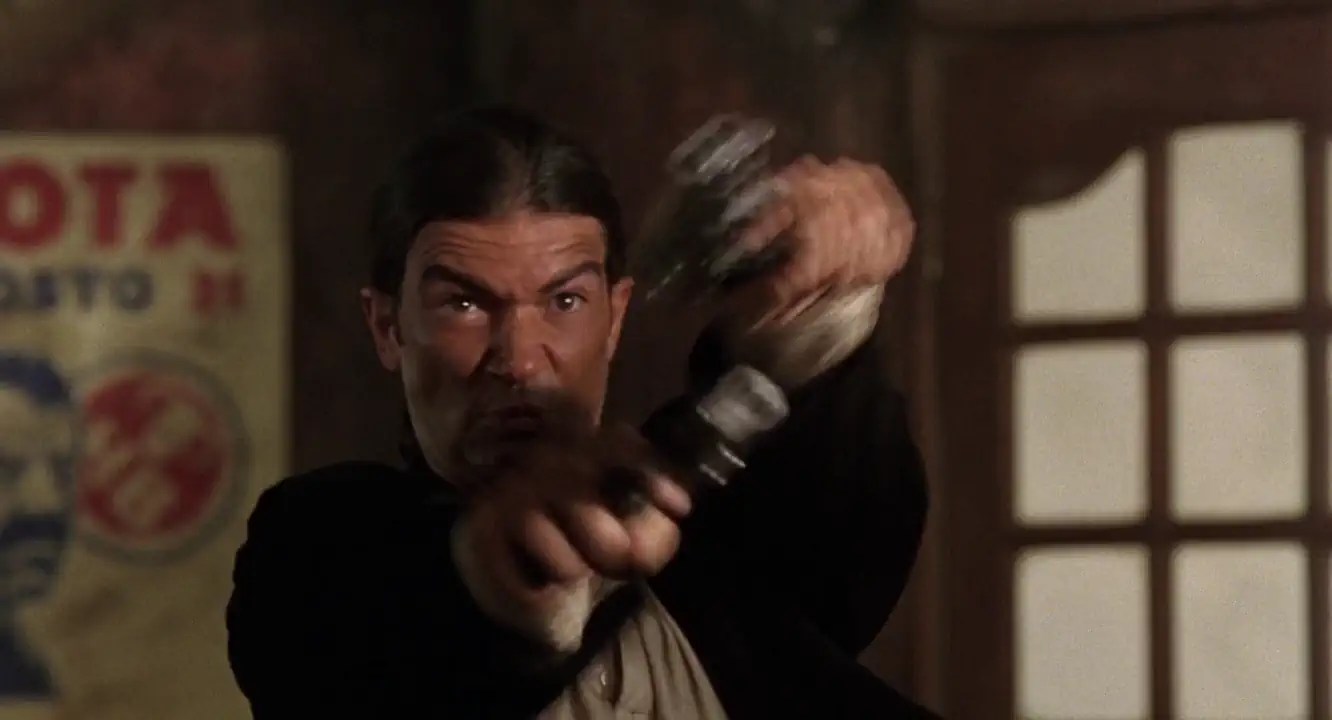
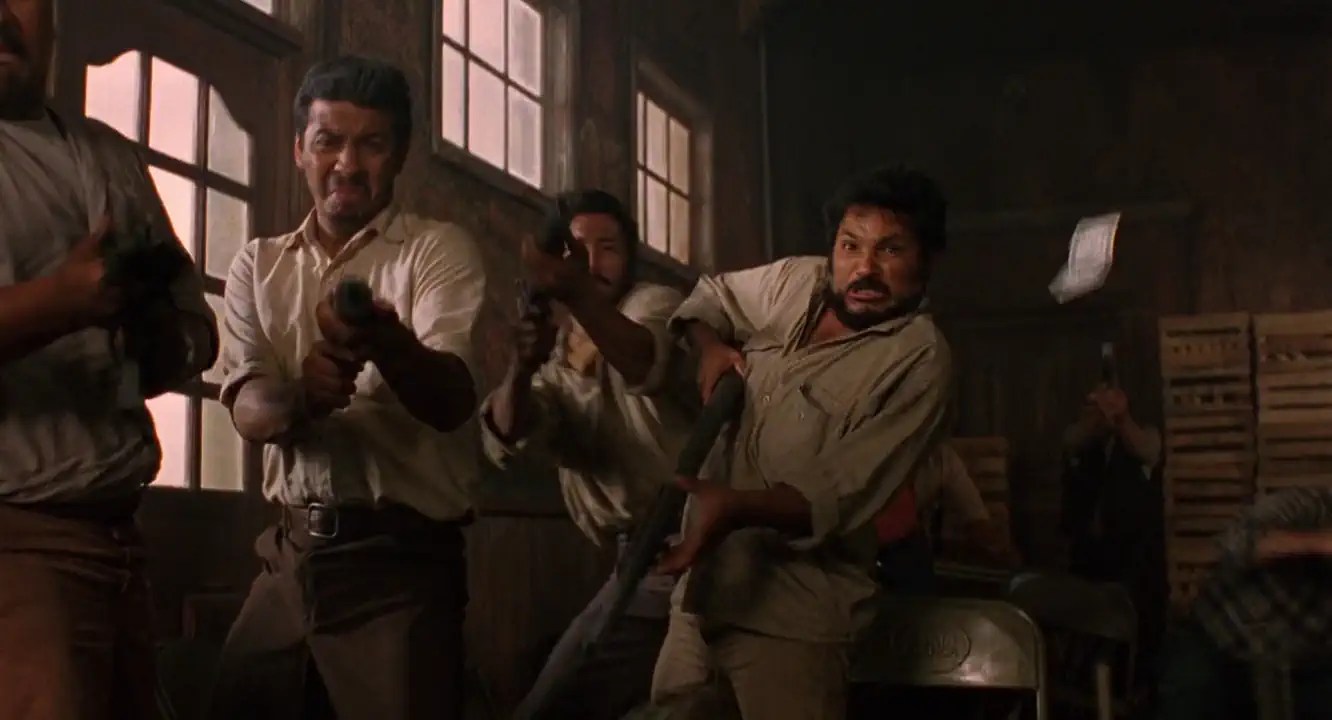
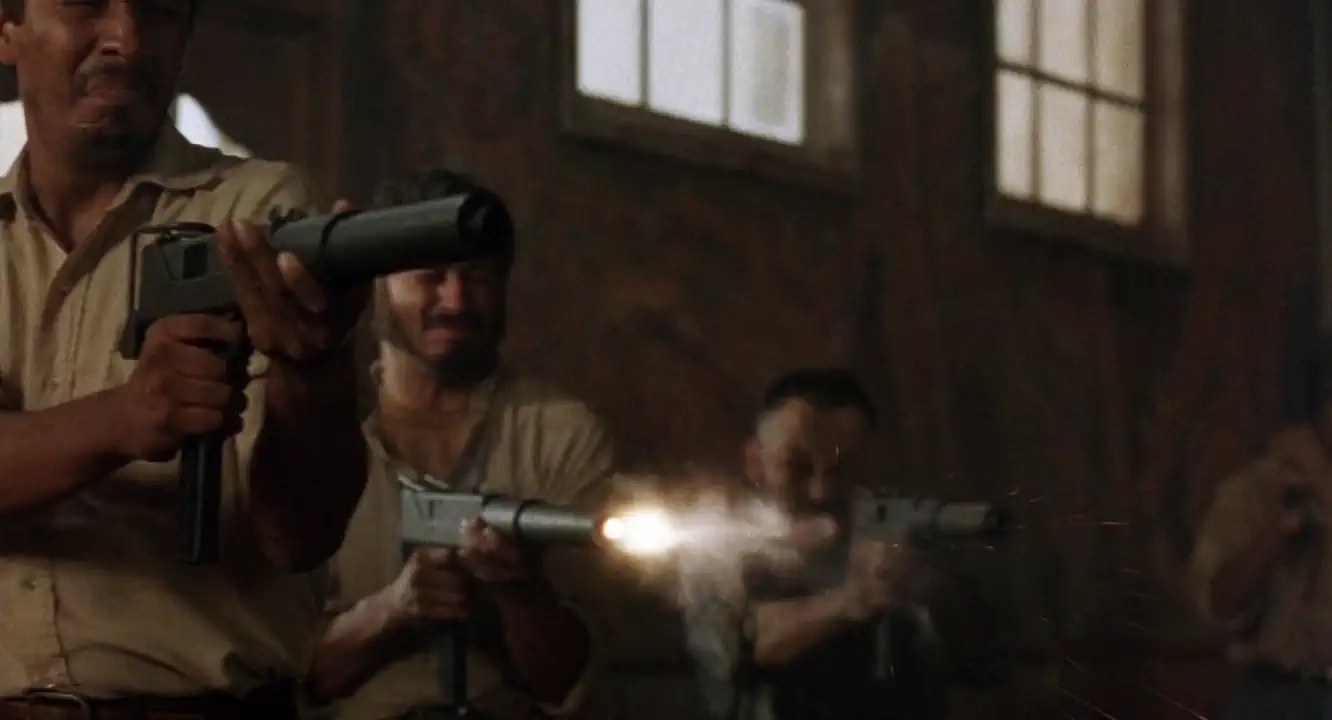
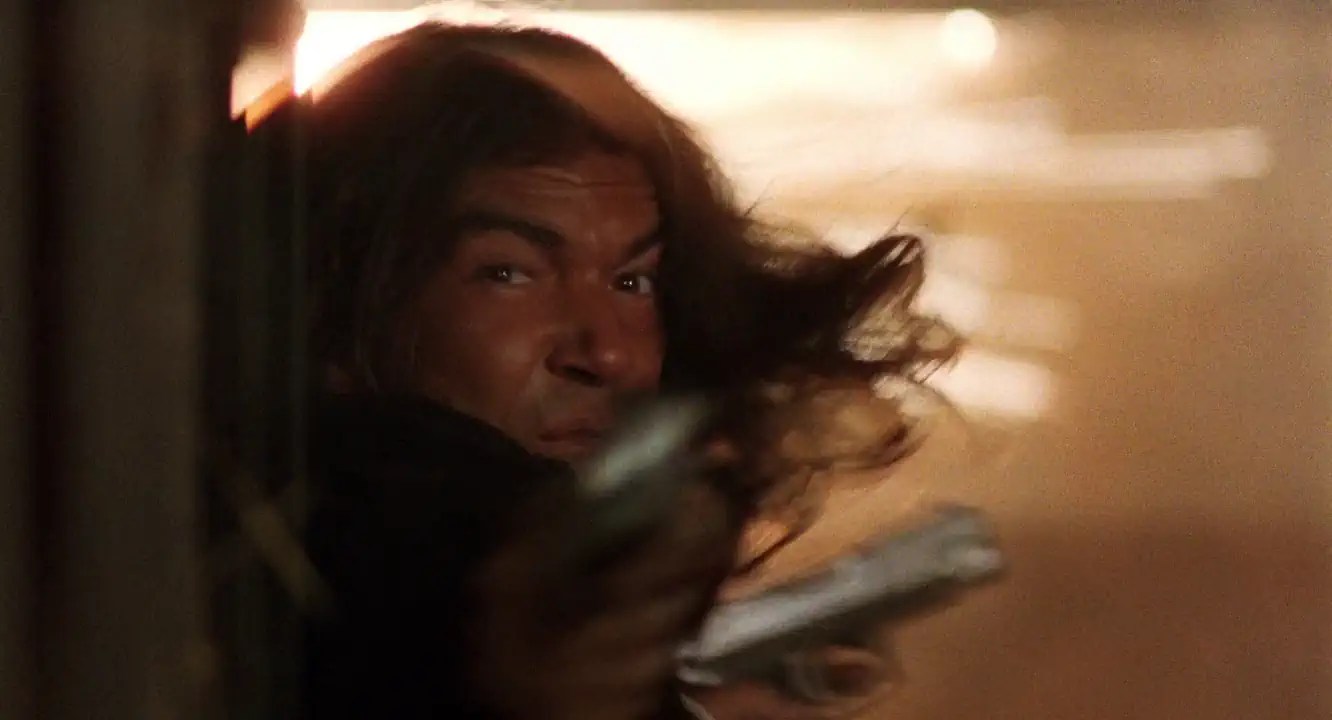
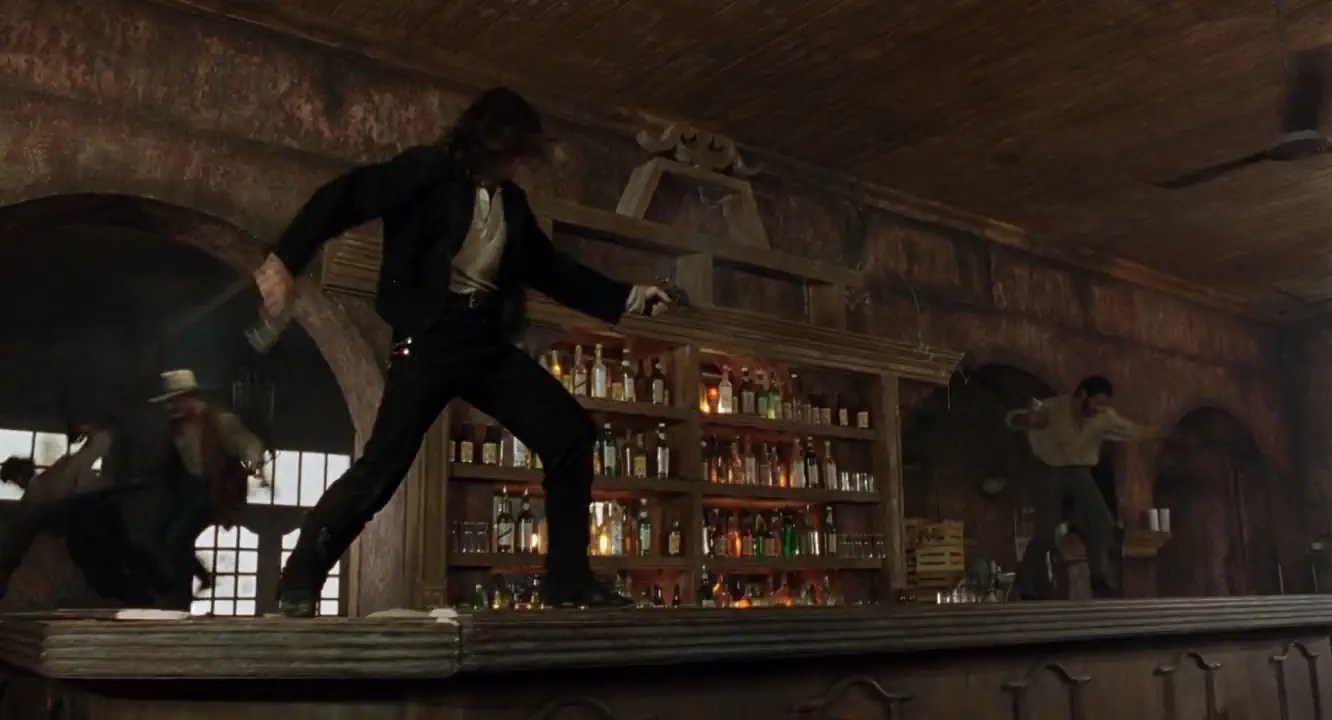
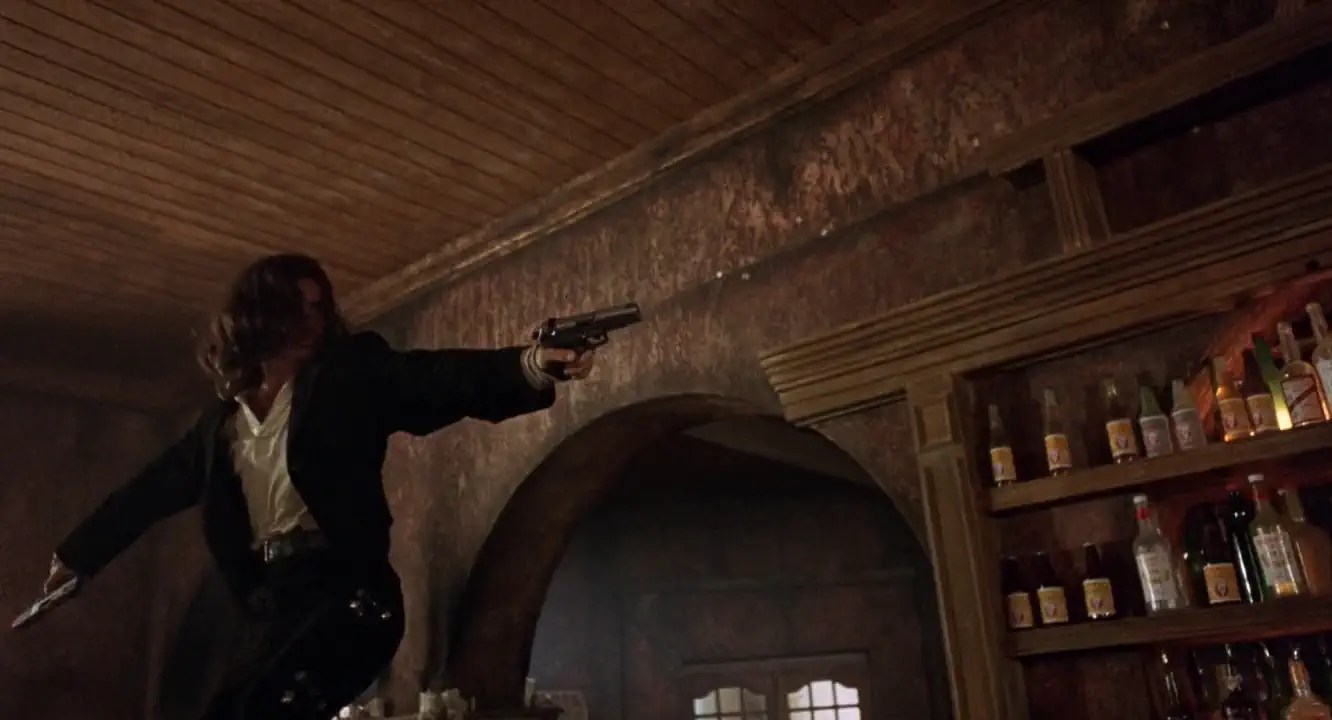
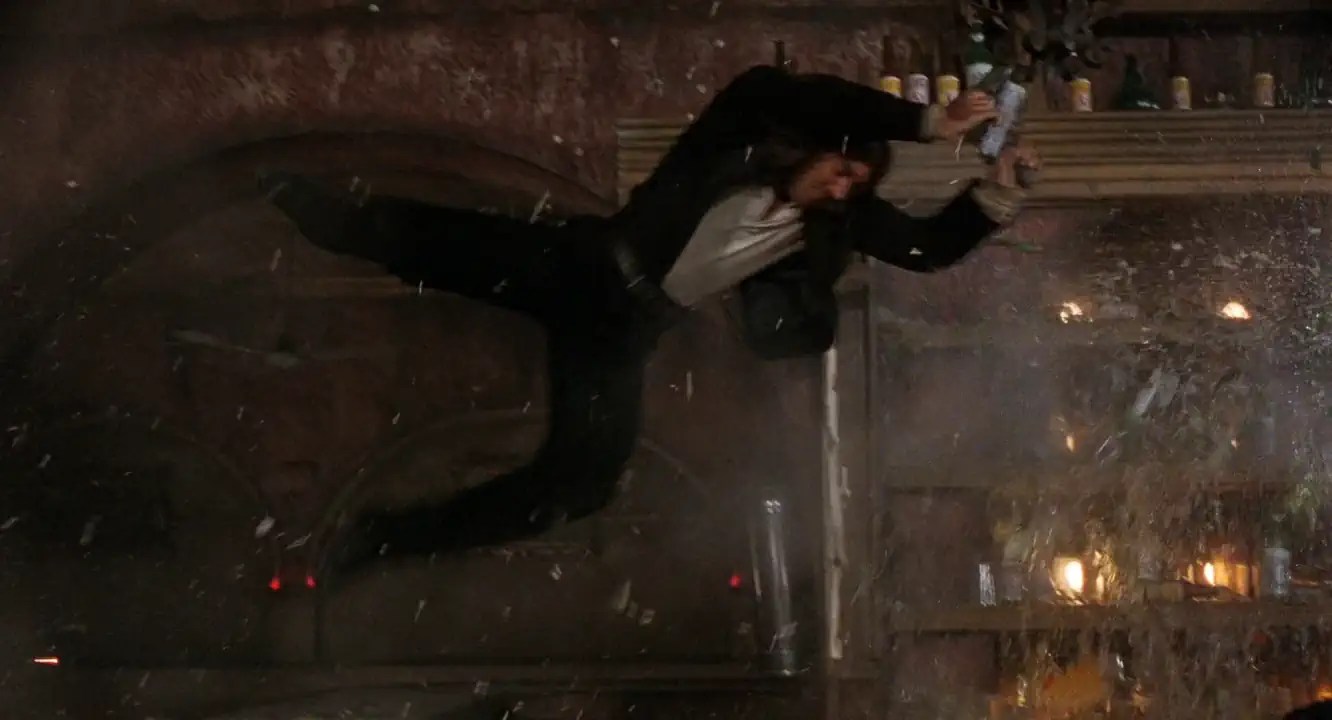
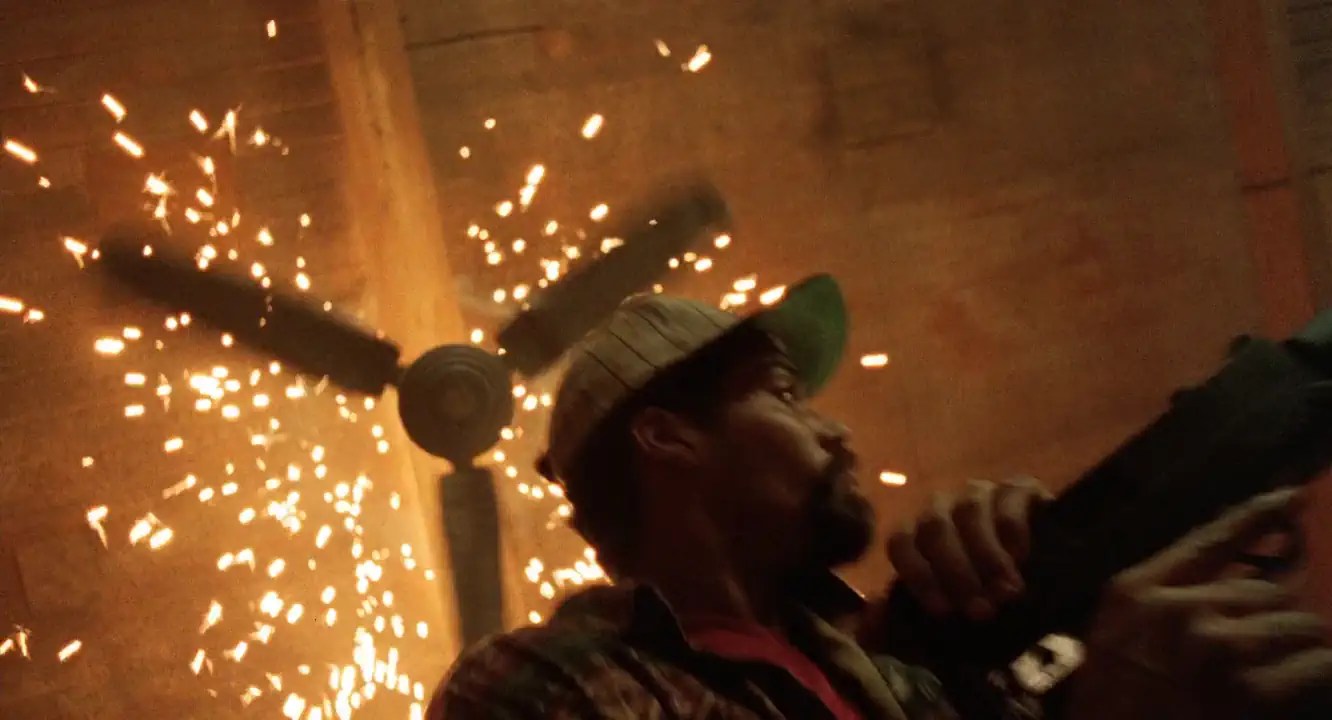
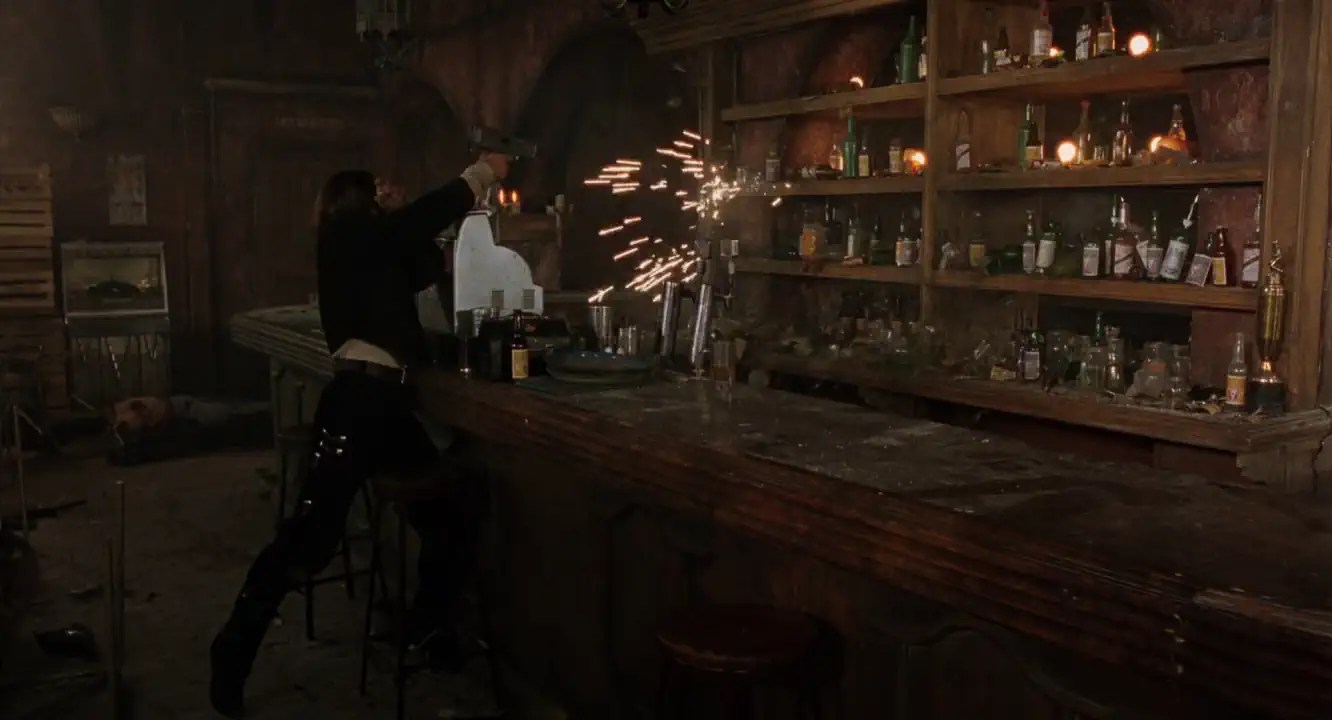
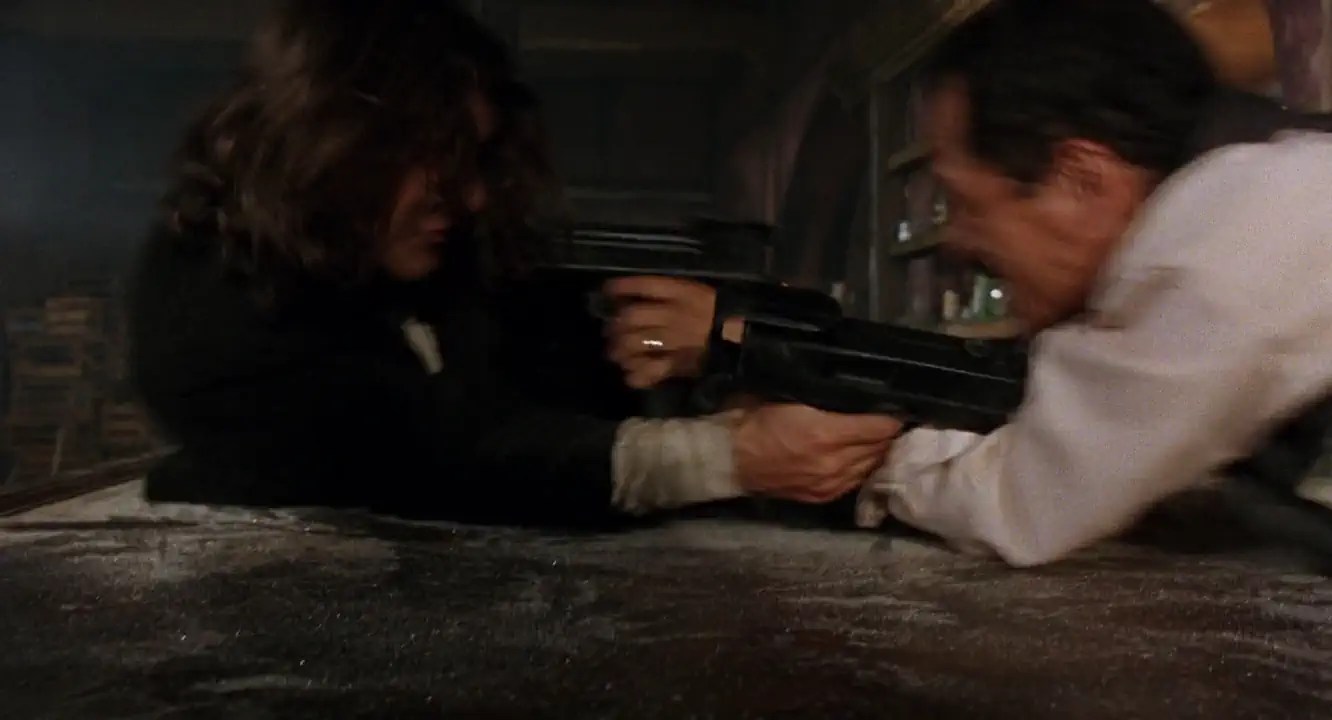

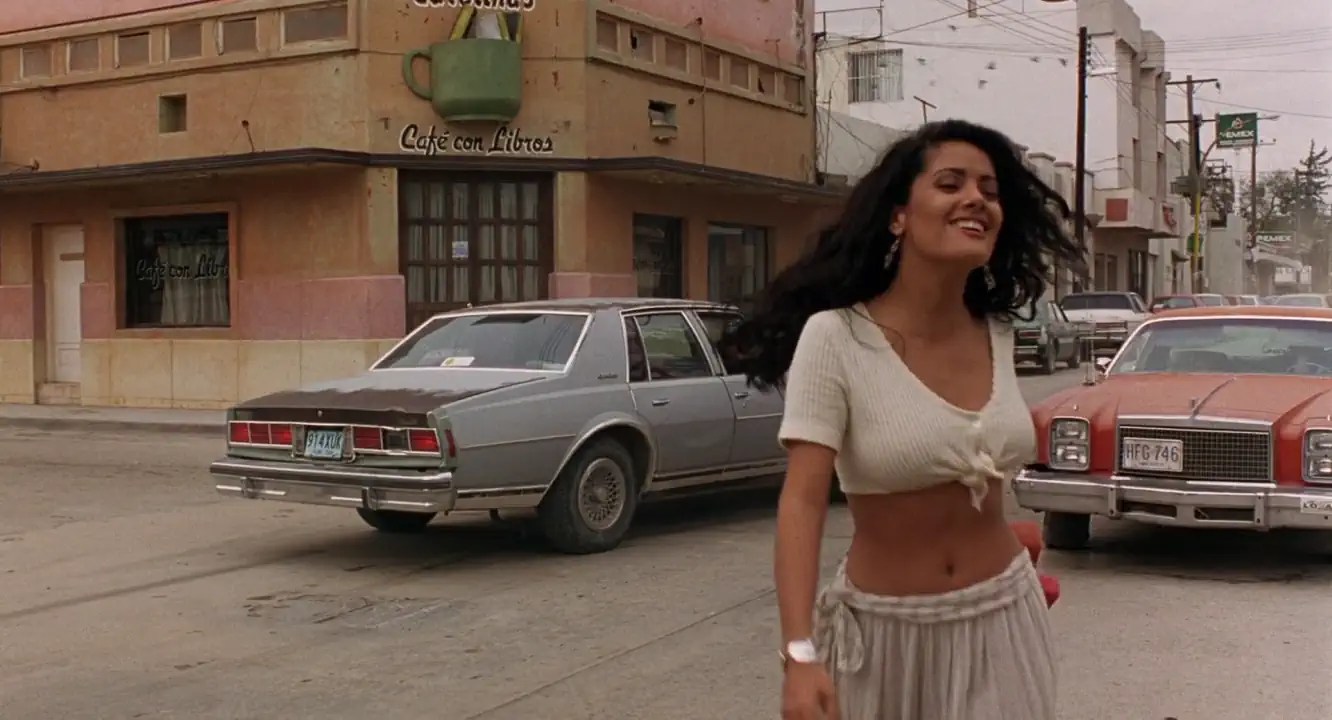
At the same time, this sequence marks the first major appearance of Salma Hayek as Carolina. Her entrance is dramatic – she emerges in the midst of the chaos, initially almost accidentally involved in an accident that puts her directly in the line of fire. But instead of just looking helpless, she cleverly diverts attention and ultimately becomes the savior by helping the mariachi escape from a seemingly hopeless situation. This combination of brutal action and the introduction of a strong female lead character makes the scene a real “memorial screen” in the collective memory of fans.




The actors
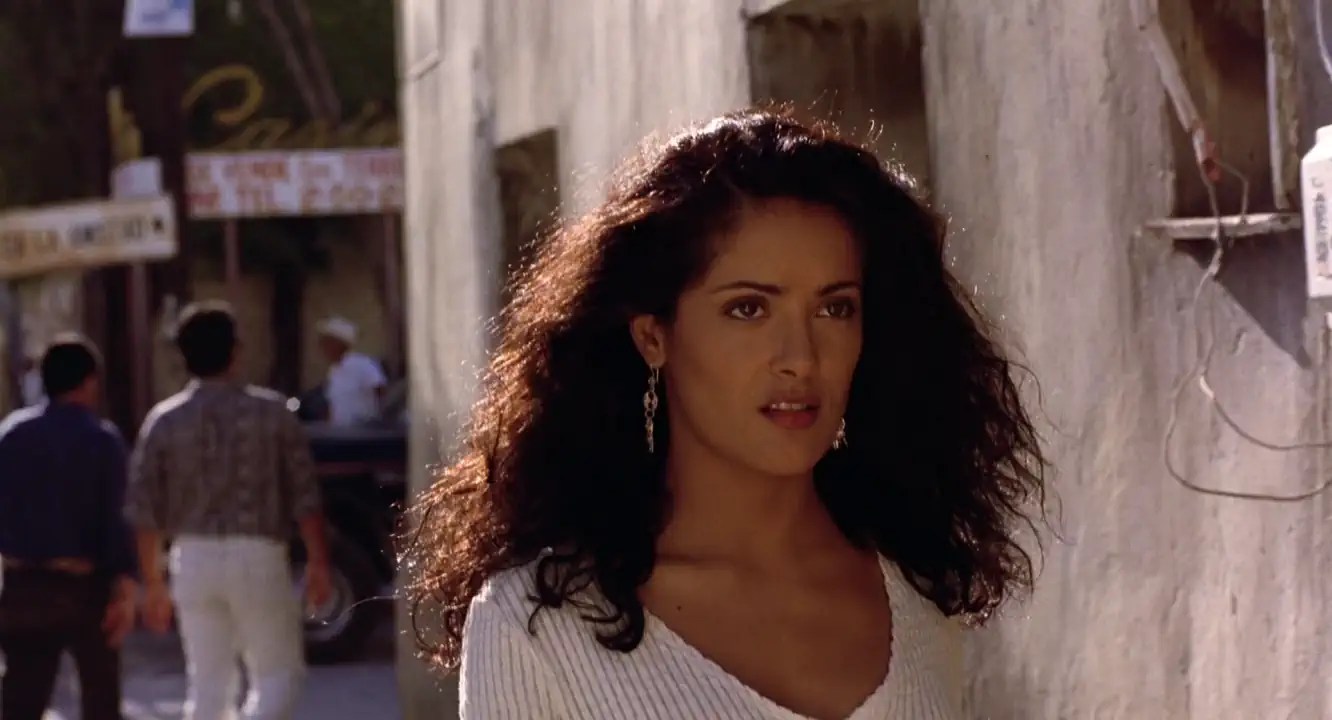
The leading roles are played by Antonio Banderas as the charismatic, nameless mariachi and Salma Hayek in her first major Hollywood appearance as Carolina. Banderas imbues the character with a mixture of vulnerability and ruthless toughness that immediately made him a favorite with audiences. Hayek, on the other hand, brings a fresh dynamic to the film with her charisma and presence, launching her international career. The duo is complemented by Joaquim de Almeida as the menacingly calm but ruthless villain Bucho, Steve Buscemi in an unforgettable laconic supporting role, and Cheech Marin as a shady bartender. Another small highlight is Quentin Tarantino’s brief but memorable guest appearance, which still enjoys cult status today. This mix of established and up-and-coming stars made “Desperado” not only an action-packed firework display, but also an acting showcase that brought together the who’s who of the 1990s independent scene.
Trivia
- Quentin Tarantino has a hilarious guest appearance as a loud-mouthed bar patron – and pays for it in a bloody way. His brief scene is now almost as legendary as the rest of the film and is often cited as an example of the friendship and creative collaboration between him and Rodriguez.
- Rodriguez shot “Desperado” with a budget of around $7 million – many times more than his debut film “El Mariachi” ($7,000!), but still tiny by Hollywood standards. The huge increase in budget allowed for more elaborate stunts, spectacular explosions and a cast that brought international flair without completely losing the independent charm.
- Salma Hayek owes her breakthrough to the film – without “Desperado,” she would probably never have landed the big leading roles in Hollywood. She later said that the shoot was a mixture of challenge and adventure for her, as she had to hold her own in the explosive action sequences as well as in the quiet, romantic scenes.
- Many scenes are intended as an homage to Italian westerns and the action cinema of John Woo – exaggerated, but stylistically spot on. The slow motion and the play with exaggerated camera angles in particular show how much Rodriguez enjoyed breaking genre boundaries and staging his very own action fairy tale.
Mexico Trilogy
“Desperado” is part of the legendary Mexico Trilogy that made Robert Rodriguez a household name in action cinema. The cycle began in 1992 with El Mariachi, an ultra-low-budget surprise hit that was shot on a budget of just $7,000 and tells the story of a young filmmaker’s rise to fame like a modern fairy tale. Three years later, Desperado (1995) followed, a stylish and highly polished version that revisited many of the ideas of the debut film, staging them bigger, louder, and more spectacularly, and thus making the leap into the international mainstream. The trilogy concludes with Once Upon a Time in Mexico (2003), a film that was not only bigger and crazier, but also introduced one of the most bizarre and entertaining characters in the entire trilogy universe in the form of Johnny Depp as an eccentric CIA agent. Together, the three films form a loosely told saga of revenge, love, violence, and myths that combines Mexican culture with Hollywood spectacle and cemented Rodriguez’s reputation as an innovative storyteller.
Critical reception at the time
When “Desperado” was released in theaters, critics were far from unanimous in their praise. Some reviewers were enthusiastic about Robert Rodriguez’s distinctive style, which brought a breath of fresh air to the genre with energetic action scenes, exaggerated imagery, and a healthy dose of humor. They saw him as a young director who stood out from the action clichés of the time with his courage and creativity, cultivating an almost cartoonish style. Others, however, criticized the plot for lacking substance and serving as little more than a thin framework for a series of shootouts. The explicit violence also raised eyebrows, with some critics feeling it was gratuitous and detracted from the emotional impact. In short, those hoping for depth and psychological characterization were disappointed, but those who wanted to be entertained by a stylish, loud, and deliberately over-the-top action extravaganza got their money’s worth.
Reputation today
Today, “Desperado” is celebrated as a cult film. It embodies the 90s in its purest form: exuberant action, iconic one-liners, and a soundtrack that fits the picture perfectly. Antonio Banderas‘ performance as a mariachi is one of his most legendary roles, and the chemistry with Salma Hayek is still unforgettable today. For many, the film is a kind of declaration of love for excessive cinema – loud, cool, and uncompromisingly entertaining. Fans of the era in particular remember the distinctive blend of Western flair, Latino soundtrack, and comic-book violence that gives the film its unique identity. Looking back, “Desperado” is seen not only as an action film, but also as a style-defining pop culture event that set the tone for many later productions. The title regularly appears in lists of the most influential action films of the 1990s in film forums and fan communities, and its iconic scenes – from the legendary bar shootout to the romantic rooftop scene – have long since entered the collective memory of the genre.
Conclusion
“Desperado” is not a film you love for its complicated story. You love it for its images, its energy, and the exaggerated coolness that makes it unique to this day. Rodriguez showed that with creativity, humor, and a healthy dose of madness, you can make an action film that will be remembered. Beyond that, the film is a prime example of how a director can uncompromisingly follow through on his vision and form a distinctive style that continues to inspire decades later. When you watch “Desperado,” you not only feel the adrenaline rush of the shootouts, but also the passion for cinema that is evident in every scene. In short, “Desperado” is a guitar case full of cinematic magic – and the sound still resonates 30 years later, louder and more haunting than you would ever expect from an action film.
More
Trailer
External links
References
- IMDb: Desperado (1995) – Basic information on cast, crew, and production details
- Rotten Tomatoes – Desperado – Contemporary and modern reviews
- Metacritic – Desperado – Review aggregation and scores
- Robert Rodriguez: Rebel Without a Crew (Book, 1995) – Insights into the filmmaking process and his working methods
- Interview with Salma Hayek about her breakthrough with Desperado (Variety) – Background on her career
- Making-Of Desperado (YouTube) – Interviews with cast & crew, including behind-the-scenes of Tarantino’s cameo
- Empire Magazine: Retrospective on Desperado – Contextualizing the film within the 1990s action movie era
- Fan forums & retrospectives, e.g. discussions on Reddit r/movies – Cult reception today and lasting influence






 McHenry's Lair
Kommentar verfassen :