


Play it like there’s no tomorrow!
A C64 cult game
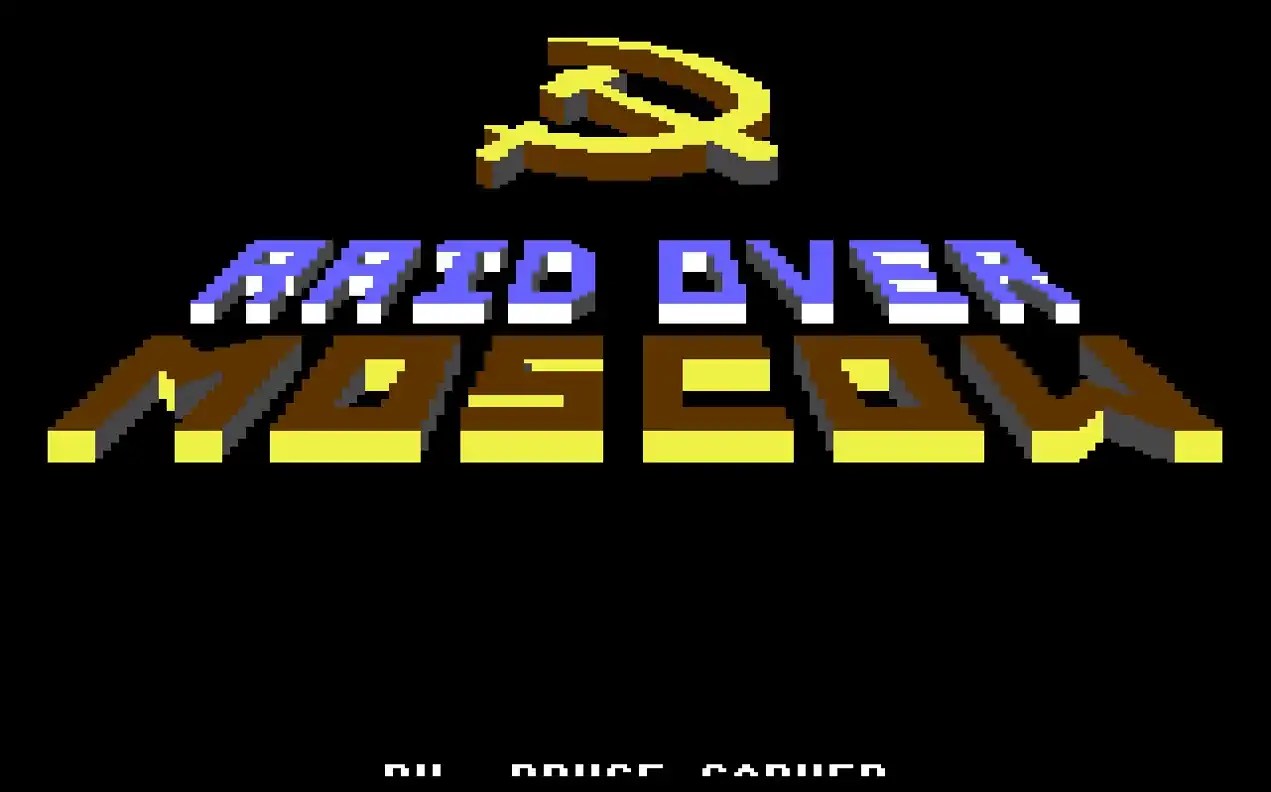
The computer game “Raid Over Moscow” is one of the most influential titles of the 1980s and has achieved cult status in the retro gaming scene. Developed by Access Software and released in 1984, it offered a mixture of action-packed gameplay and a politically explosive setting that makes it one of the most controversial and fascinating games on the Commodore 64 to this day. It was one of those games that not only entertained but also sparked debate at a time when video games were just finding their place in popular culture. But what makes this game so special? Let’s take a detailed look at its plot, context, and lasting influence.
Plot
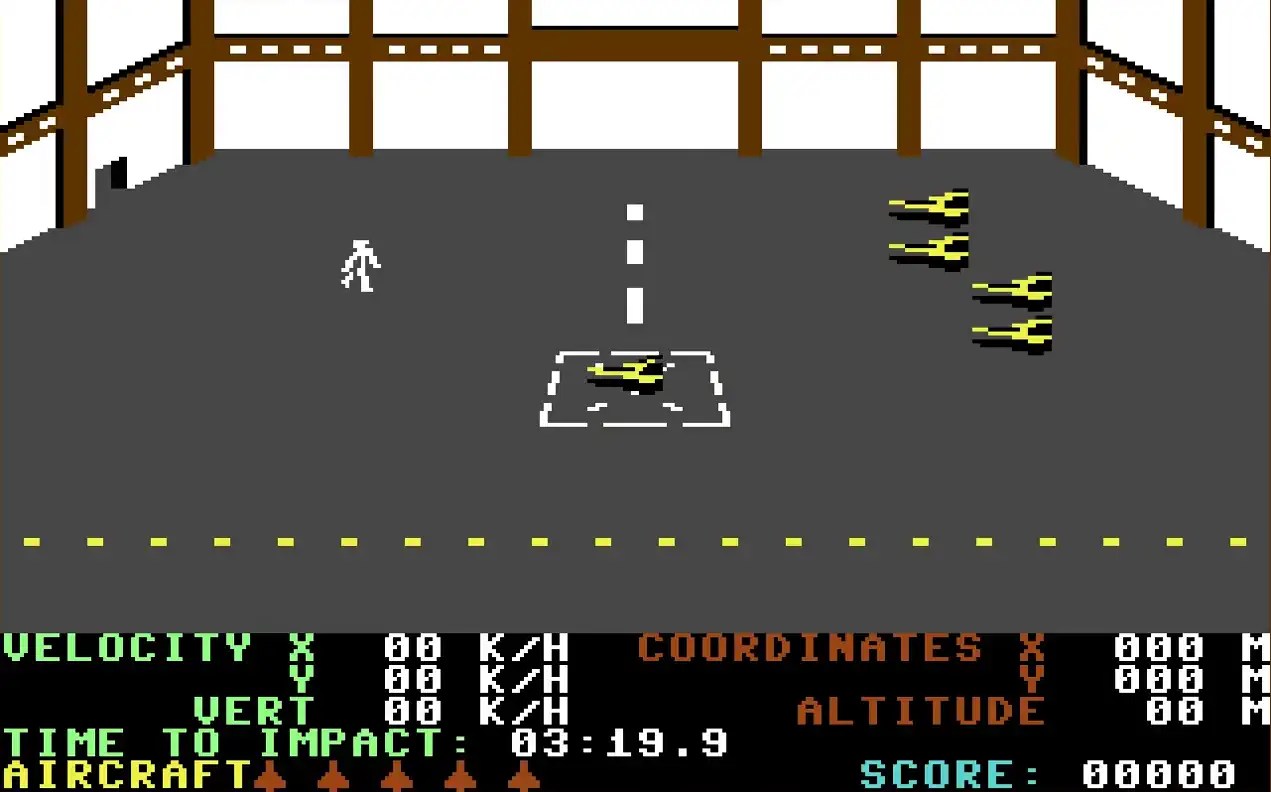
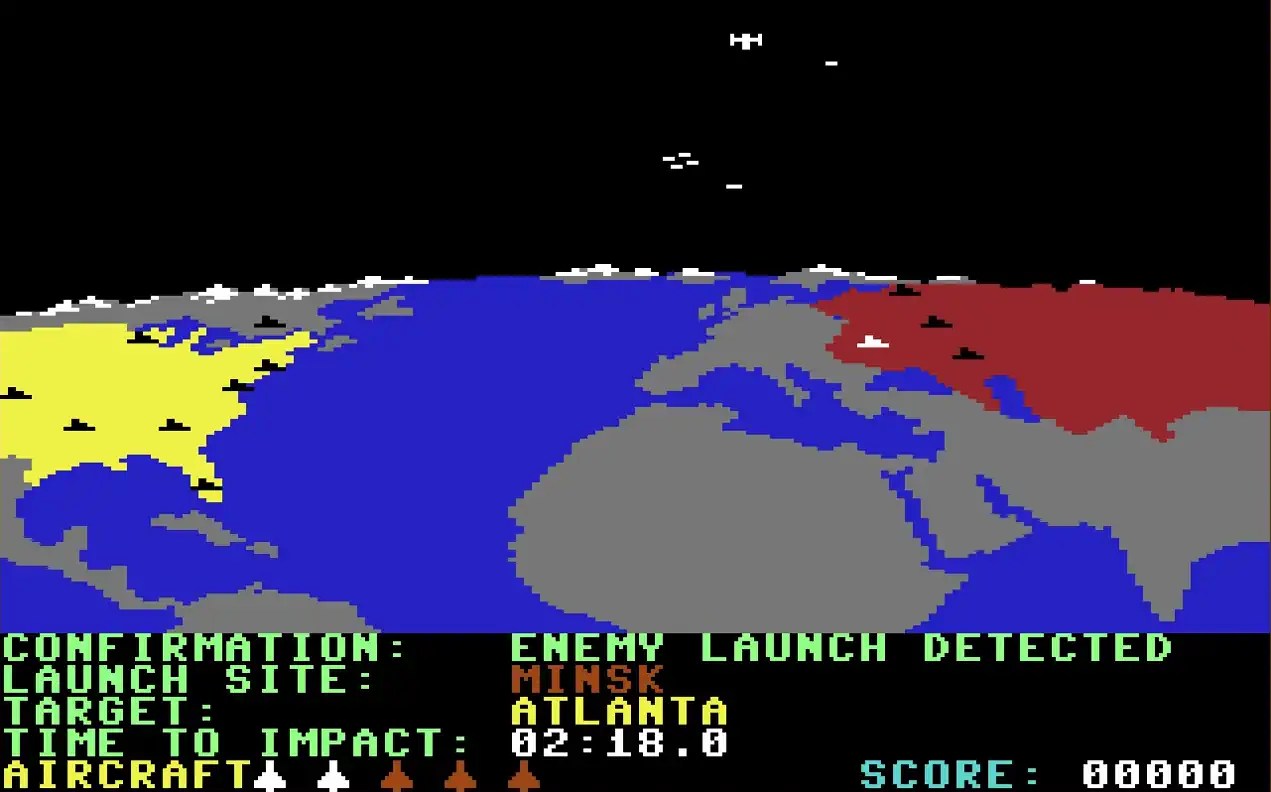
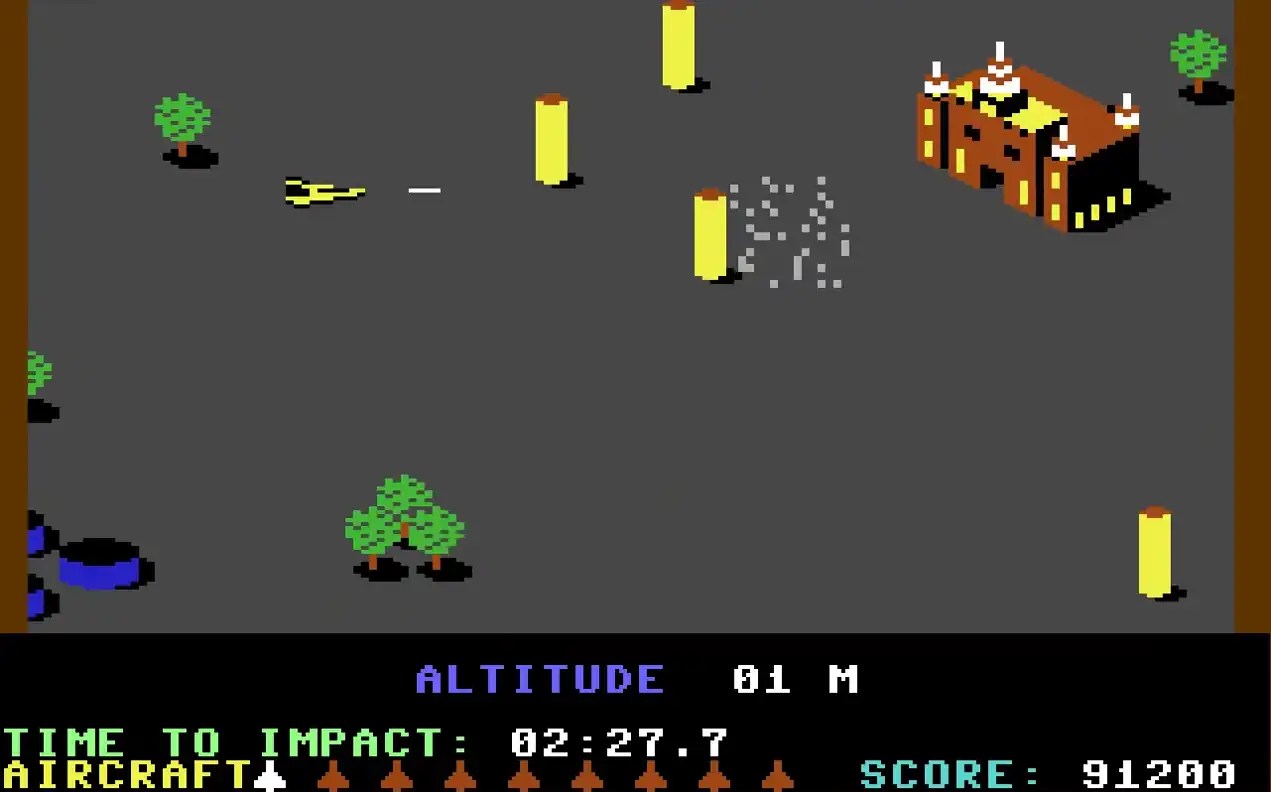
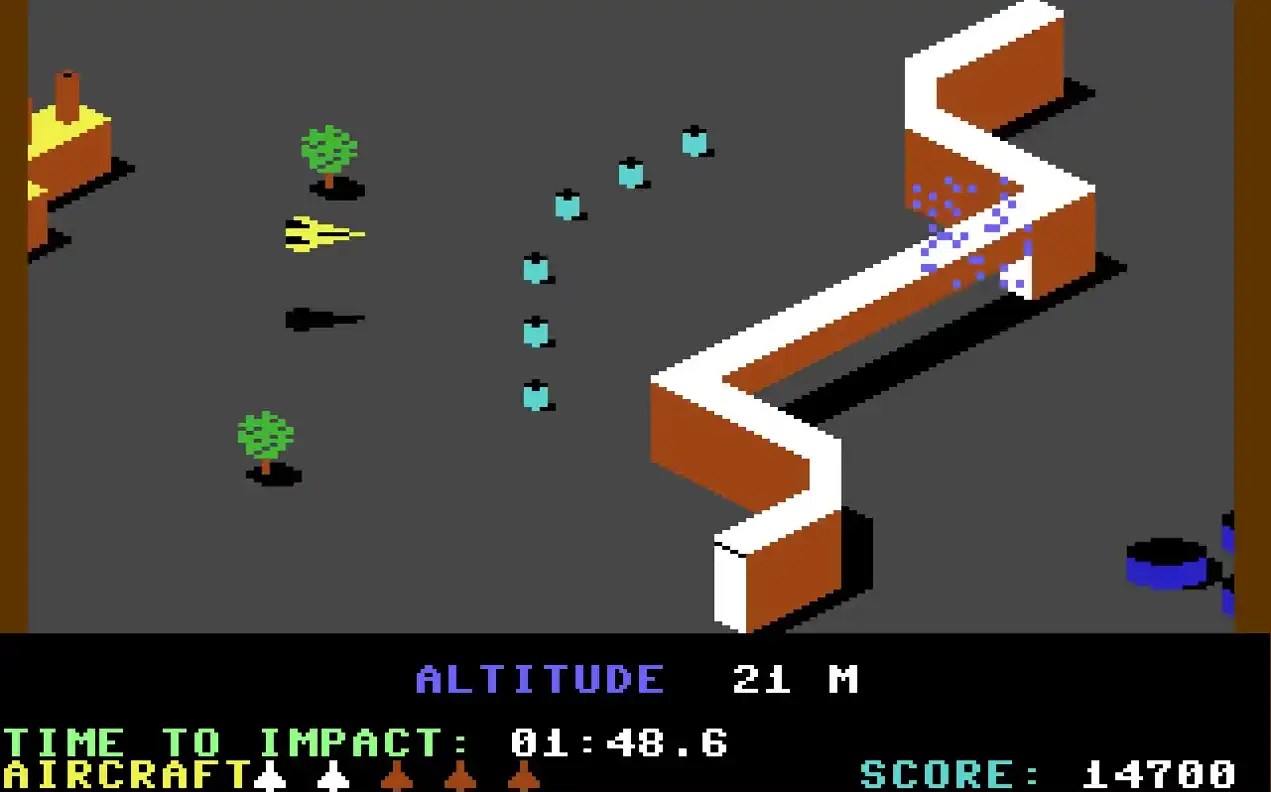
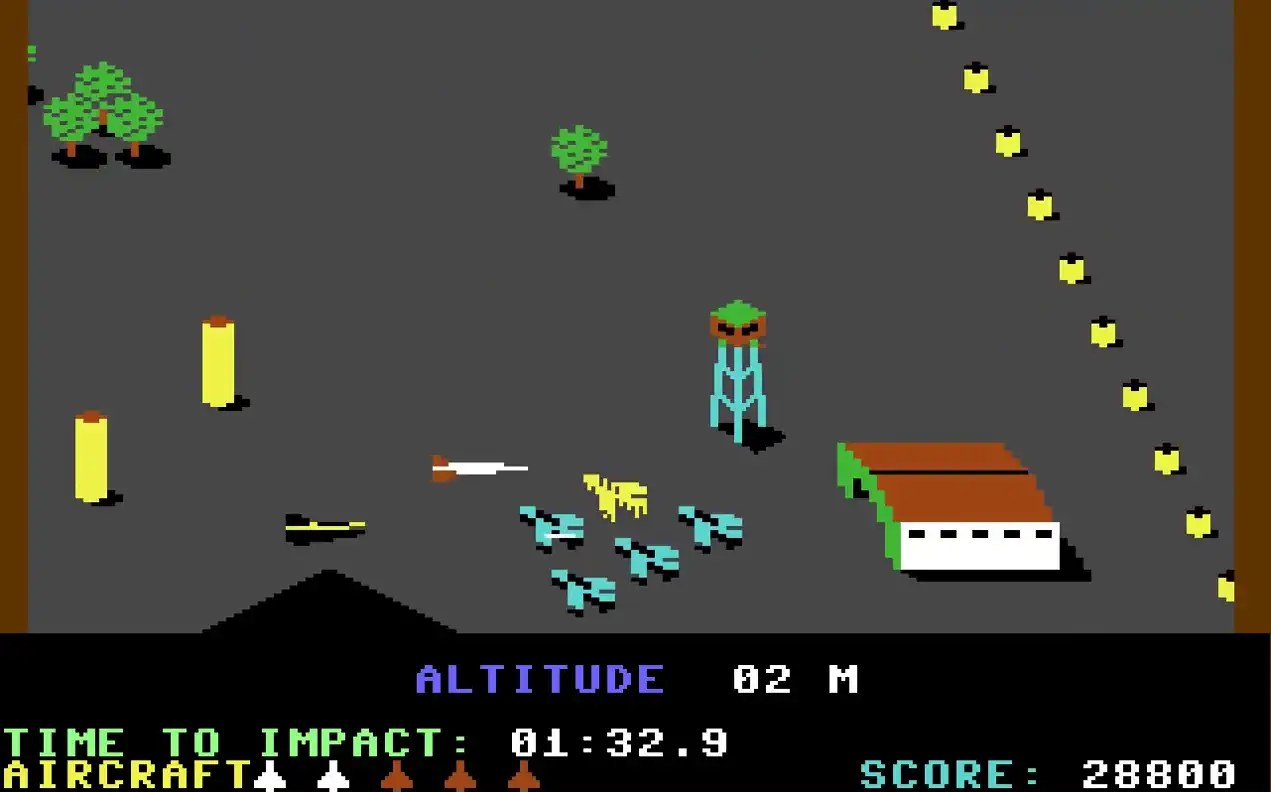
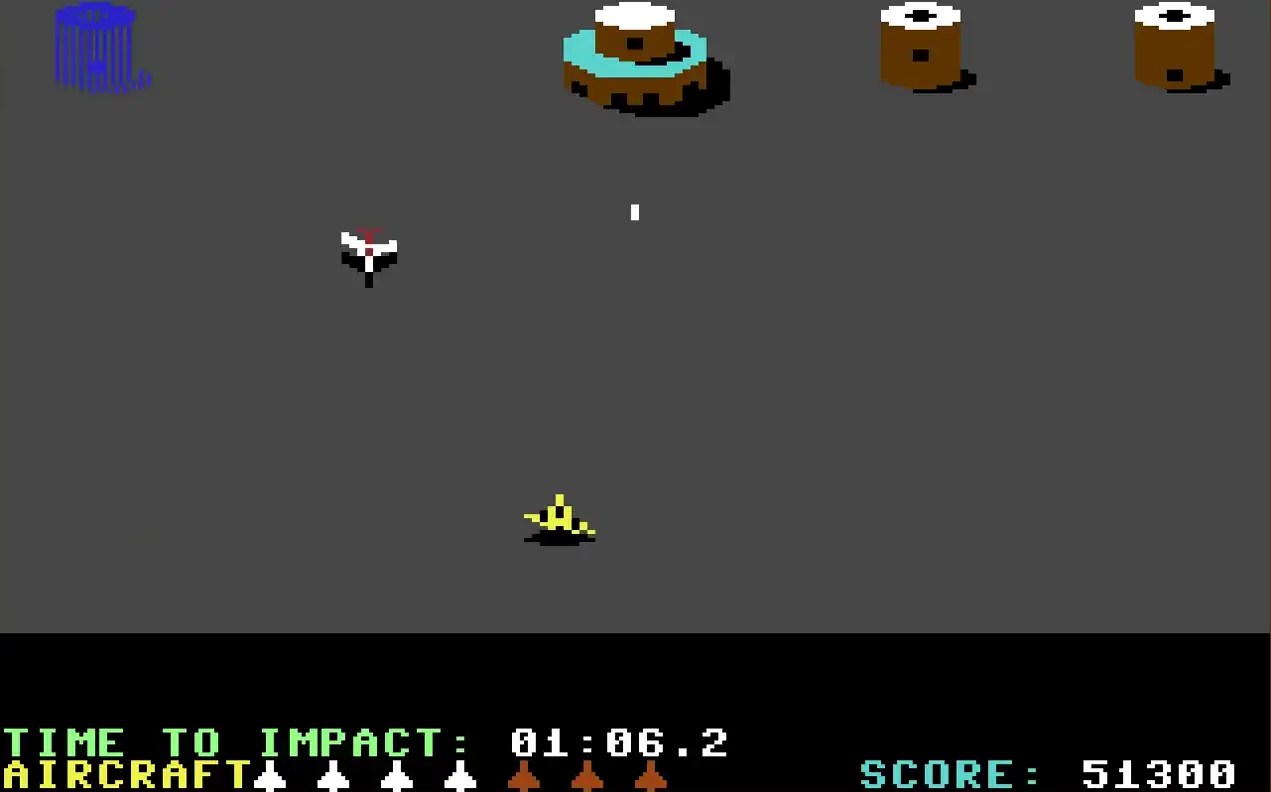
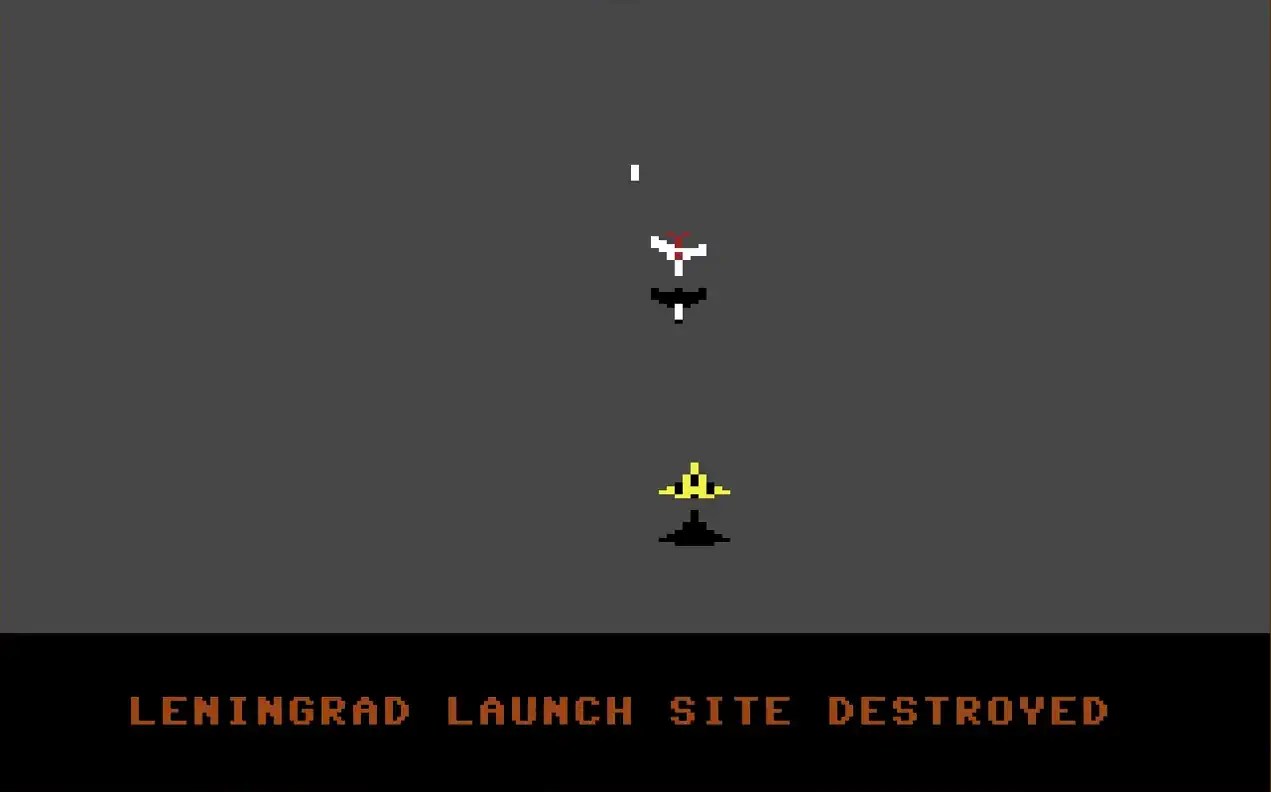
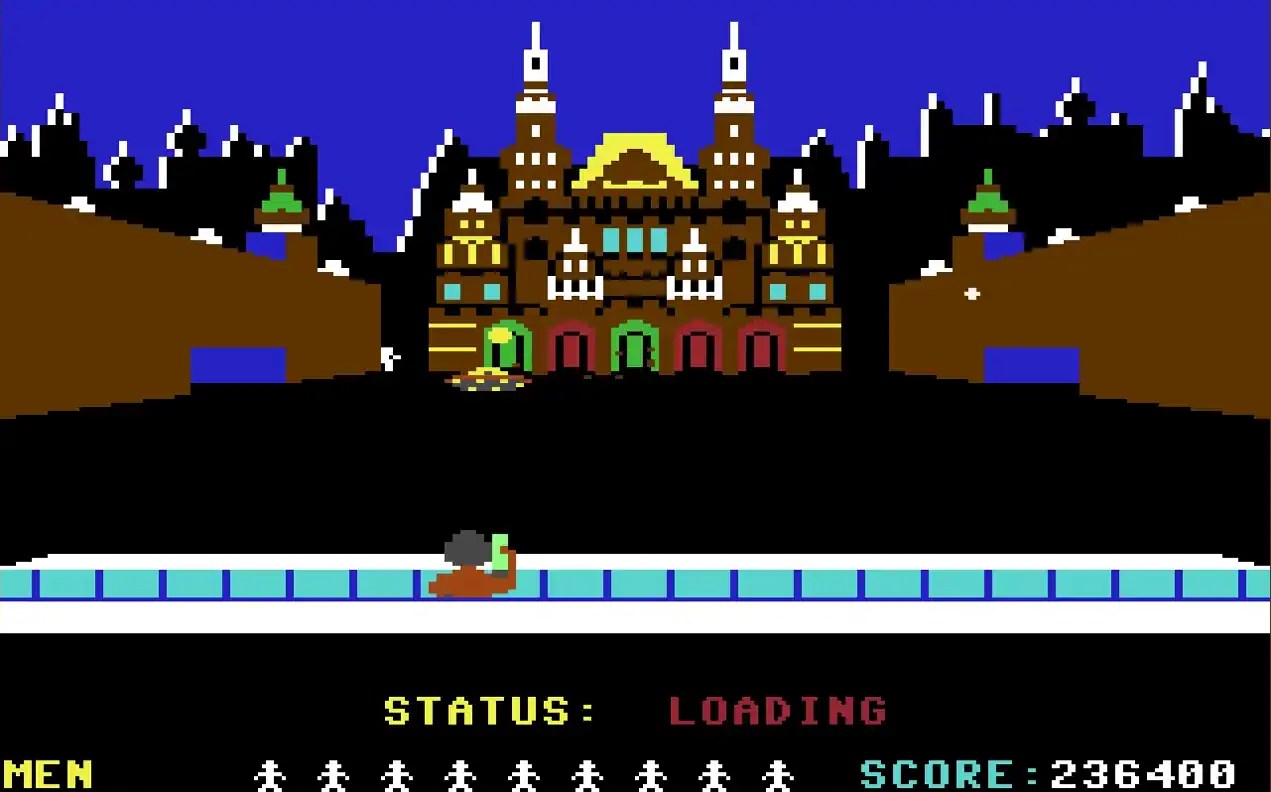
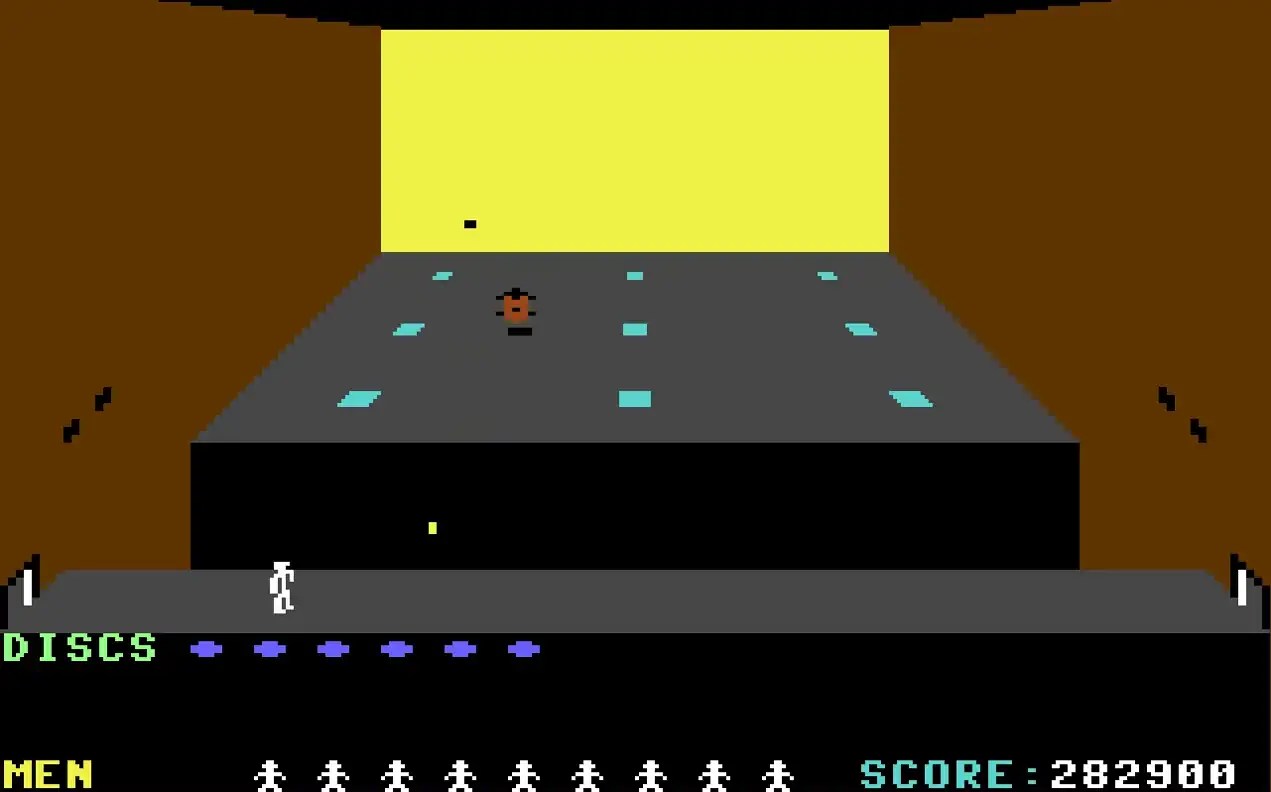
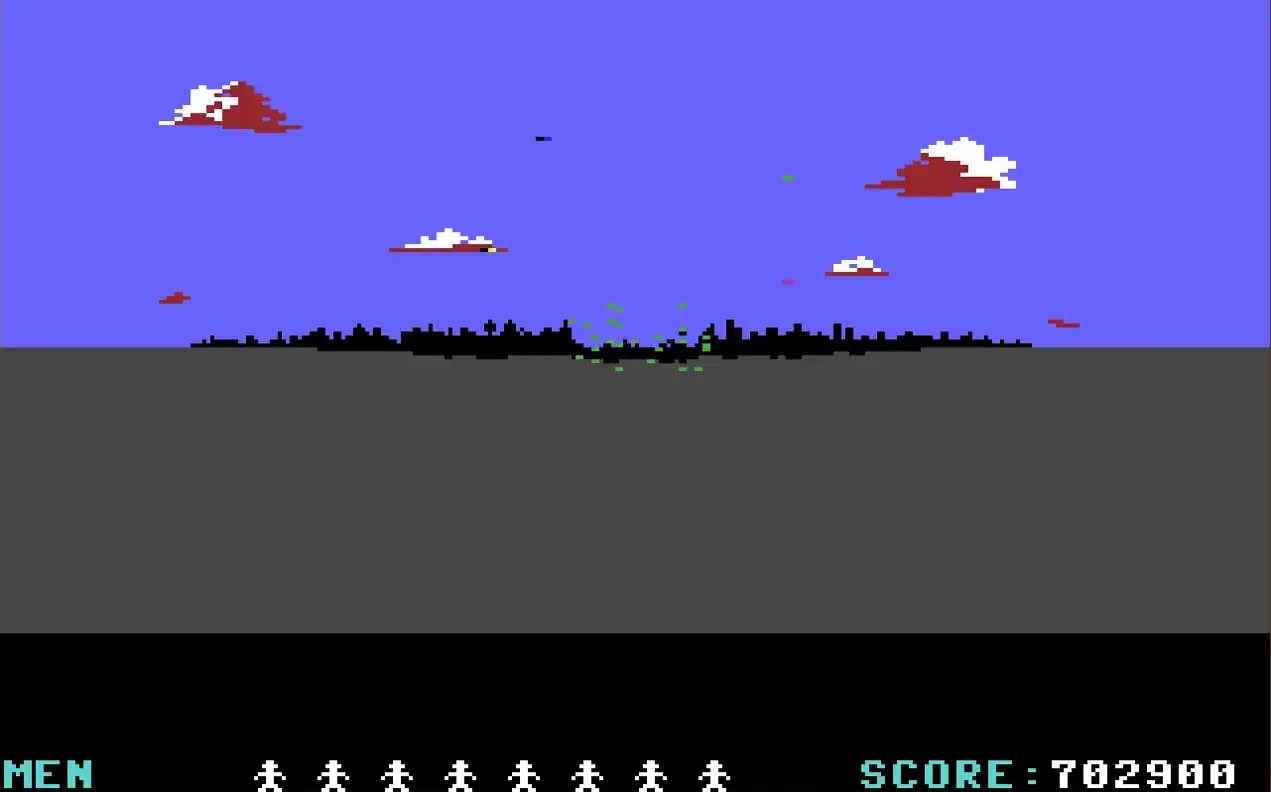
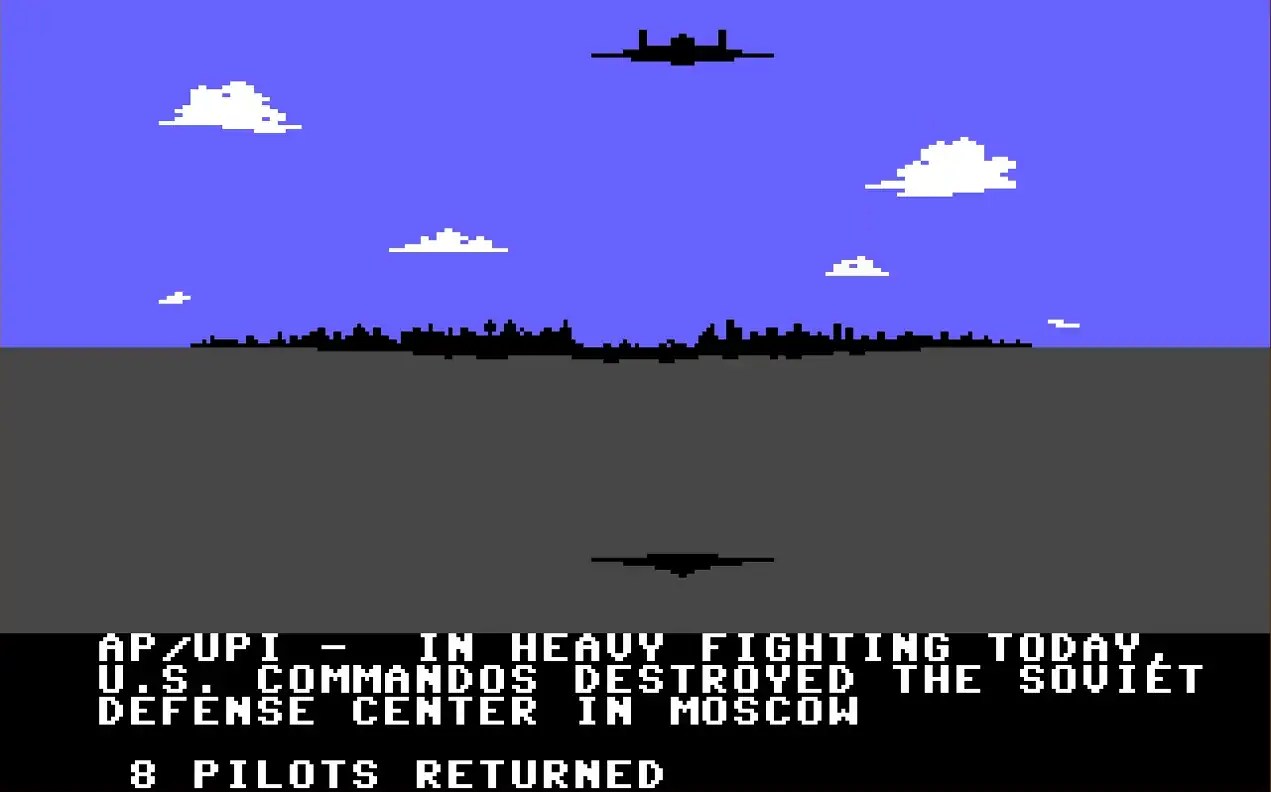
In Raid Over Moscow, the player is immersed in a Cold War scenario. The Soviet Union has launched a nuclear missile aimed at North American targets. The player takes on the role of an American pilot who controls a squadron of space gliders to neutralize the threat. The game is divided into several stages: First, the player must leave a space station and guide the flight module through a complex approach to the Earth’s surface. Then, missile launch bases in the Soviet Union are attacked, with each base offering different defense mechanisms. Finally, the player enters the streets of Moscow to reach the final showdown against the Kremlin. This last phase of the game requires a combination of strategic skill, quick reflexes and the right equipment to achieve victory. Each phase brings new challenges and demands a high level of concentration and tactical thinking.
Trivial
- Development: The game was developed by Bruce Carver and his team at Access Software, a studio that later became famous for the “Links” golf games.
- Technology: Despite the limitations of the C64, the game impressed with smooth animations, a dynamic game world and an atmospheric soundtrack that underscored the intense gameplay.
- Name: In Germany, the game was often viewed with skepticism due to its political content. In fact, there were reports of parents complaining about the game’s military and political themes.
- Multimedia: “Raid Over Moscow” contained one of the earliest examples of interactive cutscenes, which added narrative depth.
- Publication: Although the game was released in many countries without any problems, it came under political scrutiny in some regions, particularly in Germany.
Zeitgeist
“Raid Over Moscow” is a typical product of the 1980s, a time characterized by the tensions of the Cold War. Game developers often took up topics that reflected the fear of nuclear war or the ideological confrontation between East and West. In the United States, the game’s military aesthetic was hyped, while in Europe, especially in West Germany, it was seen as an expression of political propaganda. For many players, “Raid Over Moscow” offered an opportunity to process these issues in a playful way. It was not only a game, but also a mirror of world politics at the time, reflecting the polarization of the superpowers. At the same time, the game reflected a clearly Western perspective and was sharply criticized by critics in socialist countries. The depiction of Moscow as a hostile target meant that the game was not distributed in these regions.
Cultural influence
Raid Over Moscow was one of the first games to explicitly address the Cold War. It inspired numerous imitators and helped establish the military action game genre. In popular culture, the game has often been invoked as a symbol of the fascination with and fear of technology and politics of the time. The idea that a player could save the world from a nuclear threat appealed to both the youthful spirit of adventure and the ingrained fears of a generation. Even in later retro-gaming publications, “Raid Over Moscow” remains a frequently discussed title. It served as inspiration for modern games with geopolitical themes and brought a new kind of narrative depth to the world of video games.
Reviews at the time
At the time of its release, the game received mixed reviews. While many praised the innovative gameplay mechanics, the variety of missions and the technical implementation, there was also harsh criticism of the political message. In Germany, this even led to discussions about banning the game because it was perceived as glorifying war. But despite these controversies, the game was very popular with its target audience. It was a bestseller in the United States, and in Great Britain, too, it quickly rose through the ranks of the most popular games. The trade press emphasized its technical sophistication and creative design, while political critics decried the oversimplification of the Cold War theme.
Reputation today
Today, “Raid Over Moscow” is held in high regard, especially in the retro gaming scene. It is recognized as a technical masterpiece and one of the games that pushed the boundaries of the C64. At the same time, it is seen as a time capsule of the political and cultural mood of the 1980s. Modern critics take a more nuanced view of the game and analyze its influence on the development of computer games and the representation of politics in pop culture. In numerous documentaries and articles on the history of video games, “Raid Over Moscow” is highlighted as one of the key works of its time. It has not only shaped a genre, but also stimulated discussion about how political issues can be addressed in games.
Summery
“Raid Over Moscow” is more than just a video game – it is a document of its time. It shows how technology and politics were intertwined in the 1980s and how games were used as a medium to process complex issues. Despite the controversy, the game remains a milestone in gaming history and a fascinating example of the interaction between culture, technology and history. Through its blend of gameplay, narrative and political context, it remains an indispensable chapter in the history of video games, even decades after its release, and a testament to how digital entertainment can contribute to cultural dialog.
More
Longplay
External links
Keywords: Commodore 64 games, Raid Over Moscow gameplay, Retro gaming cult classics, C64 Cold War video games, Access Software history, 1980s video games history, Classic C64 action games, Controversial video games of the 80s, Access Software iconic titles, Raid Over Moscow walkthrough, Cold War-themed retro games, Influential Commodore 64 games, Video games and political history, Raid Over Moscow strategy guide, Early interactive video game mechanics
Hashtags: #RetroGaming #Commodore64 #RaidOverMoscow #80sGaming #VideoGameHistory #ColdWarGaming #GamingLegends #C64 #GamingNostalgia #C64Gaming #RaidOverMoscowGame #AccessSoftware #VintageGames #OldSchoolGaming #RetroTech #Commodore64Games #1980sGaming #RetroGameLegends








 McHenry's Lair
Kommentar verfassen :