

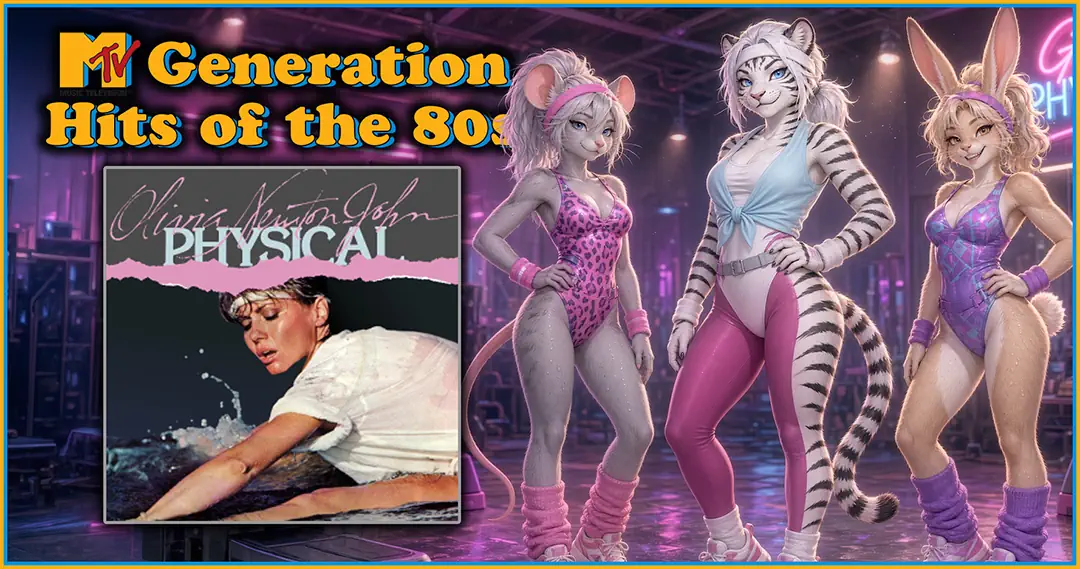
Let me hear your body talk
Let’s get physical, physical
I wanna get physical
Let’s get into physical10
Pop Reinvention

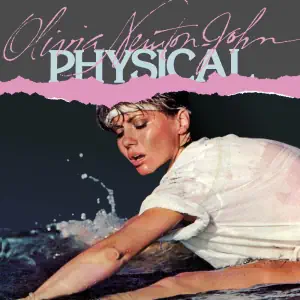
When Olivia Newton-John released “Physical” in 1981, she was already one of the most recognizable singers and actresses in the world. During the 1970s, she had built her career largely on country-pop and soft romantic songs such as “I Honestly Love You” and “Have You Never Been Mellow.” Her starring role as Sandy in the 1978 film Grease made her an international superstar, but it also reinforced her image as a charming and relatively innocent performer. By the beginning of the 1980s, Newton-John was deliberately moving toward a more mature and modern style.
“Physical,” released as the lead single from her album of the same name, completed that transformation. Written by Steve Kipner and Terry Shaddick and produced by Newton-John’s longtime collaborator John Farrar, the song combined an energetic dance-pop rhythm with unusually direct sexual innuendo. Its combination of catchy music, controversy, humor and clever visual marketing turned it into the biggest hit of Newton-John’s career.
In the United States, “Physical” reached number one on the Billboard Hot 100 in November 1981 and remained there for ten consecutive weeks, until January 1982. This made it the longest-running number-one single of the 1980s on that chart. In Britain, it reached number seven on the UK Singles Chart.
Lyrical Meaning

Despite becoming permanently associated with aerobics, gyms and exercise, “Physical” was not originally a song about fitness. Its real subject is sexual attraction. The narrator has apparently tried more conventional forms of romance—conversation, dinner and entertainment—but decides that talking is no longer enough. She openly tells the person she desires that she wants their relationship to become physical.
That directness was important. Newton-John was not simply playing the passive object of somebody else’s romantic interest. Instead, the female narrator expresses her own desire and takes control of the situation. For a mainstream pop single released in 1981, the message was strikingly bold, particularly when delivered by an artist who was still widely associated with wholesome ballads and the innocent version of Sandy from Grease.
The repeated invitation to “get physical” is deliberately ambiguous enough to sound playful, but the verses make the sexual meaning difficult to miss. Some radio programmers considered the song too suggestive. Stations in places including Utah reportedly refused to play it, while the South African Broadcasting Corporation censored part of the recording.
Newton-John later emphasized that the song was intended to be fun rather than shocking. In a 1981 interview with Record World, she described it as tongue-in-cheek and said she had been surprised by the controversy surrounding it.
Creative Origins
“Physical” was written by Steve Kipner and Terry Shaddick. According to Kipner, the two songwriters deliberately wanted to create a song about the physical side of a relationship rather than the emotional or romantic side. The basic song came together within only a few days. They originally imagined that it might suit a masculine rock singer in the style of Rod Stewart. Kipner later clarified that it was not literally written specifically for Stewart, although someone like him was what the writers had in mind.
The song also passed through another famous name before reaching Newton-John. It was offered to Tina Turner, who did not record it. Through the network of managers and songwriters surrounding the artists, the song eventually reached Newton-John. Her former manager Lee Kramer heard the demo and believed it would suit her.
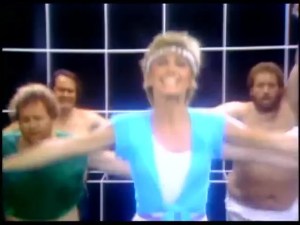
Newton-John herself was initially uncertain. She liked the song but wondered whether its subject matter was too daring for her public image. She nevertheless decided to record it with John Farrar, the producer responsible for much of her earlier success. Guitarist Steve Lukather, later famous as a founding member of Toto, played the guitar solo on the recording.
After recording the track, Newton-John reportedly became nervous again about releasing it. By then, however, people around the project were convinced that it had enormous commercial potential. The solution to its sexual explicitness was surprisingly clever: instead of hiding the double meaning, Newton-John would use a music video to give the word “physical” an entirely different visual interpretation.
Fitness Video
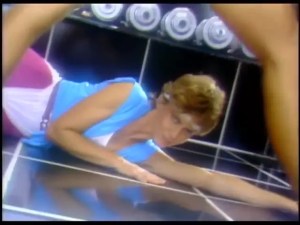
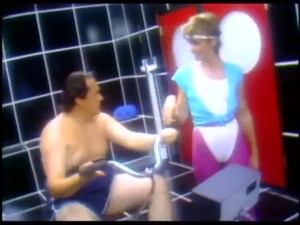
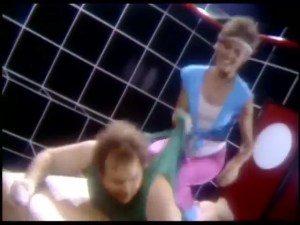
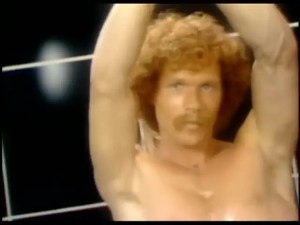
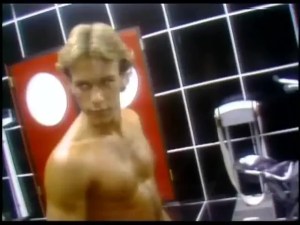
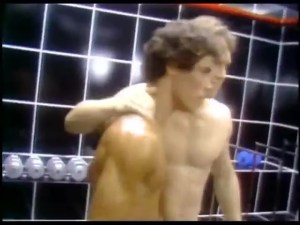
Directed by Brian Grant, the “Physical” video transformed the song into a comic story set in a gym. Newton-John appears as an enthusiastic fitness instructor trying to train a group of badly out-of-shape men. Despite exercise routines and encouragement, her efforts initially produce little success. After she leaves, however, the men suddenly transform into muscular, athletic bodybuilders.
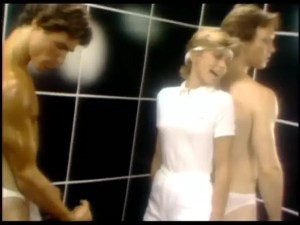
The visual joke becomes even more elaborate when Newton-John begins flirting with the newly transformed men. Instead of responding to her advances, several of them pair off with one another. Two leave holding hands, strongly implying that they are gay. Newton-John is therefore left without the romantic partners she expected and eventually turns her attention elsewhere.
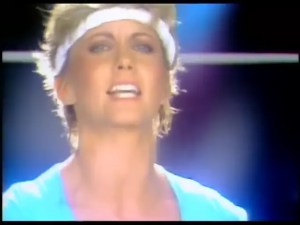
The video was provocative in several ways. Its muscular male bodies reversed the familiar tradition of presenting women primarily as sexual objects in pop imagery. Its gay joke was also unusually visible for mainstream entertainment in the early 1980s. Some broadcasts reportedly shortened the ending, but the video itself became one of the most memorable clips of the early music-video era.
Most importantly, the gym concept changed how audiences interpreted the song. The sexual meaning remained obvious, but “getting physical” could now also refer to working out. The timing could hardly have been better: fitness, aerobics, sportswear and exercise videos were becoming major elements of early-1980s popular culture.
Physical Trivia
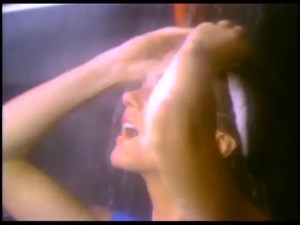
One of the strangest aspects of “Physical” is the gap between its original meaning and its later cultural identity. A song written explicitly about sexual desire became one of the most recognizable workout songs in pop history.
It was also a remarkable commercial achievement. “Physical” spent ten consecutive weeks at number one on the American Hot 100, making it Newton-John’s fifth and final US number-one single and her biggest American chart hit. Billboard later ranked it as the number-one single of its 1982 chart year.

Another unusual fact is that the success extended beyond the single itself. Newton-John and director Brian Grant created an album-length collection of videos connected to the Physical album. At a time when music video was still becoming established as an art and promotional form, this was an ambitious project. Newton-John’s video work subsequently received major recognition, including the Grammy Award for Video of the Year.
The song also produced one of the defining fashion images of the period. Newton-John’s headband, leotard and exercise clothing became strongly associated with the track, helping turn the look into an instantly recognizable symbol of early-1980s fitness culture.
Early Reviews
Contemporary reactions to “Physical” were shaped by the dramatic contrast between the song and Newton-John’s previous image. Rather than seeing it as simply another pop single, critics frequently discussed it as evidence of an artist deliberately reinventing herself.
Record World emphasized its strong rhythm and the provocative idea behind Newton-John’s invitation to “get physical.” By December 1981, the magazine described the track as representing a harder, more rock-oriented sound and noted how quickly audiences had accepted that change. The publication also highlighted the contrast between Newton-John’s former wholesome reputation and her newly provocative image.
Not every critic was entirely enthusiastic about the broader Physical project. Stephen Holden’s contemporary review for Rolling Stone, for example, treated the album as highly polished mainstream pop rather than a radical musical breakthrough. Nevertheless, even more skeptical reactions acknowledged Newton-John’s ability to adapt herself successfully to the changing sound and visual culture of the early 1980s.
The public response was much clearer than the critical debate. The controversy surrounding the lyrics did not damage the record commercially. If anything, radio bans and newspaper stories increased curiosity about it. Newton-John herself observed at the time that the publicity did not appear to have harmed the song at all.
Cultural Impact
The lasting importance of “Physical” comes from more than its extraordinary chart performance. The song arrived at a point when several cultural trends were converging: the rise of music television, the growing aerobics and fitness movement, changing ideas about sexuality in mainstream pop, and an increasing emphasis on visual identity for recording artists.
Newton-John used all of these developments simultaneously. The recording presented a more sexually confident female character, while the video softened that message through comedy and fitness imagery. As a result, “Physical” could function at once as a suggestive pop song, a dance record, a workout anthem and a humorous music-video spectacle.
The video was especially important because MTV had begun broadcasting only a few months before the single was released. Artists were increasingly discovering that a distinctive visual concept could become almost as important as the recording itself. Newton-John embraced that new environment early, producing not merely one promotional clip but a series of videos connected to the Physical album.
The song also permanently changed her public image. Her transition had already begun with Grease and the 1978 album Totally Hot, but “Physical” made the shift impossible to ignore. The singer once identified primarily with gentle country-pop had become a confident adult pop star suited to the increasingly visual culture of the 1980s. The Recording Academy has described the song as completing Newton-John’s transformation from her earlier wholesome image into a different kind of pop superstar.
Decades later, the combination of headbands, aerobics, bright exercise clothes and the repeated idea of “getting physical” remains immediately associated with both Newton-John and the popular image of the 1980s. The song has outlived the particular controversy that surrounded its release and become a cultural shorthand for the period itself.
Lasting Legacy
“Physical” succeeded because it brought together the right song, performer and cultural moment. Musically, it was catchy and immediately recognizable. Lyrically, it was daring enough to attract controversy without losing its playful tone. Visually, its humorous fitness video turned a potentially problematic sexual song into one of the defining pop images of the decade.
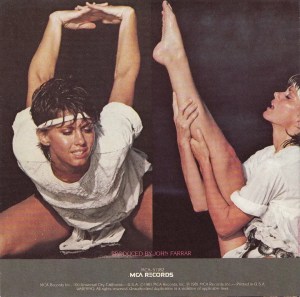
For Olivia Newton-John, the record represented much more than another hit. It demonstrated her ability to reinvent a public image that had been established over more than a decade. Instead of remaining permanently identified with romantic ballads or with Sandy from Grease, she entered the 1980s with a new sound, appearance and attitude.
The result was the biggest US single of her career and one of the most successful songs of the decade. More than forty years after its release, “Physical” continues to be remembered not only because of its famous chorus or its ten weeks at number one, but because it captured a moment when pop music itself was becoming more visual, more playful and more openly concerned with the body. A song originally written about sexual attraction ultimately became an anthem for gyms, aerobics and 1980s culture—a transformation almost as dramatic as Olivia Newton-John’s own.







Schreibe einen Kommentar