

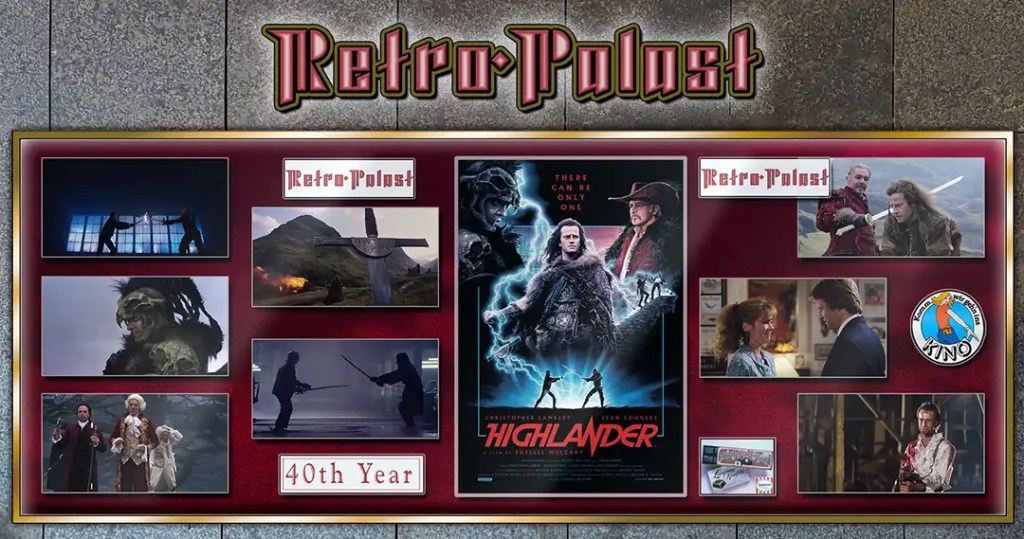
There can be only one!
It’s better to burn out than to fade away!
Who Wants to Live Forever
Highlander is a fantasy action film from 1986 directed by Russell Mulcahy. The film was made at a time when mainstream cinema was heavily influenced by clearly defined genres, and with its idiosyncratic combination of myth, contemporary drama, and historical flashbacks, it seemed almost like a foreign body. While many productions of the 1980s relied on clear-cut heroes and straightforward action, Highlander opted for a more melancholic, almost romantic perspective on violence, time, and transience. The mixture of urban fantasy, historical adventure, rock opera, and sword-fighting drama was unusual—and that is precisely why the film became a cult classic despite its moderate box office success. Instead of adhering to classic narrative conventions, Highlander combines different time levels, emotional melancholy, and dramatic imagery to create a unique style that deliberately set it apart from the action cinema of the time. The visual design, with its strong light-dark contrasts, slow-motion moments, and music video-like montages, gives the film an almost mythical elevation that clearly distinguishes it from contemporary genre contributions. Its central premise is as simple as it is iconic: immortal warriors fight each other for centuries—and in the end, there can be only one. This sentence functions not only as a slogan, but as a thematic core that structures the entire story. From this clear, almost archaic basic idea, a story unfolds about loneliness, identity, and the burden of an endless life, about the question of what humanity means when time loses its limits, and about whether immortality is actually a gift or rather a curse.
Plot
The story jumps between modern-day New York in the 1980s and various eras of the past, using this structure to make the dimension of centuries narratively tangible. At the center is Connor MacLeod, born in the 16th century in the Scottish Highlands, in a harsh world marked by clan warfare and superstition. As a young clan warrior, he is mortally wounded in battle—but he does not die. Instead, he comes back to life after his funeral. For his village community, this is not a miracle, but the work of the devil; out of fear and incomprehension, he is cast out and loses his home, family, and identity in one fell swoop.

Only the mysterious Spaniard Juan Sánchez-Villalobos Ramírez seeks him out and explains the truth behind his fate: there are immortals scattered all over the world. They do not age, they cannot die of disease, and they survive even the most serious injuries—only decapitation can end their lives. These immortals are bound by an ancient law: they must fight each other until only one remains and “the prize” is won—a mysterious, almost godlike power that falls to the last survivor.
Ramírez becomes Connor’s teacher, father figure, and mentor. In secluded landscapes, he instructs him not only in the precise use of the sword, but also in the mental attitude of a being who will live for centuries. He talks about responsibility, restraint, and the loneliness of an endless life. But their shared peace does not last long: The brutal Kurgan – a sadistic force of nature who enjoys killing – comes after Connor. In a merciless duel, he kills Ramírez by decapitation. With this loss, Connor’s apprenticeship ends abruptly; he must flee and learn to survive on his own.
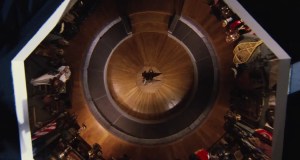
The story jumps to 1980s New York, where past and present collide. Connor lives there under the name Russell Nash as an antique dealer – a man who not only sells history, but embodies it himself. A series of mysterious decapitations shocks the city and attracts the attention of medical examiner Brenda Wyatt, who tracks down Connor. Her investigations bring her closer and closer to a secret that is almost impossible to comprehend rationally. At the same time, the so-called “convergence” is preparing: the last remaining immortals are inevitably drawn together to fight the final battle.

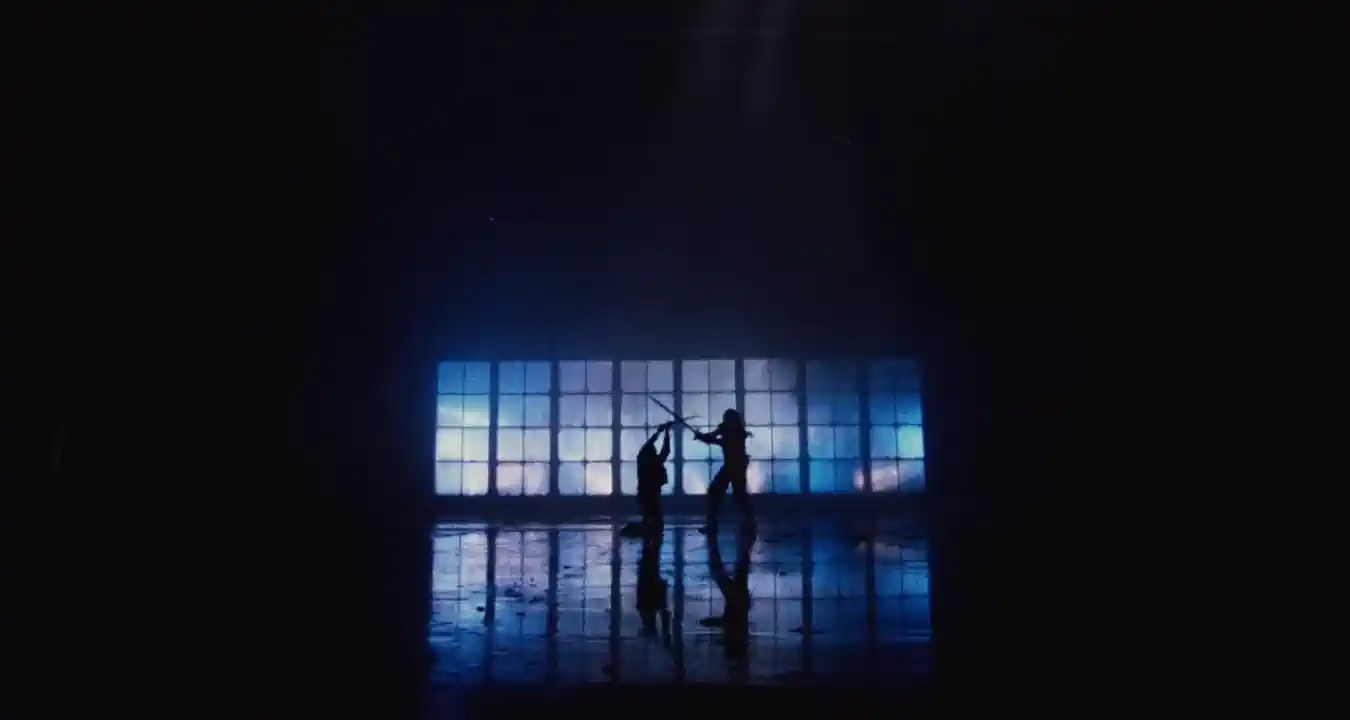
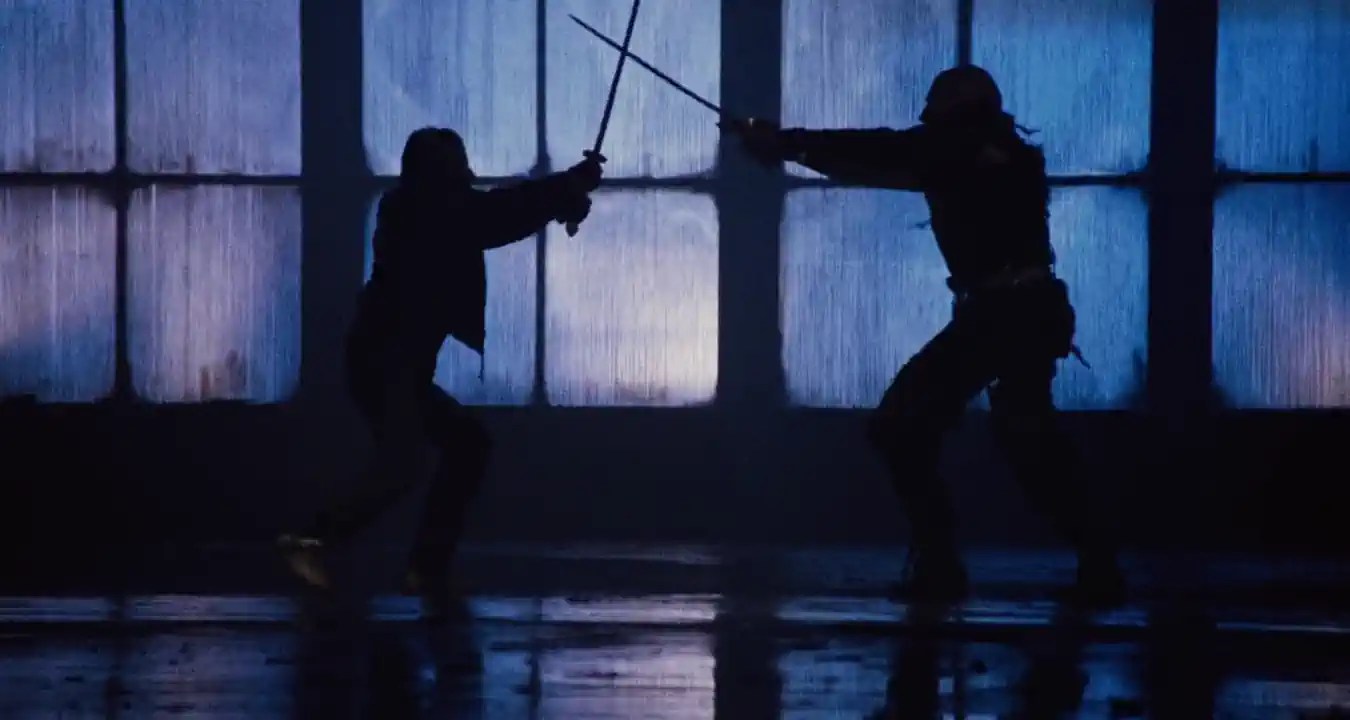
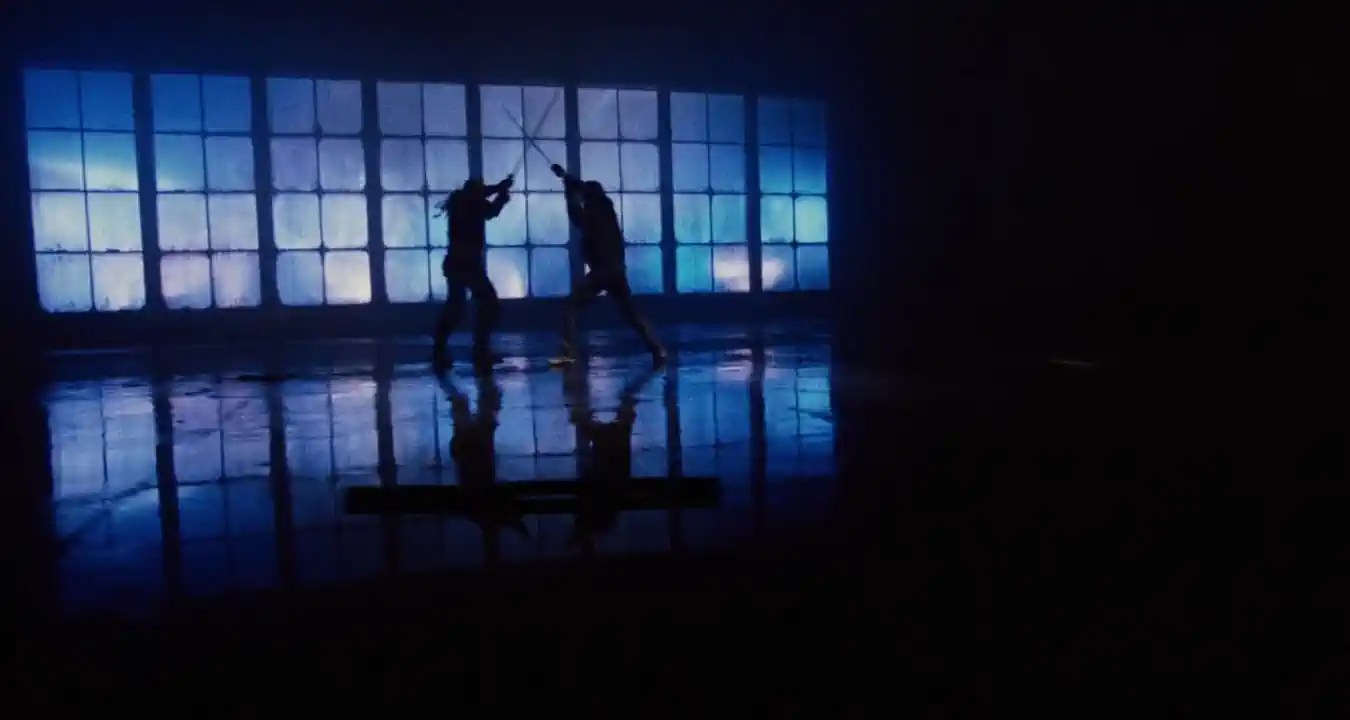
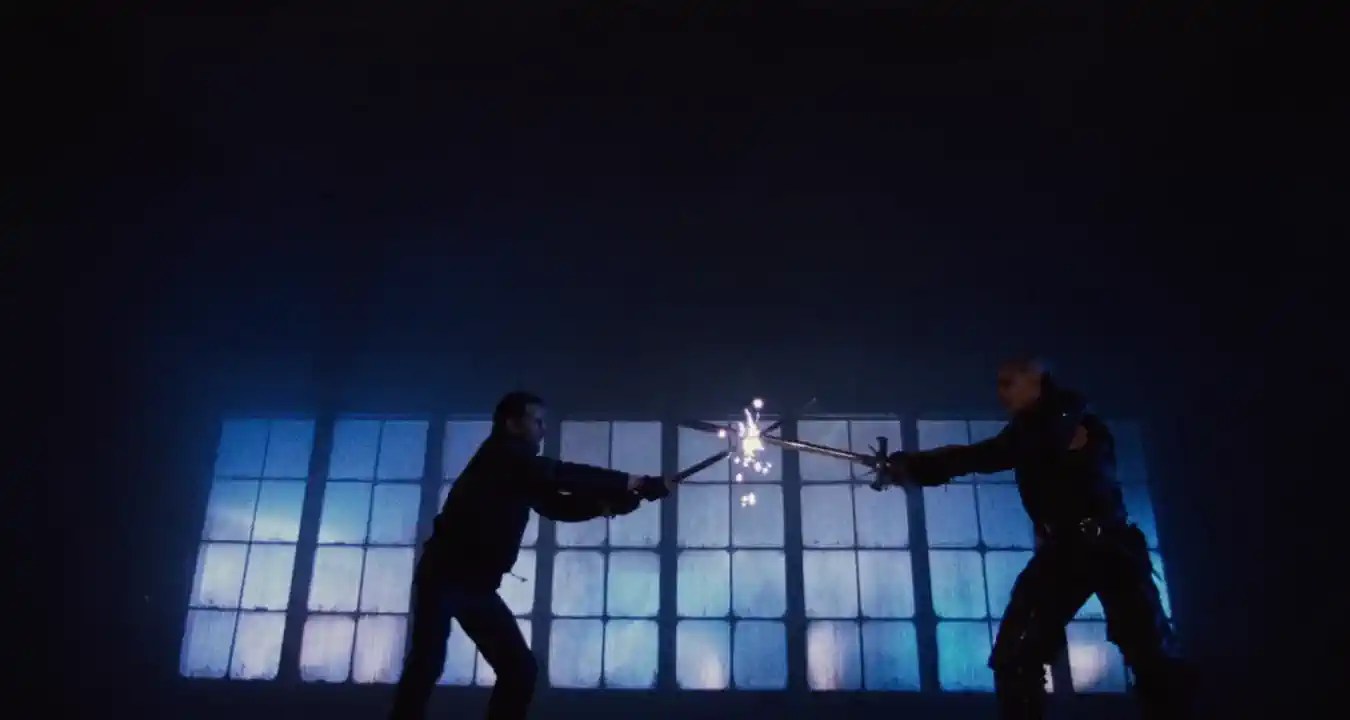
The Kurgan is now also in New York—even more cruel, even more ruthless, and full of anticipation for the final battle. As Connor struggles with his past and his isolation—because all his loved ones age and die while he remains unchanged—the conflict comes to a dramatic head. Finally, the final duel takes place in an abandoned industrial facility, a gloomy place of steel, shadows, and showers of sparks. In an epic, physically and emotionally charged sword fight, Connor finally manages to behead the Kurgan. The “prize” manifests itself as a powerful burst of energy that shakes the surroundings: Connor becomes mortal and at the same time receives the gift of being able to hear the thoughts of all people – combined with the knowledge and responsibility of now being able to actively and consciously influence the world in a positive way.
Actors
Christopher Lambert as Connor MacLeod – with a stoic, almost detached presence that perfectly suits a character who carries centuries of loneliness within him. Lambert plays the Highlander less as a classic action hero and more as an internally torn observer of time, whose restraint and melancholy significantly shape the emotional mood of the film.
Sean Connery as Ramírez – charismatic, dignified, ironic. Connery lends the mentor figure an elegant lightness and at the same time a solemn authority. In just a few scenes, he manages to establish Ramírez as the moral anchor of the story and give the film additional charisma.
Clancy Brown as Kurgan – one of the most iconic villain performances of the 80s. Brown embodies the antagonist with a mixture of raw physicality, sadistic humor, and almost anarchic energy. His Kurgan is not merely an adversary, but a destructive force that dominates every scene in which he appears.
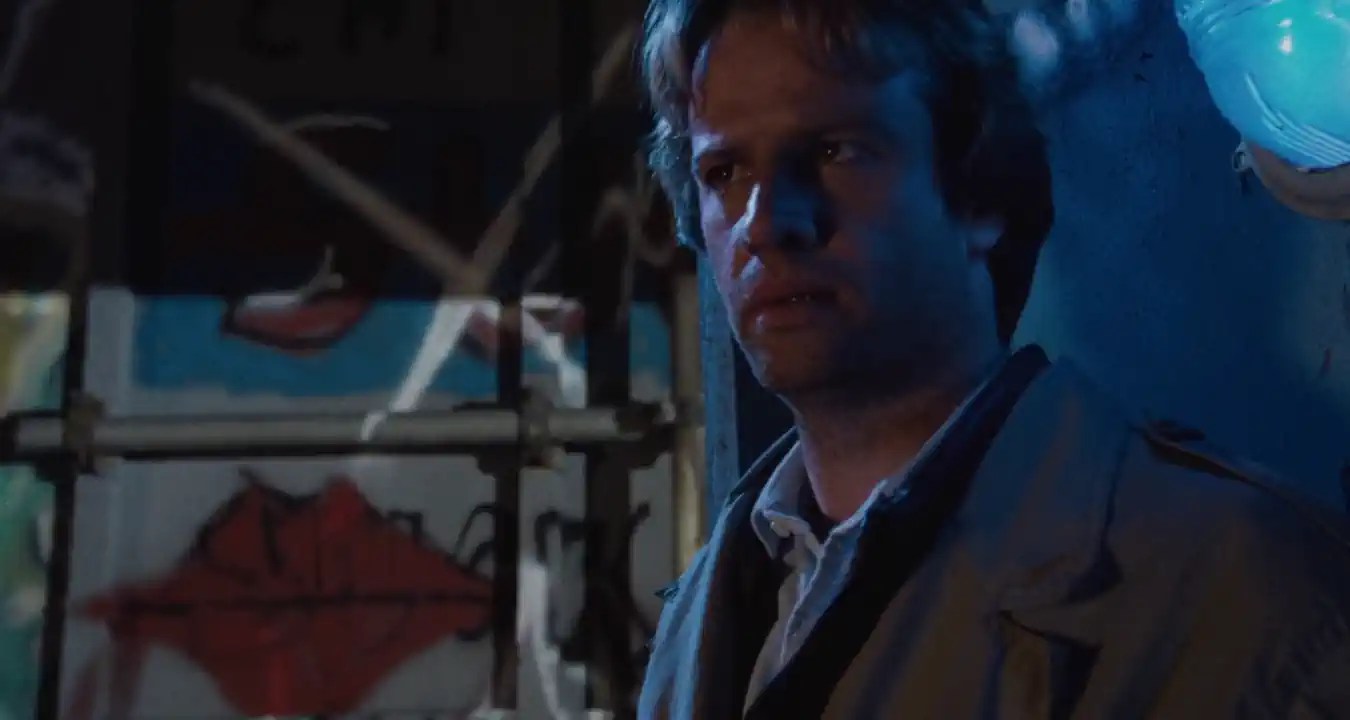
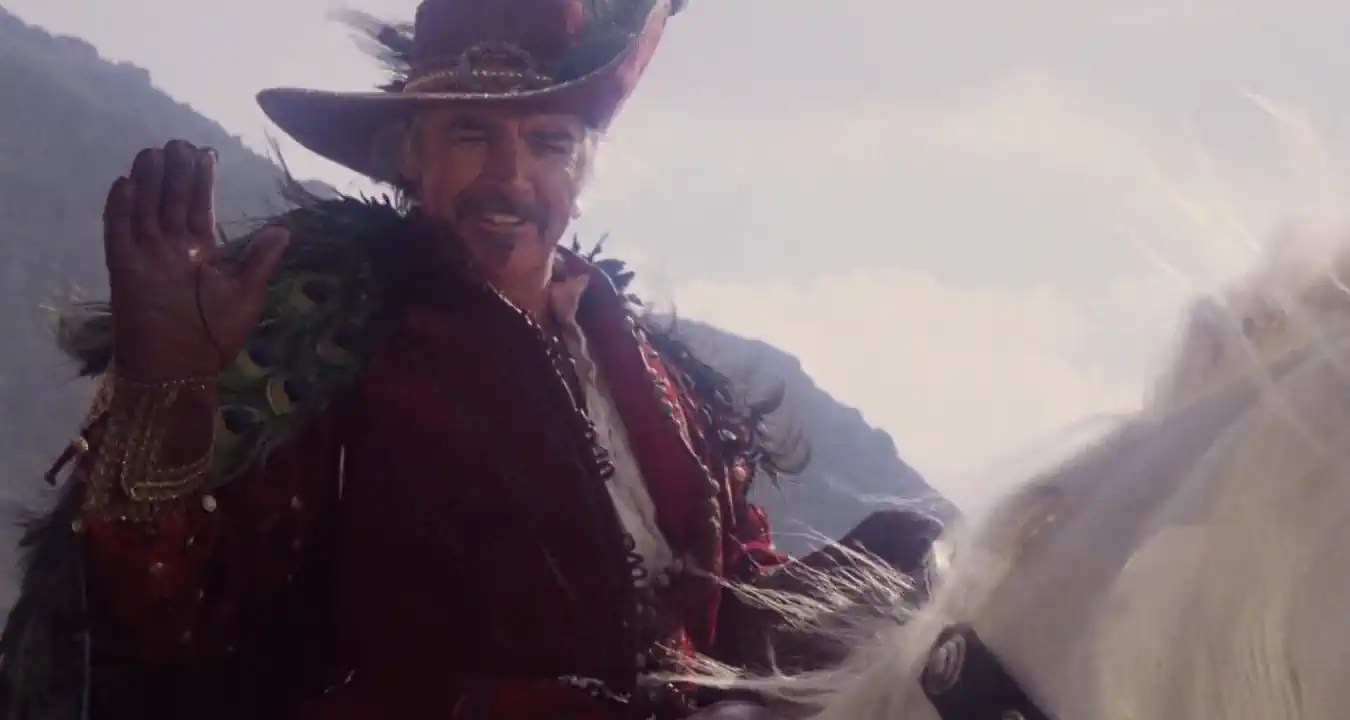
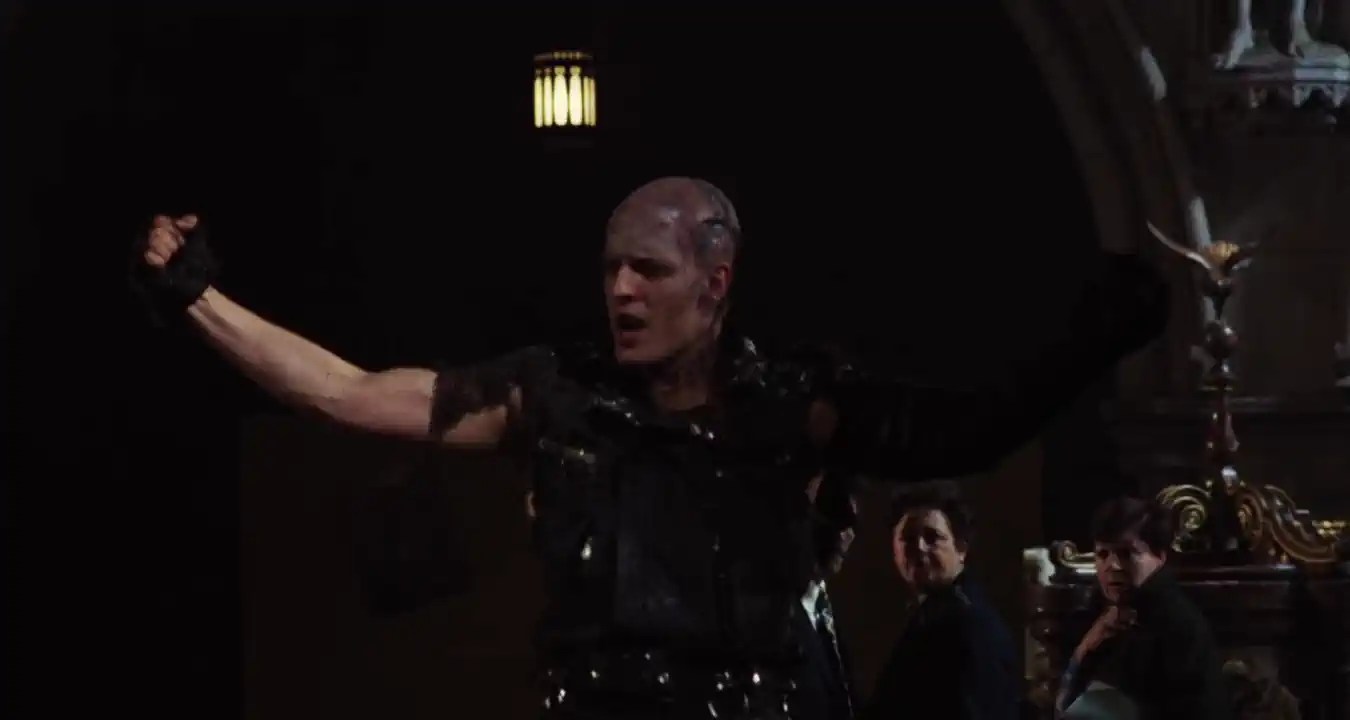
Trivia: Connery played an Egyptian with a Spanish name and a Scottish accent, while the “Scotsman” Connor was played by a Frenchman. This ironic reversal of national attributions is one of the charming curiosities of the film. The film was shot in Scotland and New York, among other locations, visually emphasizing the atmospheric connection between the old and new worlds. The film was internationally financed and had a comparatively small budget, which makes its creative visual language all the more remarkable. The stylistic solutions for elaborate effects and historical flashbacks in particular show how much ingenuity went into the production.
Music

A decisive factor in the film’s cult status is the soundtrack by Queen, which goes far beyond mere background music and gives the film an unmistakable identity. Songs such as “Princes of the Universe,” “Who Wants to Live Forever,” and “A Kind of Magic” give the film an anthemic, almost operatic power that harmonizes perfectly with the dramatic visual language and mythological undertones. “Princes of the Universe” in particular, with its powerful energy, almost functions as a musical manifesto for the entire concept – a self-assured anthem to power, destiny, and uniqueness. “Who Wants to Live Forever” in particular underscores Connor’s tragedy over the centuries and condenses the emotional essence of the story into a few minutes: the agony of survival when everyone else dies. The ballad reinforces the melancholic dimension of the film and makes immortality not a triumph, but a painful dilemma. “A Kind of Magic” also contributes to keeping the narrative floating between reality and legend with its catchy yet mysterious mood. The music is not merely accompaniment—it is the emotional DNA of the film, structuring scenes, amplifying moods, and lending the events an epic grandeur that would be hardly conceivable without this soundtrack.
The Sequels and TV-Series
What came next is a prime example of how to dismantle a myth. Highlander II: The Quickening attempted to reinterpret the origins of the immortals with a completely absurd science fiction explanation – including extraterrestrial origins and dystopian future scenarios. This retrospectively rationalized the previously deliberately mystical concept and robbed it of its mysterious openness. Not only did this contradict the mysticism of the original, it also gutted its entire philosophy and robbed the story of the archaic power that had previously distinguished it. Instead of tragedy and timeless symbolism, confused explanations and tonal breaks dominated.
Later films such as Highlander III: The Sorcerer and Highlander: Endgame also seemed like desperate attempts to artificially keep an already completed story alive. Instead of providing new content, they repeated familiar motifs, varied old conflicts only superficially, and relied on nostalgia rather than substance. Dramatically redundant, emotionally empty, often visually arbitrary—the sequels seemed more interested in brand management than narrative necessity. The impression was that this was less a continuation of a vision and more an exploitation of a name.
The series Highlander with Adrian Paul had its fans and a longer run, but it watered down the concept with “monster-of-the-week” structures and episodic standard conflicts. Although the series format offered space for backstories and new characters, the epic coherence of the original was lost. The grand, tragic epic became routine, the existential struggle for the “prize” a recurring television routine. Instead of mythological grandeur, there was a series formula; instead of operatic tragedy, often only functional action.
In short, the franchise was broken down into smaller and smaller fragments until hardly anything remained of the original magic. What once seemed like a self-contained legend turned over the years into a patchwork of sequels, new approaches, and corrections that raised more questions than they answered.
The Reboot 2027
A reboot of Highlander is in the works and currently announced for 2027, starring Henry Cavill, Russell Crowe, and Dave Bautista and directed by Chad Stahelski. This constellation alone reads like a calculated star vehicle: Superman, the Gladiator, and Drax united in a kind of “John Wick with swords.” The project promises high-gloss action, international marketing, and a clear franchise orientation. At the same time, it gives the impression that strategic brand management is more important here than artistic necessity. The decision to “reboot” Highlander seems like yet another example of a film industry that prefers to rely on familiar titles rather than develop original myths and take risks with new material with comparable courage.
Highlander in particular thrives on its 1980s aesthetic, its dramatic seriousness, and its imperfect but honest craftsmanship. A modern big-budget production with franchise calculations, choreographed non-stop action, and sleek digital aesthetics threatens to erase exactly what made the original so special: pathos, melancholy, and operatic megalomania. Where atmosphere and tragedy once dominated, efficiency could now reign supreme. Some subjects do not benefit from “modernization” – they simply lose their soul in the process.
Criticism at the time
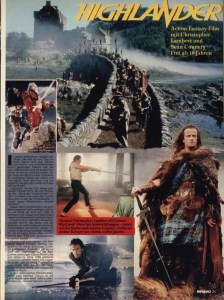
Upon its release, the film received mixed reviews and was initially met with skepticism by many critics. Reviewers criticized logical gaps within the mythology, questioned Lambert’s sometimes restrained acting, and criticized the sometimes eccentric, highly stylized staging. The unusual structure with its abrupt leaps in time was not perceived by everyone as a strength, but was sometimes described as narratively cumbersome. Some voices even saw the film’s solemn seriousness as unintentionally comical and dismissed it as an overambitious genre piece that failed to clearly position itself between fantasy, action, and melodrama. Accordingly, the film was not a big hit at the box office and fell short of commercial expectations, further reinforcing its outsider status in mainstream cinema at the time.

However, through home video and later television broadcasts, a passionate fan base developed that appreciated precisely those elements that had previously been criticized. In living rooms and on late-night TV slots, Highlander gained a second life and was rediscovered again and again. In retrospect, the melodramatic seriousness, mythological exaggeration, and emotional melancholy were recognized as qualities in their own right, not weaknesses. With the passage of time, perceptions changed significantly: a supposedly immature contribution to the genre became a cult film whose rough edges were interpreted as an expression of creative independence. In particular, the clear, almost naive consistency with which the film pursues its central motif was now appreciated as a strength. The film struck a chord—not because of technical perfection or narrative flawlessness, but because of its vision, its atmosphere, and its uncompromising commitment to an unusual tone that did not pander to the zeitgeist of the time.
Cultural influence

“There can be only one” became a catchphrase and developed far beyond the film into a pop culture quote that was repeatedly used in parodies, commercials, and other media. The phrase has since become symbolic of uncompromising competition and the principle of the last survivor – whether tongue-in-cheek or serious. The clear, almost archaic formula of the last survivor found its way into numerous discourses on competition, power, and uniqueness and became a kind of cultural meme long before the term became commonplace. Especially in a time of growing pop culture references, Highlander established itself as a quotable entity.

The film had a significant influence on later urban fantasy material and contributed to the popularization of the “immortals among us” motif, which recurred in various variations in film, television, literature, and comics. Since then, the idea that ancient beings live unrecognized in modern metropolises and fight their conflicts in secret has cropped up time and again. This often involves the connection between the modern urban world and ancient myths – a field of tension that Highlander concisely outlined and established with powerful imagery. This contrast between neon lights and swords, skyscrapers and clan traditions, became a recurring motif in later productions.
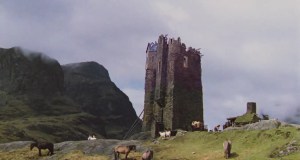
Aesthetically, too – with fast cuts, cross-faded time levels, and a strong music video-like staging – the style was formative for the late 1980s and influenced subsequent action and fantasy productions. The close intertwining of images and rock music, the deliberate exaggeration of dramatic moments, and the clear iconography of the characters gave the film an instantly recognizable signature. The combination of rock music, pathos, and visual exaggeration created a unique tonality that many later works at least indirectly picked up on or quoted, permanently anchoring Highlander in the collective memory of pop culture.
There can be only one!
Highlander is not a flawless film. Neither narratively nor technically does it achieve perfection in every respect, and yet it is precisely these irregularities that contribute to its charm. Some of the dialogue seems melodramatic from today’s perspective, and some of the effects clearly bear the hallmarks of their time – but it is precisely these imperfections that lend the work an authenticity that many more polished films lack. But it is a passionate, idiosyncratic myth about time, loss, and identity – a work that has the courage to take pathos seriously and play out big emotions without ironic distance. In a present that is often characterized by self-referential refraction, this seriousness seems almost radical. Its core still works today: the tragedy of eternal life, the longing for belonging, the inevitable duel. These motifs are universal and timeless, addressing fundamental human experiences and giving the story an emotional depth that goes beyond the pure action genre. Ultimately, Highlander tells the story of what remains of a person when everything transitory disappears – and whether immortality has any value at all without community.
Perhaps this is precisely where its strength lies: it is a film of its time – shaped by the aesthetics, musical tastes and narrative style of the 1980s – and that is precisely why it is immortal. Instead of streamlining itself to fit current trends, Highlander retains a clear, distinctive identity, thus resisting the rapid change in cinematic fashions. It seems like a relic from a phase of cinema in which risk and stylistic ambition still coexisted as a matter of course and in which even unusual material could find its place in the mainstream. Precisely because it is so very much a child of its era, it remains unmistakable – and thus timeless in the best sense of the word. Its images, its music, and its central motif have burned themselves into the cultural memory and ensure that the film continues to be rediscovered and discussed decades after its creation.





 McHenry's Lair
Kommentar verfassen :