


Once in a lifetime
And you may ask yourself
Well … how did I get here?
Same as it ever was
Introduction

Once in a Lifetime by Talking Heads is considered one of the most influential songs of the early 1980s and exemplifies the experimental spirit of that era. Released in 1981 on the album Remain in Light, the song combines New Wave aesthetics with African-inspired rhythms, minimalist structures, and profound philosophical questions in an unusual way. The iconic music video in particular helped to give the song a visual identity that clearly stood out from other pop productions of the era. What initially seemed unwieldy, repetitive, and irritating to many listeners developed over the years into a timeless classic that is now considered groundbreaking in terms of both music and content.
Lyrics
The lyrics of Once in a Lifetime revolve around fundamental questions of existence, feelings of self-alienation, and the often unconscious routines of modern everyday life that insidiously establish themselves in the lives of many people. Lines such as „And you may ask yourself: Well, how did I get here?“ seem like an inner monologue or a sudden awakening that describes pausing in the midst of a seemingly fixed, outwardly successful life and creates a moment of irritation. Rather than telling a specific story, the lyrics capture a general state that many people know from their own experience, such as the feeling of finding oneself in a life that one has not consciously chosen. The lyrics are deliberately fragmentary, highly repetitive, and preachy in tone—more associative than classically narrative—reminiscent of streams of consciousness or mantra-like self-questioning. It is precisely this openness and ambiguity that allows for numerous interpretations and invites listeners to read their own meanings, doubts, and personal life situations into the text.
History

The song was written during a phase of intense musical and conceptual experimentation by the band, in which Talking Heads deliberately broke with traditional song structures. The group worked closely with producer Brian Eno, who played a key role in opening up new soundscapes and placing greater emphasis on rhythm, repetition, and atmosphere. The band was primarily inspired by Afro-funky grooves, elements of minimal music, and loop structures, which were still relatively unusual in pop music at the time. David Byrne developed the lyrics partly by improvising in the studio, drawing inspiration from American radio sermons, among other things, whose haunting and dramatic tone is clearly reflected in the vocals. Musically, the song is based on a constant bass and keyboard pattern that hardly changes, creating an almost hypnotic effect, over which layers of rhythm, vocals, and sound details are gradually built up.
The music video
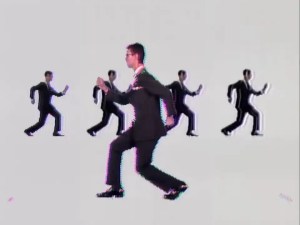
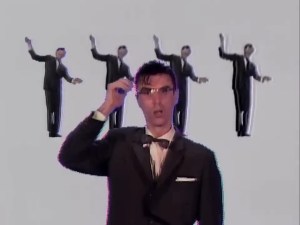
The music video for Once in a Lifetime is considered one of the most iconic and influential in pop history and played a central role in the long-term perception of the song. The focus is on David Byrne, whose angular, uncoordinated, and sometimes grotesque movements deliberately break with common notions of pop star aesthetics and are more reminiscent of everyday gestures than classical dance choreography. At first glance, the movements seem absurd or awkward, but in terms of content, they very precisely underscore the theme of alienation, disorientation, and inner turmoil that is also addressed in the lyrics. Visually, the video combines archival footage, religious imagery, and simple studio effects, creating a contrast between spirituality, the media world, and modern reality. This reduced, almost raw style gives the video an almost documentary-like, yet surreal character. Precisely because of its deliberate simplicity, repetition, and visual irritation, the video was a perfect fit for the song and played a decisive role in making Once in a Lifetime an integral part of early MTV culture and pop history as a whole.
Trivia & Interesting Facts
- The famous music video featuring David Byrne’s jerky, almost robotic movements is one of the most played clips of the early MTV years and played a major role in making the song known to a wider audience. It deliberately broke with the glossy images that were common at the time and instead relied on irritation and recognition.
- The song was not initially a big chart hit and lagged behind other releases of the time commercially, but it steadily gained popularity over the years. Through frequent radio airplay, the iconic video, and later rediscoveries, it eventually became one of the band’s best-known songs.
- The chorus “Same as it ever was” became a catchphrase in pop culture and is still quoted today to express stagnation, routine, or ironic comments about social conditions.
Critical reception at the time
Upon its release, Once in a Lifetime received mixed reactions from both critics and the wider audience. Some critics explicitly praised the band’s courage in breaking new musical ground, as well as the innovative power of the rhythmic structure and unusual song dramaturgy. Others, however, found the song too repetitive, unwieldy, and difficult to access, especially when compared to more conventional pop productions of the time. David Byrne’s idiosyncratic, almost declamatory vocal style was particularly polarizing and was perceived by some as irritating or deliberately anti-commercial. Nevertheless, many reviewers recognized even then that something fundamentally new was being tried out in mainstream pop and that the song had the potential to have a stronger impact in the long term than in its immediate release phase.
Cultural influence
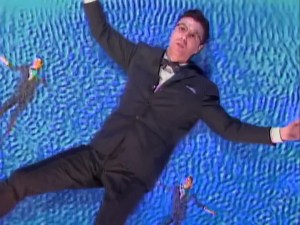
Today, the song is considered a milestone in pop and rock history and is often referred to as one of the Talking Heads‘ most important contributions to music history. It influenced numerous artists from the alternative, indie, and electronic music scenes, who drew on both its repetitive structure and its intellectual approach to pop music. In particular, the experimental use of rhythm and lyrics was imitated many times in later music trends. The music video also had a lasting impact on the visual language of pop clips and is regularly mentioned in lists of the most influential music videos of all time, as it set new standards for expression, body language, and conceptuality. In terms of content, Once in a Lifetime continues to appeal to generations of listeners today because the questions it addresses—identity, consumption, self-determination, and the meaning of life—remain timeless and have lost none of their relevance in modern societies.
Conclusion

Once in a Lifetime is much more than a pop song: it is a cultural statement that blurs the boundaries between pop music, art, and philosophical reflection. Thanks to its unusual structure, reflective and open lyrics, and innovative, experimental production, the piece remains relevant and contemporary decades after its release. The song challenges listeners not only musically but also in terms of content, presenting everyday questions of life in a haunting, almost hypnotic form. Talking Heads have created a work that is equally irritating, entertaining, and thought-provoking, deliberately defying conventional expectations. It is precisely this combination of artistic ambition and emotional accessibility that ensures that Once in a Lifetime remains relevant to this day and continues to appeal to new generations of listeners.








Kommentar verfassen