

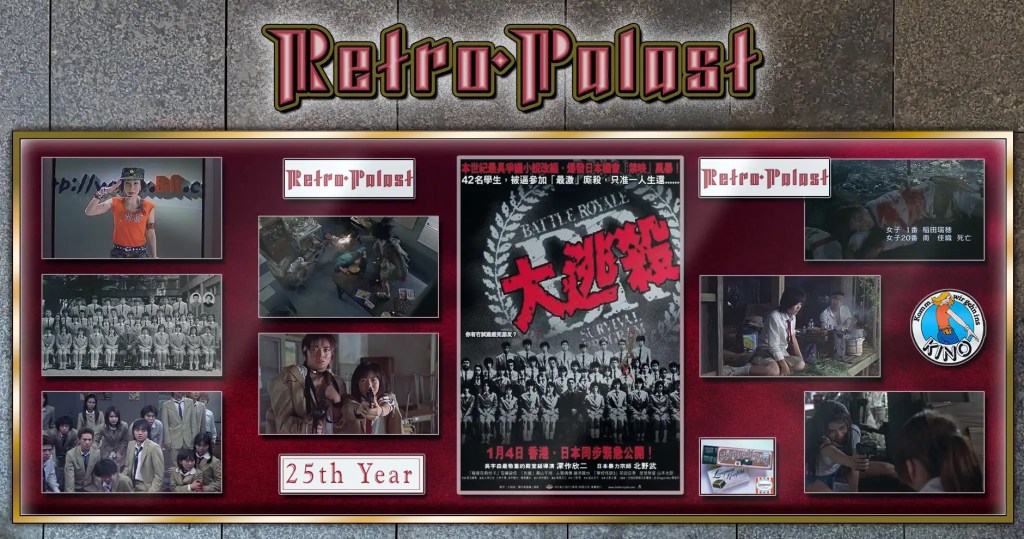
Life is a game. So fight for survival and see if you’re worth it.
A bloody reflection of society
When Battle Royale hit Japanese theaters in 2000, it caused a sensation—and not just because of its controversial subject matter. The film, directed by renowned filmmaker Kinji Fukasaku, is based on the novel of the same name by Koushun Takami, which had already caused quite a stir. Fukasaku’s work paints a bleak vision of the future in which a school class is forced to fight each other to the death. The premise alone was provocative enough, but it was the uncompromising execution that provoked both admiration and outrage. The plot, in which children become murderers, is not only an extreme form of social criticism, but also an indictment of authoritarianism, generational conflicts, and blind state violence.

The film addresses not only physical violence, but also psychological pressure, group dynamics, and the breakdown of trust in extreme situations. These aspects made “Battle Royale” much more than just a bloody action film—it became a disturbing mirror of society, both in Japan and internationally. With its radical visual language, deep symbolism, and a soundtrack that oscillates between pathos and horror, the film had a lasting impact on the action genre and served as a model for later works. “Battle Royale” became a milestone whose echoes can still be felt in film and pop culture today.
Plot

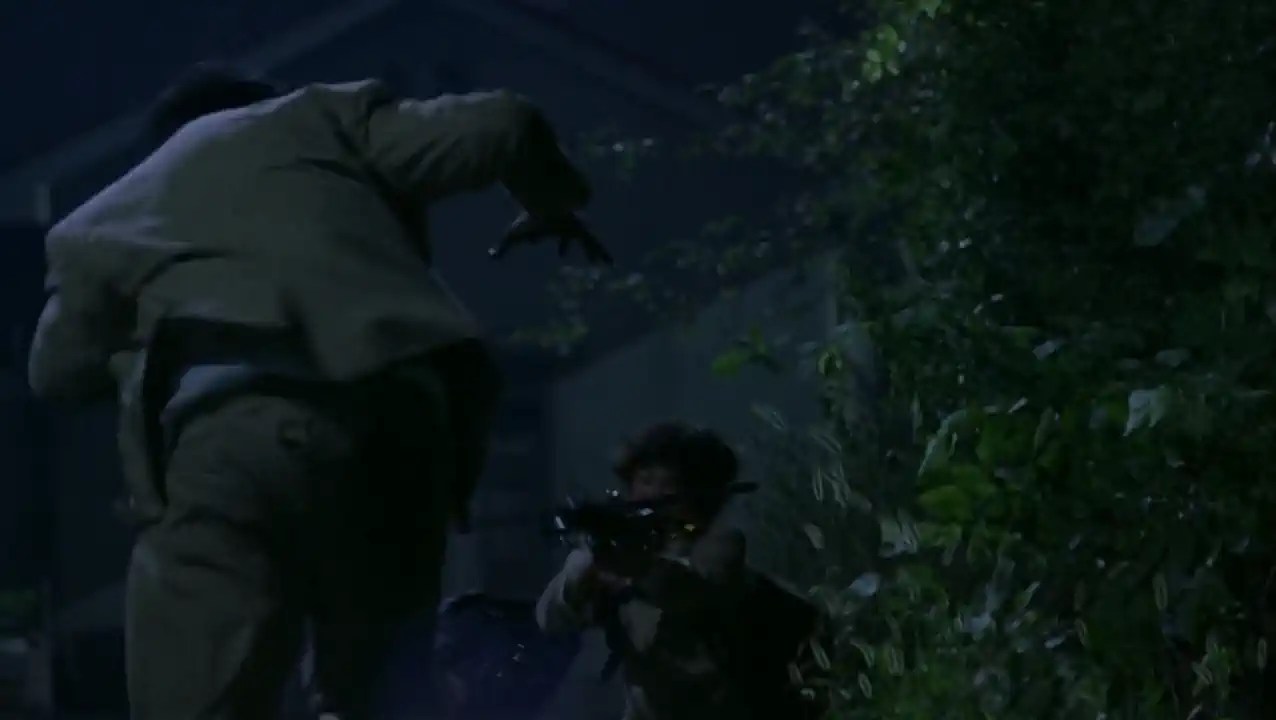
The story is set in a fictional, authoritarian Japan of the near future, characterized by mass unemployment, growing youth crime, truancy, and general social decline. The gap between the generations has reached a critical level, and in a desperate attempt to regain control over the rebellious youth, the government passes a draconian law: the so-called “Battle Royale Law.” This allows the state to kidnap a randomly selected school class each year and take them to a remote, monitored island where the students are forced to compete against each other in a deadly game. Only one may survive—all others must die. The competition lasts three days, and anyone who breaks the rules is killed by remote detonation of an explosive collar.
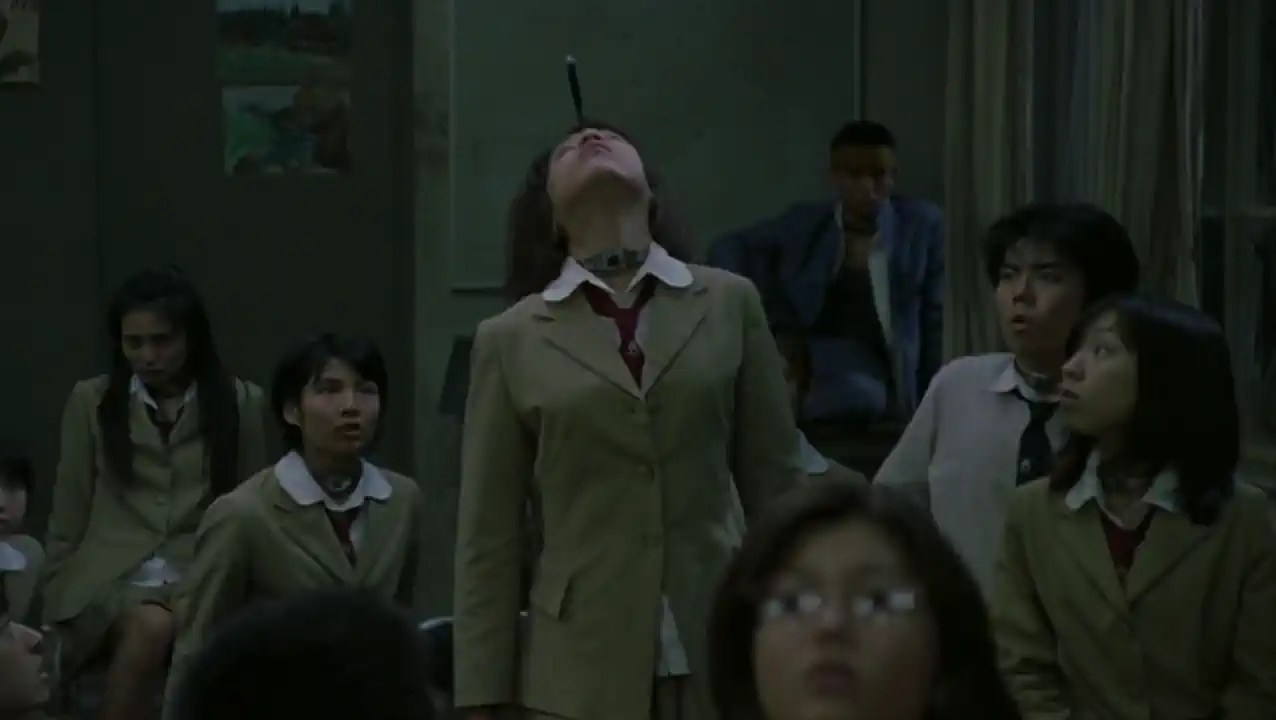
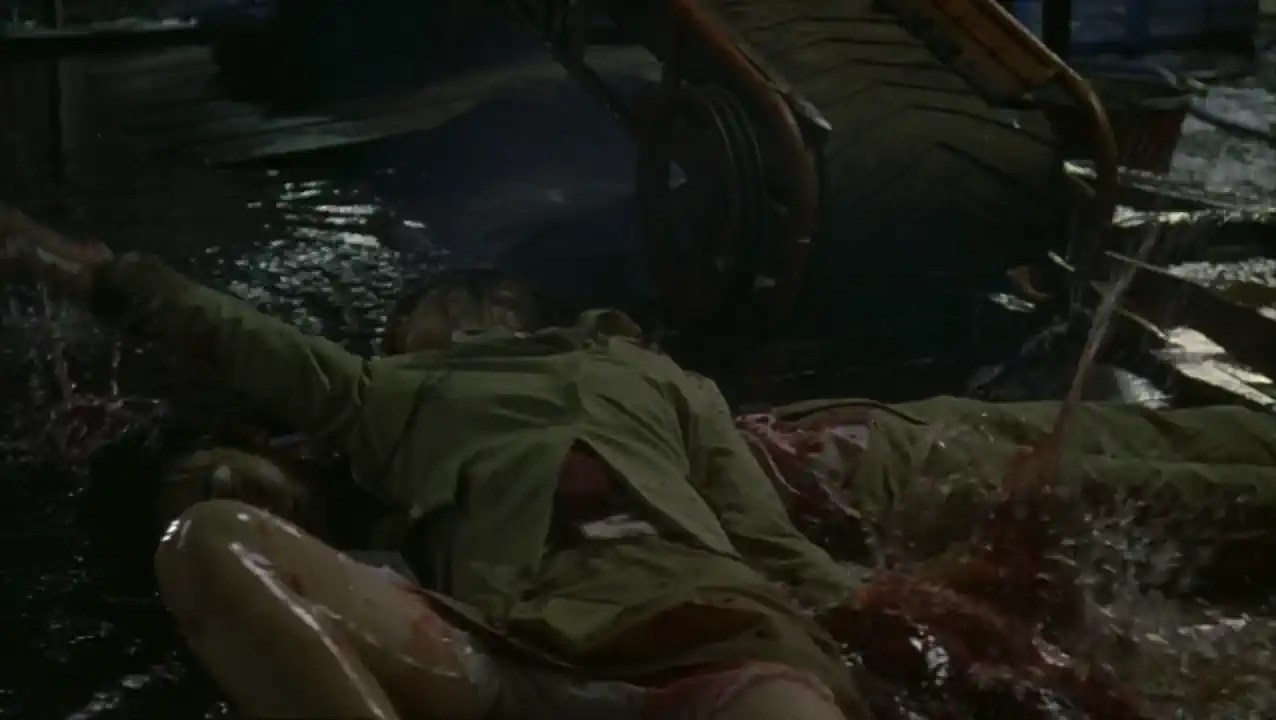
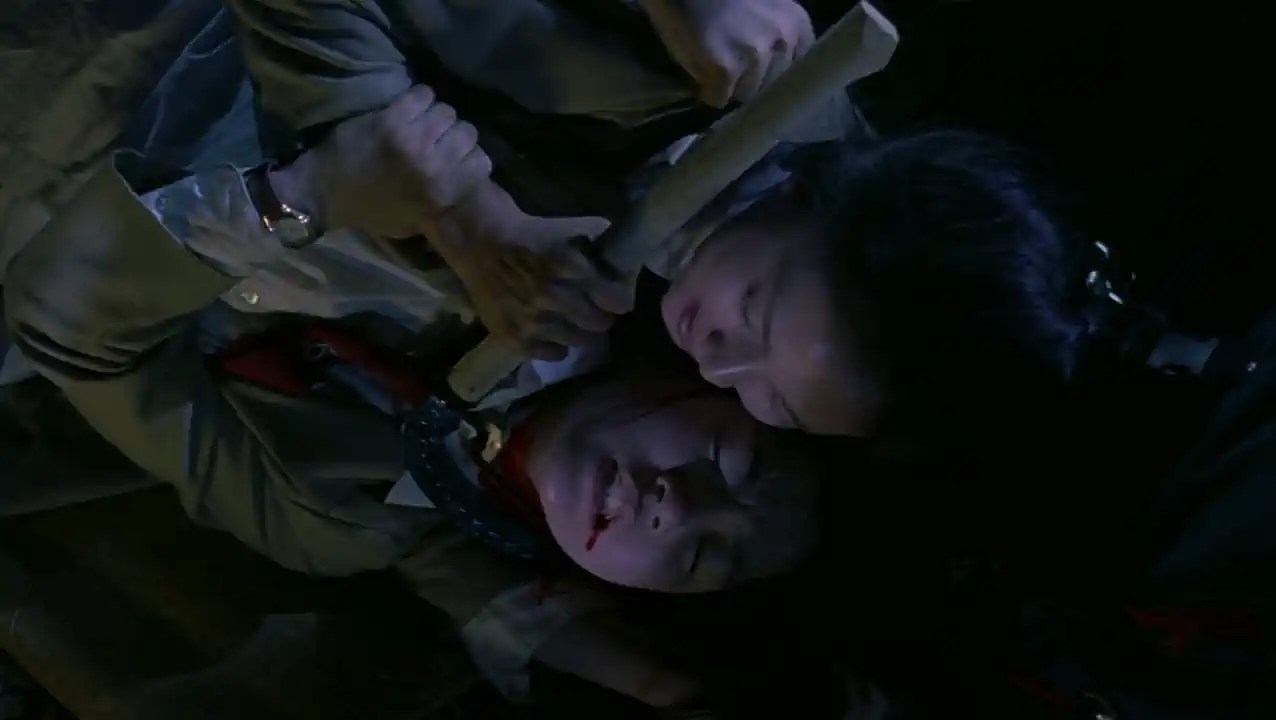
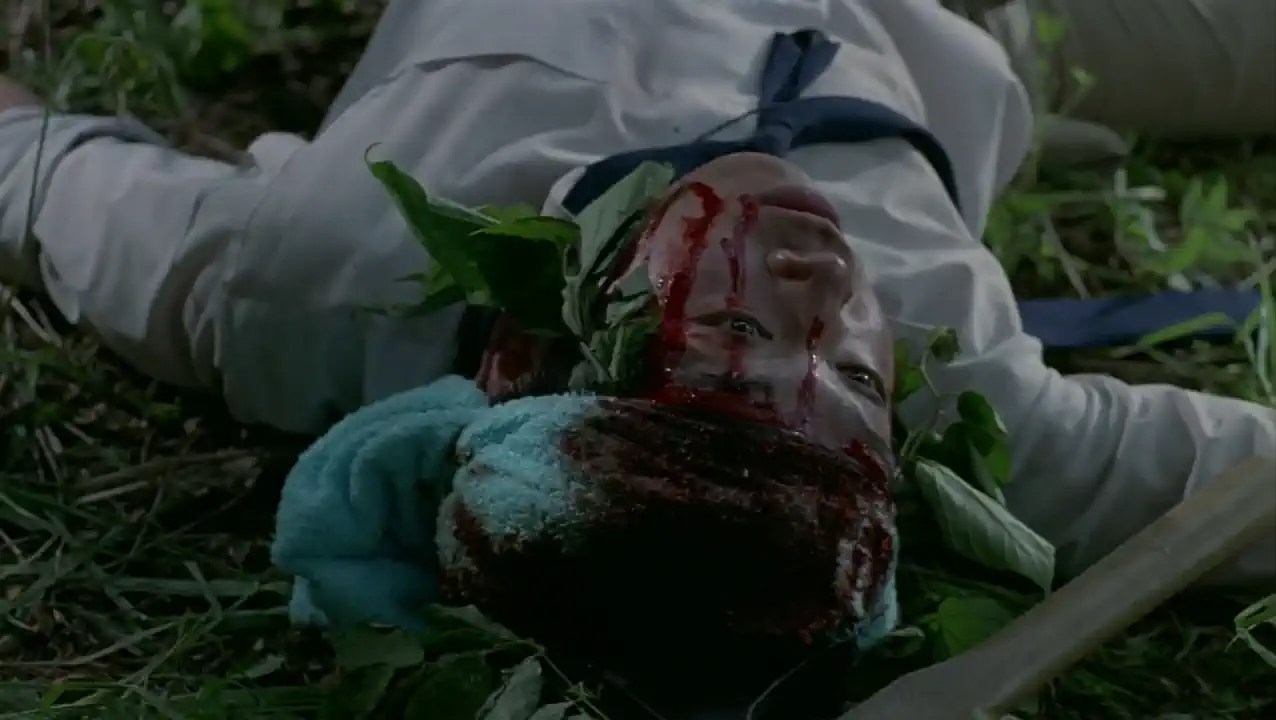
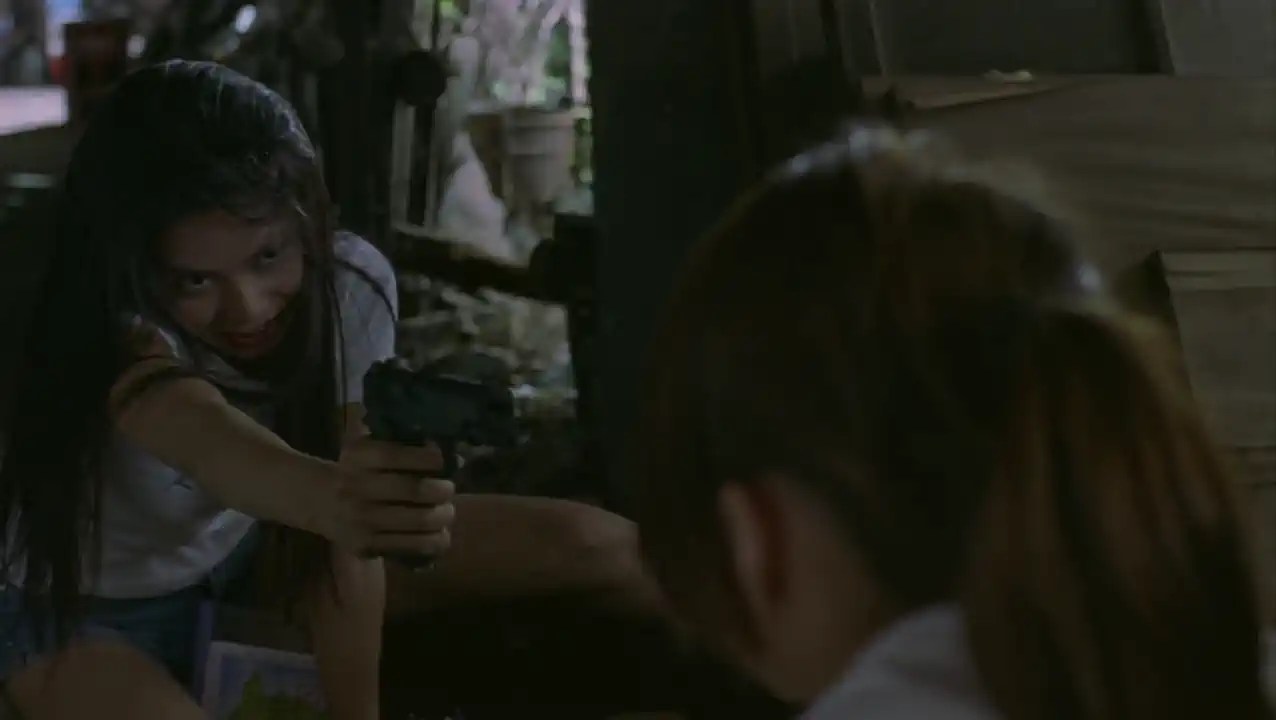
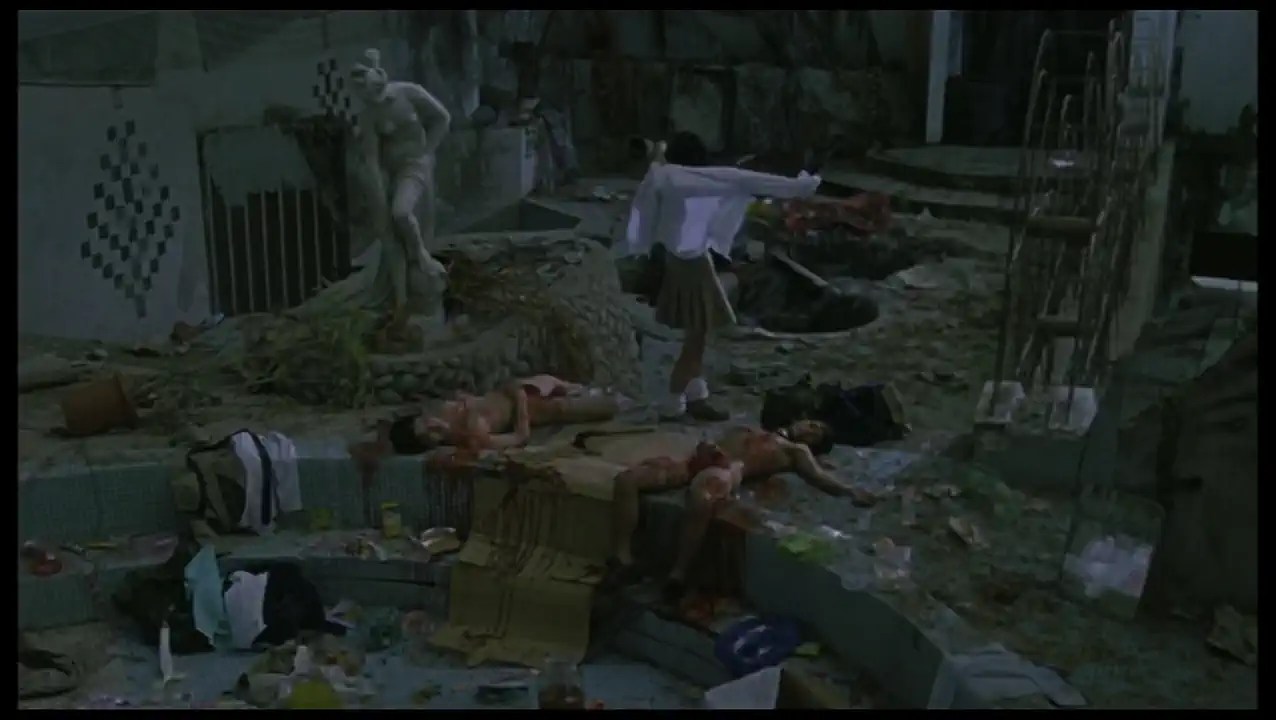
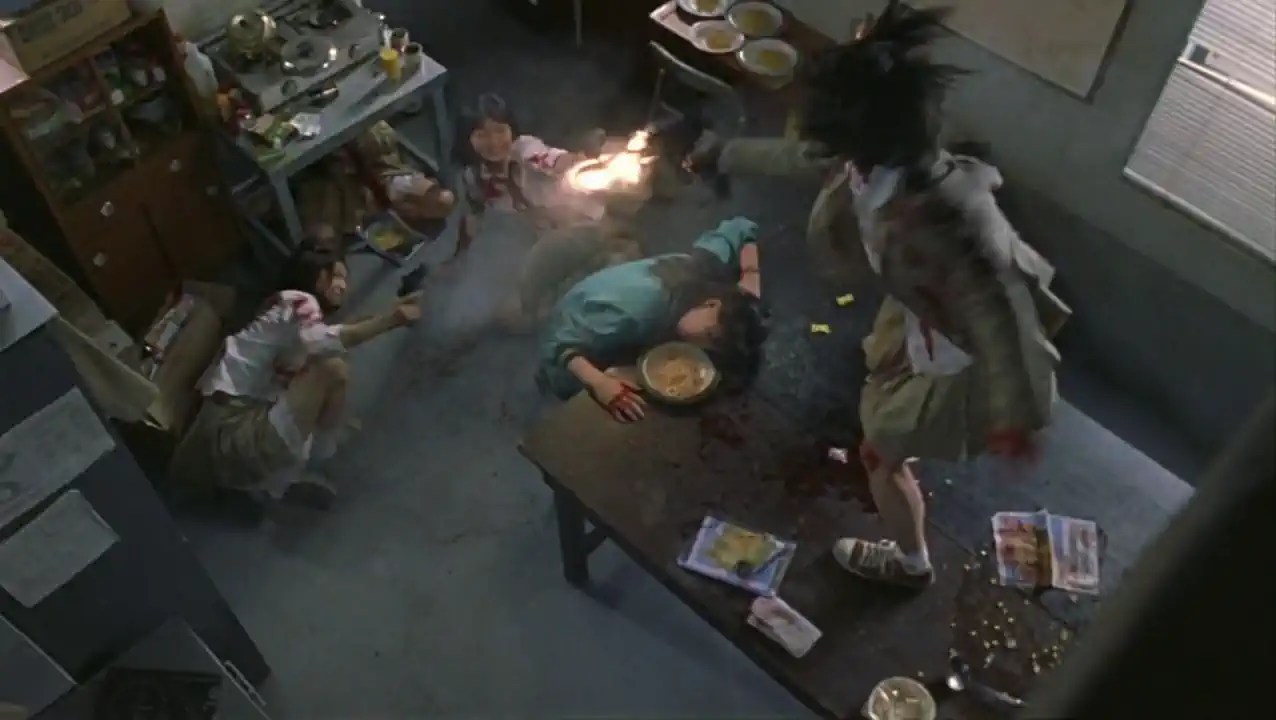
The story focuses on class 3-B of Shiroiwa Middle School, who are forcibly torn from a school trip and suddenly find themselves in a nightmarish reality. Its members wear explosive collars that monitor their movements and explode if they enter forbidden zones, remain inactive for too long, or violate the rules. What begins as a shock quickly turns into bloody chaos: some students panic and try to flee, others seek protection in groups, form alliances of convenience, or succumb to paranoia and kill out of fear. Still others revel in the uninhibited violence and mutate into ruthless hunters.
The narrative centers on three main characters: Shuya Nanahara, a sensitive boy with a traumatic past; Noriko Nakagawa, a quiet, morally steadfast student with whom Shuya forms a close bond; and the mysterious transfer student Shogo Kawada, who has already survived a previous Battle Royale and possesses a complex knowledge of the game. Together, they try to find a way out of this deadly scenario – confronting both the other players and the systematic violence from outside.
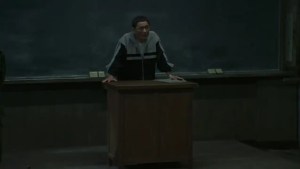
Watching over everything is Kitano (played by Takeshi Kitano), a resigned and cold-hearted teacher who supervises the game and is connected to the students in his own unique way. His calm but unpredictable presence makes him a sinister symbol of the adult world, which wants to enforce control at any cost. His character highlights the moral ambivalence of the film: Is he a perpetrator, a victim, or simply a product of a system that has failed?
Controversy

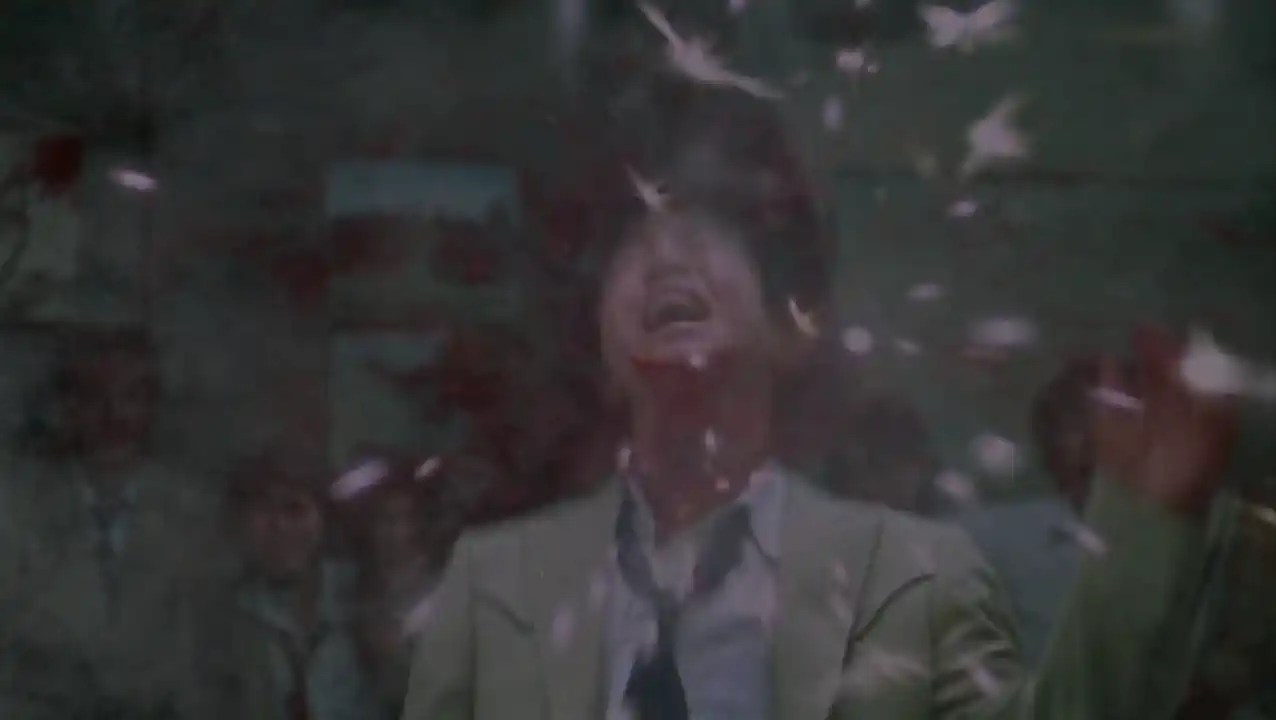
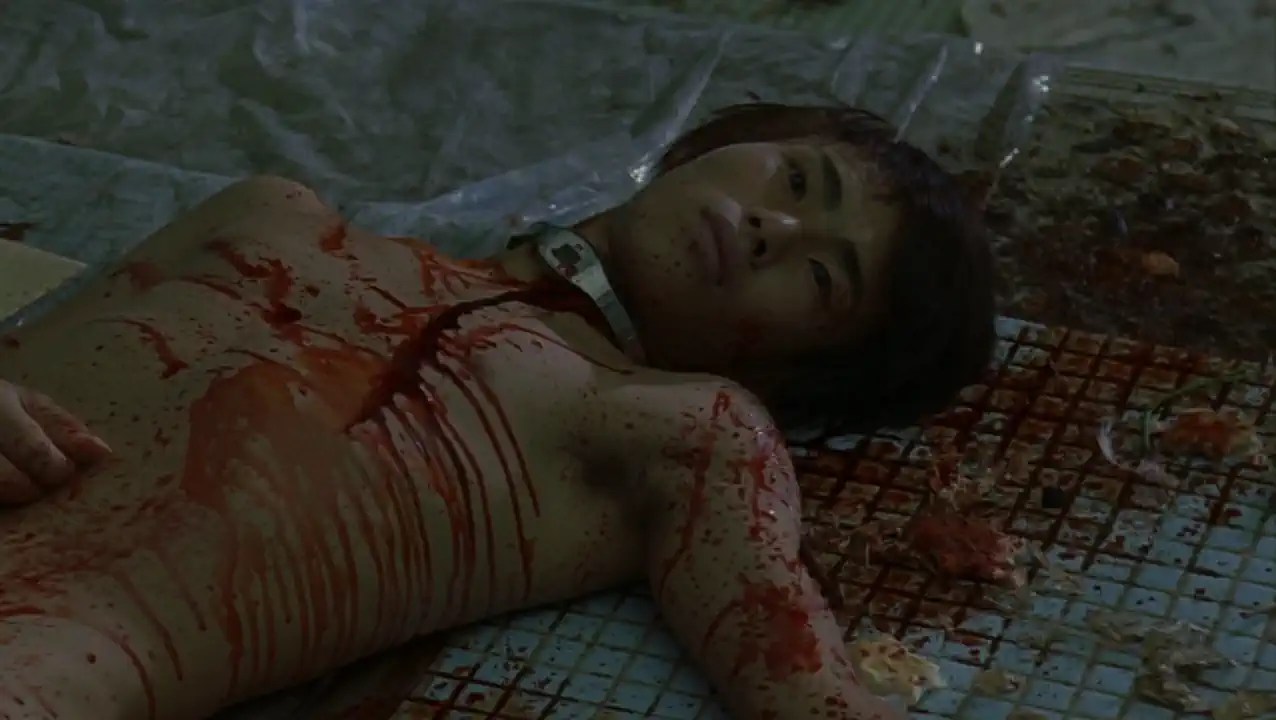
Even before its theatrical release, “Battle Royale” was the subject of heated debate. In Japan, the film was described as a dangerous influence on young people, especially after several real-life violent incidents at schools reignited the public debate about youth violence and media responsibility. The film became a lightning rod for social fears: politicians, parents‘ associations, and educators warned of a harmful influence on young viewers and some even called for a ban. Due to its graphic depiction of violence and the fact that the perpetrators and victims are almost exclusively young people, it received a rare R-15 rating in Japan—unusual for a film with teenage protagonists that thematically targets this generation.
The film also attracted the attention of censorship authorities internationally: In some countries, it was heavily cut, indexed, or even completely removed from cinema listings. In Germany, for example, the FSK rating was repeatedly discussed, and in some regions the film was only available via import. Paradoxically, this strict regulation contributed to the legend surrounding “Battle Royale” and made it a sought-after underground title among film fans.
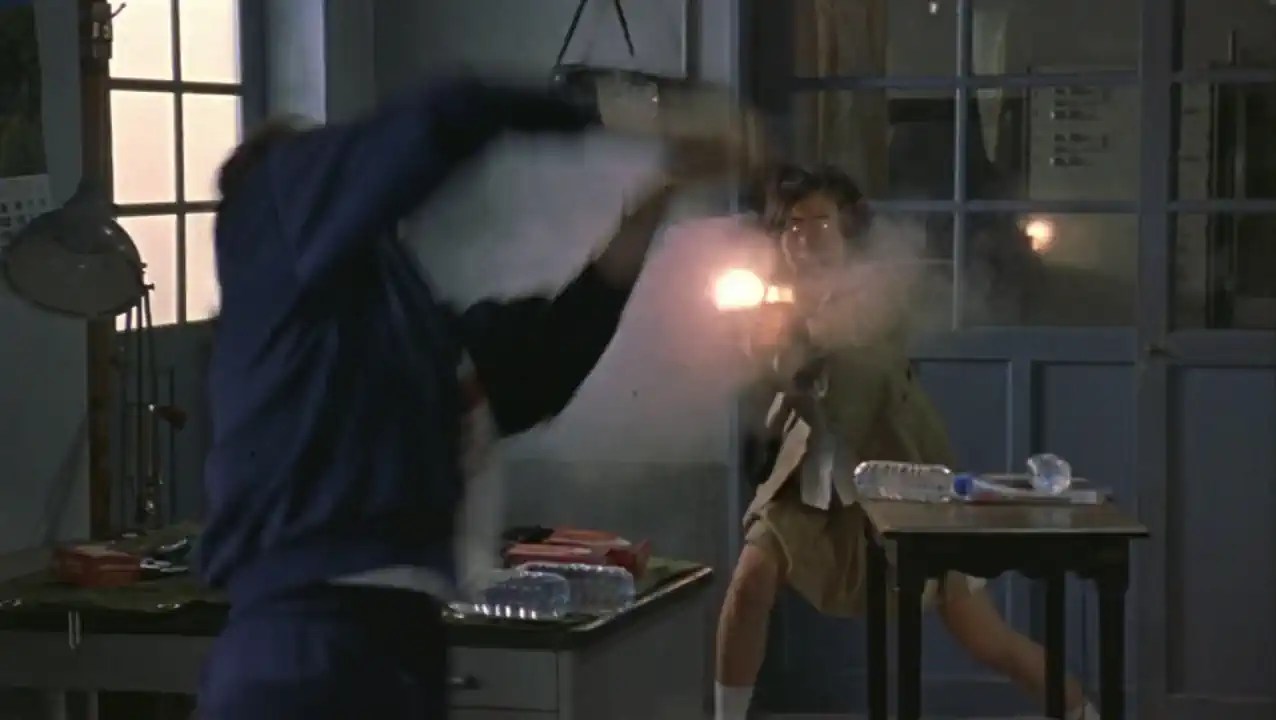
In the US, it took until 2012 for the film to be officially released on DVD – more than a decade after its original release in Japan. The explicit depiction of youth violence, coupled with socially critical undertones, made it a taboo subject in conservative circles. Especially after tragic incidents at US schools, people were extremely sensitive to content depicting school violence or murderous teenagers. Nevertheless, the film found a growing fan base there as well, who appreciated its subversive character and uncompromising attitude. The long delay in its US release gave it the added appeal of the forbidden – a reputation that continues to this day.

Trivia
- Quentin Tarantino called “Battle Royale” one of his favorite films and stated that he considers it one of the best films ever made. In interviews, he emphasized that the film had made a deep impression on him—both because of its radical plot and its cinematic staging.
- Kinji Fukasaku was already over 70 years old when he shot “Battle Royale” – and died just three years later. He explained that his own youth under the horrors of World War II gave him the perspective to credibly portray the harshness and violence of this film. His experience as the director of numerous yakuza films was also reflected in the uncompromising staging.
- The film was one of the first roles for Chiaki Kuriyama, who later became known as Gogo Yubari in Quentin Tarantino’s “Kill Bill.” Her role in “Battle Royale” as the ice-cold Mitsuko Souma is still considered one of her most impressive performances and contributed significantly to her international career.
- Takeshi Kitano was not originally intended to be an actor – he jumped in spontaneously. His casting lent the character of teacher Kitano a complex ambivalence between coldness, resignation, and subliminal humanity. Kitano, himself a celebrated director, brought his own artistic touch to the role.
- There are two versions of the film: the theatrical version and a “director’s cut” with additional scenes. The latter contains flashbacks and emotional moments that deepen some of the characters and give the viewer more insight into their motivations. The director’s cut was particularly appreciated by international fans, as it expands the dramatic foundation of the film.
Critical reception at the time

Reactions to “Battle Royale” were divided. In Japan, the film was a huge commercial success and received widespread praise for its unflinching staging, profound social commentary, and gripping suspense. Many critics saw the film as a necessary wake-up call that radically exposed the challenges facing an alienated younger generation. Particular emphasis was placed on the uncompromising depiction of violence, which was less an end in itself than a reflection of the harshness of society. The cinematic realization, with a mixture of intense camera work and oppressive music, added to the effect.
Critics outside Japan, on the other hand, were torn: while some described the film as artistically valuable, courageous, and visionary, others accused it of tastelessness, moral irresponsibility, or even sensationalism. In Western media, the film was often compared to classic dystopias such as “1984” or “Lord of the Flies,” with opinions differing on its educational or destructive value. Some saw it as an intelligent, albeit extreme, analysis of society, while others considered it dangerously exaggerated.
In the US in particular, it remained in the shadows for a long time, partly for legal and partly for moral reasons. The subject of violence among young people was considered highly sensitive there, at least since the Columbine shooting. Studios and distributors were reluctant to release the film widely, even though it had long since achieved cult status underground. It was not until years later that the reception became more nuanced, and American film scholars also began to systematically analyze the cinematic and social qualities of “Battle Royale.”
Reputation today

Today, Battle Royale is considered a modern classic of Asian cinema and has built up a loyal international fan base over the years. The film is appreciated not only for its gripping plot, but also for its stylistic sophistication, provocative subject matter, and fearless social criticism. Film critics and historians consider it one of the most influential Asian films of the 2000s, whose significance extends far beyond the action film genre. Its multi-layered examination of adults‘ fear of youth, the mechanisms of state control, and the increasing social fragmentation within modern societies makes it a work of timeless relevance. The political subtext—particularly with regard to authoritarian systems and educational pressure—also invites in-depth interpretations and lends the film an academic depth that has been taken up in many scholarly discourses.

The film has long since established itself as a cult classic. It is regularly shown at international film festivals, often as part of retrospectives on controversial or influential cinema. In film studies courses around the world, it serves as an example of the connection between genre cinema and social criticism. In addition, it is present in a multitude of pop culture references – from music videos to fashion collections. It is also repeatedly cited and analyzed on social media, especially by younger generations who see its radical tone as a refreshing alternative to conventional Hollywood narrative patterns. Its constant presence in discourses on power, control, and youthful rebellion makes “Battle Royale” a cinematic monument whose impact extends far beyond its original decade.
Influence / Legacy
Battle Royale was the style-defining work for an entire subgenre: the so-called “death game” genre, in which people—mostly teenagers—are forced to fight each other for survival in a controlled, life-threatening environment. This narrative principle, which explores existential themes such as trust, betrayal, power, and morality under extreme conditions, has since inspired numerous works in various media forms. Particularly well-known is its influence on Suzanne Collins‘ “The Hunger Games” series, which shows strong parallels in terms of content—especially in the structure of the game, state surveillance, and the media-effective staging of killing. This led to controversial discussions about possible plagiarism, even though Collins herself states that she drew her inspiration from reality TV formats and Greek mythology. Nevertheless, the cultural shadow of “Battle Royale” is clearly noticeable in the “Hunger Games” series – both in terms of motifs and atmosphere.
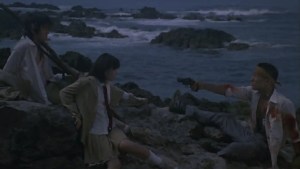
Battle Royale also inspired a variety of media formats worldwide. In the world of manga and anime, series such as Danganronpa and Future Diary emerged, expanding the concept of the involuntary killing game with psychological and philosophical elements. In the world of film and television, the influence is clearly recognizable in modern successes such as “Squid Game,” which combines social inequality, despair, and a perfidious game system. The video game industry has also taken up the principle: Online shooters such as “Fortnite,” “Apex Legends,” and “PUBG” not only adopt the naming scheme, but also take on the basic mechanics of survival by elimination. The battle royale principle has thus evolved from a dystopian film concept into a global gaming and storytelling phenomenon that has penetrated deeply into the digital and cultural present.
Conclusion

Battle Royale is more than just a brutal action film—it is a dark, thoughtful portrait of a society in crisis that raises profound questions about authority, morality, and the state of the education system. The film forces viewers to reflect on their own values and the way societies treat their youngest members. Instead of providing simple answers, it confronts the audience with ambivalence, gray areas, and ethical dilemmas that linger long after the credits roll.
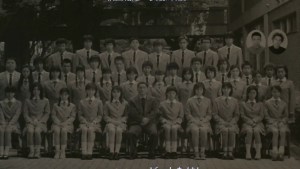
With its uncompromising depiction of violence and its dark atmosphere, the film defies simple categorization as a genre piece. Rather, it combines elements of thriller, drama, satire, and social criticism to create a unique cinematic experience. The socio-political commentary—on control, conformity, alienation, and the loss of empathy—is deeply woven into the plot and characters. Its stylistic strengths—from the haunting music to the stark staging—also contribute to Battle Royale leaving a lasting impression on the collective memory.
Even 25 years after its release, the film has not aged a bit—on the contrary: in times of increasing political tensions, growing generational conflicts, and global uncertainties, it seems more relevant than ever. Whether as a cult film, a shocker, or a socially critical drama, Battle Royale changed the film world and remains an indispensable contribution to modern film history, continuing to shock, fascinate, and provoke thought in new audiences.





 McHenry's Lair
Kommentar verfassen :