

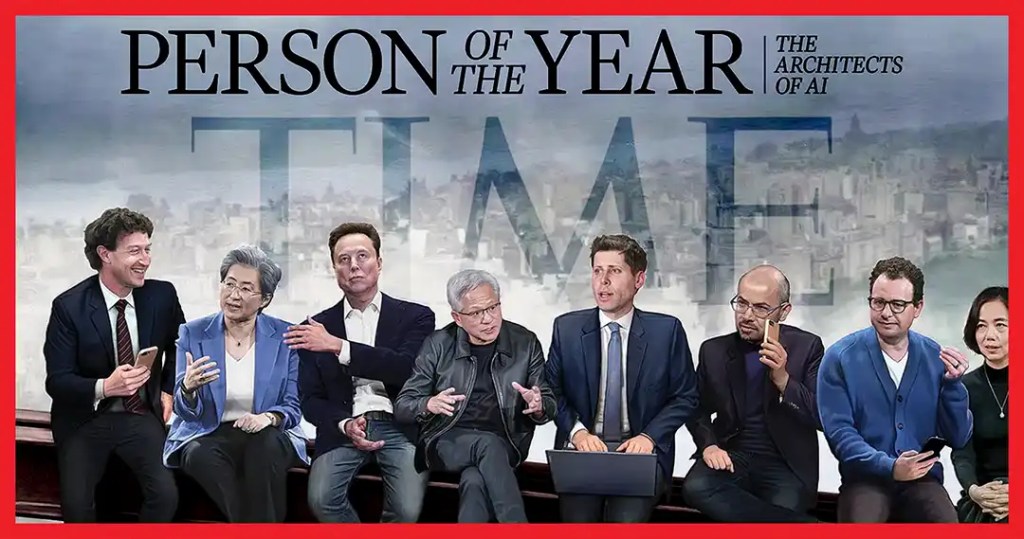

The Architects of AI Are TIME’s 2025 Person of the Year
There are still many who believe that A.I. is just hype and that the A.I bubble will soon burst. These people should take a look at the December 11, 2025 issue of the renowned TIME magazine, which named „The Architects of AI“ as „TIME’s 2025 Person of the Year„.
Anyone who thinks this is no big deal should bear in mind that TIME magazine declared the PC „Machine of the Year“ back in 1982—at a time when the PC had only been around for about 1½ years. Looking back, it’s clear that TIME practically predicted the rise of the PC. The same applies to the choice of „You“ in 2006, which honored the then still young content creator culture – long before the term „influencer“ even existed.
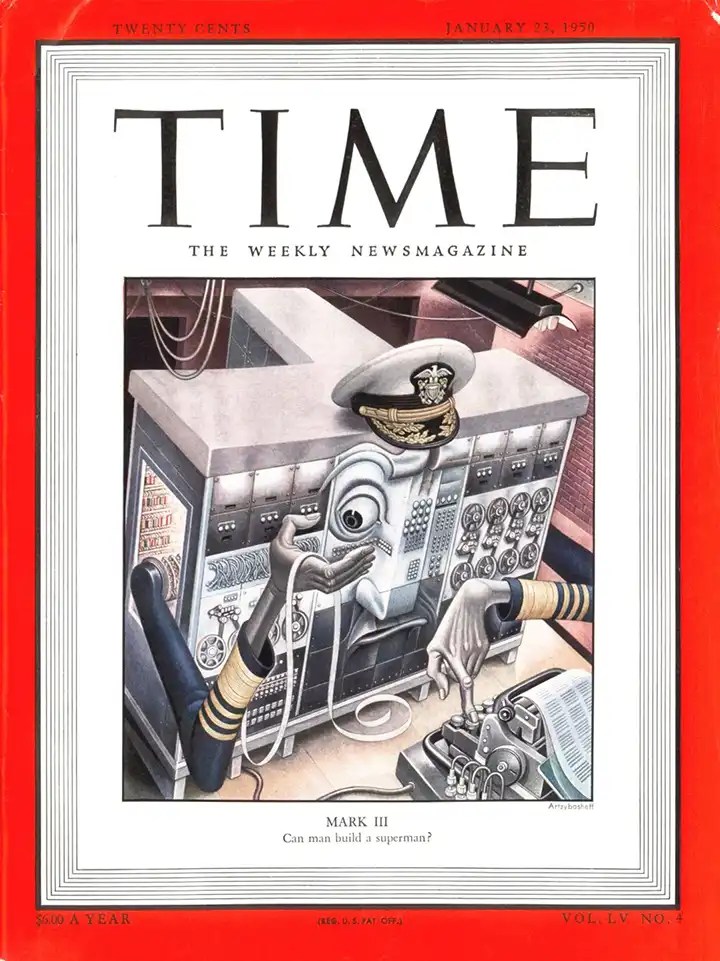
There are numerous other examples in which TIME covered developments in cover stories long before many people even realized that these technologies would one day play a relevant role: from „Mark III – The Thinking Machine“ (1950) to „IBM“ (1955), „The Computer in Society“ (1965) and „The Computer Society“ (1978) to „The Strange New World of the Internet“ (1994), and The Drone Age (2018), and now the well-deserved tribute to AI.
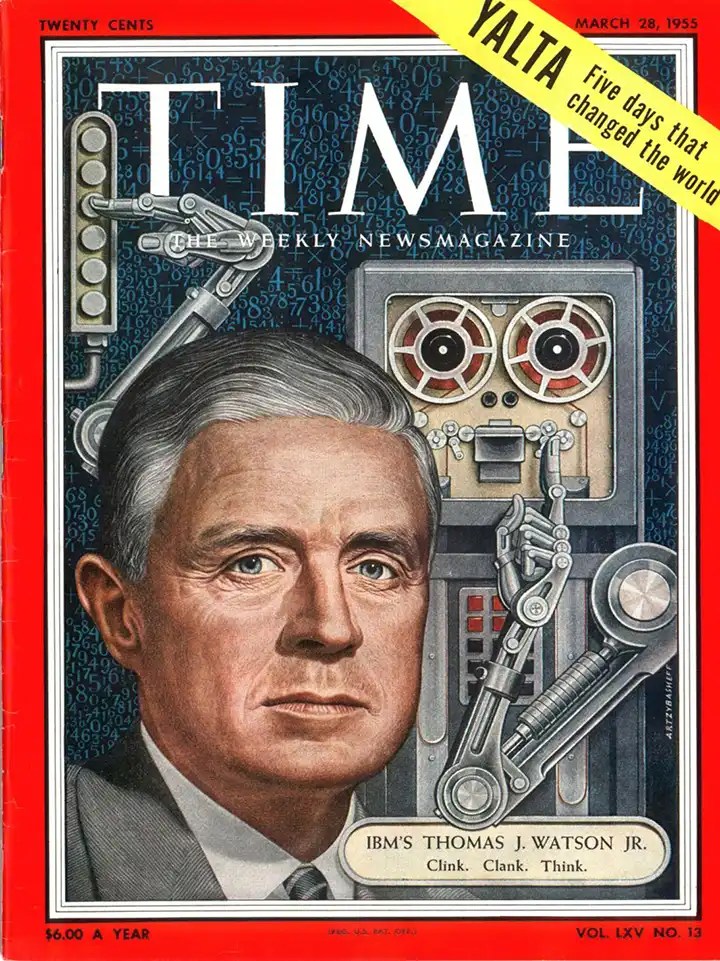
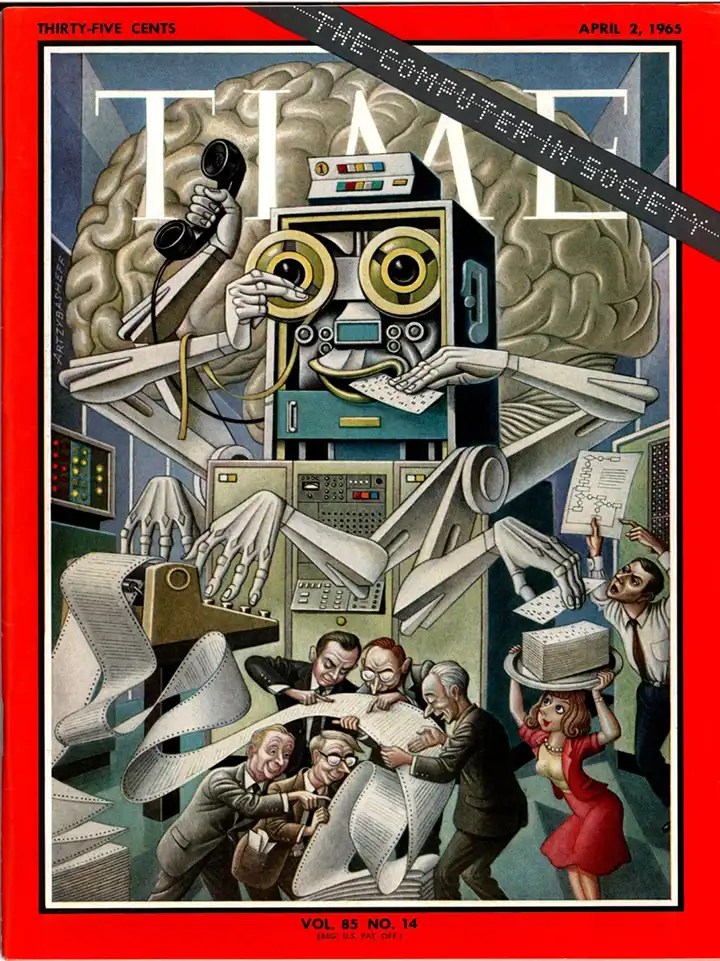
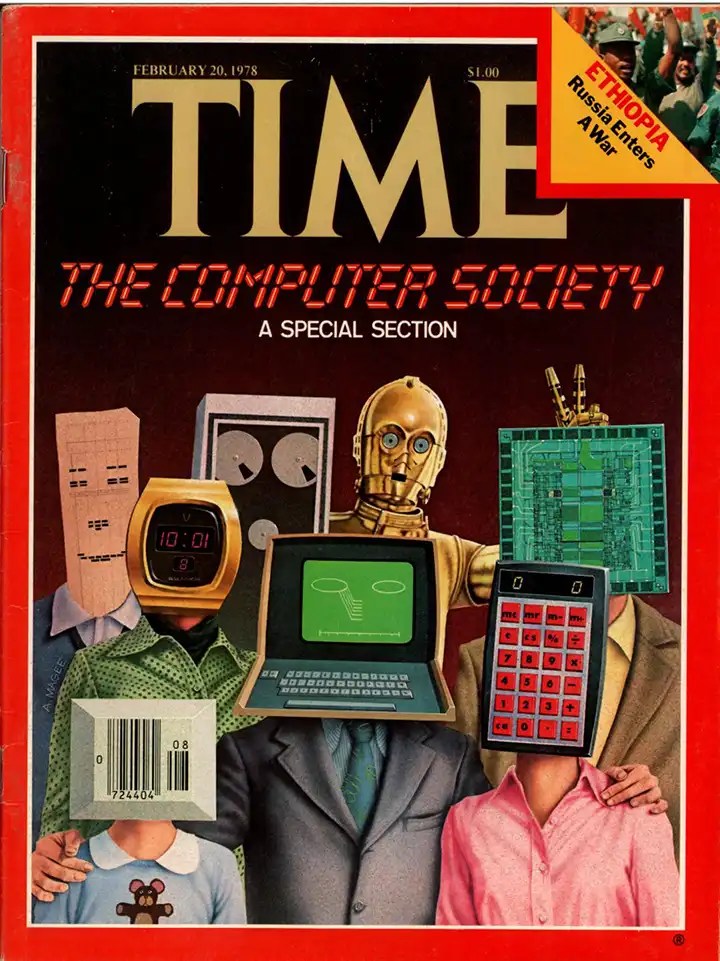
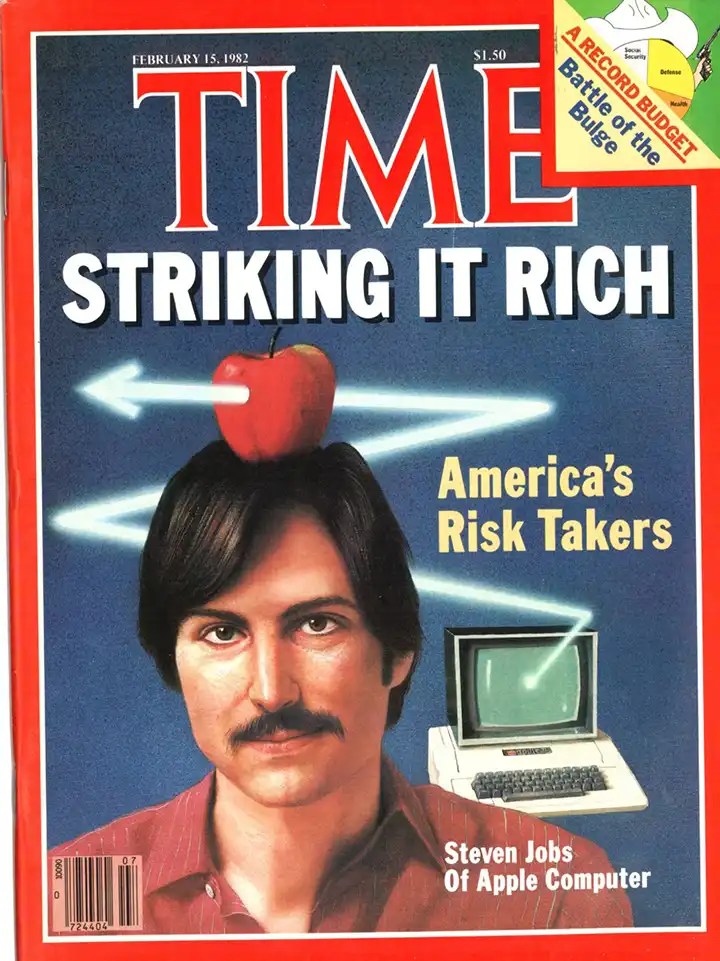
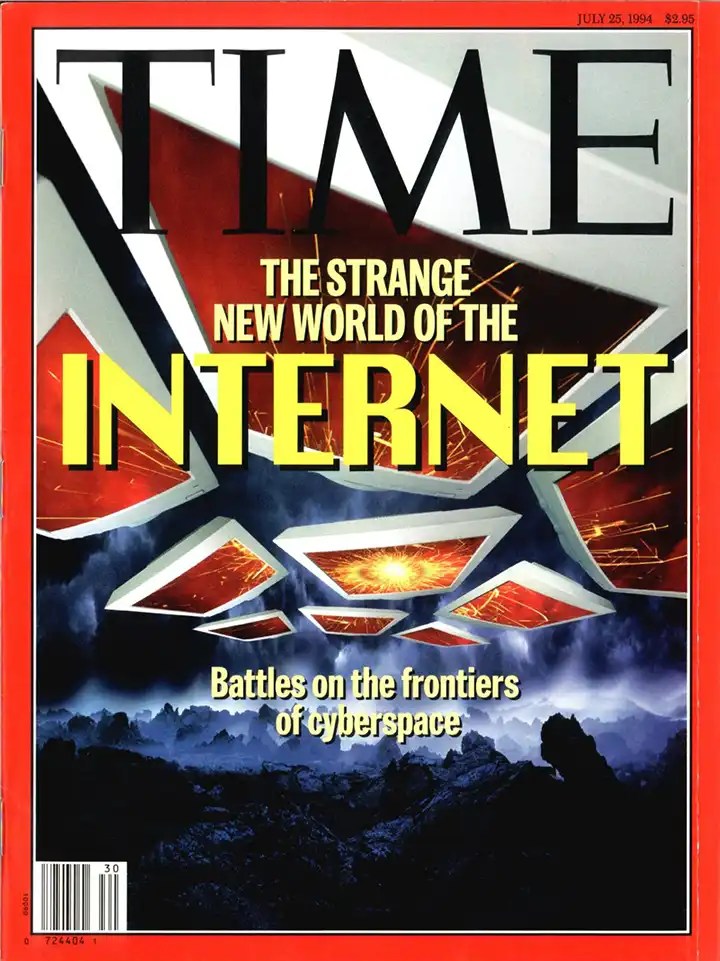
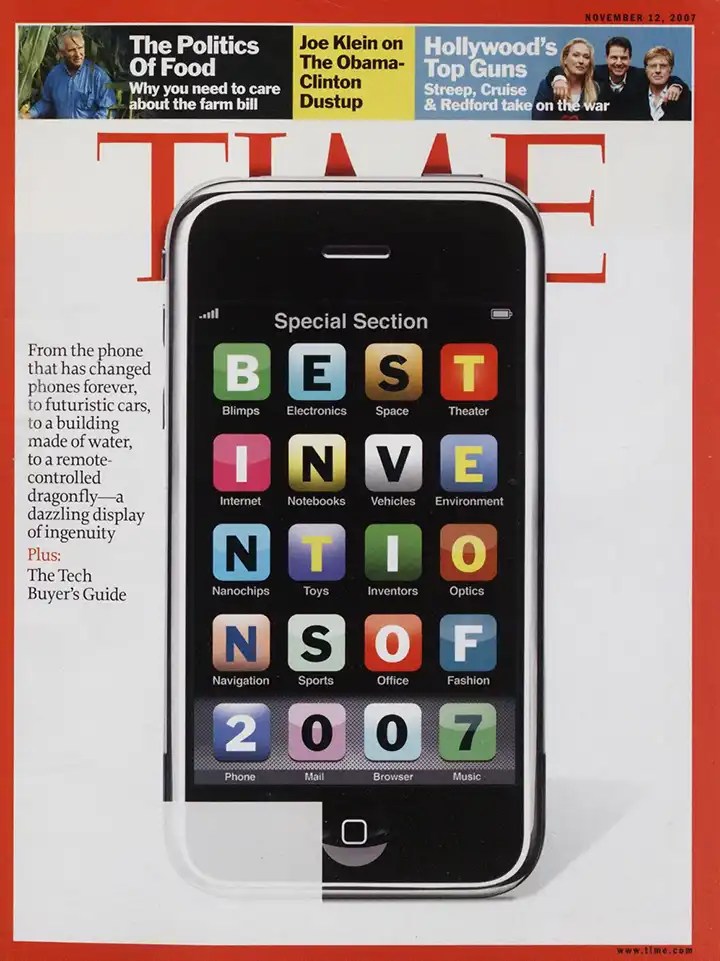
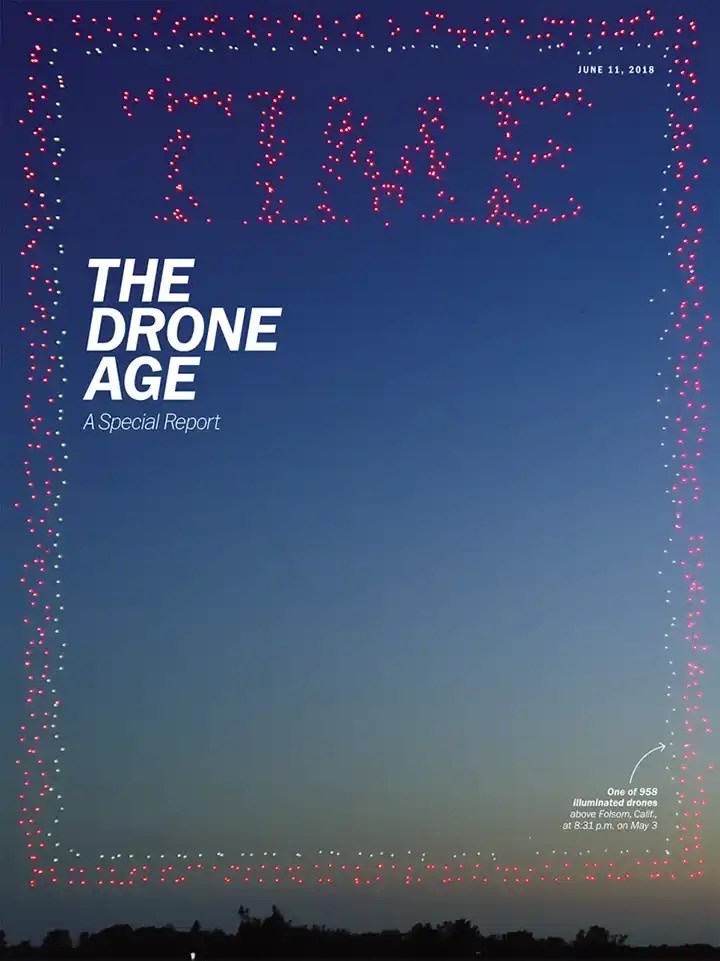
For context:
Unlike other press media (especially in Germany), TIME is not a mouthpiece for any political party. The magazine traditionally operates within the liberal-centrist mainstream and has close ties to political, economic, and cultural elites. TIME sees itself as institution-friendly, internationalist, and critical of populist and authoritarian tendencies. The influence works in both directions: politicians use TIME to legitimize and position narratives, while the magazine shapes public debate and helps shape political perception—especially at the international level—through its choice of topics, interpretive frameworks, and symbolic cover images.
Ergo:
The editors of TIME will certainly not have awarded this title to „The Architects of AI“ in 2025 lightly or purely for political reasons. They obviously see a more than realistic chance that AI will continue to be a defining technology of the future in the long term. Just as they correctly assessed the rise and long-term impact of computers, PCs, and content creator culture.
And to all those who think that the AI bubble is about to burst at any moment, let me say two things.
Firstly, from a technical perspective—and also from the point of view of those who really know what they are talking about—this bubble will not burst anytime soon. The real danger comes more from financiers (CFOs, etc.) who, with their half-baked or superficial knowledge, create completely exaggerated and false expectations. People who believe that programmers will soon be obsolete or that the use of AI will automatically make everything better, faster, and, above all, cheaper. When these people eventually come to terms with reality, they may generate negative sentiment toward AI – and that could actually cause the bubble to burst.
The second point: If this bubble were to burst, it would be a real disaster. The term „AI“ would be so tainted that it would become extremely difficult to raise capital for the further development of AI. Development would stagnate or even regress. Sure, some would say, „Yes, and that’s a good thing—no generative revenge porn, less misinformation, secure jobs for coders.“ However, these people forget that there are numerous AI projects that receive little public attention: basic research, material optimization, statics, medicine, energy management, etc. If the bubble burst, these projects would also have massive problems obtaining funding because „AI“ would then become toxic to investment. And since it has become increasingly difficult to obtain venture capital since the 1990s, this would be a real death blow for many areas.
So, to all the AI haters and CFOs out there: find out what AI can and cannot do, where it makes sense to use it, and where it is better to rely on traditional technologies—or a mix of both. Because:
AI is just a tool—a powerful and complex tool.
And to the eternal prophets of doom („Skynet is coming“), let it be said:
Technology is neither good nor evil—it is what people make of it.








 McHenry's Lair
Kommentar verfassen :