


Introduction
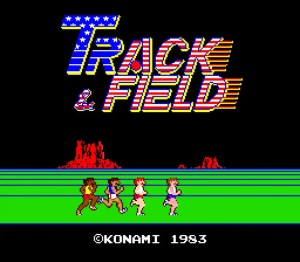
Track & Field, released by Konami in 1983, is one of the most influential arcade sports games of its time and marks a turning point in the history of early video game culture. While many titles in the early 1980s offered fantasy or futuristic scenarios, this game brought the energy of real-life competitions to the arcade and combined physical responsiveness with direct, uncomplicated controls, making it accessible to a wide range of players.
The characteristic soundscape of clicking buttons and a tense spectator atmosphere quickly turned the machine into a social meeting place where players spurred each other on, competed in duels, and unexpected communal experiences arose. Particularly memorable was the immediate tension that built up during a run or jump, which often captivated spectators just as much as the players themselves. With its clear, immediate layout, “Track & Field” developed into an accessible but thrilling competitive experience that is still considered a symbol of classic arcade culture today and continues to serve as a reference point for how a simple concept can become a timeless classic through clever design.
Gameplay
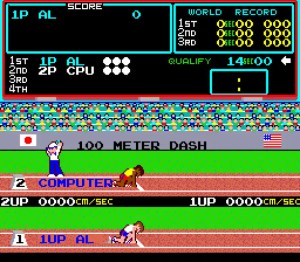
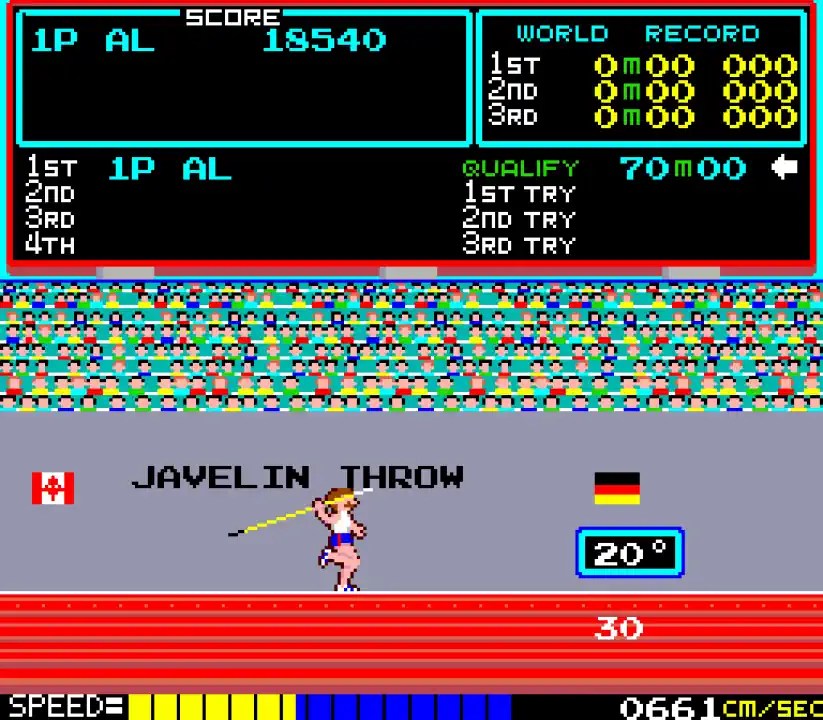
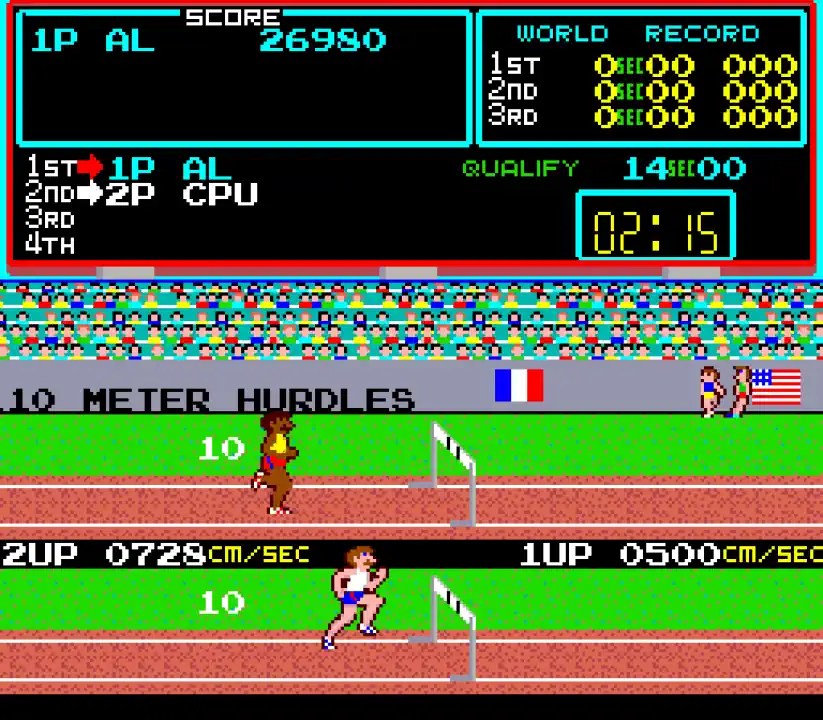
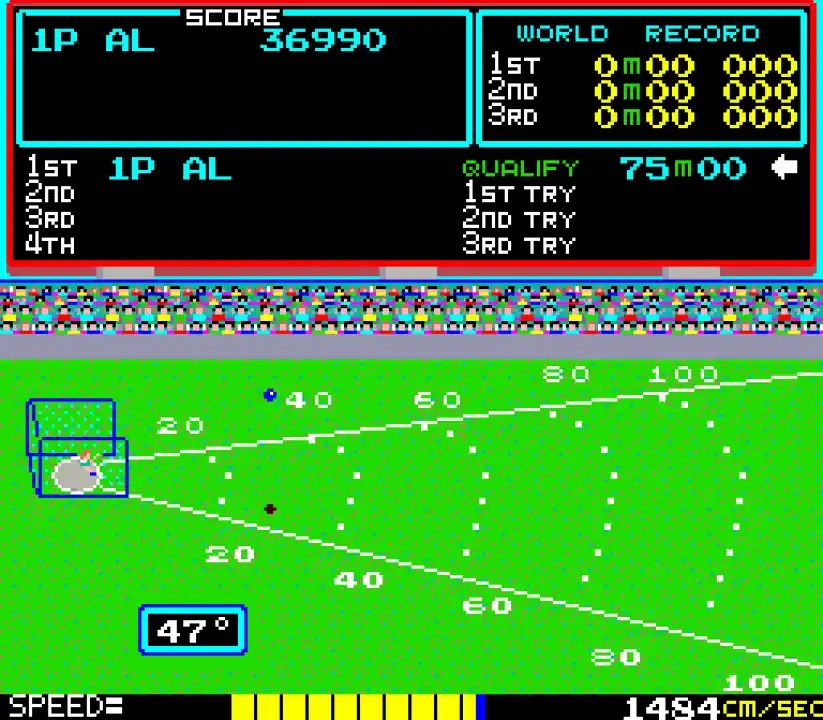
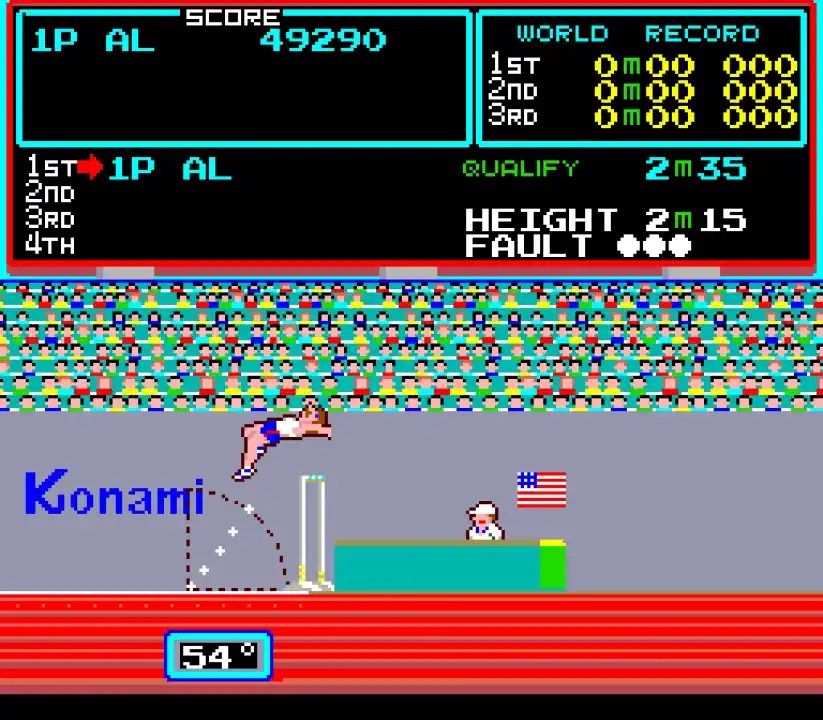
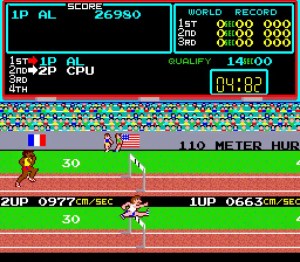
The basic gameplay of Track & Field is deliberately kept simple, but it develops enormous intensity as soon as the competition begins. Players compete in several track and field disciplines, including sprinting, hurdling, long jump, and javelin throw, all of which require a precise interplay of extremely fast button presses and pinpoint timing. The two speed buttons are at the heart of the game, as their rhythmic, rapid-fire sequence is crucial to success in almost every discipline. At the same time, individual actions must be triggered at exactly the right moment, which adds a surprisingly tactical component to the game and often makes the physical strain on the player almost as noticeable as that of the digital athlete. The physical strain is often underestimated, as fingers and forearms can tire after just a few seconds, making the game an unexpectedly intense challenge. Over time, many players developed individual techniques to increase their endurance, such as special hand positions, loosening their fingers between attempts, or rehearsing certain movements that enabled the optimal strike frequency. In addition, sophisticated micro-strategies emerged in which players tried to perfect their movement patterns in order to eliminate even the smallest delays. The combination of reflexes, timing, and stamina creates a tension that increases with each attempt and generates a competitive feeling that for many is synonymous with the fascination of classic arcade culture. It was not uncommon for small groups of spectators to gather on busy weekends to cheer on the players, discuss strategies, exchange supposed insider tips, or eagerly watch to see if a new record would be set. Such spontaneous gatherings often developed into small tournaments, where strangers became rivals and later, not infrequently, friends. The atmosphere was often so electric that even outsiders were swept up in the players‘ ambition, turning “Track & Field” into a social experience that went far beyond the actual act of playing and created a dynamic community around the game.
Technology
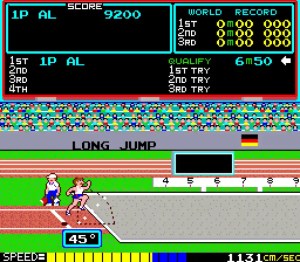
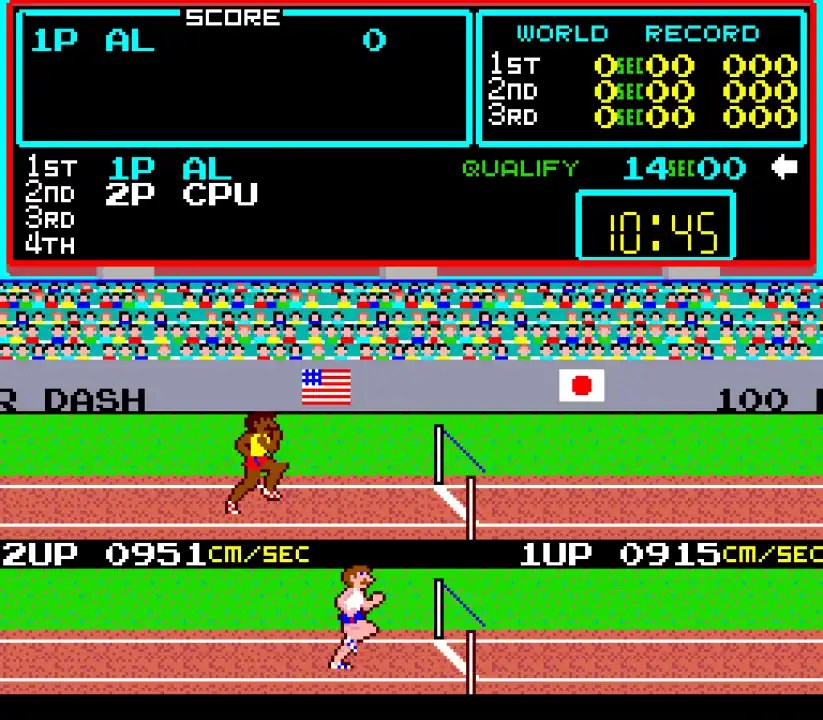
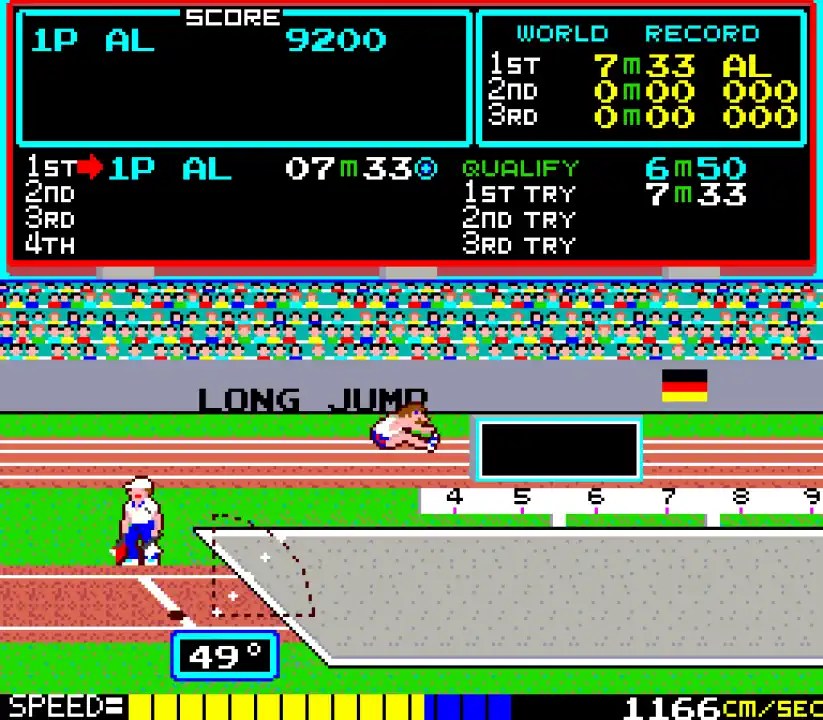
The technical implementation of Track & Field follows a clear structure that can be divided into three areas: graphics and animation, sound design, and hardware. Visually, the game relied on colorful, clear graphics that focused on easily recognizable disciplines and fluid movements. The animations were remarkably dynamic and, despite the limited hardware, conveyed a convincing impression of athletic action, keeping the screen easy to follow even in hectic moments. In addition, the color palette was chosen to allow clear differentiation between the characters, the competition track, and the background, even from a distance, which was a great advantage in noisy and busy arcades. In terms of sound, the game scored points with its distinctive signal tones, fanfares, and the iconic clicking sound of the buttons, which is inextricably linked to the gaming experience and created a mixture of excitement and competitive atmosphere. The short acoustic cues clearly structured the gameplay and reinforced the immediate reaction dynamics, with each discipline receiving its own unique acoustic identity. Some players still report today that just hearing the start signals immediately brings back nostalgic memories. The underlying hardware was designed for resilience and precision, as the intense inputs from the players required a high degree of mechanical robustness. From the durable micro-switches of the buttons to the warmly flickering picture tube, the system was designed to implement inputs without delay and to function reliably even under heavy use. In addition, the internal circuit board architecture played a major role, as it enabled extremely low latency and remained stable even during hours of continuous operation. Nevertheless, many operators reported that regular maintenance was necessary, which underscores the intensity of the playing style that often pushed the machines to their limits. Overall, this resulted in a technically harmonious interplay that contributed significantly to the longevity and popularity of the game and made “Track & Field” a prime example of efficient arcade development.
Trivial
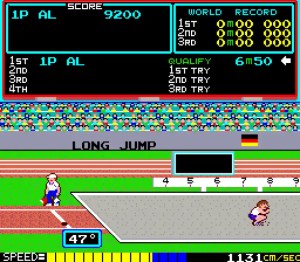
Track & Field quickly developed a cult following that went far beyond the actual game and was often passed on in the form of urban legends and insider tricks. The so-called lighter trick became particularly famous, in which players rolled the smooth side of a lighter or similar object back and forth over the two speed buttons to achieve an almost unbelievable input speed. This method allowed ambitious players to achieve high scores that would have been almost impossible with mere finger strength, but at the same time put extreme strain on the buttons, leading to rapid wear and tear in many arcades. Operators of the machines were therefore often less than enthusiastic and some even went so far as to put up signs expressly prohibiting the trick.
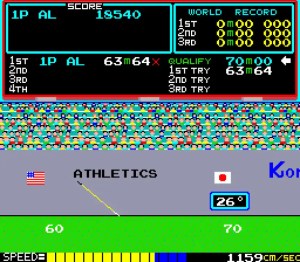
In addition to this well-known technique, there were numerous other gaming legends, such as the supposedly perfect jump angles for long jump and javelin throw, secret movement sequences, or imaginative theories about hidden functional mechanics, which further fueled the myth surrounding “Track & Field” and made the title a social topic of conversation that was heatedly discussed among friends, in schools, and in arcades. In addition, a subculture of self-proclaimed experts developed who believed they had deciphered the true nature of the optimal input technique and recorded their findings in small hand-drawn sketches or curious instructions. Many of these supposed professional tips spread across schoolyards, youth centers, and arcades, often completely regardless of whether they actually worked or were based on a misunderstanding. Some players swore, for example, that the temperature of their fingers could influence their input speed, while others claimed that a certain fingernail angle was crucial for hitting the keys more efficiently. Such theories were rarely verifiable, but they contributed to the lively imagination of the gaming scene.
At the same time, regional variations of the lighter trick emerged, using ballpoint pen barrels, metal tubes, or even old ball bearings to minimize friction and achieve an even higher frequency. These creative and sometimes adventurous methods were often viewed with a mixture of admiration and skepticism, because on the one hand they represented the inventive energy of the gaming community, but on the other hand they threatened the sensitive mechanics of the devices. This constant tension between improvisation, competition, and the threat of arcade button failure gave the trivial knowledge surrounding “Track & Field” a charm all its own. All these elements ensured that the game was much more than a digital competition: it became a cultural topic of conversation that was present in the everyday lives of many young people and spawned a multitude of stories, myths, and humorous anecdotes that still circulate in retro circles today.
Criticism at the time
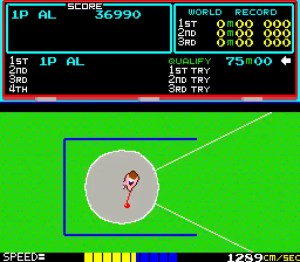
The contemporary press responded enthusiastically to Track & Field, praising in particular the intuitive controls, the athletic intensity, and the competitive nature of the game, which quickly led to spontaneous tournaments and tense duels. Critics emphasized how well Konami had succeeded in translating the essence of classic athletics disciplines into an accessible, easy-to-learn but difficult-to-master game concept. However, some reviews noted that certain disciplines could become monotonous with prolonged use and that the extreme button pressing was physically challenging over time, which some players found tiring. Nevertheless, the positive voices clearly prevailed, and the game quickly became one of the most successful arcade hits of its generation, partly because it appealed to both casual players and ambitious high score hunters and reached a wide audience. In addition, many journalists emphasized that the game created an unusually intense competitive atmosphere at the time, which captivated both single players and groups. Magazines often reported that small crowds gathered around the arcade machines to watch players achieve new records, and that their excitement was immediately transferred to everyone around them. Some critics particularly highlighted the precise technical implementation and praised the game for masterfully balancing challenge and fairness, making it a prime example of successful game design philosophy. At the same time, there were reports that some arcade operators considered the game a magnet, as its high replay value kept customers playing longer and led to more intense competition. Overall, the reviews reflected widespread recognition based not only on the game’s playability, but also on the social dynamics that made Track & Field one of the defining arcade experiences of its time.
Cultural influence and sequels

The cultural influence of Track & Field is manifold and extends far beyond its original release. The title not only shaped the genre of so-called button mashers, but also inspired numerous later sports games, including Konami’s own sequels such as Hyper Sports and later implementations for home consoles, which were released under the name International Track & Field. Not only were new disciplines introduced, but modernized control variants were also tested in an attempt to transfer the frantic button pressing to the living room. Even beyond its direct successors, the game’s influence was evident in numerous party games, mini-game collections, and sports competition titles that picked up on the basic principle of fast-paced reaction gameplay.
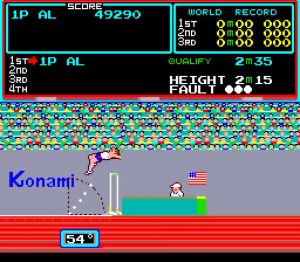
In pop culture, “Track & Field” became a nostalgic symbol of the arcade era, repeatedly mentioned in series, films, and retro documentaries. In particular, the exaggerated physical exertion required to play the game, which often involved hammering the buttons with full body force, is still humorously referenced as part of gaming history. Furthermore, the popularity of the title has led to it being revived as a competitive game in tournaments, trade fairs, and retro events, where new and old fans compete in friendly duels. At the same time, a cultural legacy emerged that extended beyond the actual game mechanics and influenced the way later generations thought about the connection between physical exertion and digital competition.
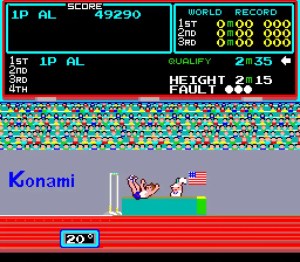
Many later sports games and party games adopted not only the basic principle of rapid button pressing, but also the humorous approach to it, often in the form of deliberately exaggerated animations or tongue-in-cheek references to the original. Among fans, Track & Field became a fixture in various retro competitions, which focus not only on the times and distances achieved, but also on nostalgic reflections on an era when arcade culture was an important social gathering place. In addition, the game inspired documentaries, fan projects, and online communities that are still dedicated to preserving the typical arcade atmosphere today. Even modern esports formats have occasionally incorporated nostalgic special categories or exhibition matches that build on the spirit of Track & Field. Thus, the game became not only a milestone of its time, but also a lasting cultural reference point that is still alive decades later and continues to fascinate new generations of players.
Conclusion

“Track & Field” is much more than a classic arcade game from the 1980s; it is a historical testament to the energy, creativity, and social dynamics of an entire gaming generation. The combination of catchy mechanics, physical challenge, and distinctive acoustic profile has made the game a timeless experience that remains in the memory of many players to this day. As a symbol of the vibrant arcade culture, Track & Field represents a time when skill and human ambition merged directly with electronic technology, creating a gaming experience that generated extraordinary excitement despite its minimalist concept. The title thus remains a significant milestone in video game history, whose influence and charm remain unbroken even decades after its release. Furthermore, the game embodies an era in which video games served not only as entertainment, but also as social meeting places where rivalry, community, and personal bests collided head-on. With its reduced but highly intense gameplay, Track & Field demonstrates how little technical means are necessary to achieve a profound emotional impact. Many players still report moments of pure euphoria or frustration that characterized the intense competitive feeling of the game. The retro scene, which is still active today and regularly celebrates the game in tournaments and community events, shows that Track & Field continues to have a lively relevance. Modern reissues, tributes in indie games, and the continuing enthusiasm for physically demanding game mechanics confirm that the title is not only historically significant, but continues to influence how we think about fast-paced reaction games, arcade culture, and collaborative play. Thus, Track & Field remains an impressive example of a game whose impact extends far beyond its original era and continues to inspire generations of players.








 McHenry's Lair
Kommentar verfassen :