

We don’t need no education
We don’t need no thought control
No dark sarcasm in the classroom
Teachers, leave them kids alone
A contribution to pop culture history
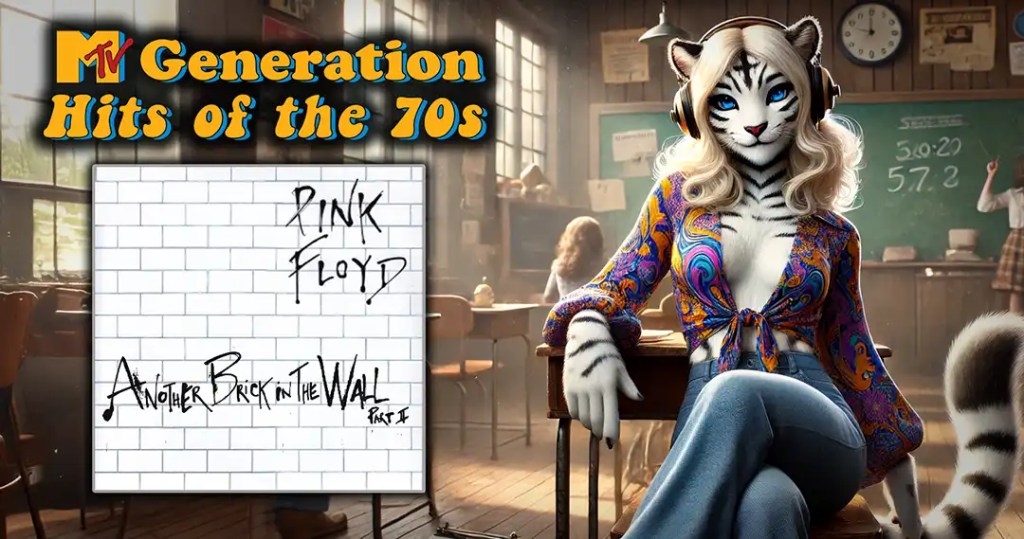
When Pink Floyd released “Another Brick in the Wall (Part 2)” in 1979, hardly anyone could have guessed what a monumental cultural impact the song would have. What was initially intended as part of a complex concept album quickly developed into a protest anthem in its own right. The title struck a chord with a generation that was increasingly rebelling against rigid social and educational structures. At a time of political upheaval, growing social inequality, and deep social tensions, the song offered the perfect expression of collective frustration—haunting, provocative, and unmistakable.

At the same time, the song reflected an era in which young people were increasingly searching for identity, freedom, and self-determination. The combination of a rock vibe, clear social commentary, and an unusually catchy chorus made it an outlet for discontent that resonated far beyond the band’s fan base. Many listeners saw the song as a liberating blow against rigid conventions, against the feeling of being trapped in systems that left little room for individuality.
Furthermore, the song helped to make The Wall an experienceable work of art. While the album delves deeply into psychological themes, “Part 2” offered an accessible, almost anthemic single that bridged the gap between complex concept and mass-appeal protest. Its release also marked a turning point in the perception of rock music: it didn’t have to be rebellious – it could be socio-politically relevant and still commercially successful. As a result, the song became a cultural phenomenon that has lost none of its appeal to this day.
Lyrics
The iconic lines “We don’t need no education / We don’t need no thought control” function not only as a musical refrain, but as a cultural declaration of war. They denounce a school system that stifles creativity instead of encouraging it, degrading children to anonymous cogs in a rigid system. In addition, they convey an attitude toward life that many teenagers and young adults of that time shared: the desire to free themselves from outdated authority structures and rebel against social pressure. The perspective of the protagonist Pink, from whose point of view the entire album cycle is told, reflects a lost childhood, emotional neglect, and an educational environment characterized by harshness, conformity, and a lack of empathy. As a result, the lyrics not only allow for criticism, but also evoke a strong emotional response that continues to move listeners to this day.

The famous children’s choir significantly enhances the song’s impact. It serves not only as musical accompaniment, but also creates a striking contrast: children, whose voices are usually associated with carefreeness, proclaim their rejection of a system that inhibits their development. This deliberate break between sound and content greatly reinforces the rebellious message and shows how effective simple words can be in a collective context. At the same time, the choir gives the entire composition a multi-layered dimension – both musically and symbolically. This irony makes the message all the more powerful and explains why this passage has become deeply engraved in the collective memory, not least because it articulates a feeling of universal injustice that people around the world can relate to.
Furthermore, the lyrics pick up on the overarching theme of the album: every negative influence in Pink’s life is portrayed as another “brick” in the metaphorical wall that isolates him from the outside world. The song is thus not only a protest song, but a central dramaturgical building block in the psychological concept of the album. It symbolizes the moment when personal experiences merge into social criticism and the protagonist’s inner conflict shifts to the outside world. At the same time, it shows how closely individual experiences and collective systems are intertwined and how music as a means of expression can make these connections visually and emotionally tangible.
History / Origin

The creation of “Another Brick in the Wall (Part 2)” was closely linked to the conception of The Wall, one of the most ambitious projects in rock history. Roger Waters, the creative mind behind the album, used it to process personal traumas, in particular his experiences in an authoritarian British school system. These experiences shaped the mood of the song and gave it its authentic urgency. Added to this was Waters‘ general exploration of alienation, social isolation, and the question of how external influences can shape a person’s psyche. All these elements formed the foundation for a song that is both introspective and socially critical, thus illustrating the dual nature of the album.
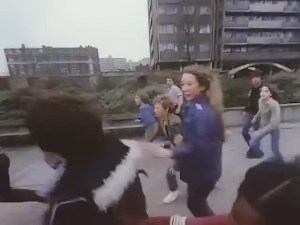
Producer Bob Ezrin played a crucial, often underestimated role. He recognized the potential to make the song more accessible and suggested incorporating a more modern, danceable rhythm foundation—inspired by funk and disco elements that were internationally successful at the time. Although the band was initially skeptical, Ezrin convinced them to expand and extend the song structurally. This decision proved to be a stroke of genius, as it gave the piece an unexpected but catchy energy. Ezrin also introduced detailed arrangements, had separate takes made, and worked meticulously on the song’s dramaturgy, giving the later single version an almost hypnotic effect. His influence is still considered one of the key reasons for the track’s global success.
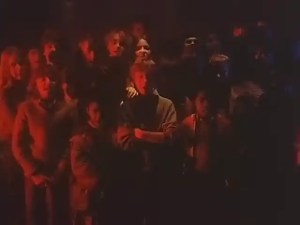
The legendary children’s choir was recorded at Britannia Row School in Islington. Under the direction of music teacher Alun Renshaw, the students rehearsed their parts—often against the resistance of conservative voices who considered the project “inappropriate.” Renshaw, however, recognized its artistic significance and encouraged his students to participate with great enthusiasm. In retrospect, it was this choir that became a key element contributing to the song’s international popularity. The fresh, youthful voices not only gave the track a special musical texture, but also played a significant role in reinforcing the song’s rebellious message and anchoring it firmly in the listeners‘ memories.
Trivia
- To this day, the song remains Pink Floyd’s only number one hit in the US, even though the band is considered one of the most important rock groups of all time. It also reached the top of the charts in several European countries, underscoring its global impact.
- The children involved did not initially receive any royalties, as they were not legally considered professional musicians. It was not until decades later that they were awarded financial compensation, accompanied by renewed media interest in their unexpected role in music history.
- In South Africa, the song was banned in 1980 because students sang it during protests against the apartheid education system – a sign of its political explosiveness. Paradoxically, the ban led to the song being listened to even more frequently in secret.
- “Another Brick in the Wall” consists of three parts, with “Part 2” being the most commercially successful and best-known section. The other parts serve more to embed the narrative in the album concept.
- The bass line, which acts as a strong driving element, was later sampled in several genres, especially early hip-hop. Modern electronic music still draws on rhythmic elements of the song today.
Music video
The official music video for “Another Brick in the Wall (Part 2)” from 1979 focuses on a direct and realistic portrayal of the social protest that characterizes the song. It shows schoolchildren from Islington singing the chorus in a real classroom—a deliberate contrast to the strictness of the criticized school system. The teacher is portrayed as an authoritarian figure against whom the children increasingly rebel. This simple but clear narrative arc emphasizes themes such as self-determination and resistance.
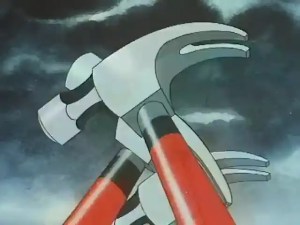
The video is complemented by short animated sequences by Gerald Scarfe, including grotesquely distorted teachers‘ faces and mechanically appearing school structures. These animations reinforce the socially critical dimension without overshadowing the realistic style. With its mix of documentary-style imagery and subtle animations, the video is considered one of the band’s most powerful visual statements and has been praised for giving children a significant and active role in a rock music video.
Criticism at the time

Contemporary critics were divided in their reactions. Many praised the courage to not only address a personal issue, but also to offer sharp social criticism at the same time. Particular emphasis was placed on the combination of artistic ambition and mass appeal – a rare combination for Pink Floyd. Some observers also emphasized that the band was operating in a creative field of tension: between avant-garde and mainstream, between introspective art and broad social relevance. This balancing act was seen by numerous critics as proof that rock music can be much more than mere entertainment.

But there was also harsh criticism: conservative voices accused the band of undermining respect for teachers and promoting an “anti-authoritarian attitude.” Some commentators saw the disco influence as a break with the band’s previous sound and described the song as too commercial. In addition, some critics expressed concern that the song could be misunderstood or exploited, as its rebellious tone was not always considered in the context of the actual album story. These voices argued that the song offered a simplified form of criticism that unnecessarily emotionalized educational debates.
In the pop and rock press, however, it was received overwhelmingly positively. Critics recognized that the musical opening had led to massive audience success without diluting the artistic core. Many even saw the song as a prime example of how a band with a firmly established sound can boldly break new ground while still remaining authentic. The song was seen as proof that socially critical music does not have to be unwieldy or elitist, but also has the chance to reach broad sections of the population and spark discussions—both in the cultural and political spheres.
Cultural influence
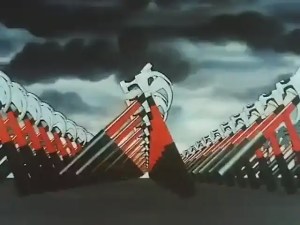
The cultural influence of the song is enormous and extends far beyond the world of music. “Another Brick in the Wall (Part 2)” became a universal protest anthem, heard wherever people rebel against rigid systems or authoritarian structures. Over time, the song has also become a symbol of social empowerment and collective resistance. It not only serves as musical accompaniment to political protests, but also functions as an identity-forming element for groups that oppose inequality or state borders.
The song is frequently used or parodied in films, series, and commercials, mostly to underscore scenes with themes such as rebellion, youthful discontent, or oppression. Its use in documentaries about education policy or social inequality is particularly striking. In addition, there are numerous cultural references in animated series, music videos, and even video games, where the title is often used as an acoustic shorthand for rebellion, revolt, or civil disobedience. This media presence has played a decisive role in keeping the song familiar to younger generations.
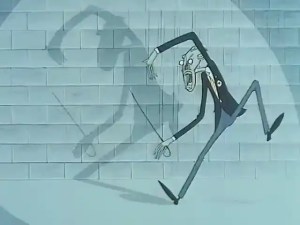
Roger Waters‘ live performances have given the song additional political relevance over the decades. On many of his tours, the song was embedded in spectacular stage sets: huge inflatable figures, projections on topics such as surveillance, militarism, or populism, and powerful social media messages turned every concert into a multimedia statement. Waters also used the song specifically to comment on current political conflicts—whether in the context of authoritarian governments, social injustice, or growing social division.
The song has also left its mark linguistically. The line “Hey! Teacher! Leave them kids alone!” has become a catchphrase that is often used jokingly, but also politically. Today, it serves as a symbol for the demand for freedom and self-determination in both educational debates and humorous everyday contexts. Furthermore, the phrase has become an integral part of Western pop culture and is regularly quoted in discussions about education, authority, or generational conflicts.
Conclusion
“Another Brick in the Wall (Part 2)” is much more than just a song—it is a historical document, a cultural symbol, and a musical milestone. The combination of socially critical message, catchy structure, and artistic depth elevates the song far beyond the boundaries of its genre. The participation of the children’s choir, the rhythmic modernization, and the emotional authenticity made it one of the most significant productions in rock history. Furthermore, the song demonstrates how rock music can function as a mirror of society: it connects personal experience with collective reality, making a universal theme—the feeling of alienation—tangible to a global audience. Its strength lies in the clarity of its message and its ability to express complex emotions in a way that remains both accessible and artistically sophisticated.
Even decades later, the song has lost none of its power. It continues to inspire discussions about education, authority, freedom, and social responsibility. At the same time, it serves as a touchstone for the question of how much influence music can have on social movements and what role artists play in shaping public opinion. Its legacy is evident not only in political debates, but also in new musical interpretations, cover versions, and cultural references that repeatedly confirm its relevance. Thus, it remains not only a classic, but also a lasting contribution to the cultural dialogue of our time—a work that connects generations and continually opens up new perspectives.







 McHenry's Lair
Kommentar verfassen :