


I came from Newcastle in the North of England.
We used to have lots of parties where everyone got dressed up.
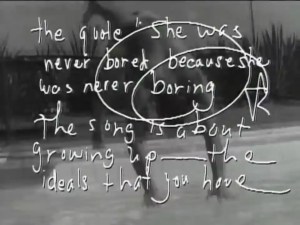
And on one party invitation was the quote
’she was never bored because she was never boring‘.
The song is about growing up –
The ideals that you have when you’re young and how they turn out.
The Pet Shop Boys
An underrated masterpiece

When the Pet Shop Boys released “Being Boring” in 1990, they were already known as one of the most innovative and influential pop duos of the 80s. Their unique style, which combined electronic sounds with intelligent lyrics, cool aesthetics, and a dash of British understatement, had made them famous worldwide. Songs like “West End Girls,” “Suburbia,” and “It’s a Sin” had not only earned them numerous chart successes, but also a reputation as astute chroniclers of a changing society.
With “Being Boring,” however, they struck out in a new, deeper direction. This song was significantly different from many of their previous hits: it was quieter, more introspective, and much more personal. The music was more subtle, the tempo more subdued, but the statements all the more powerful. It was precisely for this reason that “Being Boring” would prove to be particularly significant in their repertoire. The combination of gentle electronics, elegant melancholy, and poetic lyrics gave the piece an emotional depth that many listeners only fully discovered over time.
Although not a big commercial success at first—the song fell short of expectations in the UK charts—Being Boring developed into a cult classic over the years. It became one of those songs that doesn’t age, but grows with its listeners. Profound, melancholic, and moving, it is a song that doesn’t loudly demand attention, but quietly touches the heart and stays there. It became a symbol of maturity, loss, and the quiet power of memory.
Lyrics: A journey through memory and loss
“Being Boring” is an autobiographical look back at life, youth, past ideals, and above all, lost friends. The title alludes to a criticism that the duo once faced—that they were “boring.” Neil Tennant did not take this accusation as an insult, but as a starting point for a poetic reflection on transience, friendship, a spirit of optimism, and personal development. The song is imbued with a quiet melancholy and at the same time a deep tenderness that appeals to both personal experience and collective memories.
I came across a cache of old photos
And invitations to teenage parties ‘Dress in white’ one said,
with quotations from someone’s wife, a famous writer
The lines paint a picture of days of youth gone by, tinged with irony, hope, and nostalgia. They evoke memories of a time of new beginnings, innocence, and the search for identity. This is particularly evident in the line “All the people I was kissing / Some are here and some are missing,” which captures both the carefree nature of earlier times and the painful reality of loss. The image of the missing people becomes a metaphor for the fragility of life and the scars it leaves behind.

The song explicitly addresses the death of a close friend of Tennant’s who died of AIDS—a topic that was still highly stigmatized in the early 1990s and rarely dealt with openly in pop music. By processing this personal trauma in a pop song, Tennant broke with musical conventions and at the same time gave a voice to many listeners whose stories had previously gone unheard. “Being Boring” thus becomes a silent memorial to a lost generation, to love in all its forms, and to the courage to remain true to oneself.
The melancholy of the lyrics contrasts subtly with the elegant, danceable, almost hypnotic sound. The gentle, repeated harmonies and delicate electronic textures make the song feel like a memory that slowly fades but never completely disappears. The song has an emotional warmth that is not immediately intrusive, but lingers. It is a musical diary that preserves feelings without romanticizing them – a musical look back that is both comforting and painful. Even decades after its release, the song has lost none of its emotional power; on the contrary, with age it gains depth and meaning.
History

“Being Boring” was written for the album “Behaviour” (1990), which was characterized by a more mature and reflective soundscape than the Pet Shop Boys‘ previous productions. It marked a conscious artistic change of direction: away from the cool irony of earlier works to a warmer, more introspective mood. The song was produced by Harold Faltermeyer—known for electronic soundtracks such as “Axel F”—whose experience in synthpop enabled a calmer, more detailed production. The collaboration with Faltermeyer was no coincidence: the Pet Shop Boys deliberately wanted to use analog warmth to emphasize the emotional theme of the song.
The inspiration for the song title comes from a quote by Zelda Fitzgerald: “She refused to be bored chiefly because she wasn’t boring.” Tennant took up this idea to reflect on his own life with a wink. The quote became the programmatic motto of a song that moves between self-irony and deeply felt nostalgia. In an interview, Tennant said that the song is a kind of résumé, a document of his worldview, his losses, and his personal relationships—from the perspective of a man who was never satisfied with living superficially. The lyrics are a mosaic of memories, reflections, and moments that paint a picture of what it feels like to grow older without losing the magic of the beginning.
Musically, the song relies on a minimalist but highly emotional arrangement, in stark contrast to earlier hits such as “It’s a Sin” or “Always on My Mind,” which were produced in a much more opulent and anthemic style. The gentle synthesizers, deliberate string samples, and an almost meditative structure underscore the intimate atmosphere and reinforce the contemplative character. The production deliberately avoids intrusive effects or dramatic climaxes to leave room for the thoughts and emotions that unfold through the lyrics. Unlike many of their bigger hits, “Being Boring” does without a fast chorus or a catchy hookline. It is a song to listen to, not to sing along with—a sound essay about life that reveals more the more you listen to it.
Trivia and curiosities
- The song title was a direct response to a Japanese concert review that described the Pet Shop Boys as “boring.” Tennant and Lowe decided to turn this supposed flaw into an artistic statement that deliberately plays with expectations while simultaneously subverting them. The ironic treatment of this assessment became a trademark of the song and emphasized the band’s self-image of combining pop music with depth and substance.
- Neil Tennant has repeatedly described “Being Boring” as his personal favorite song by the band. In numerous interviews, he emphasized that this title most honestly reflects his innermost feelings. He said it was the most honest and emotional song they had ever written, and a work that continued to move him over the years.
- The word “boring” appears only once in the entire lyrics, yet it gives the song its emotional framework and surprising depth. It becomes the silent anchor point of a text that is permeated with memories, relationships, and unspoken pain.
- On tour, the song is often staged as the emotional highlight of the concert, usually with intense lighting and strong visual elements reminiscent of youth, love, friendship, and loss. Archival images, text quotes, or artistic animations are often displayed, taking the audience on a personal and collective journey. In some live versions, the song has even been performed with choir accompaniment or alternative arrangements to further enhance its emotional impact.
Music video
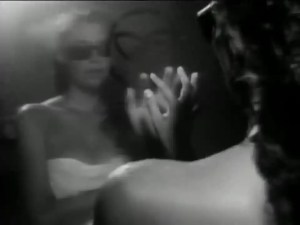
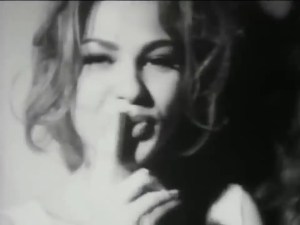
The music video for “Being Boring” was directed by renowned fashion photographer Bruce Weber, who previously made a name for himself with his black-and-white fashion photographs and iconic campaigns for Calvin Klein, Abercrombie & Fitch, and Ralph Lauren. This visual signature—a mixture of nostalgia, sensuality, and idealized youth—also characterizes the video for “Being Boring,” which is shot entirely in stylized black and white. It shows a group of young adults in various seemingly random moments of life: celebrating exuberantly, dancing ecstatically, laughing heartily, bathing intimately, and musing thoughtfully in quiet moments.

The black-and-white aesthetic gives the clip a timeless quality that perfectly matches the song’s theme. The images are sensual, intimate, and life-affirming, which contrasts with the melancholic music. The absence of color draws more attention to gestures, facial expressions, and body language—turning the video into a moving photo album that preserves memories. Some scenes also featured nudity, which led to restricted broadcasts on some television stations. In the US, the video was partially censored or not shown at all, while in Europe it was celebrated as a bold and artistic expression. Nevertheless (or perhaps because of this), the video achieved cult status and was widely described as a visual work of art. It influenced later music videos and fashion spreads and is now considered a defining style for the visual aesthetics of the early 1990s.
Weber later said that he wanted the video to capture the feeling of lost innocence—a kind of memory of a time when everything still seemed possible. For him, the project was more than a music video: it was a short film about freedom, love, and the beauty of young bodies, without appearing voyeuristic. This approach underscores the thematic depth of the song and lends the project an emotional multidimensionality. The combination of image and sound creates an aura of pause, a tribute to the passing of time and to what remains – a quiet, moving counterpoint to the garish, fast-paced MTV aesthetic of those years.
Personal connection to the song and video

The video for “Being Boring” left a lasting impression on me—not only because of its aesthetics, but also because it coincided with a time that was very formative for me personally. When the video was released, I was often out partying with my friends. I have particularly vivid memories of the long weekends we spent in some parents vacation home on Texel, NL. I also remember an unforgettable New Year’s Eve party during this time, when we had the entire house of a friend’s “wealthy” parents at our disposal—a spacious house with an open fireplace that we had all to ourselves.
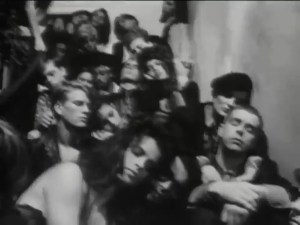
In this atmosphere, anything seemed possible, and the video—with its depiction of a stylish, exuberant house party in a Long Island mansion—reflected exactly this feeling of freedom, friendship, and intensity. It was as if someone had captured our attitude to life on celluloid—only in an even more beautiful, idealized form.
Back then, I started consciously taking black-and-white photos at these parties to capture that exact mood. I wanted to preserve that feeling of timelessness, of capturing a moment, just like the video does. That’s why I still have a very special personal connection to this song and, above all, to the video. It reminds me not only of a certain era in my life, but also of how music, images, and memories can merge in a very special way.
Criticism at the time

As a single, “Being Boring” was commercially disappointing: it only reached number 20 in the UK charts – an unexpectedly low position for a duo that had previously been a regular feature in the top 10. This came as a surprise to many fans and music lovers, as the song was considered the artistic highlight of the album “Behaviour.” Radio stations reacted rather cautiously, possibly because the song did not fit in with the trend at the time for faster, catchier dance-pop numbers. Its restrained nature and complex emotional depth made it a challenge for the commercial environment of the early 1990s.
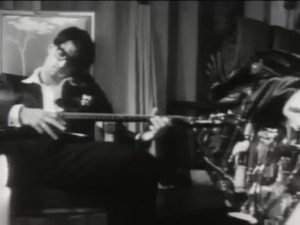
Some critics praised the song’s maturity, particularly its poetic structure, while others found it too subtle, too slow, or too melancholic for the mainstream. Some even accused the song of not working hard enough towards a clear hit moment—an expectation that the Pet Shop Boys had deliberately subverted.
But other voices saw it differently: Melody Maker praised the emotional depth of the song and the “restrained elegance” with which the Pet Shop Boys dealt with a difficult subject in pop music form. International music magazines such as Rolling Stone also noted that “Being Boring” would mature over time like a fine wine – and that is exactly what happened. Especially in retrospective reviews of the 2000s and 2010s, the song was often praised as one of the most successful examples of mature pop music. Today, it is considered not only an underrated single, but one of the band’s most significant contributions to the cultural memory of their era.
Cultural influence
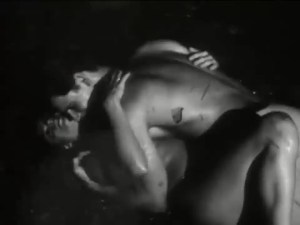
Over the years, “Being Boring” has built up a loyal fan base and is now considered one of the Pet Shop Boys‘ most significant works. In the LGBTQ+ community, the song is often regarded as an unofficial anthem, mainly because of its touching themes of AIDS, loss, and identity. For many queer people who grew up in the 1990s, “Being Boring” was a rare moment of visibility and dignity at a time when the topic of HIV/AIDS was often associated with fear or silence. The song thus became a musical place of remembrance and mourning—but also of comfort.
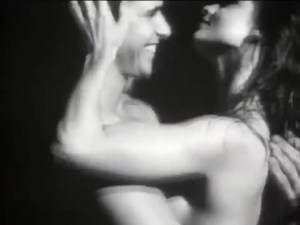
The song has influenced numerous artists. Robbie Williams called it “one of the most honest pop songs ever written.” Arcade Fire, Rufus Wainwright, and other indie acts have cited “Being Boring” as an inspiration for their own songwriting philosophy. Electro-pop artists such as Hot Chip and Years & Years have also been impressed by the Pet Shop Boys‘ sensitive handling of autobiographical material. In addition, the song has been covered or quoted several times, for example in theater productions or contemporary poetry dealing with similar themes. The song also appears repeatedly in pop culture, whether in films, series, or as a reference in literature and art.
Today, it is an integral part of every Pet Shop Boys set list at live performances. The live versions are often combined with visually elaborate elements, such as projections of old photos, film scenes, or poetic quotations. This often deliberately creates a connection to the past—not only to the band’s biography, but also to the collective memory of their fans. “Being Boring” has evolved from an underrated track to a musical monument that has significance far beyond its original time of creation. The song has secured its place as a quiet masterpiece in the canon of pop music—a song that touches, lingers, and grows with its listeners.
Conclusion
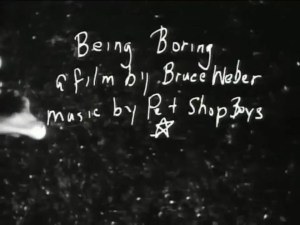
“Being Boring” is much more than just a song—it is a quiet manifesto about growing up, remembering, and losing. It exemplifies pop music’s ability to address complex themes such as identity, loss, and lifetime within an aesthetically sophisticated framework. It may never have been a big radio hit, but its impact runs deeper than many chart successes. With this song, the Pet Shop Boys created a monument to friendship, individuality, and the courage to find beauty even in melancholy. It is an invitation to self-reflection, to remember the people and moments that have shaped us, and a tribute to the unspectacular but meaningful everyday life.
It is a song that unfolds with every listen, allowing for new meanings and never losing its relevance. It grows with the listener, changes with the phases of life, and always offers new perspectives. It is precisely this versatility that makes “Being Boring” a masterpiece of pop culture. A musical masterpiece that shows that those who are boring with dignity often have the best stories to tell—and the courage to sing them in an incomparable way. And that is precisely where its power lies—in the quiet but deeply felt truthfulness of a song that does not shout, but lingers.
Addendum
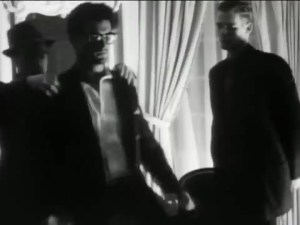
Especially for someone from Generation X who was partying a lot at that time, this song and the accompanying video bring back vivid memories of the good old days (late 80s/early 90s). It reminds me of an era when life seemed like a never-ending summer – filled with endless nights, shared music, and deep conversations with people who were important to you.

If, like many members of Generation X, you feel much younger inside than your numerical age suggests, then “Being Boring” will strike an even deeper chord with you. It not only awakens memories, but also touches you on a deeper, almost existential level: as a reflection of a way of life that unfortunately only exists in memories and photos today – a feeling that subsequent generations will never be able to understand.
That’s precisely why I had very mixed feelings while writing this article – somewhere between nostalgia, melancholy, and reflecting on what was, who you were – and who you still are deep down: the 20-year-old dancing at the New Year’s Eve party in 1991 …
And we were never worried that time would come to an end.








Kommentar verfassen