

CONGRATULATIONS.
You are now part of the elite unit of
the ATARIAN STARSHIP FLEET –
THE STAR RAIDERS
An 8-bit space battle
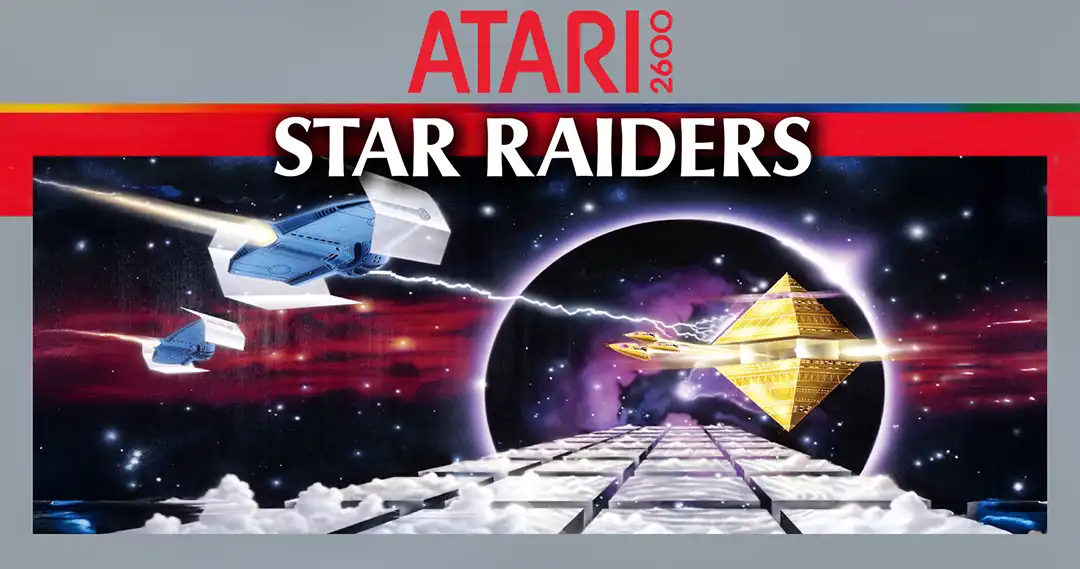
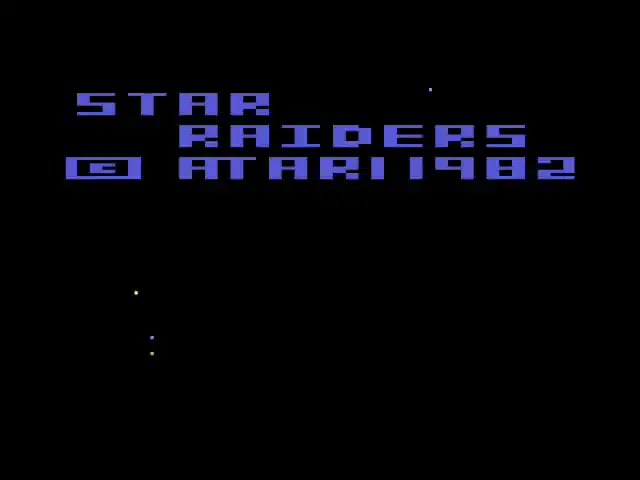
When the video game market boomed in the early 1980s, Atari was one of the leading names in home entertainment and became almost synonymous with the term “video game.” Amidst arcade hits, pixel adventures, and classic home console games, Star Raiders was released for the Atari 2600 in 1982—an ambitious adaptation of the 1979 Atari 8-bit classic of the same name, which had achieved cult status shortly after its release. The original game was considered a milestone in computer game history, as it combined strategic thinking, resource management, and thrilling space action to an extent never seen before. For many players, it was a completely new experience, with a cockpit, a galaxy map, and tactical freedom of choice.
Although the version for the Atari 2600 was technically greatly reduced, it pursued the same ambitious goal: to bring a real space combat experience with tactical depth to a limited console platform. Despite the significant hardware limitations and simpler graphics, the essence of the game remained intact. The implementation impressively demonstrated what was possible when developers found creative ways to circumvent technical limitations. Doug Neubauer, the original creator of the game, was responsible for the port himself, which helped to preserve the atmosphere and spirit of the original as much as possible.
Despite all the limitations, the developers succeeded in creating an immersive gaming experience that is still considered a technical marvel today. Especially considering the hardware specifications of the Atari 2600 – with only 128 bytes of RAM and a CPU running at 1.19 MHz – the game seems like a small marvel of digital engineering from today’s perspective.
Gameplay
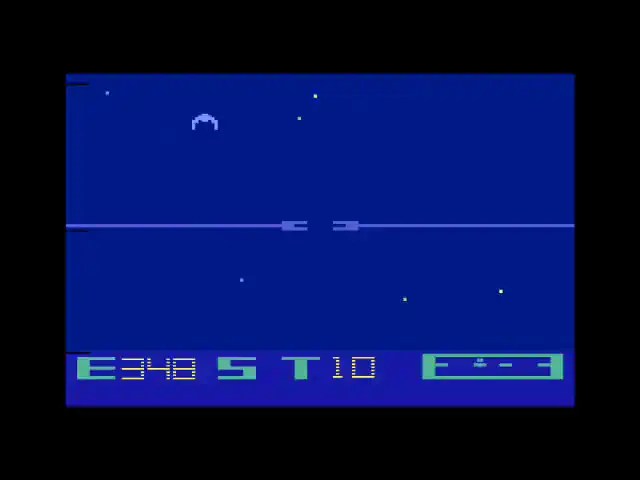
Star Raiders is a space combat and simulation game that puts the player in the role of a pilot who takes on a large-scale invasion of enemy Cylons with his ship. These enemy units attack various sectors in a coordinated manner, and the player must act strategically in a race against time to save his own star system from complete destruction. The goal is to systematically track down and destroy enemy ships in the various regions of the star system before they destroy allied bases or occupy important sectors.
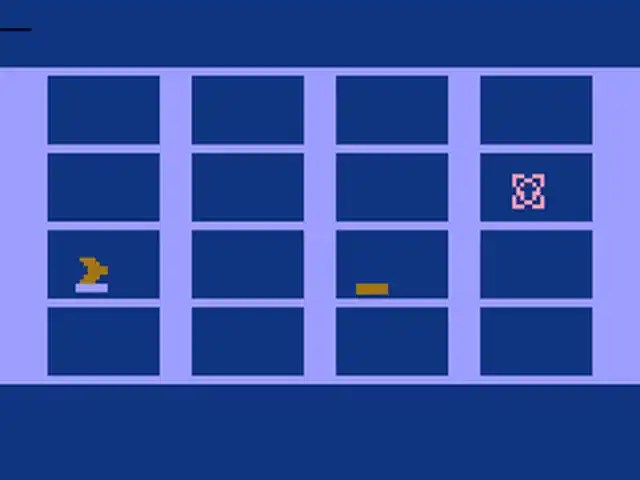
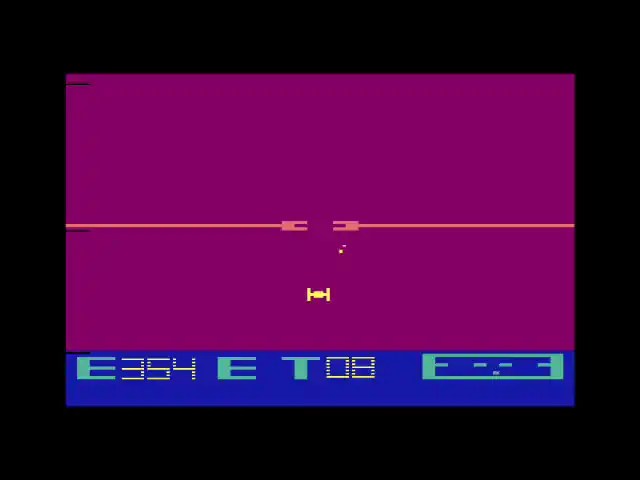
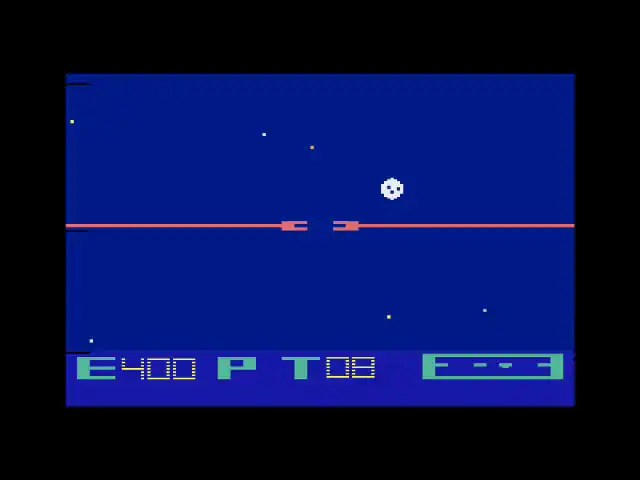
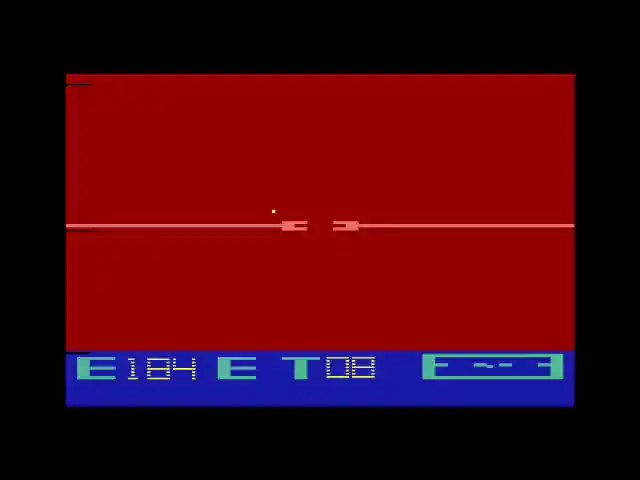
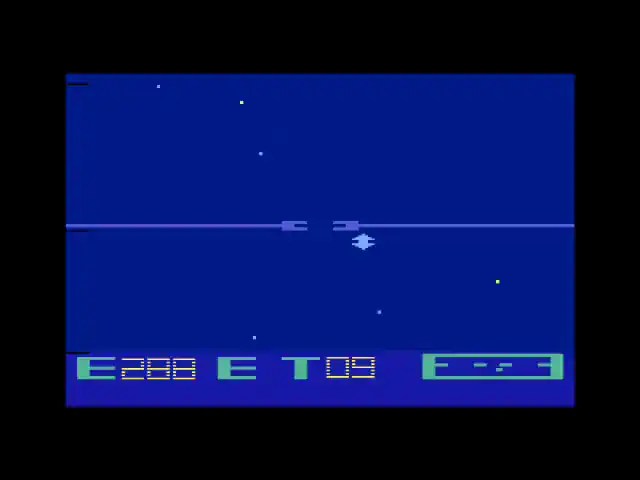
The game combines classic real-time action with a distinctive tactical component that was extremely rare on the Atari 2600. The player takes control of a state-of-the-art spaceship and navigates through a vast galaxy divided into numerous individual sectors. Using an interactive galaxy map, they can fly to specific sectors where enemy activity has been reported. Each of these sectors represents a separate combat zone in which the player fights against Cylon ships from a first-person perspective. The battles are not only fast-paced, but also challenging, as they require both quick reactions and tactical skill.
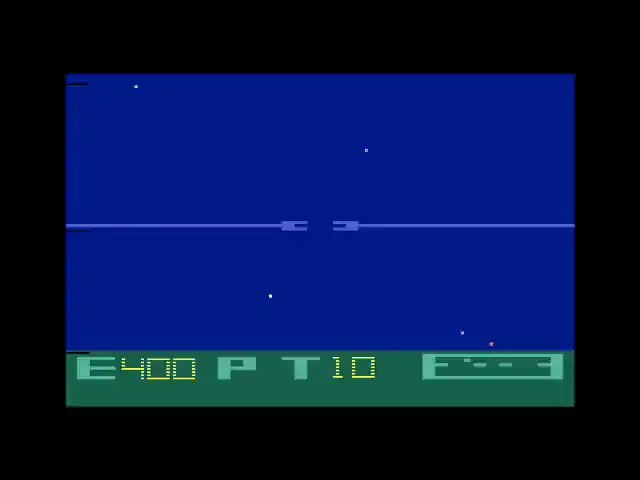
The game is particularly demanding due to the need to monitor and control multiple ship systems simultaneously. The energy supply, the functionality of the shields, and the propulsion system must be kept in mind at all times. If damaged, these systems can only be restored by docking at space docks. This additional layer forces players to plan ahead and not just rush blindly into every battle. A rash attack can have fatal consequences—especially if critical systems fail during combat and there is no repair station within reach. The loss of energy or shields can quickly mean the end of the mission.
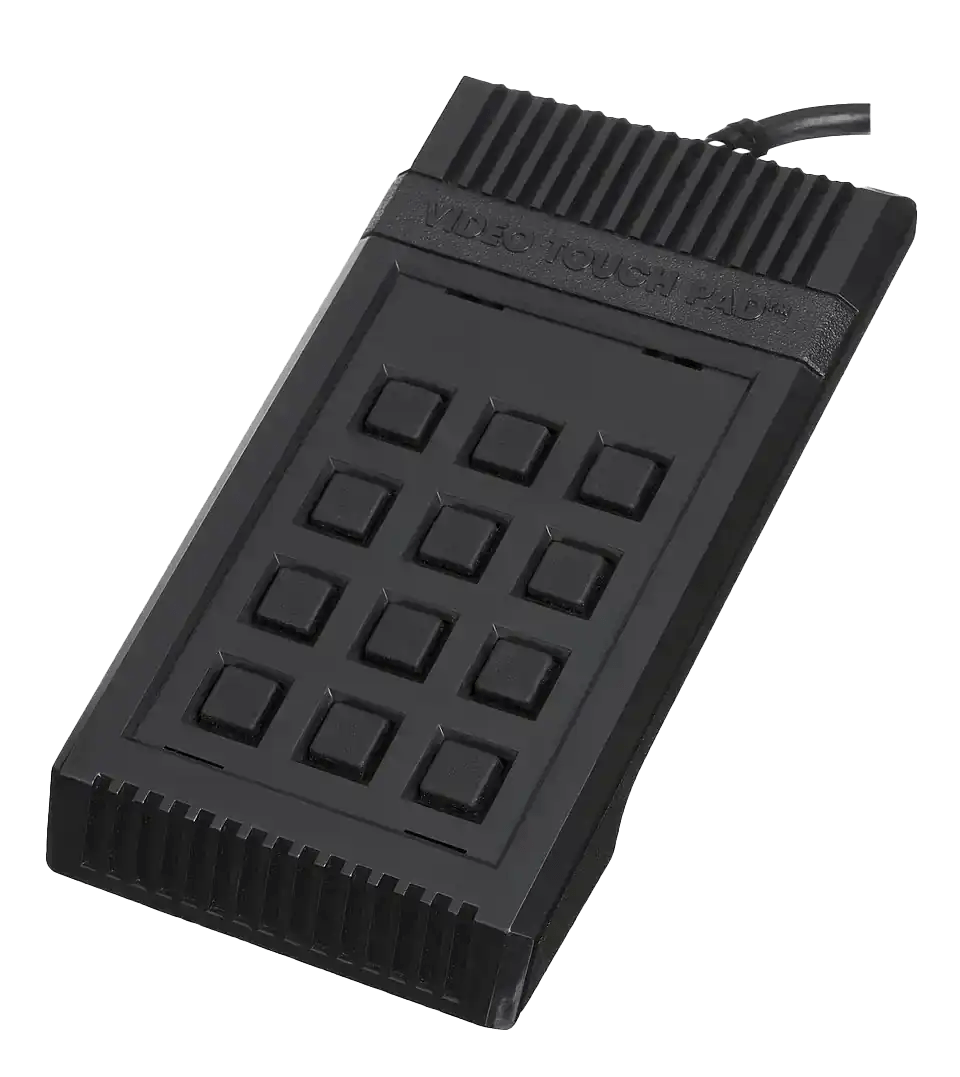
Control is not exclusively via the conventional joystick, but also via the included “Video Touch Pad.” This unusual input device takes on the role of an on-board computer and allows the player to switch between different system views, select weapon modes, and make course corrections. The combination of both control devices takes some getting used to at first, but contributes significantly to the depth and immersion of the game. Players had to learn to switch between control modes and coordinate multiple systems simultaneously, which made the gaming experience much more intense than many other titles on the console.
This extraordinary combination of navigation, resource management, strategic planning, and real-time combat made Star Raiders one of the most complex and ambitious titles of its time. Players were not only required to aim precisely, but also to think strategically under pressure, use energy wisely, manage systems efficiently, and always keep track of the overall situation. The challenges grew with each round, and only those who could combine both quick action and clever planning had a realistic chance of securing the galaxy and permanently banishing the Cylon threat.
Technology
The technical implementation on the Atari 2600 was a remarkable undertaking that highlighted how much creative energy went into game development at the time. The 2600 was primarily designed for simple 2D action games such as “Space Invaders” or “Pitfall!” and had only 128 bytes of RAM and a CPU that could barely handle complex calculations. In direct comparison, the Atari 8-bit home computers on which the original Star Raiders game ran offered significantly more power in terms of memory, graphics, and sound capabilities. Porting the game to the much weaker console seemed almost impossible to many.
But developer Doug Neubauer, who had already programmed the original, took on the challenge. His technical understanding and familiarity with the source material allowed him to develop a version for the Atari 2600 that was simplified in many respects but still retained the spirit and mechanics of the original. It was a balancing act between technical limitations and playful vision.
Some of the technical features of this port illustrate its ingenuity:
- The first-person view of the space battles was achieved using clever raster effects and skillful programming to create a sense of movement and depth.
- The galaxy map and cockpit were reduced to simple symbols and abstract shapes, but remained functional and provided the player with the necessary orientation.
- A separate keypad extension (“Video Touch Pad”) was included with the game to enable the complex controls. This solution was unusual for console games of the time and demonstrated the high standards of the title.
- The graphics and sound effects were impressive for the time: visual elements were used efficiently, and even with few sound channels, it was possible to create warning signals and hit sounds that contributed to the atmosphere.
In addition, every byte of the game was used as efficiently as possible. Variables were used multiple times, memory areas were dynamically adjusted, and routines were reduced to the absolute minimum without compromising the quality of the game. Today, this type of programming is considered a prime example of optimized code on limited systems.
Trivia and special features
- Star Raiders was one of the few games for the Atari 2600 that could not be played with the standard joystick alone. The included Video Touch Pad was essential for navigating through the game systems, as it enabled the complex operation of the various on-board functions. This accessory was not only functional, but also an indication of the game’s advanced nature.
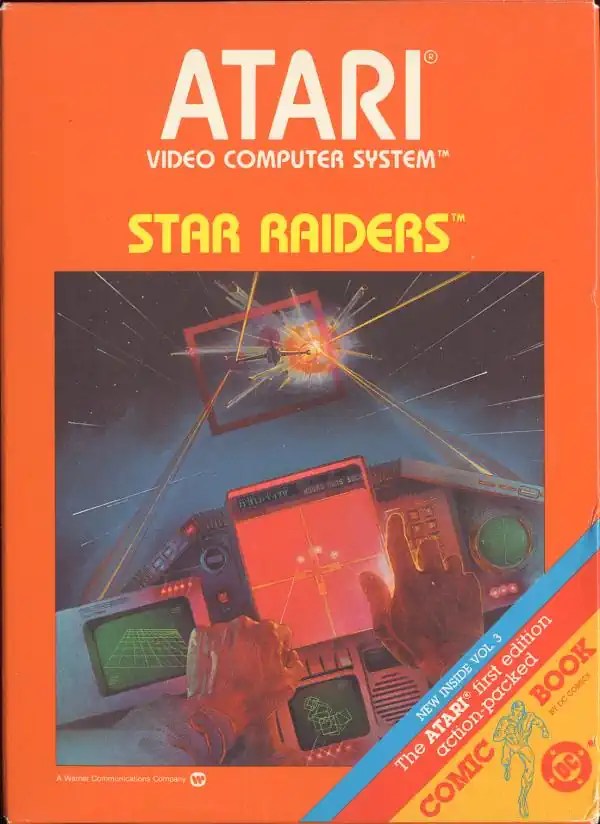
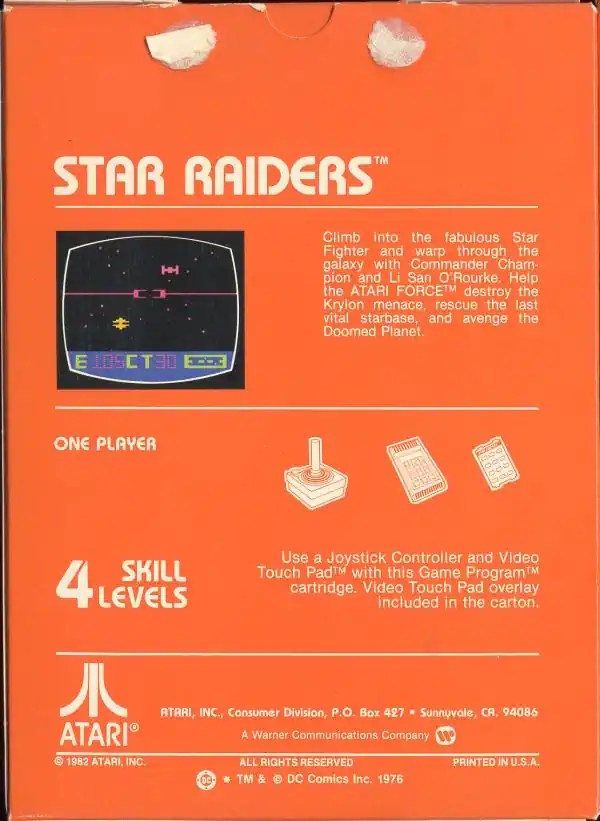
- Due to the additional accessory, the game’s packaging was significantly larger than other Atari titles, which made it stand out in stores. The larger packaging was not only intended to accommodate the touch pad, but also to signal to buyers that this was a special, technology-intensive gaming experience.
- The game did not save scores or high scores, but offered an evaluation at the end of each mission in the form of a rank – an early type of reward system that motivated players to improve their performance. Depending on their success, players could rise to a higher rank, which created a certain replay value and was an innovative solution for long-term motivation at the time.
- The term “Cylons,” which was used for the enemy ships, was a clear reference to the popular science fiction series Battlestar Galactica. This reference was immediately recognizable to fans of the series and added an extra layer of pop culture to the game.
- Despite the challenging gameplay mechanics, no detailed instructions were provided, forcing many players to figure out the game for themselves. This gap led to the formation of a kind of informal knowledge community among players, where tips, tricks, and strategies were exchanged—an early example of collaboratively developed game understanding, long before online forums or wikis existed.
Criticism at the time
When it was released, Star Raiders was received with mixed reviews on the Atari 2600. On the one hand, the trade press and many players praised the remarkable depth of the gameplay and the ambitious technical implementation of a complex game on comparatively weak hardware. Particular praise was given to the strategic complexity, which was unusual for a console game, the atmospheric design of the space battles, and the high replay value resulting from the varying attack formations of the enemies. Many reviewers saw the game as a bold step away from pure action towards more depth and predictability, which was by no means a given at the time.
At the same time, criticism was not lacking. Reviewers often criticized the greatly simplified graphics, which lagged significantly behind the 8-bit template and did not offer the player the same level of detail. The controls were also frequently described as unintuitive. The interaction between the joystick and the additional video touch pad presented a barrier to entry for many casual gamers. The unfamiliar controls required a certain amount of familiarization that not every player was willing to invest. This technical complexity made the game difficult to access and required a certain amount of familiarization time to grasp the game in its entirety.
Some magazines at the time praised the game for its ambitions, but also noted that it was aimed more at hardcore gamers who were willing to learn the game’s idiosyncrasies. Players who came from the arcade scene were sometimes overwhelmed by the strategic demands or quickly lost interest. Nevertheless, over time, discussions and tips about the game developed in fan magazines and at trade fairs, which contributed to a growing community.
Despite these limitations, “Star Raiders” developed into a cult game with a loyal fan base. The combination of innovative spirit, playful depth, and the courage to embrace complexity meant that the game repeatedly appeared in best-of lists over the years. In later years, it was often credited as a pioneer for more complex console games and is still considered a successful example of how sophisticated concepts could be implemented even on technically limited systems. The ambition at the time to offer more than just entertainment has made Star Raiders a lasting monument in video game history.
Cultural influence
Even though the Atari 2600 version did not achieve the cult status of the technically superior original, it still made a significant contribution to the development of the sci-fi genre in the home console sector. It impressively demonstrated that even on a technically limited platform such as the Atari 2600, ambitious concepts could be implemented that went far beyond simple arcade gameplay. Star Raiders inspired an entire generation of players and developers to explore topics such as space travel, tactical combat, resource management, and open game worlds. The combination of strategic navigation and direct combat in particular was perceived as visionary and had a lasting influence on the genre.
The game was a precursor to later titles such as Elite (1984), Wing Commander (1990), and Star Fox (1993), which also combined elements of space combat, dynamic world maps, and tactical freedom of choice. Basic ideas from “Star Raiders” can also be found in modern space simulations such as “No Man’s Sky” and “Star Citizen.” The idea of an on-board computer with selectable systems that the player must actively manage is found in many modern sci-fi games today and is now considered a natural part of such games. Its influence extends beyond video games and has also shaped other media, such as sci-fi films and series, in their depiction of spaceships and their interfaces.
The name “Star Raiders” has remained anchored in pop culture over the years. The original game was re-released in several Atari compilations for new systems, underscoring its legendary status and making it accessible to a new generation. A reboot for the Xbox 360 was released in 2011, but despite modern technology, it failed to live up to its former glory and fell short of commercial and critical expectations. Nevertheless, the game remains an integral part of Atari’s history and is still highly regarded among retro fans today – not only for its gameplay value, but also as a symbol of an era in which visionary concepts were often realized with the simplest of means.
Conclusion
Star Raiders for the Atari 2600 is a remarkable testament to the creative power of early video game developers. It attempts to deliver a gaming experience that was unusually complex for consoles of the time – with strategic elements, resource management, a fictional galaxy, and action-packed space battles that together created an immersive game world rarely seen before on consoles of this generation. In particular, the interplay of tactical overview and immediate action in combat gave the title a high degree of playful depth.
Although the game had to make visible compromises due to the technical limitations of the Atari 2600, it still managed to preserve the heart of the original. Graphics and sound were reduced, but the innovative gameplay and the feeling of a galactic threat remained palpable. For players who were willing to grapple with the complex controls, it offered a depth that was otherwise only achieved by home computer games of the time. These players found Star Raiders to be a challenging, almost simulation-like experience that redefined the limits of what could be expected on a console.
Today, it is considered a milestone in early console gaming and a pioneer of a genre that would grow enormously in the following decades. Not only did it inspire other titles within the sci-fi genre, but it also showed that console games could be sophisticated and complex. For retro enthusiasts, it is a fascinating piece of gaming history – a title that evokes nostalgia and commands respect for the technical ingenuity of its time. For collectors, it is a technically sophisticated rarity with special significance, preserving the spirit of an era in which creative visions were realized despite technical hurdles.
More
Box and Cartridge

Longplay
External links
Keywords: Atari 2600 Star Raiders, Star Raiders Atari 2600 gameplay, Atari 2600 space combat game, Doug Neubauer Star Raiders, 1982 Atari 2600 game review, Retro console space simulation game, Early sci-fi videogame history, Star Raiders game for Atari 2600 review 1982, how Atari 2600 handled complex gameplay, history of space combat games on consoles, influence of Star Raiders on modern space sims, Atari 2600 technical limitations RAM 128 bytes CPU 1.19 MHz, joystick plus Video Touch Pad accessory Atari 2600, Cylon reference in Star Raiders Atari version
Hashtags: #Atari2600 #StarRaiders #RetroGaming #SpaceCombat #80sGames #GamingHistory #Atari #RetroConsole #GameReview #VintageVideoGames #DougNeubauer #SciFiGames #ClassicGaming







Kommentar verfassen