

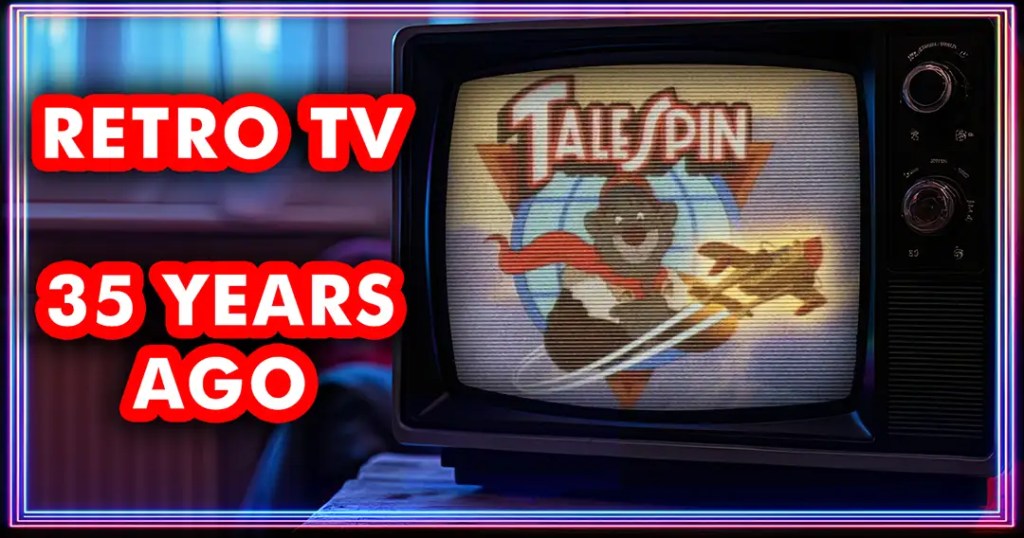
Friends for life through thick and thin
with another tale to spin.
A Forgotten Dieselpunk Classic
In the early 1990s, television experienced a golden age of creatively produced animated series that still evoke nostalgic feelings today. It was an era in which Disney began to explore new directions, moving away from traditional fairy tale narratives and embracing experimental formats with original worlds and characters. One such series is Disney’s TailSpin, which first aired in the U.S. in 1990 and quickly became a cult favorite among Disney fans. The show combined classic adventure structures with humorous dialogue, expressive characters, and an unmistakable retro flair – set in a fascinating world of skies, machinery, and a touch of pulp fiction romance. It was both an homage to the golden age of aviation and a creative platform for themes such as friendship, courage, and personal responsibility. Despite running for only one season with a total of 65 episodes, TailSpin still holds cult status and is considered an underrated gem in Disney’s animation portfolio.
One City, One Pilot, One Big Adventure
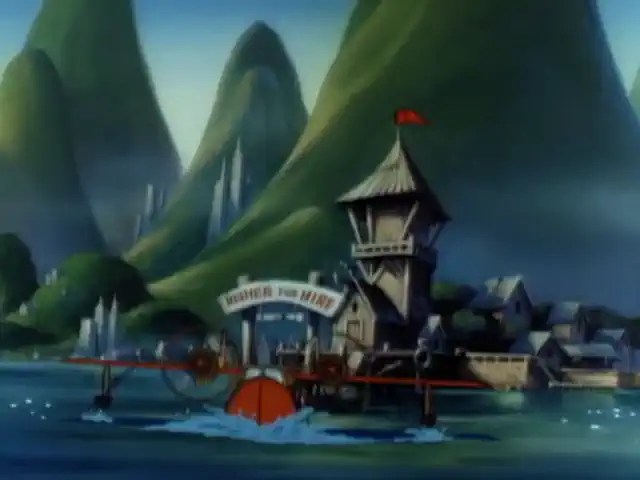
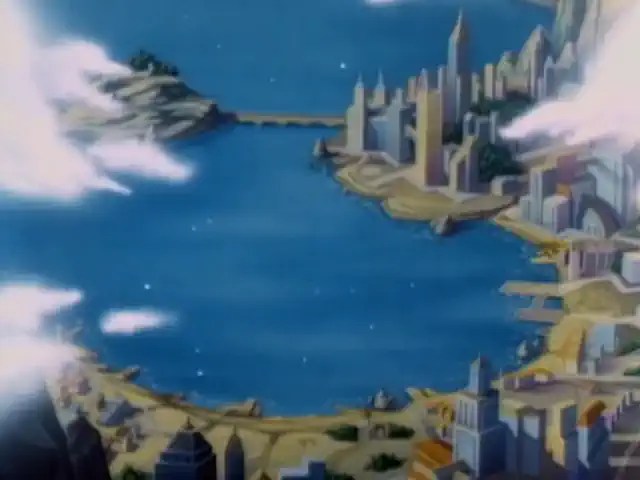
TailSpin is set in a vividly imagined fictional world inspired by the 1930s, a time of economic upheaval, industrial advancement, and the romanticized golden age of aviation. It follows the thrilling and often humorous adventures of the good-natured but somewhat lazy pilot Baloo the Bear, who makes a modest living as a cargo flyer in the bustling harbor city of Cape Suzette. This city, protected by towering cliffs and patrolled skies, serves as a hub of commerce, intrigue, and constant motion. Its bay is teeming with dock workers, skyports, bustling marketplaces, and an eclectic population that reflects the cosmopolitan vibrancy of a pre-war world. Baloo, once a pilot in the so-called “Air Pirates Defense,” now flies freelance missions for the small but ambitious cargo company Higher for Hire, which is owned and managed by his friend and unlikely business partner, Rebecca Cunningham – a pragmatic and sharp-witted entrepreneur with big dreams and little patience for Baloo’s laid-back attitude.
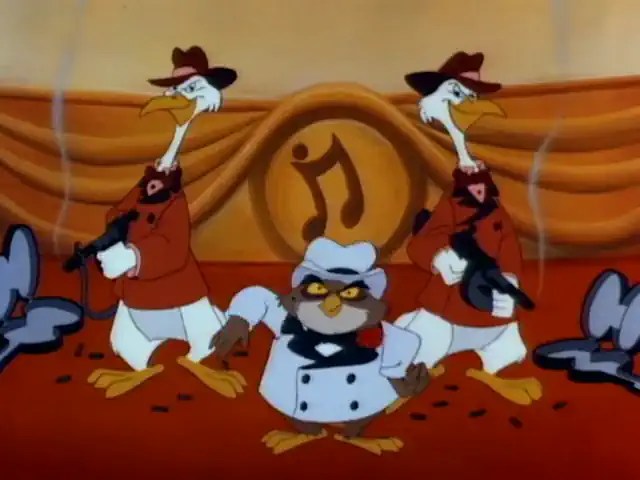
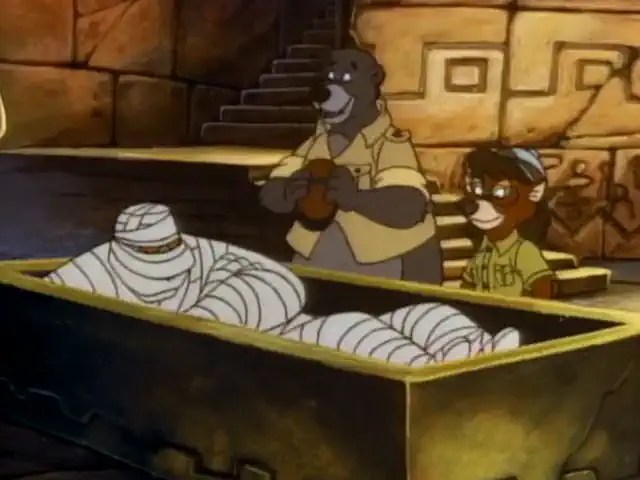
Together with Rebecca’s imaginative young daughter Molly, the inventive and fearless sky-surfing mechanic Kit Cloudkicker, and the lovable but eccentric maintenance expert Wildcat, Baloo becomes an accidental hero and key figure in the airborne community of Cape Suzette. Each episode sees the crew embark on sky-high escapades involving smuggling, treasure hunts, perilous deliveries, espionage, and daring rescues – often traveling to mysterious islands, remote outposts, and international air fairs. Their routes bring them into contact with a variety of memorable characters: royalty in disguise, eccentric inventors, mob bosses, and even misguided heroes. All the while, they must navigate the shadowy influences of corrupt corporations like Khan Industries and the constant threat of the Air Pirates, a ragtag gang of sky bandits led by the flamboyant, melodramatic, and often surprisingly cunning Don Karnage.
What sets TailSpin apart is not just its high-flying action, but the emotional and moral resonance that grounds each story. Themes of loyalty, responsibility, friendship, integrity, and courage are woven through every plot, offering both entertainment and meaningful reflections. The relationship between Baloo and Kit, for instance, evolves into a touching surrogate father-son dynamic, providing both humor and heart, and serving as the emotional anchor of the show. Baloo’s mentorship—often clumsy but always sincere—gives Kit a sense of belonging and security, while Kit’s youthful energy and boldness help Baloo find purpose beyond his own comfort zone.
Meanwhile, Rebecca’s efforts to balance motherhood and entrepreneurship lend the show a dose of realism rarely seen in animated series of its time. Her character embodies the challenges of single parenthood, leadership in a male-dominated industry, and the pursuit of dreams against the odds. Molly often represents the unfiltered innocence and curiosity of childhood, and even her imaginary superhero alter ego, Danger Woman, adds layers of comic relief and subtle commentary on how children process the adult world.
Between daring flight maneuvers, bizarre customers ranging from royalty to criminals, convoluted business rivalries, and a rotating cast of colorful allies and villains, TailSpin offers a narrative as layered and dynamic as its richly animated skies. It’s a show that effortlessly blends pulp adventure with heartfelt storytelling, mixing fantasy and familiarity to create a world that is at once exotic and deeply relatable. Its legacy endures not only because of nostalgia but because of the timeless values and imaginative escapism it delivers through every cloud-chasing journey.




Disney Icons with Depth
The characters are mostly anthropomorphic animals, loosely based on well-known Disney characters, especially from The Jungle Book:
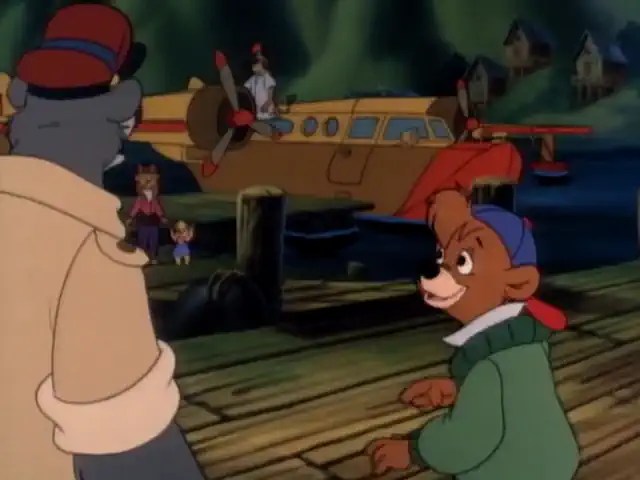
- Baloo – The lovable slacker with a heart of gold and a natural talent for flying. A reimagining of his Jungle Book version, here as a passionate pilot with a laid-back attitude.
- Kit Cloudkicker – Baloo’s young co-pilot with daring sky-surfing skills. A mix of street kid and thrill-seeker.
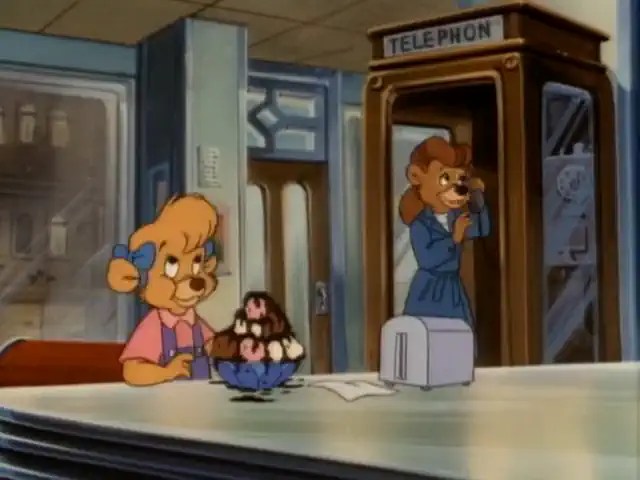
- Rebecca Cunningham – A savvy businesswoman and single mother who tries to bring order to Baloo’s chaotic lifestyle.
- Molly Cunningham – Rebecca’s imaginative daughter, often stealing the show with her creativity and curiosity.
- Wildcat – The eccentric and gentle mechanic of Higher for Hire. Wildcat is known for his unconventional logic, mechanical genius, and childlike innocence. Despite his quirks, he often saves the day with unexpected brilliance.
- Louie – The laid-back, jazz-loving orangutan who owns the island bar „Louie’s Place.“ A friend of Baloo, he provides comic relief and valuable information during many of Baloo’s missions.
- Shere Khan – Reimagined from The Jungle Book, Shere Khan is portrayed as a ruthless and powerful business tycoon who runs Khan Industries. He represents cold corporate power, always calculating and rarely emotional.
- Don Karnage – The slick and flamboyant antagonist who constantly plots schemes with his band of air pirates.
The characters stand out due to their diversity, unique quirks, and clear moral compasses – typical for Disney, but with surprising depth.


A Example of Dieselpunk
Although TailSpin is rarely explicitly labeled as Dieselpunk, the series is considered by genre fans to be a textbook example of the aesthetic and thematic qualities that define the genre. Dieselpunk refers to a retro-futuristic subgenre heavily influenced by the interwar period, blending industrial design, Art Deco aesthetics, early aviation, and speculative technology. It often includes a gritty, adventurous tone and explores the complex intersection of progress, power, and personality during a time of great technological and societal transition.
TailSpin embodies this genre nearly perfectly, and does so in ways that feel both deliberate and seamlessly integrated into its cartoon narrative:
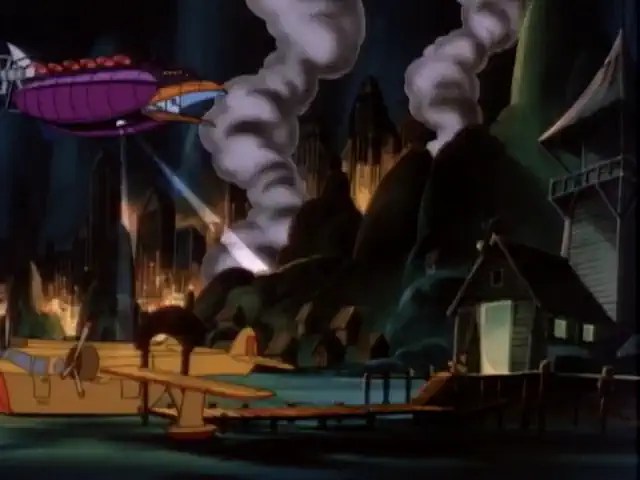
- Setting: The city of Cape Suzette resembles a tropical version of San Francisco infused with strong Art Deco influences – towering skyscrapers with geometric façades, neon lights, and a massive cliff wall that serves both as visual spectacle and a narrative barrier against sky pirates. The city feels alive, buzzing with seaplanes, jazz clubs, radio towers, and harbor-side activity.
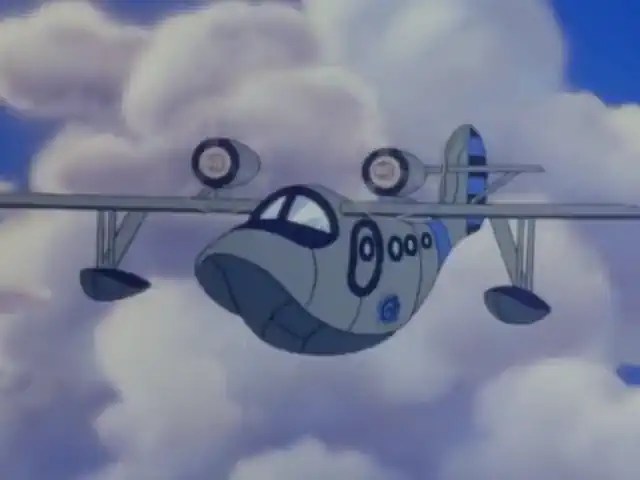
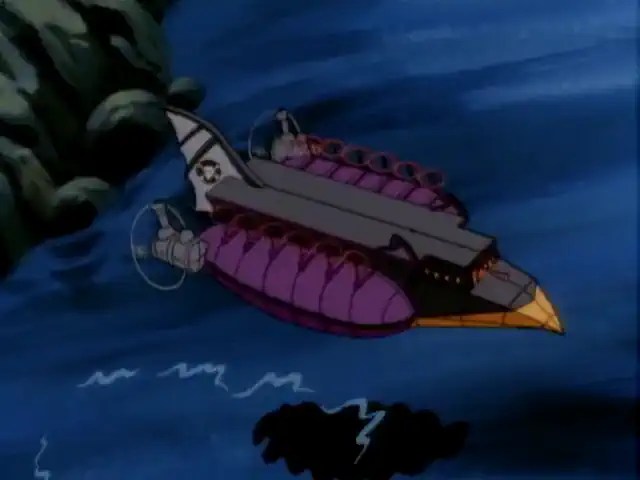
- Technology: Propeller planes, vacuum tubes, airships, analog radios, piston engines, and towering industrial complexes dominate the landscape – all with a slightly exaggerated retro flair that hints at alternate history. The Sea Duck, Baloo’s hybrid cargo seaplane, exemplifies this blend of real-world aviation and imaginative, tech-forward engineering.
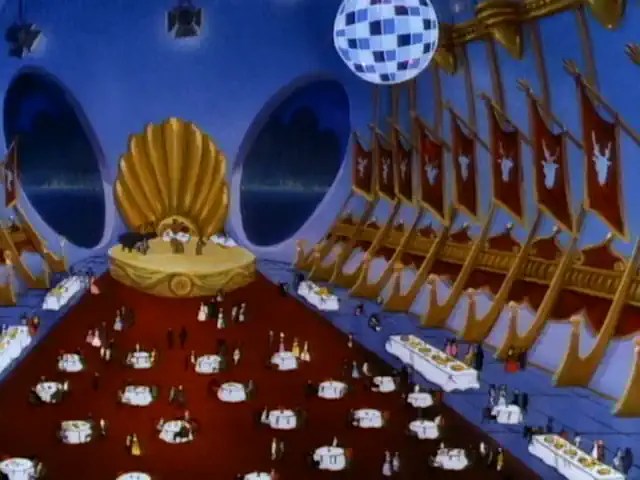
- Style: From tailored pilot jackets and goggles to pin-up posters and maritime signage, the visual cues harken back to the 1930s aesthetic. The characters move through a world filled with trench coats, fedoras, art deco interiors, and jazz-infused nightlife, echoing the visual richness of noir cinema and pulp adventure covers.
- Themes: Adventure, commerce, air piracy, organized crime, and the tension between personal freedom and bureaucratic control define many of the episodes. Colonial and geopolitical undertones (especially with fictional nations like Thembria) offer subtle commentary on the imperialistic attitudes of the era. There’s also a strong sense of the individual versus the system – a core narrative motif of Dieselpunk fiction.
In short, TailSpin doesn’t just flirt with Dieselpunk – it immerses viewers in a fully realized world that celebrates the thrill and danger of early aviation, filtered through a lens of humor and stylized adventure.






Trivia and Curiosities
One of the more debated aspects of the series surrounds its final episode, „Flying Dupes.“ The episode was originally intended to be the series finale and involves Baloo unknowingly delivering a package that turns out to be a bomb meant to assassinate a foreign dignitary. Due to its sensitive political content and implications of terrorism, the episode was pulled from the U.S. broadcast schedule shortly after airing and was excluded from many syndicated rerun packages. For years, it was considered a „lost episode“ by fans in North America, although it continued to air in some international markets. The controversy surrounding „Flying Dupes“ has since become a topic of interest among animation historians and Disney collectors, highlighting the tension between creative storytelling and the boundaries of acceptable content in children’s programming.
The show was originally pitched with Launchpad McQuack (from Darkwing Duck) as the lead character, with the premise centering around a wacky bush pilot navigating a dangerous world of cargo delivery and air piracy. However, the creators later decided to shift the focus to Baloo, reimagining him in an entirely new context separate from his Jungle Book origins. This change opened the door to a broader, more stylized narrative world that could blend established Disney charm with adventurous, genre-rich storytelling.
Many of the show’s characters are in fact reimagined versions of familiar Disney figures, especially from The Jungle Book. While they retain some of their core personality traits, their roles, motivations, and even social positions are completely transformed to fit the airborne, industrial world of TailSpin. This creative repurposing gave the series a unique blend of nostalgia and novelty, appealing to both children and older viewers who appreciated the clever reinvention.
Baloo’s iconic aircraft, the Sea Duck, deserves special mention. Loosely inspired by real-world seaplanes such as the Grumman G-21 Goose or the Consolidated PBY Catalina, the Sea Duck was designed with exaggerated, whimsical features to reflect the show’s mix of realism and cartoon flair. It became an emblem of the series – a rugged, reliable, and slightly battered machine that matched Baloo’s personality to a tee.
The series itself comprises 65 episodes, all produced within a single year as part of Disney’s ambitious „Disney Afternoon“ programming block. Despite this compressed production schedule, the animation and storytelling remained consistently high in quality, and the episodes were rotated in syndication for several years afterward, giving them lasting visibility and impact.
Adding to its cultural footprint, TailSpin was adapted into a Nintendo Entertainment System (NES) video game, which transported the show’s high-flying antics into side-scrolling platform gameplay. While relatively simple by modern standards, the game was well-received at the time and is now considered a cult classic among retro gamers, further cementing TailSpin’s enduring appeal across media formats.
Praise and Skepticism
When TailSpin premiered in 1990, it was generally well received by critics and audiences alike. Viewers were quick to appreciate the show’s animation quality, its imaginative and richly textured world-building, and a cast of characters that managed to be both charming and complex. It stood out in the Disney lineup at the time, which had typically leaned more toward fairy tale and musical storytelling.
Critics praised the series for pushing creative boundaries. The use of a 1930s-inspired setting combined with high-flying action, moral nuance, and a satirical edge made it a unique entry among the more traditional Saturday morning cartoons. The dialogue was witty and often laced with adult humor that went over the heads of younger viewers but delighted parents and older fans. The story arcs, although episodic, sometimes touched on deeper themes like capitalism, loyalty, and the cost of adventure.
However, there were also mixed reactions from some Disney purists. They found the tone somewhat „un-Disney-like“ due to the absence of musical numbers and the inclusion of grittier visual and thematic elements. Some also noted that the show’s humor and occasional dark undertones could feel out of place in a lineup known for light-hearted tales.
Still, one element was universally acknowledged: the exceptional production quality. Compared to many contemporaries, TailSpin felt cinematic in its visual storytelling. Some episodes were so detailed in background art, character animation, and flight choreography that they resembled short animated features more than standard TV fare. This commitment to craft helped solidify TailSpin as a standout in early ’90s animation.
A Cult Hit
Today, TailSpin enjoys a modest but loyal cult following, particularly among enthusiasts of retro aesthetics, alternative animation history, and fans of genre-blending storytelling. The show has steadily grown in reputation thanks to its unique artistic vision and the rise in popularity of subgenres like Dieselpunk and Steampunk, which have since found devoted communities online and at conventions. As a result, TailSpin is now frequently referenced in discussions about early 90s television that broke away from formulaic storytelling and helped define the visual language of retro-futurism in mainstream animation.
The series has found a second life through modern digital platforms. It is now readily available on services such as YouTube and Disney+, making it easily accessible to new generations of viewers as well as nostalgic fans from the original run. The re-release has also sparked renewed interest in TailSpin-themed merchandise, including collectible figures, T-shirts, retro lunchboxes, and fan art that circulates widely across social media and fan forums.
Adding to the series’ growing legacy, characters like Kit Cloudkicker and Baloo made a surprise cameo in the 2022 reboot of DuckTales, which not only paid homage to the original series but also confirmed its place in a larger shared Disney universe. This crossover delighted long-time fans, introduced the characters to a younger audience, and sparked speculation about a possible reboot or continuation in the future. The cameo moment alone generated significant buzz across fan communities and even drew media attention, further cementing TailSpin’s status as a cult classic that refuses to be forgotten.
More Than Just a Kids’ Show
Disney’s TailSpin was ahead of its time: not a typical Disney series with musical numbers and fairy tale plots, but a bold foray into genre storytelling with atmosphere, world-building, and emotional depth. It took creative risks that distinguished it from its contemporaries, embracing a more cinematic tone, morally layered storytelling, and an aesthetic rarely seen in animated television of the era. Rather than follow traditional cartoon formulas, TailSpin leaned into pulp adventure tropes, richly developed environments, and a mature sense of humor that respected the intelligence of its audience.
The show blends pulp adventure, airborne action, and diesel-fueled aesthetics into a charming narrative that appeals to both children and adults – then and now. The dynamic between characters like Baloo and Kit captured a sincere emotional core, and the backdrop of sky piracy, mysterious islands, and industrial intrigue gave each episode a distinct identity. Its enduring appeal lies in its ability to be whimsical without being frivolous, and exciting without sacrificing emotional grounding.
Though TailSpin only lasted for a single season, it remains a fascinating piece of animated television history, rightfully remembered as a hidden gem of the Dieselpunk movement. It was a bold experiment that helped broaden the scope of what children’s animation could achieve. Anyone rediscovering it today will quickly see: these adventures are timeless – both a time capsule of creative ambition and a blueprint for how animation can be intelligent, daring, and deeply entertaining.





 McHenry's Lair
Kommentar verfassen :