

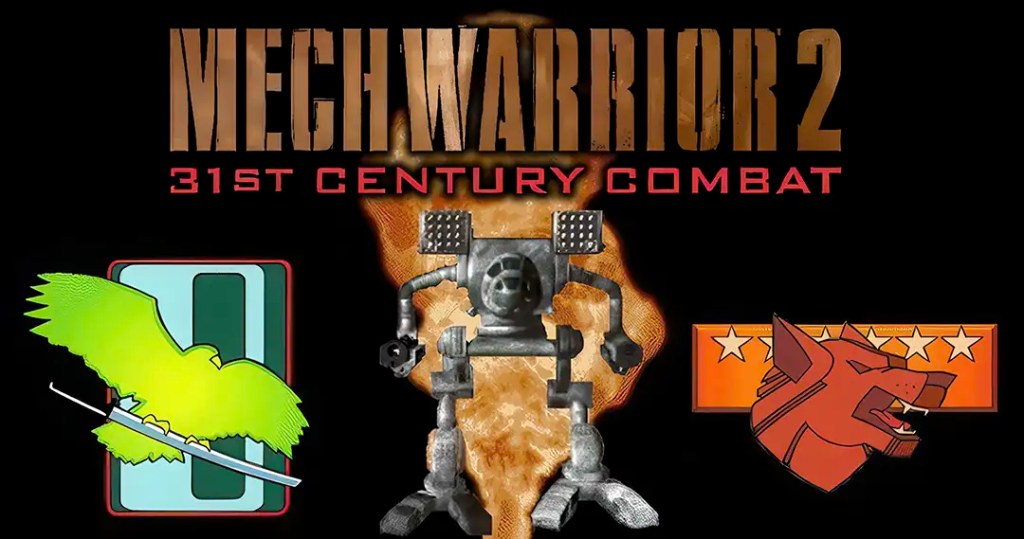
We are Jade Falcon, great among the Clans.
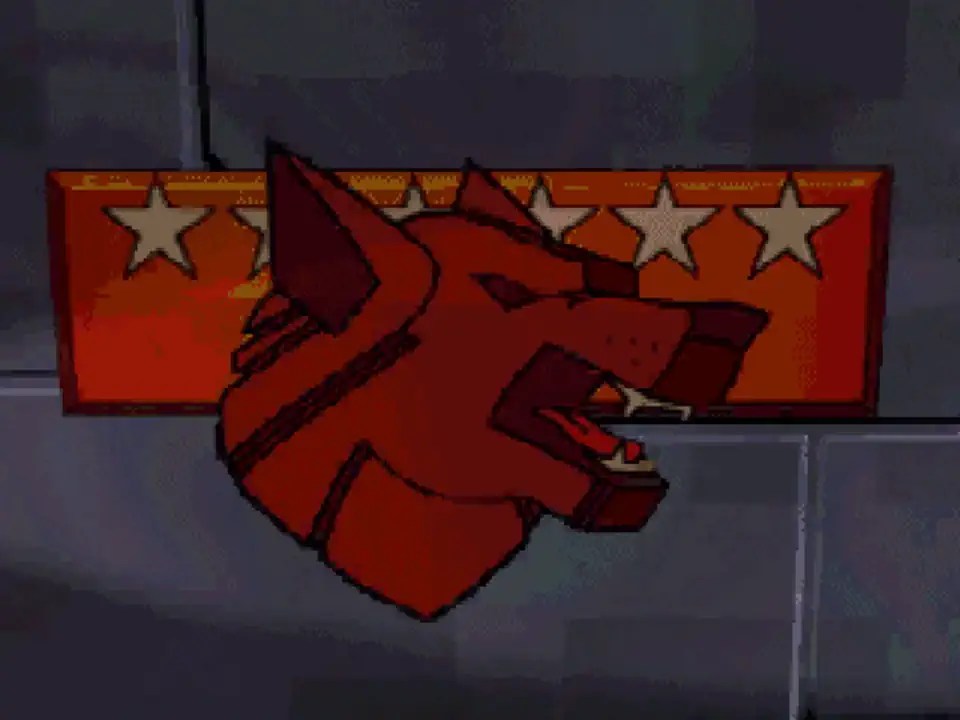
We are Clan Wolf, children of Kerensky.
The Mech Classic
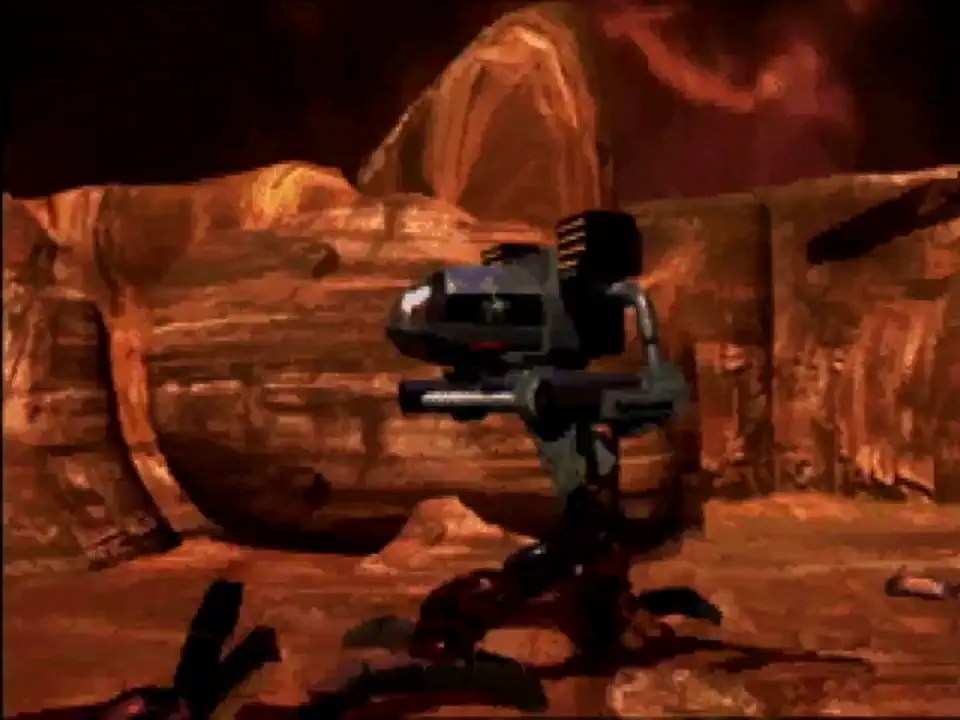
When MechWarrior 2: 31st Century Combat was released in 1995, it set new standards in the mech simulation genre. Developed by Activision, the game catapulted players into the conflict-ridden world of the BattleTech universe – into gigantic fighting machines waging war in the distant future. With its dark science fiction atmosphere and complex faction conflicts, it felt like a digital novel in which the player became the main character. Today, it is considered a milestone in gaming history – not only for fans of heavy machinery, but also for lovers of tactical action, complex simulations, and science fiction worlds who value a credible and detailed narrative world.
With its mix of realistic controls, exciting campaign, and technical innovation, MechWarrior 2 was an experience that thrilled players not only with its depth of gameplay, but also with its atmospheric presentation. The dense soundscape, orchestral soundtrack, and audiovisual presentation of the massive mechs gave the game an almost cinematic quality. The title represented a perfect symbiosis of lore, game mechanics, and audiovisual design—a total work of art that was far ahead of its time, both technically and narratively.
The BattleTech universe
“MechWarrior 2” is set in the fictional BattleTech universe, which was originally introduced in 1984 as a tabletop strategy game by FASA. This universe depicts a dark future in the 31st century, in which great noble houses – the Federated Suns, the Lyran Commonwealth, the Draconis Combine, the Capellan Confederation, and the Free Worlds League – fight for supremacy. These houses form the backbone of a feudal society in which political alliances, secret intrigues, and military conflicts shape everyday life. Economic dependencies, old rivalries, and dynastic claims to power reinforce the permanent state of unstable alliances. Instead of conventional military technology, so-called BattleMechs dominate here – two-legged war machines weighing up to 100 tons with immense destructive power. These Mechs are equipped with state-of-the-art technology, including precision energy beams, powerful autocannons, missile batteries, and complex sensor systems that make them dominant weapon platforms. They function not only as tactical units, but also as symbols of the pride and power of their respective factions. The pilots of these machines – the MechWarriors – are highly respected and undergo long, intensive training to meet the immense responsibilities and technical demands of their role.
At the heart of MechWarrior 2 are the Clans – genetically perfected warrior societies that return from a long exile in deep space to reclaim their ancestral territories in the Inner Sphere. These clans were originally founded by elite troops of the defunct Star League, who withdrew from the chaos of interstellar war to build a new, purer society. In their isolation, they developed their own culture with rigid rules, a complex caste system, and ritualized combat. The so-called Operation Revival marks a decisive turning point in BattleTech history, with the Clans striking with overwhelming technological superiority and tactical sophistication. Their mechs and weapon systems are more advanced than anything the Inner Sphere has to offer. Clan Wolf and Clan Jade Falcon, the two playable factions, embody different ideals and tactics: one pragmatic, flexible, and strategic, the other fanatical, proud, and uncompromising in its pursuit of superiority. These contrasts are what make the title so appealing in terms of narrative and gameplay, as they open up different perspectives on the conflict and encourage reflection on honor, identity, and cultural change.
More About BattleTech

40 Years of BattleTech
Since 1984, BattleTech has been one of the most impressive and long-lasting science fiction franchises, captivating a huge fan base with its unique blend of strategy, military realism and sci-fi elements.



Gameplay
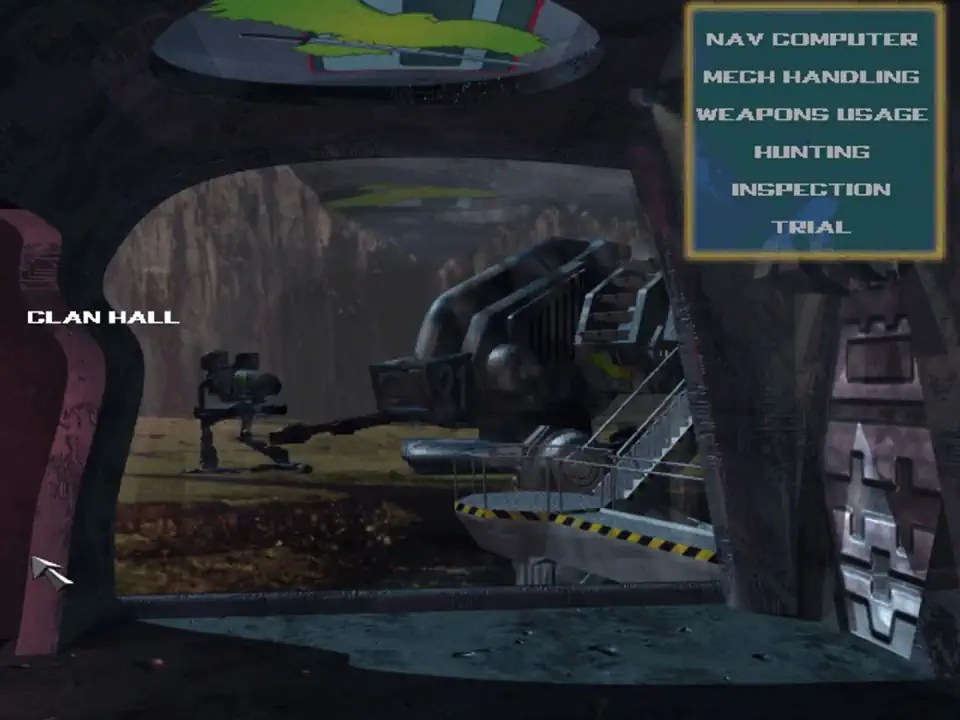
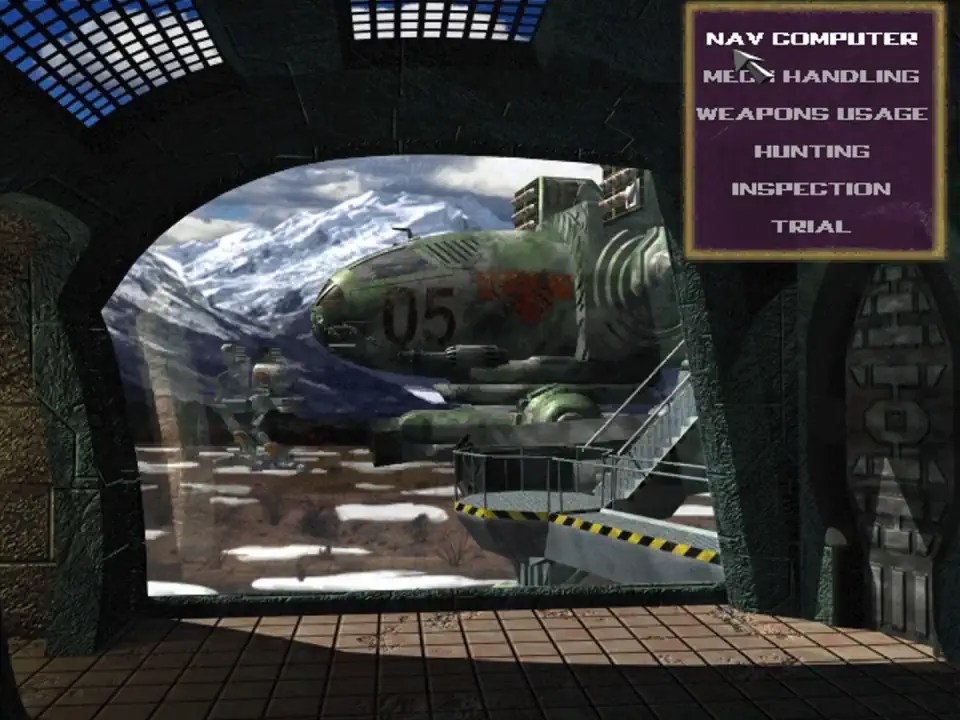
The game puts players in the cockpit of a BattleMech belonging to one of two rival clans – Clan Wolf or Clan Jade Falcon – during the events of the Clan Refusal War. The choice of clan not only influences the missions, but also the entire perspective on the conflict. Players are confronted not only with different objectives, but also with varying moral decisions, clan rivalries, and political motivations. Each clan has its own philosophies, priorities, and tactical approaches, which are also reflected in the mission briefings and the behavior of allies and enemies.
Each campaign consists of around a dozen missions with different objectives: base attacks, escort missions, reconnaissance, elimination of enemy leaders, or duels against other mech warriors in ritualized “Trials of Position.” There are also special missions such as sabotage, tactical retreats, and capturing key strategic positions. These varied missions require not only quick reflexes, but also strategic thinking, adaptability, and careful planning. Enemies often act dynamically, reacting to the player’s behavior and ensuring that missions never play out identically, even on second or third attempts.
The gameplay combines:
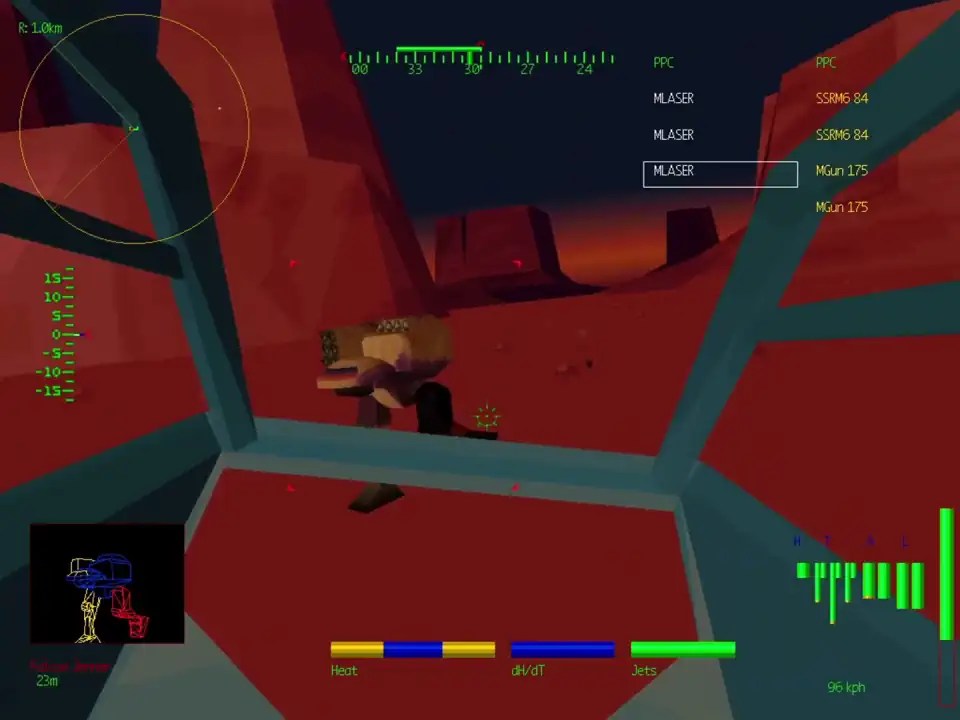
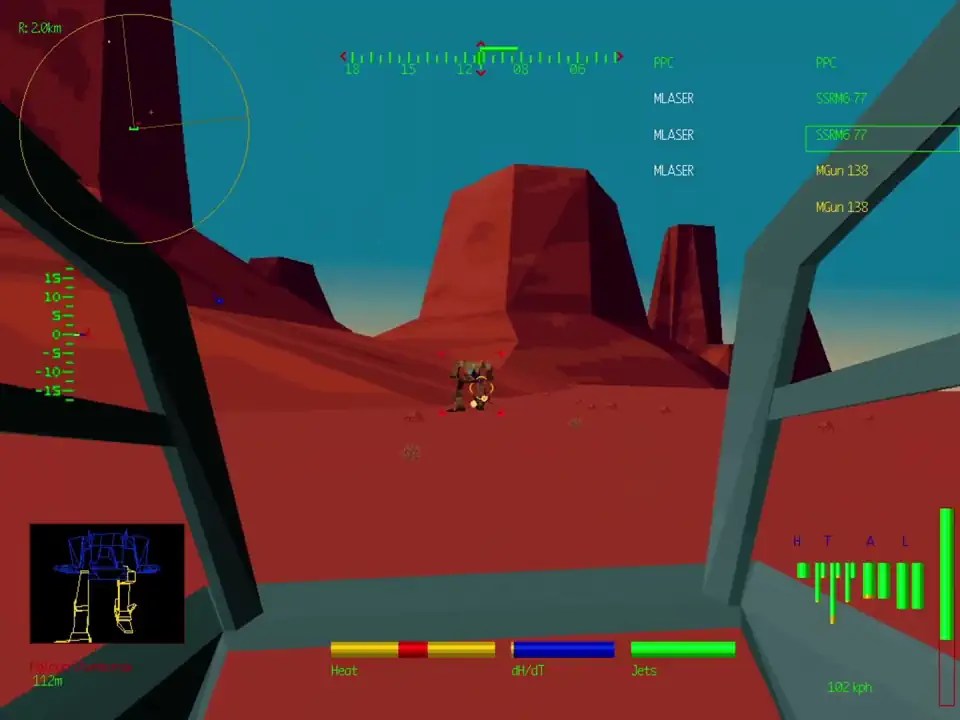
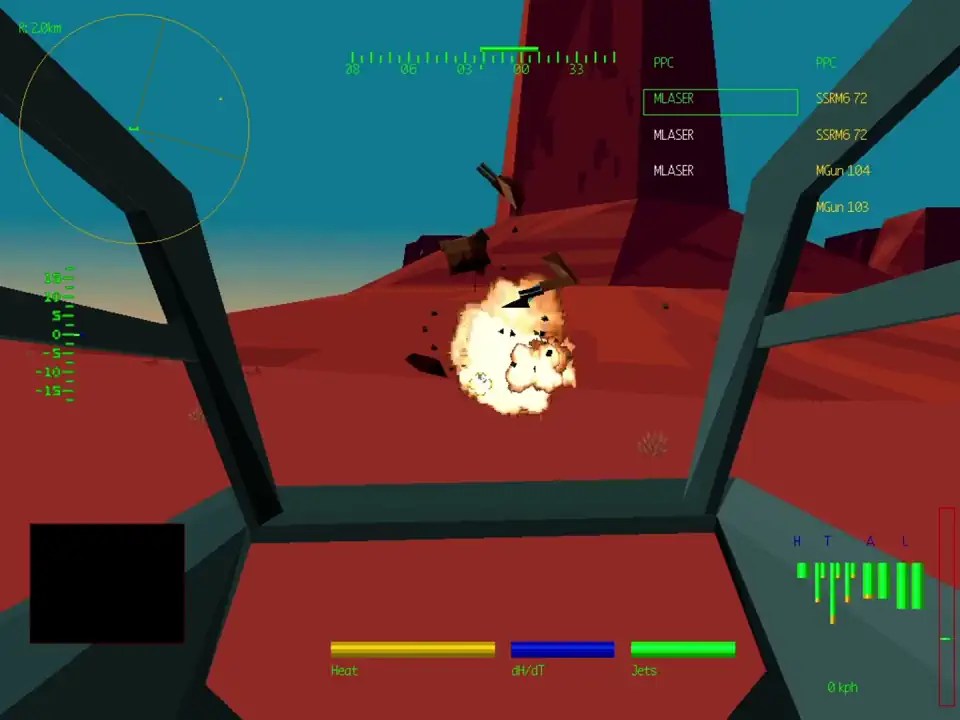
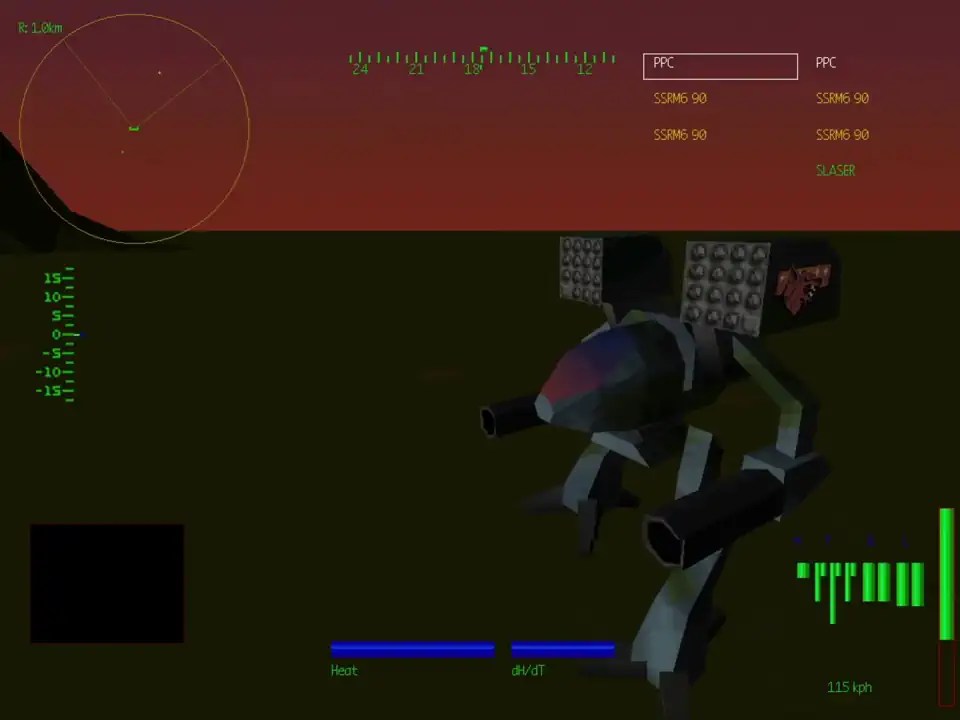
- Simulation elements such as heat management, ammunition management, energy management, damage zones, terrain interaction, and inertia
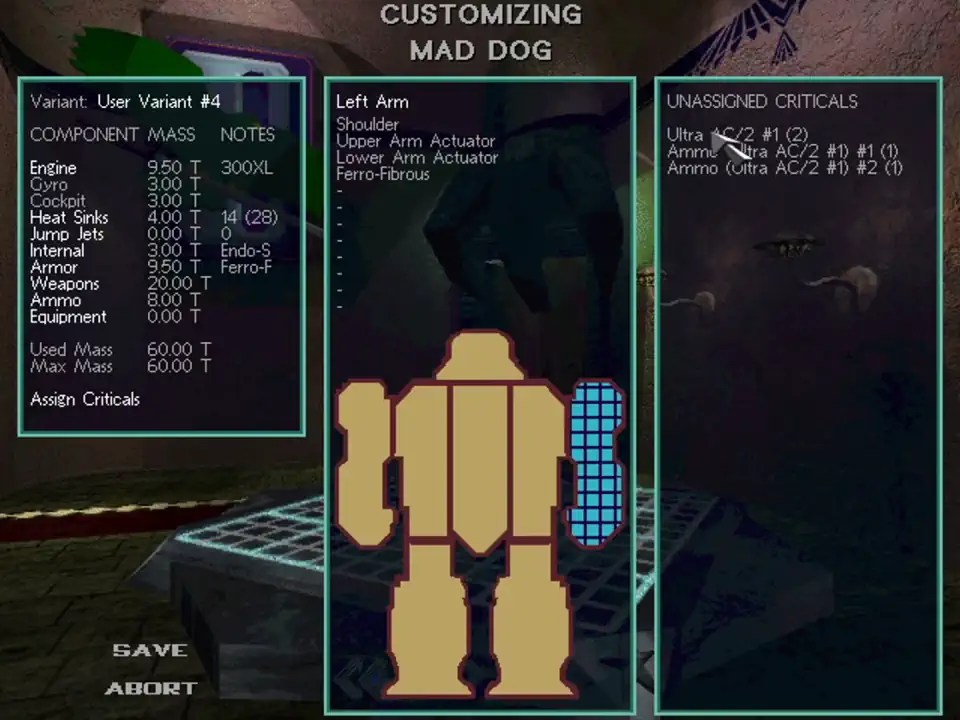
- Tactical freedom in the choice of weapon systems, armor, speed, cooling capacity, and sensor range through a sophisticated mech configuration system
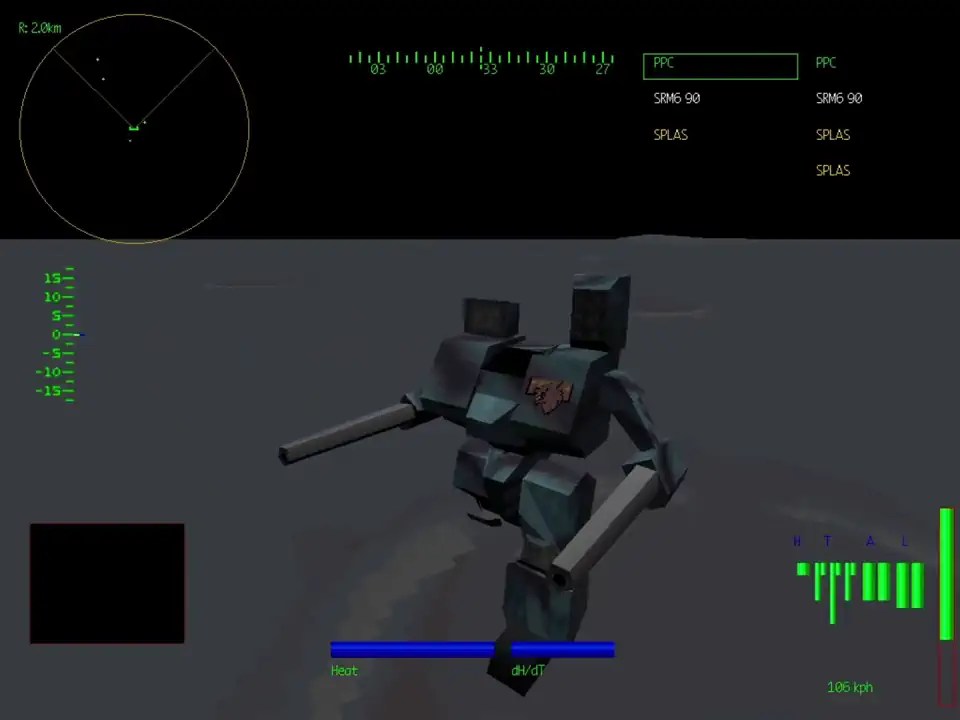
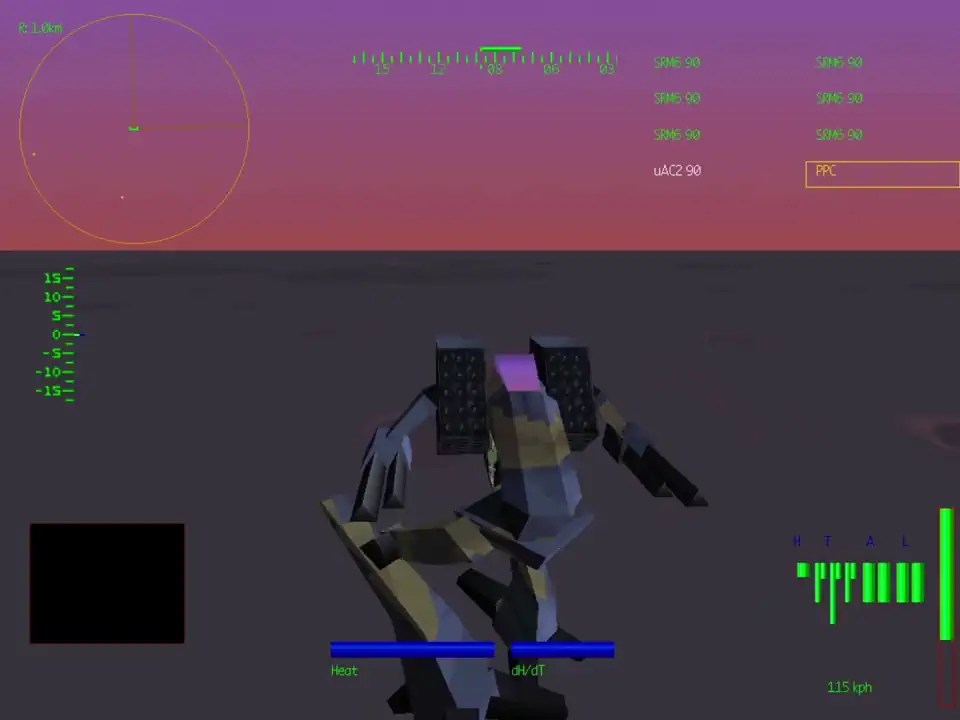
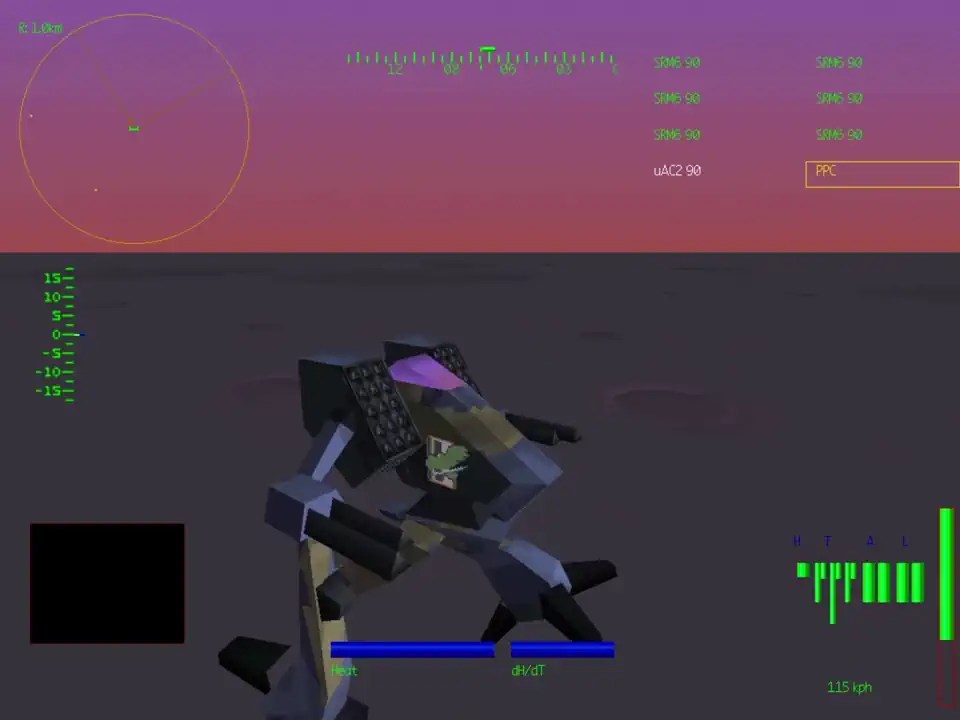
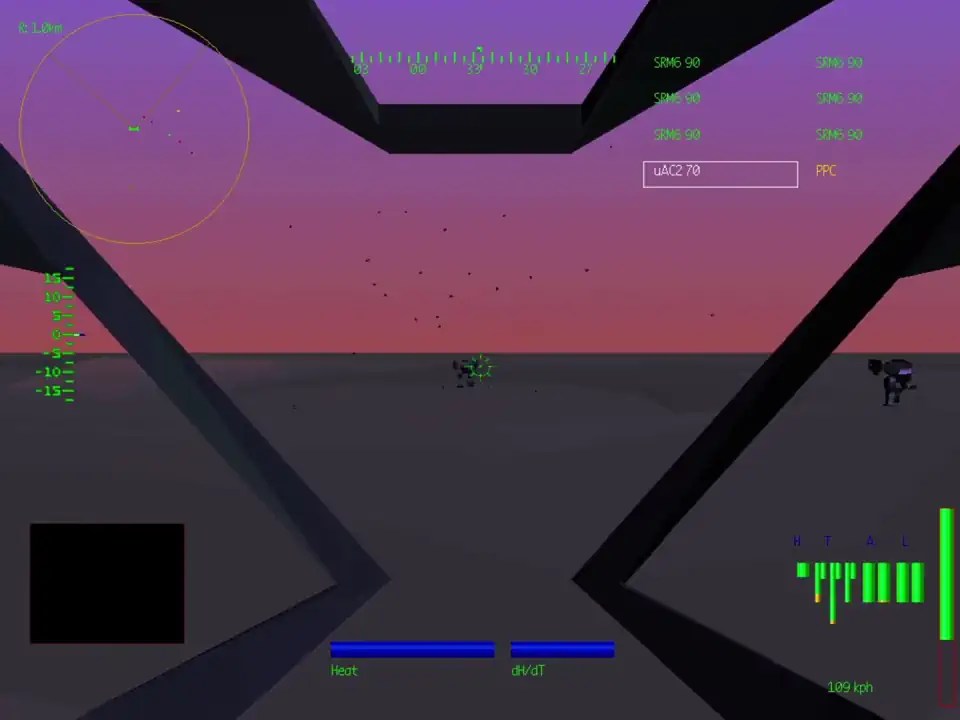
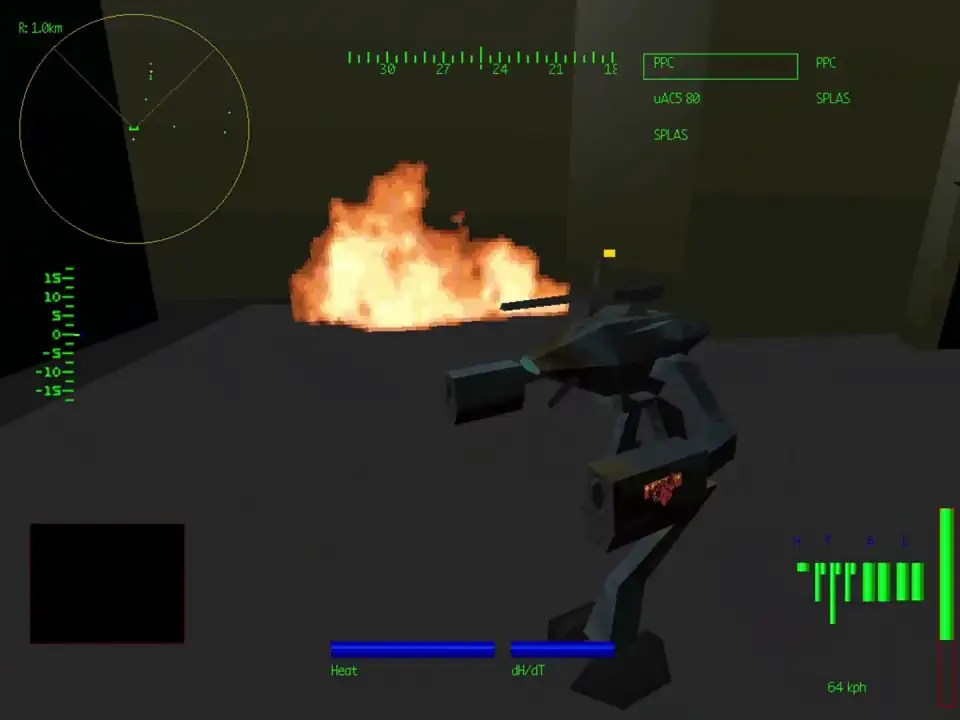
- Real-time 3D graphics that were groundbreaking at the time and created a realistic sense of size, weight, and threat for the first time
Players could customize their mechs down to the smallest detail – from rocket launchers to laser types, cooling systems to leg armor. The choice of map, time of day, or support vehicles could also have a decisive influence on the outcome of a mission. Successful gameplay required precise resource management, skillful movement across the terrain, and a good understanding of the range, dispersion, targeting, and heat generation of the weapons used. The learning curve was steep but rewarding – veterans developed individual tactics and preferred loadouts that they perfected over the course of campaigns.






Connection to the BattleTech universe
“MechWarrior 2” is deeply embedded in the BattleTech lore. Many of the characters, clans, and events come directly from the novels and sourcebooks that established the universe over the years. The game’s storyline is heavily based on the Clan Invasion books, particularly works such as “Blood of Kerensky” by Michael A. Stackpole and “Legend of the Jade Phoenix” by Robert Thurston. These novels not only provide names and locations, but also detailed insights into the ideology, culture, and strategic thinking of the clans. The stories serve as a framework within which the player can move without restricting narrative freedom.

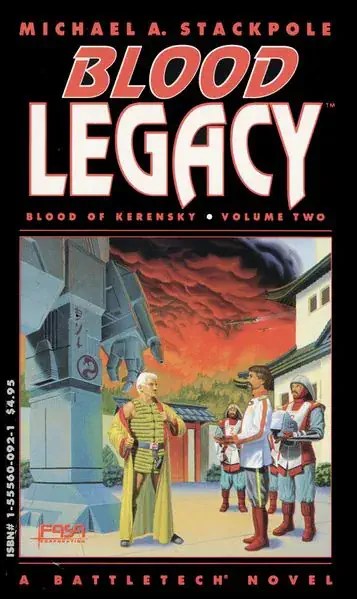
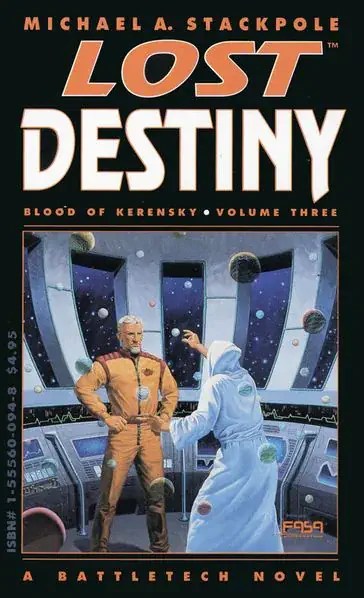
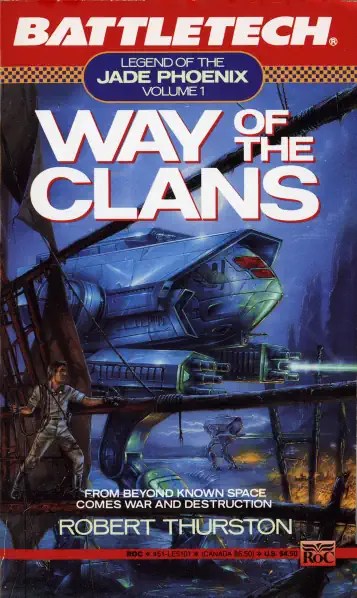


The game skillfully translates the dense narrative world into interactive missions. Each mission becomes not only a tactical scenario, but also a narrative hub that reflects the political and social reality of the BattleTech universe. The political complexity, the clans‘ code of honor, their rituals, and internal power struggles—all of this is brought to life in briefings, radio messages, mission objectives, and even the design of the environment. The clans pursue their own agendas, and these are reflected in the course of the missions – whether through rival warriors within their own clan or ideological tensions between factions.
For those familiar with the books, the game offered a reunion with familiar terms, concepts, weapon systems, Mech models, and even literary characters. Names such as Ulric Kerensky and Natasha Kerensky appear in the form of mentions or sources of inspiration for mission design. For newcomers, on the other hand, it offered a fascinating introduction to a credible, rich sci-fi universe that extends far beyond the game. MechWarrior 2 thus served not only as entertainment, but also as a bridge to BattleTech literature – a gateway to an epic world whose stories continue to resonate on many levels. The fusion of game mechanics and lore makes the experience unique and gives it a narrative depth that still inspires enthusiasm even years later.
Technology
For 1995, the technology of MechWarrior 2 was impressive and forward-thinking – not only for a simulation, but also in comparison to other action and strategy games of the era:
- True 3D graphics: Supported by OpenGL, DirectX, and later by 3dfx Voodoo cards, the game delivered remarkably smooth and detailed rendering of mechs, terrain, and explosions for its time. Even weather effects such as fog and light reflections added to the immersion.
- Full voice acting: Atmospheric radio announcements, briefings with voice actors, individual radio messages, and sound effects such as thunderous footsteps, impact sounds, and explosions made the game acoustically distinctive. The voices adapted dynamically to the action, adding to the drama.
- Dynamic soundtrack: Orchestral-electronic music composed by Jeehun Hwang changed depending on the situation – for example, when a battle escalated or a mission objective was achieved. The soundtrack contributed significantly to the cinematic effect and was widely praised.
- Physics system: Heat and damage models, realistic ballistics, and fall and collision behavior made every battle believable. The heat generated by individual weapon systems forced players to plan tactically, for example when switching between lasers and projectile weapons.
A particular highlight was the modular structure: players could customize their mechs, including weapon placement, armor distribution, reactor types, and cooling systems. This feature not only added depth to the game, but also helped players identify with their own “war machine.” Over time, each player developed personal preferences and tactics. This creative freedom and strategic diversity made every mission unique – each loadout could determine success or defeat and thus became part of the player’s identity.
Criticism at the time
The press was unanimous: “MechWarrior 2” was a technical and gameplay milestone that set new standards and left a lasting impression far beyond the boundaries of the genre.
- PC Gamer gave the game a score of 96%, calling it “a monumental experience” that impressed both hardcore simulation fans and newcomers with its atmosphere and strategic depth.
- Computer Gaming World praised the “impressive depth” and “extraordinary atmosphere” and compared the game’s narrative quality to that of the great science fiction franchises.
- GameStar particularly highlighted the “diverse mission structure” and the “almost cinematic staging.” The dynamic camera angles and intense soundscape were described as groundbreaking.
The graphics, sound design, and complex controls were rated particularly positively – even if the latter sometimes overwhelmed beginners. Nevertheless, the challenging interface was considered part of the appeal that forced players to grapple with the systems. Many critics saw MechWarrior 2 as the “more mature” counterpart to the more arcade-oriented action titles of the time. It was also praised for its seriousness and attention to detail, which was reflected in every line of text, every animation, and every sound effect. All in all, MechWarrior 2 was already considered a modern classic when it was released – a verdict that still holds true today.
Reputation today
Today, MechWarrior 2 is celebrated as a classic of the genre. It is considered one of the best mech games of all time and a formative title for later simulations. The fan community still exists today, with mods, emulators, fan sites, Let’s Plays, in-depth YouTube analyses, active discussion forums, and continued enthusiasm on social media. Numerous blogs and podcasts regularly devote themselves to the history and technical features of the game.
It is also regularly mentioned in modern retrospectives and best-of lists when it comes to the most influential PC games of the 90s – alongside titles such as Doom, System Shock, Wing Commander, and Command & Conquer. In documentaries about gaming history, MechWarrior 2 is often cited as an example of a successful fusion of technical innovation and narrative design. For many veterans, it was their introduction to the BattleTech universe and their fascination with complex simulations, while for younger players it has become a kind of holy grail – a title that, despite its age, still inspires and fascinates.
There are even unofficial fan remakes that attempt to recreate the feel of MechWarrior 2 with modern graphics technology – proof of its lasting impact. In addition to graphical overhauls, there are also projects that modernize the controls or adapt the game for new operating systems. These community initiatives keep the legacy alive and show how much MechWarrior 2 is still valued as a cultural asset within the gaming world today.
Legacy
MechWarrior 2 established a long-running series that not only spawned several expansions and sequels, but also had a decisive impact on the mech simulation genre and left a lasting influence:
- MechWarrior 2: Ghost Bear’s Legacy – an add-on with a new campaign, additional Mechs, and expanded mission types. It allowed players to play with Clan Ghost Bear for the first time and introduced new storylines that further expanded the depth of the lore.
- MechWarrior 2: Mercenaries – a standalone prequel with an independent mercenary campaign that allowed players to make economic decisions, negotiate contracts, and manage resources. It featured non-linear mission design, a dynamic time system, and new mech models.
- MechWarrior 3 and MechWarrior 4 – the direct sequels that further developed the franchise technically. They featured better graphics engines, improved AI, sophisticated mission editors, and significantly increased immersion with extensive Mech configuration options.
- MechWarrior 5: Mercenaries, released in 2019, brought the franchise back into the modern era with realistic destruction physics, an open campaign structure, co-op multiplayer, and fully customizable mercenary units. It was enthusiastically received by the fan community.
- MechWarrior 5: Clans – the series latest installment released in 2024, which once again focuses on the clans and is intended to be more closely aligned with the original roots of the series in terms of gameplay. It has been announced for modern platforms and promises a new single-player campaign with narrative depth, reworked AI, improved graphics effects, and a stronger connection to the BattleTech lore. The goal is to bring the classic MechWarrior experience into the present without losing the spirit of its legendary predecessors. For fans of MechWarrior 2, this title represents a potential return to the franchise’s heyday.
In addition, MechWarrior 2 had a major influence on modern mech action games such as Titanfall, Hawken, and even Armored Core. Many of the concepts established there—such as the feeling of weight, tactical mobility, and visual dominance of the machines—were significantly shaped by the pioneering work of MechWarrior 2.
MechWarrior 2 also played a decisive role in making the BattleTech universe known beyond the tabletop. Many of today’s fans first came to the brand through the game. It laid the foundation for an entire media landscape: novels, comics, role-playing systems, board games, an animated TV series, and even trading card games were created in its wake. It was a cultural crystallization point that allowed BattleTech to grow beyond its roots into one of the most enduring sci-fi franchises in gaming history.
Conclusion
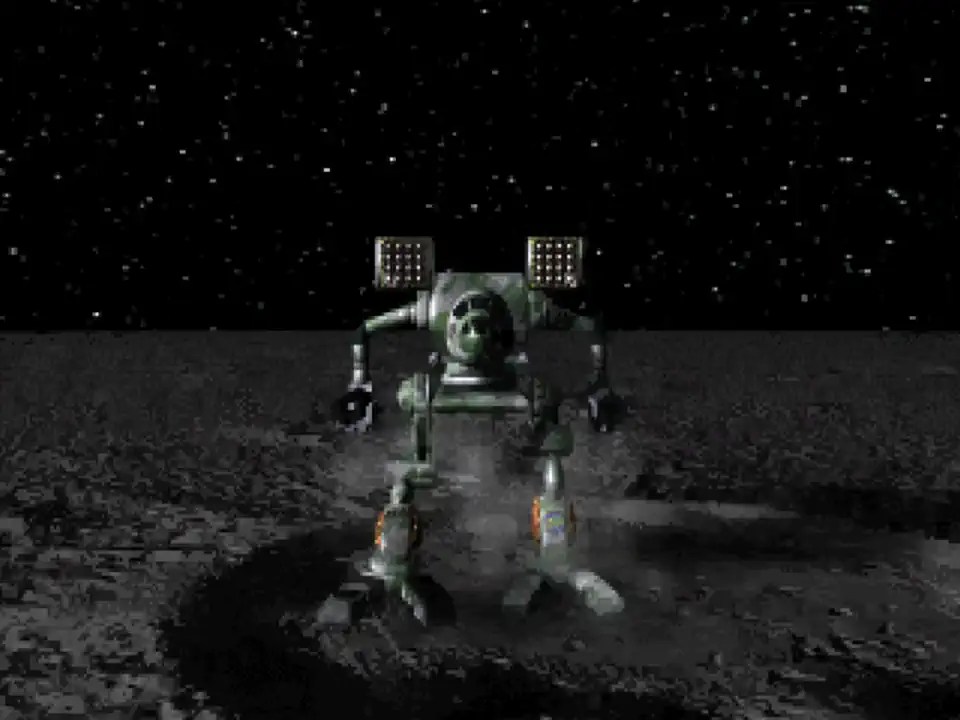
“MechWarrior 2: 31st Century Combat” was not just a game, but a total work of art. It combined technical innovation with deep world-building, tactical gameplay, and impressive presentation. Genre fans still revel in its fascination today, and many modern mech games stand in its shadow. The title managed to strike an impressive balance between gameplay depth and narrative coherence – something that even today’s games rarely achieve. In doing so, it not only set new standards for the mech genre, but also for the way computer games can bring complex worlds to life.
It was a game that had the courage to embrace complexity and didn’t underestimate players. It appealed to people who were willing to engage with systems, learn, and develop strategically. For sci-fi enthusiasts, simulation fans, and nostalgics, it remains a milestone – a piece of gaming history that laid the foundation for an entire generation of titles. Its influence extends far beyond the genre: developers of modern strategy games, open-world experiences, and even tactical shooters still cite MechWarrior 2 as a source of inspiration today. MechWarrior 2 is more than retro—it’s timeless because it embodied a vision that was far ahead of its time—and never lost sight of providing a genuine gaming experience.
More
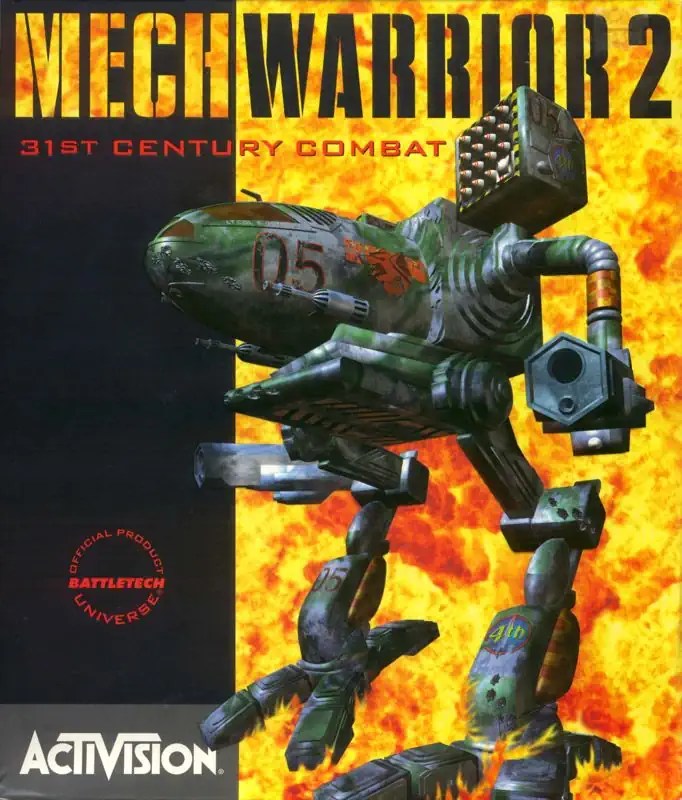
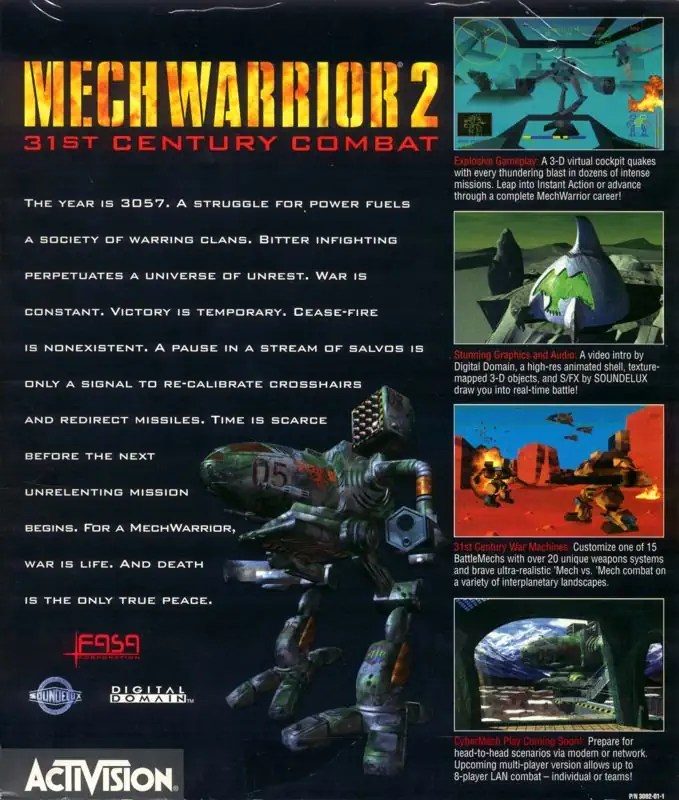
Box Art
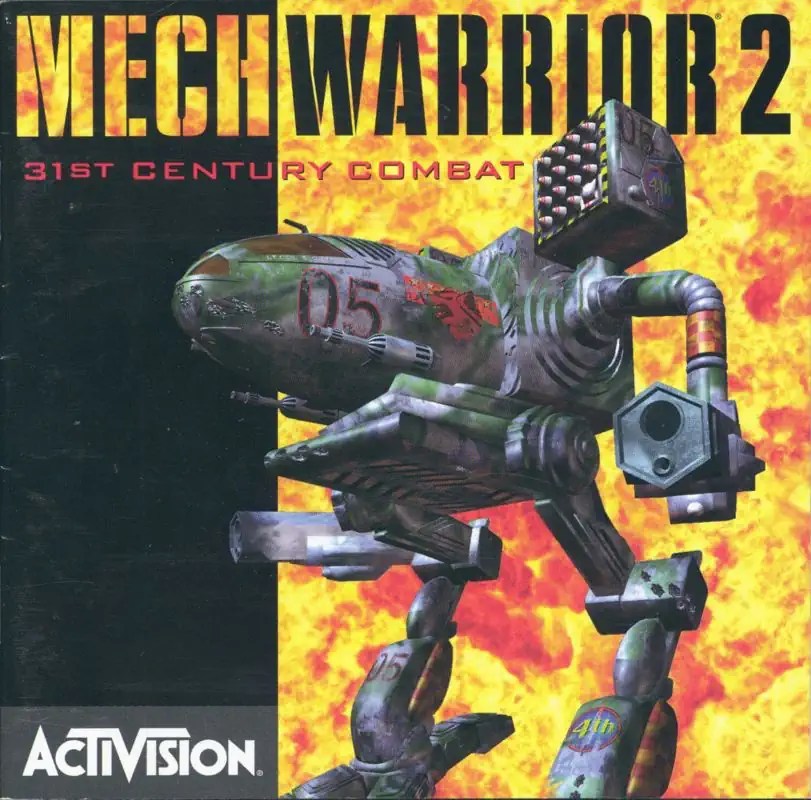
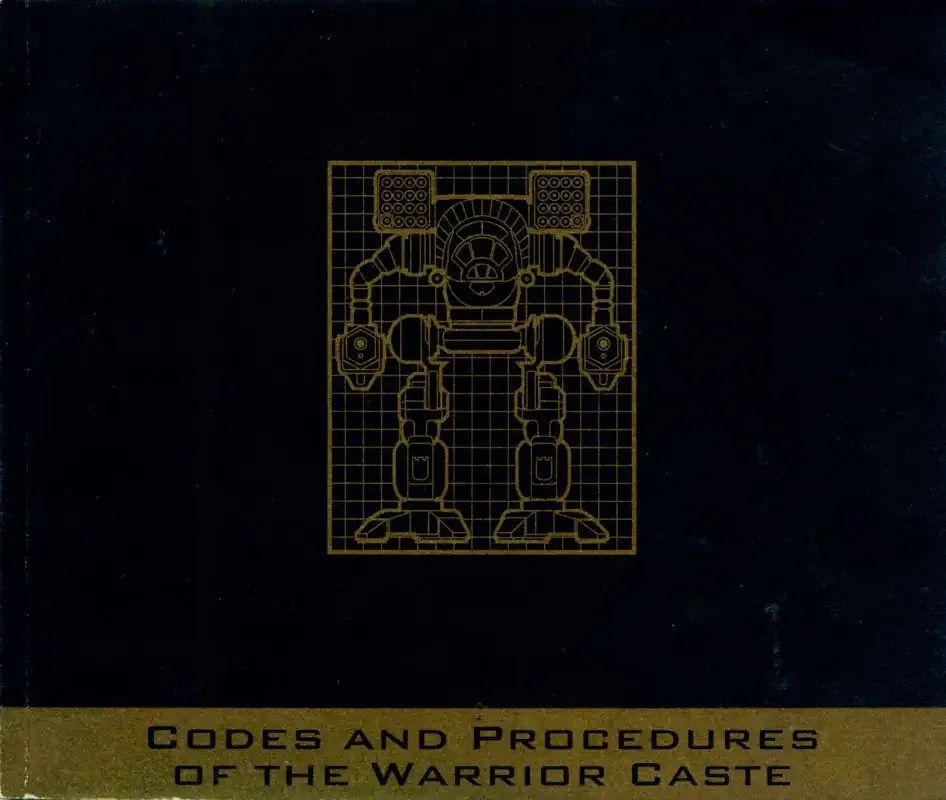
CD-Covers & Handbook

Longplay
External links
Keywords: MechWarrior 2 anniversary, MechWarrior 2 30th anniversary, MechWarrior 2 history, BattleTech classic games, Refusal War, Jade Falcon Clan, Clan Wolf campaign, Ghost Bear’s Legacy expansion, Mech customization in MW2, 1995 mech simulation game, Activision MechWarrior 2, Jeehun Hwang soundtrack, NetMech multiplayer
Hashtags: #MechWarrior2 #BattleTech #MW2 #30YearsOfMW2 #RefusalWar #GhostBearsLegacy #ClanWolf #JadeFalcon #RetroGaming #SimGaming #GamingAnniversary #MechSimulators






 McHenry's Lair
Kommentar verfassen :