

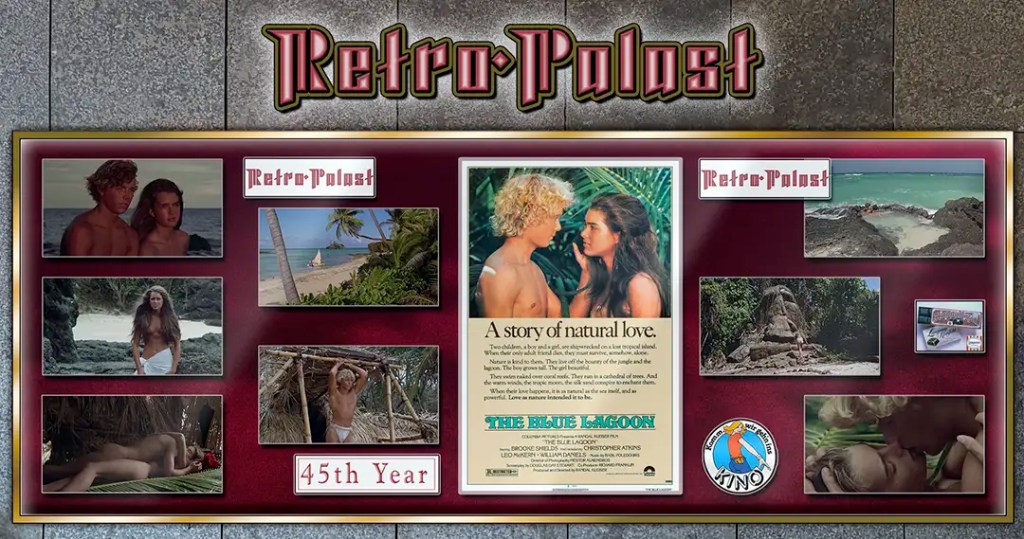
A story of natural Love.
Between paradise and provocation
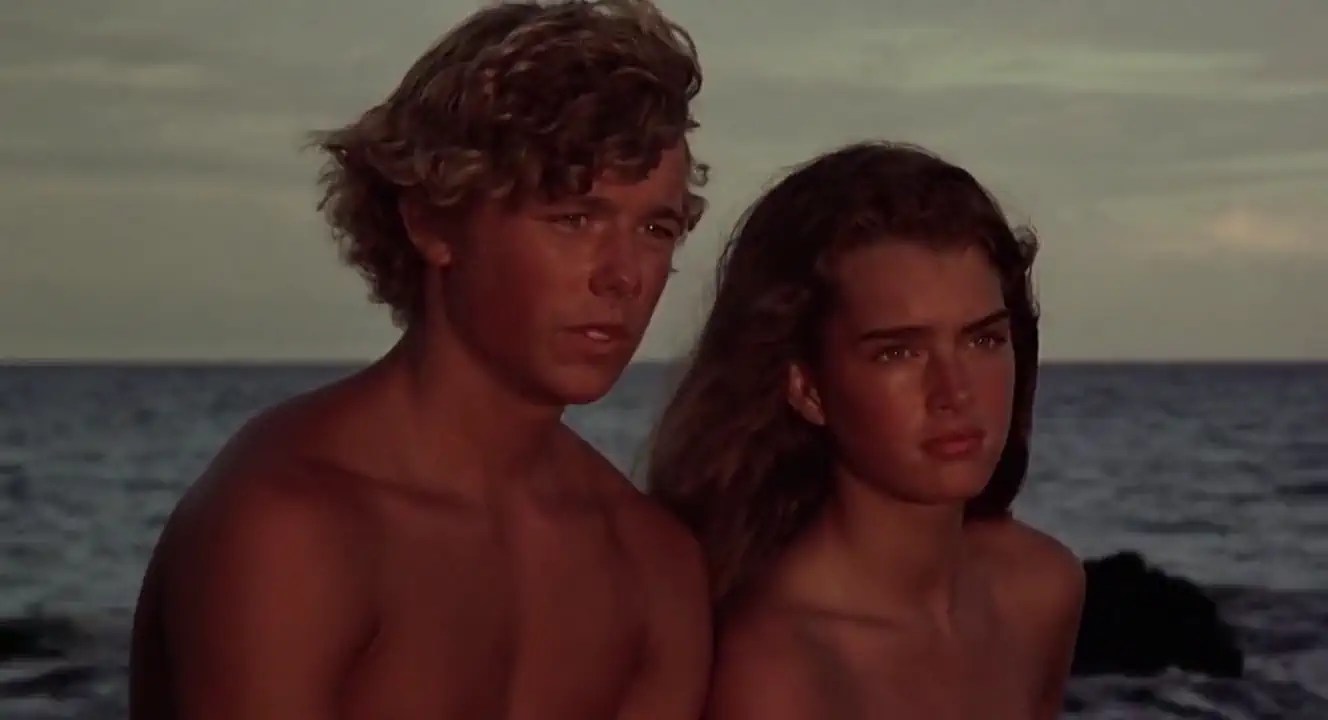
The 1980 film “The Blue Lagoon” is one of the most controversial and fascinating works of its time. In an unusual mixture of romantic adventure story, survival drama, and coming-of-age narrative, it depicts the development of two children who are stranded on a remote tropical island after a shipwreck. Far away from civilization, social rules, and modern technology, they grow up isolated but in close contact with nature and confronted with the most basic human experiences, needs, and instincts.
The film raises fundamental questions about human development, the relationship between innocence and sexuality, and the role of society and education. It observes how two people develop emotionally and physically without external influences, addressing topics such as sex education, gender roles, and the origins of human bonding. These themes are embedded in an environment that seems both paradisiacal and threatening, symbolizing the tension between nature and humanity. Directed by Randal Kleiser, who had previously enjoyed great success with Grease, the story received special attention thanks to its prominent cast, including Brooke Shields and Christopher Atkins.
Their portrayal of two adolescents in an almost fairy-tale setting was both fascinating and disconcerting for many viewers. While the camera work and scenery were praised for their beauty, the depiction of adolescent bodies and intimate scenes quickly became the focus of public debate.
The Blue Lagoon became a worldwide box office hit and sparked controversial discussions even at the time of its release. Its provocative subject matter, aesthetic imagery, and the way it portrayed youth, sexuality, and isolation made the film not only a box office hit, but also triggered intense debates about ethics, morality, and the limits of cinematic representation. To this day, the film is considered a reference point for discussions about transgressions in cinema and remains a work that is remembered for both its beauty and its ambivalence.
Plot
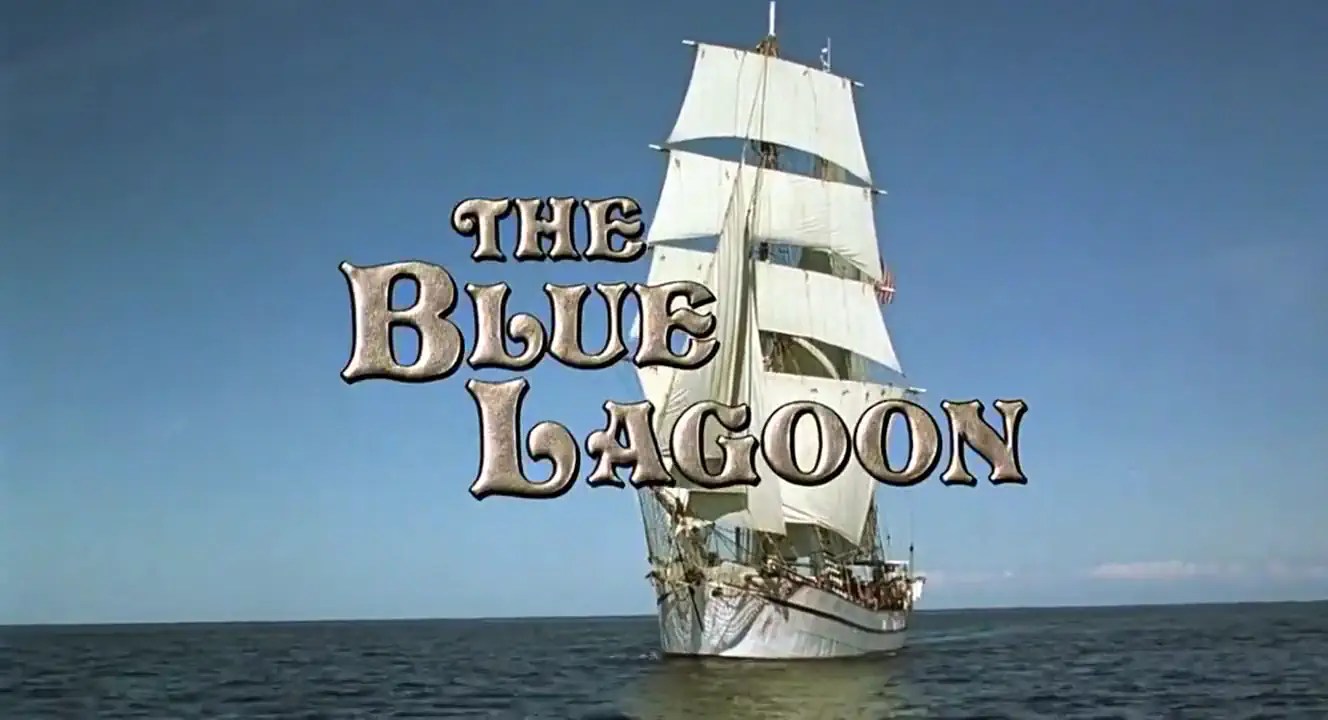
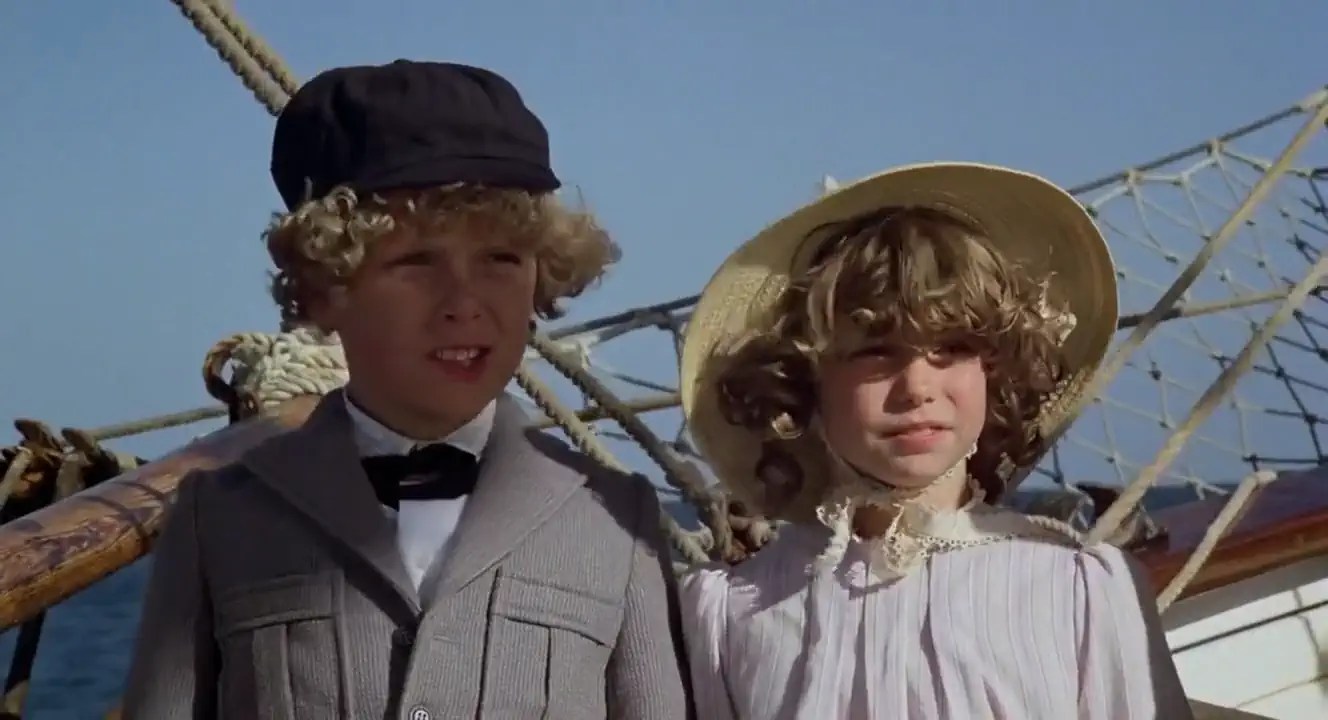
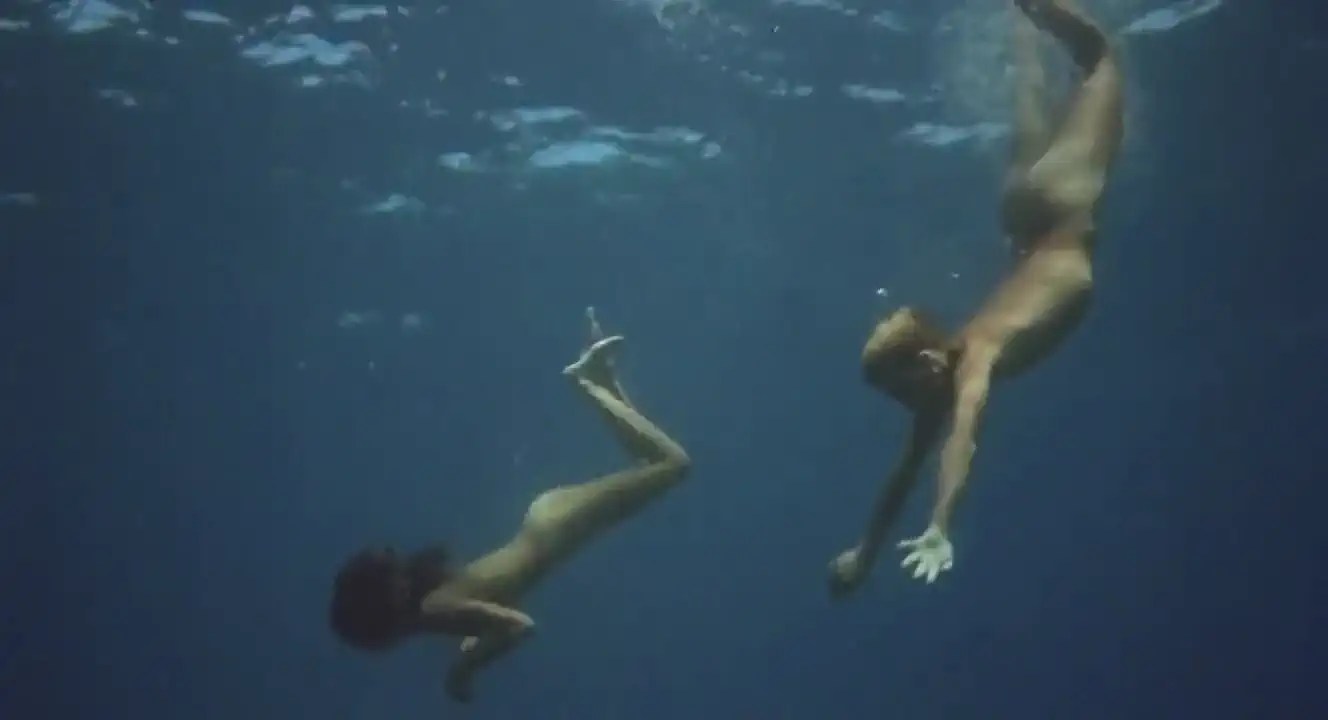
The story begins in the late 19th century: Nine-year-old Richard Lestrange and his cousin Emmeline Foster, who is about the same age, survive a devastating shipwreck in the Pacific Ocean together with the rough but good-natured ship’s cook Paddy Button. The three rescue themselves onto a small boat and eventually drift to a remote, lush island in the South Pacific. The island is paradise, but also isolated – a green world full of palm trees, animals and untouched nature, but without other people.
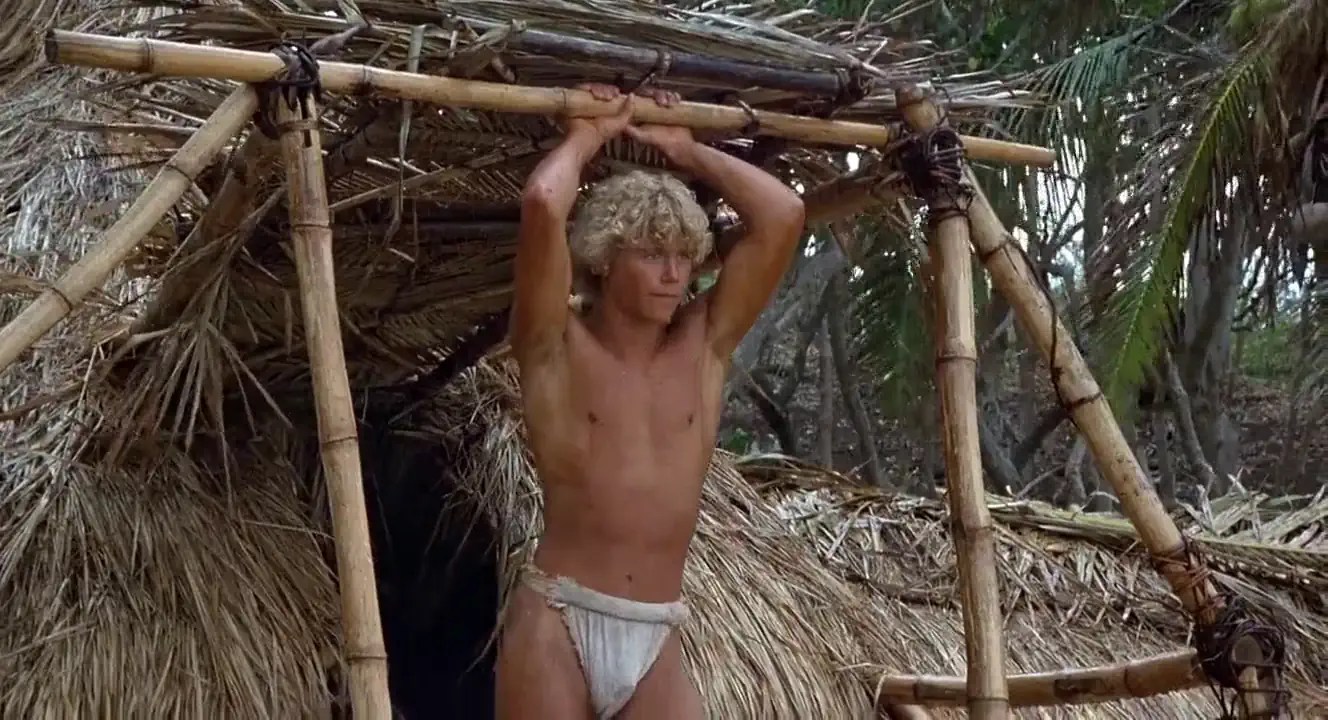
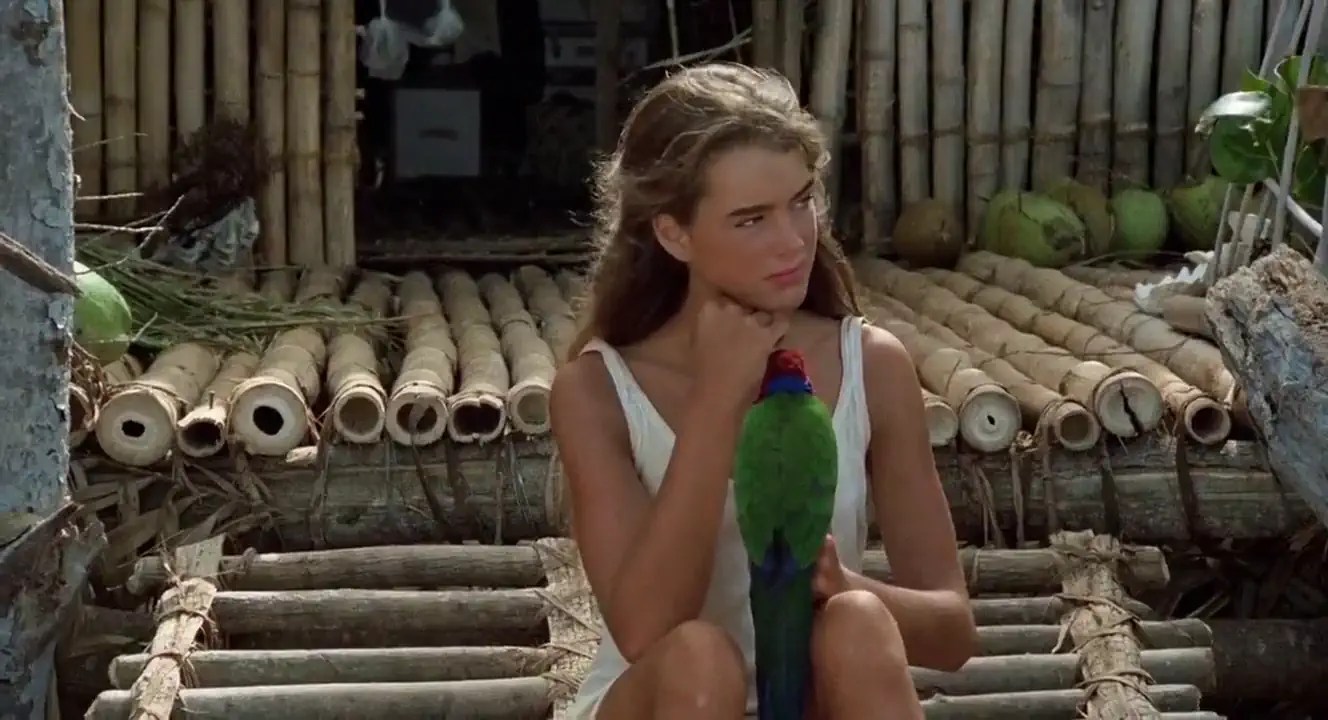
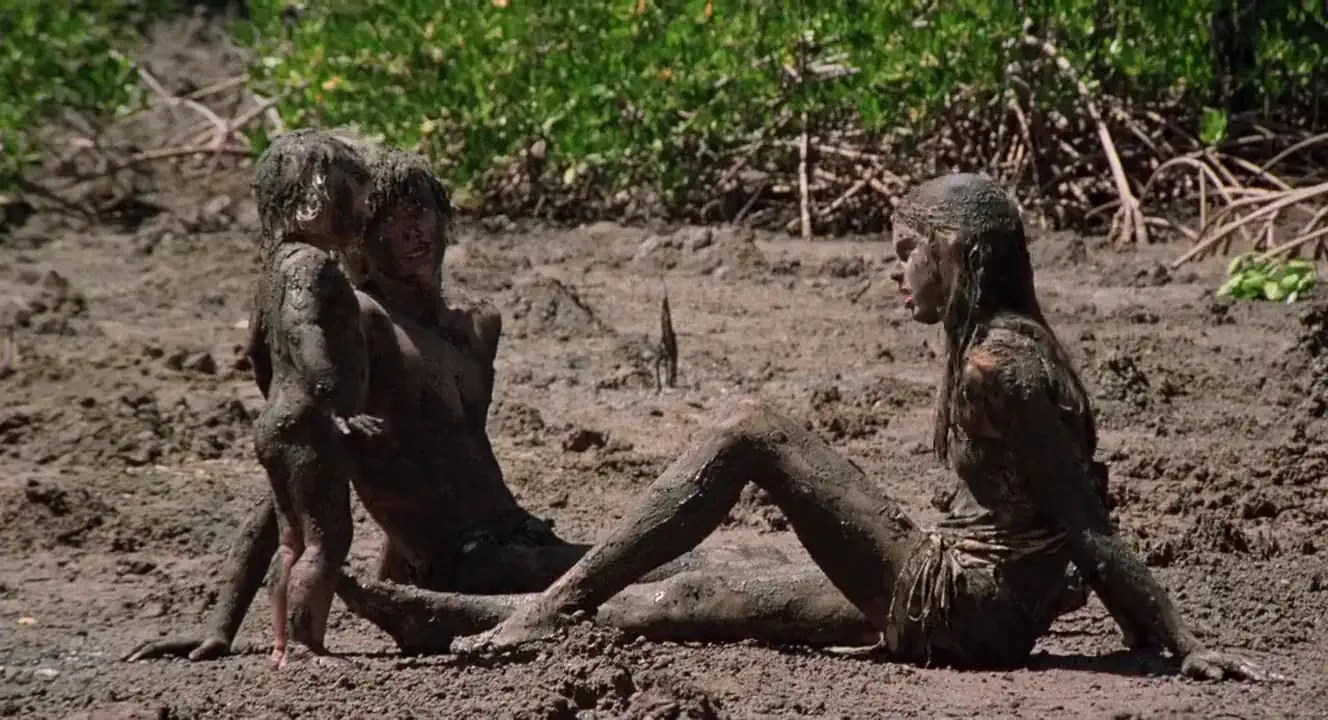
Paddy initially takes responsibility and teaches the two children basic survival skills – from making fire to collecting coconuts and recognizing poisonous plants. He acts as a kind of surrogate father, but his increasing alcohol addiction and a tragic accident lead to his early death. After his disappearance, Richard and Emmeline are completely on their own. Over many years, they learn to survive in their natural environment: they build a simple house, catch fish, observe the wildlife, and get used to a life in complete isolation.
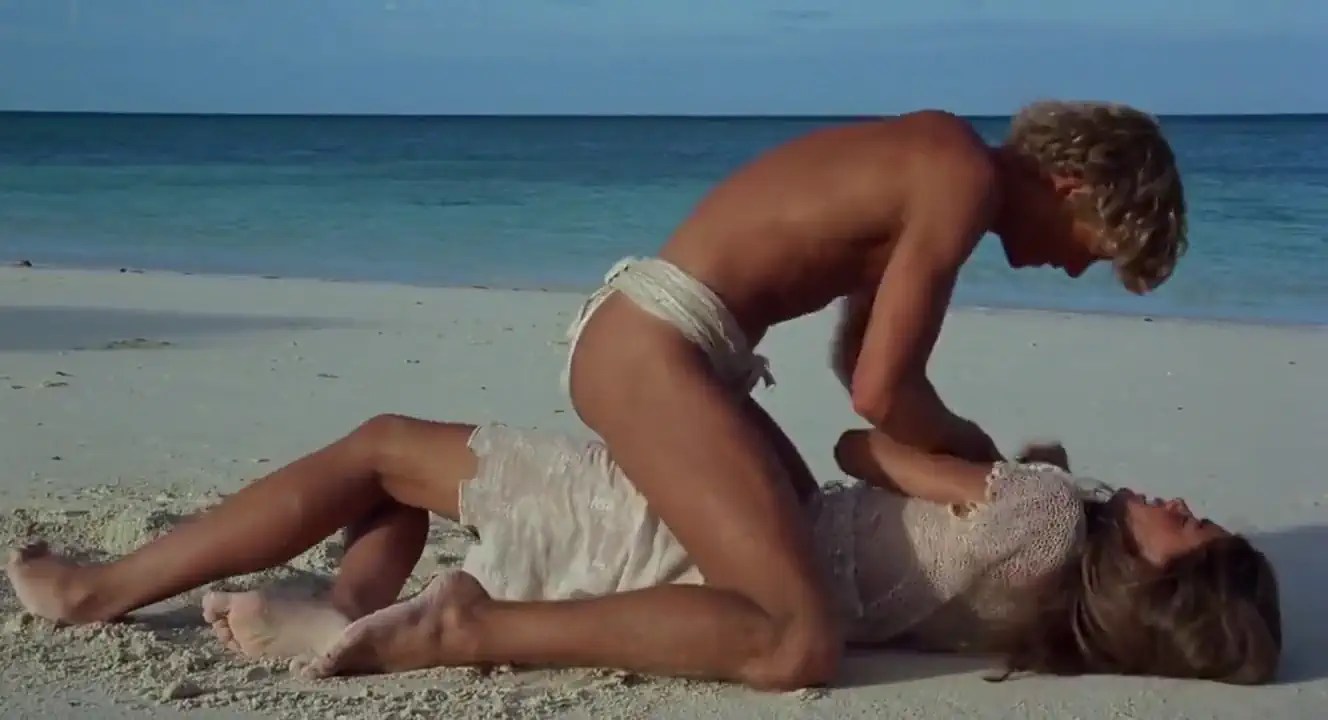
With the onset of puberty, their relationship changes. Their bodies develop, as do their emotions. It is a phase of confusion, uncertainty, but also curiosity. Without any adult guidance, without language for what they feel, they discover their sexuality and gradually fall in love with each other. This development happens slowly, almost casually – like a natural process. The portrayal of this phase is one of the most controversial aspects of the film, as it raises questions about innocence, instinct, and boundaries.
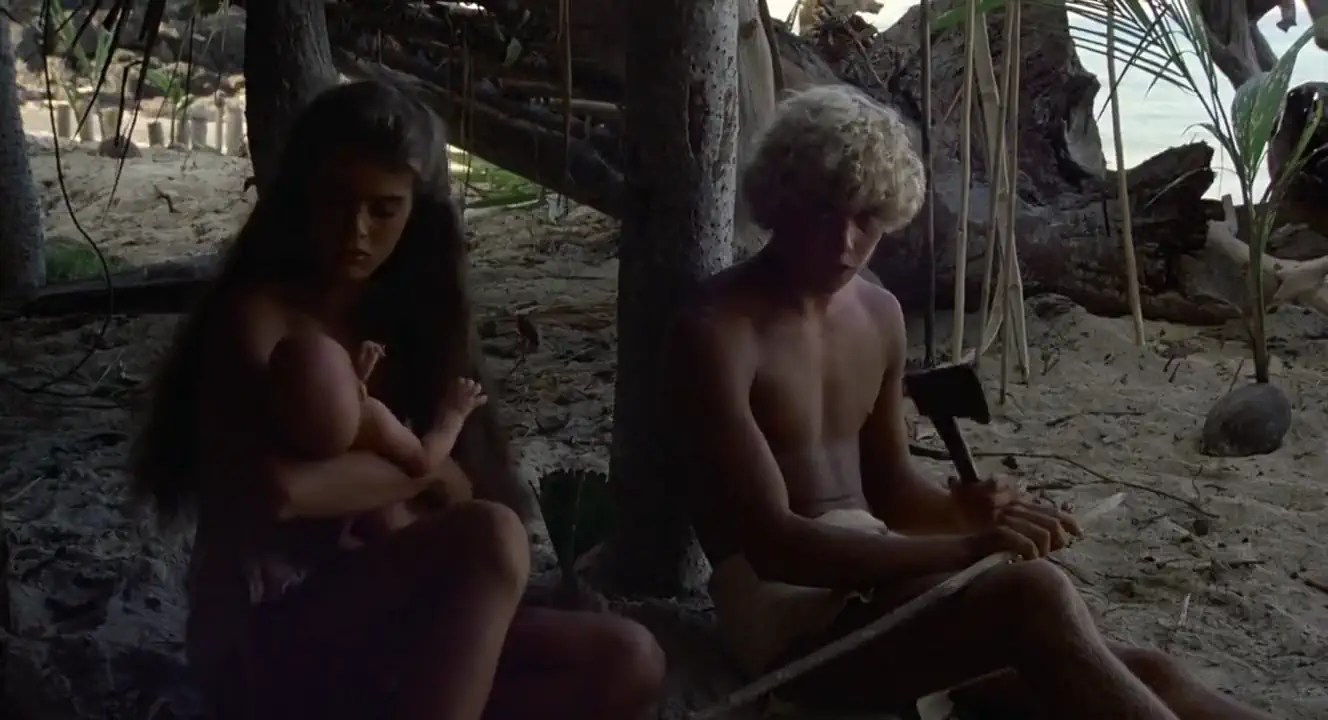
Eventually, Emmeline becomes pregnant without understanding what is happening to her. Richard also only understands what is going on intuitively. The birth of their son Paddy – named after the deceased ship’s cook – turns their simple life upside down. They now have to care not only for themselves, but also for a child growing up in a world without medical help, books or tradition. Despite the challenges, they also grow in this new situation and form a small, independent family.
The film culminates in a dramatic and poetic finale: Richard, Emmeline, and their little son drift out to sea on a raft. A passing ship manages to rescue them, unconscious but alive. Whether they survive or die remains unclear – the open ending leaves room for numerous interpretations. Many see it as an allegory for the return to civilization, others interpret it as a tragic symbol of the loss of innocence or as the cyclical conclusion of a life far removed from social norms.







Trivial
- Brooke Shields was only 14 years old at the time of filming, which led to widespread criticism. A body double was used for nude scenes, but the casting remained highly controversial. Ethical concerns about the portrayal of teenage sexuality in the film caused a media uproar that extended far beyond the film world. Shields herself later expressed mixed feelings about the role, and her mother, who was also her manager, was criticized for agreeing to the project. The debate contributed significantly to the public discussion about children’s rights and the protection of underage actors.
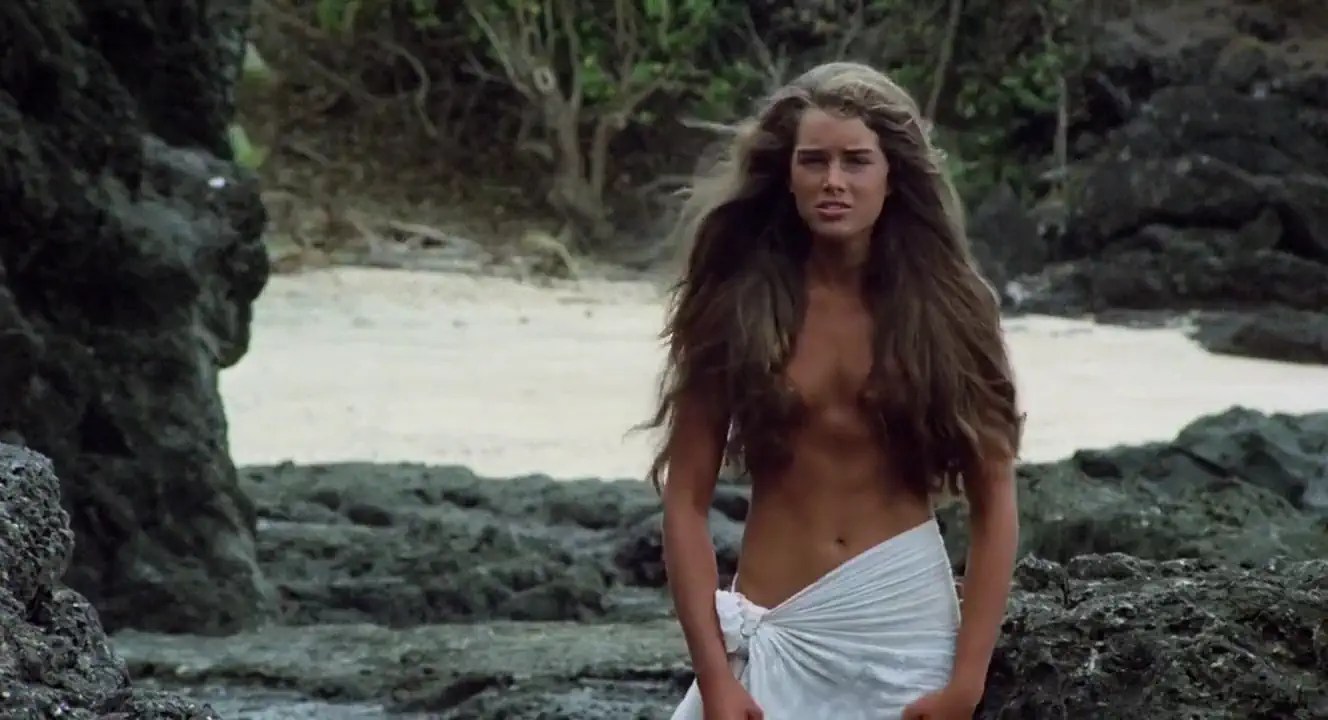
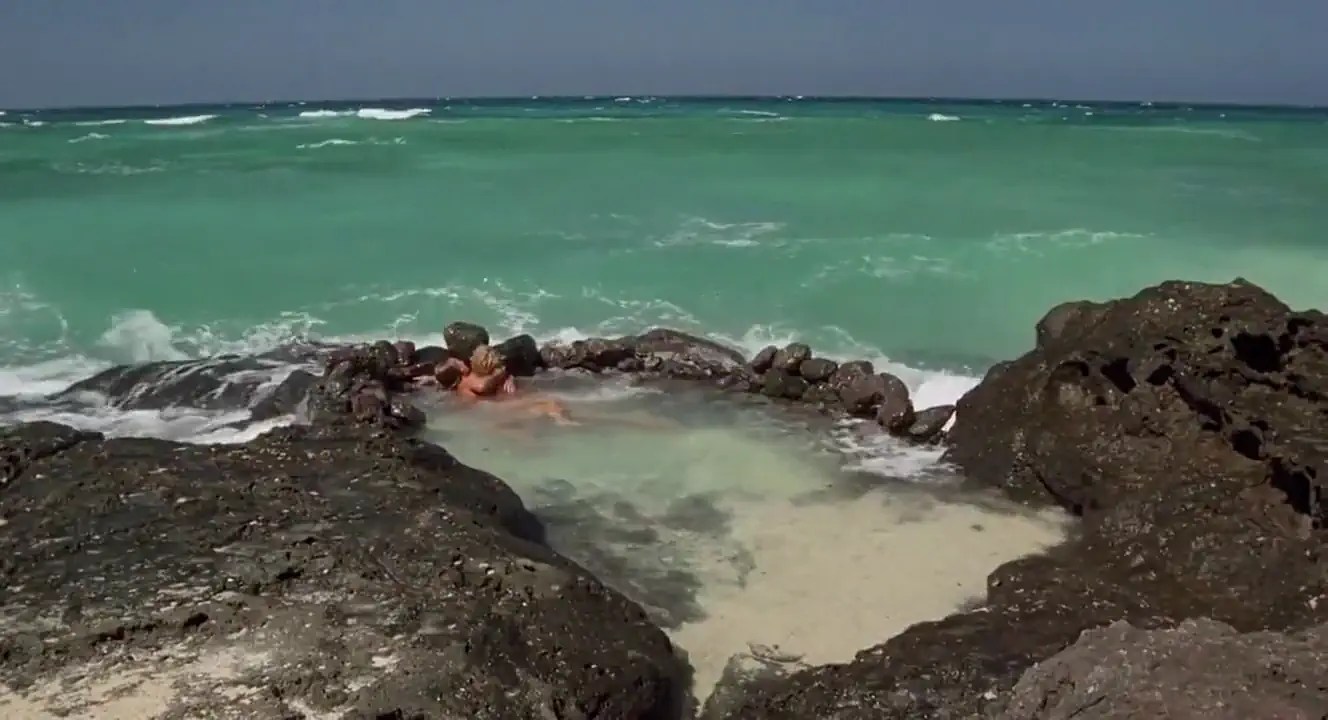
- Most of the film was shot in the picturesque Fiji Islands, whose lush landscape contributes significantly to the atmosphere of the film. However, the remote locations also presented logistical challenges for the team: transporting equipment, supplies, and personnel was complicated, and the team had to acclimatize to extreme weather conditions. Despite these difficulties, the real-life settings contributed significantly to the immersive effect of the film.
- The film’s score was composed by Basil Poledouris and underscores the mixture of natural idyll and inner conflict with dreamy, epic sounds. Poledouris used orchestral motifs that musically reflect the tension between youthful innocence and awakening passion. His compositions lend the film an almost mythical dimension and contribute to its emotional intensity.
- The Blue Lagoon is based on the 1908 novel of the same name by Henry De Vere Stacpoole. The story was first filmed in 1949, but the 1980 version is by far the best known. The novel has been widely discussed and adapted over the decades because it addresses fundamental questions about human nature and the role of civilization. Stacpoole himself saw the work as a romantic parable about the innocence of man in nature.
- Despite the controversy, the film was a huge commercial success. With a budget of around US$4.5 million, it grossed over US$58 million worldwide, making it one of the most profitable films of the year. International audiences, who found the exotic setting and taboo subject matter equally fascinating, contributed to its box office success. The strong media presence surrounding Shields and the public debate about the ethical aspects of the film further heightened interest.
- In 1991, a loose sequel was released under the title Return to the Blue Lagoon, starring Milla Jovovich in the lead role. However, the film failed to build on the commercial and artistic success of the original and was perceived by critics as a superficial rehash without a fresh approach to the subject matter. Despite the visual parallels, the second version lacked the emotional depth and controversial impact of the first film.
Controversy
The Blue Lagoon was the subject of intense public debate from the outset. The portrayal of minors in erotic situations in particular sparked fierce criticism. Although the director and producers repeatedly emphasized that Brooke Shields was doubled in such scenes, accusations of sexualizing a child persisted. Shields‘ mother, who was also her manager, was also criticized for exposing her daughter to this project. In numerous talk shows, newspaper articles, and debates, the film became a symbol of problematic roles offered in Hollywood. Child psychologists and youth protection advocates also expressed concern about the potential impact of such portrayals on young audiences, particularly in terms of possible normalization and the subliminal message about gender roles.
Furthermore, the implicit portrayal of an incestuous relationship—Richard and Emmeline are cousins—caused outrage. Although this was not unusual historically, it reinforced the sense of a moral dilemma for many viewers. The fact that the young couple grew up without education or social structure was misunderstood by some as a romanticized portrayal of incest and wildness. Critics accused the film of painting an idealized and unrealistic picture of self-discovery and natural love that came across as dangerously naive. Others saw it as an attempt to break classic taboos artistically – but without sufficient distance or critical reflection.
In several countries, there were discussions about age ratings and censorship measures. In some regions, the film was even banned at short notice or only shown in a shortened version. Censorship authorities in conservative societies in particular reacted sensitively to the depiction of teenage intimacy. Age ratings varied greatly between countries: while the film received a PG rating in the US, it was only approved for viewers aged 16 or 18 in other countries, or even removed from cinemas altogether. This inconsistent handling underscored the cultural tensions surrounding issues such as sexuality, childhood, and moral responsibility in film.
Criticism at the time
Contemporary critics were largely unimpressed. Many accused the film of being more interested in provocation than in a profound plot. Roger Ebert, for example, described it as “visually appealing but empty in content.” Other critics criticized the weak script, the sometimes stiff dialogue, and the unconvincing performances—especially by Christopher Atkins, who had little previous experience. The character development was criticized as superficial and clichéd, while the central love story seemed unrealistic and sterile to many viewers.
Despite these reservations, there were also positive voices. Néstor Almendros‘ camera work was particularly praised. His staging of the island world gave the film an almost impressionistic aesthetic that worked with light, water, and physicality on a symbolic level. He understood how to use the natural beauty of the surroundings as a visual metaphor for the purity and simultaneous vulnerability of the main characters. Some also recognized the courage it took to tackle such a sensitive subject on film. The exotic setting, combined with the slow pace of the narrative and the dreamy compositions, particularly impressed European critics, who attributed a poetic, almost surreal dimension to the film. Individual reviewers saw The Blue Lagoon as an attempt to break with classic narrative structures and create a cinematic fairy tale with existential undertones – even if this ambition was not entirely fulfilled.
Reputation today
From today’s perspective, The Blue Lagoon is often viewed in a more nuanced way. The film is a product of its time – both in terms of its cinematic craftsmanship and its treatment of taboo subjects. Critics today analyze the work from feminist, postcolonial, and film-historical perspectives. There is also a growing focus on how the film reproduces or romanticizes cultural narratives about gender, sexuality, and colonialism. In academic discourse in particular, the film increasingly serves as an example of the representation of Western ideas of “innocence” and “remoteness from civilization.”
While the problematic portrayal of sexuality and childlike innocence continues to be viewed critically, there are also new interpretations: some see the film as an allegory of the state of “natural man,” uninfluenced by social conditioning. This interpretation brings the work closer to philosophical debates about Rousseau’s idea of the noble savage. Others emphasize the visual power and calm narrative pace as a soothing counterpoint to today’s often hectic mainstream cinema. The contrast between the outward idyll and the inner insecurity of the characters is also increasingly recognized as a dramatic device that subtly addresses existential questions.
The film enjoys a certain cult status on social media and among fans. It is often perceived as a nostalgic milestone of the 1980s—a kind of “forbidden fairy tale” that is both disturbing and fascinating. Younger viewers in particular are rediscovering the film in the context of digital platforms and discussing it controversially. Memes, retrospectives, and video analyses are helping to keep The Blue Lagoon in the public eye beyond the traditional arts pages. Its ambivalence makes it an interesting test case for how social values and aesthetic standards change over the decades.
Summery
The Blue Lagoon remains a film that is both admired and sharply criticized. Between youthful innocence, sexual discovery, and a tropical backdrop, a story unfolds that is as fascinating as it is disturbing. While the aesthetic realization and poetic imagery are still appreciated today, the moral questions raised by the film are more relevant than ever. The staging of nature as a silent observer and the use of symbolism—such as light, water, and the cyclical movements of the tides—reinforce the allegorical effect of the film and make it a visually intense experience.
At a time when media sensitivity to issues such as child welfare, sexualization, and representation has grown, The Blue Lagoon provides food for thought—about how we deal with taboos, the portrayal of physicality in film, and the limits of artistic freedom. The work also challenges established viewing habits in terms of film aesthetic conventions and genre expectations: it combines fairy-tale elements with documentary calm and eschews dramatic climaxes in the classical sense. It is precisely this ambivalence that contributes to the film being so controversial and yet so enduringly discussed. It remains a work of ambivalent beauty: a film between dream and reality, between paradise and provocation – and between aesthetic appeal and ethical challenge.
More
Magazine Scans (German)
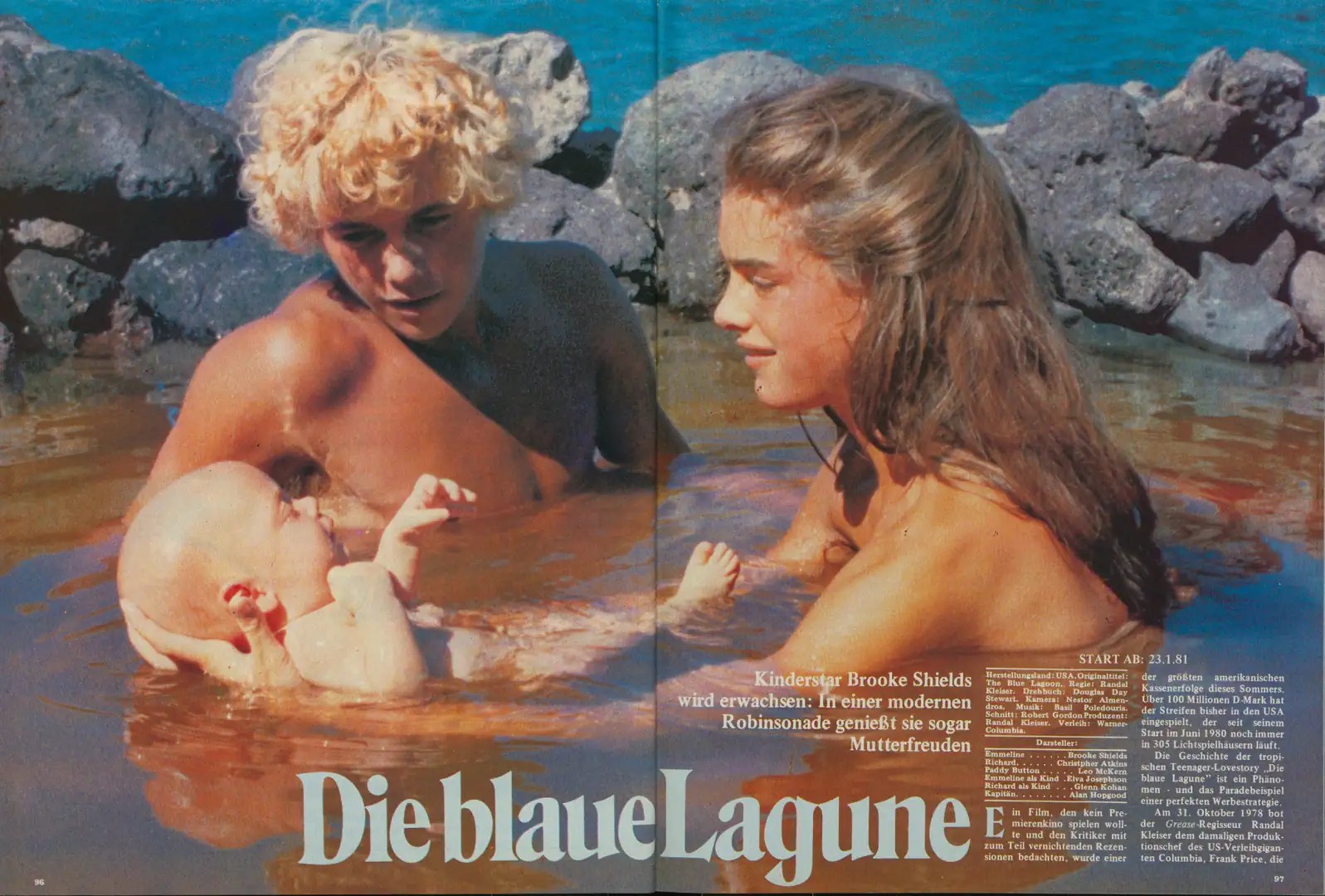
Cinema 1981/02


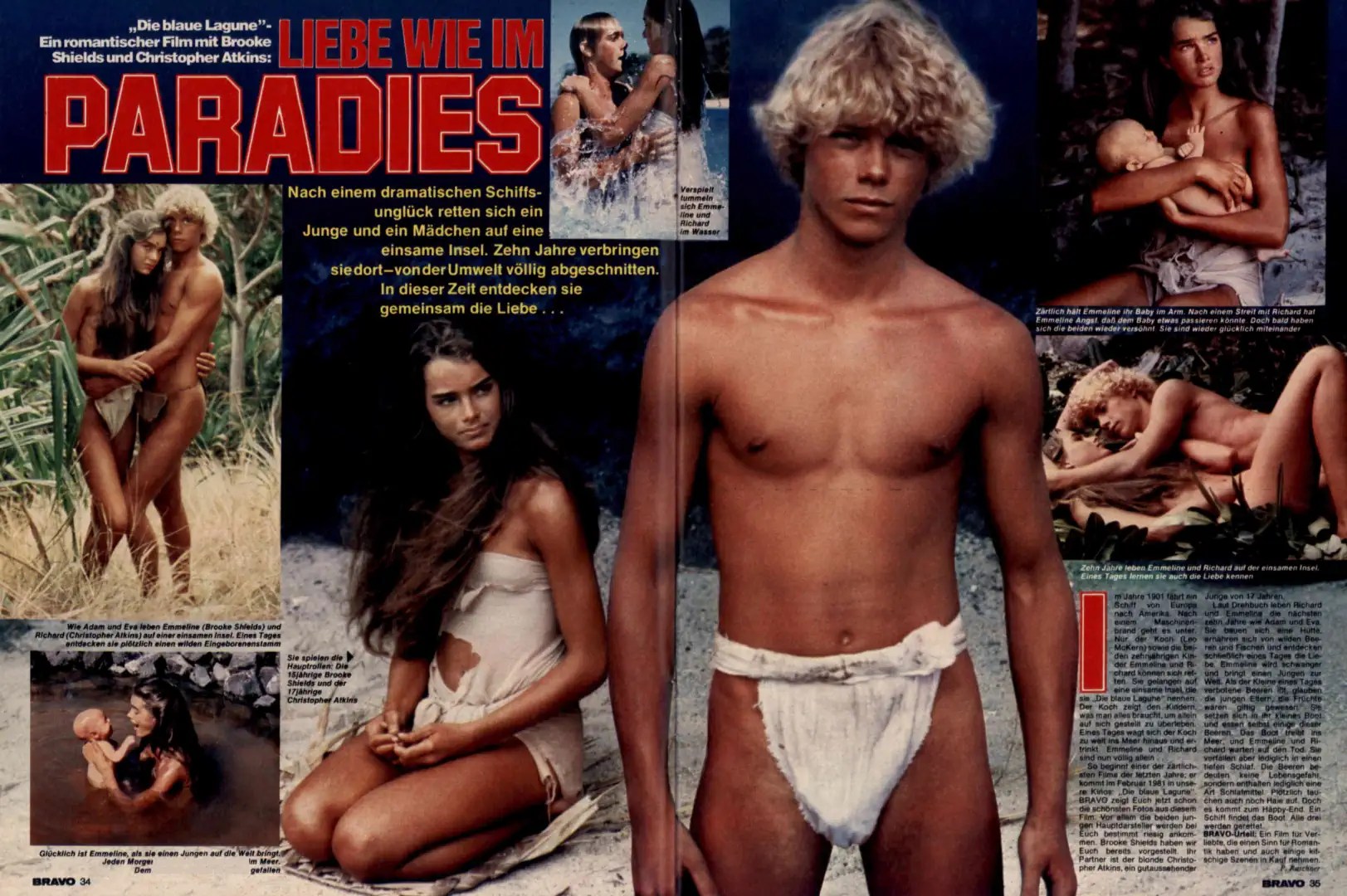
Bravo 1980/37
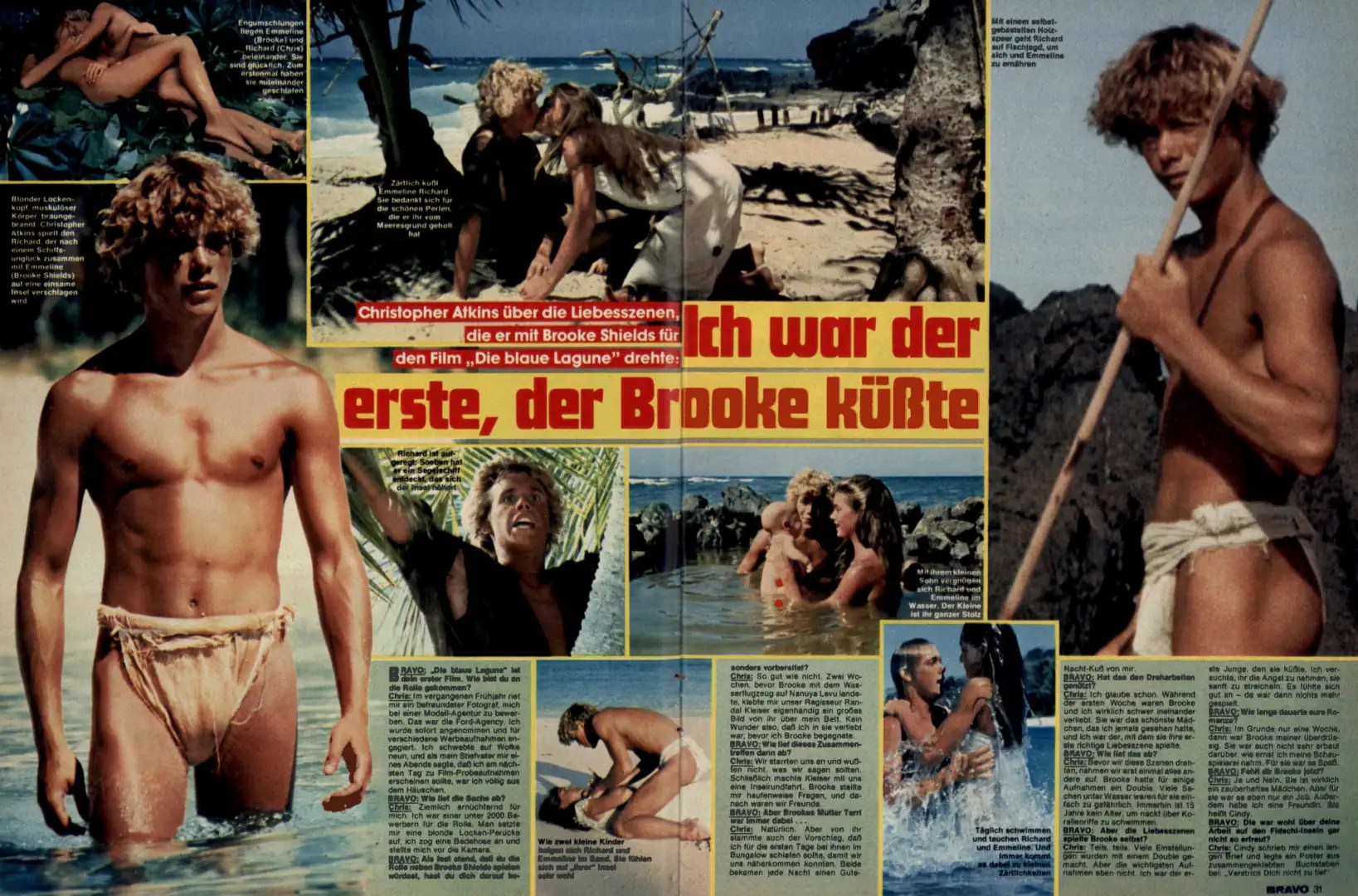
Bravo 1981/07
Trailer
External links
Keywords: The Blue Lagoon, Brooke Shields, Christopher Atkins, Coming-of-age, Teen sexuality, Survival drama, 1980 film, Cinematic controversy, Tropical paradise, Ethical debate
Hashtags: #TheBlueLagoon #BrookeShields #ComingOfAge #SurvivalDrama #1980sCinema #FilmControversy #TeenSexuality #RomanticAdventure #RetroFilm #CinemaLegacy






 McHenry's Lair
Kommentar verfassen :