


Welcome to Egypt, Dr. Jones!
Snakes! Why did there have to be snakes…?!
Introduction
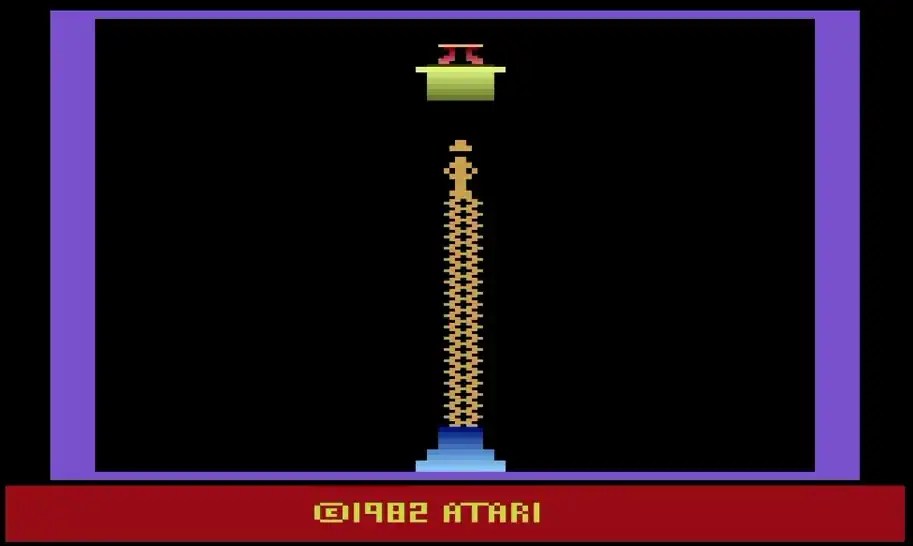
Raiders of the Lost Ark is a video game designed in 1982 by developer Howard Scott Warshaw for the popular Atari 2600 home console and published by Atari, Inc. It is based on the Hollywood blockbuster of the same name by Steven Spielberg, which was released in 1981 and enjoyed worldwide success. A significant milestone in early video game history, the game attempted to translate the narrative depth and spirit of adventure of a major motion picture into an interactive video game experience. In an era when video games often offered simple mechanics and short playtimes, this approach was unusually ambitious.
The game represented one of the first serious attempts to bring a cinematic experience to a home console, bridging the gap between cinema and gaming. This connection would later become an important pillar of the industry. Particularly noteworthy was that it was one of the first officially licensed movie games that not only used the name of the film, but also its content. Raiders of the Lost Ark paved the way for countless other adaptations of major films in the gaming world. The title marked a phase of technological and creative renewal in which video games began to go beyond mere entertainment to create narrative depth and atmospheric worlds.
Gameplay
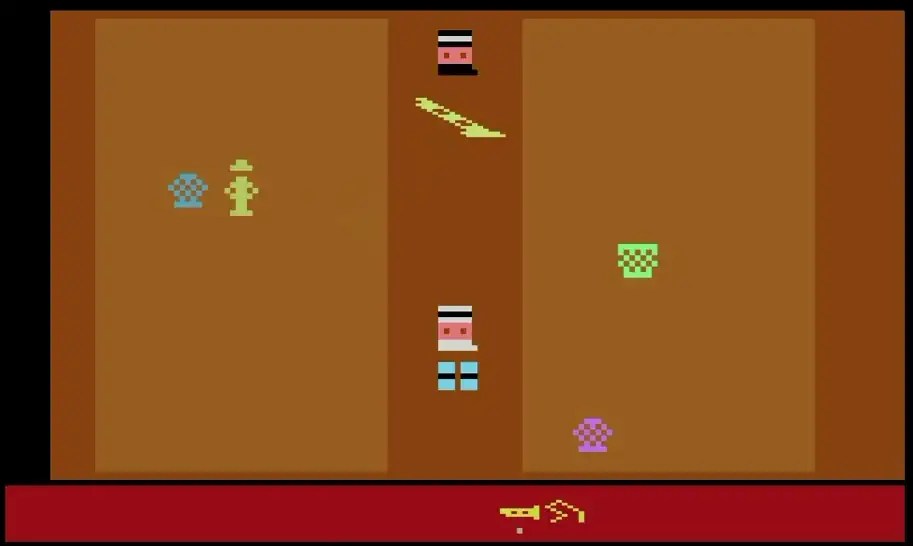
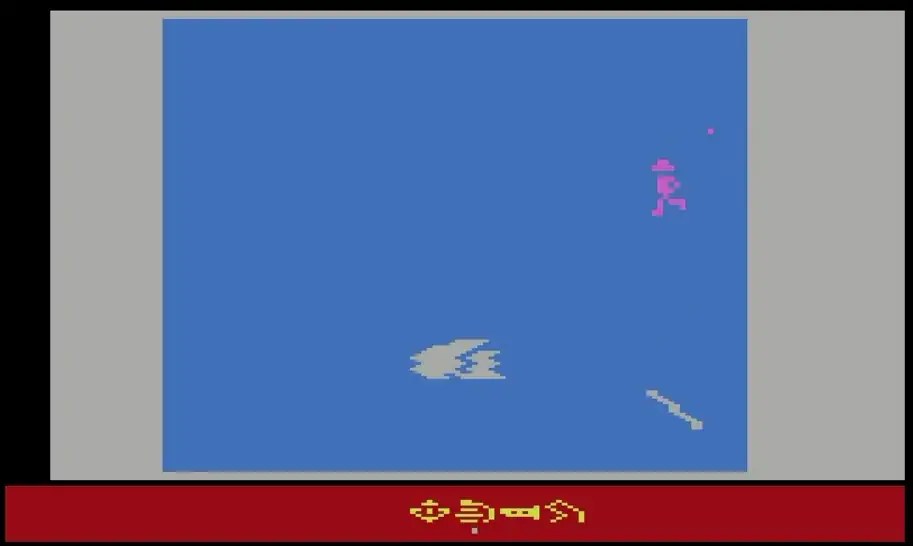
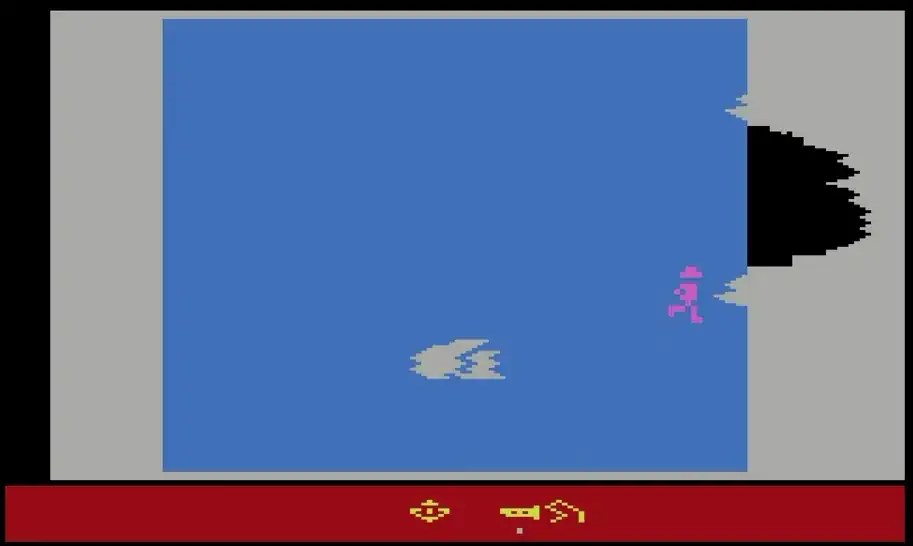
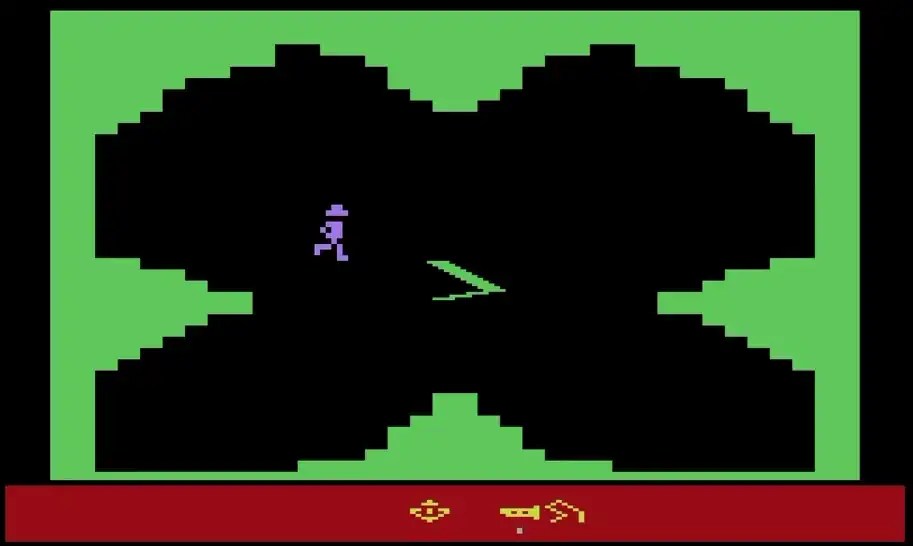
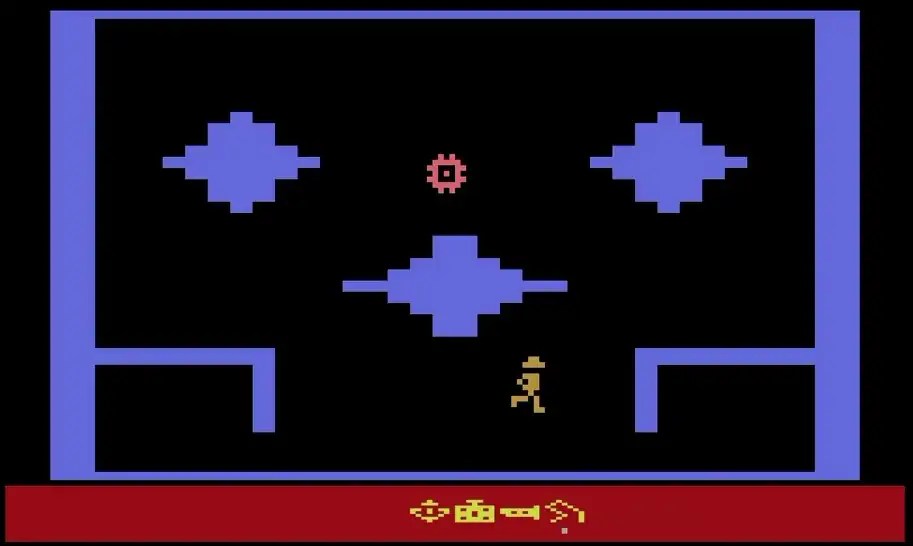
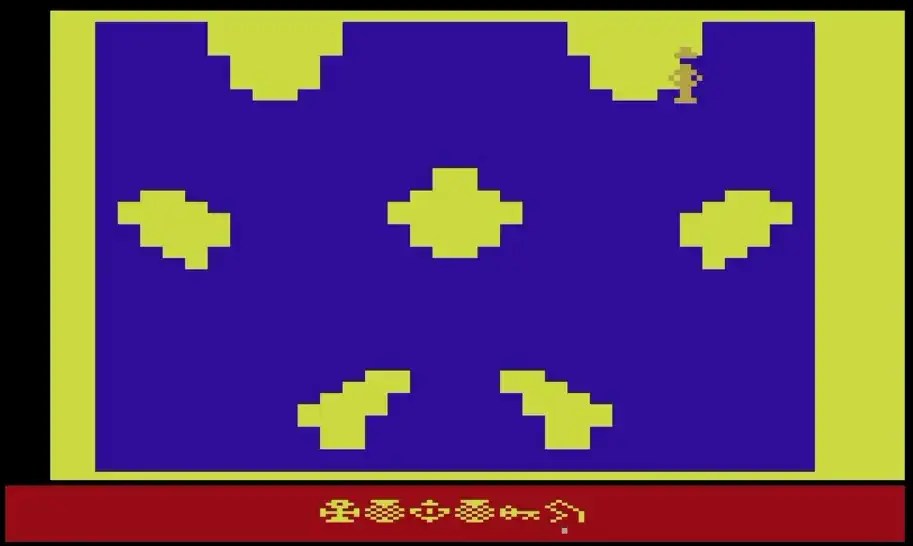
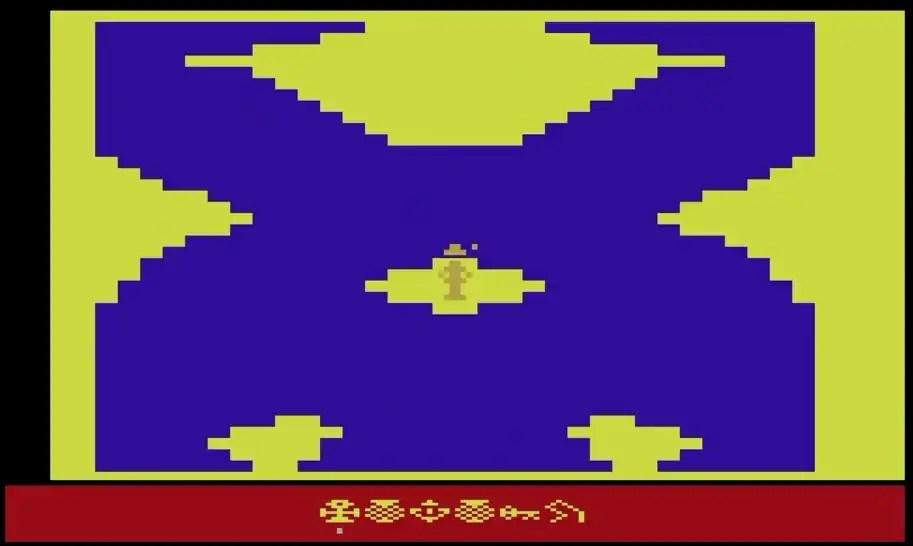
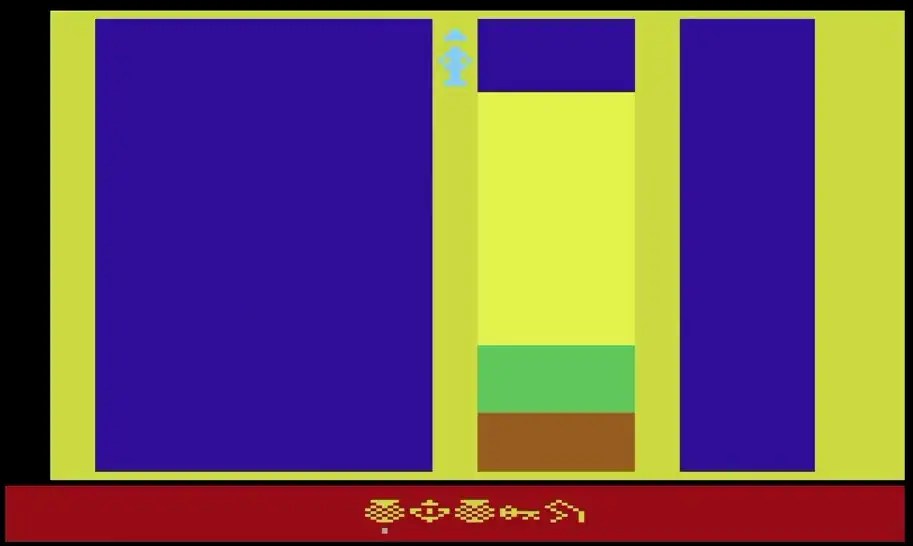
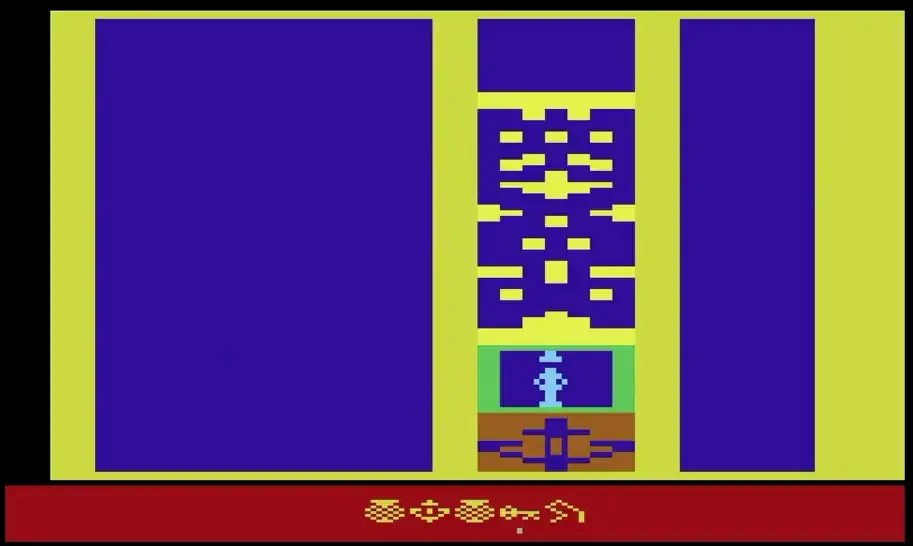
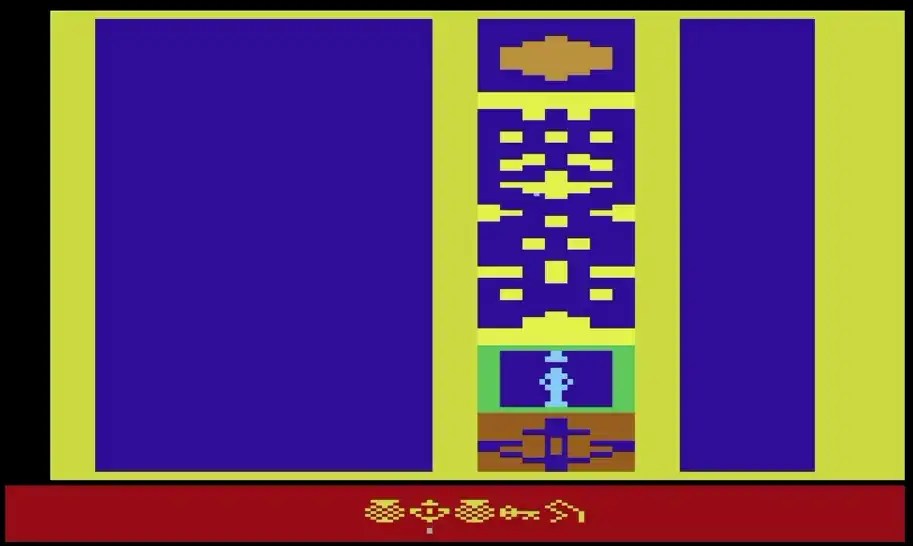
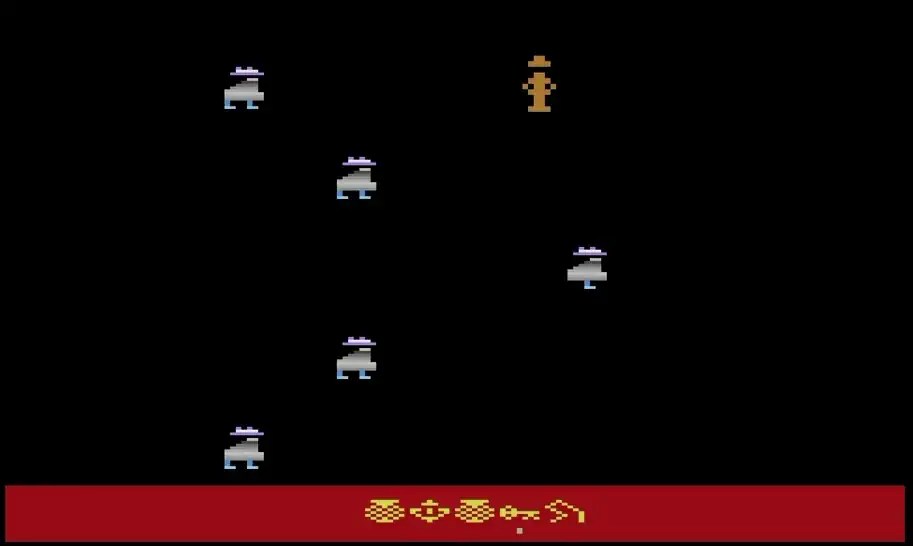
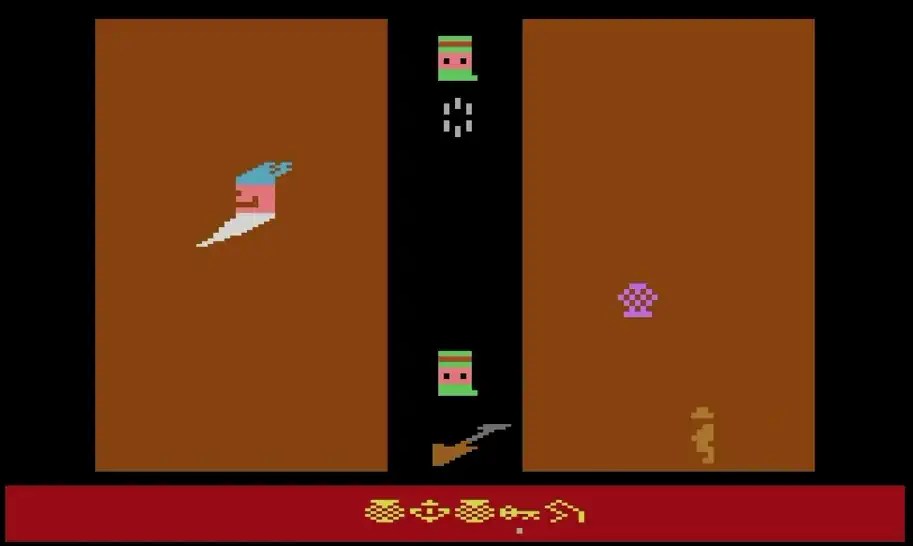
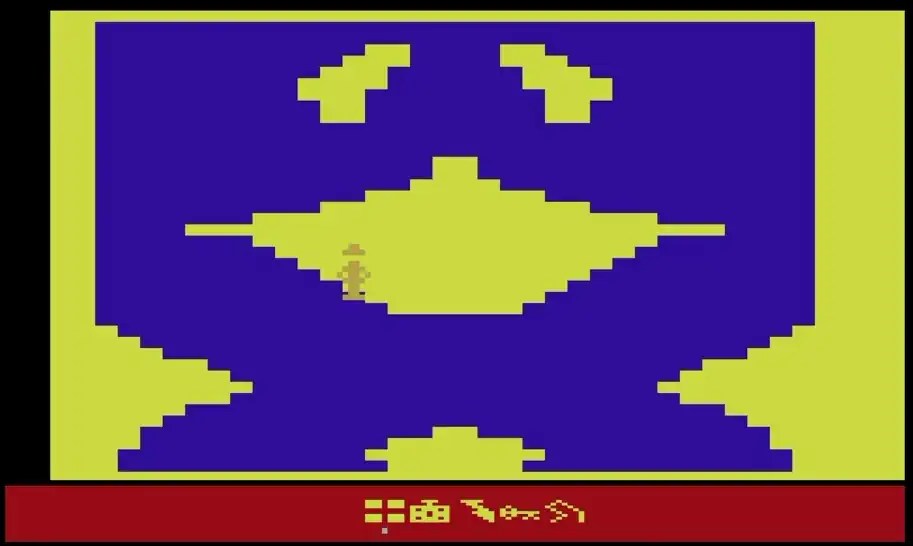
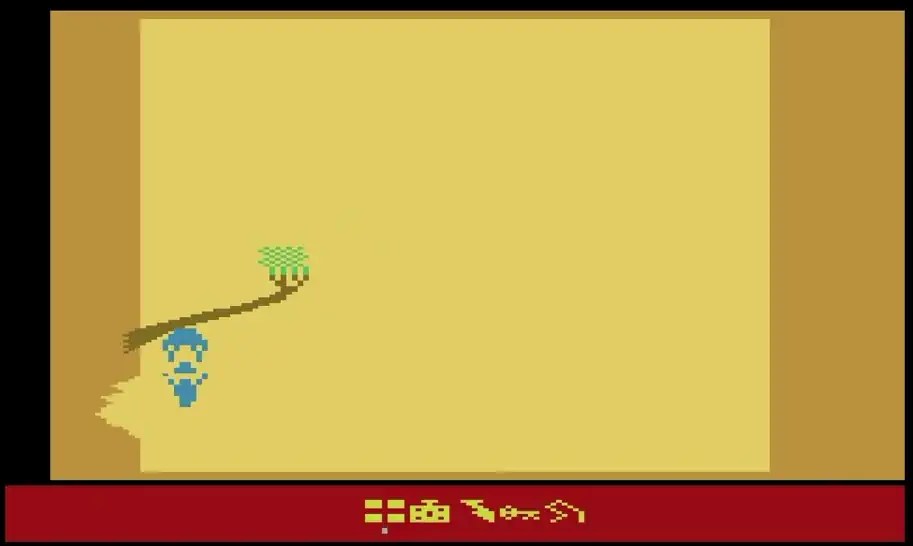
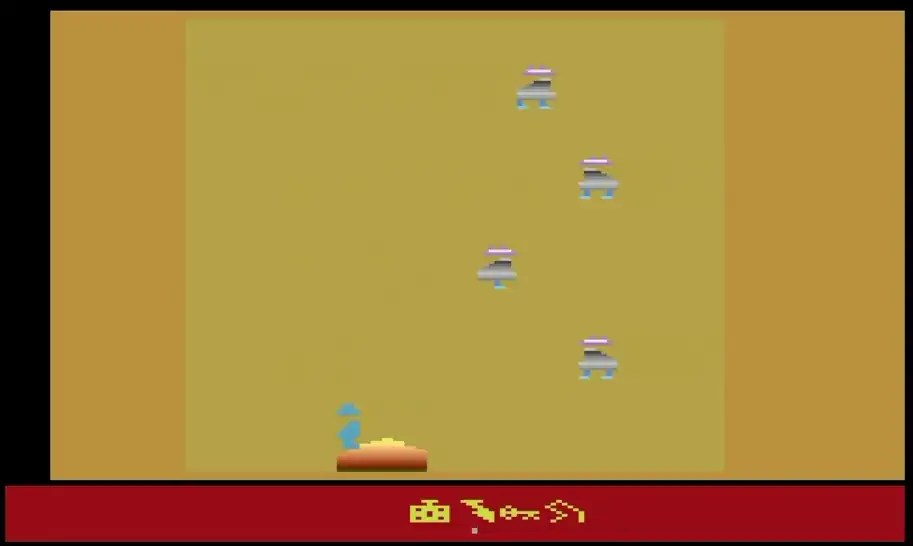
In “Raiders of the Lost Ark,” players take on the role of iconic archaeologist Indiana Jones, who embarks on a dangerous quest to find the biblical Ark of the Covenant. This mission takes him through numerous interconnected screens depicting a variety of exotic and dangerous locations. The most important environments include a bustling bazaar with secret merchants, a scorching desert landscape with hidden entrances, dark, labyrinthine caves, secret tunnel passages full of traps, and the mysterious temple where the legendary ark is said to be located. Players must fight their way from one location to the next, with each section offering unique challenges that can only be overcome with skill and logic.
An extraordinary feature of the game is the simultaneous use of two joysticks – a technical and conceptual rarity for games of this era. The first joystick controls Indiana Jones‘ movements, while the second is used to pick up and use items and manage the inventory. The latter plays a central role in the gameplay, as many objects must be combined with each other or used correctly in specific situations. Timing is also crucial: some actions can only be performed at certain moments, requiring additional strategic thinking.
Players are challenged to cleverly combine clues, solve complex puzzles, discover key objects, and use them wisely to progress through the game. Along the way, they encounter hidden mechanisms, puzzle rooms, secret merchants, and dangerous obstacles that cannot be overcome without the right approach. The absence of a classic linear gameplay allows for different solutions, giving the game a level of openness that was rare at the time.
This multitude of elements based on exploration, problem solving, and interaction made Raiders of the Lost Ark an early and influential model for the adventure genre that followed. Despite its complexity, which initially overwhelmed many players, it laid the foundation for later classics with open-world structures and combinatorial gameplay—an innovative approach that was far ahead of its time.
Trivia
Howard Scott Warshaw was one of the most colorful figures in video game development at Atari at the time and enjoyed a reputation in the industry as a creative visionary with unconventional ideas. In addition to Raiders of the Lost Ark, he also developed the infamous E.T. the Extra-Terrestrial, which is often cited as one of the worst games of all time, despite being created under extreme time pressure – the game had to be completed in less than six weeks. This enormous constraint resulted in an unpolished product that nevertheless stood out for its ambitious concepts. “Raiders,” on the other hand, was also developed under a tight timeframe of only five months, but Warshaw was able to be more creative and incorporate more complex mechanics.
It is particularly interesting that Steven Spielberg personally worked with Warshaw and, according to reports, liked his game idea from the start. Spielberg was impressed by Warshaw’s concept, which went beyond the typical platform challenges and promised a real adventure with an inventory system and exploration. This underscores how much effort was put into creating an authentic and in-depth adaptation of the film, even though the technical capabilities of the Atari 2600 were very limited. It was an attempt to create a cinematic atmosphere with limited means, which can be considered a creative pioneering achievement.
Another curiosity: the game did not feature a classic “Game Over” screen. Players could move freely through the world, even if they couldn’t find their way back to the loading screen. This open structure allowed for a variety of solutions and experiments, but also made the game more difficult to get through. Without clear instructions or a defined end point, many players were unsure whether they were on the right track. This gave the game an almost experimental character that clearly set it apart from other titles of the time.
Controversy
Despite its innovative approach, the game was met with criticism from many users – particularly because of its unusually complicated controls for the time. The simultaneous use of two joysticks was overwhelming for many players, especially since the game did not come with instructions in the traditional sense. Without prior knowledge or external help, it was nearly impossible to understand all of the mechanics. This led to frustration and confusion. Some players also criticized that certain tasks in the game required very specific actions whose logic was not always intuitive. The lack of clear visual cues or feedback in the game also made it difficult to see the connection between action and effect, which led to repeated failures, especially with more complex tasks.
The lack of user-friendliness was exacerbated by the lack of save options, which meant that players could lose all their progress if they made a mistake or restarted. At a time when checkpoints or passwords were becoming commonplace in other games, this seemed like a step backwards to many. This made the game particularly frustrating for casual players who didn’t want to spend hours grappling with cryptic mechanics.
Another topic of discussion was the lack of help within the game. At a time when many games were still very linear in structure, the open structure of Raiders of the Lost Ark proved too much of a hurdle for many. The freedom to move through the game world in different ways was appealing to some players, while others simply felt lost without clear guidance. This mixture of freedom and disorientation meant that the game was original, but also polarizing.
Criticism at the time
At the time of its release, the game received mixed reviews. Some trade magazines and fans praised the creative approach to the original, the attention to detail, and the relatively complex game world. The use of objects and the combinatorial problem-solving were considered innovative and gave the game a captivating depth. In addition, the atmosphere of the game was highlighted, which managed to create an exciting and mysterious adventure with the limited graphical capabilities of the Atari 2600. Many praised the ability to explore the game world non-linearly and on one’s own, which was a welcome change at the time.
Others, however, criticized the poor user guidance, confusing controls, and steep learning curve. Inexperienced players in particular were frustrated by the game’s slow start and the fact that progress was slow to come. The sometimes cryptic puzzles and the lack of clear hints or explanations were also found to be hindrances. Some found the game more of an intellectual challenge than an entertaining game, which could lead to a certain alienation. Nevertheless, the game was often praised as an ambitious step that challenged the technical capabilities of the Atari 2600 and offered a new kind of gaming experience. It showed what was possible when one dared to go beyond conventional gaming conventions and is therefore considered a milestone in the development of narratively sophisticated games.
Reputation today
With the benefit of several decades of hindsight, perceptions of Raiders of the Lost Ark have changed significantly. While it was often criticized for its complexity at the time of its release, it is now recognized as an early classic that played a pioneering role in the development of narrative games and the adventure genre. Looking back, many retro gamers, collectors, and video game historians recognize that Warshaw’s game provided a blueprint for later titles that combined more complex puzzles, combinatorial inventory systems, and exploratory elements. It is also considered an early attempt to offer not just linear gameplay, but to give players freedom and responsibility in exploring the game world.
The technical implementation on the severely limited Atari 2600 platform is also often highlighted positively today. The ability to create such a dense atmosphere and playful depth with so little memory and graphical capabilities is now considered a remarkable creative achievement. Many modern game developers look back on this title with respect and see it as proof of the potential of games as a narrative medium.
In the collector’s scene, “Raiders” is now a sought-after title, especially in its original packaging with the accompanying game manual, which makes the complex gaming experience much more accessible. Versions in good condition fetch considerable prices at auctions. Raiders of the Lost Ark is often cited in retrospectives, specialist articles, and documentaries about the history of video games as a bold, if not entirely successful, foray into new dimensions of game design. It has secured a place in the cultural memory of the gaming community—not just as a game, but as a milestone in the creative dawn of the early era of home consoles.
Summery
Raiders of the Lost Ark for the Atari 2600 was an early and daring attempt to expand the narrative possibilities of video games and take them in new directions. At a time when many games were still heavily arcade-oriented, this title ventured into a structured, story-driven gaming experience that captivated players with its multitude of locations and interactions. Despite its weaknesses, particularly in terms of accessibility, user guidance, and complex controls, it laid important foundations for later developments in the adventure genre. It inspired developers to view games as a narrative medium and explore new avenues of interactivity.
As one of the first officially licensed movie games, it marked a turning point in the relationship between cinema and interactive entertainment. It demonstrated the potential of video games to convey complex stories and interpret cinematic narratives in their own way. This early connection between two forms of entertainment became a model for countless subsequent licensed games and cross-media projects. Today, Raiders of the Lost Ark is recognized as a significant contribution to the history of digital gaming culture, one that, despite its shortcomings, demonstrated a great deal of courage and pioneering spirit. It symbolizes a phase of video game development in which artistic risk and technical innovation went hand in hand, and it deserves its place in the cultural memory of the industry.
More
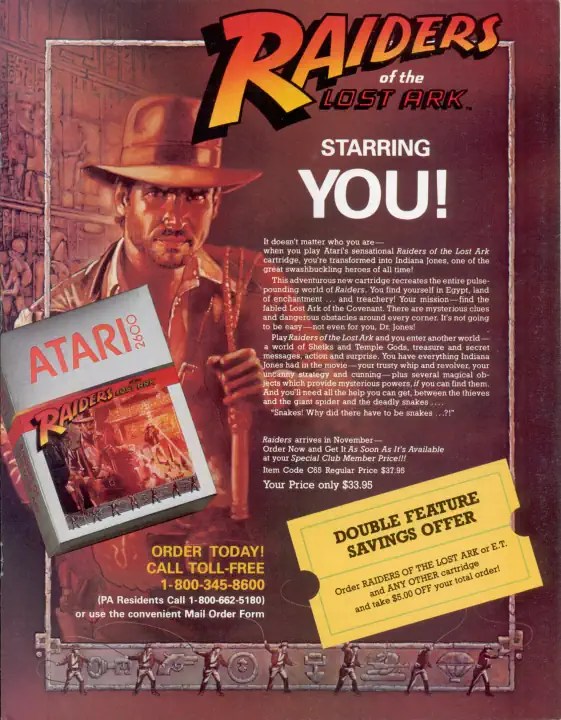
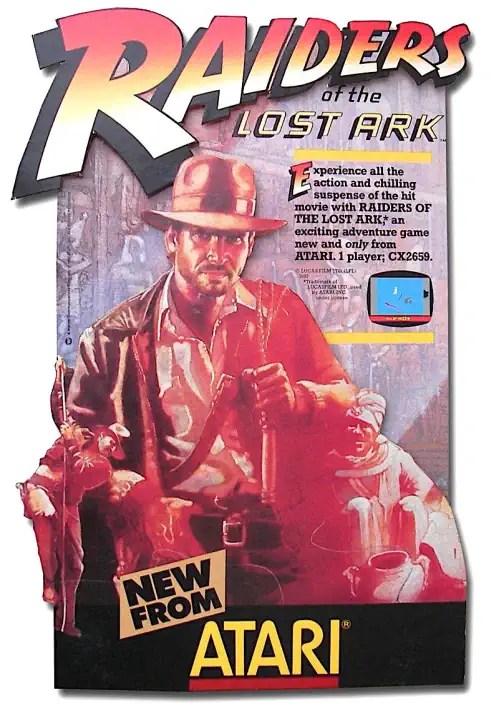
Advertisement
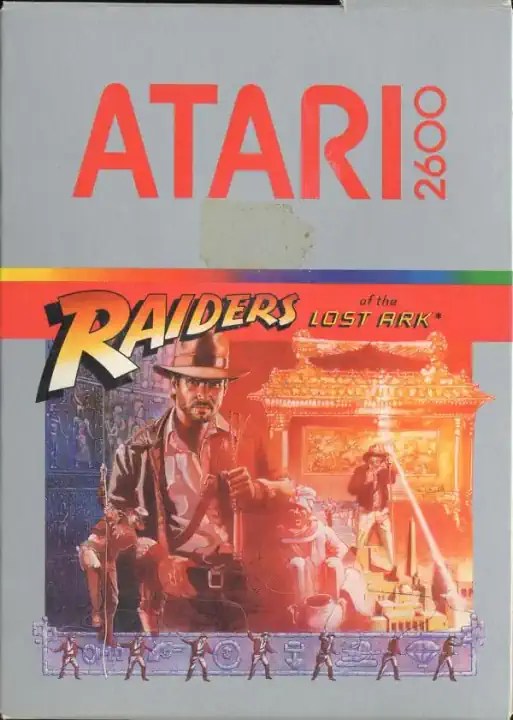
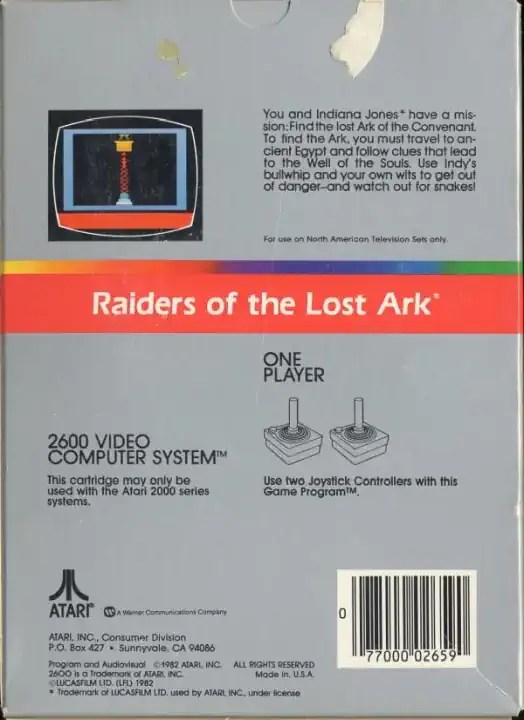
Box and Cartridge
Longplay
External links
Keywords: Atari 2600 Raiders of the Lost Ark, Raiders of the Lost Ark Atari review, Howard Scott Warshaw Atari game, 1982 Atari adventure games, vintage Atari gameplay analysis, dual-controller Atari game mechanics, Atari 2600 film tie-in games, analyzing Raiders of the Lost Ark Atari, classic Atari reviews 2025, Raiders of the Lost Ark retro gaming
Hashtags: #Atari2600 #RaidersOfTheLostArk #RetroGaming #HowardScottWarshaw #VintageGames #GameReview #1982Games #RetroReview #ClassicGaming #GamingHistory
#Atari #RetroGaming #Raiders2600 #GameReview #VintageGaming








 McHenry's Lair
Kommentar verfassen :