


The 80s – This was the Golden Age of the Commodore 64.
The undisputed ruler of home computing. It brought unforgettable games straight into homes worldwide.
Among its legendary titles was a pioneering game that fused strategy and real-time action:
Archon: The Light and the Dark
As EA was good …
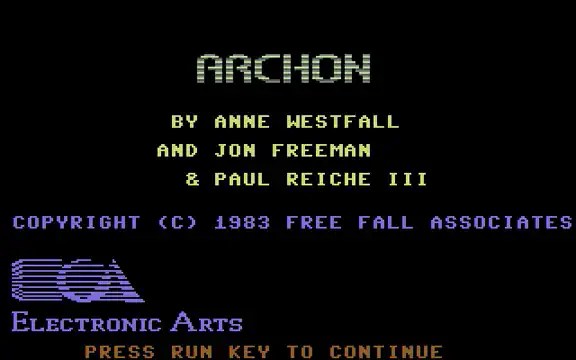
Released in 1983 for the Commodore 64, Archon: The Light and the Dark is a pioneering video game that fused strategy and real-time action in a way that few games had attempted before. Developed by Free Fall Associates and published by Electronic Arts, Archon became one of the defining titles of the early home computer era, remembered fondly for its innovative mechanics, mythical themes, and engaging two-player battles.
The game stood out immediately due to its bold design choices, combining cerebral board-game tactics with fast-paced combat in a way that challenged the norms of early 1980s gaming. It came at a time when most home computer games were either simple arcade-style experiences or straightforward text-based adventures. Archon defied categorization, appealing to both action-oriented players and those who enjoyed deeper, more strategic gameplay. Its fantasy setting, inspired by myth and legend, lent it a timeless appeal and helped it resonate with a broad audience, from hardcore gamers to casual players exploring the genre for the first time. It wasn’t just another C64 title—it was a formative experience that showcased the untapped creative potential of the medium.
Gameplay
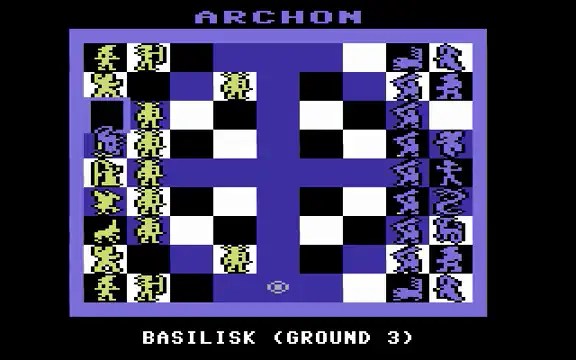
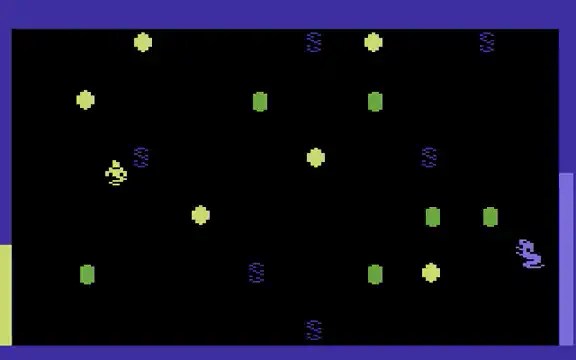
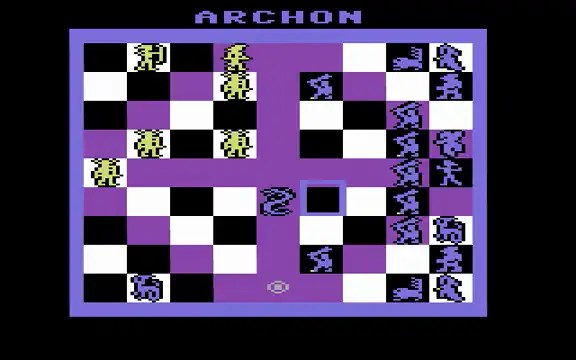
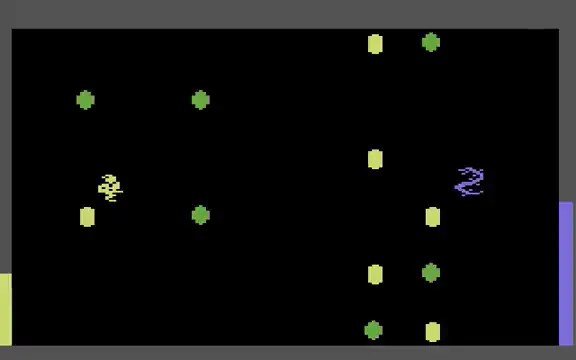
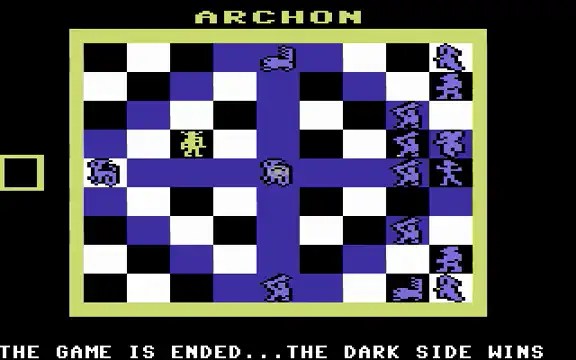
Archon takes inspiration from chess but adds a dynamic twist. The game is played on a 9×9 grid with two opposing sides: the Light and the Dark. Each side controls a set of fantasy creatures, such as knights, goblins, unicorns, and dragons, each with unique movement and combat abilities. Unlike traditional strategy games, battles in Archon occur in real-time when two units occupy the same square. This hybrid of turn-based strategy and real-time action demanded both tactical planning and reflexive skill, setting a new standard for how gameplay could straddle multiple genres effectively.
Each creature’s performance in battle is influenced not just by player reflexes but also by the terrain and phase of the board, which is split between light, dark, and shifting-colored squares that cyclically change over time. These shifting tiles aren’t just aesthetic—they critically alter combat balance by granting bonuses or penalties based on alignment. This encourages players to factor board control and timing into their strategies in a way that’s more dynamic than traditional chess. Some creatures are more powerful or agile depending on their side’s current dominance, making every turn a dance of positioning and prediction.
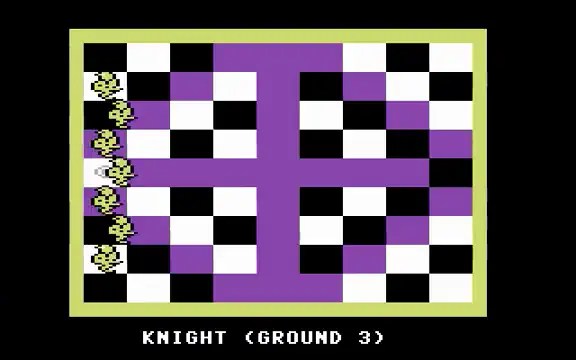

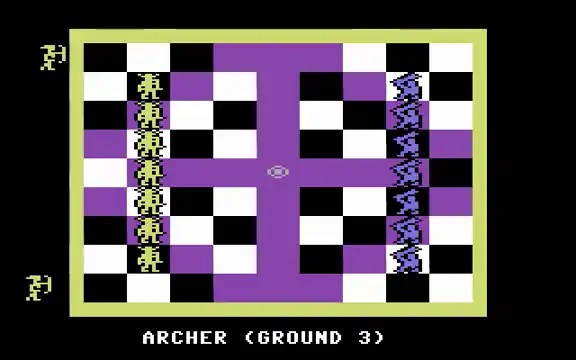
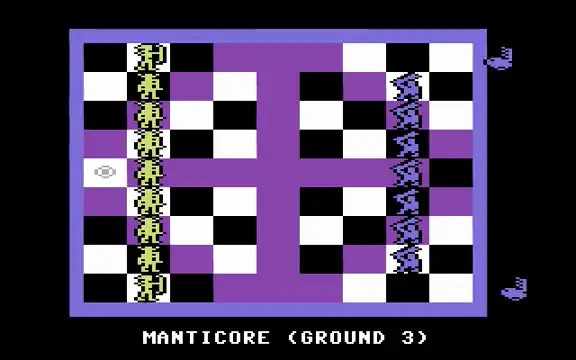
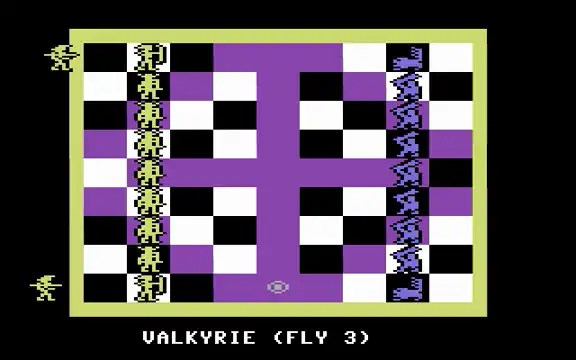
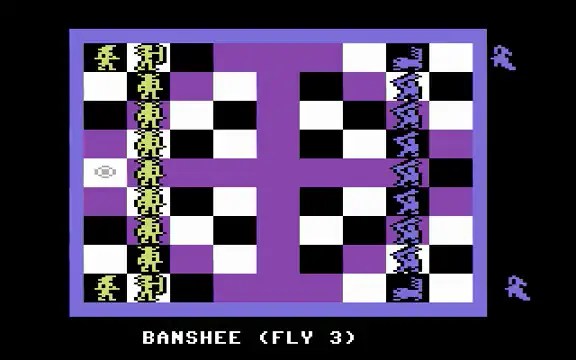
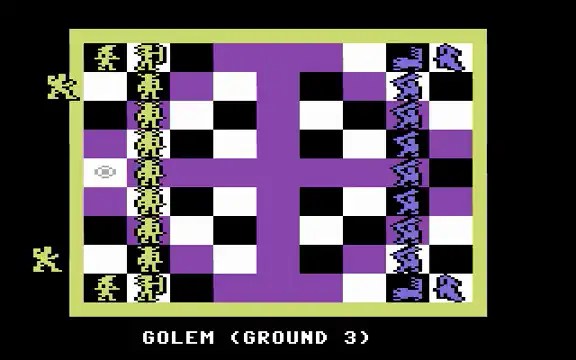
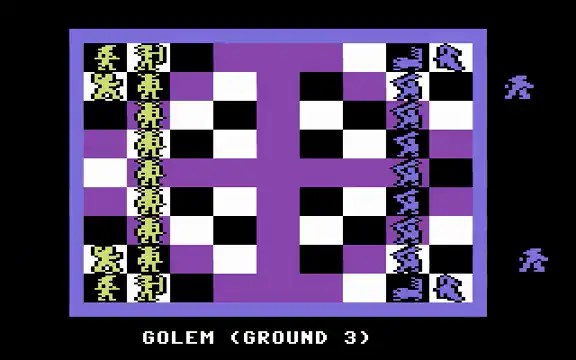
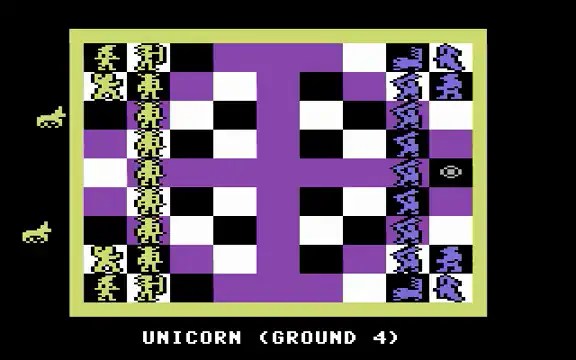
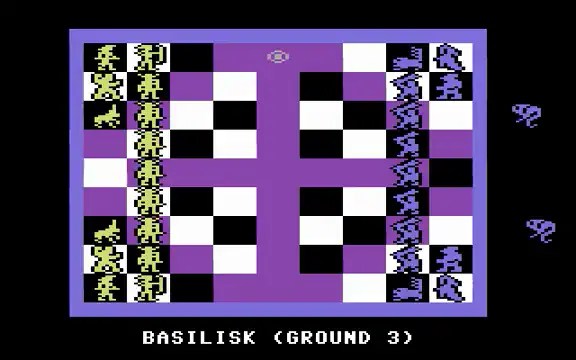

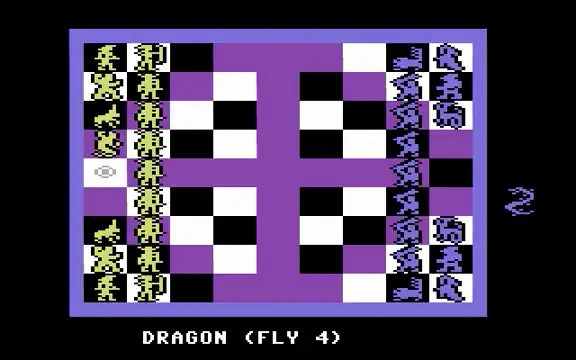
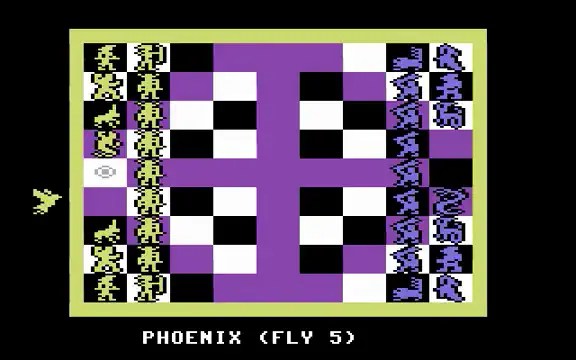

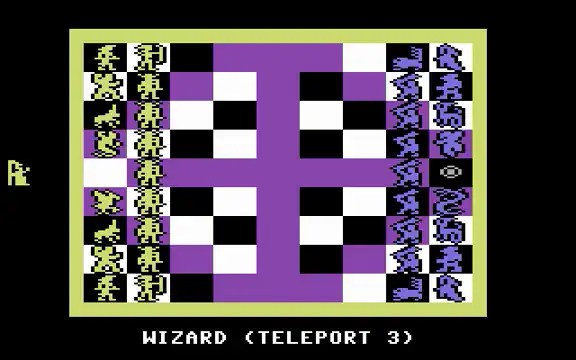
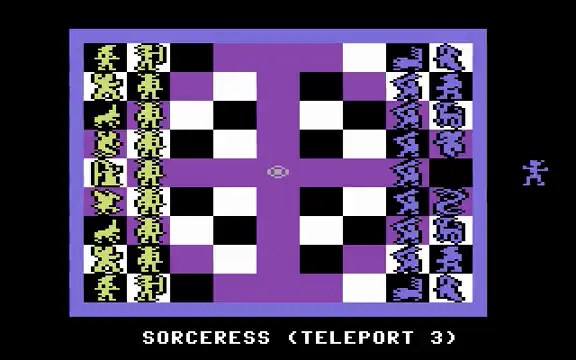
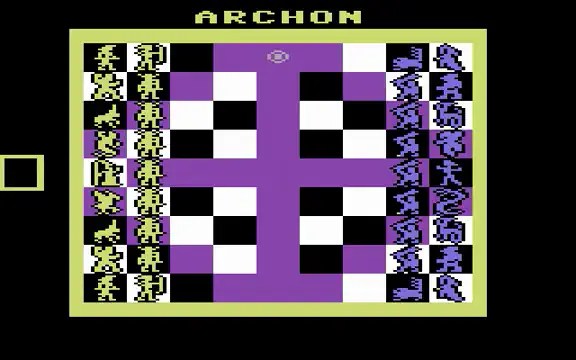
The inclusion of power points—special board squares that act as control objectives—adds another strategic layer. Players can win not just by eliminating all enemy pieces, but also by occupying all five power points simultaneously, which introduces alternative win conditions that require careful board control and movement planning. In addition, spellcasting by powerful wizard-like units introduces one-time-use magical effects, including healing, resurrection, teleportation, or summoning, each with dramatic implications for both tactical skirmishes and long-term strategy.
Single-player mode pits the player against a reasonably competent AI, with varying difficulty levels that provide a decent challenge and learning curve. However, Archon is best experienced in its two-player mode, where human unpredictability makes every battle feel fresh and tense. The interplay of tactical maneuvering and twitch-based combat creates a game that demands both mental acuity and physical dexterity—rare for its time and still engaging decades later.
Trivia
- The game’s creators, Jon Freeman and Anne Westfall, had previously worked on Starfleet Orion and Tax Dodge.
- Archon was one of Electronic Arts‘ earliest published titles and appeared in their innovative „album cover“ packaging.
- The magical creatures and spellcasting mechanics were influenced by tabletop games like Dungeons & Dragons.
- The title „Archon“ comes from a Greek word meaning „ruler“ or „lord,“ underscoring the game’s theme of power and control over a mystical battlefield.
- A hidden message in the game credits offered a humorous fake Latin motto: „Ars gratia artis“ (art for art’s sake)—a nod to its artistic ambitions.
- Free Fall Associates designed the game in just over six months, working with a small team but using a collaborative process that was considered progressive at the time.
- The Light and Dark sides were deliberately designed to be asymmetrical yet balanced, a design challenge that prefigured modern multiplayer balancing in competitive games.
- An Amiga version of Archon was planned but never officially released, though fan versions and ports have surfaced in the years since.
- The game was used in early computer gaming tournaments in the U.S., helping establish its reputation as a competitive and skill-based title.
Technology
On the Commodore 64, Archon took advantage of the system’s robust sprite and sound capabilities. The real-time combat sequences were fluid for the time, and the visual representation of magical creatures was imaginative and detailed within the hardware’s limitations. Sprites were cleverly designed to reflect each unit’s personality and magical abilities, using smooth animations and smart color usage to convey a sense of life and movement. The lighting effects and flickering aura around some characters pushed the limits of the C64’s graphical potential.
The game’s sound effects added atmosphere, especially during battle sequences, enhancing the tension and excitement of combat. Each creature had a distinct audio cue or sound signature that made encounters feel more personal and intense. Its minimalistic but thematic music enhanced immersion, utilizing the C64’s SID chip to create a moody, arcane soundscape that supported the game’s mythological tone. Load times were also relatively short for the period, and the game’s interface was intuitive and responsive—further evidence of thoughtful programming and optimization by the development team.
Sequel
Due to its success, Archon spawned a direct sequel, Archon II: Adept, released in 1984. The sequel expanded the gameplay with new units, a more complex spell system, and a reworked board. It introduced elemental arenas with different terrain types, which added new tactical dimensions to the real-time combat sequences. The spellcasting aspect was also overhauled, giving players access to a wider variety of magical effects and strategic possibilities.
While it received praise for its ambition and innovations, some fans missed the elegant simplicity of the original. The new features, while deeper, introduced a steeper learning curve that didn’t resonate with every player. Nonetheless, Archon II was regarded as a bold and creative follow-up that showcased the developers’ willingness to take risks and evolve the core concept. It maintained a dedicated fanbase and cemented Archon as a franchise with lasting appeal across multiple platforms and audiences.
Reviews at the Time
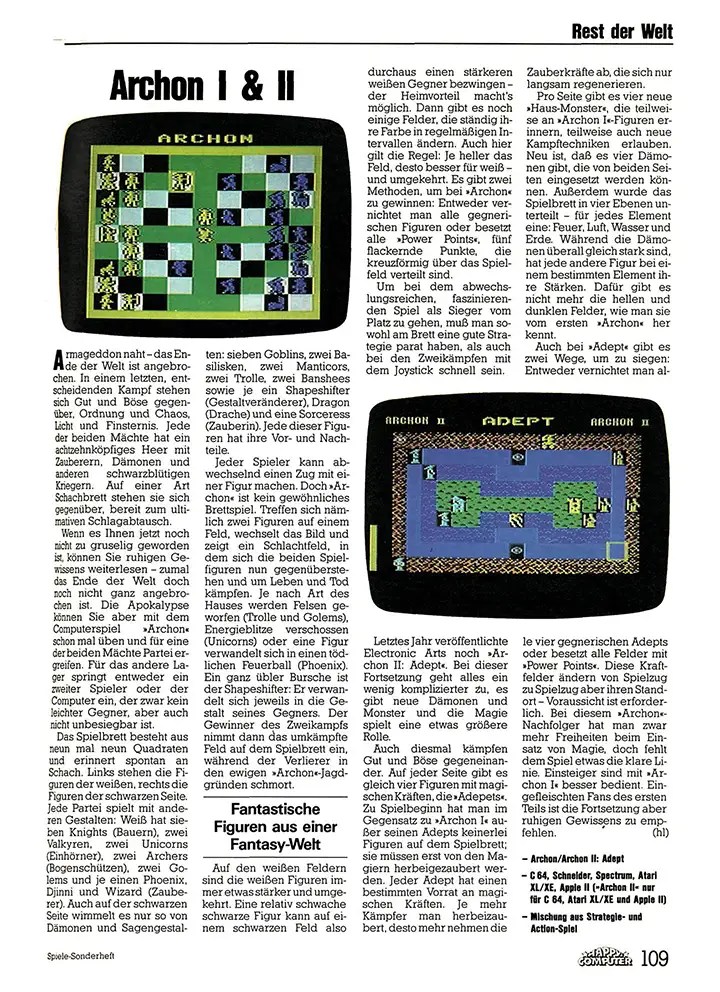
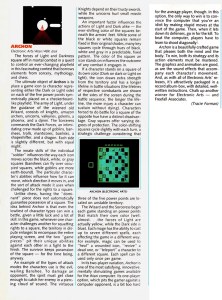
At the time of its release, Archon received widespread acclaim. Reviewers praised its originality, addictiveness, and the seamless blend of strategy and action. Magazines such as Compute!, BYTE, and Electronic Games highlighted it as a must-have title for C64 owners. It also won several early video game awards, including recognition from the Software Publishers Association.
In particular, critics were impressed by how Archon managed to create a compelling fusion of two traditionally distinct genres. This innovation was seen as a sign of the growing maturity and potential of video games as a medium. The two-player mode was often highlighted as a standout feature, bringing a level of depth and excitement that elevated it above many contemporaries. Some reviewers even compared its level of strategic nuance to board games like chess or Risk, while applauding its dynamic combat system as uniquely thrilling.
User feedback echoed critical reviews, with many players praising the game’s replay value and the contrasting playstyles of the Light and Dark factions. It became a staple in gaming households and was regularly featured in „top games“ lists during the mid-1980s. Archon also contributed significantly to Electronic Arts’ reputation as a publisher willing to support innovative and experimental game designs.
Cultural Influence and Reputation Today
Archon remains a landmark in game design, frequently cited in retrospectives of great video games. Its blend of genres influenced later titles that attempted to combine strategic oversight with direct player control, such as Battle Chess and elements of modern MOBAs. The game’s legacy is evident in a wide array of hybrid titles that followed, many of which credit Archon as a foundational influence. It helped demonstrate that video games could be more than simple arcade shooters or basic simulations—they could be thoughtful, layered experiences combining multiple modes of play.
Fan remakes and spiritual successors continue to appear, showcasing the enduring appeal of its concept. Communities dedicated to retro gaming often organize tournaments and discussions around Archon, and its mechanics are studied in academic circles focused on game design. The game is preserved and playable through emulation, allowing new generations of players to experience its unique blend of tactics and action. Its continued relevance is a testament to its forward-thinking design and the passionate community that keeps its spirit alive.
Summary
Archon: The Light and the Dark is more than just a nostalgic classic; it was a genre-defining experience that pushed the boundaries of what video games could do in the early 1980s. With its strategic depth, unique fantasy theme, and real-time action, it stands as a testament to the creative ambition of early game developers and remains beloved by fans of retro gaming. The game managed to transcend the limitations of its time, offering a level of interactivity and complexity rarely seen in other titles of the era. Its clever use of a fantasy motif not only appealed to fans of role-playing and tabletop games but also helped establish the potential for storytelling in a strategic game format.
Beyond its gameplay mechanics, Archon also helped solidify the identity of the Commodore 64 as a platform capable of delivering high-quality, genre-bending experiences. It became a reference point for innovation in game design, influencing both its contemporaries and future developers who sought to merge tactical decision-making with visceral action. Decades later, its design principles are still admired, studied, and emulated in modern indie and mainstream games alike.








 McHenry's Lair
Kommentar verfassen :