


In space no one can hear you …
… scream!
A milestone in science fiction horror
„Alien“ from 1979, directed by Ridley Scott, is a groundbreaking film that revolutionized the science fiction and horror genre. With its oppressive atmosphere, groundbreaking special effects and a strong female protagonist, Ellen Ripley, the film set new standards for cinema. „Alien“ is not only known for its shocking horror elements, but also for its profound themes of isolation, survival and the fear of the unknown. The film skillfully combines elements from different genres and remains a classic to this day, inspiring filmmakers and viewers alike.
Plot
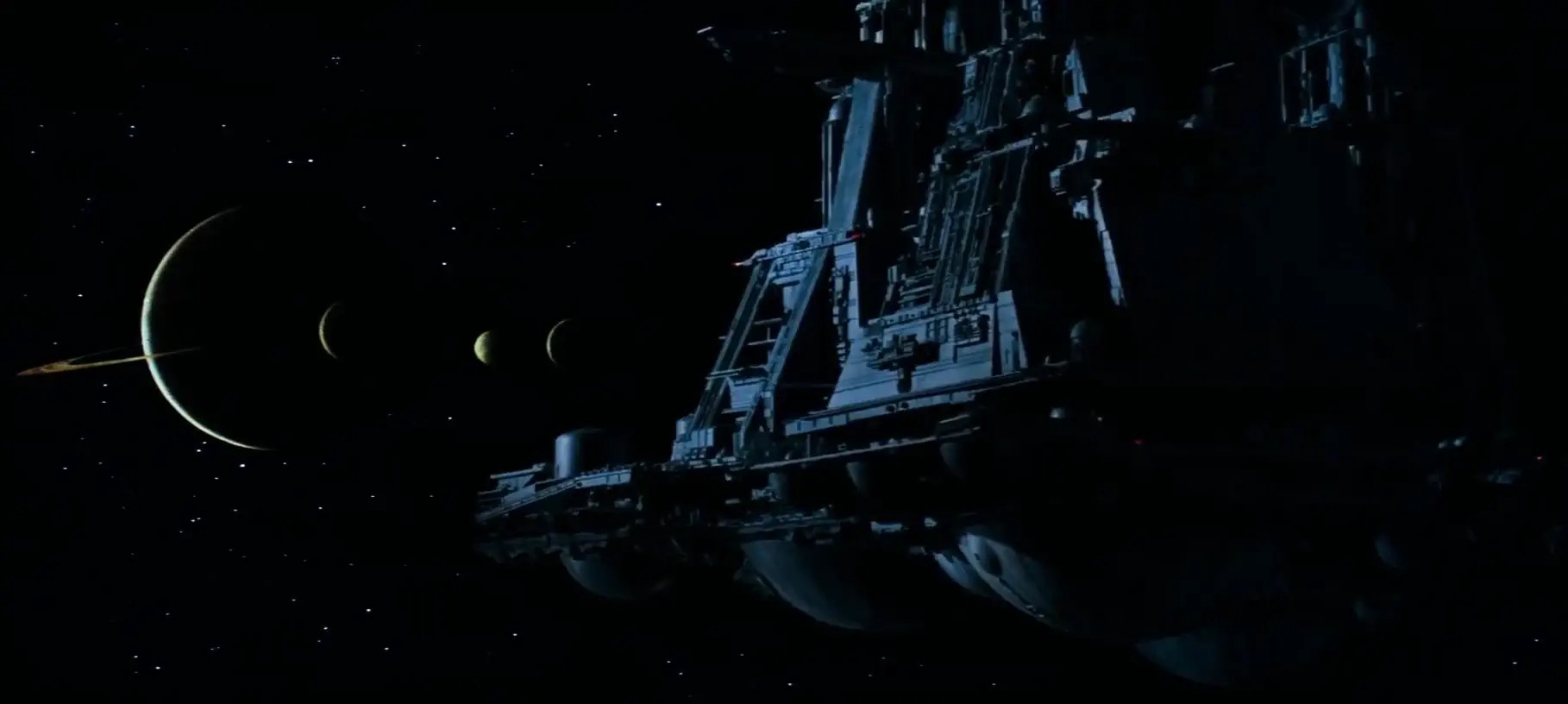
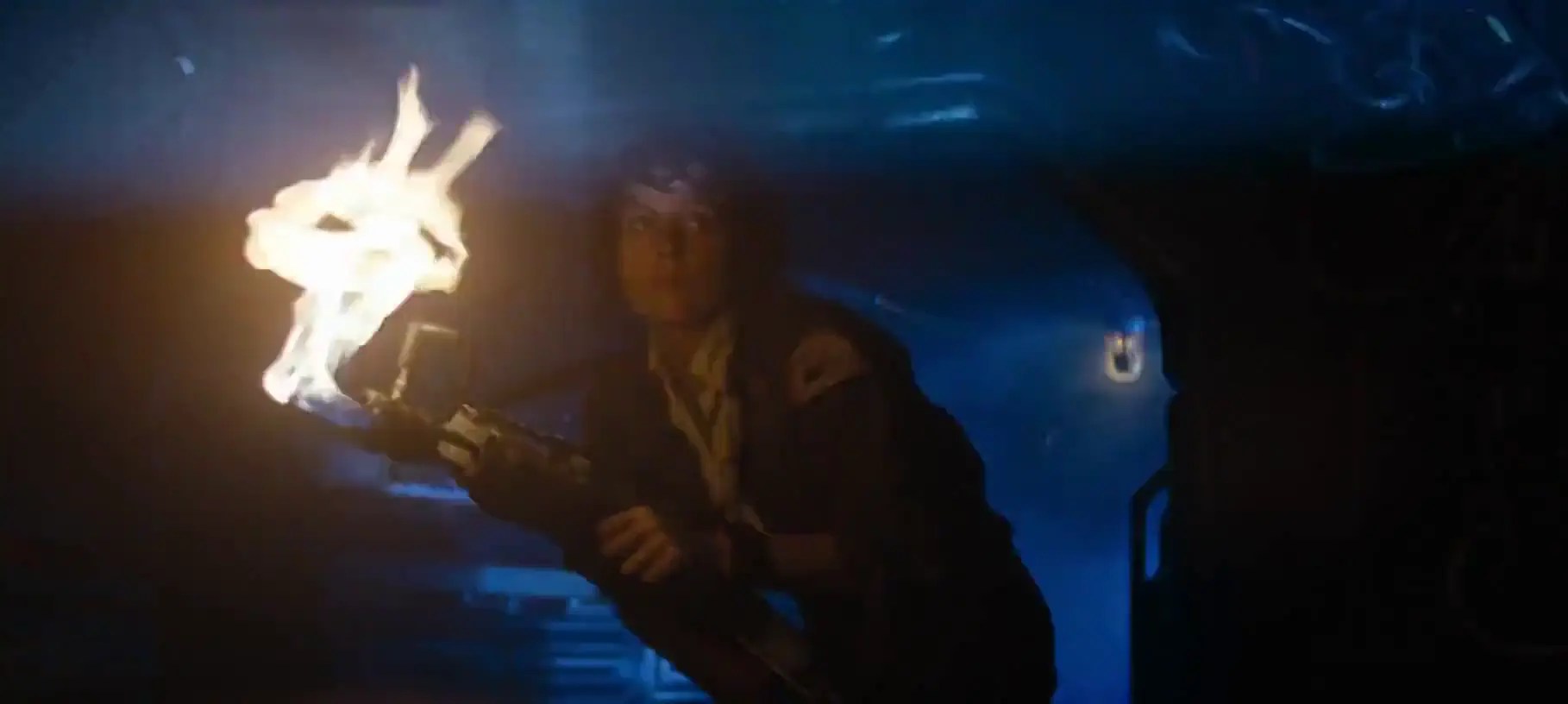
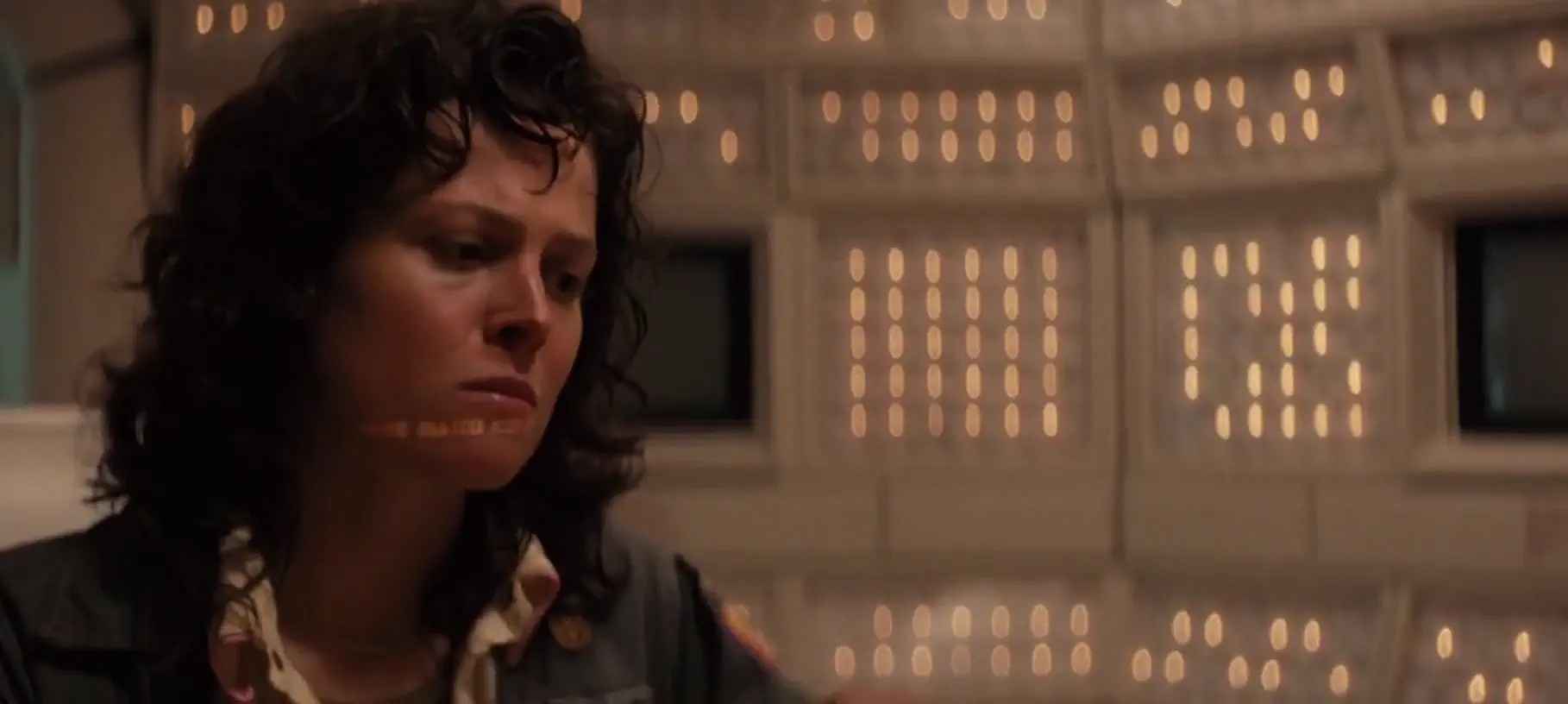
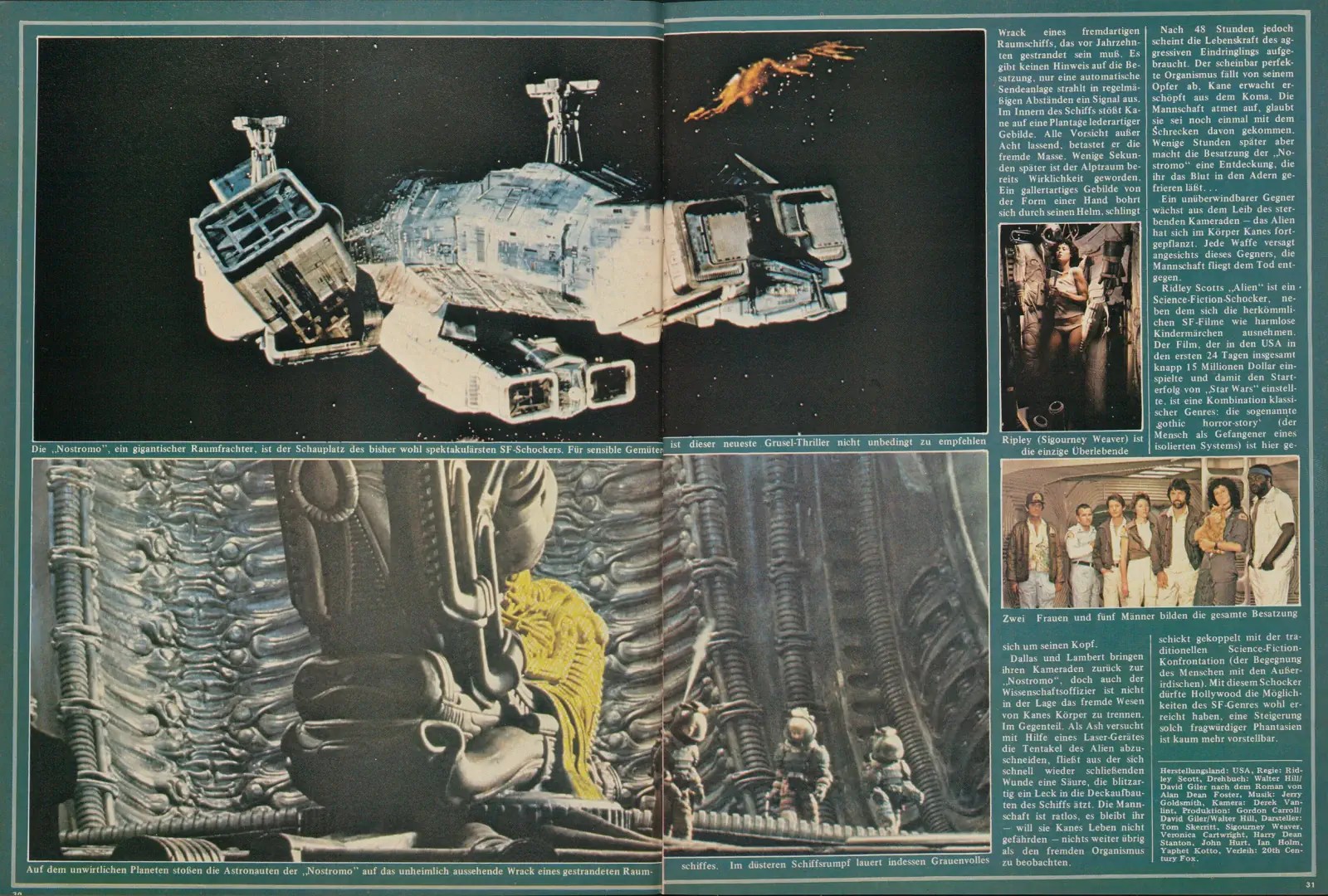
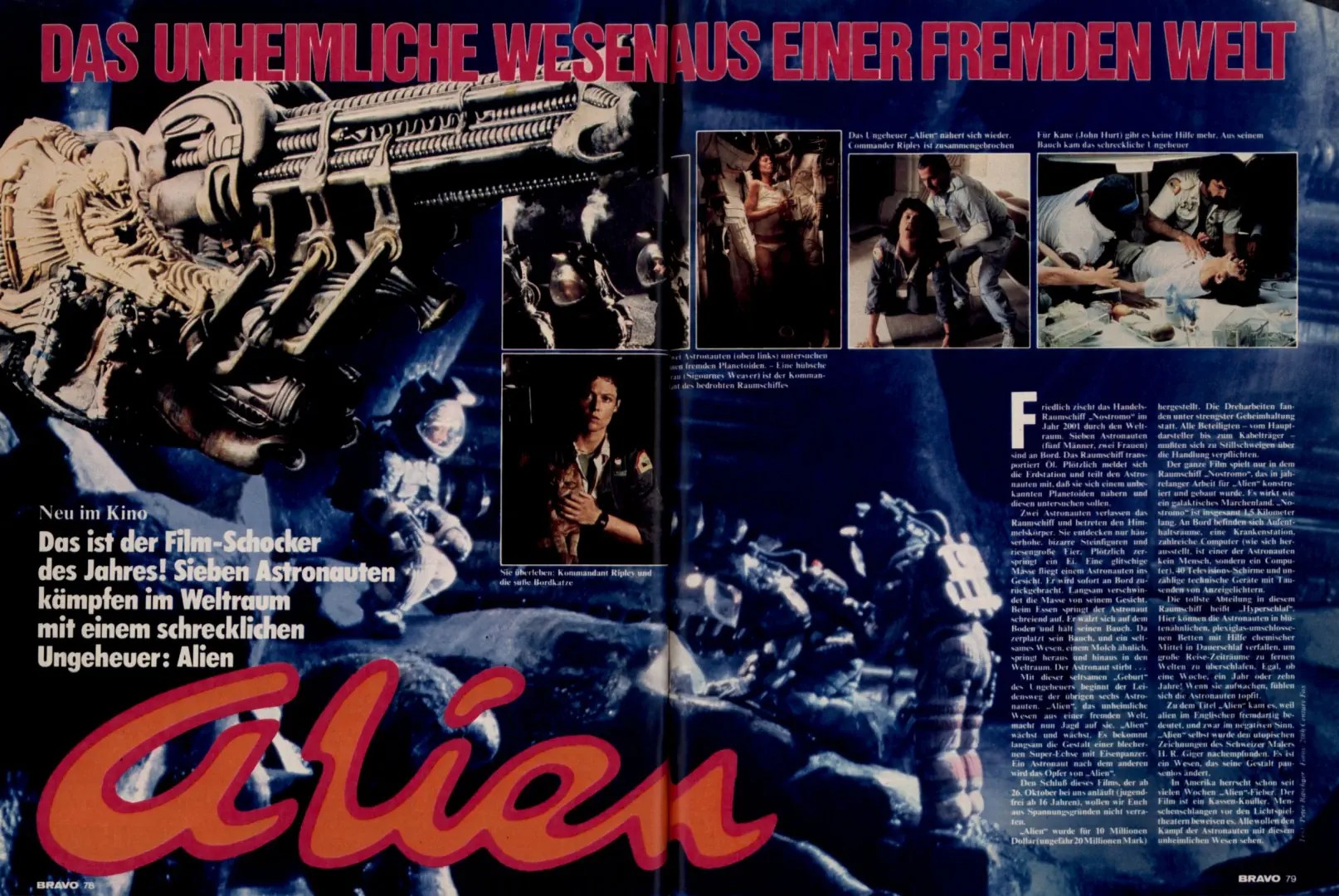
The story of „Alien“ begins on board the spaceship Nostromo, which is on its way back to Earth. The crew, consisting of seven members, is awakened from their cryosleep when the ship receives a mysterious distress signal from an unknown planet. Captain Dallas (Tom Skerritt), officers Ripley (Sigourney Weaver) and Kane (John Hurt) and the rest of the crew decide to investigate the signal.
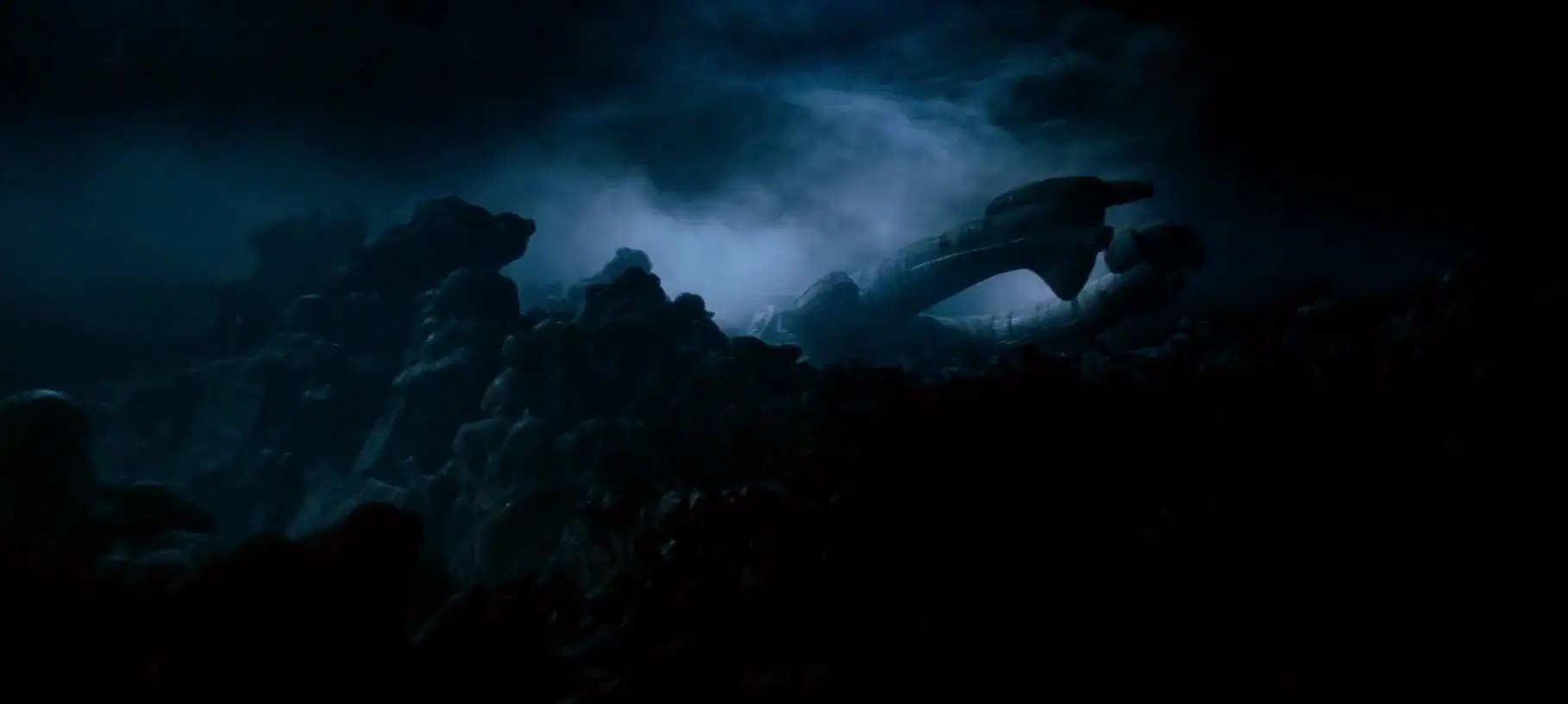
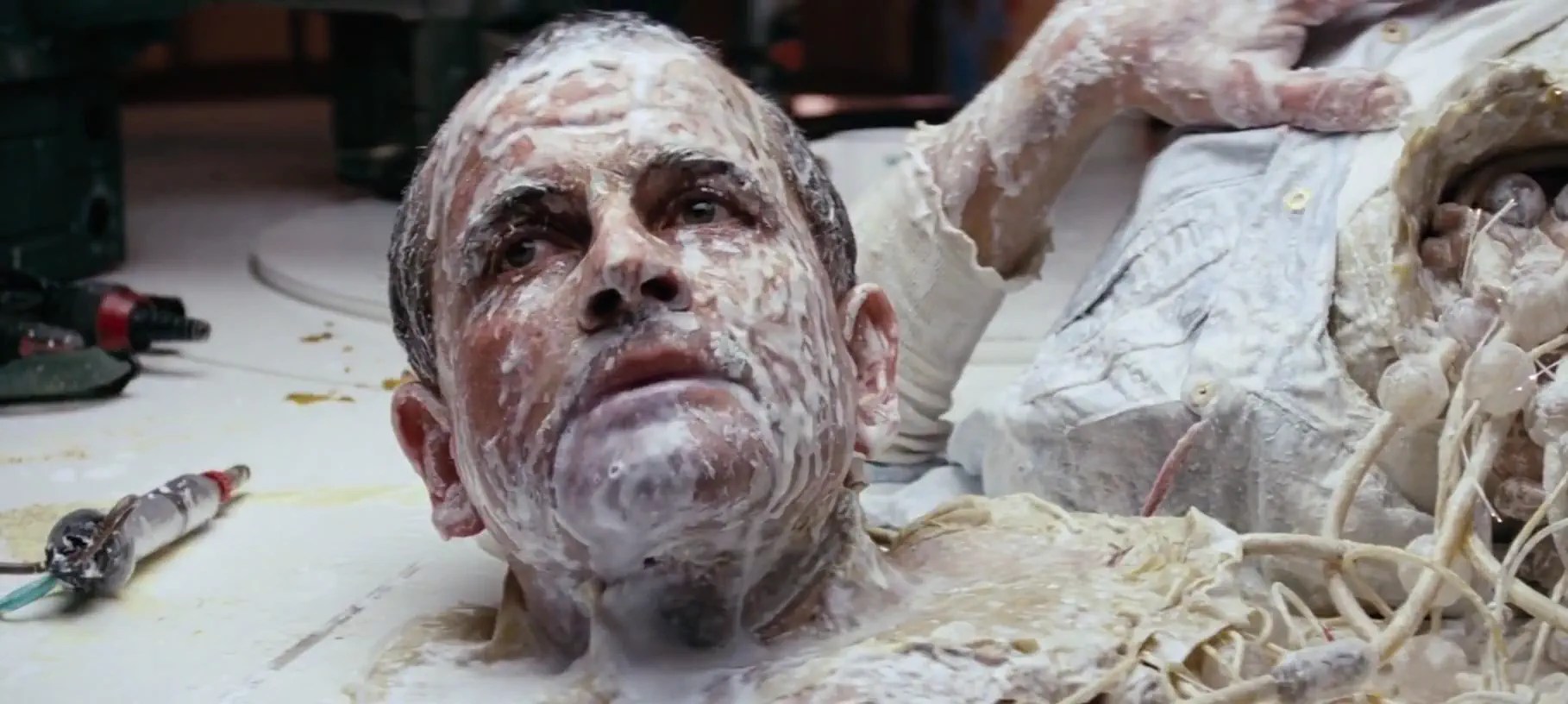
They discover an alien spaceship on the planet’s surface. Inside the ship, Kane comes across a chamber full of egg-shaped formations. As he examines one of these eggs, a creature jumps out and clings to his face. Despite Ripley’s misgivings, Kane is taken aboard the Nostromo. Soon after, the creature dies, but not without implanting a deadly entity into Kane. During a meal, the alien breaks out of Kane’s chest and disappears into the ship.
The creature grows rapidly and begins to kill the crew members one by one. Ripley, who soon takes command, desperately tries to find a way to defeat the monster and survive. With the help of Parker (Yaphet Kotto) and Lambert (Veronica Cartwright), she does everything she can to throw the creature out of the ship. In the end, Ripley is the only survivor and manages to hurl the alien into space before escaping into an escape pod.



Giger’s artwork
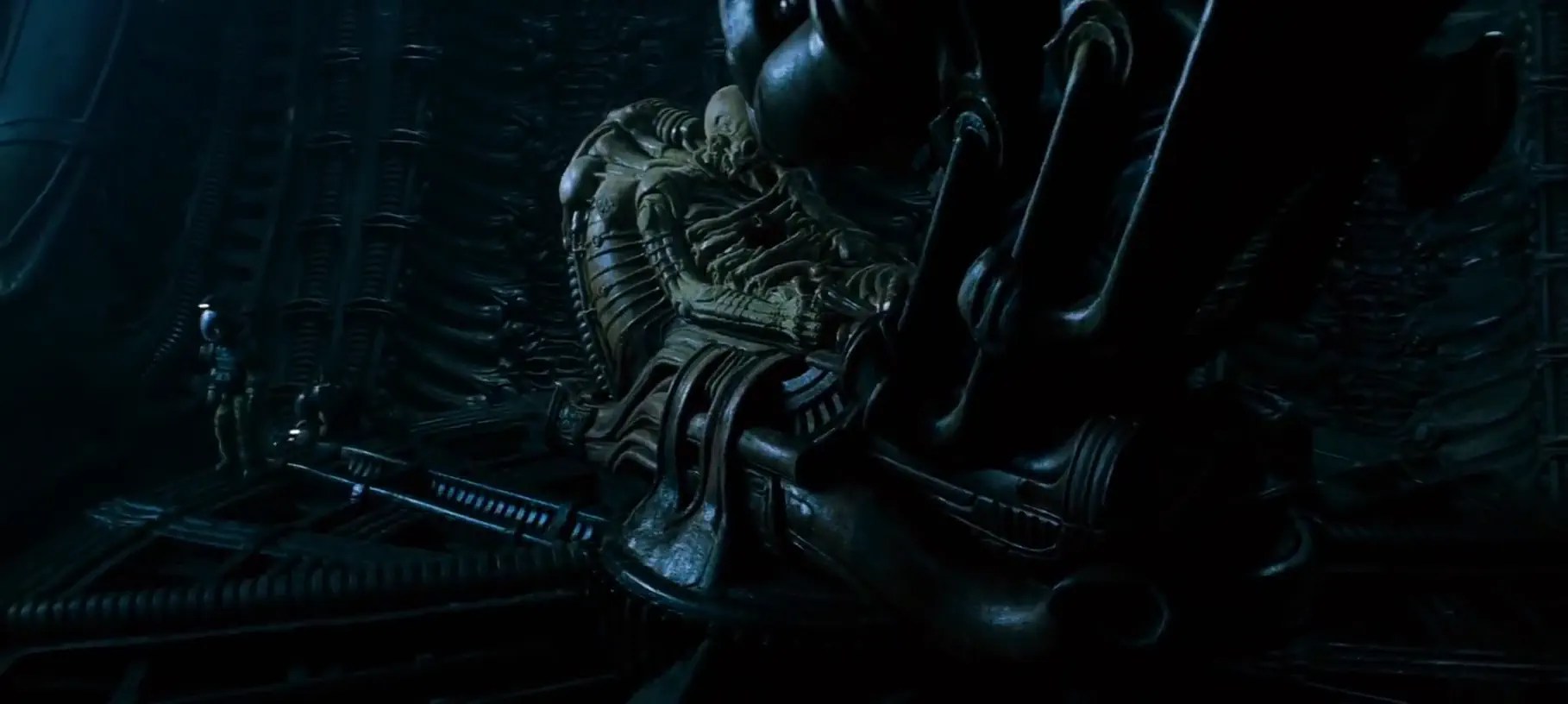
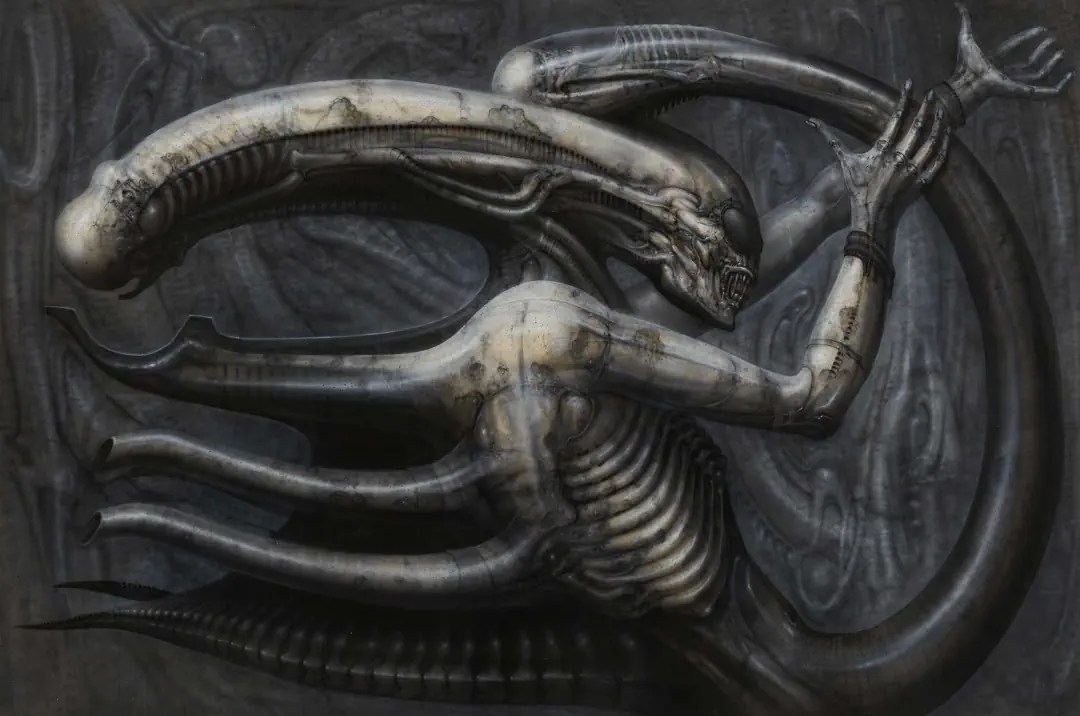
A significant factor in the unforgettable impact of „Alien“ is the disturbing design of the alien, which was created by Swiss artist H.R. Giger. Giger was known for his surrealist and biomechanical artwork, which often combined organic and mechanical elements. His design for the Alien, based on his own work „Necronom IV“, gave the creature an eerie, almost sexual appearance that is both repulsive and fascinating.
Giger’s art also shapes the atmosphere and set design of the film. The claustrophobic corridors of the spaceship Nostromo and the mysterious, biomechanical interior of the alien ship were significantly influenced by Giger. These visual elements contribute significantly to the eerie and oppressive atmosphere of the film. Giger’s unique aesthetic made „Alien“ a visual masterpiece and set new standards for the design of movie monsters.
Critics at the time
Upon its release in 1979, „Alien“ was met with a largely positive response from critics. The suspense and horror of the film were widely praised. Roger Ebert described „Alien“ as „a brilliant blend of horror and science fiction“. Vincent Canby from the New York Times emphasized the extraordinary visual effects and the dark atmosphere. In particular, Sigourney Weaver’s performance as Ellen Ripley was praised as refreshing and powerful, as she portrayed a rare strong female protagonist in an otherwise male-dominated genre.
However, there were also critical voices. Some reviewers found the movie too violent and shocking. Pauline Kael of The New Yorker described it as „an exercise in sadistic voyeurism“. Despite these mixed opinions, the positive reception prevailed and „Alien“ won several awards, including an Oscar for Best Visual Effects.
Reputation today
Today, „Alien“ is considered one of the greatest and most influential science fiction horror films of all time. The film has earned a permanent place in pop culture and is the subject of numerous analyses and interpretations. Ellen Ripley is considered one of cinema’s most iconic characters and has inspired generations of filmmakers and writers. Giger’s Alien design continues to be regarded as a masterpiece of creature design and is often quoted and imitated in other media.
„Alien“ has managed to remain timeless by addressing fundamental fears and themes that are still relevant today. The combination of suspense, horror and a gripping story ensures that the movie continues to excite new viewers and captivate old fans.
Perspective for sequels
The success of „Alien“ led to several sequels and spin-offs that further expanded the franchise. James Cameron’s „Aliens“ (1986) is considered one of the best movie sequels ever and brought an action-packed perspective to the story. „Alien 3“ (1992), directed by David Fincher, took on a darker tone and explored the psychological aspects of the survivors. „Alien: Resurrection“ (1997) by Jean-Pierre Jeunet took the story in a bizarre and grotesque direction.
In addition to these direct sequels, Ridley Scott created the prequels „Prometheus“ (2012) and „Alien: Covenant“ (2017), which deal with the origins of the alien creatures and humanity. These films expanded the universe and deepened the mythology on which the original was based. Despite mixed reviews, these expansions have kept interest in the Alien franchise alive and increased fascination with the eerie universe.
Summary
„Alien“ from 1979 remains a milestone in science fiction and horror films. With its gripping plot, impressive visual effects and the unmistakable design by H.R. Giger, the film has left a lasting mark on the genre. The strong performance by Sigourney Weaver as Ellen Ripley, the dark atmosphere and the timeless suspense make „Alien“ an unforgettable experience. The film has not only influenced the film industry, but has also inspired numerous sequels and prequels that continue to explore the Alien universe. „Alien“ remains an outstanding example of the interplay between horror, science fiction and masterful direction and will continue to be celebrated as a classic of cinema.
More
Magazine Scans
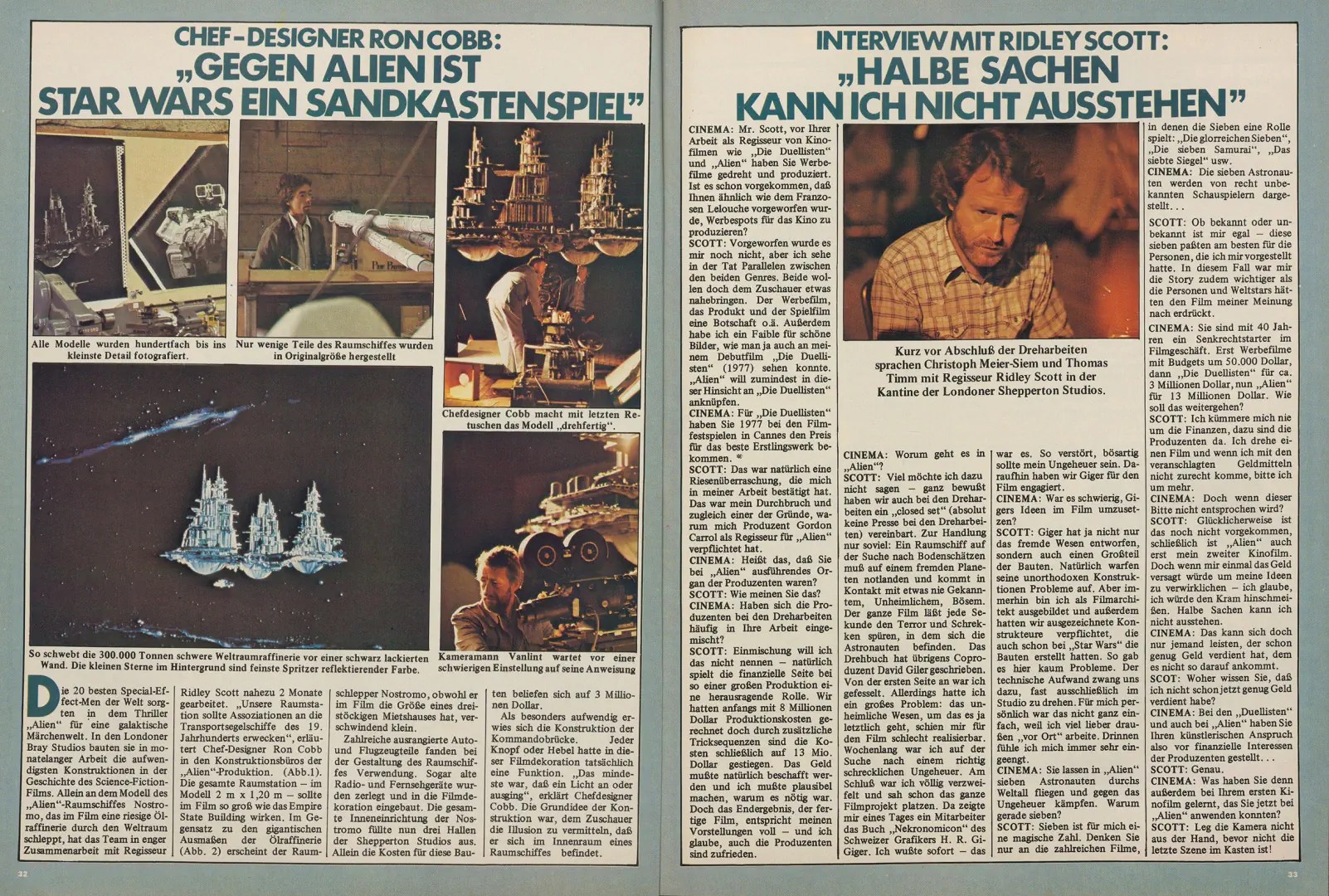
Cinema (German) 1979/11
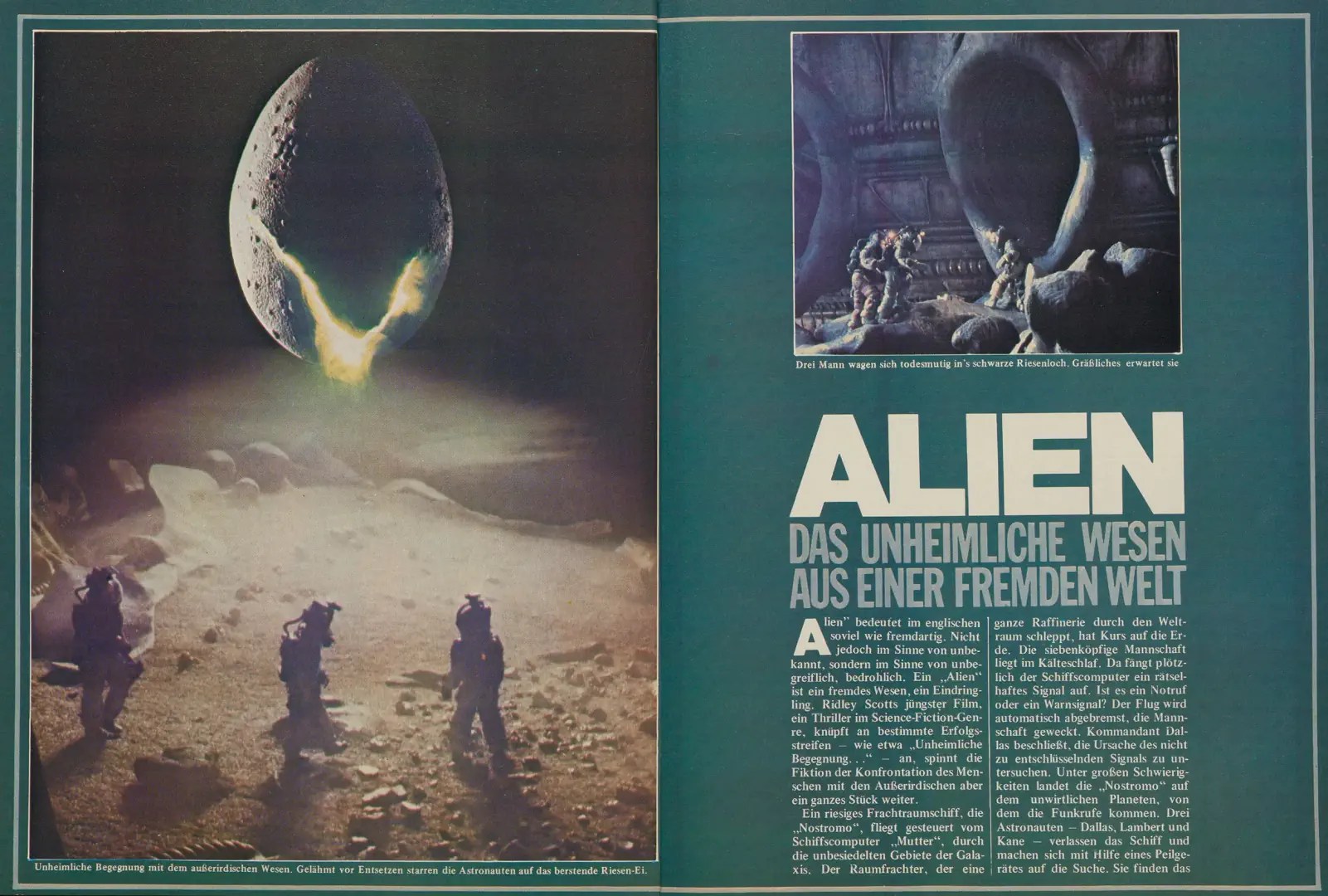
Bravo (German) 1979/41






 McHenry's Lair
Kommentar verfassen :