


Contents
- The creation of a curious television event
- An ambitious but failed experiment
- A chaotic mix of genres and characters
- Guest stars between curiosity and vicarious embarrassment
- Leia’s song and the absurd finale
- A brief moment of genuine Star Wars magic
- From disaster to cult object
- George Lucas and the unloved child
- Resonance and legacy
- Star Wars Holiday Special on YouTube
It’s November 17, 1978, and I’m sitting restlessly in front of the TV. The commercial break seems to go on forever, but it’s about to start—the Star Wars Holiday Special! For months, I’ve been talking about nothing else with my friends. We’ve collected the movie posters, the plastic figures are on the shelves, and now, finally, we’re getting more from this galaxy far, far away. I can hardly believe it: Han Solo, Luke, Leia—they’re all about to appear on TV! The idea of seeing new adventures fills me with a childlike excitement that I can hardly describe. The thought that Star Wars is now even part of the holidays feels magical. I lean forward, the lights are dimmed, and the CBS logo lights up. It begins …
The creation of a curious television event
Forty-seven years ago, the “Star Wars Holiday Special” was broadcast – a production that remains as legendary as it is controversial to this day. Considered by many fans to be a curious gem and by others to be an embarrassing misunderstanding, the spectacle was shown for the first and only time on US television on November 17, 1978. Millions of viewers tuned in, curious to see how the magic of the big screen could be transferred to their living rooms. The event was heavily promoted in advance, accompanied by trailers, magazine headlines, and discussions in fan clubs. Television magazines presented the actors as big stars, and many families made plans to spend the evening together to experience the event. The anticipation was palpable, as never before had a science fiction production achieved such cultural significance.
Expectations were enormous, because Star Wars had revolutionized the world of cinema just one year earlier – and now there was the promise of reviving this fascination in a new, festive way. In an era without the internet or streaming, television was the central meeting place for pop culture, and the special was intended to serve as a bridge between the cinema experience and home entertainment. For many viewers, this seemed like a historic moment – an evening when the magic of Star Wars would enter their living rooms. This collective anticipation made the special not only a television event, but also an early example of the global hype that the franchise would repeatedly spark in the decades to come.
An ambitious but failed experiment
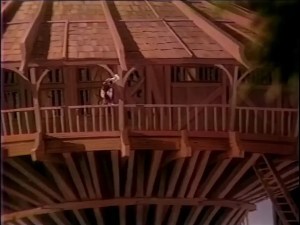
The two-hour TV event attempted to combine the world of Star Wars with the festive spirit of the holidays – an ambitious but ultimately failed experiment that nevertheless occupies a lasting place in pop culture. It was more than just a television broadcast; it was an attempt to integrate the Star Wars universe into American family culture and create an event that would evoke both nostalgia and excitement. In its structure, it combined different genres and styles – from musical numbers to comedy sketches to science fiction scenes – reflecting the television landscape of the time, when variety shows were still considered a universal entertainment format.
At the same time, the special was an experiment in transmedia storytelling: it was intended to connect cinema with television and give viewers the feeling of being part of a larger Star Wars experience. Even though the result was ridiculed by critics and fans alike, it nevertheless laid the foundation for the later expansion of the Star Wars universe into other media – comics, novels, and animated series.
A chaotic mix of genres and characters
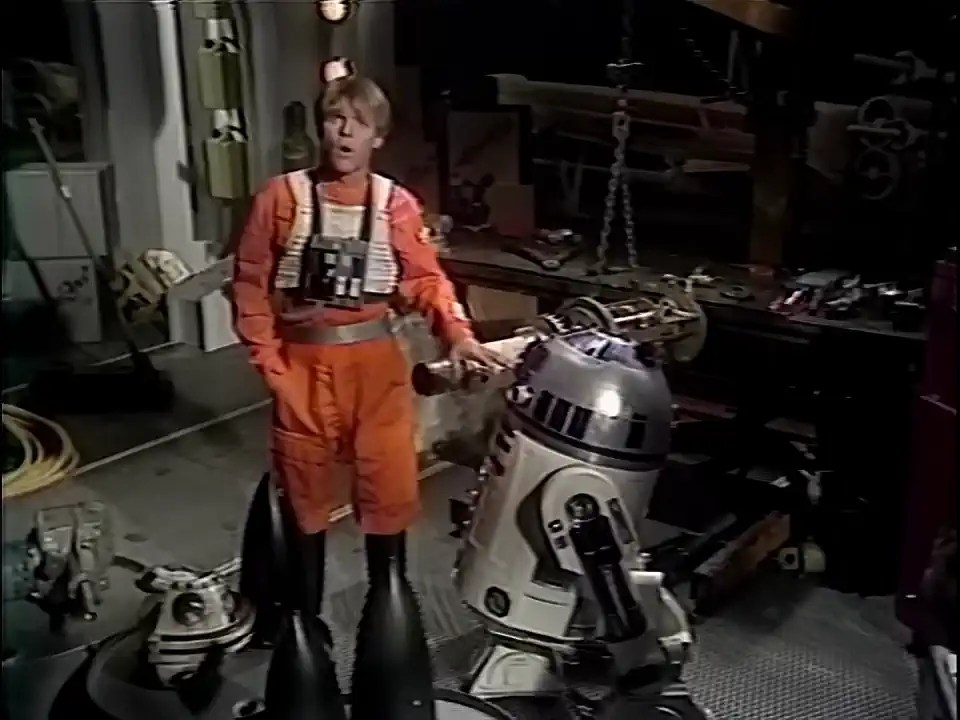
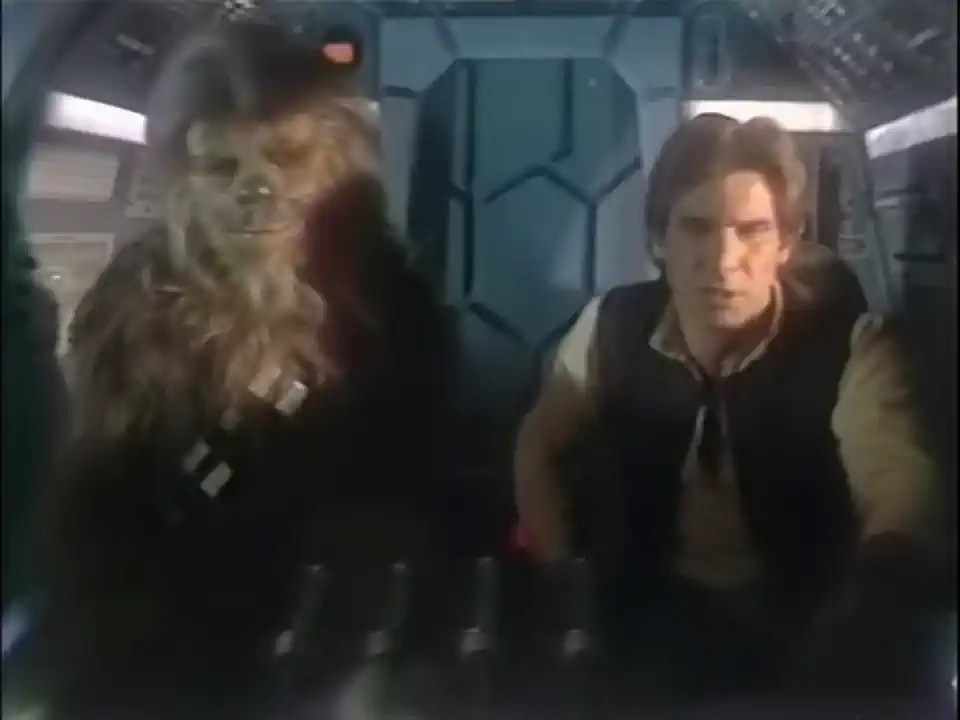
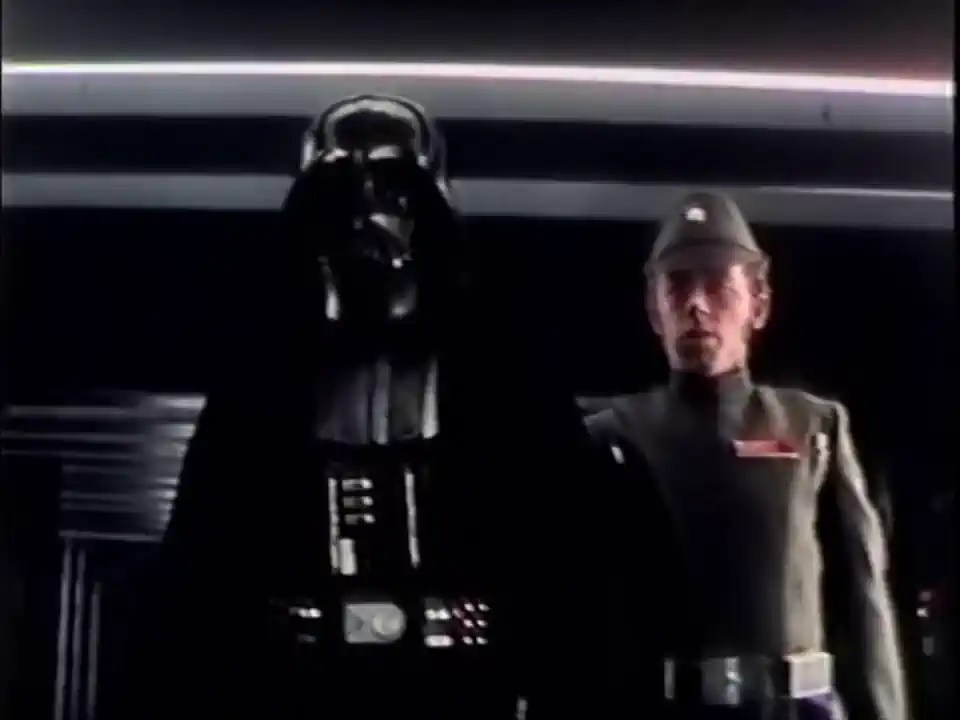
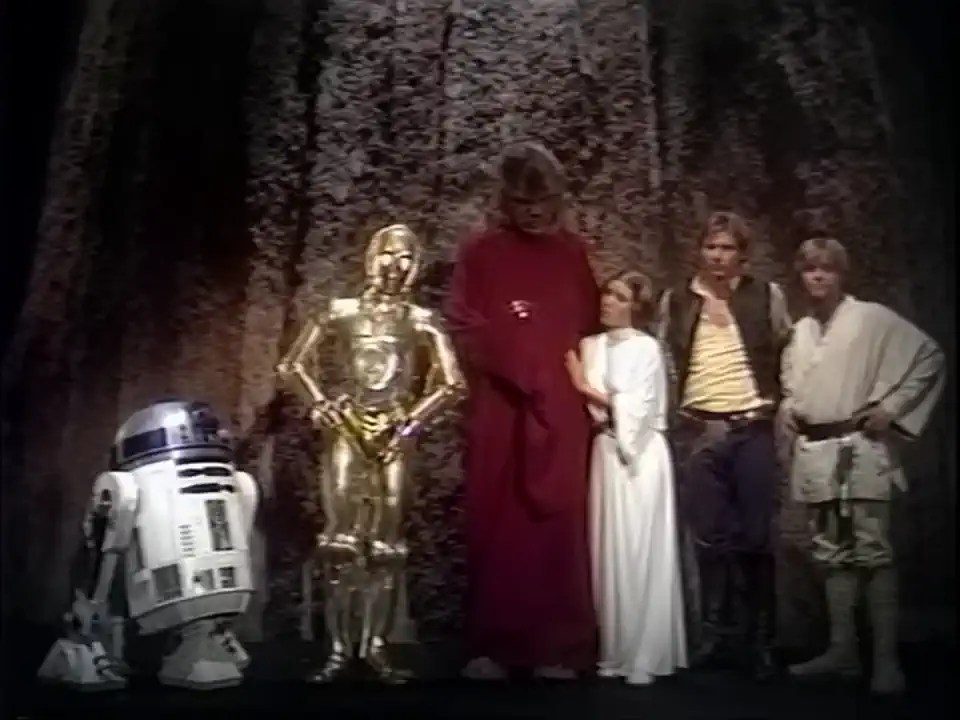
The special was originally conceived as a one-hour show and evolved during production into a peculiar mix of live action, animation, music, variety, and science fiction. It featured appearances by the original cast, including Mark Hamill, Carrie Fisher, and Harrison Ford, who all reprised their iconic roles – albeit visibly skeptical of the strange script. New characters and locations were also introduced, such as Chewbacca’s family on Kashyyyk, whose everyday life was shown for the first time. This creative decision was intended to expand the universe and bring viewers closer to Chewbacca emotionally, but it came across as rather alienating due to its bizarre execution and erratic pacing. The set design, a strange mix of futuristic technology and 1970s living room aesthetics, also contributed to the special’s idiosyncratic charm – or chaos.

The plot focused on Chewbacca and his family waiting for Chewie’s return during the “Life Day” holiday. While Han Solo and Chewbacca try to fight their way through Imperial blockades, his wife Malla, son Lumpy, and father Itchy experience a series of bizarre and whimsical scenes. These sections feature long, dialogue-free sequences in which the Wookiees communicate exclusively through gestures and guttural sounds—a concept that was bold but extremely exhausting for the audience. The unsubtitled passages in the Wookiee language in particular confused many viewers and contributed significantly to the strange atmosphere. Critics complained that these scenes slowed down the pace and almost completely halted the narrative flow, while others praised them as unintentionally experimental television.
Guest stars between curiosity and vicarious embarrassment
In addition to the familiar characters, prominent guest stars also appeared, including Bea Arthur, Jefferson Starship, Art Carney, Harvey Korman, and Diahann Carroll. Their musical and comedic interludes lent the show a surreal charm – each of them brought a dose of 1970s entertainment to the distant galaxy in their own way.
Jefferson Starship, one of the most popular rock bands of their time, presented a psychedelic music video with the song “Light the Sky on Fire.” In a brightly lit, science fiction-like stage setting, the band performed as if they were playing in front of an intergalactic audience. The performance seemed both fascinating and out of place – as if someone had tried to teleport a rock concert into the world of Star Wars. Nevertheless, it is one of the most visually impressive moments of the special and reflects the aesthetics and pop culture of the late 1970s.
Diahann Carroll appeared as the holographic Mermeia, an elegant and seductive figure who encounters Chewbacca’s father Itchy in a bizarre scene in a kind of virtual fantasy. Her performance, characterized by shimmering light effects and trance-like music, oscillates between glamorous and alienating. Carroll’s sensual singing—actually intended as a symbol of comfort and beauty—seems almost eerie in the context of the scene and has made it one of the most talked-about moments of the special.

Harvey Korman, known from numerous comedy shows, played several roles, including an eccentric four-armed chef, a robot with speech impediments, and a weird TV guru. His exaggerated gestures and slapstick humor underscored the chaotic nature of the special and at the same time provided some unintentional comedy. Korman’s performances oscillate between parody and absurdity – they are grotesque, but at the same time fascinating because they perfectly reflect the tone of the show: completely unpredictable.
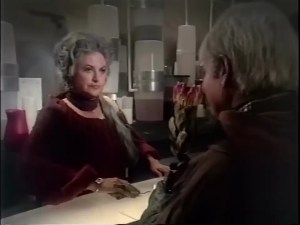
Bea Arthur, who later became a Golden Girls icon, played Ackmena, the bartender at the cantina on Tatooine. In her scene, she tries to say goodbye to a group of alien guests after the Empire orders the bar to close. Her song Goodnight, But Not Goodbye is both melancholic and theatrical, carried by a bittersweet mood. Arthur lends the scene an unexpected depth and humanity that is almost reminiscent of classic Broadway moments.
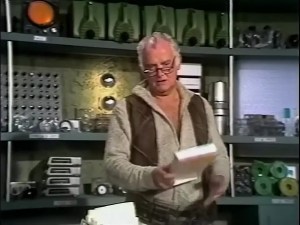
Art Carney, an experienced character actor, took on the role of Saun Dann, a merchant who supplies Chewbacca’s family with all kinds of technical equipment. His charming, slightly mischievous manner brings a touch of down-to-earthness to the otherwise over-the-top action. Carney’s character serves as a humorous link between the audience and the alien world of the Wookiees – a kind of human anchor amid the intergalactic turmoil.
The mixture of seriousness, parody, and unintentional comedy made these appearances the epitome of an overambitious but fascinating television experiment. Each guest brought their own style to the table, but together they created a bizarre, exuberant collage that made the Star Wars Holiday Special a unique—and infamous—pop culture experience.
Leia’s song and the absurd finale
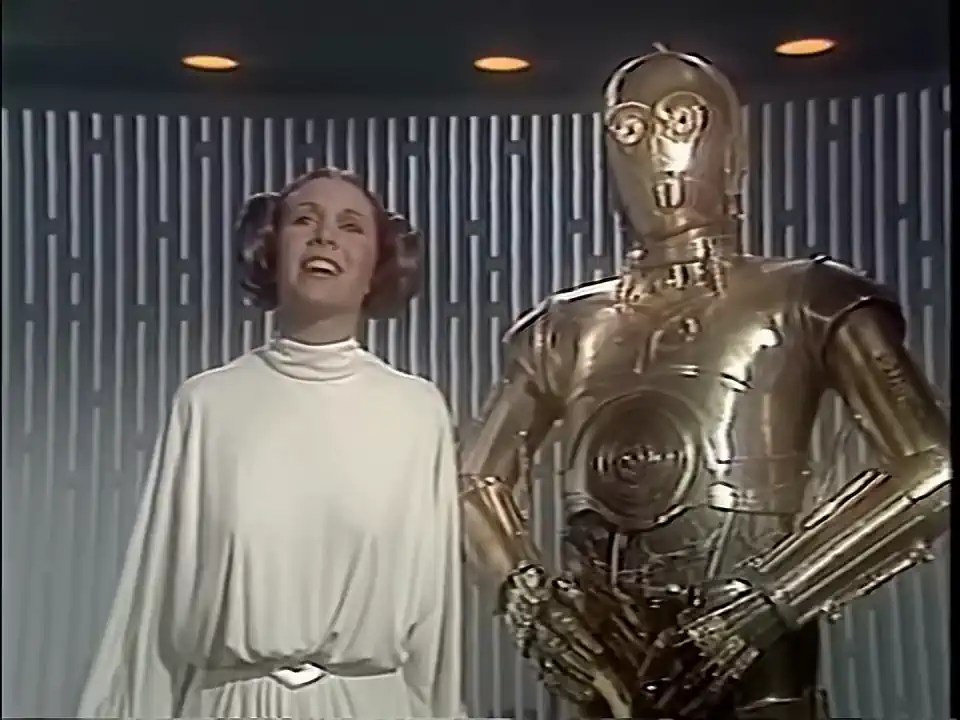
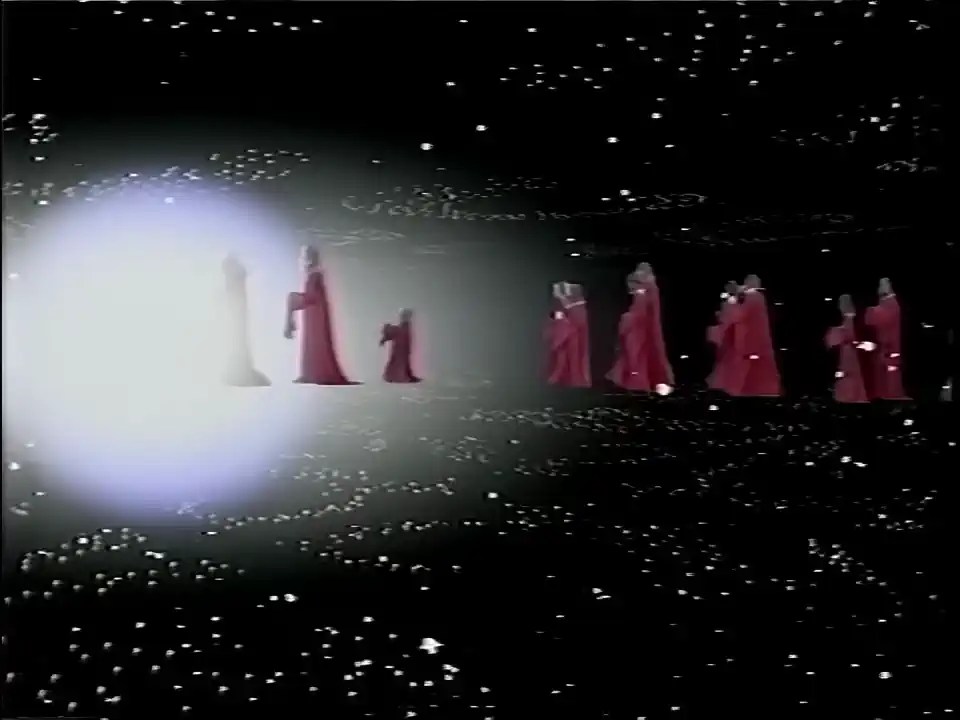
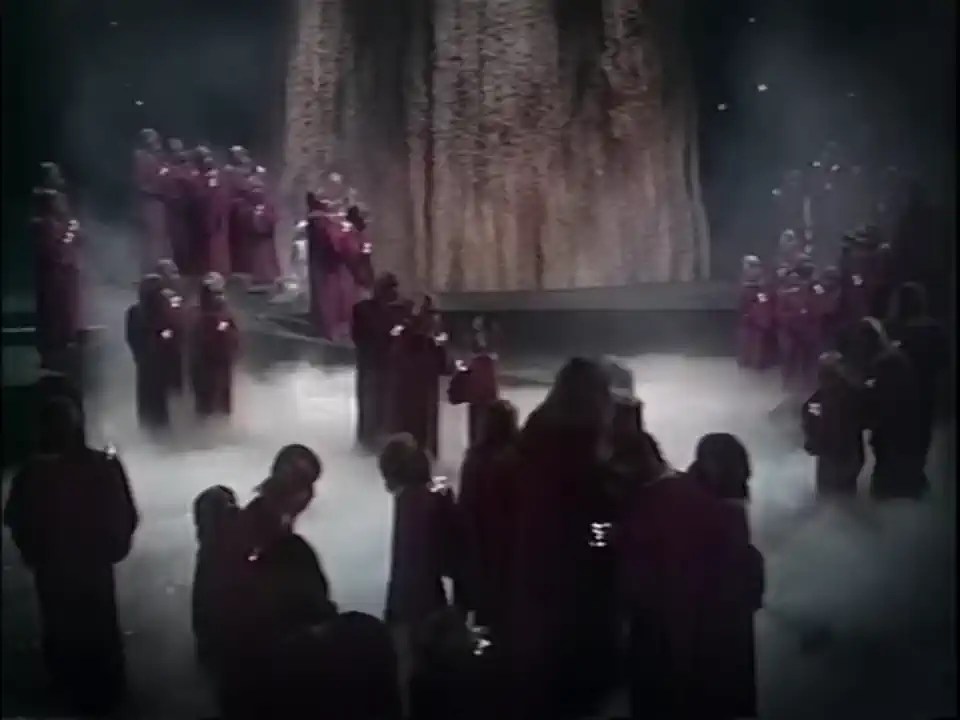
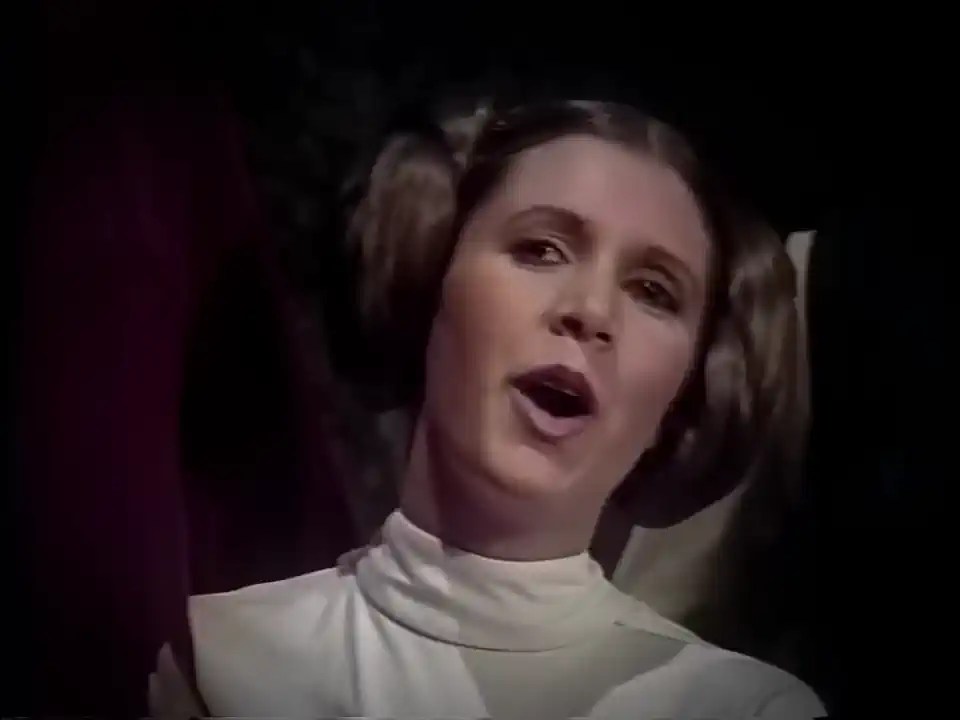
Leia’s song was supposed to be the emotional climax of the special, but for many viewers it became the involuntary climax of vicarious embarrassment. After Chewbacca finally returns to his family and the “Life Day” celebration begins, Princess Leia sings a cheesy song about peace and unity. Carrie Fisher’s voice may sound sincere, but the bombastic arrangement and confusing inserts from the original film seem like a helpless attempt to create meaning. The moment, probably intended to be solemn, degenerates into a bizarre mixture of pathos and embarrassment – and marks the tragicomic end of the special.
A brief moment of genuine Star Wars magic
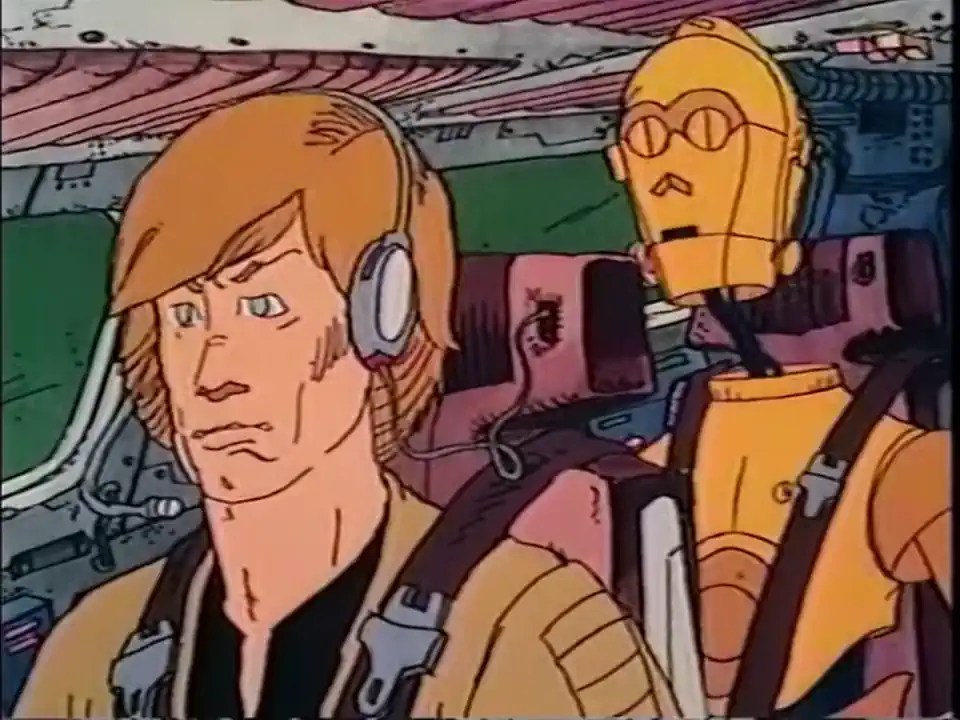
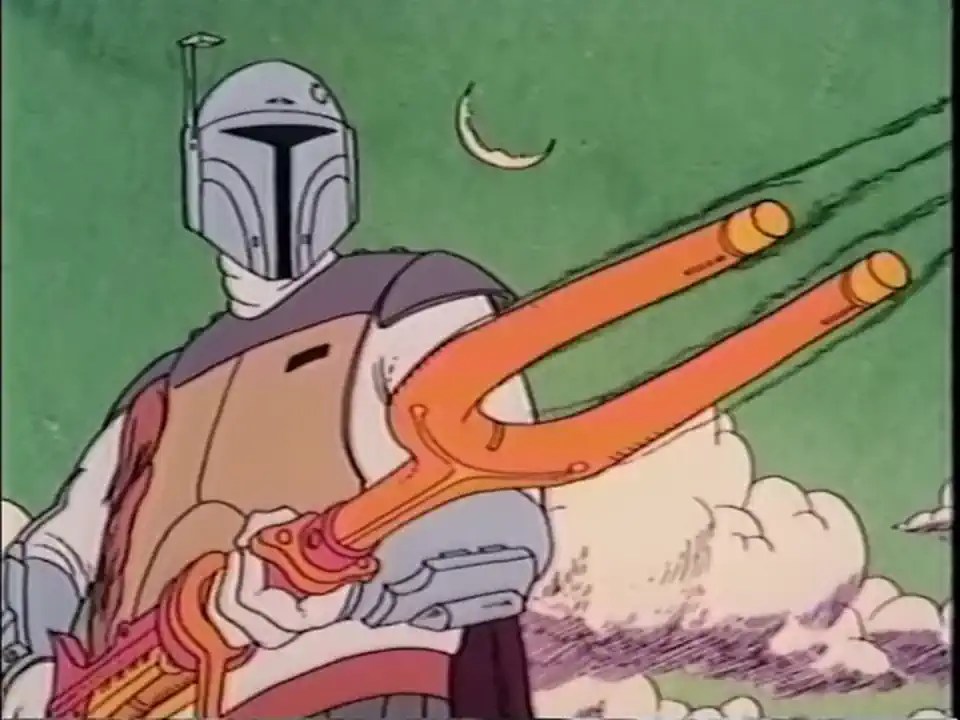
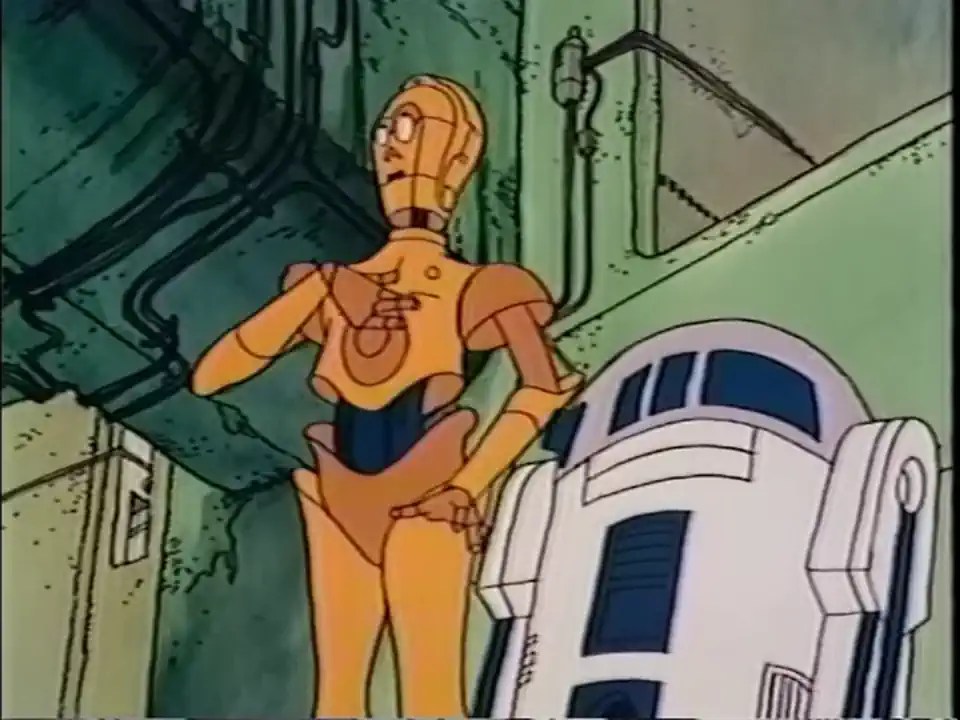
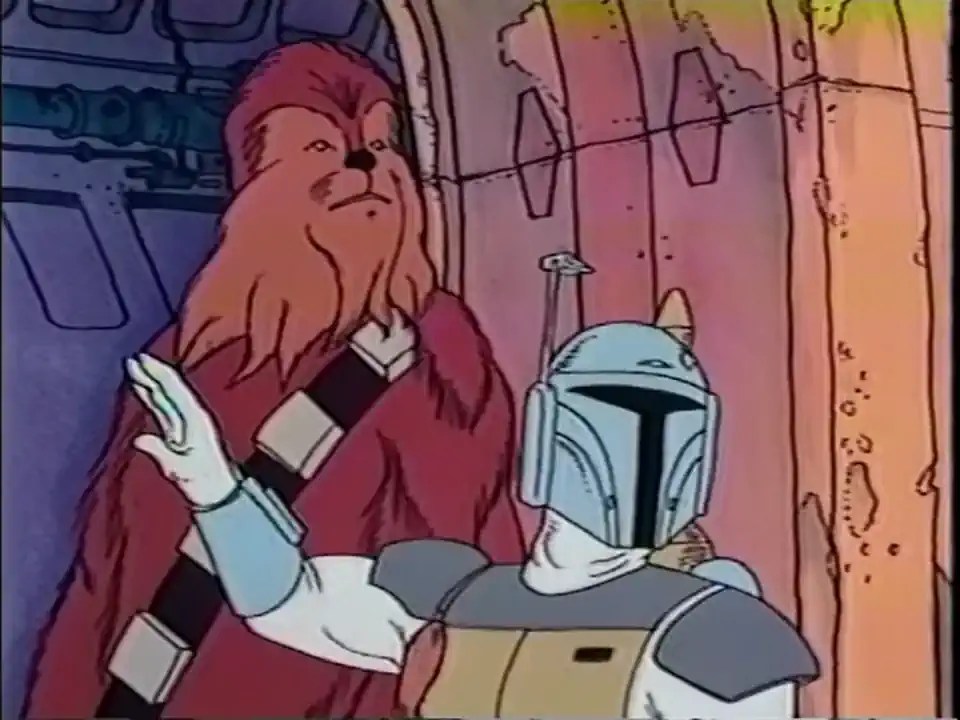
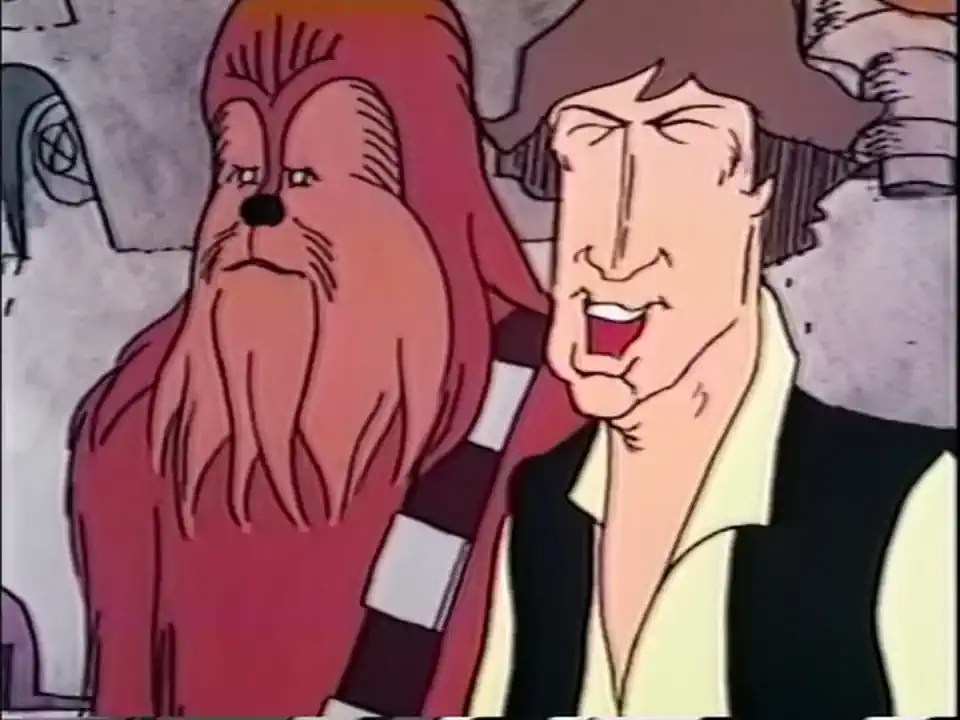
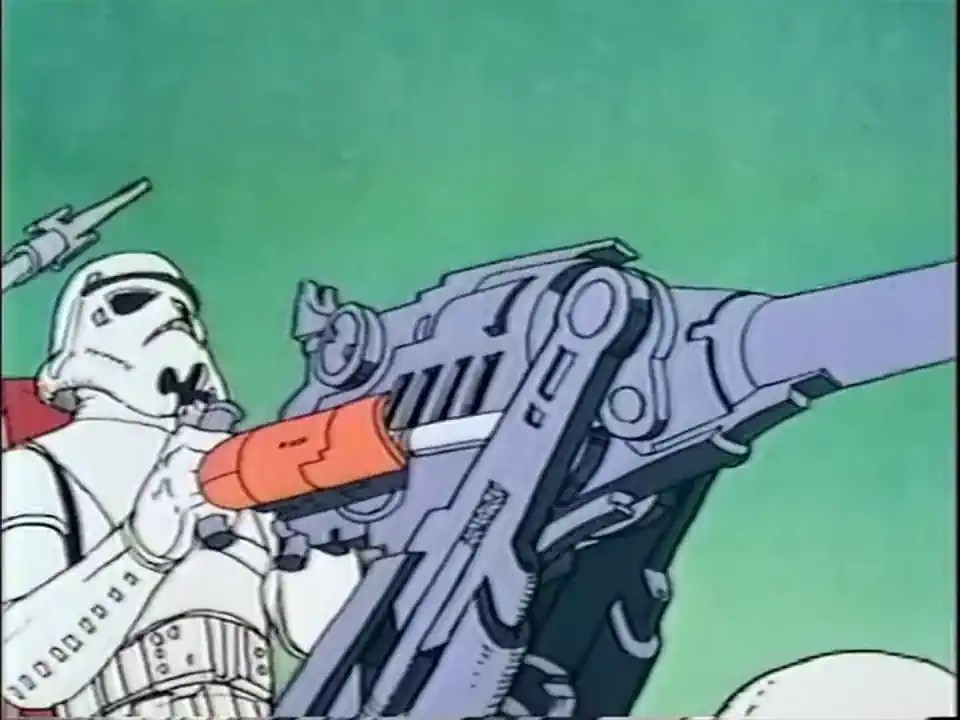
One bright spot was the animated sequence showing Luke Skywalker and Han Solo in a new adventure, which also featured the first appearance of Boba Fett. This stylistically unusual scene conveyed the familiar spirit of Star Wars for a moment and differed greatly from the rest of the special – in tone, tempo and narrative quality.
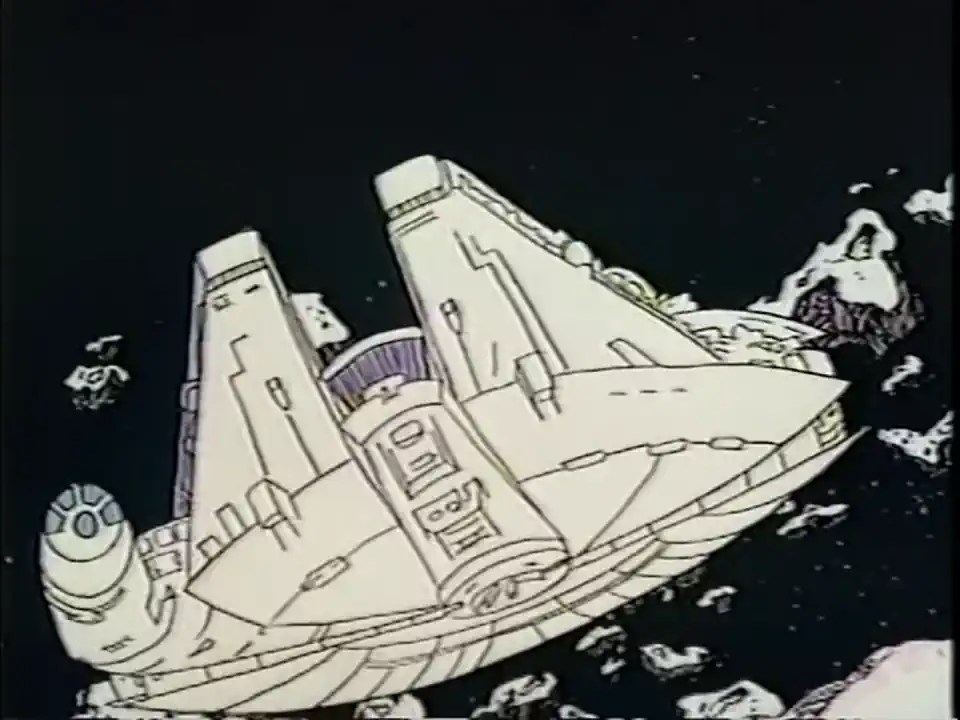
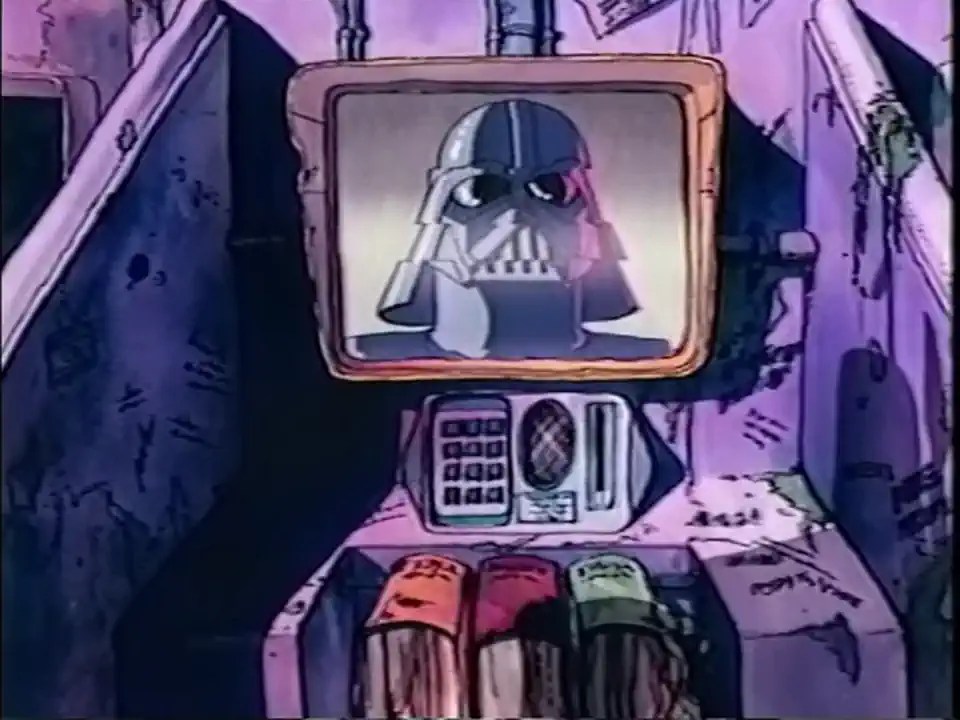
The plot of the animated sequence is surprisingly dynamic: Luke Skywalker and the rebels are trying to find the missing Millennium Falcon, which has made an emergency landing on an alien planet. Han Solo is unconscious after coming into contact with a mysterious substance, and the newly introduced bounty hunter Boba Fett seemingly offers his help. Together with Luke, he embarks on a mission to find a cure, while his true intentions are already becoming apparent in the background. Fett secretly transmits information to Darth Vader, establishing him as a shady character who embodies charm, danger, and unpredictability.
The visual design is colorful and fluidly animated, with surreal landscapes and distorted perspectives in the style of European comics. Boba Fett appears cool, controlled, and mysterious, immediately establishing himself as a character with a special presence. His flying mount reinforces the adventurous nature of the scene and adds dynamism.
This animated episode briefly immersed viewers back into the Star Wars galaxy. It showed that the franchise could also work in animated form and was more compact and excitingly told than the rest of the special. Fett, taciturn and mysterious, was introduced here for the first time – a brief, memorable appearance that made him an icon.
From disaster to cult object
Despite the predominantly negative reactions, the Star Wars Holiday Special has achieved cult status over the decades. It was never officially released, but fan recordings have been circulating in fan circles for decades, further cementing its mythical reputation. Today, the special is considered a curious relic of an era when Star Wars was still wild, unpredictable, and uncontrollable—a piece of pop culture that defied any form of quality control.
It continues to be analyzed, parodied, and celebrated in online forums, at conventions, and in documentaries. Fans regard it as a symbol of creative freedom, which may fail spectacularly, but at the same time can create new forms of fascination. This mixture of nostalgia, embarrassment, and authenticity gives the special an aura that makes it an integral part of Star Wars mythology – an example of how even the biggest missteps in pop history can develop a lasting charm.
George Lucas and the unloved child
George Lucas vehemently distanced himself from the production and later emphasized that it had been created outside of his control. In several interviews, he explained that although he had approved the basic idea, he had had no influence on the final script or the creative implementation. His rejection shows how difficult it was to protect the creative vision of Star Wars from commercialization while meeting the growing expectations of the media industry. Lucas is said to have been reluctant to mention the special later on, and many employees report that he actively tried to suppress copies.
Nevertheless, the special remains a fascinating document of its time: it marks the beginning of the industrial expansion of the franchise and the tensions between artistic ambition and marketing. It shows how a creative universe born of passion and vision was exposed to the constraints of the mass market at an early stage – a theme that would run like a thread through Lucas‘ career.
Resonance and legacy
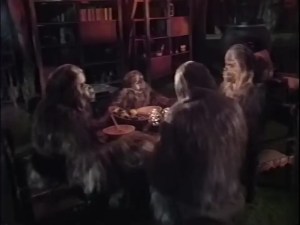
Today, the Star Wars Holiday Special is regarded not only as a cinematic curiosity, but also as a reflection of its era – a time of experimentation, innocence, and boundless enthusiasm for science fiction and pop culture. It shows how the entertainment industry functioned before the age of marketing: spontaneous, unpredictable, risky, and sometimes delightfully absurd. It is precisely this naivety and creative freedom that give the special its unique charm. It is a testament to the fact that pop culture at that time was still born out of improvisation, courage, and chance – long before franchises were shaped by corporate strategies.
Despite all its flaws, the special remains an unforgettable chapter in Star Wars history – a symbol of the creative chaos from which legends are born, and a reminder that even misunderstandings and failures are part of cultural development. Its bizarre mixture of idealism and excessive ambition captures a piece of the spirit of that era, when anything seemed possible—even an intergalactic Christmas special.





 McHenry's Lair
Kommentar verfassen :