

I’m the Doctor, by the way!
Nice to meet you, Rose, – run for yer life!
The Doctor is back …
On March 26, 2005, a TV episode aired in the UK that not only heralded the return of an iconic sci-fi series but also laid the foundation for a new era of Doctor Who: “Rose”. It was a momentous and highly anticipated moment in British television history. Millions of viewers watched with bated breath to see whether the relaunch of the long-standing series would succeed. The episode was not only a series opener, but also a cultural event that sparked the curiosity of media, fans and critics alike.
After an absence of 16 years (aside from the 1996 TV movie), the mysterious time traveler returned with his TARDIS – fresher, more modern, and at the same time full of nostalgic allusions. The producers knew how to honor the classic heritage of the series while breaking new stylistic and narrative ground. The new Doctor, played by Christopher Eccleston, was more edgy and emotionally accessible, and the TARDIS, the symbol of the entire series, had a new but familiar shine.
The episode “Rose” marked the beginning of the so-called New Who era – a phase that was not only characterized by modern technology and higher-quality production, but above all by a new depth in character development and dramaturgy. And that was 20 years ago – a milestone anniversary that gives us reason to look back and appreciate the beginning of a new era that led Doctor Who to new heights.
Plot
The episode begins with the everyday life of young Londoner Rose Tyler. She works in a department store, lives with her mother Jackie and leads a rather unspectacular life, characterized by routines and everyday worries. However, her ordinary life is suddenly turned upside down when she descends into London’s underground after work – and faces an attack by mannequins that have come to life. These bizarre creatures turn out to be Autons, artificial beings controlled by an alien force.
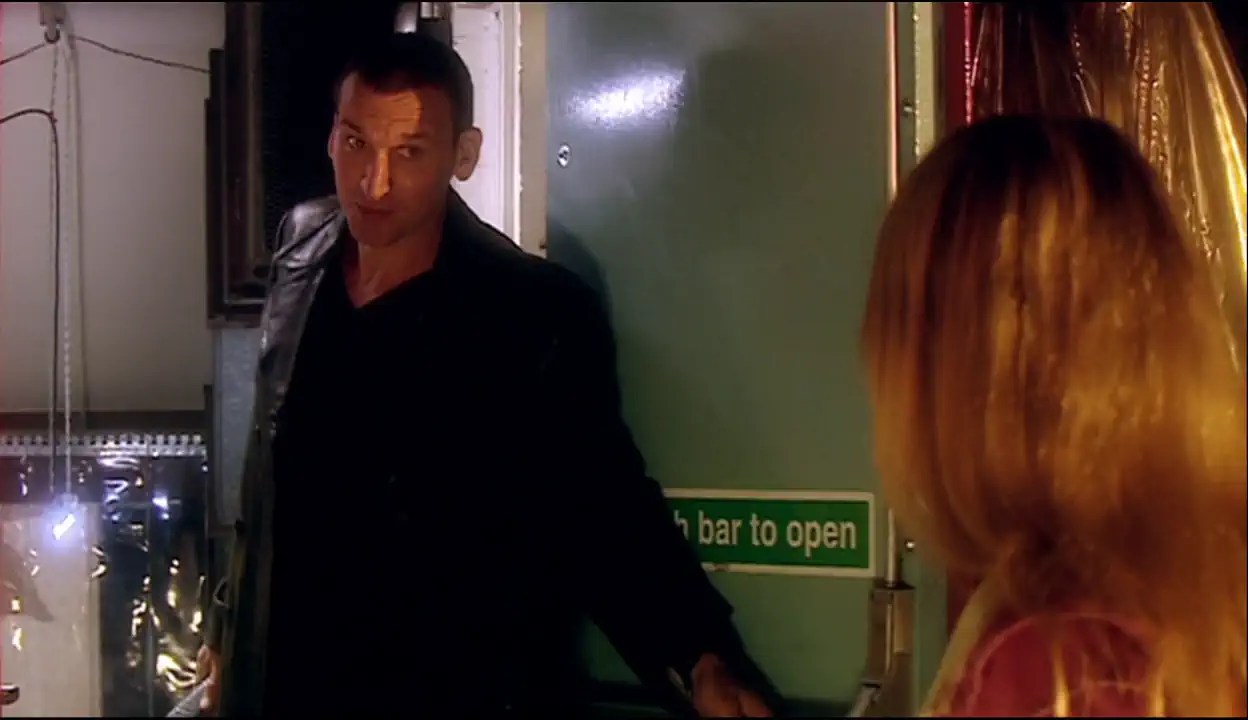
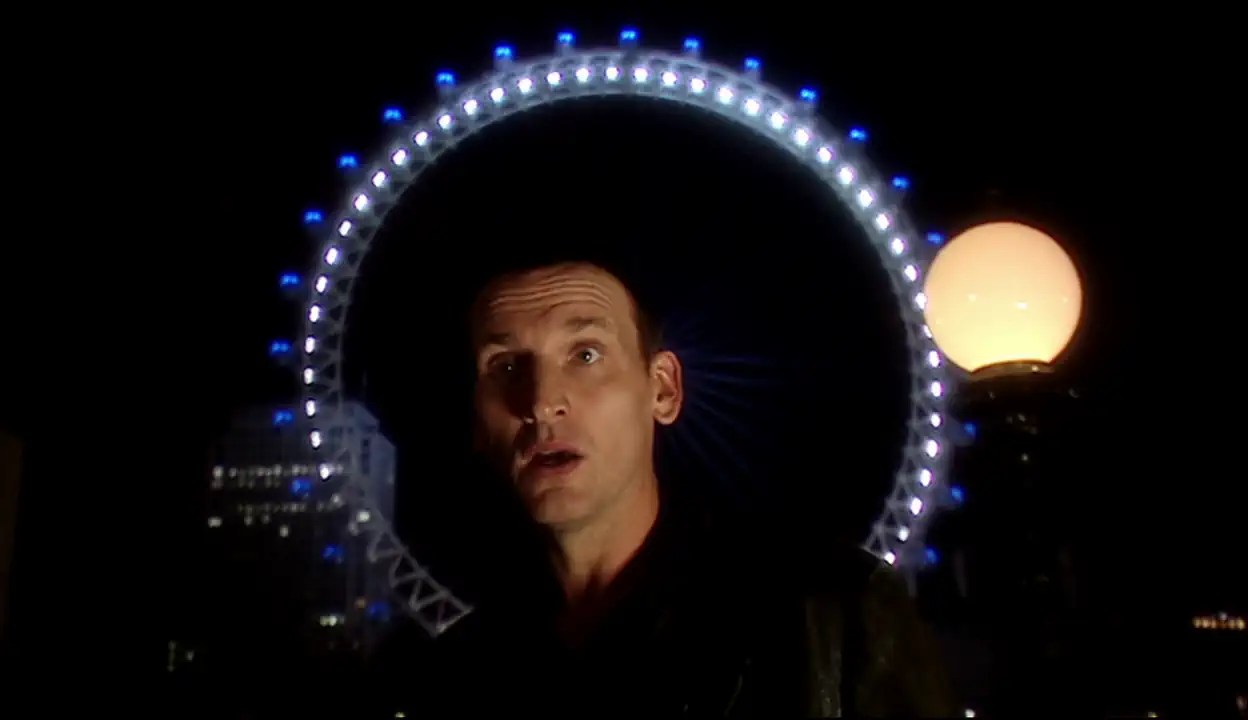
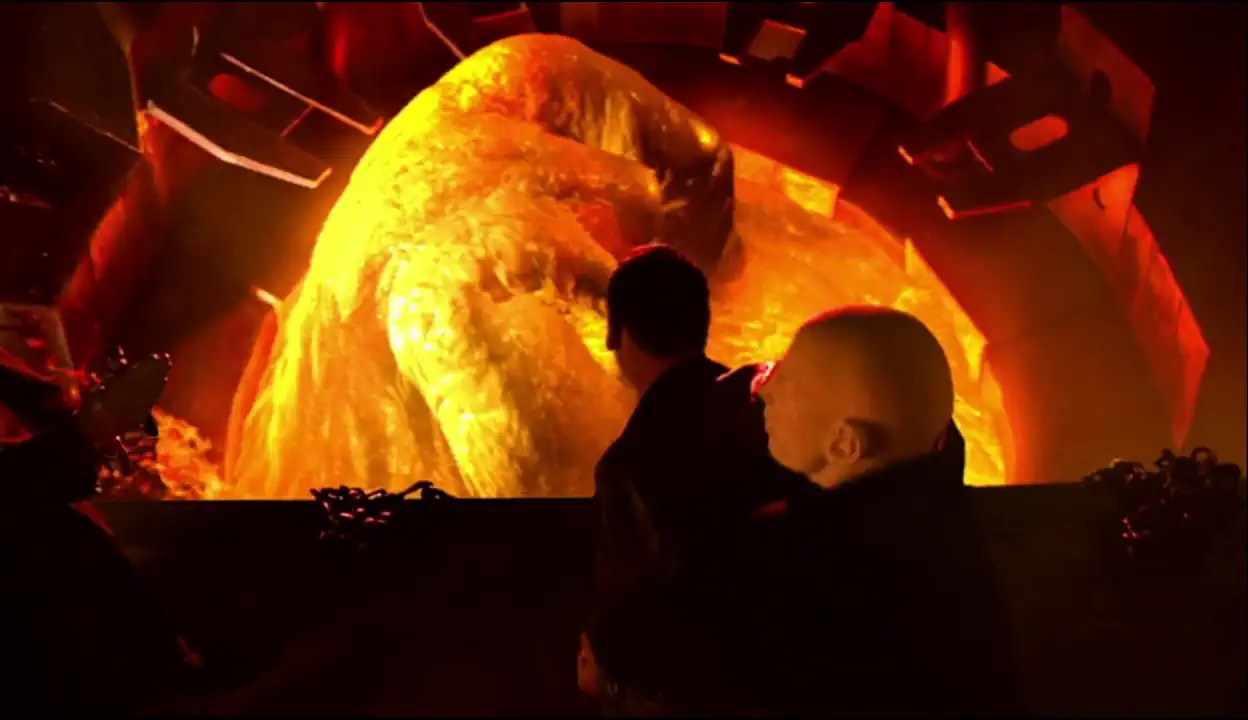
Rose is saved at the last second by a mysterious man in a leather jacket: the Ninth Doctor, played by Christopher Eccleston. He radiates a mixture of strangeness, intelligence and underlying melancholy, which immediately fascinates and confuses Rose. Together, they begin to uncover the source of the threat, with the Doctor revealing that the Autons are controlled by the Nestene Consciousness – an alien entity that takes control of synthetics through liquid plastic in preparation for an invasion of Earth.
While Rose is initially overwhelmed and cannot imagine dealing with these incredible things any further, she begins to discover her courage over the course of the episode. She overcomes her fear, faces the dangers and ultimately makes a decisive contribution to stopping the attack. At the end of the episode, she is faced with a choice: should she return to her old life or dare to face the unknown? After a moment’s hesitation, she decides to travel with the Doctor through space and time – a courageous step that will not only change her life forever, but also influence the fate of many worlds.



Significance for the series
“Rose” was not just a first episode. It was a bold new beginning, a creative tour de force that came with high expectations and a certain amount of risk. Under the direction of showrunner Russell T Davies, Doctor Who was reimagined for a new generation – with a faster narrative pace, emotional depth, a modern look and a structure that relied more on continuous storytelling. In doing so, Davies managed to respect the legacy of the classic series without being constrained by it. Instead of relying on purely episodic storytelling, a story arc was established that spanned the entire season – an innovation for the series.
The decision to tell the story from the point of view of a human companion opened the series up to a wider audience and allowed an emotional character to be established with whom viewers could identify. Rose became a window into a strange world, and her reactions gave viewers orientation in the midst of time travel and alien threats. In addition, the episode made it clear: this is not just a revival for old fans – it is the beginning of a new era in which Doctor Who not only entertains, but also touches and inspires reflection.
The character Rose Tyler
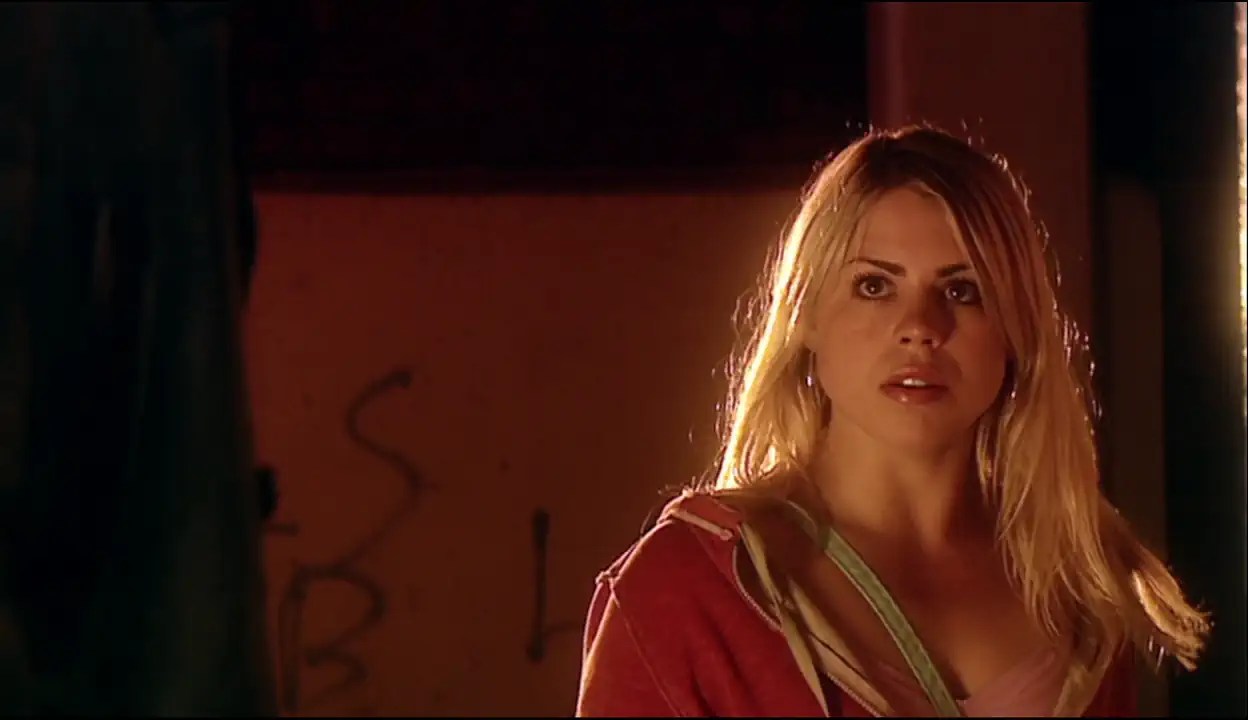
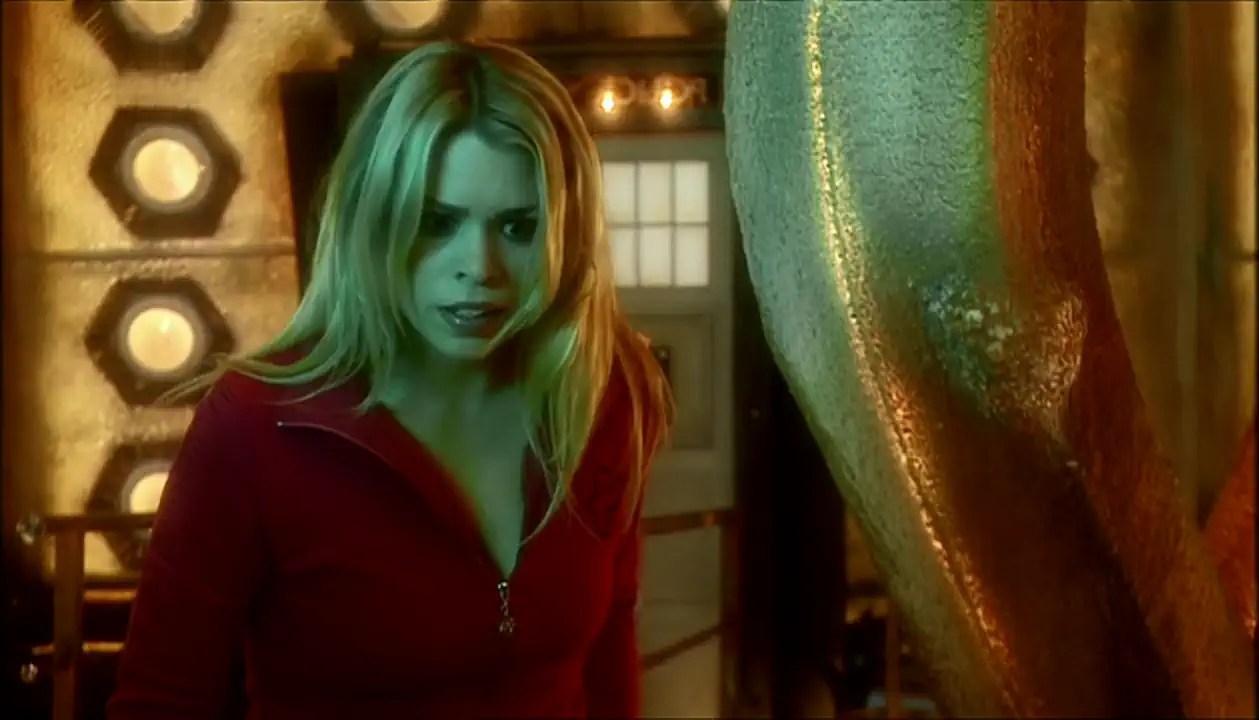
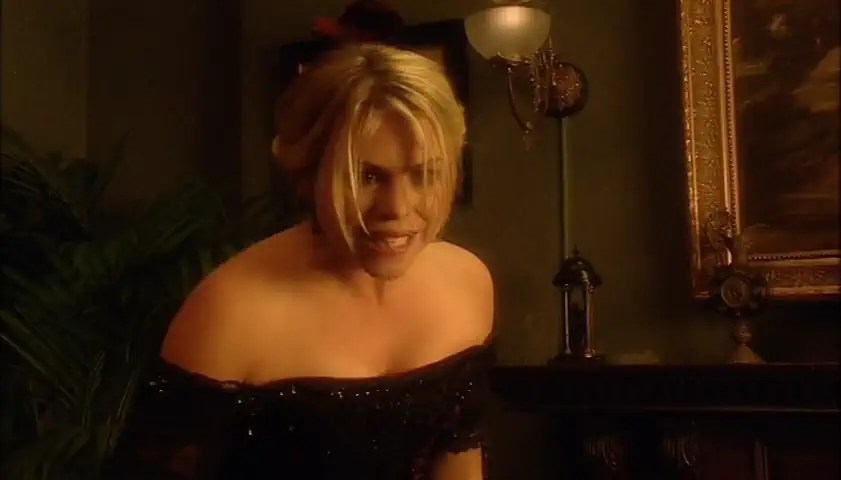
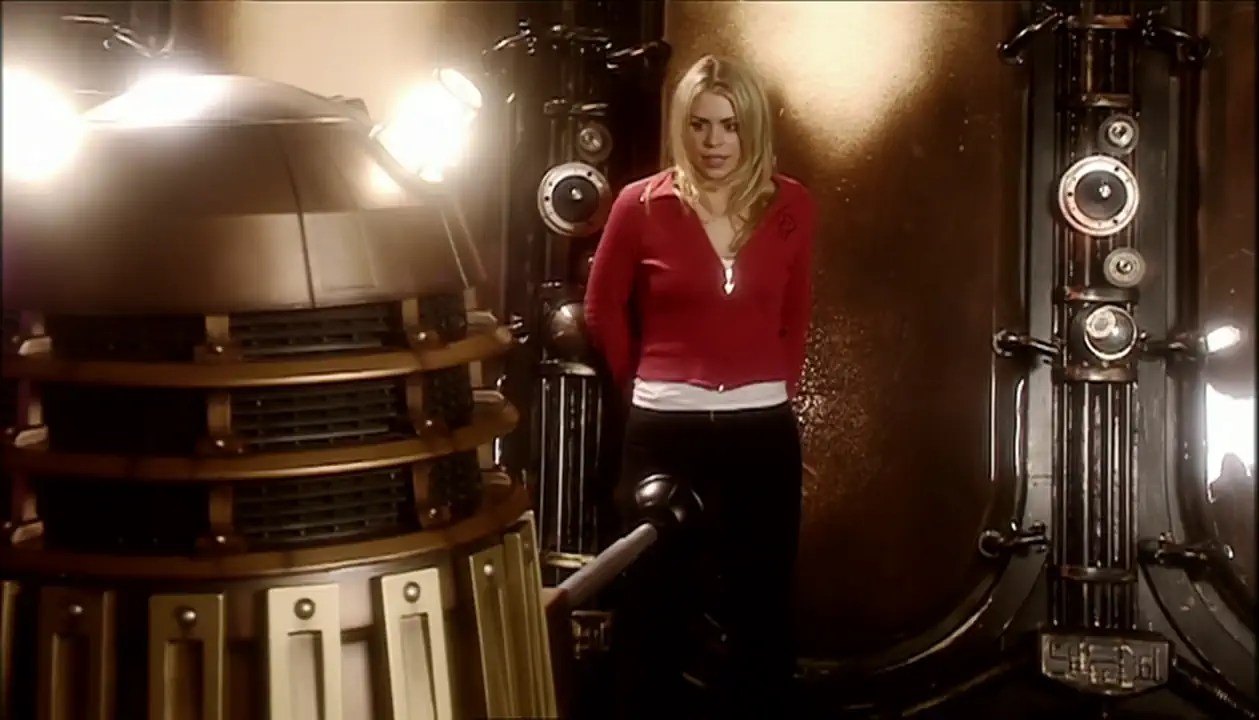
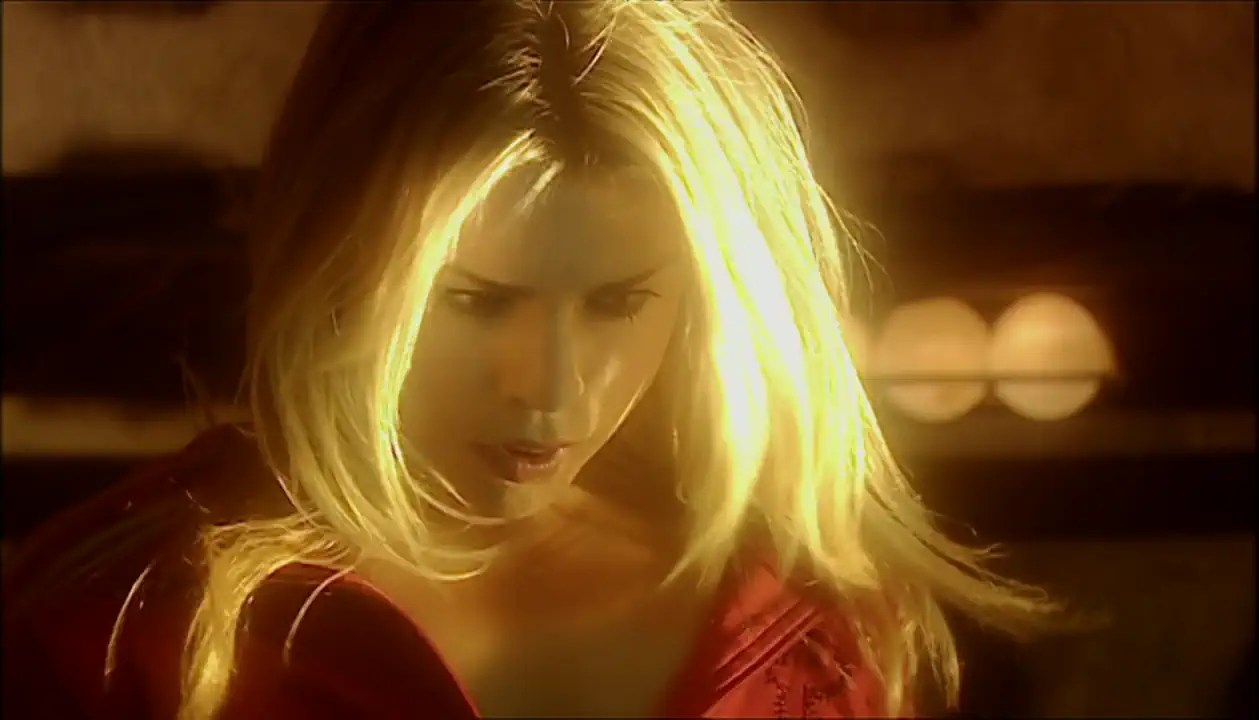
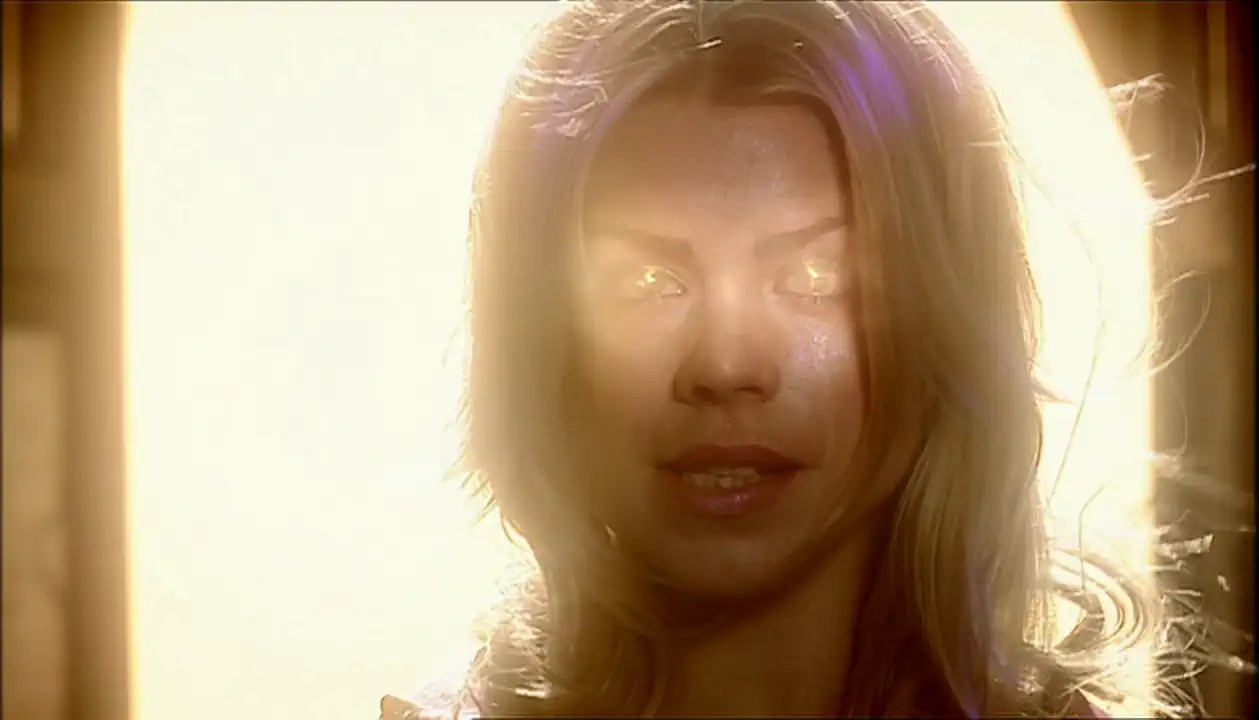
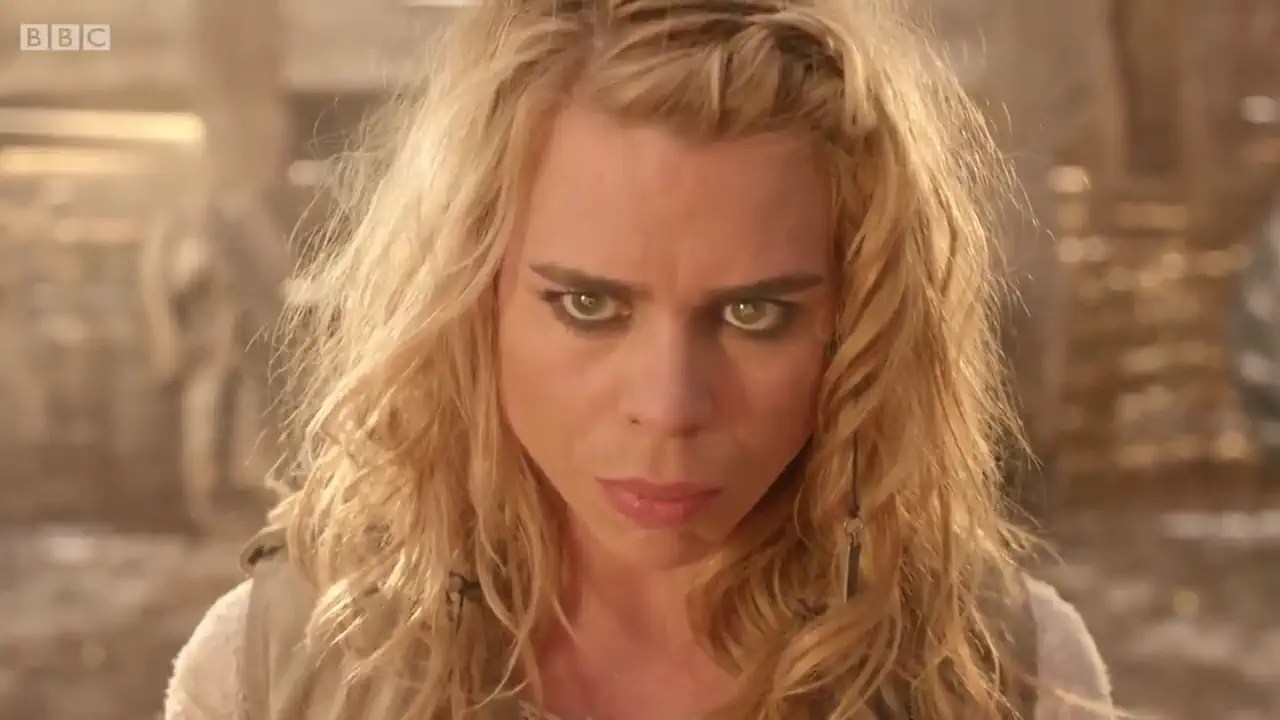
Rose, played by Billie Piper, was the emotional anchor of the series. Not just a “sidekick”, but a character with depth, courage and development. She represented the viewer: a young woman with a normal life who is suddenly thrown into a world full of aliens, adventure and decisions. Her perspective was key to the emotional accessibility of the series – she asked the questions that the audience also had and reacted authentically to the incomprehensible. Her transformation from a somewhat disoriented teenager to a self-confident heroine was a central element of the narrative.
Her relationship with the Doctor – sometimes platonic, sometimes romantically implied – became the emotional center of the first two seasons. Rose not only showed loyalty and empathy, but also proved to be an independent and resourceful companion, making her one of the most memorable companions of the modern Doctor Who era. Rose brought humanity to the series and embodied the idea that anyone, no matter how “ordinary”, can achieve great things. Her story showed that personal development and compassion can be just as heroic as courage and fighting spirit – a narrative that touched viewers worldwide.







Criticism at the time
Reactions to “Rose” were mixed, but mostly positive. While long-time fans were skeptical about whether the new style would remain true to the spirit of the original series, many critics praised the modernization, the charm of Eccleston and Piper, and the clever balance between action, humor and emotion. The episode also featured a new cinematic language and a contemporary narrative style that particularly appealed to younger viewers. The Autons as opponents were a nostalgic reference to classic episodes – but for some, they were not visually convincing enough. The effects seemed immature in places, partly due to the limited budget, but also to the fast pace of production.
Despite these objections, many emphasized the fresh dynamics of the production and the emotional connection between the characters. The successful interplay between Eccleston’s intense portrayal of the Doctor and Piper’s credible embodiment of an everyday heroine was also positively evaluated in many quarters. Ultimately, the reboot was a success with audiences, immediately drawing millions of viewers to their screens, which confirmed the BBC’s decision to invest in the new edition in the long term.
Cultural influence
The success of “Rose” and the seasons that followed re-established Doctor Who as an integral part of British popular culture. The series inspired spin-offs such as Torchwood and The Sarah Jane Adventures, won numerous awards and attracted a new generation of fans. Merchandising, conventions and fan communities also received an enormous boost from the reboot. The series became a cultural meeting place that connected generations and brought discussions about time travel, ethics and identity into the mainstream.
Rose Tyler became an icon, not only as a companion, but as a symbol of change, courage and humanity in a series full of cosmic scales. She became a role model for many young female viewers, who found inspiration in her development, determination and strength. Billie Piper was finally established as a serious actress through the role and also gained artistic recognition outside of the series.
Globally, Doctor Who gained popularity – “Rose” was the gateway to the world. In countries such as the US, Australia or Germany, interest in the series skyrocketed. Streaming platforms and international broadcasts made the Doctor’s adventures accessible to a worldwide audience and established the series as an international sci-fi phenomenon.
Summery
“Rose” was more than just a pilot. It was the spark that reawakened Doctor Who – with heart, excitement and a clear vision. It marked not only the beginning of a new chapter, but also the reawakening of a collective cultural heritage that connected generations. Twenty years ago, this one episode marked the beginning of a renaissance that continues to this day and has inspired countless creative minds. It showed how to modernize a cult series without losing its soul by combining familiar elements with new ideas while preserving the emotional core. And it proved that sometimes it takes just one thing to make an entire universe flourish anew – a universe full of possibilities, stories and humanity.








 McHenry's Lair
Kommentar verfassen :