


The 80s – This was the Golden Age of the Commodore 64.
The undisputed ruler of home computing. It brought unforgettable games straight into homes worldwide.
Among its legendary titles was a true RPG classic of its time:
The Bard’s Tale
RPG at its best
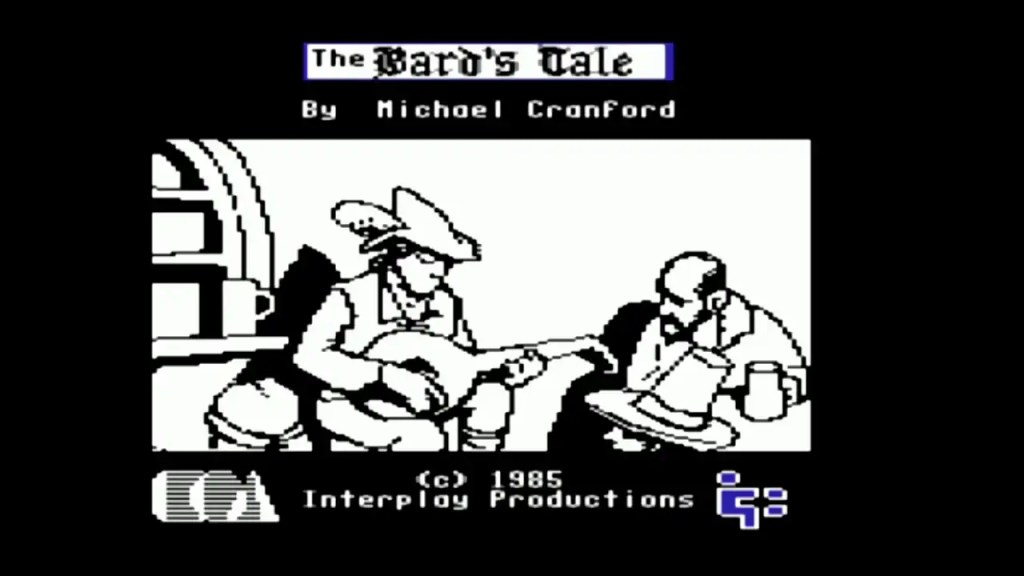
Originally released in 1985, The Bard’s Tale quickly became a seminal title in the role-playing game (RPG) genre. Developed by Michael Cranford and published by Interplay Productions, the game was ported to a variety of platforms, including the Commodore 64, where it gained a strong following. With its blend of deep gameplay mechanics, immersive fantasy world, and revolutionary graphics for its time, The Bard’s Tale carved a place in gaming history.
The game’s premise – a city trapped in eternal winter by an evil wizard – captured the imagination of players and set the tone for a richly developed, story-driven experience. It arrived at a time when the RPG genre was still solidifying its identity on home computers, and The Bard’s Tale helped push the boundaries of what a digital role-playing game could be. The combination of complex character creation, atmospheric audio, and striking visuals made it a standout title that drew in both Dungeons & Dragons enthusiasts and newcomers to the genre alike.
Its release marked an important moment in the evolution of RPGs, offering a gateway into immersive fantasy worlds and inspiring a generation of game designers. Its success demonstrated the growing appetite for sophisticated gaming experiences and helped to solidify Interplay Productions‘ reputation as a major player in the video game industry.
Gameplay
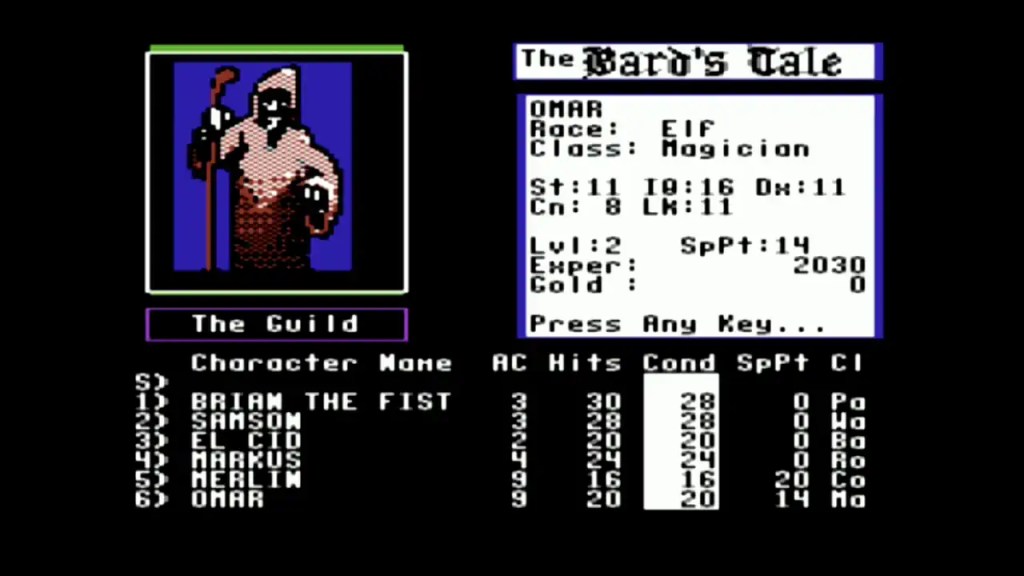
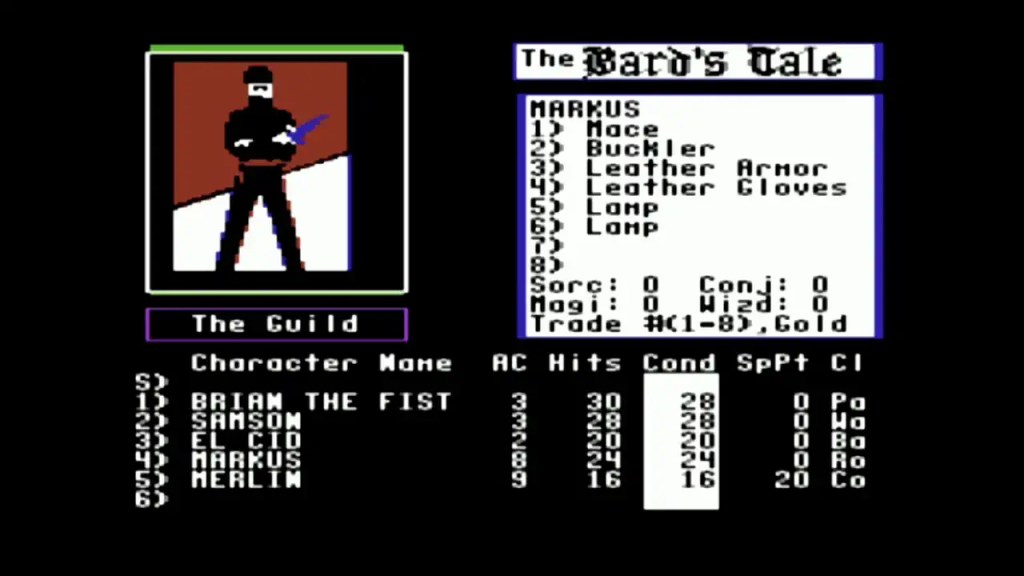
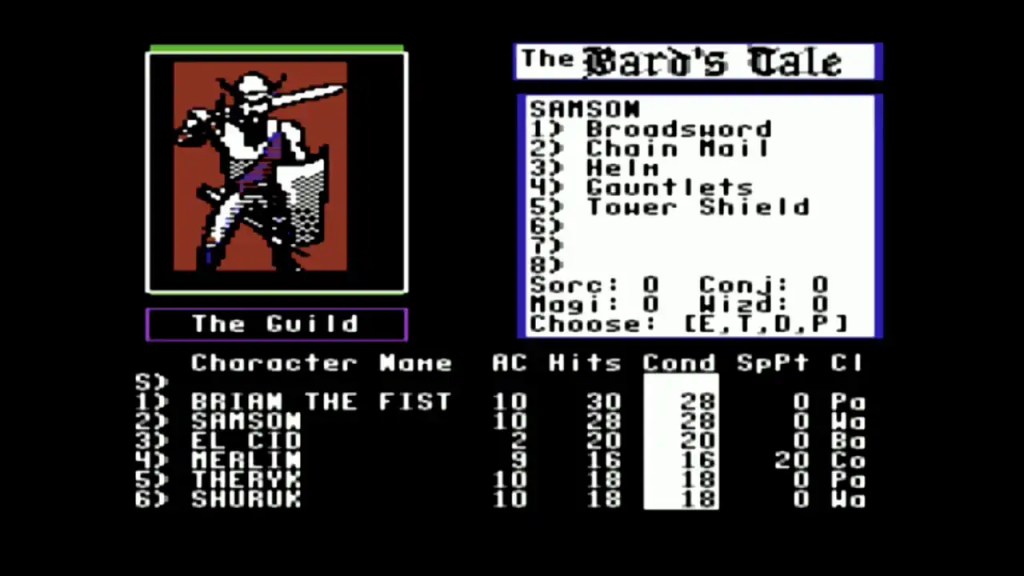
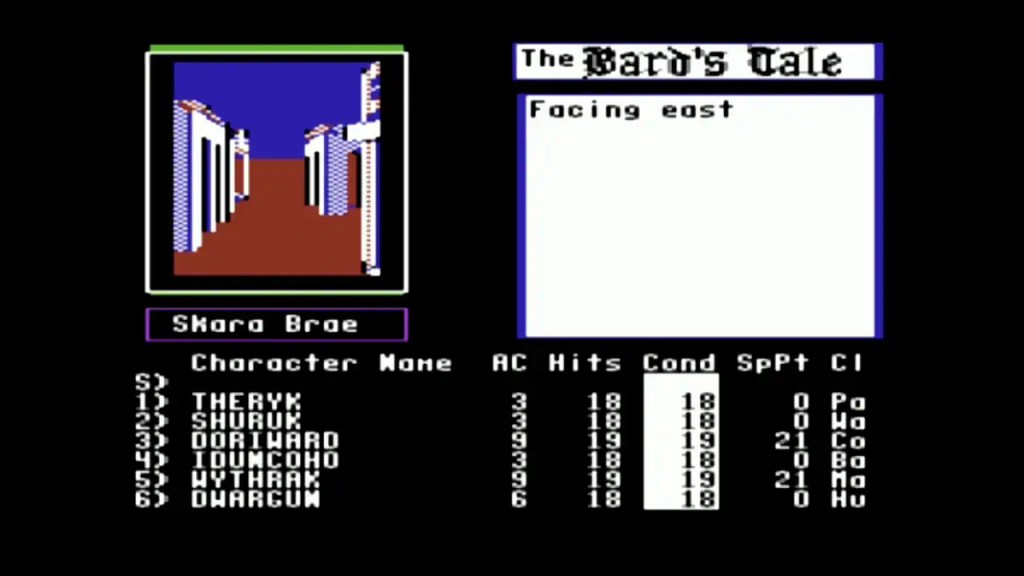
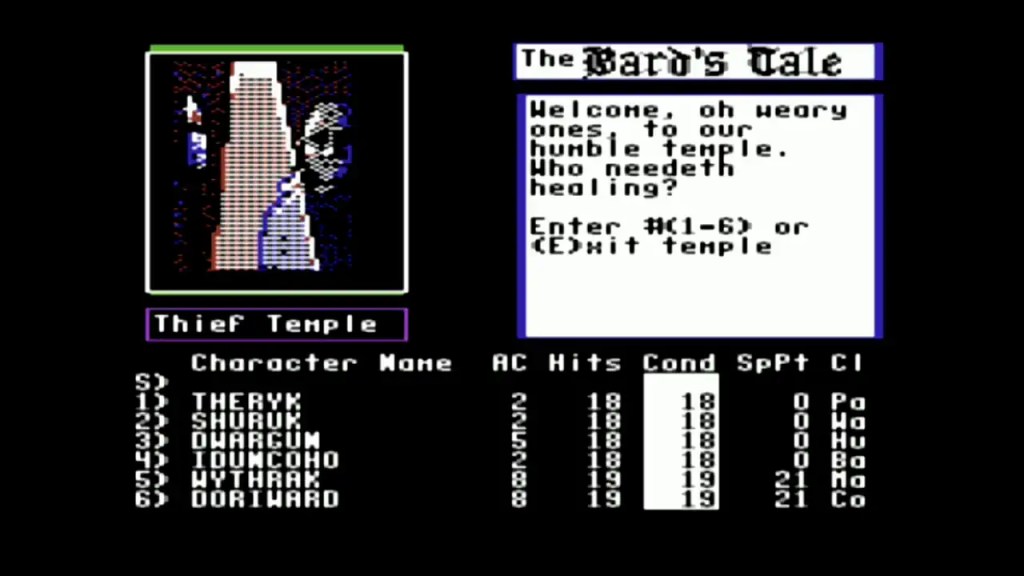
Set in the city of Skara Brae, players control a party of adventurers on a quest to defeat the evil wizard Mangar the Dark. The game features first-person dungeon crawling, turn-based combat, and party-based mechanics. Players can create a party of up to six characters, choosing from traditional fantasy classes such as warrior, rogue, and of course, bard. The bard was a unique addition, with the ability to sing magical songs that had lasting effects during exploration and combat. These songs could buff party members, weaken foes, or even help reveal hidden areas, giving the bard a versatile and valuable role in the party.
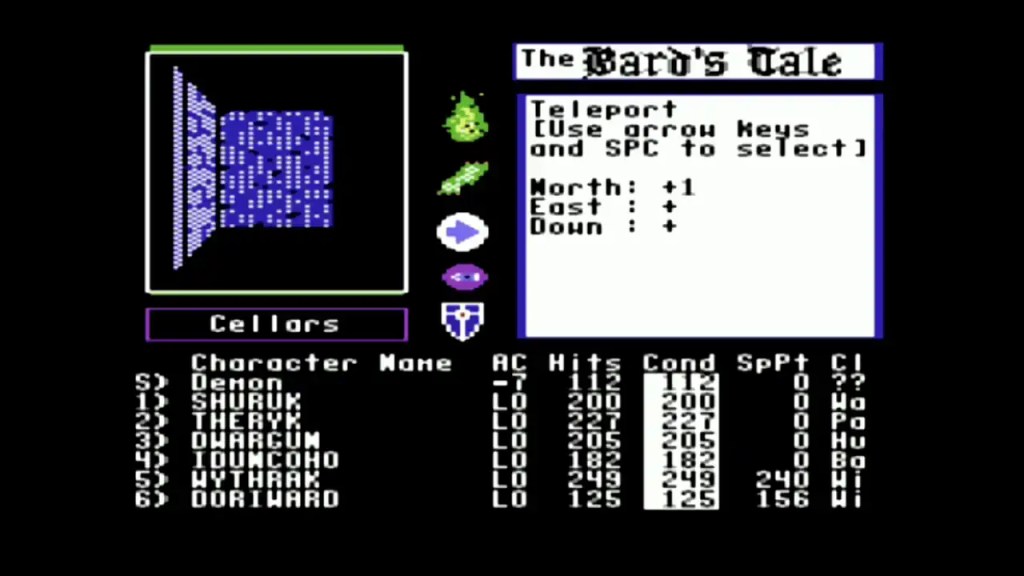
The game’s exploration was grid-based, and dungeons were intricate and often unforgiving, requiring players to map their journeys manually on graph paper—a common practice among RPG fans of the era. Navigating through dark corridors and solving puzzles was both exhilarating and perilous, as traps and ambushes lurked around every corner. Environmental features such as teleporters, spinners, and false walls added to the challenge, rewarding players who paid close attention and kept detailed notes.
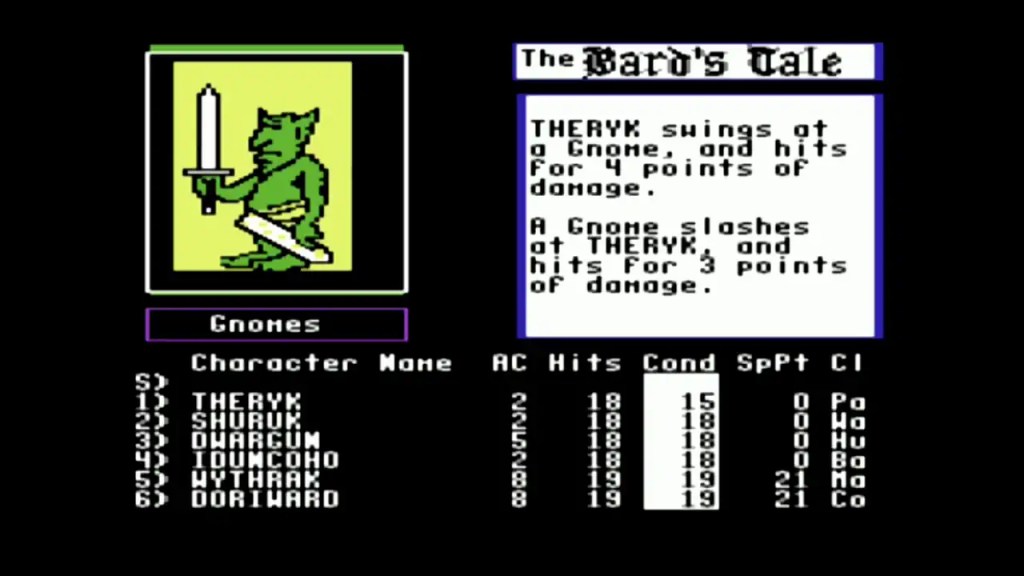
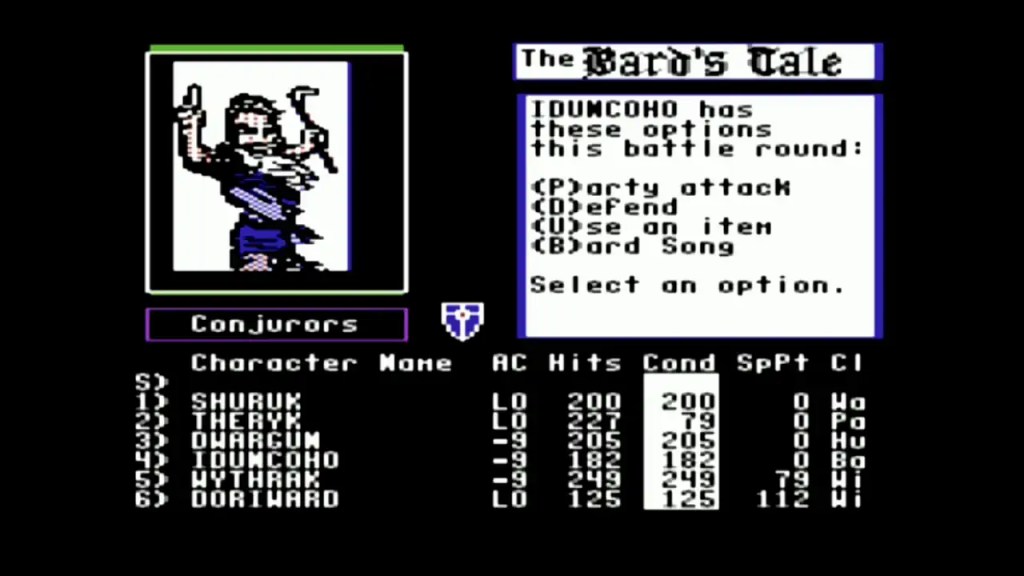
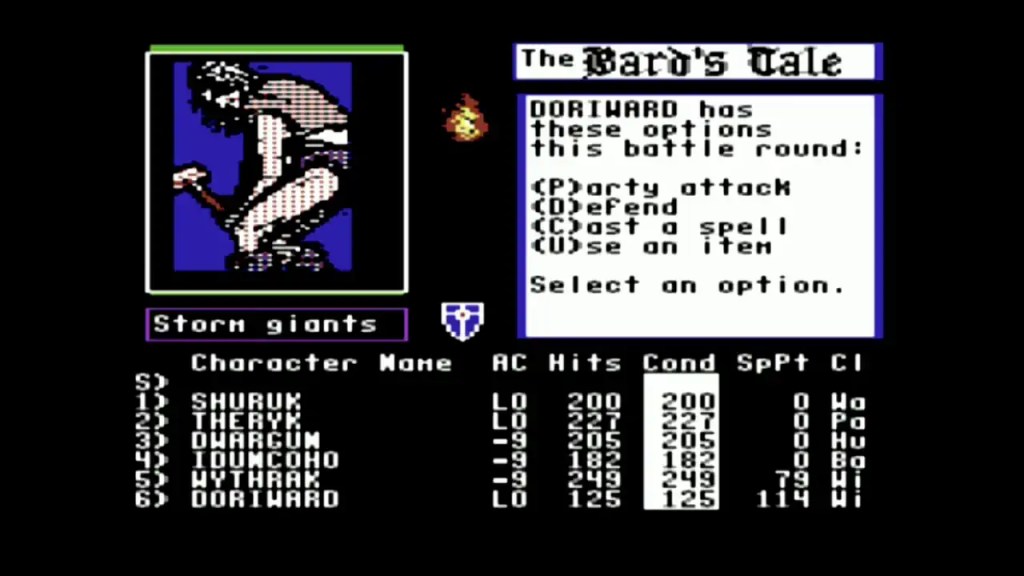
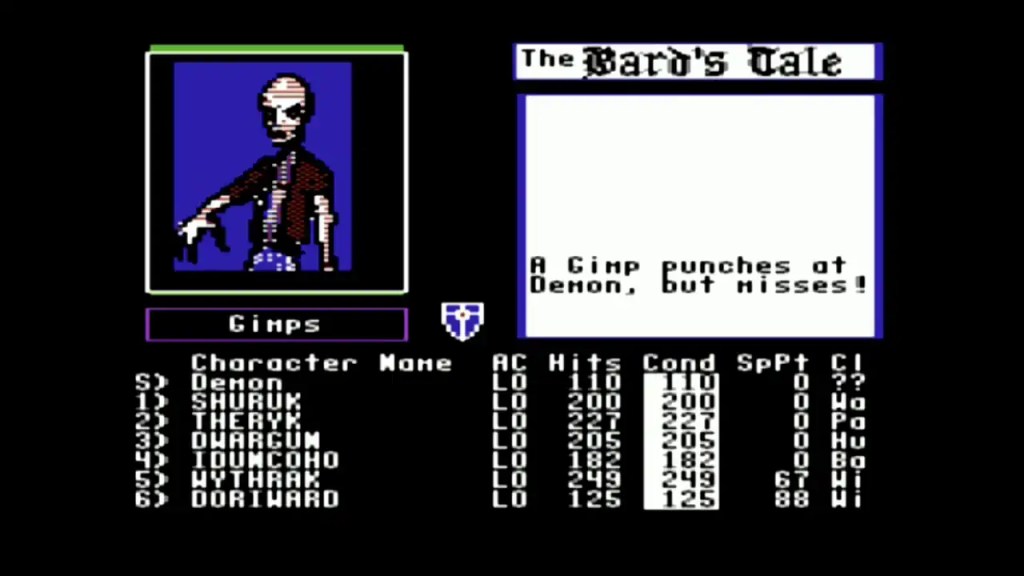
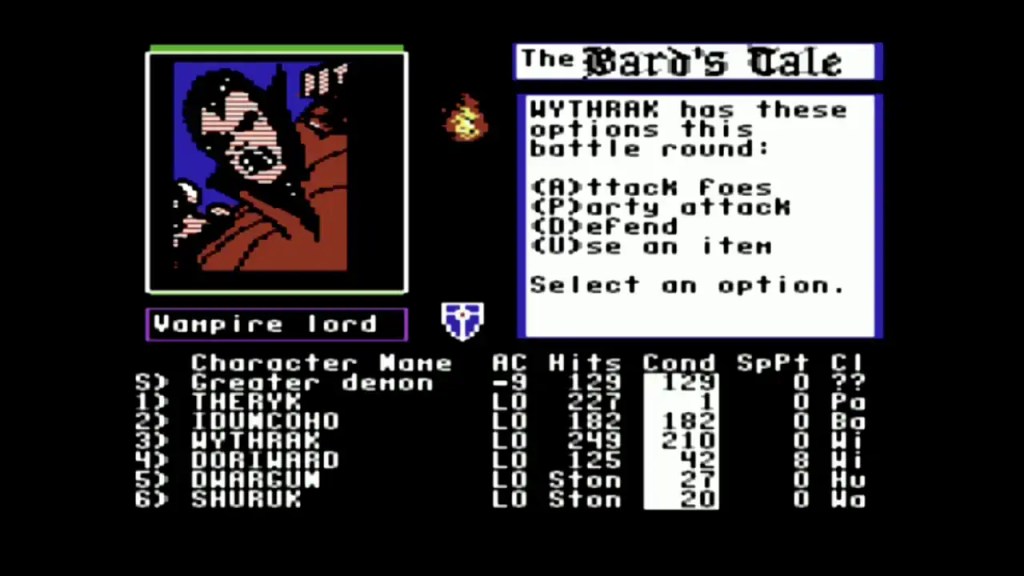
Combat was challenging and strategic, with spells, song effects, and melee all playing critical roles. Each encounter could pit the party against multiple enemy groups with a variety of strengths and abilities. Magic users had to manage their spell points wisely, and the timing of a bard’s tune could make the difference between victory and defeat. As players progressed, the enemies became tougher and more numerous, pushing them to refine their tactics and optimize their party composition.
Trivia
- The Bard’s Tale was originally titled Tales of the Unknown: Volume I. The name change occurred after the bard character became a fan favorite, and the game’s marketing leaned into the uniqueness and charm of the bard class to set it apart from other RPGs of the time.
- The game included a printed code wheel and a keyword system as an early form of copy protection. Players had to refer to this wheel to correctly answer verification prompts before proceeding into certain areas or accessing key gameplay features, making it a memorable part of the experience.
- Despite being named after the bard, the game could be completed without one in the party. However, having a bard made certain encounters and explorations more manageable, especially since their songs provided passive benefits, magical effects, and even navigation aids like light in dark dungeons.
- The bard’s songs were influenced by real-world musical traditions and were uniquely integrated into gameplay mechanics, reflecting the developers‘ intention to create a hybrid of narrative storytelling and tactical advantage.
- Some versions of the game included humorous or cryptic in-game messages that referenced other games or poked fun at players, adding a layer of meta-humor and charm that was rare for its era.
Technology
On the Commodore 64, The Bard’s Tale was a technical achievement. It utilized the SID chip for its memorable music and made the most of the C64’s graphical capabilities with animated monster portraits and richly detailed dungeon walls. The game’s sound design stood out particularly, as the bard’s musical spells added a dynamic layer to both ambiance and gameplay, leveraging the C64’s advanced audio hardware in a way few games had done before.
The user interface, though text-heavy, was streamlined for its time and helped players navigate the game’s many menus and statistics with surprising efficiency. The developers cleverly optimized the limited memory and processing power to deliver a smooth, immersive experience, even managing to include a variety of spell effects and transitions between different dungeon areas.
Loading times were considerable, especially when moving between areas or accessing deeper levels of dungeons, but players were willing to wait due to the game’s depth and quality. Given the limitations of the hardware, the richness of The Bard’s Tale’s presentation was a testament to the technical prowess and creativity of its developers, pushing the boundaries of what the C64 could deliver.
Sequels
The success of the original led to two direct sequels: The Bard’s Tale II: The Destiny Knight (1986) and The Bard’s Tale III: Thief of Fate (1988). Both games expanded on the original’s mechanics, introduced larger game worlds, and featured character import options, allowing players to carry over their beloved parties and progress. These sequels delved deeper into the lore of the series, introduced new spells, classes, and more diverse environments, elevating the series‘ complexity and appeal.
The Bard’s Tale II included an overworld map that connected multiple cities and dungeons, a significant innovation that added a grander scale to exploration. The Bard’s Tale III introduced time travel and alternate dimensions, reflecting the developers‘ ambition to push the boundaries of narrative and gameplay.
In 2004, a modern reimagining simply titled The Bard’s Tale was released by inXile Entertainment. This version shifted the tone from serious fantasy to parody, featuring a wisecracking protagonist voiced by Cary Elwes. While not a direct continuation of the original trilogy, it paid homage through its references and mechanics, appealing to both longtime fans and newcomers alike. The franchise was later revived again with The Bard’s Tale IV: Barrows Deep in 2018, a direct continuation of the original trilogy’s storyline, showcasing the enduring legacy and appeal of the series.
Reviews at the Time
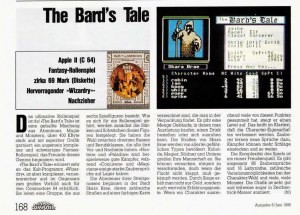
Upon release, The Bard’s Tale received glowing reviews. Magazines like Computer Gaming World and Zzap!64 praised its rich storytelling, challenging gameplay, and superior graphics. It was often compared favorably to contemporaries like Ultima and Wizardry, and won several awards for best RPG and best graphics. Critics highlighted the game’s immersive atmosphere and praised the innovative use of music and sound effects, which elevated the gameplay experience. The integration of bardic songs into combat and exploration was seen as a standout feature, adding an unprecedented layer of interactivity and atmosphere.
Reviewers also noted the game’s longevity, citing the massive, complex dungeons and numerous enemies as reasons players would return again and again. The need for manual mapping and strategic planning was praised as a testament to the game’s intellectual demands, appealing to hardcore RPG enthusiasts. Several publications also commended the game’s pacing and sense of progression, which made the challenge feel rewarding rather than punishing.
The level of polish and ambition present in the game was seen as a benchmark for future RPGs. In a market that was rapidly evolving, The Bard’s Tale stood out for its professional presentation, richly illustrated box art, and extensive game manual, all of which added to its overall appeal and contributed to its critical acclaim. It was lauded not only as an entertainment product but as a serious work of game design, pushing the medium forward and laying the groundwork for the narrative-rich RPGs that would follow.
Cultural Influence and Reputation Today
The Bard’s Tale remains a beloved classic in the RPG community. It inspired countless dungeon crawlers and helped define party-based RPG mechanics, setting a standard for many future games in the genre. The game’s unique blend of strategy, exploration, and storytelling encouraged developers to prioritize narrative depth and character development in subsequent RPGs. It is often credited with bringing a more narrative-driven and immersive experience to home computers, bridging the gap between tabletop role-playing games and digital entertainment. The atmosphere of Skara Brae, the clever use of music as a gameplay element, and the necessity for players to engage in manual mapping created a deep and rewarding experience that resonated with fans.
Modern remasters and the release of The Bard’s Tale Trilogy have introduced the game to new generations, preserving its legacy while updating its presentation for contemporary audiences. Fan communities have also kept the spirit of the original alive through forums, mods, and retrospectives. As one of the foundational titles in the RPG landscape, The Bard’s Tale continues to be discussed, analyzed, and celebrated—cementing its place in the annals of video game history.
Summary
The Bard’s Tale for the Commodore 64 stands as a pillar in the foundation of computer RPGs. With its innovative mechanics, memorable characters, and challenging gameplay, it not only entertained but also influenced a genre. It helped set a precedent for the depth and complexity expected from future role-playing titles. The blend of atmosphere, strategy, and lore created a captivating experience that drew players into a richly imagined world. Its balance of traditional fantasy elements and inventive features, like the bard’s magical music, showcased the creative possibilities of early computer gaming. Decades later, its echoes can still be felt in modern RPGs, as developers continue to draw inspiration from its groundbreaking design. Whether through spiritual successors, direct remakes, or community homage, The Bard’s Tale remains a true classic of its era and a testament to the enduring power of imaginative storytelling in games.







 McHenry's Lair
Kommentar verfassen :